Algés, Oeiras Mon to Sat · 09:00 to 13:00 and 14:00 to 19:00
WhatsApp Book a consultation

Aesthetic gynaecology

Vaginal atrophyWhen a lack of oestrogen changes the intimate tissues

Vaginal atrophy is the name long given to the changes in the vulva and vagina when oestrogen falls. Today we speak of genitourinary syndrome of menopause, because the picture also includes urinary symptoms. Unlike hot flushes, it does not usually improve on its own. Here we explain what it is, how it differs from other causes and what the clinic can offer, with honesty about what the evidence says.

Reviewed by Dr Michelle Campagnoli, clinical director

  • 4additional options the clinic can offer
  • 1assessment consultation, always first
  • 70 €assessment booked through the website
Fotografia · atrofia-vaginal-hero800 × 1000 px · vertical 4:5Mulher de uns 58 anos, cabelo grisalho curto, de camisa clara, a sorrir de forma serena junto a uma janela com luz natural, num ambiente doméstico acolhedor; fotografia de retrato, sem nudez nem qualquer zona íntima visível

How to recognise it

Could it be vaginal atrophy?

The signs can be genital, sexual or urinary, and many women only link them to the menopause after years. What matters is what you feel and for how long.

Tick what you recognise0/7

Tick the signs you recognise in your case. This is not a diagnosis, it is only meant to give you an idea.

Any vaginal bleeding after the menopause, even if slight, should be seen by a doctor, as should bleeding after sex, foul-smelling discharge, pain that persists and white patches or sores on the vulva. Out of hours, call SNS 24: 808 24 24 24.

Fotografia · atrofia-vaginal-consulta1083 × 1300 px · vertical 5:6Médica de bata branca sentada de frente para uma paciente de uns 60 anos, numa sala de consulta de luz natural, com um bloco de notas e um modelo anatómico da pelve em cima da secretária; ambiente acolhedor e reservado, sem qualquer imagem da zona íntima
Frame for a photograph of a consultation. The dots mark what the doctor assesses; the image does not show the intimate area.

Why it happens

What lies behind vaginal atrophy

The cause is always a lack of oestrogen in the tissues themselves. What changes is where that lack comes from and how long it lasts. Choose a situation to see how it applies.

Natural menopause

The vulva, vagina, urethra and bladder have oestrogen receptors. When hormones fall permanently, the mucosa becomes thinner, paler and less elastic, loses its folds, produces less secretion and the pH rises, which weakens the flora that protects it. As the lack persists, the tissues keep changing.

What weighs on it

Waiting for it to pass like hot flushes: here the cause is in the tissues and it persists.

What helps

Talking about it and assessing a long-term plan, starting with the simplest measures.
Normal or to be assessed

Vaginal atrophy or another cause

The symptoms resemble those of other conditions. That is why it is not wise to assume it is atrophy without an assessment.

  • How it shows. Dryness, burning or discomfort that set in after the menopause, surgery or a treatment, with pain on penetration and, sometimes, urinary symptoms.

  • When it happens. At a stage of low oestrogen, gradually, and it tends to persist or get worse over the years if nothing is done.

  • What the clinic does. The doctor listens to the symptoms, examines the vulva and vagina and confirms the diagnosis, which is clinical.

  • At home. A moisturiser used regularly, a lubricant during sex and gentle hygiene, while waiting for the consultation.

Do you have bleeding after the menopause? Do not wait: seek medical assessment without delay. Out of hours you can call SNS 24: 808 24 24 24.

Book an assessment consultation

What can help

Treatments for vaginal atrophy

Because the lack of oestrogen persists, treatment is a long-term plan. Moisturisers and lubricants are the first line for mild symptoms, and low-dose vaginal oestrogen, on prescription, is the treatment with the most evidence when symptoms are moderate or severe. Vaginal prasterone (DHEA) and ospemifene, as a tablet, are alternatives the doctor may consider, and pelvic floor physiotherapy helps when there is pain or muscle tension. The treatments below are additional options, assessed case by case, with more limited evidence.

Book an assessment consultation
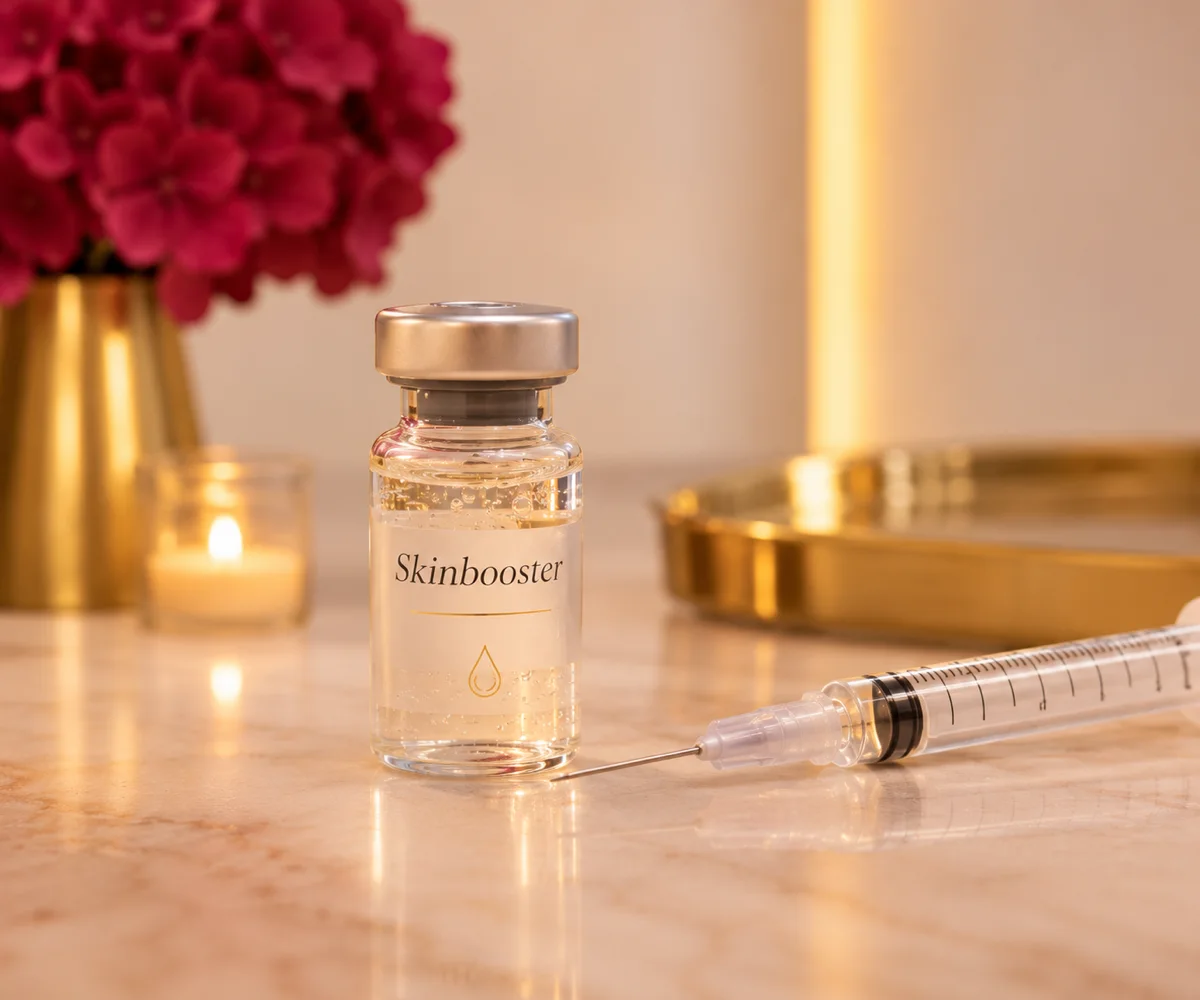
Bottle and syringe on a marble worktop, in warm light

Hydration

Hyaluronic acid (skinbooster)

Injections that aim to hydrate the intimate tissues. Studies are small and the evidence for atrophy is still limited.

May be considered when

first-line care has not been enough and the doctor considers this option suitable for your case.

Find out more
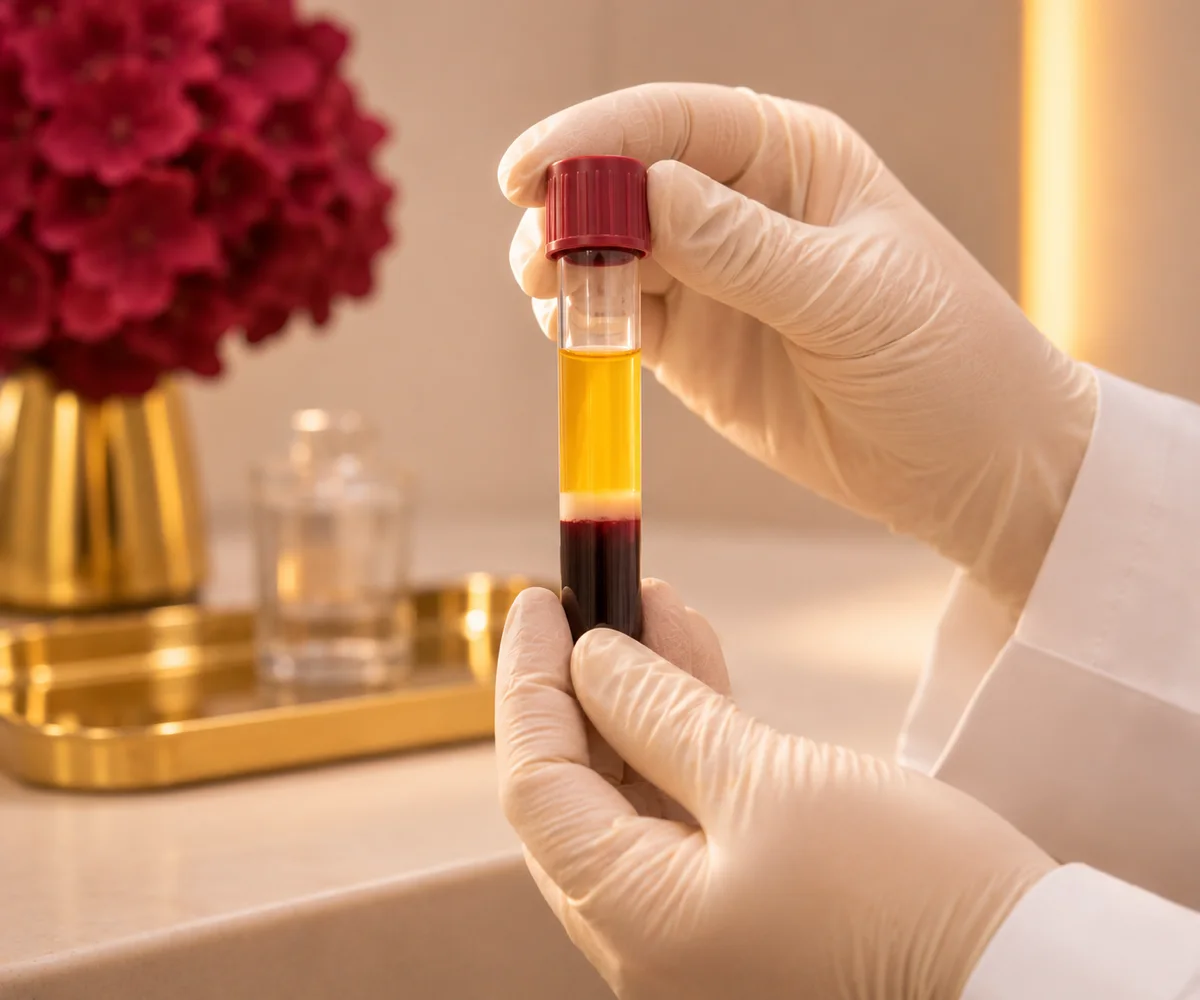
The doctor holding the tube after centrifugation, with the golden plasma separated from the blood

Regeneration

PRP (platelet-rich plasma)

Plasma obtained from your own blood and applied to the area, with the aim of stimulating tissue regeneration. The current evidence is limited.

May be considered when

the doctor has already ruled out other causes, first-line options have been considered and PRP seems suitable to her.

Find out more
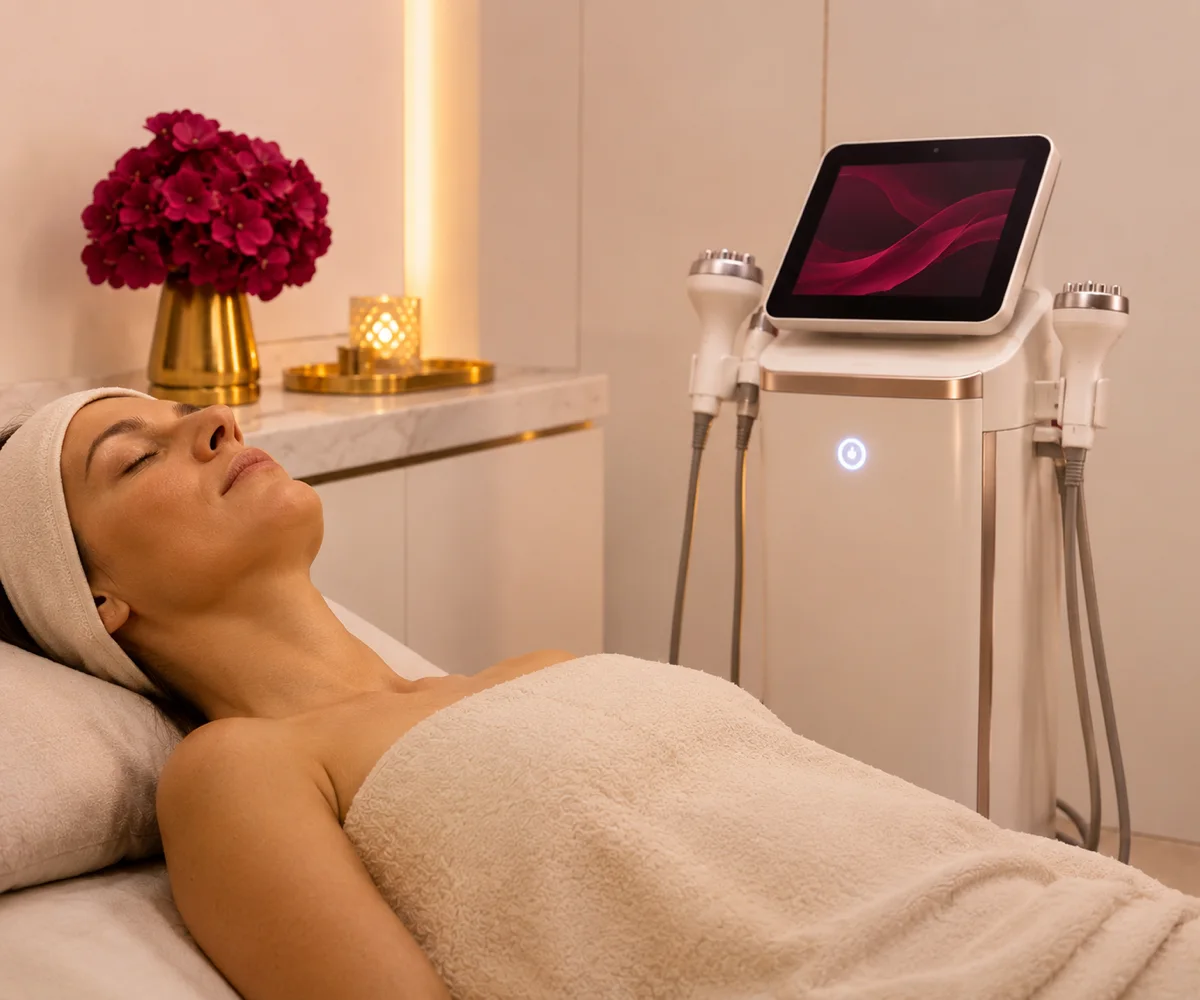
Private treatment room, with the device on an elegant trolley and a patient resting covered with a towel

Technology

Sectum, Neauvia radiofrequency (NRose Protocol)

Low-intensity radiofrequency energy, which aims to stimulate collagen in the tissues. It does not replace first-line treatment and the evidence is still limited.

May be considered when

the doctor has explained to you what is known and what is still not known about radiofrequency, and the decision is yours.

Find out more
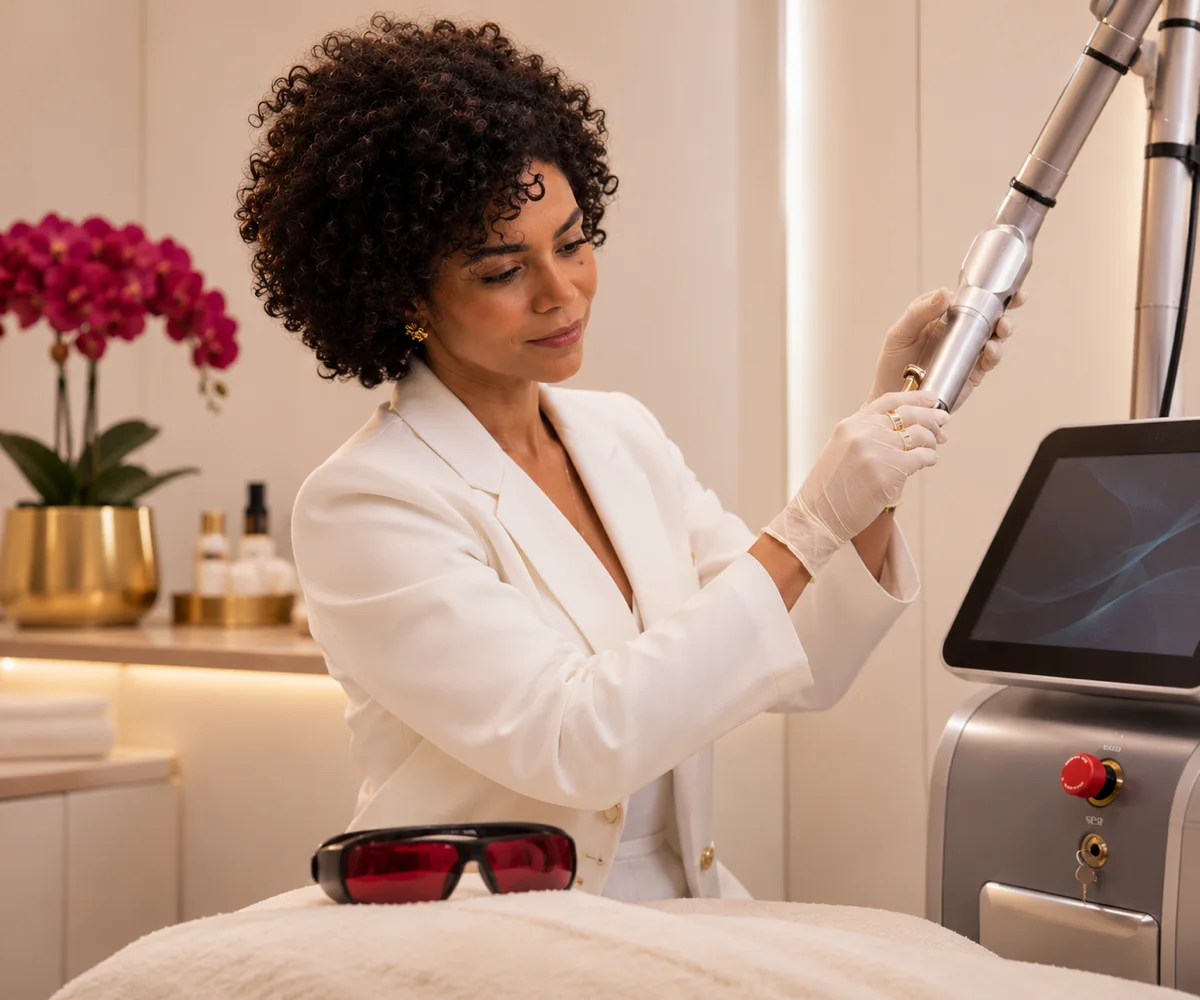
The doctor preparing the laser device, with the protective glasses in the foreground

Technology

Fractional CO2 laser

Laser energy applied to the mucosa. A rigorous trial against sham treatment showed no difference in symptoms and in 2018 the FDA warned about the risks of these devices.

May be considered when

the doctor has assessed your case, explained the benefits and risks, and the alternatives have already been considered.

Find out more

And what does the evidence say? For vaginal atrophy, what has the most evidence is moisturisers, lubricants and low-dose vaginal oestrogen. For laser and radiofrequency, the results are contradictory: a sham-controlled trial, carried out with a CO2 laser, found no difference after 12 months, and in 2018 the FDA (United States) warned that it had not approved these devices for treating menopause symptoms and that they can cause burns, scarring and pain. That is why the doctor explains all of this first, and none of these treatments replaces first-line ones.

What the journey looks like

From diagnosis to a long-term plan

No treatment starts without an assessment consultation with the doctor. This is how it works.

  1. 01At the clinic

    Assessment consultation

    The doctor listens to the genital, sexual and urinary symptoms, asks about the menopause, surgeries and treatments you have had, and lets you speak in private and without rushing.

  2. 02At the clinic

    Confirming the diagnosis

    The diagnosis is clinical: the vulva and vagina are examined and, if useful, the pH is measured. Infections, skin conditions of the vulva and contact allergies are ruled out.

  3. 03At the clinic and at home

    A plan tailored to you

    It starts with the simplest measures and with what has the most evidence. If appropriate, the doctor explains the other options and, with breast cancer, coordinates with oncology.

  4. 04Over time

    Follow-up

    Symptoms tend to return if treatment stops, so the plan is reviewed from time to time, after a few weeks and then periodically.

Day to day

What helps while you are being treated

Simple measures that relieve and protect the mucosa, alongside the treatment the doctor recommends.

Talking is the first step

Do not accept pain as “just age”

Many women never talk to the doctor about these symptoms, out of embarrassment or because they think they are inevitable. Pain during sex, burning and recurrent urinary infections can be treated, and saying so at the consultation is what allows us to begin.

Vaginal moisturiser for regular use

It relieves dryness but does not reverse the changes in the tissues.

In practice: use it regularly, even without sex, and give it a few weeks before judging.

Lubricant during sex

It reduces friction and pain on penetration.

In practice: apply beforehand and reapply during. Water-based and silicone-based ones are compatible with latex condoms.

Keeping the area stimulated

Circulation and elasticity of the mucosa respond to use.

In practice: if you wish, keep up sexual activity or stimulation gently and with lubricant, and do not push on if it hurts.

Keeping a record of what you feel

It helps the doctor decide and follow progress.

In practice: note how long you have had the symptoms, what makes them worse and what you have already tried, including urinary ones.

Dr Michelle Campagnoli, clinical director of Clínica Luxmed

Who will look after you

An assessment carried out by the doctor

At Luxmed, the first step is always an assessment consultation with Dr Michelle Campagnoli. She listens to the genital, sexual and urinary symptoms, examines the vulva and vagina, rules out other causes and designs the plan with you, in private and without rushing, and coordinates with your regular doctor or with oncology when needed.

  • Physical examination and medical historyMedical history, urinary symptoms, medication and examination to confirm the diagnosis.
  • A plan tailored to youFirst what has the most evidence; additional treatments only if appropriate, with the evidence explained.
  • No obligationThe cost of any treatment is confirmed only after the assessment.
Book an assessment consultation

Book a consultation

Book your consultation

Choose how you prefer to get in touch. We will arrange the assessment consultation with Dr Michelle Campagnoli.

Booking through the website100€70€Assessment consultationExclusive price for those who book the assessment through the website. Outside the website, the price is 100 €.

New Life Miraflores, Algés · Office Center, R. Santa Teresa do Menino Jesus n.º 6, 9.º C, 1495-048

Your details are used only for this contact. Any treatment depends on a prior medical assessment.

Request an appointmentIt takes less than a minute.
Speciality
You do not need to go into detail. The doctor will talk to you during the consultation.
Request received. Our team will contact you as soon as possible.
What is vaginal atrophy and what are the symptoms?

It is the set of changes in the vulva and vagina caused by the fall in oestrogen, especially after the menopause: the mucosa becomes thinner, paler and less elastic, produces less secretion and the pH rises. The symptoms are dryness, burning, itching, a feeling of tightness, pain on penetration, small spots of blood after sex and, often, urgency to pass urine, burning when passing urine or recurrent urinary infections. Not all women have all the symptoms.

Are vaginal atrophy and genitourinary syndrome of menopause the same thing?

In essence, yes. Since 2014, scientific societies have preferred genitourinary syndrome of menopause because the term also includes the vulva and the urinary tract and describes the symptoms, not only the appearance of the tissues. In practice both names are still used and “vaginal atrophy” still appears in studies and package leaflets.

Does vaginal atrophy go away on its own?

It does not usually go away. Hot flushes improve over the years, but atrophy results from the continued lack of oestrogen in the tissues themselves and tends to persist or get worse if not treated. That is why it is seen as a chronic condition, which calls for a plan and not a one-day solution.

What is the difference between vaginal atrophy and vaginal dryness?

Dryness is a symptom and can have several causes. Atrophy is a change in the tissues caused by a lack of oestrogen, and dryness is only one of its symptoms, alongside pain during sex and urinary symptoms.

How is vaginal atrophy treated?

It depends on the severity and your health history. For mild symptoms, we start with moisturisers and lubricants. For moderate to severe symptoms, or when these are not enough, low-dose vaginal oestrogen is the treatment with the most evidence. Vaginal prasterone and ospemifene are alternatives in selected cases and pelvic floor physiotherapy helps when there is pain or muscle tension. The doctor explains which makes sense for you.

Is vaginal oestrogen safe?

At a low dose, absorption into the blood is small and large observational studies have not found an increased risk of breast cancer, endometrial cancer, stroke or thrombosis. They are observational studies and so do not prove a complete absence of risk, but they have led scientific societies to consider it safe for most women. It is only used on prescription.

Can I use vaginal oestrogen if I have had breast cancer?

Only after talking to the oncology team. Hormone-free options are the first line and vaginal oestrogen may be considered in some cases, when symptoms greatly affect quality of life, and never on your own. There are data suggesting more caution in women taking aromatase inhibitors.

Does vaginal laser resolve atrophy?

There is not enough evidence. Some studies show improvement, but a rigorous sham-controlled trial found no difference after 12 months and, in 2018, the FDA warned that it had not approved these devices for treating menopause symptoms and that they can cause burns, scarring and pain. It should not replace the treatments with the most evidence.

Can atrophy cause urinary infections?

It can make them more likely, because the protective vaginal flora decreases and the urethra and bladder also respond to oestrogen. There are studies with favourable results for vaginal oestrogen in preventing recurrent urinary infections after the menopause, although the evidence is limited. If you have repeated infections, mention it at the consultation.

When should I book a consultation?

If you have dryness, burning or pain during sex that do not improve with moisturisers and lubricants, recurrent urinary infections or urgency to pass urine, or white patches and sores on the vulva. Any bleeding after the menopause should be assessed. Out of hours, call SNS 24 (808 24 24 24) and, in the case of heavy bleeding, severe pain or high fever, 112.

We could not find that question. Ask us on WhatsApp

Scientific references

This page is based on the sources below and was reviewed by Dr. Michelle Campagnoli. Last updated on .

  1. Portman DJ, Gass ML; Vulvovaginal Atrophy Terminology Consensus Conference Panel. Genitourinary syndrome of menopause: new terminology for vulvovaginal atrophy from the International Society for the Study of Women's Sexual Health and the North American Menopause Society. Menopause 21(10):1063-1068, 2014.
  2. The NAMS 2020 GSM Position Statement Editorial Panel. The 2020 genitourinary syndrome of menopause position statement of The North American Menopause Society. Menopause 27(9):976-992, 2020.
  3. Lethaby A, Ayeleke RO, Roberts H. Local oestrogen for vaginal atrophy in postmenopausal women. Cochrane Database of Systematic Reviews 2016(8):CD001500, 2016.
  4. Perrotta C, Aznar M, Mejia R, Albert X, Ng CW. Oestrogens for preventing recurrent urinary tract infection in postmenopausal women. Cochrane Database of Systematic Reviews 2008(2):CD005131, 2008.
  5. Li FG, Maheux-Lacroix S, Deans R, et al. Effect of fractional carbon dioxide laser vs sham treatment on symptom severity in women with postmenopausal vaginal symptoms: a randomized clinical trial. JAMA 326(14):1381-1389, 2021.
  6. Prodromidou A, Zacharakis D, Athanasiou S, et al. CO2 Laser versus Sham Control for the Management of Genitourinary Syndrome of Menopause: A Systematic Review and Meta-Analysis of Randomized Controlled Trials. Journal of Personalized Medicine 13(12):1694, 2023.
  7. Faubion SS, Larkin LC, Stuenkel CA, et al. Management of genitourinary syndrome of menopause in women with or at high risk for breast cancer: consensus recommendations from The North American Menopause Society and The International Society for the Study of Women's Sexual Health. Menopause 25(6):596-608, 2018.
  8. Crandall CJ, Hovey KM, Andrews CA, et al. Breast cancer, endometrial cancer, and cardiovascular events in participants who used vaginal estrogen in the Women's Health Initiative Observational Study. Menopause 25(1):11-20, 2018.
  9. NHS. Vaginal dryness. (NHS (nhs.uk), acedido 2026-11-11)
  10. Medsafe (Nova Zelândia), a retransmitir o alerta da U.S. FDA. Safety Information: energy-based devices used for vaginal 'rejuvenation' or vaginal cosmetic procedures (relays the USFDA safety communication of July 2018). Medsafe, New Zealand Medicines and Medical Devices Safety Authority, 2018.
CallAssistantAvailableBook