Algés, Oeiras Mon to Sat · 09:00 to 13:00 and 14:00 to 19:00
WhatsApp Book a consultation

Skin concern

RosaceaRedness that won't go away

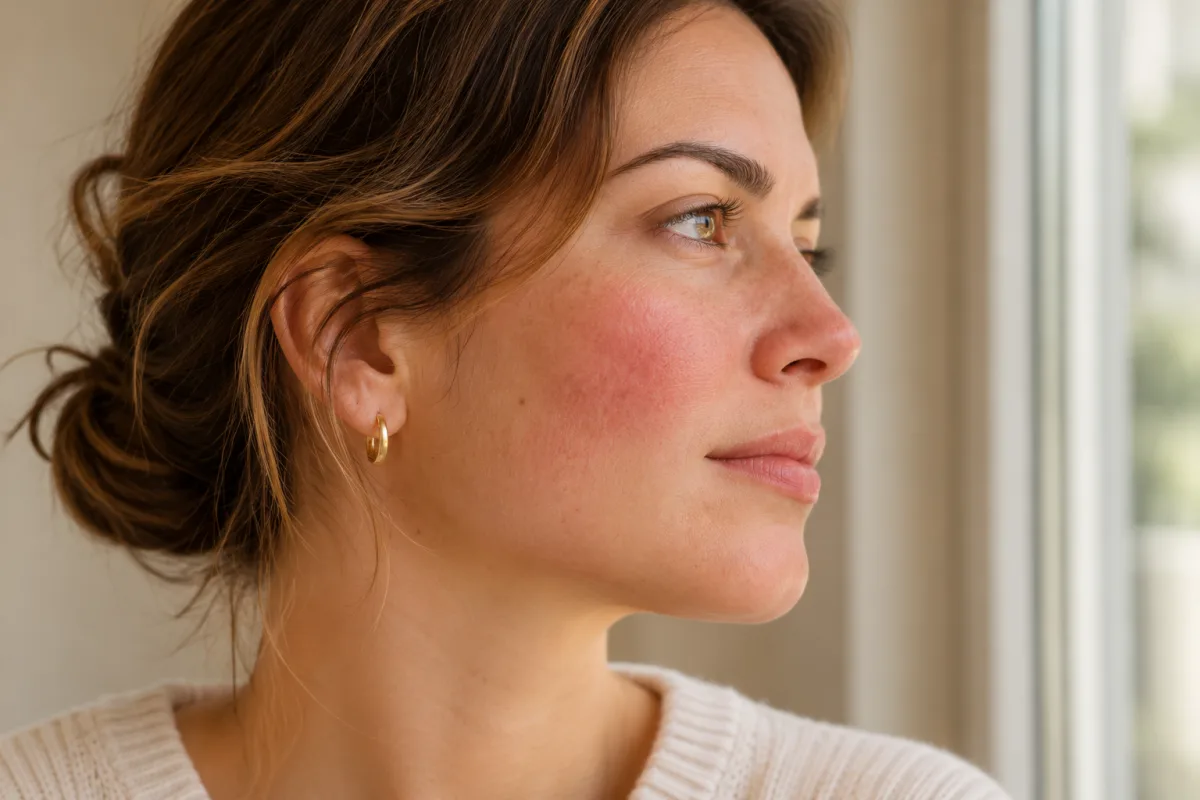
Persistent redness in the centre of the face that gets worse with heat, sun and emotions, and may bring small visible blood vessels and bumps. Here we explain how to recognise it, why it happens and what the clinic can do for you.

Reviewed by Dr Michelle Campagnoli, clinical director

  • 3treatments the clinic may suggest
  • 1assessment consultation, always first
  • 70 €assessment booked through the website
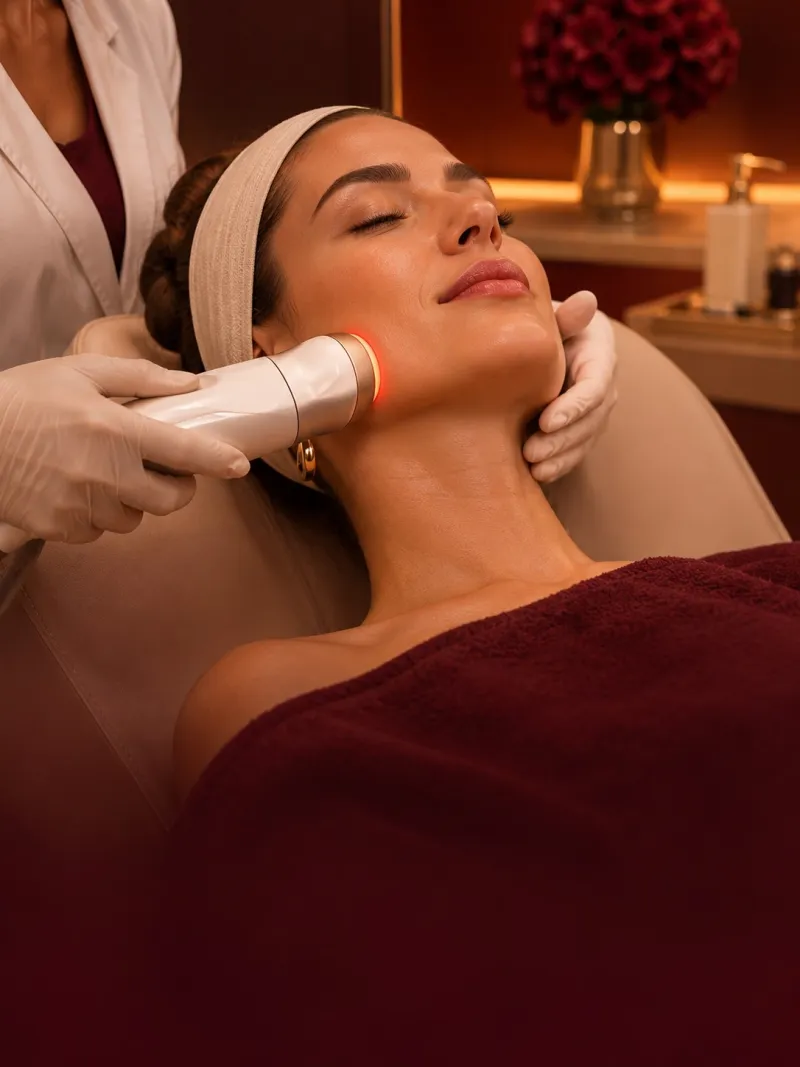
Woman receiving a facial treatment with a gentle light device in a consultation room

How to recognise it

Could I have rosacea?

Many people think it is just sensitive skin, acne or sunburn. The difference lies in what brings it on, where it appears and the fact that it does not go away.

Tick what you recognise0/5

Tick the signs you recognise in your skin. This is not a diagnosis; it only gives you an idea.

Only a medical assessment confirms it. Sudden redness, with pain, swelling or fever, or affecting the eyes, should be seen by a doctor as soon as possible, because it may not be rosacea.

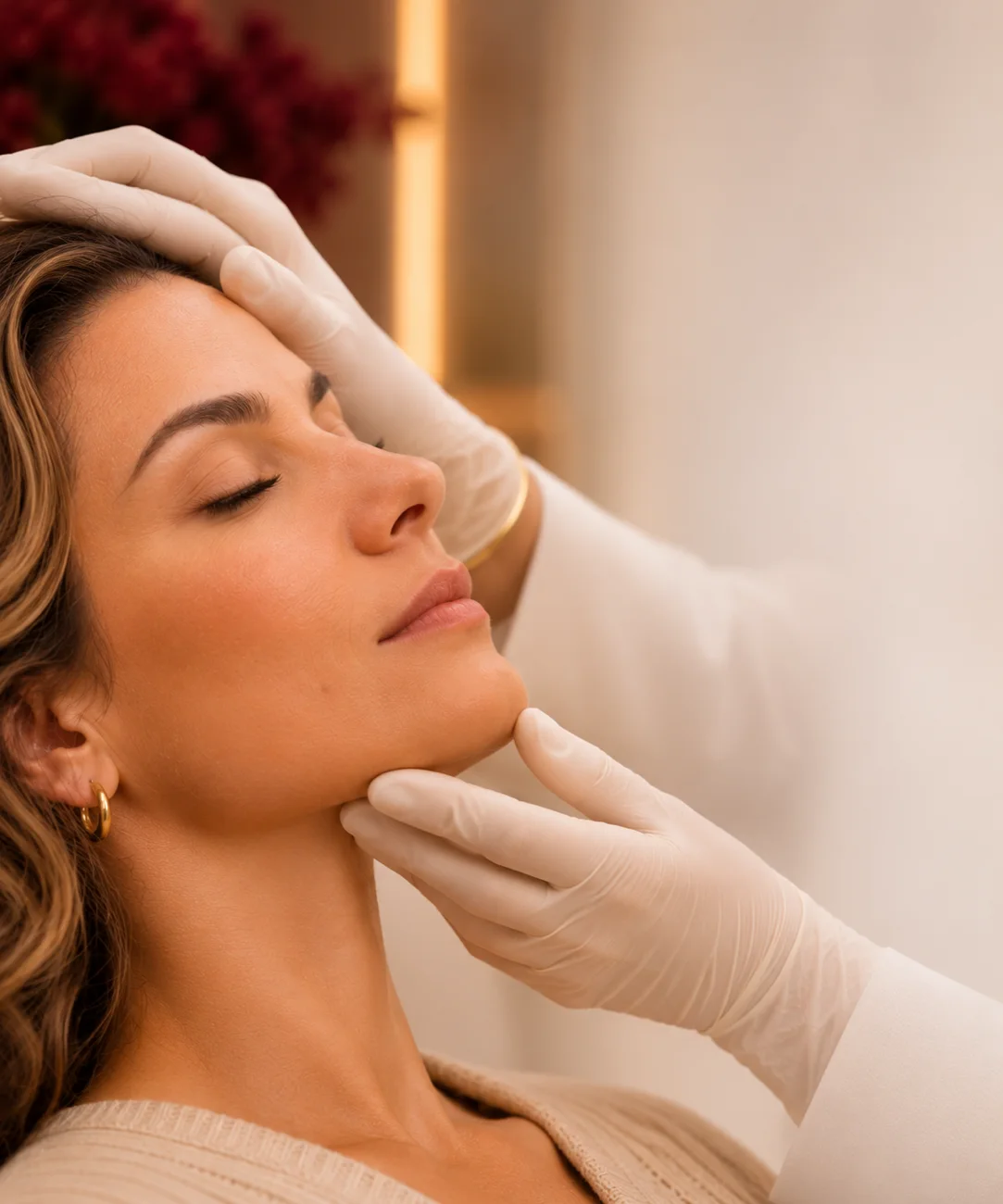
The doctor examining a patient's face during an assessment consultation
Photograph of an assessment consultation. The dots mark the areas where rosacea usually appears; the image does not show rosacea.

Why it happens

What triggers the redness

The exact cause of rosacea is not known, but the blood vessels of the face are known to overreact to certain stimuli. Choose a trigger to see what makes it worse and what helps.

Heat and sun

Sun, heat and sudden changes in temperature dilate the blood vessels of the face and make redness appear or get worse.

What makes it worse

Unprotected sun, saunas, very hot baths and intense exercise in hot environments.

What helps

Sunscreen every day, shade and lukewarm water on the face.

Types of rosacea

Two forms of rosacea

Rosacea is not always the same. It appears in two more common forms, and the doctor identifies yours at the consultation.

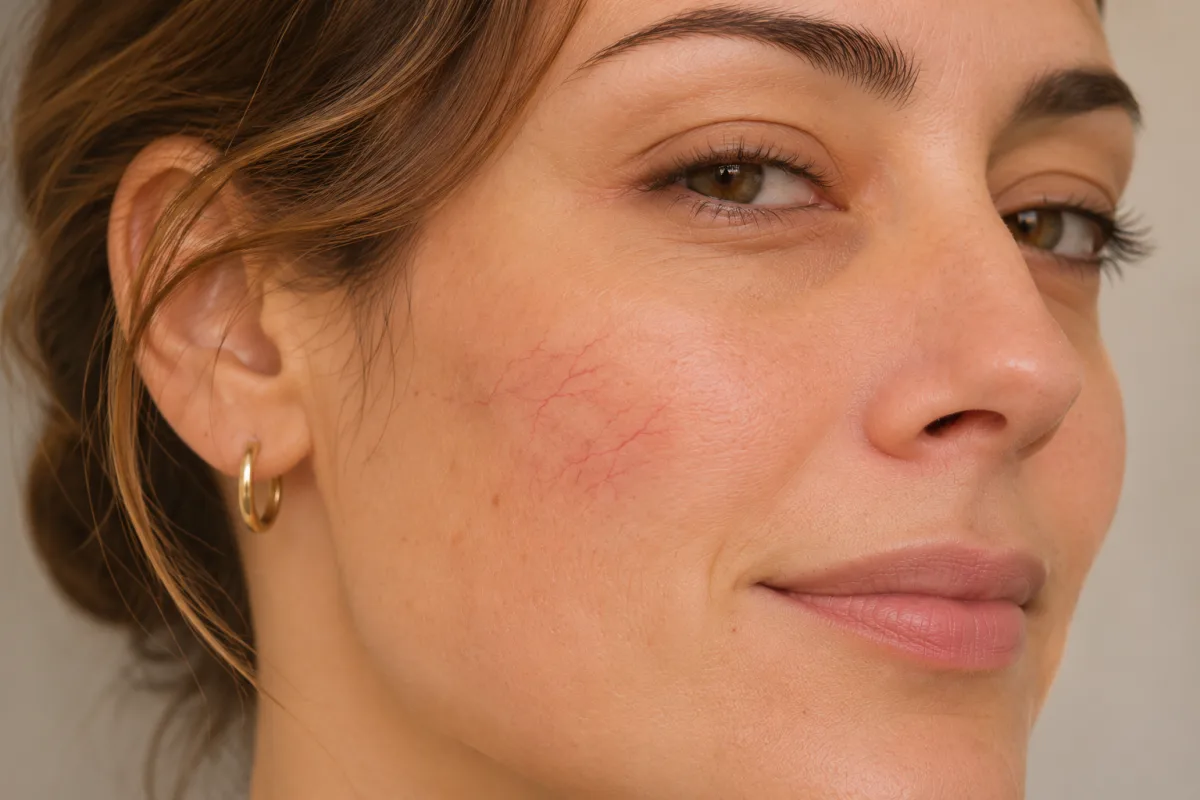
  • How it looks. Flushing in the centre of the face that comes and goes and, over time, stays. Fine red blood vessels may appear.

  • What makes it worse. Sun, heat, intense cold, alcohol and strong emotions.

  • What the clinic does. The doctor assesses the skin and suggests the appropriate treatment, always after the consultation.

  • At home. Sunscreen every day, gentle cleansing and fragrance-free products.

Is your skin very sensitive, or have you already had several treatments? Say so when booking the consultation, so the doctor can adapt the plan.

Book an assessment consultation

What the clinic can do

Treatments for rosacea

These are the treatments the clinic may suggest for persistent redness and reactive skin. They are not chosen by name: the doctor suggests the way forward after examining your skin.

Book an assessment consultation
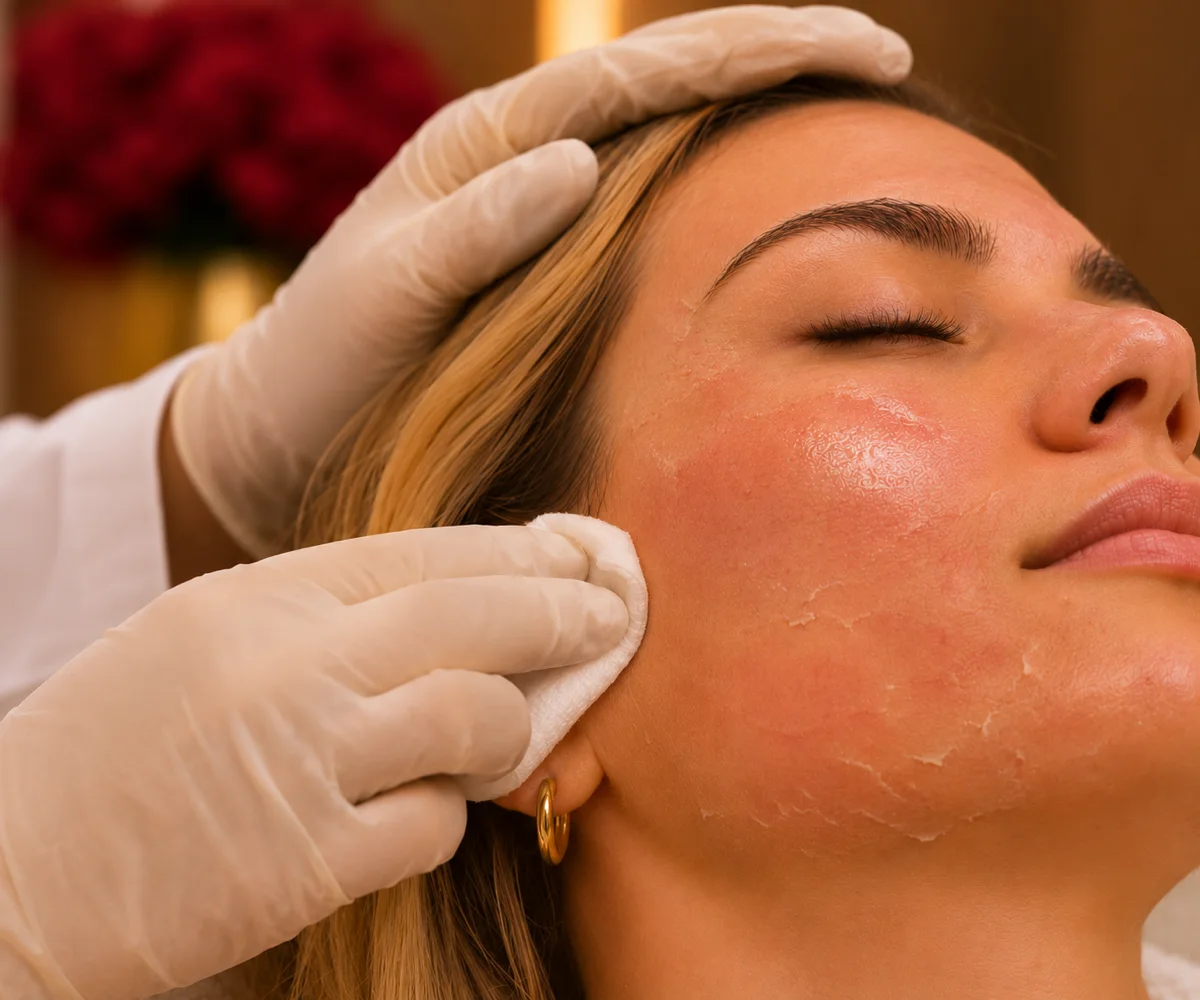
Deep peel being applied to the face

Peels and regeneration

LuxFusion deep peel

Intensive skin renewal, to treat marked skin damage. In sensitive skin or skin with rosacea, the doctor first assesses whether it is appropriate.

Suitable when

the skin needs renewal and the doctor considers it suitable for your sensitivity.

Find out more
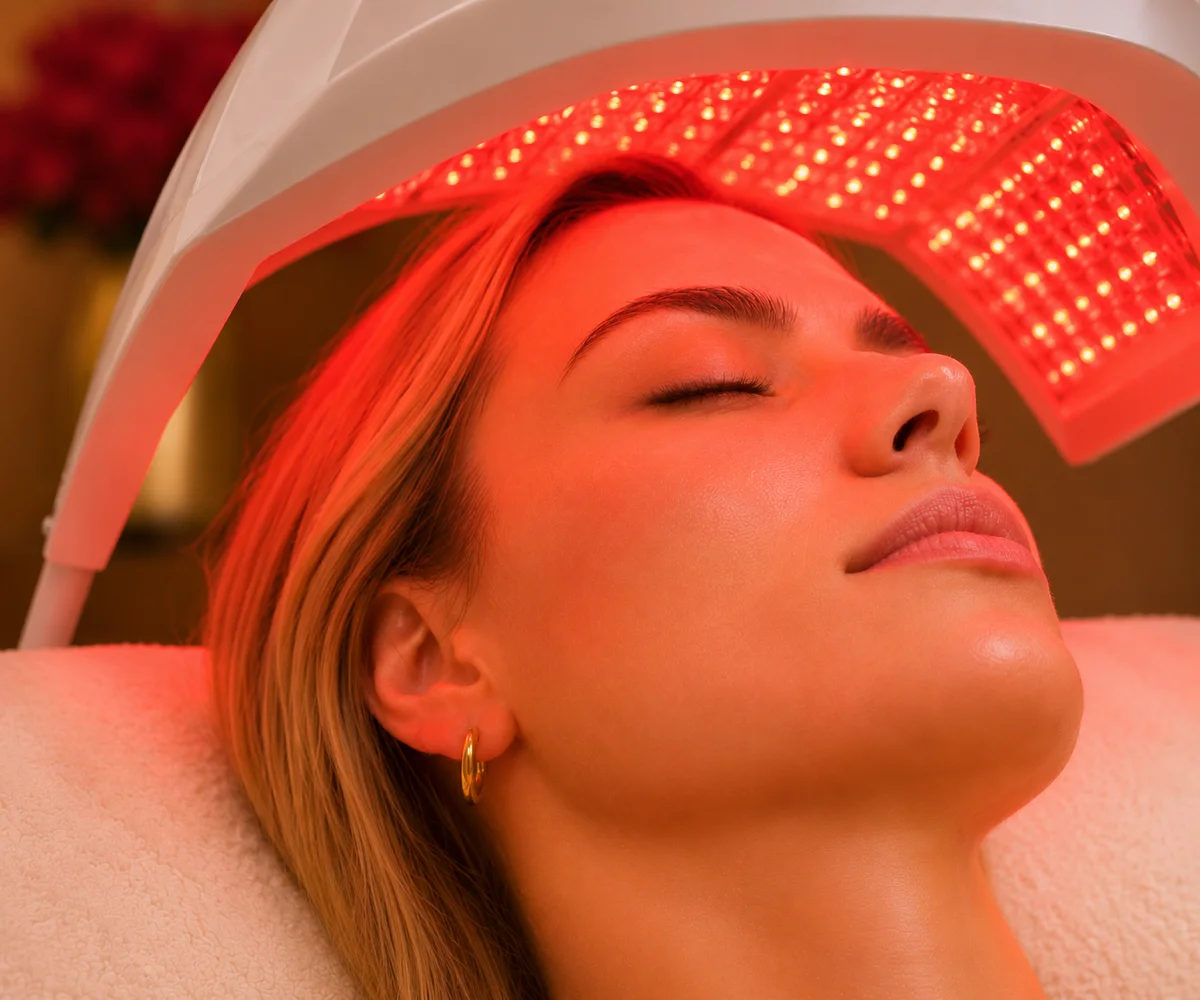
Face under the LED light of photobiodynamic therapy

Technology

Photobiodynamic therapy

Light applied to a photosensitising agent, to regenerate the skin and treat acne, dark spots and signs of ageing.

Suitable when

there are papules or pustules and the skin also needs regeneration.

Find out more
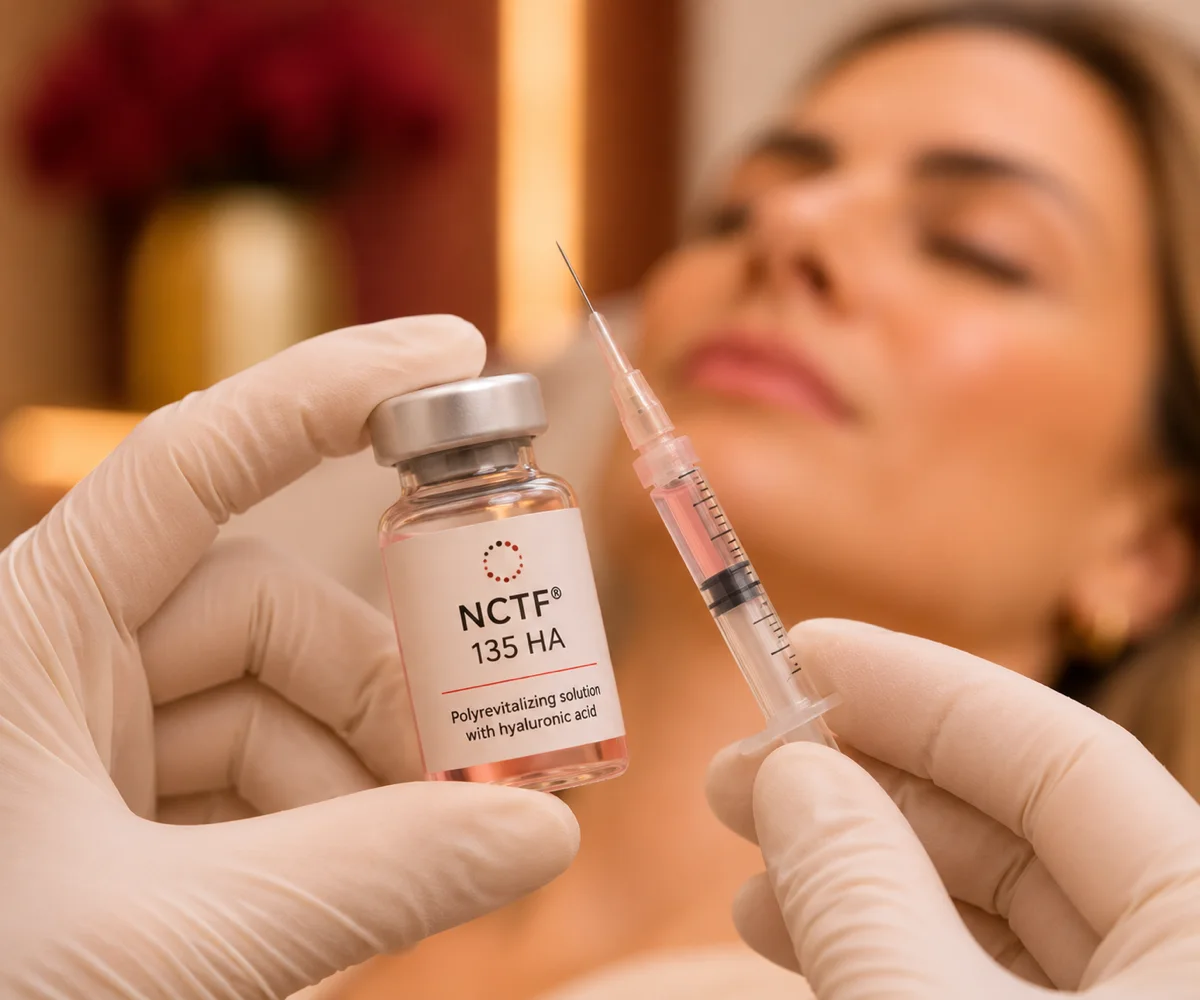
NCTF: ampoule and syringe in the foreground

Regeneration

NCTF

Vitamins, minerals and other active ingredients to nourish the skin deeply and restore its radiance and quality.

Suitable when

the skin is tired, dehydrated or sensitive and needs nourishing.

Find out more

Why does rosacea call for extra care? Skin with rosacea reacts easily, so not every treatment is suitable. The doctor decides, calmly, what is appropriate and when; results are gradual and need maintenance sessions.

What the journey looks like

From the first consultation to maintenance

No treatment starts without an assessment consultation with the doctor. This is how it works.

  1. 01At the clinic

    Assessment consultation

    The doctor examines the skin, asks about triggers, medication and the products you use, and confirms that it is rosacea.

  2. 02At the clinic

    A plan tailored to you

    She explains the options, what to expect and how long it may take, and chooses the most suitable way forward with you.

  3. 03At the clinic and at home

    Treatment and care

    You have the treatment at the consultation and receive clear instructions for the following days, with the right products for your skin.

  4. 04Over time

    Follow-up

    We see the skin again, adjust the plan and agree on maintenance, because rosacea tends to return when the triggers come back.

Day to day

What helps at home

Even with the best treatment, everyday habits decide a good part of the result. These are the steps that matter most.

The golden rule

Calm skin, no aggression

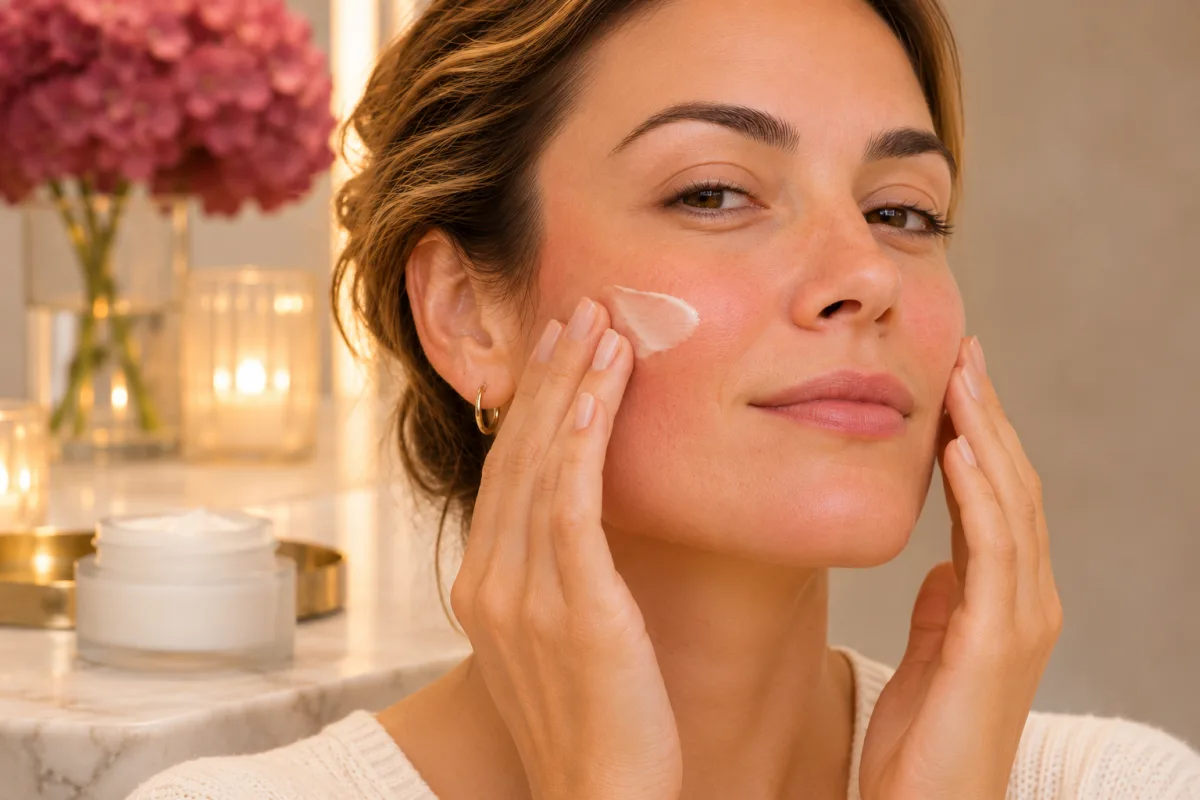
Lukewarm water, gentle movements and fragrance-free products. In rosacea, what you take out of the routine counts as much as what you add.

Gentle cleansing

Wash your face with lukewarm water and a mild product, without rubbing.

In practice: dry with a soft towel, patting lightly, without dragging.

Soothing moisturiser

Well-hydrated skin protects itself better and reacts less.

In practice: choose products without fragrance or alcohol and apply right after cleansing.

Sunscreen every day

The sun is one of the most common triggers of redness.

In practice: apply in the morning, even on cloudy days, and reapply if you are outdoors.

Finding your triggers

Everyone has their own: what makes one person flush may not affect another.

In practice: note down for two weeks when your face gets redder and what you did beforehand.

Dr Michelle Campagnoli, clinical director of Clínica Luxmed

Who will look after you

An assessment carried out by the doctor

At Luxmed, the first step is always an assessment consultation with Dr Michelle Campagnoli. She is the one who looks at your skin, confirms the diagnosis and draws up the plan with you, taking her time and never rushing.

  • Physical examination and medical historyDetailed assessment of the skin, the structure of the face and what concerns you.
  • A plan tailored to youTreatments, areas, number of sessions and aftercare, clearly explained.
  • No obligationThe cost of any treatment is confirmed only after the assessment.
Book an assessment consultation

Book a consultation

Book your consultation

Choose how you prefer to get in touch. We will arrange the assessment consultation with Dr Michelle Campagnoli.

Booking through the website100€70€Assessment consultationExclusive price for those who book the assessment through the website. Outside the website, the price is 100 €.

New Life Miraflores, Algés · Office Center, R. Santa Teresa do Menino Jesus n.º 6, 9.º C, 1495-048

Your details are used only for this contact. Any treatment depends on a prior medical assessment.

Request an appointmentIt takes less than a minute.
Speciality
You do not need to go into detail. The doctor will talk to you during the consultation.
Request received. Our team will contact you as soon as possible.
Is rosacea acne?

No. It may have similar bumps, but it has none of the blackheads of acne, and the underlying problem is redness and skin sensitivity. Acne products may even make it worse, so a diagnosis is advisable.

Can rosacea be cured?

It is a chronic condition that can be managed but tends to return. The aim is to reduce redness and flare-ups, with daily care and medical follow-up.

Do the visible blood vessels go away?

It depends on each case. The doctor assesses the blood vessels at the consultation and explains what to expect and what options exist.

What makes rosacea worse?

Sun, heat, intense cold, alcohol, spicy food, stress and products that irritate the skin. Triggers vary from person to person, so it is worth finding your own.

Can I wear make-up?

Yes, preferably mild, fragrance-free products that do not irritate the skin. The doctor can advise you at the consultation, taking your skin into account.

Is the treatment expensive? Does it hurt?

The price depends on the plan chosen, so it is given at the assessment consultation, after the doctor has seen your skin. Discomfort varies from person to person and from treatment to treatment. Redness and peeling are common in the following days, and the doctor will explain what to expect before you start.

When should I book a consultation?

As soon as the redness persists, bothers you or the skin becomes sensitive. Sudden redness, with pain, swelling or affecting the eyes, should be seen without delay. The earlier it is assessed, the simpler the plan usually is.

Can I be treated if I am pregnant or breastfeeding?

Some treatments are not recommended at these stages. If you are pregnant or breastfeeding, tell us as soon as you book. Sun protection is always important and can be started right away.

Is rosacea contagious?

No. Rosacea is not contagious and has nothing to do with poor hygiene. It is a condition of the skin itself.

Does rosacea go away on its own?

As a rule, no. It tends to come and go in flare-ups and, without care, tends to worsen over time. That is why it is worth having it assessed early.

We could not find that question. Ask us on WhatsApp

CallAssistantAvailableBook