Algés, Oeiras Mon to Fri · 09:00 to 13:00 and 14:00 to 19:00 · Sat · 09:00 to 14:00
WhatsApp Book a consultation

Aesthetic gynaecology

Clitoris with low sensitivityWhen the touch that used to be felt hardly registers any more, or the area feels numb

“Low clitoral sensitivity” is how many women describe feeling less than they used to, needing much more stimulation for the same effect, or the area feeling numb. It is not a diagnosis: it is a complaint that can have several origins, from hormones and medication to the nerves, the skin around the clitoris and state of mind. Here we explain how sensitivity is formed, what may be changing, what is assessed and what helps, starting with what is simplest and safest, and what the clinic can propose, with honesty about what the evidence shows.

Reviewed by Dr Michelle Campagnoli, clinical director

  • 2 mmis at least the diameter of the nerves that carry sensation to the clitoris, coming from the pudendal nerve
  • 1assessment consultation, always first
  • 70 €assessment booked through the website
Grey-haired woman in a red jumpsuit smiling and dancing in a dance studio with mirrors

How to recognise it

Could it be low clitoral sensitivity?

It is not a diagnosis in itself: it is what a woman feels when the response to touch has decreased. What counts is since when, whether it is only less sensitivity or also numbness, and in which situations it happens.

Tick what you recognise0/7

Tick the signs you recognise in your case. This is not a diagnosis, it is only meant to give you an idea.

Do you have numbness in the genital area or between the legs that came on suddenly, or accompanied by weakness or tingling in a leg, difficulty passing urine or controlling urine or stool? It could be a neurological emergency: call 112 or go to the emergency department. Have you noticed white patches, sores, a lump or a lesion that changes on the vulva, do you have bleeding after the menopause or after sex, abnormal discharge, persistent pain or fever? You need prompt assessment and should not wait. Outside opening hours, call SNS 24: 808 24 24 24.

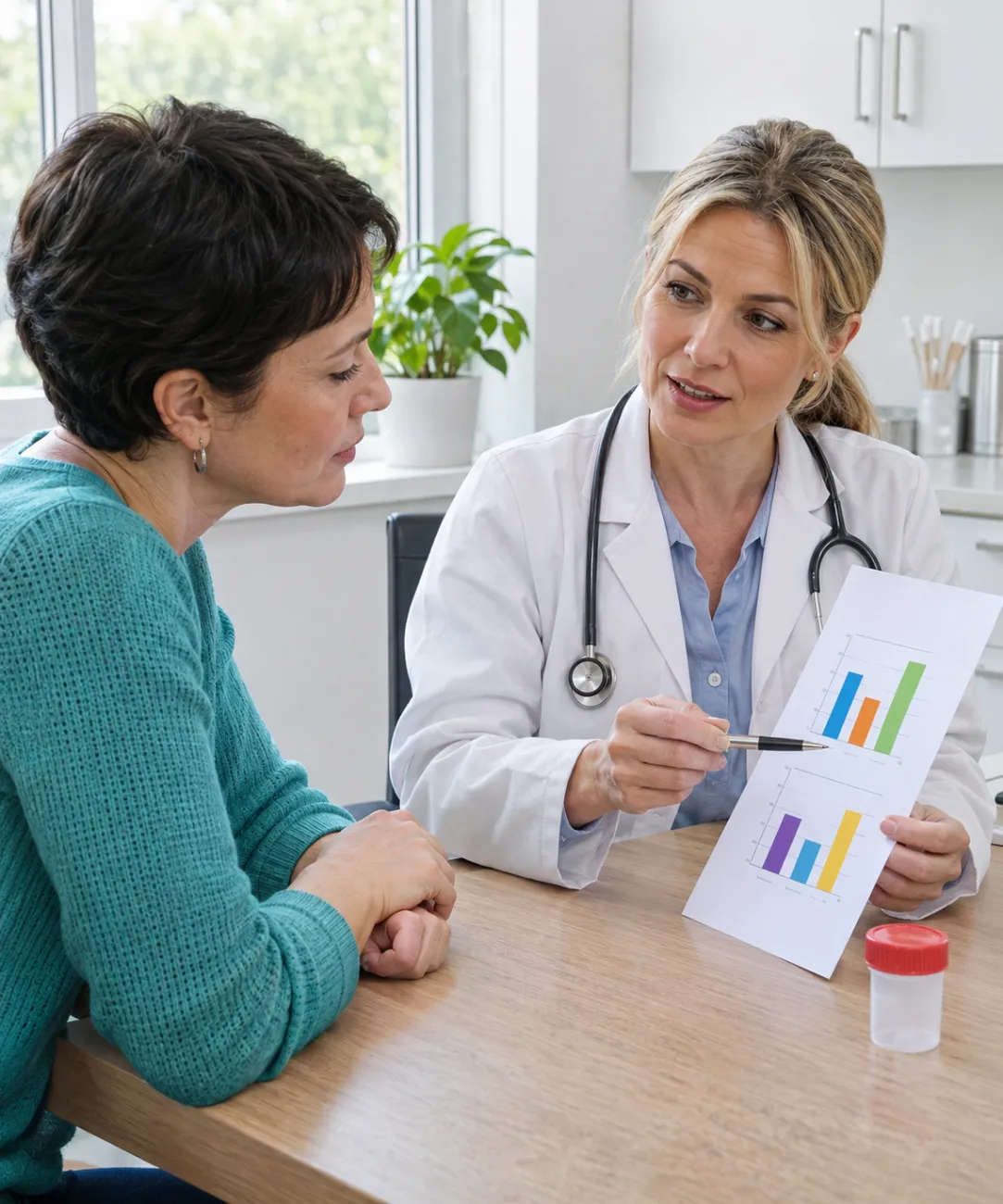
Doctor in a white coat showing a patient a sheet with result charts, at a desk with a sample jar
Photograph of a consultation. The dots mark what the doctor assesses; the image does not show the intimate area.

Why it happens

What may lie behind low clitoral sensitivity

Sensitivity depends on several systems at the same time: nerves, circulation, skin, hormones and brain. When one of them changes, sensation can change. Choose a situation to see how it applies.

Hormones

The fall in oestrogen leaves the tissues of the vulva and vagina thinner and drier, which can change comfort and the response to touch. It happens in perimenopause and menopause, but also after childbirth and during breastfeeding. Dryness and discomfort, in themselves, take away sensation and the wish to seek stimulation.

What weighs on it

Thinking that it is a phase that passes on its own and leaving the dryness or pain that goes with it untreated.

What helps

Assessing vaginal dryness and atrophy. Moisturisers, lubricants and low-dose vaginal oestrogen, prescribed by a doctor, can be part of the plan.

Normal or to be assessed

Reduced sensitivity or another situation

Not every reduction in sensation is the same. Distinguishing between less response, numbness, pain or a change in the skin guides the assessment and avoids unnecessary treatments.

  • How it shows. You feel touch less, you need more stimulation or time, and the area is not sore and has no visible changes in the skin.

  • When it happens. It can happen at times of hormonal change, with certain medicines, in periods of stress or tiredness, or with no clear cause. It can be all the time or only in certain situations.

  • What the clinic does. The doctor listens to what has changed, reviews the medication and the history, examines the skin and the hood and assesses the pelvic floor.

  • At home. More time and variety in stimulation, lubricant, a break from pressure on the area and a note of what changed and when.

Sudden numbness in the genital area, with weakness in a leg or difficulty passing urine or controlling urine or stool? Call 112 or go to the emergency department. If you have bleeding after the menopause or after sex, a lesion that changes, abnormal discharge, persistent pain or doubts, outside opening hours you can call SNS 24: 808 24 24 24.

Book an assessment consultation

What can help

Options for low clitoral sensitivity

First-line care is not a technology. It is working out what has changed and treating what weighs most: reviewing with the doctor any medicines that may have an influence, treating dryness and atrophy with moisturisers, lubricants or, when indicated, low-dose vaginal oestrogen, treating the skin when there is lichen sclerosus, relieving pressure if there is numbness from cycling, pelvic floor physiotherapy and sex therapy or mindfulness training. In postmenopausal women with low desire that causes them distress, testosterone is only discussed with the doctor and is not a treatment for sensitivity itself. The treatment below is an additional option, assessed case by case and without promising results, with evidence that is still limited.

Book an assessment consultation
Dr Michelle Campagnoli, clinical director of Clínica Luxmed

First step

Assessment consultation

The doctor listens to what you are experiencing, examines your case and explains the suitable options. No treatment begins without this consultation.

May be considered when

you want to understand the cause and decide on the best path, with time and without commitment.

Book an assessment consultation
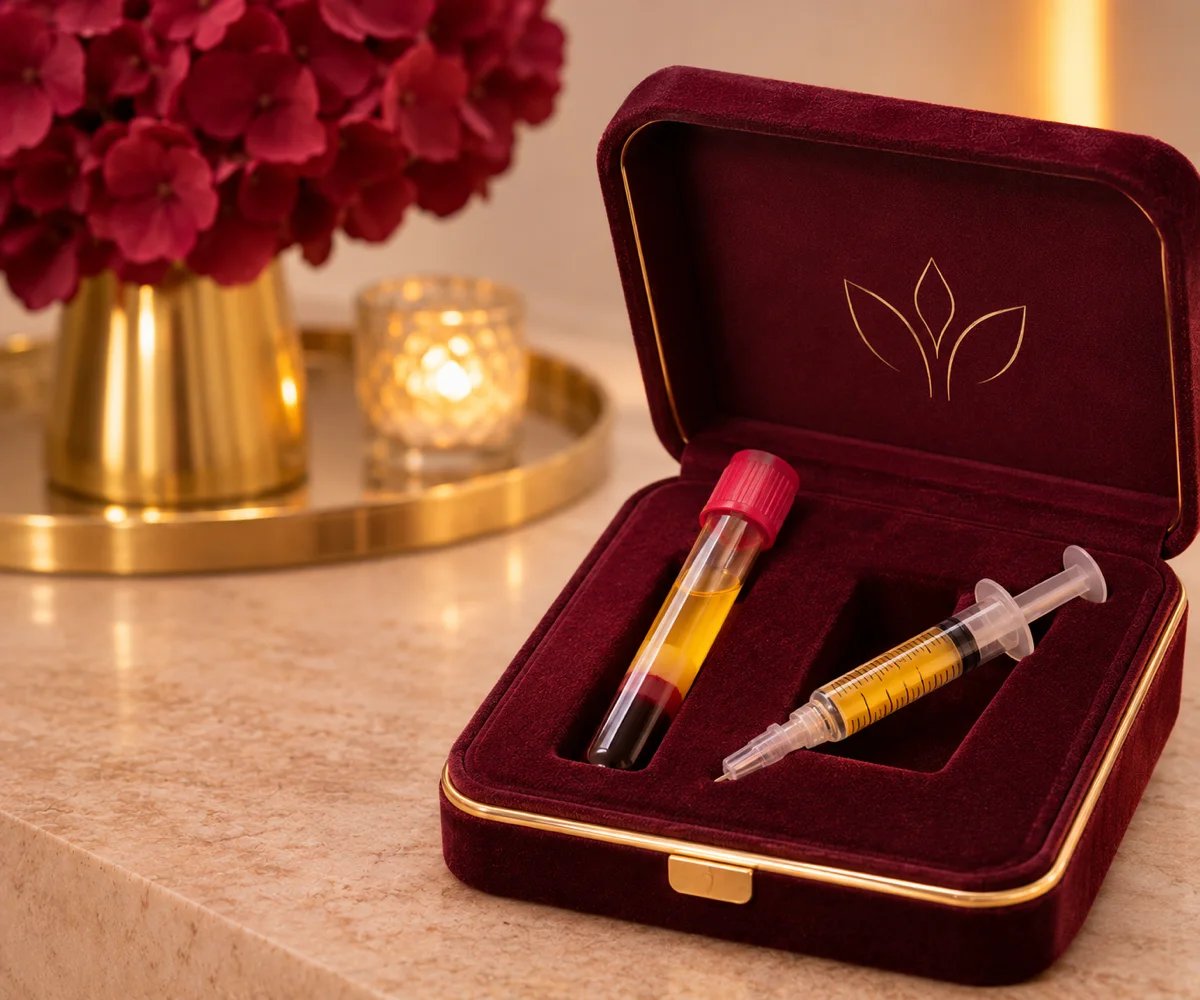
Plasma tube and syringe in a burgundy velvet case on a countertop

Injection

O-SHOT (Orgasm Shot)

Injection into the intimate area of platelet-rich plasma (PRP), obtained from a small sample of your own blood, with the aim of improving sexual response. The commercial name is not a promise: studies are few and small, and the level of evidence is low. It does not replace the assessment, the review of medication, treatment of the skin or sex therapy.

May be considered when

the assessment did not find a cause that should be treated first (such as medication, dryness, a skin disease or nerve compression), the first-line options have been tried or considered, the doctor has explained what is known and what is not known, and the decision is yours.

Find out more

What the journey looks like

From the first consultation to the plan tailored to you

No treatment begins without an assessment consultation with the doctor. Almost always the simplest and safest measures come first, and only then is more considered.

  1. 01At the clinic

    Assessment consultation

    The doctor listens to how long you have felt less, whether there is numbness, pain or dryness, and asks about medicines, the menopause, births, surgery, cycling and mood. It is discussed in private and without hurry, and a simple questionnaire on sexual function may be proposed.

  2. 02At the clinic

    Examination and exclusion of causes

    A gynaecological examination is done, the skin of the vulva and the clitoral hood are looked at, the mucosa and the pelvic floor are assessed and treatable causes are excluded, such as atrophy, a skin condition or an infection. When necessary, blood tests are requested.

  3. 03At home and with other professionals

    Treating what weighs most

    Reviewing medication with whoever prescribes it, treating dryness or the skin, relieving pressure if you cycle and starting pelvic physiotherapy when indicated. If helpful, sex therapy or mindfulness training, individual or as a couple.

  4. 04Over time

    Reassessing and deciding

    What has changed is assessed again. If the complaint remains, the doctor explains the other routes, including the clinic’s additional options, with the evidence, risks and limits, and the decision is shared with you.

Day to day

What helps while you wait for the consultation

Simple, safe care, alongside the plan the doctor indicates.

It is not your fault

Feeling less is not a personal failing

Sensitivity changes over a lifetime and with health, and many women go through this without speaking to anyone. There are causes that can be identified and treated, and others in which what helps is context, time and the right support. Asking for help early avoids months of worry.

Give stimulation time and variety

Arousal increases sensation, and without hurry the response is usually greater.

In practice: try on your own or with a partner, at unhurried moments, varying the rhythm and pressure, without the aim of “having to feel”.

Use a suitable lubricant

Less friction, more comfort and more pleasure in contact with the skin.

In practice: choose a water-based or silicone product, without perfume, and reapply whenever needed.

Relieve pressure if you cycle

Prolonged compression can reduce genital sensitivity.

In practice: stand on the pedals from time to time, adjust the saddle and position (a bicycle shop can help) and give yourself rest days if you notice numbness.

Note what changed and when

It shows patterns that go unnoticed, and helps the doctor a great deal.

In practice: note the dates, medication, cycle or menopause, stress, cycling and the situations in which you feel more or less.

Dr Michelle Campagnoli, clinical director of Clínica Luxmed

Who will look after you

An assessment carried out by the doctor

At Luxmed, the first step is always an assessment consultation with Dr Michelle Campagnoli. She listens to what has changed, reviews the medication and the history, examines the skin and the intimate tissues, excludes other causes and draws up the plan with you, in private and without hurry, coordinating with dermatology, neurology, pelvic physiotherapy or sex therapy when needed.

  • Physical examination and medical historyA conversation about what has changed, review of medication and history, gynaecological examination and of the skin of the vulva and, when necessary, blood tests.
  • A plan tailored to youFirst treat what weighs most; additional treatments only if appropriate, with the evidence explained.
  • No obligationThe cost of any treatment is confirmed only after the assessment.
Book an assessment consultation

Book a consultation

Book your consultation

Choose how you prefer to get in touch. We will arrange the assessment consultation with Dr Michelle Campagnoli.

Booking through the website100€70€Assessment consultationExclusive price for those who book the assessment through the website. Outside the website, the price is 100 €.

New Life Miraflores, Algés · Office Center, R. Santa Teresa do Menino Jesus n.º 6, 9.º C, 1495-048

Your details are used only for this contact. Any treatment depends on a prior medical assessment.

Request an appointmentIt takes less than a minute.
Speciality
You do not need to go into detail. The doctor will talk to you during the consultation.
Request received. Our team will contact you as soon as possible.
Why is my clitoris less sensitive?

There is not just one cause. The most frequent are hormonal changes (menopause, postpartum, breastfeeding), certain medicines such as antidepressants, pressure on or injury to the nerves (for example, cycling, surgery or childbirth), changes in the skin and the clitoral hood (such as lichen sclerosus), stress and other psychological factors, and diseases such as diabetes. Only a consultation can show which weighs most in your case.

Is it normal for the clitoris to become less sensitive with age?

It is common for sexual response to change with age and with the menopause, because oestrogen falls and the tissues of the vulva become thinner and drier. But being common does not mean it should be accepted without assessment: many of the causes can be treated, and so can the dryness and discomfort that accompany the menopause.

Numb clitoris, low sensitivity, no sensitivity: is it all the same?

No. “Low sensitivity” usually refers to a reduced response to touch, which is often linked to hormones, medication and context. “Numb” or with tingling points more to the nerves, through pressure, injury or disease, and calls for assessment, especially if it is sudden, if it appeared after surgery or an accident or if there is weakness in a leg or difficulty passing urine.

Can the skin around the clitoris be the origin?

It can. Lichen sclerosus is a chronic skin disease of the vulva that can leave the skin white, thin and tight, with scarring that often affects the clitoris, and the hood can stick to the glans or no longer retract. It is seen on examination and can be treated, so a change in the skin or the hood, especially with itching or pain, deserves a consultation and not creams on your own.

Can medicines reduce sensitivity? What should I do?

Yes. Antidepressants, for example, can reduce desire, arousal and orgasm. Do not stop taking your medication on your own: talk to whoever prescribes it. Sometimes the dose is adjusted, the drug is changed or another strategy is chosen, and the Luxmed doctor can help to work out whether medication is a factor.

Can cycling cause numbness? How can it be avoided?

It can. In one study, women who were competitive cyclists had less genital sensitivity than runners, although, in that young, healthy group, sexual function and quality of life did not appear to be affected. Adjusting the saddle and position, standing breaks and rest when numbness appears help. If it does not go away, or if it comes with weakness in a leg or difficulty passing urine, seek help.

Does vaginal oestrogen help sensitivity?

It improves the symptoms of vaginal atrophy, such as dryness and discomfort during sex, and that can make the experience more comfortable. There is no specific evidence that it increases clitoral sensitivity. It is prescribed by a doctor, at a low dose. If you have or have had breast cancer, speak to your oncologist first.

Does the O-Shot (PRP) increase clitoral sensitivity?

There is not enough evidence. A systematic review concluded that the level of evidence is low, and a pilot trial with 52 women saw improvement in overall sexual function scores at 6 weeks, but the differences by domain were not significant compared with the control group and at 6 months were borderline; none of these studies measured clitoral sensitivity itself. It is an additional option, considered case by case and after first-line options.

Do vaginal laser or radiofrequency increase sensitivity?

There is no evidence to support it as an indication. The FDA warned, in 2018, that it has not approved energy-based devices to treat menopausal symptoms, urinary incontinence or sexual function, and that they can cause burns, scars and pain during sex. That is why we do not propose them for this problem. If you have been offered a treatment of this kind to “increase sensitivity” with a guaranteed result, be wary.

When should I book a consultation and when is it urgent?

Book a consultation if you feel less than before and it bothers you, if the area feels numb, if you have noticed changes in the skin or the clitoral hood, or if the complaint appeared after childbirth, surgery or a new medicine. If you have bleeding after the menopause or after sex, a lesion that changes, abnormal discharge, persistent pain or doubts, call SNS 24 (808 24 24 24). If the numbness is sudden, with weakness in a leg or difficulty passing urine or controlling urine or stool, call 112.

We could not find that question. Ask us on WhatsApp

Scientific references

This page is based on the sources below and was reviewed by Dr. Michelle Campagnoli. Last updated on .

  1. O'Connell HE, Sanjeevan KV, Hutson JM. Anatomy of the clitoris. Journal of Urology 174(4):1189-1195, 2005.
  2. Guess MK, Connell K, Schrader S, et al. Genital sensation and sexual function in women bicyclists and runners: are your feet safer than your seat?. Journal of Sexual Medicine 3(6):1018-1027, 2006.
  3. Serretti A, Chiesa A. Treatment-emergent sexual dysfunction related to antidepressants: a meta-analysis. Journal of Clinical Psychopharmacology 29(3):259-266, 2009.
  4. The NAMS 2020 GSM Position Statement Editorial Panel. The 2020 genitourinary syndrome of menopause position statement of The North American Menopause Society. Menopause 27(9):976-992, 2020.
  5. Lethaby A, Ayeleke RO, Roberts H. Local oestrogen for vaginal atrophy in postmenopausal women. Cochrane Database of Systematic Reviews 2016(8):CD001500, 2016.
  6. NHS. Lichen sclerosus. (NHS website, acedido 2026-11-11)
  7. Krapf JM, Pope R, Rubin RS, Moss CF, Mauskar M. Definition and Classification of Clitoral Phimosis and Adhesions: An International Delphi Study. BJOG 133(4):514-519, 2026.
  8. Tandoğan Ö. Female Sexual Dysfunction Across Diabetes Types Compared to Non-Diabetic Controls: A Systematic Review and Meta-Analysis. Journal of Sex & Marital Therapy 52:608-622, 2026.
  9. Brotto L, Atallah S, Johnson-Agbakwu C, et al. Psychological and Interpersonal Dimensions of Sexual Function and Dysfunction. Journal of Sexual Medicine 13(4):538-571, 2016.
  10. Çuvadar A, Özcan H. The Effect of Mindfulness-Based Cognitive Therapies on Sexual Function, Sexual Distress, and Depression in Women: A Meta-Analysis Study. International Journal of Sexual Health 37:46-59, 2025.
  11. García-Laria R, Alonso-Calvete A, Justo-Cousiño L, et al. Effects of pelvic floor muscle training on sexual function of postmenopausal women. A systematic review and meta-analysis. Sexual Medicine 13(4):qfaf067, 2025.
  12. Dankova I, Pyrgidis N, Tishukov M, et al. Efficacy and Safety of Platelet-Rich Plasma Injections for the Treatment of Female Sexual Dysfunction and Stress Urinary Incontinence: A Systematic Review. Biomedicines 11(11):2919, 2023.
  13. Clarke B, Gaddam N, Garcia B, et al. Vaginal Injection of Platelet-Rich Plasma for Sexual Function: A Randomized Controlled Trial. Obstetrics & Gynecology 147(5):627-635, 2026.
  14. Medsafe (Nova Zelândia), a retransmitir o alerta da FDA. Safety Information: energy-based devices used for vaginal 'rejuvenation' or vaginal cosmetic procedures. Medsafe, New Zealand Medicines and Medical Devices Safety Authority, 2018.
  15. Davis SR, Baber R, Panay N, et al. Global consensus position statement on the use of testosterone therapy for women. Journal of Clinical Endocrinology & Metabolism 104(10):4660-4666, 2019.
CallAssistantAvailableBook