
Algés, Oeiras Mon to Fri · 09:00 to 13:00 and 14:00 to 19:00 · Sat · 09:00 to 14:00
WhatsApp Book a consultation

Aesthetic gynaecology

Pain during sex with no gynaecological causeWhen tests are normal and it still hurts, the explanation may lie in the nerves and muscles of the vulva

For some women sex hurts, the doctor examines, requests tests and finds nothing: no infection, no skin disease, no visible lesion. This is what we call pain during sex without a gynaecological cause. In many cases it corresponds to vulvodynia, a pain in the vulva lasting at least 3 months that the usual tests do not explain and, when it is felt mainly at the entrance to the vagina on touch or penetration, to provoked vestibulodynia. It is not imagination, nor lack of desire, nor “all in the head”: the pain is real and has treatment. Here we explain how to recognise it, what is assessed, what helps, starting with pelvic floor physiotherapy and psychosexual support, and what the clinic can propose, with honesty about what the evidence shows.

Reviewed by Dr Michelle Campagnoli, clinical director

  • 8,3%of women met criteria for vulvodynia in a large North American study, and almost none had the diagnosis
  • 1assessment consultation, always first
  • 70 €assessment booked through the website
Woman in a yellow jumper in a library, holding a ring-shaped cushion, with a hand on her waist

How to recognise it

Could it be pain without a gynaecological cause?

It is not a diagnosis in itself: it is the pattern of someone who has pain during sex and sees the tests come back normal. What counts is where it hurts, at what moment, since when and what has already been excluded.

Tick what you recognise0/7

Tick the signs you recognise in your case. This is not a diagnosis, it is only meant to give you an idea.

Do you have bleeding after the menopause or after sex, abnormal discharge, fever, sores, patches or plaques on the vulva that change or do not heal, or sudden and severe pain? You need prompt assessment and should not wait. Outside opening hours, call SNS 24: 808 24 24 24.

Therapist in glasses taking notes while talking with a woman seated on a sofa, with a box of tissues
Photograph of a consultation. The dots mark what the doctor assesses; the image does not show the intimate area.

Why it happens

What may lie behind pain with no visible cause

In most cases there is no single cause: several factors are thought to act together. Choose a situation to see how it applies.

The nerves of the vulva

The nerves of the vulva can become more sensitive or irritated and begin to respond with pain to stimuli that normally do not hurt, such as a light touch or the pressure of clothing. It is one of the most widely accepted explanations. Because it leaves no visible mark, the vulva looks normal and the tests come back normal, which does not mean the pain does not exist.

What weighs on it

Concluding that, if “nothing can be seen”, the pain is not real or “is just nerves”.

What helps

Explaining the mechanism, treating the sensitivity with the right team and measuring the pain over time.


Normal or to be assessed

Pain with no visible cause or another treatable cause

Not all pain during sex with normal tests is vulvodynia, and not every “normal” result excludes a cause. That is why it is worth knowing what type of pain it is before choosing treatment.

  • How it shows. Burning, stinging or a feeling of raw skin in the vulva, lasting 3 months or more, on touch or penetration (and, sometimes, also without stimulus).

  • When it happens. On attempted penetration, when inserting a tampon, when sitting or with tight clothing. It may be only at the entrance to the vagina (localised) or across the whole vulva (generalised).

  • What the clinic does. The doctor listens, examines the vulva, locates the pain with a cotton bud, takes a swab and assesses the skin, the mucosa and the pelvic floor to exclude other causes.

  • At home. Gentle care of the vulva, a pain diary and stopping when it hurts, while you wait for the consultation.

Do you have sudden and very severe pelvic pain, with high fever, fainting, heavy bleeding or are you unable to pass urine? Call 112 or go to the emergency department. If you have bleeding after the menopause or after sex, abnormal discharge, sores on the vulva or doubts, outside opening hours you can call SNS 24: 808 24 24 24.

Book an assessment consultation

What can help

Options for pain with no visible cause

The first step is to confirm that there is no other treatable cause, such as infection, skin disease or atrophy. Then, the approaches with the most support are pelvic floor physiotherapy, which in a large trial outperformed lidocaine ointment, and psychological and sex therapy support, individual or as a couple. Gentle vulvar care and prescribed medicines can be added, such as local anaesthetics, medicines for nerve pain or, in some cases, topical oestrogen, always with a doctor. Persistent pain often calls for a team (gynaecology, physiotherapy, psychology and pain medicine) and, in selected cases that do not respond, surgery exists, which is discussed with a specialist. The treatments below are additional options, assessed case by case, without promising results, and with limited or conflicting evidence for vulvar pain.

Book an assessment consultation
Dr Michelle Campagnoli, clinical director of Clínica Luxmed

First step

Assessment consultation

The doctor listens to what you are experiencing, examines your case and explains the suitable options. No treatment begins without this consultation.

May be considered when

you want to understand the cause and decide on the best path, with time and without commitment.

Book an assessment consultation
The doctor checking a fine syringe before the treatment, in a bright room

Muscle relaxation

Botulinum toxin

Small injections into muscles of the area, with the aim of reducing the tension that feeds the pain. Trials in provoked vestibulodynia gave conflicting results, and a pooled analysis of four trials did not show a significant reduction in pain. It does not replace physiotherapy or psychosexual support.

May be considered when

there is evident muscle tension, the assessment has excluded other causes, physiotherapy and psychosexual support have been tried and have not been enough, and the doctor has explained what is known and what is not known.

Find out more
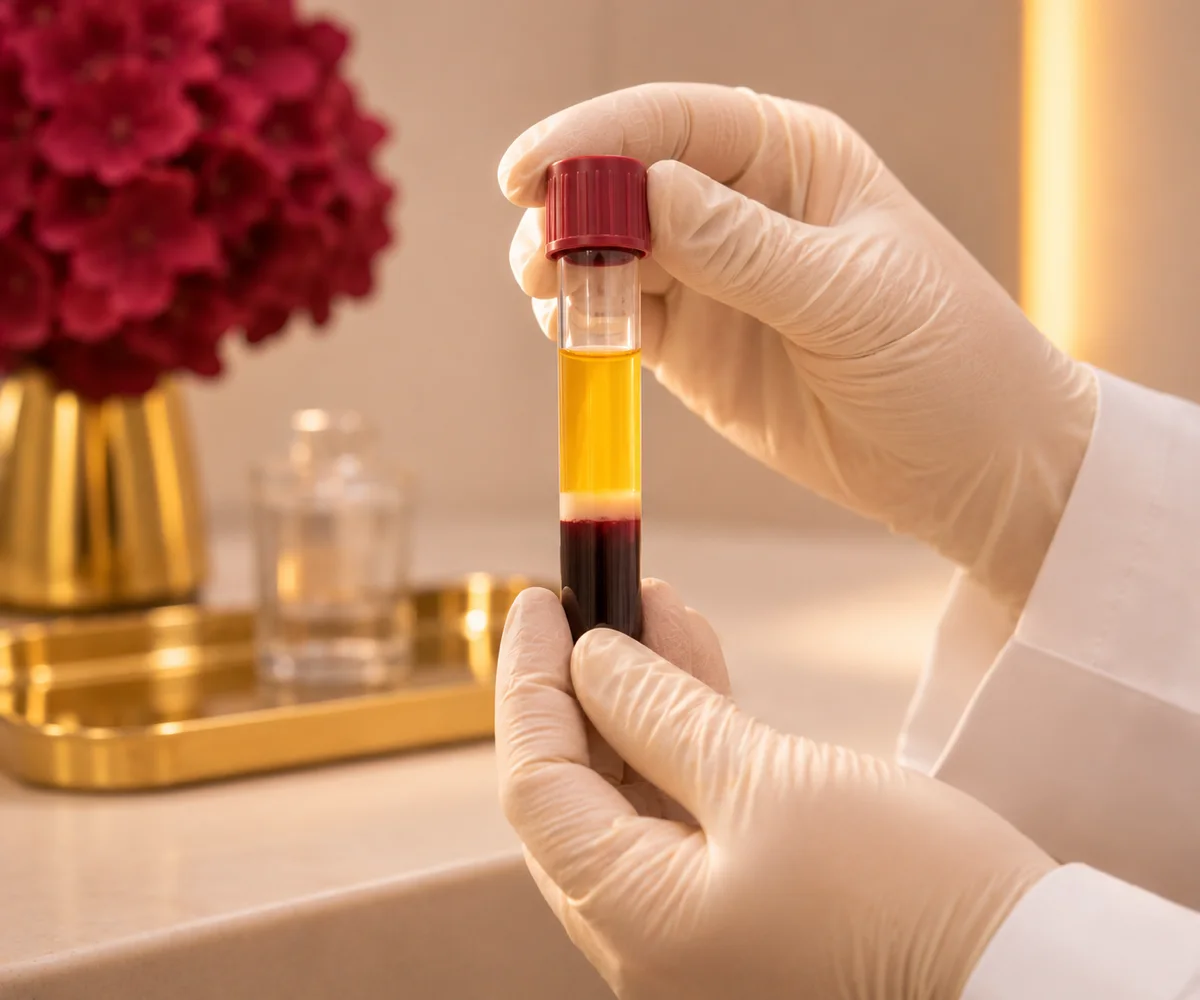
The doctor holding the tube after centrifugation, with the golden plasma separated from the blood

Regeneration

PRP (platelet-rich plasma)

Plasma obtained from your own blood and applied to the area, with the aim of favouring tissue recovery. For vulvar pain the evidence is limited to case reports, with no controlled trials showing benefit, and it does not treat muscle tension.

May be considered when

the assessment has excluded other causes, the first-line options have been tried, and the doctor has explained that the evidence is still very limited and the informed decision is yours.

Find out more

What the journey looks like

From the first consultation to the plan tailored to you

No treatment begins without an assessment consultation with the doctor. Most women start with what is simplest and has the most support, and only then is more considered.

  1. 01At the clinic

    Assessment consultation

    The doctor listens to what the pain is like, where, when and since when, asks about previous treatments, the skin, the menopause or births and how the pain affects intimacy, in private, without hurry and without questioning what you feel.

  2. 02At the clinic

    A gentle examination

    The vulva is examined, the pain is located with a cotton bud, a swab is taken when infection is in doubt, and the skin and mucosa are assessed and, with your consent, the pelvic floor. You can stop at any moment.

  3. 03With the team

    Diary and plan

    A pain diary helps to see what makes it worse. A plan is set out with pelvic floor physiotherapy, psychological or sex therapy support, vulvar care and, where relevant, prescribed medication.

  4. 04Over time

    Reassessing and deciding

    The pain and what has changed are reassessed. If it does not improve, the doctor explains the other routes, including the additional options and surgery, and refers to pain medicine or specialist gynaecology when needed.

Day to day

What helps while you wait for the consultation

Simple care that reduces irritation of the vulva and the tension around the pain, alongside the plan the doctor indicates.

It is not imagination

The pain is real, even with normal tests

Many women spend years hearing that “there is nothing wrong” before receiving a name for what they feel. Having a diagnosis of vulvodynia or vestibulodynia is not a judgement: it is the starting point of a treatment. Even after a long time with pain, a team approach can help.

Care for the vulva gently

Less irritation helps to lower the sensitivity of the skin.

In practice: wash the vulva only with water, wear cotton underwear, dry with gentle dabs and avoid very tight clothing.

Keep a pain diary

It shows what makes it worse and what relieves it, and gives the doctor a concrete picture.

In practice: for 2 to 4 weeks, note where it hurts, from 0 to 10, what you were doing, your clothing, products and the phase of your cycle.

Stopping when it hurts

It prevents sex from becoming increasingly associated with pain and fear.

In practice: agree a signal to stop, choose positions in which you control depth and rhythm and value touch without penetration.

Use a simple lubricant and soothe the area

It reduces friction, and cold can calm the burning afterwards.

In practice: prefer a lubricant with no scent and no warming or cooling effect and, afterwards, a cold compress wrapped in a cloth.

Dr Michelle Campagnoli, clinical director of Clínica Luxmed

Who will look after you

An assessment carried out by the doctor

At Luxmed, the first step is always an assessment consultation with Dr Michelle Campagnoli. She listens to the description of the pain without doubting it, examines the vulva gently and at your pace, excludes other causes and draws up the plan with you, coordinating with pelvic physiotherapy, psychology or sex therapy and pain medicine when needed.

  • Physical examination and medical historyDescription of the pain, clinical history, gentle examination and a swab when necessary, with each step explained.
  • A plan tailored to youFirst physiotherapy and psychosexual support; additional treatments only if appropriate, with the evidence explained.
  • No obligationThe cost of any treatment is confirmed only after the assessment.
Book an assessment consultation

Book a consultation

Book your consultation

Choose how you prefer to get in touch. We will arrange the assessment consultation with Dr Michelle Campagnoli.

Booking through the website100€70€Assessment consultationExclusive price for those who book the assessment through the website. Outside the website, the price is 100 €.

New Life Miraflores, Algés · Office Center, R. Santa Teresa do Menino Jesus n.º 6, 9.º C, 1495-048

Your details are used only for this contact. Any treatment depends on a prior medical assessment.

Request an appointmentIt takes less than a minute.
Speciality
You do not need to go into detail. The doctor will talk to you during the consultation.
Request received. Our team will contact you as soon as possible.
Why does sex hurt if the tests are normal?

Because the pain can arise where the usual tests do not reach: in the nerves of the vulva, which become more sensitive, in the pelvic floor muscles, which tense, or in a combination of factors. A normal examination excludes infection, skin disease or a visible lesion, but it does not exclude pain. When the pain has lasted 3 months or more and no other cause is found, a frequent possibility is vulvodynia, which specialist assessment helps to confirm.

What is vulvodynia?

It is pain in the vulva, the area around the entrance to the vagina, that has lasted at least 3 months and has no specific identifiable cause. It can be burning, stinging, throbbing or a feeling of raw skin. It can be localised or generalised, provoked by touch or spontaneous. In a North American population study, about 8% of women met criteria for vulvodynia and only a tiny fraction had the diagnosis, which shows how common and little recognised it is.

What is vestibulodynia and is it the same as vulvodynia?

Vestibulodynia is a type of vulvodynia in which the pain is concentrated in the vestibule, the entrance to the vagina, and is provoked by touch or penetration. In the “provoked” form the pain only appears when touched, for example when inserting a tampon or during sex. It is the most frequent subtype of chronic vulvar pain.

Is this psychological, is it in my head?

No. The pain is real and is thought to have a physical basis, such as sensitised nerves and tense muscles. What happens is that living with pain, fear and frustration influences how it feels and keeps it going, and so psychological or sex therapy support is part of the treatment, without calling what you feel into question. In one trial, couples cognitive behavioural therapy gave better results than lidocaine in several dimensions.

Which treatments have the most evidence?

Pelvic floor physiotherapy (education, relaxation exercises with biofeedback, manual therapy and dilation) has the most support: in a trial of 212 women it reduced pain during sex more than lidocaine ointment, with benefit at 6 months. Next come psychological and sex therapy support and, as a team, vulvar care and prescribed medication. The most complete systematic review warns, even so, that much of the evidence is of very low certainty.

What about creams and medicines for nerve pain?

They can be part of the plan, with a prescription: local anaesthetics, medicines for neuropathic pain or, in some cases, topical oestrogen. Results vary, the evidence is limited and recommendations differ, so they are usually combined with physiotherapy and psychosexual support rather than being the only answer. The doctor explains what to expect from each.

Is there surgery for vestibulodynia?

There is vestibulectomy, which removes the painful skin at the entrance to the vagina, and it is included in the recommendations for provoked vestibulodynia when other approaches have not worked. It is a specialist decision, with its own benefits and risks, and it is not first-line.

Does botulinum toxin help?

The data are conflicting. A trial of 88 women did not reduce the main pain, a pooled analysis of 4 trials did not show a significant reduction in pain, and a recent French trial of 60 women reduced pain at 3 months. In the studies serious adverse effects were not described, and discomfort at the injection site was the most common. It is an additional option, assessed case by case, after physiotherapy and psychosexual support.

What about PRP, laser or radiofrequency?

For PRP, the evidence in vulvar pain is limited to case reports, with no controlled trials. As for vaginal laser and radiofrequency, the FDA warned in 2018 that they are not approved for menopausal symptoms, urinary incontinence or sexual function and that they can cause burns, scars and pain during sex; that is why we do not propose them for this pain. Be wary of promises of a quick cure.

When should I book a consultation?

If pain during sex lasts more than 3 months, if it hurts on touch or with a tampon, if the tests are normal and it keeps hurting, if you have treated “infections” several times without improvement or if you already avoid sex because of it. Bleeding after the menopause or after sex, abnormal discharge, sores or patches on the vulva that change, fever or sudden and persistent pain call for prompt assessment: call SNS 24 (808 24 24 24) and, if it is severe, 112.

We could not find that question. Ask us on WhatsApp

Scientific references

This page is based on the sources below and was reviewed by Dr. Michelle Campagnoli. Last updated on .

  1. NHS. Vulvodynia (vulval pain). (NHS (nhs.uk), acedido 2026-11-11)
  2. American College of Obstetricians and Gynecologists (ACOG). Vulvodynia (Frequently Asked Questions). ACOG (acog.org), 2024.
  3. Bornstein J, Goldstein AT, Stockdale CK, et al. 2015 ISSVD, ISSWSH and IPPS Consensus Terminology and Classification of Persistent Vulvar Pain and Vulvodynia. Obstetrics & Gynecology 127(4):745-751, 2016.
  4. Reed BD, Harlow SD, Sen A, et al. Prevalence and demographic characteristics of vulvodynia in a population-based sample. American Journal of Obstetrics and Gynecology 206(2):170.e1-9, 2012.
  5. Goldstein AT, Pukall CF, Brown C, et al. Vulvodynia: Assessment and Treatment. Journal of Sexual Medicine 13(4):572-590, 2016.
  6. Bohm-Starke N, Ramsay KW, Lytsy P, et al. Treatment of Provoked Vulvodynia: A Systematic Review. Journal of Sexual Medicine 19(5):789-808, 2022.
  7. Morin M, Dumoulin C, Bergeron S, et al; PVD Study Group. Multimodal physical therapy versus topical lidocaine for provoked vestibulodynia: a multicenter, randomized trial. American Journal of Obstetrics and Gynecology 224(2):189.e1-189.e12, 2021.
  8. Bergeron S, Vaillancourt-Morel MP, Corsini-Munt S, et al. Cognitive-behavioral couple therapy versus lidocaine for provoked vestibulodynia: A randomized clinical trial. Journal of Consulting and Clinical Psychology 89(4):316-326, 2021.
  9. Haraldson P, Mühlrad H, Heddini U, Nilsson K, Bohm-Starke N. Botulinum Toxin A as a Treatment for Provoked Vestibulodynia: A Randomized Controlled Trial. Obstetrics & Gynecology 136(3):524-532, 2020.
  10. Gao Z, Hu L, Yi C, Gao C. Clinical impacts of botulinum toxin type A injections for provoked vestibulodynia: insights from randomized controlled trials. BMC Women's Health 25:590, 2025.
  11. Pelletier F, Gallais Sérézal I, Puyraveau M, et al. Electromyography-guided botulinum toxin injections in provoked vestibulodynia: a randomized double-blind placebo-controlled clinical trial. American Journal of Obstetrics and Gynecology 234(5):1362-1369, 2026.
  12. Ng JJ, Jaili S, Lee JYS, et al. Platelet-Rich Plasma in Urogynecology: A Case Series. Cureus 16(8):e68004, 2024.
  13. Medsafe (Nova Zelândia), a retransmitir o alerta da U.S. FDA. Safety Information: energy-based devices used for vaginal 'rejuvenation' or vaginal cosmetic procedures (relays the USFDA safety communication of July 2018). Medsafe, New Zealand Medicines and Medical Devices Safety Authority, 2018.
CallAssistantAvailableBook