
Algés, Oeiras Mon to Fri · 09:00 to 13:00 and 14:00 to 19:00 · Sat · 09:00 to 14:00
WhatsApp Book a consultation

Aesthetic gynaecology

Vaginal pain from tense musclesWhen the pelvic floor cannot relax and pain appears in the vagina, the perineum or the pelvic area

Some women have vaginal pain that comes not from an infection or a visible lesion, but from pelvic floor muscles that are too tense, like a fist that will not open. Doctors call this pelvic floor hypertonicity, or a tense pelvic floor. The pain may be felt with tampons, with the gynaecological examination and with sex, but also when sitting, when passing urine or at the end of the day. Here we explain how to recognise it, what is usually behind it, why “doing more Kegels” does not always help, what is assessed and what can help, starting with physiotherapy and relaxation, and the limited place of injections, with honesty about what the evidence shows.

Reviewed by Dr Michelle Campagnoli, clinical director

  • First lineis pelvic floor physiotherapy, to relax and not to strengthen
  • 1assessment consultation, always first
  • 70 €assessment booked through the website
Woman in a grey top sitting cross-legged on a cushion with her eyes closed, in a yoga studio

How to recognise it

Could it be pain from tense muscles?

It is not a diagnosis in itself: it is a pattern. Muscle pain is usually continuous or cramping, gets worse with tension and anticipation, and can appear outside of sex. What counts is where it hurts, when, and what makes it worse or relieves it.

Tick what you recognise0/7

Tick the signs you recognise in your case. This is not a diagnosis, it is only meant to give you an idea.

Sudden or very severe pelvic pain, fever, abnormal or foul-smelling discharge, bleeding after sex or after the menopause, blood in the urine, being unable to pass urine, sores or patches on the vulva that change, or pain that does not go away and gets worse, need prompt assessment and should not be attributed to muscle tension alone. Outside opening hours, call SNS 24: 808 24 24 24.

A physiotherapist in blue scrubs demonstrates a posture to a woman in a room with a pilates ball and bands
Photograph of a consultation. The dots mark what the doctor assesses; the image does not show the intimate area.

Why it happens

What may lie behind tense muscles

The pelvic floor contracts and relaxes during the day: it contracts to hold, relaxes to pass urine, open the bowels and for penetration. When it becomes “switched on” in contraction, it stops resting and begins to hurt. Choose a situation to see how it applies.

The pain cycle

After pain (painful sex, an uncomfortable examination, an infection), the body learns to protect itself and contracts the muscles before the pain arrives. Tense muscles hurt more, and the pain reinforces the contraction. Many women say that the pain began for a reason that has since passed, and the tension stayed.

What usually makes it worse

Avoiding everything that hurts, which gives the body fewer opportunities to relearn that it can relax.

What helps

Physiotherapy to teach the pelvic floor to relax and to resume contact gradually, without hurry.

Normal or to be assessed

Tense muscles or another cause

Vaginal or pelvic pain can have several origins, and muscle tension may be the cause or only a consequence. That is why it is worth knowing what is happening before choosing treatment.

  • How it shows. Tight or cramping pain in the vagina, the perineum or the pelvic area, which gets worse with stress, the end of the day or anticipation and improves with warmth and rest.

  • When it happens. With a tampon, an examination or sex, but also outside of them. There may be difficulty emptying the bladder or bowel.

  • What the clinic does. The doctor listens to what is going on, performs the examination gently, assesses tone and the painful points and confirms that there is no other cause.

  • At home. Breathing, local warmth, relaxing the perineum on the out-breath and avoiding “squeezing” to try to improve, while you wait for the consultation.

Sudden and severe pelvic pain with fever, fainting or heavy bleeding, or are you unable to pass urine? Call 112 or go to the emergency department. If you have pain that does not go away, abnormal discharge, blood in the urine or doubts, outside opening hours you can call SNS 24: 808 24 24 24.

Book an assessment consultation

What can help

Options for tense muscles

First-line care is pelvic floor physiotherapy, aimed at relaxing and not at strengthening: breathing, relaxation, manual therapy and, when useful, biofeedback. Psychological support (cognitive behavioural therapy, mindfulness or sex therapy), graduated dilators when there is fear of penetration, and treatment of other causes, such as dryness of the mucosa or a sensitive scar, are usually added. It has the most support and almost no risks. The injectable treatments below are additional options, assessed case by case, without promising results, and with limited or even unfavourable evidence for pain from tense muscles.

Book an assessment consultation
Dr Michelle Campagnoli, clinical director of Clínica Luxmed

First step

Assessment consultation

The doctor listens to what you are experiencing, examines your case and explains the suitable options. No treatment begins without this consultation.

May be considered when

you want to understand the cause and decide on the best path, with time and without commitment.

Book an assessment consultation
The doctor checking a fine syringe before the treatment, in a bright room

Muscle relaxation

Botulinum toxin

Injection of small doses into the pelvic floor muscles, with the aim of relaxing them for a few months. It is used in selected cases and the effect, when there is one, is temporary. The most rigorous randomised trials have not shown a benefit for pain over placebo, and it does not replace physiotherapy.

May be considered when

the pain is clearly muscular, the doctor has excluded other causes, you have had physiotherapy and psychological support for long enough without resolution, the risks and the lack of evidence have been explained and the decision is yours.

Find out more
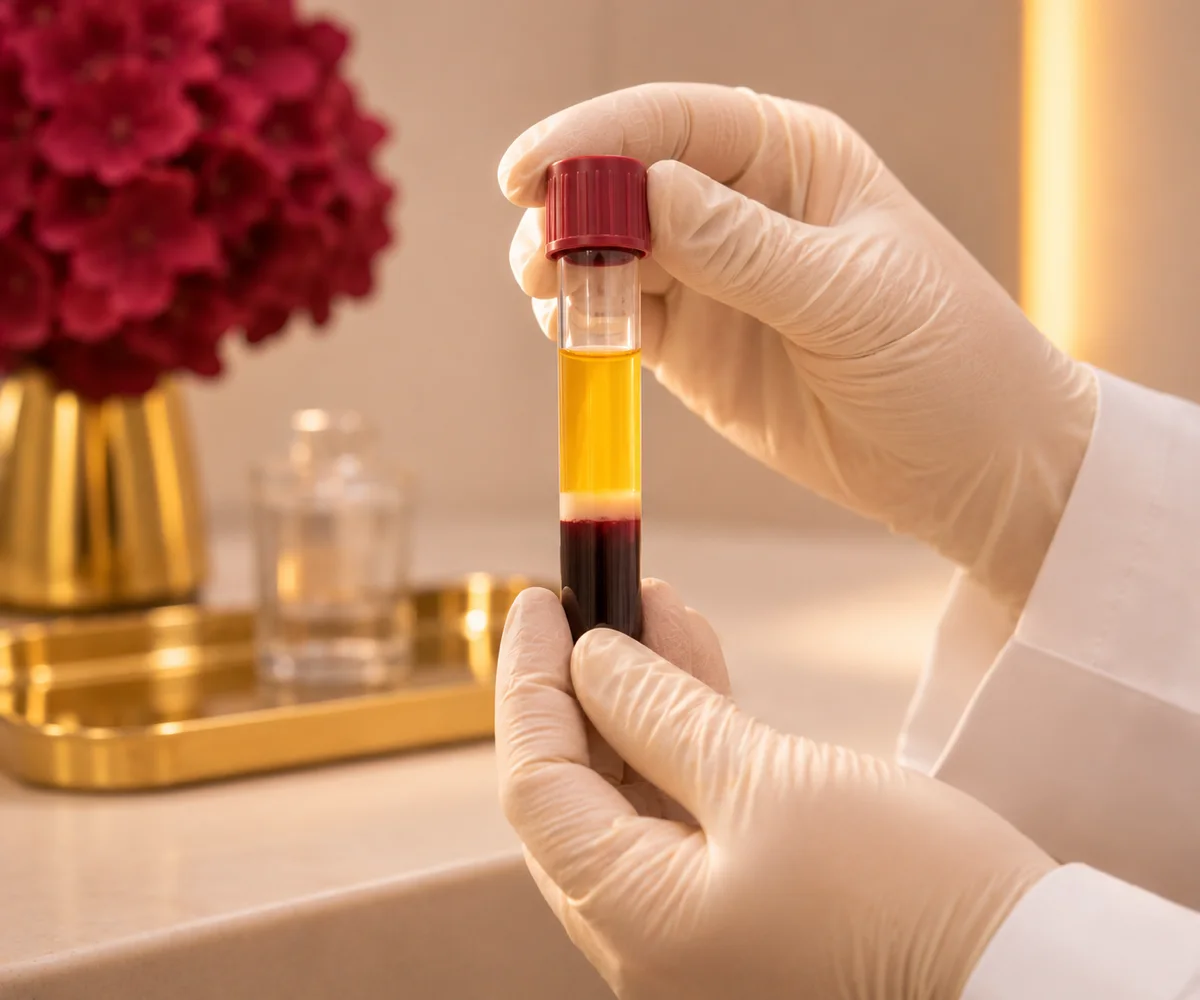
The doctor holding the tube after centrifugation, with the golden plasma separated from the blood

Regeneration

PRP (platelet-rich plasma)

Plasma obtained from your own blood and applied to the area, with the aim of favouring tissue regeneration. We know of no controlled trials showing benefit for pain from muscle tension, and it does not relax the muscles. It only makes sense when, in addition to the tension, there is a thin mucosa or a sensitive scar to treat.

May be considered when

the assessment also showed changes in the mucosa or the scar, the muscle tension is being treated in parallel and the doctor has explained that, for muscle pain, the evidence is insufficient.

Find out more

What the journey looks like

From the first consultation to the plan tailored to you

No treatment begins without an assessment consultation with the doctor. Most women start with what is simplest and least invasive, and only then is more considered.

  1. 01At the clinic

    Assessment consultation

    The doctor listens to where and when it hurts, asks about births, surgery, infections, menopause, habits and stress, and lets you speak in private and without hurry, without judging. She may propose a pain diary.

  2. 02At the clinic

    A gentle examination

    The vulva is examined and, with your consent, the tone of the pelvic floor, the painful points and the mucosa are assessed. Infection, skin disease or other causes are looked for, and tests are requested if necessary. You can stop at any moment.

  3. 03In physiotherapy and at home

    Relax the pelvic floor

    Pelvic floor physiotherapy begins: breathing, relaxation, manual therapy and exercises to do at home, with dilators when it makes sense. Dryness or the scar is treated, and psychological support or sex therapy may be added.

  4. 04Over time

    Reassessing and deciding

    The pain and what has changed are reassessed. If it is not enough, the doctor explains the other options, including injectables, with the evidence stated plainly, and refers to a pelvic pain centre when needed.

Day to day

What helps while you wait for the consultation

Simple care that helps the pelvic floor to rest, alongside the plan the doctor indicates.

It is not just nerves

The pain is real and there is much that can be done

Vaginal pain from tense muscles is common and often goes unnoticed for years. It is not weakness or your imagination, and it is not a punishment either. Learning to relax the pelvic floor, slowly and with support, improves the pain in many women, and the sooner you start the easier it usually is.

Breathing with a loose perineum

On breathing in, the belly rises and the pelvic floor lowers slightly; on breathing out, it returns. Training this teaches the muscles to let go.

In practice: lying on your side or back, with knees bent, breathe in through the nose letting the belly fill and imagine the perineum “opening” like a flower. A few minutes a day is enough.

Gentle warmth on the area

Warmth helps the muscles to relax and relieves cramping pain.

In practice: a warm bath or a hot-water bottle (never too hot) on the belly or lower back, 10 to 15 minutes at the end of the day.

Gentle stretching

Moving the hips, thighs and lower back reduces accumulated tension that reaches the pelvic floor.

In practice: resting positions, such as child’s pose or knees to chest lying down, held for a few minutes, without forcing or feeling pain.

Take the goal of penetration away

Fear that it will hurt keeps the muscles on guard. Intimacy without pressure and without penetration gives them rest.

In practice: agree with someone you trust a time of affection, without a goal, and always stop when there is pain. More lubricant and more time help.

Dr Michelle Campagnoli, clinical director of Clínica Luxmed

Who will look after you

An assessment carried out by the doctor

At Luxmed, the first step is always an assessment consultation with Dr Michelle Campagnoli. She listens to what is going on, assesses the vulva, the mucosa and the tone of the pelvic floor, excludes other causes and draws up the plan with you, in private and without hurry, coordinating with pelvic physiotherapy, sex therapy or a pelvic pain centre when needed.

  • Physical examination and medical historyA conversation about the pain, gentle examination with your consent, and further tests when necessary.
  • A plan tailored to youFirst physiotherapy and relaxation; injectable treatments only if appropriate, with the evidence explained.
  • No obligationThe cost of any treatment is confirmed only after the assessment.
Book an assessment consultation

Book a consultation

Book your consultation

Choose how you prefer to get in touch. We will arrange the assessment consultation with Dr Michelle Campagnoli.

Booking through the website100€70€Assessment consultationExclusive price for those who book the assessment through the website. Outside the website, the price is 100 €.

New Life Miraflores, Algés · Office Center, R. Santa Teresa do Menino Jesus n.º 6, 9.º C, 1495-048

Your details are used only for this contact. Any treatment depends on a prior medical assessment.

Request an appointmentIt takes less than a minute.
Speciality
You do not need to go into detail. The doctor will talk to you during the consultation.
Request received. Our team will contact you as soon as possible.
What is a tense pelvic floor (hypertonicity)?

The pelvic floor is the group of muscles that supports the bladder, the womb and the bowel and surrounds the urethra, the vagina and the anus. It should contract to hold and relax to pass urine, open the bowels and for penetration. In hypertonicity, or a tense pelvic floor, the muscles are too contracted and do not relax well, and this can cause vaginal or pelvic pain, pain during sex and problems passing urine or opening the bowels. It is a problem of muscles that do not rest, and not of weak muscles.

Are vaginal pain from tense muscles and vaginismus the same thing?

They are related, but not the same. In vaginismus, the muscles contract involuntarily when penetration is attempted, and that is what prevents it or makes it painful. In pelvic floor tension, pain can also exist outside of penetration, with tampons, when sitting, when passing urine or at the end of the day, and the tone is increased in a more continuous way. A woman may have one, the other or both, and only assessment clarifies it.

How do I know whether the pain is from the muscles and not something else?

From the conversation and the examination. The doctor asks how and when it hurts, examines the vulva and, with your consent, gently assesses the tone and the painful points of the pelvic floor. She excludes infection, skin disease of the vulva such as lichen sclerosus, endometriosis and other causes, and requests tests or an ultrasound if needed. When the pain persists for more than 3 months with no visible cause, it may be vulvodynia, which is also assessed separately.

Can stress and anxiety cause this pain?

They can contribute. With the body on alert, muscles tend to contract, and in a pelvic floor that is already sensitive tension and pain reinforce each other. This does not mean the pain is imagined: it is real muscle pain, which can improve with relaxation techniques, cognitive behavioural therapy or mindfulness. In a trial of 130 women with vestibulodynia, both therapies improved pain and sexual function, with benefit maintained at 6 months.

Do Kegel exercises help or make it worse?

It depends on the problem. Kegels contract and strengthen the pelvic floor, which helps when it is weak, for example in urinary leakage. In a tense pelvic floor, contracting more can increase tension and pain. Before starting, it is worth knowing whether the muscles need to be strengthened or relaxed. In practice, the most useful exercises in these cases are for relaxation and coordination, guided by a physiotherapist.

What does pelvic floor physiotherapy do?

It teaches you to recognise the contraction and to release it, with breathing, relaxation and stretching exercises, manual therapy on the painful points and, when useful, biofeedback or graduated dilators, with training at home. The duration varies from person to person. A review of 10 studies indicates that it is a first-line intervention and that it can help with vulvar pain and painful sex, although the studies are few and of variable quality.

Does botulinum toxin resolve pain from tense muscles?

There is no proof that it does. The toxin relaxes the muscle for a few months, and so it is logical, but a meta-analysis of randomised trials (2024) and a double-blind trial of 94 women (2025) showed no difference in pain compared with placebo, although resting tone fell more with the toxin. Uncontrolled studies are more favourable. It can be considered in selected cases, after well-done physiotherapy and once other causes have been excluded, and the decision is always explained and shared with you.

And PRP, does it help with this pain?

We know of no controlled trials showing a benefit of PRP in pain from tense muscles, and PRP does not relax the muscles: it is used to try to favour tissue regeneration. It is only considered when, in addition to the tension, there is a thin mucosa or a sensitive scar, and as an additional treatment, never in place of physiotherapy.

Do these treatments carry risks?

PRP uses your own blood and usually causes only discomfort, redness or bruising at the site. Botulinum toxin can cause discomfort or bruising at the injection site and, because it relaxes the muscle, temporary weakness in the muscles treated, which the doctor explains beforehand. They are not done with an active infection, unexplained bleeding, undiagnosed lesions, pregnancy or breastfeeding. The doctor decides case by case.

When should I book a consultation?

Book a consultation if you have vaginal or pelvic pain that lasts more than a few weeks, pain with tampons or during sex, difficulty passing urine or opening the bowels, or if you avoid intimacy for fear of pain. If you have abnormal discharge, blood in the urine, bleeding after sex or after the menopause, or doubts, call SNS 24 (808 24 24 24). If you have sudden and very severe pelvic pain with fever or fainting, or cannot pass urine, call 112.

We could not find that question. Ask us on WhatsApp

Scientific references

This page is based on the sources below and was reviewed by Dr. Michelle Campagnoli. Last updated on .

  1. Faubion SS, Shuster LT, Bharucha AE. Recognition and management of nonrelaxing pelvic floor dysfunction. Mayo Clinic Proceedings 87(2):187-193, 2012.
  2. van Reijn-Baggen DA, Han-Geurts IJM, Voorham-van der Zalm PJ, et al. Pelvic floor physical therapy for pelvic floor hypertonicity: a systematic review of treatment efficacy. Sexual Medicine Reviews 10:209-230, 2022.
  3. Allaire C, Yong PJ, Bajzak K, et al. Guideline No. 445: management of chronic pelvic pain. Journal of Obstetrics and Gynaecology Canada 46:102283, 2024.
  4. Bornstein J, Goldstein AT, Stockdale CK, et al. 2015 ISSVD, ISSWSH, and IPPS consensus terminology and classification of persistent vulvar pain and vulvodynia. Obstetrics & Gynecology 127(4):745-751, 2016.
  5. Maseroli E, Scavello I, Rastrelli G, et al. Outcome of medical and psychosexual interventions for vaginismus: a systematic review and meta-analysis. Journal of Sexual Medicine 15(12):1752-1764, 2018.
  6. Zulfikaroglu E. Vaginismus treatment: a systematic review and meta-analysis of contemporary therapeutic approaches. Journal of Sexual Medicine 23:qdaf295, 2026.
  7. Brotto LA, Bergeron S, Zdaniuk B, et al. A comparison of mindfulness-based cognitive therapy vs cognitive behavioral therapy for the treatment of provoked vestibulodynia in a hospital clinic setting. Journal of Sexual Medicine 16(6):909-923, 2019.
  8. Spruijt MA, Klerkx WM, Kelder JC, et al. The efficacy of botulinum toxin A injections in pelvic floor muscles in chronic pelvic pain patients: a systematic review and meta-analysis. International Urogynecology Journal 33:2951-2961, 2022.
  9. Knapman BL, Li FG, Deans R, et al. Botulinum toxin for the management of pelvic floor tension myalgia and persistent pelvic pain: a systematic review and meta-analysis. Obstetrics & Gynecology 143:e7-e17, 2024.
  10. Spruijt MA, Klerkx WM, Notten K, et al. The efficacy of botulinum toxin A injection in pelvic floor muscles in chronic pelvic pain patients: a double-blinded randomised controlled trial. BJOG 132:297-305, 2025.
  11. Ferreira JR, Souza RP. Botulinum toxin for vaginismus treatment. Pharmacology 89:256-259, 2012.
  12. Becker CM, Bokor A, Heikinheimo O, et al. ESHRE guideline: endometriosis. Human Reproduction Open 2022(2):hoac009, 2022.
  13. Lewis FM, Tatnall FM, Velangi SS, et al. British Association of Dermatologists guidelines for the management of lichen sclerosus, 2018. British Journal of Dermatology 178(4):839-853, 2018.
  14. NHS. Vaginismus. (NHS (nhs.uk), acedido 2026-11-11)
  15. NHS. Vulvodynia (vulval pain). (NHS (nhs.uk), acedido 2026-11-11)
CallAssistantAvailableBook