Algés, Oeiras Mon to Sat · 09:00 to 13:00 and 14:00 to 19:00
WhatsApp Book a consultation

Skin concern

MelasmaDark patches that keep coming back

Brown patches on the face that appear with sun exposure, pregnancy or the pill. Here we explain how to recognise it, why it happens and what the clinic can do for you.

Reviewed by Dr Michelle Campagnoli, clinical director

  • 5treatments for pigmentation
  • 1assessment consultation, always first
  • 70 €assessment booked through the website
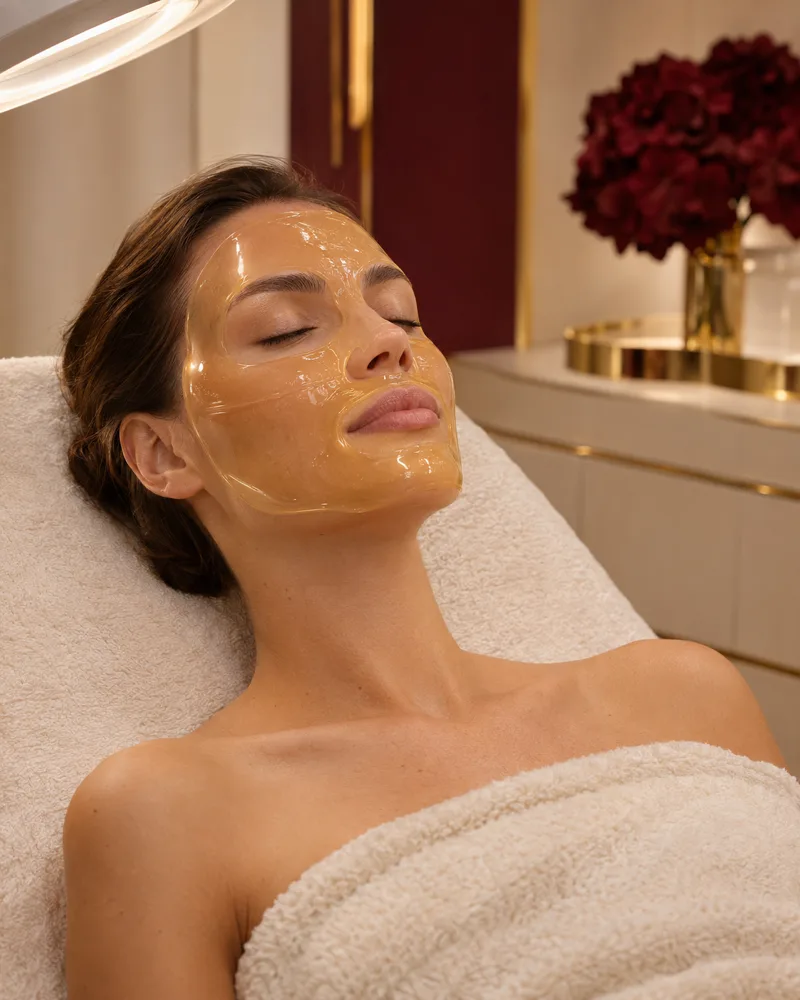
Woman lying in a treatment chair, with a facial ritual mask on her skin, in a room in shades of wine and gold

How to recognise it

Could I have melasma?

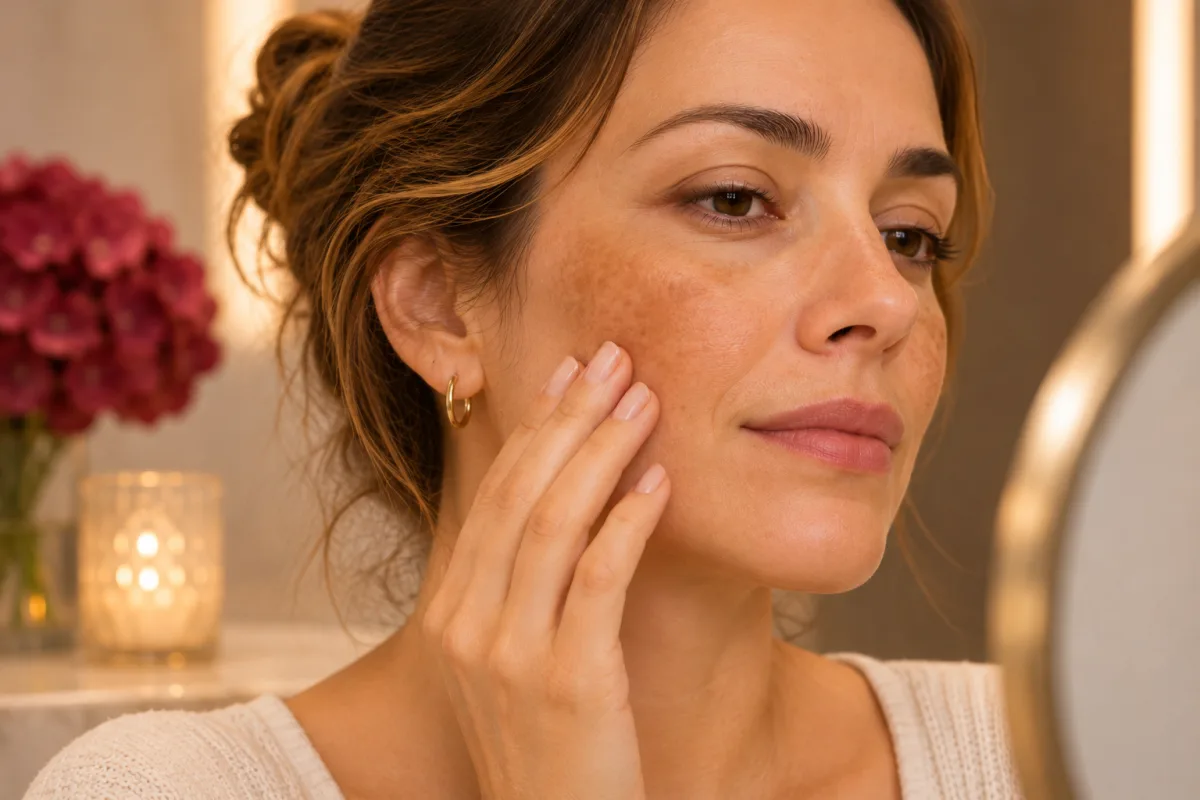
Many people confuse melasma with freckles or sun spots. The difference lies in the shape, the symmetry and what makes it worse.

Tick what you recognise0/5

Tick the signs you recognise in your patches. This is not a diagnosis, it is only meant to give you an idea.

Only a medical assessment can confirm. Patches that grow quickly, bleed, are raised or change colour should be seen by a doctor as soon as possible, as they may not be melasma.

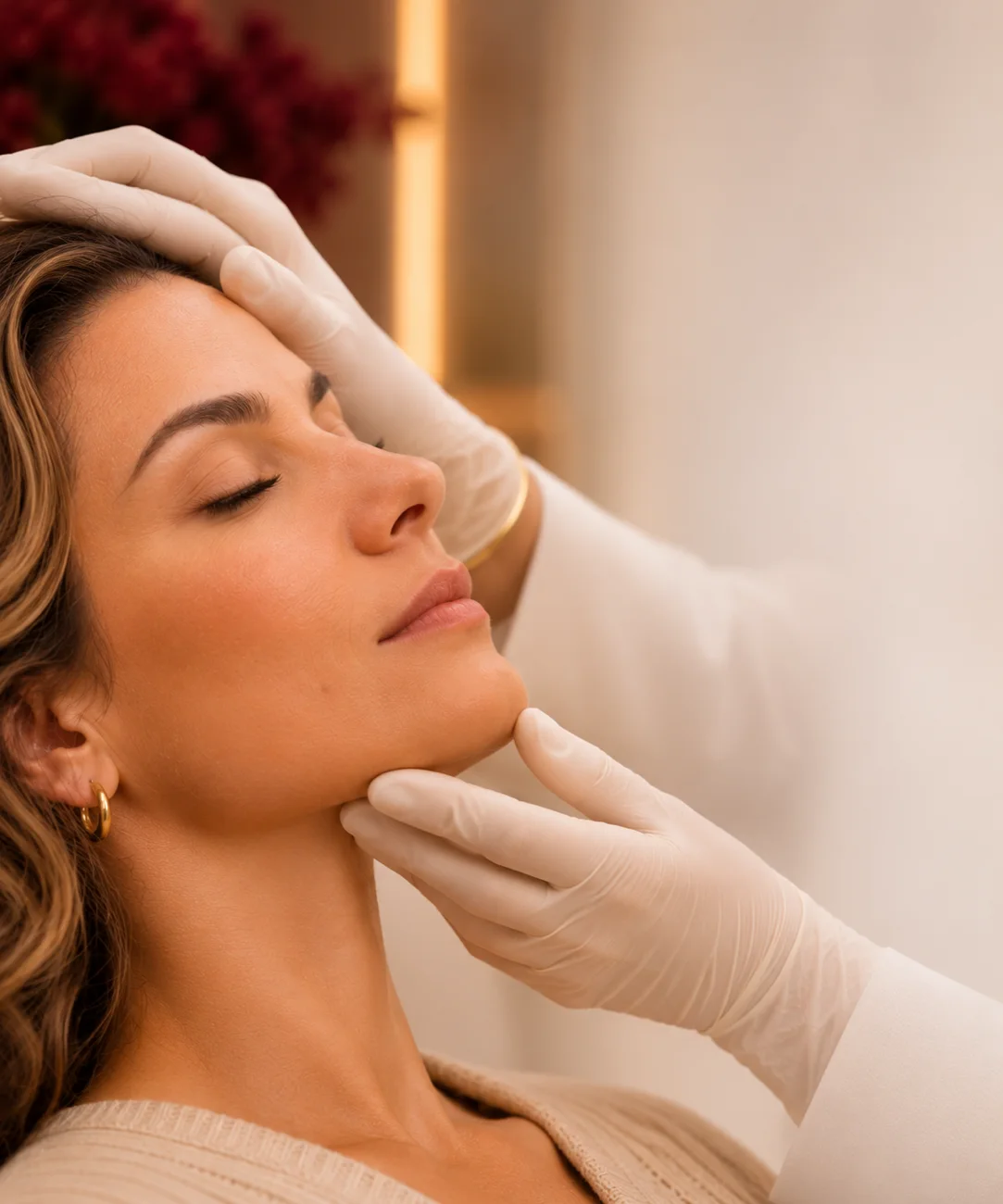
The doctor examining a patient's face during an assessment consultation
Photograph of an assessment consultation. The dots mark the areas where melasma usually appears; the image does not show melasma.

Why it happens

What wakes up the patches

Melasma develops when the cells that give skin its colour produce too much pigment in one area. There is almost always more than one cause at play. Choose one to see what makes it worse and what helps.

The sun

Sunlight wakes up the cells that give skin its colour, and very little is enough. Sun outdoors, sun coming through a window and the visible light from some screens can keep the patches active.

What makes it worse

Unprotected sun, especially at midday, and sun protection only in summer.

What helps

Tinted sunscreen every day, a wide-brimmed hat and shade.

Pregnancy and the pill

Melasma from pregnancy or the pill

When melasma starts during pregnancy, with the pill or with another hormonal treatment, some special care is needed. It is the same melasma, but with a course of its own.

  • When it appears. Often during pregnancy, from the second trimester, when hormone levels are higher.

  • Does it go away after the birth? In many women it fades over the following months, but it may stay. It is not worth waiting without protecting your skin.

  • Treatments. Some are not suitable during pregnancy or breastfeeding. The doctor explains what you can expect and when to start.

  • What you can already do. Tinted sunscreen every day, a wide-brimmed hat and shade.

Are you pregnant, breastfeeding or on the pill? Say so when you book your consultation, so the doctor can adapt the plan.

Book an assessment consultation

What the clinic can do

Treatments for melasma

These are the treatments we offer for melasma and for patches that insist on staying. You do not choose by name: the doctor proposes the way forward after seeing your skin.

Book an assessment consultation
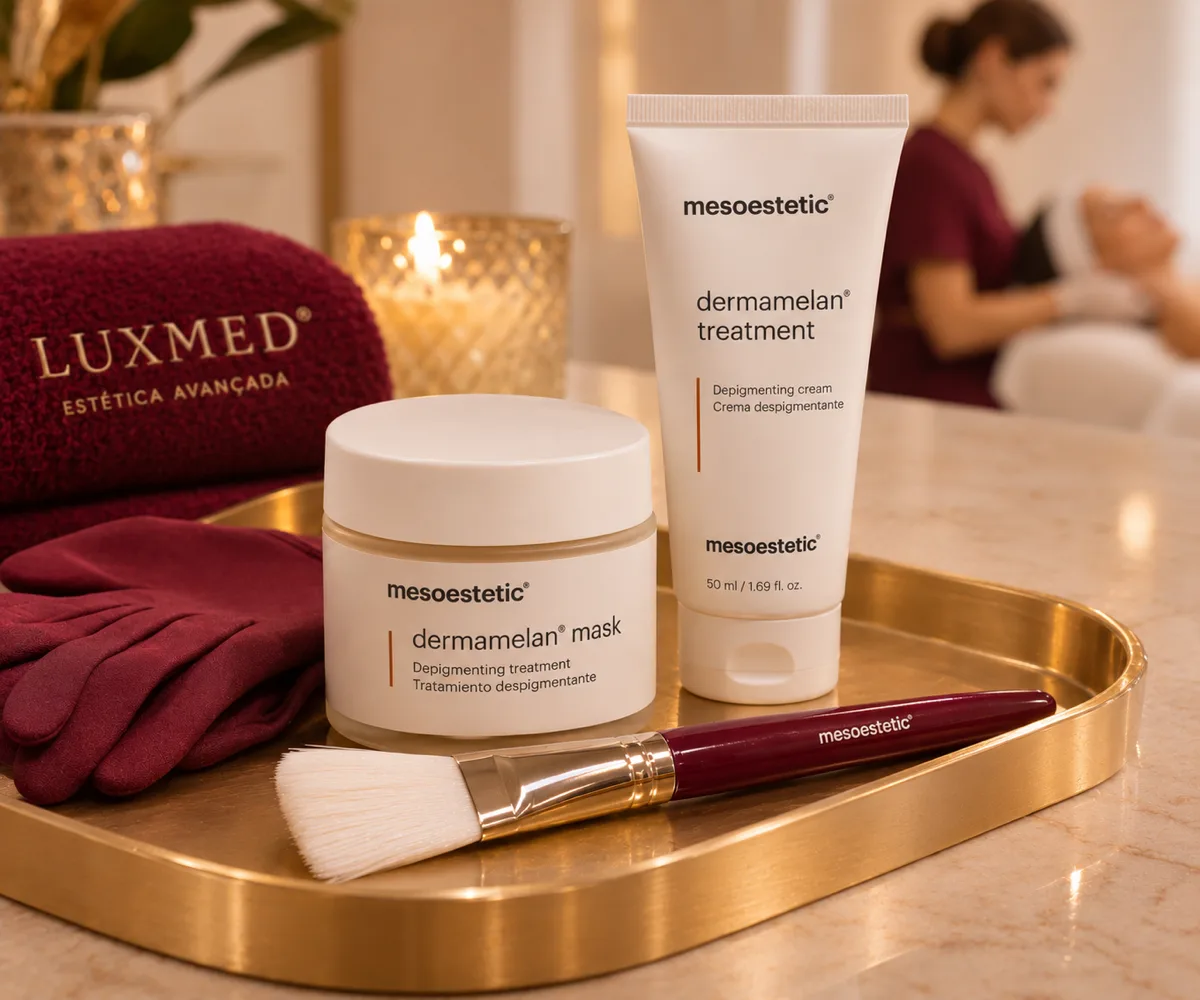
Dermamelan ritual creams and mask on a gold tray

Clinical indication

Ritual Dermamelan Method

For melasma and persistent pigmentation that resist ordinary treatments. It is an intensive solution, with close follow-up.

Suitable when

you have already tried to treat the patches without success.

Find out more
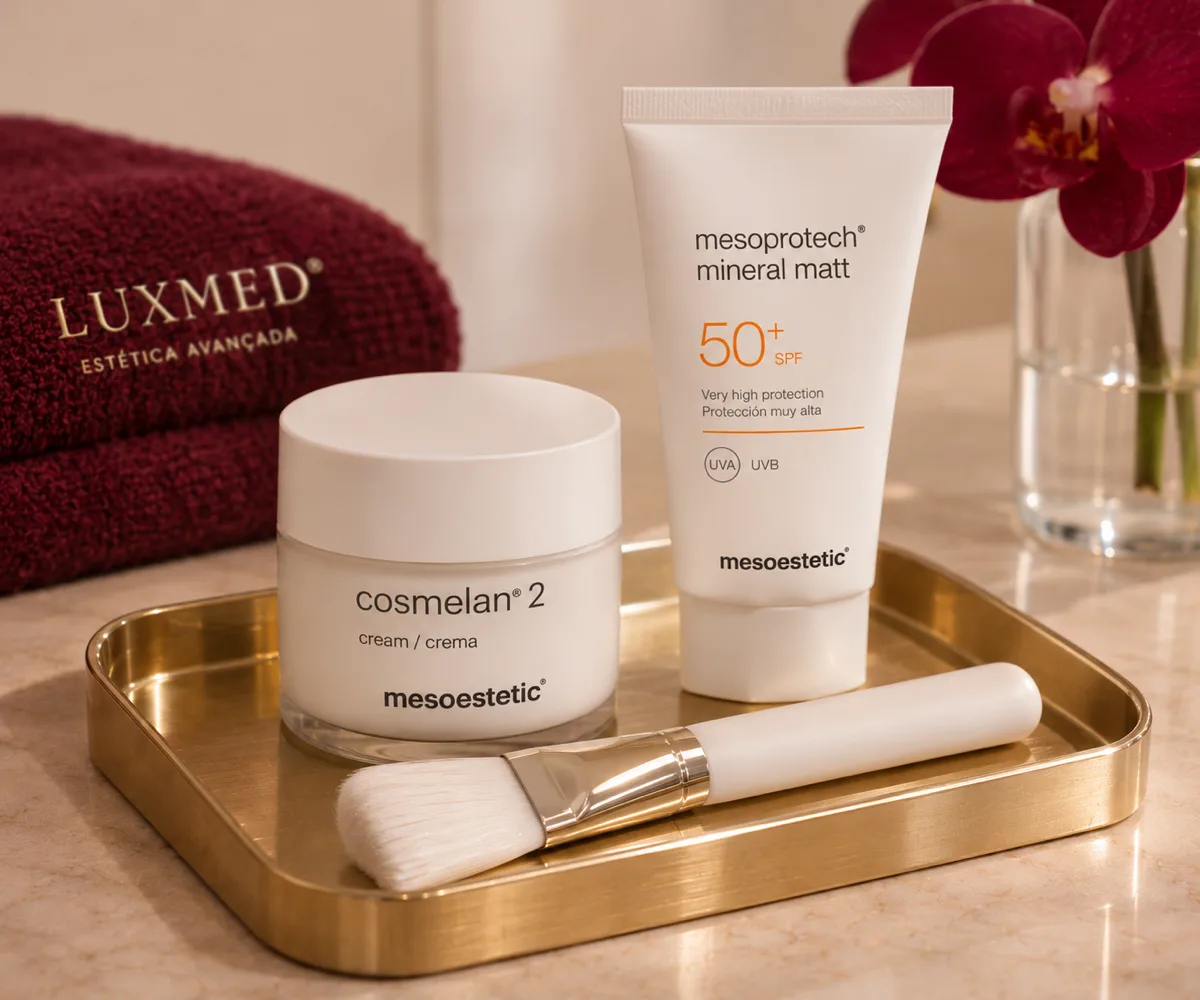
Cosmelan ritual products on a gold tray

Depigmentation method

Ritual Cosmelan Method

One of the best-known depigmentation methods. It tackles the patches and evens out skin tone, with treatment at the clinic and continuity at home.

Suitable when

the patches call for a more even skin tone.

Find out more
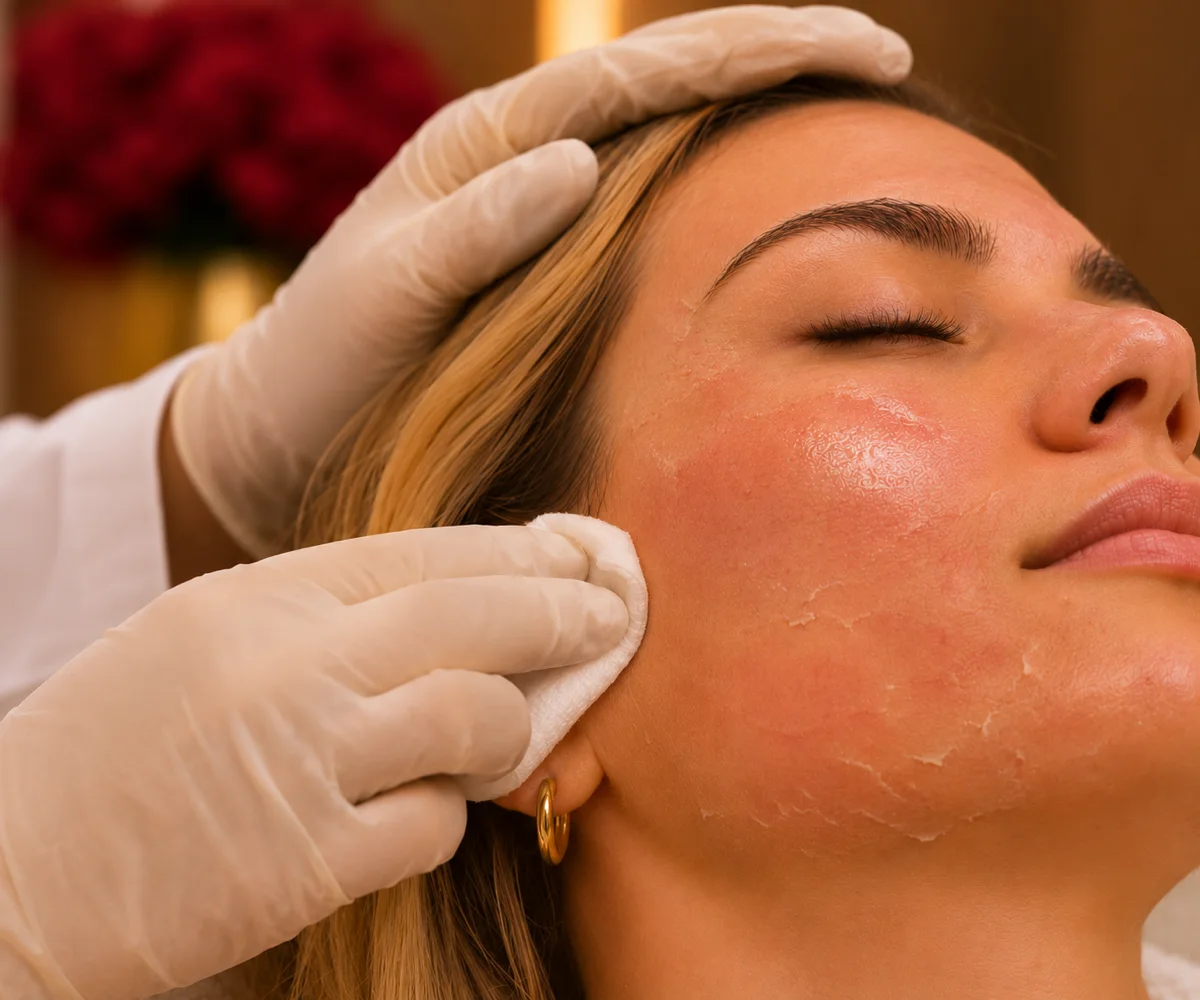
Deep peel being applied to the face

Peels and regeneration

LuxFusion deep peel

Intense skin renewal, to treat marked skin damage and stubborn patches.

Suitable when

the patches come with other sun damage.

Find out more
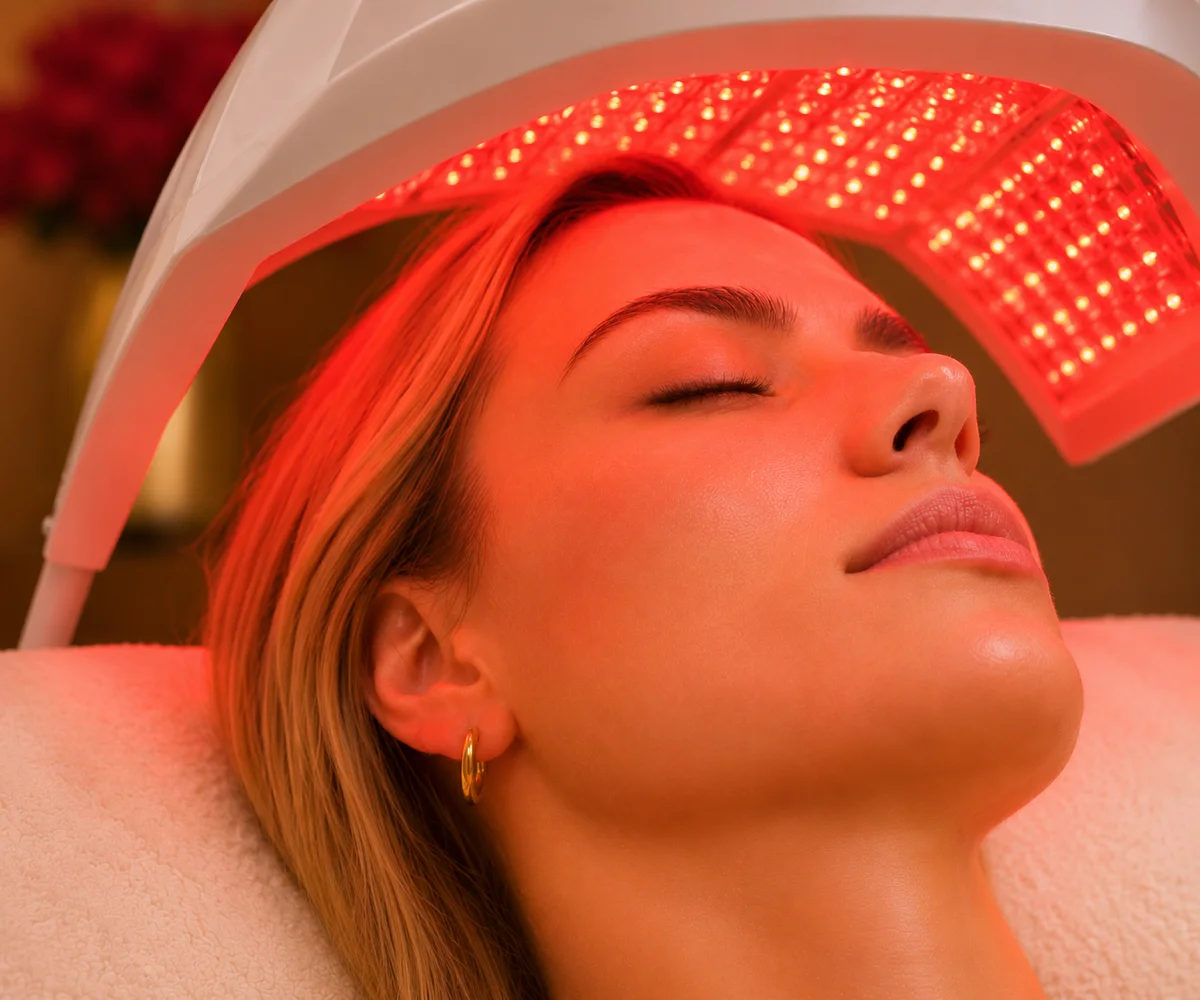
Face under the LED light of photobiodynamic therapy

Technology

Photobiodynamic therapy

Light applied to a photosensitiser, to regenerate the skin and treat patches and signs of ageing.

Suitable when

your skin also needs regeneration.

Find out more
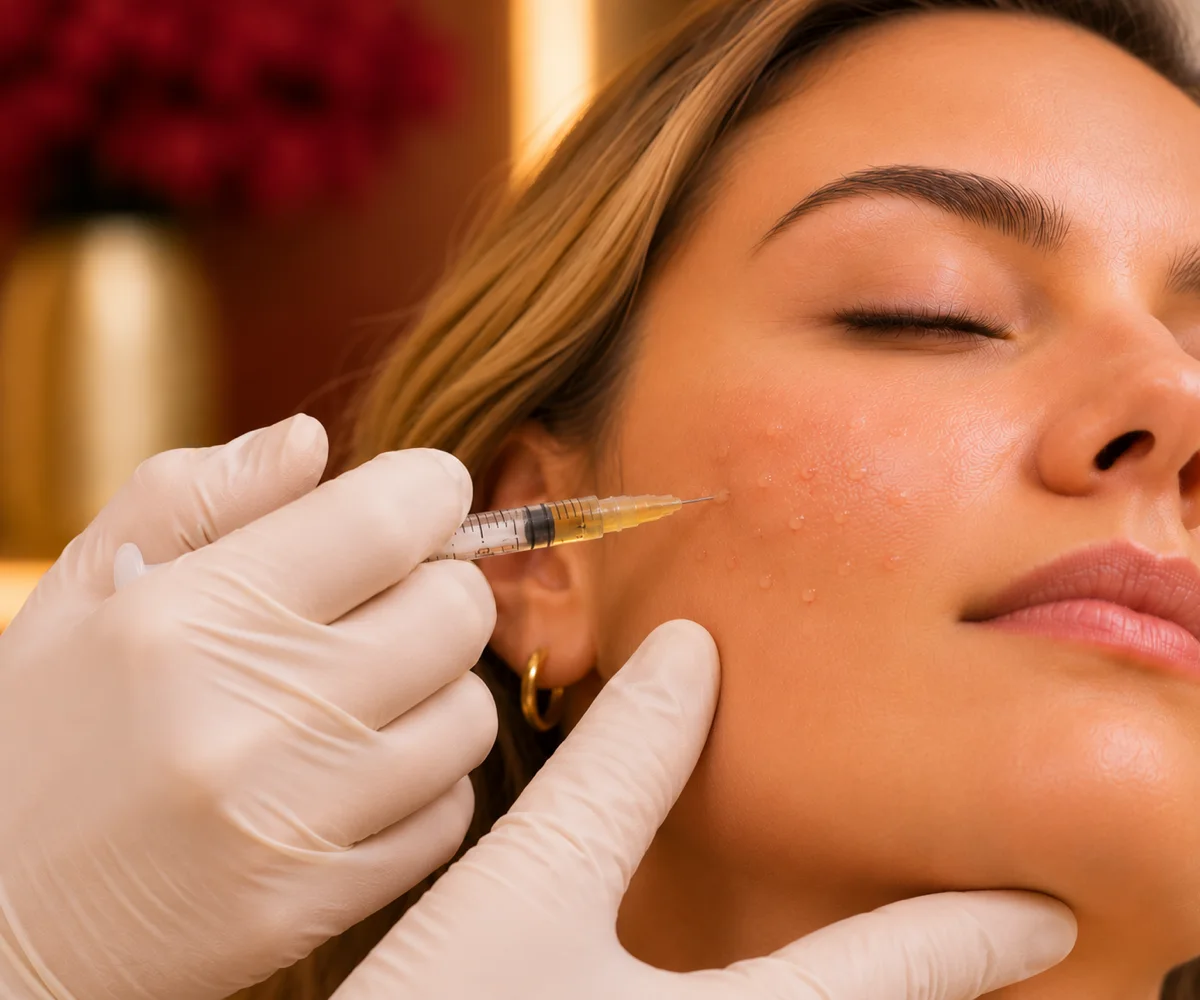
Intradermotherapy: micro-injections in the skin of the face

Regeneration

Intradermotherapy

Vitamins, minerals and other active ingredients applied in the dermis, to nourish the skin and treat patches.

Suitable when

you want to nourish the skin at the same time.

Find out more

Why is there no single «right» treatment for everyone? Melasma has more than one cause and every skin reacts differently. That is why the plan is tailored to you, and results are gradual and need maintenance.

What the journey looks like

From the first consultation to maintenance

No treatment starts without an assessment consultation with the doctor. This is how it works.

  1. 01At the clinic

    Assessment consultation

    The doctor examines your skin, asks about your history, your medication and your sun exposure, and confirms that it is melasma.

  2. 02At the clinic

    A plan tailored to you

    She explains the options, what to expect and how long it may take, and chooses the most suitable way forward with you.

  3. 03At the clinic and at home

    Treatment and care

    You have the treatment at the consultation and receive clear instructions for the following days, with the right products for your skin.

  4. 04Over time

    Follow-up

    We look at your skin again, adjust the plan and agree on maintenance, because melasma tends to return without protection.

Day to day

What helps at home

Even with the best treatment, everyday habits decide a good part of the result. These are the steps that matter most.

The golden rule

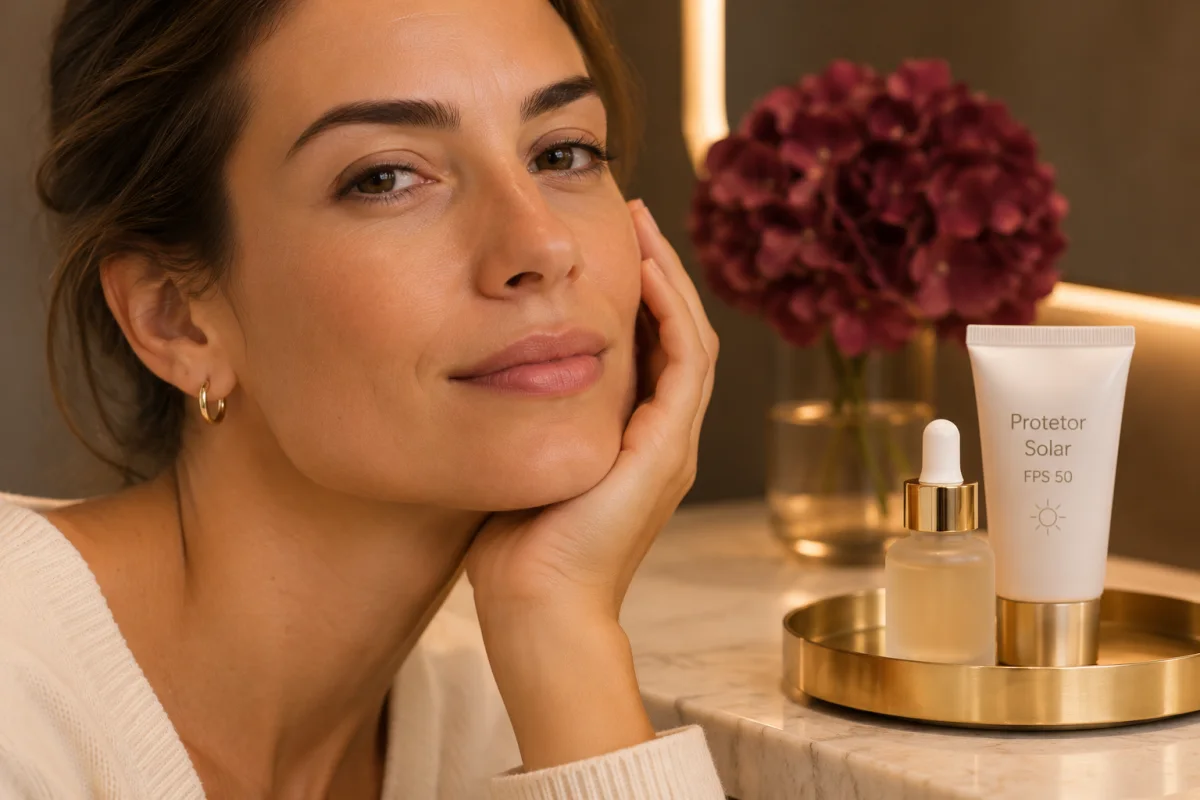
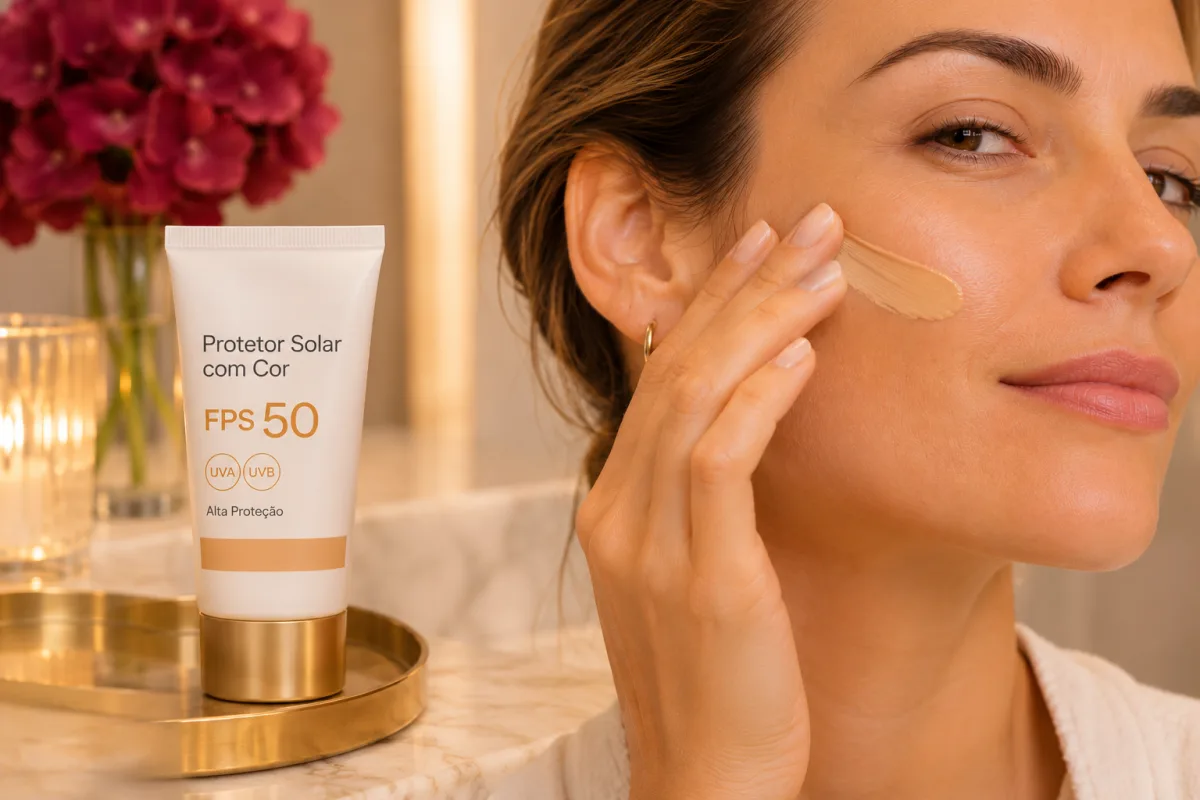
Tinted sunscreen, every day

In winter too, and indoors. Outdoors, reapply every two hours. It is the habit that matters most for the result.

Tinted sunscreen

Tinted filters also block visible light, which can keep the patches active.

In practice: apply it in the morning, even on cloudy days and indoors, in a generous amount on the face and neck.

Reapply every two hours

Protection wears off with sweat, touch and time. Reapplying keeps the shield in place.

In practice: a sunscreen stick or powder with an SPF filter is easier to reapply over make-up. Reapply after swimming or sweating, too.

Wide-brimmed hat and shade

It reduces direct sun on the face, especially during the hottest hours.

In practice: choose the shade between 11am and 4pm, when the sun is strongest, and wear sunglasses to protect the skin around the eyes as well.

Follow the doctor's advice

Every step of the plan is there to protect the result of the treatment.

In practice: use only the products the doctor has recommended, in the right order, and keep going to your follow-up appointments even when the patches have already become lighter.

Dr Michelle Campagnoli, clinical director of Clínica Luxmed

Who will look after you

An assessment carried out by the doctor

At Luxmed, the first step is always an assessment consultation with Dr Michelle Campagnoli. She is the one who looks at your skin, confirms the diagnosis and draws up the plan with you, taking her time and never rushing.

  • Physical examination and medical historyDetailed assessment of the skin, the structure of the face and what concerns you.
  • A plan tailored to youTreatments, areas, number of sessions and aftercare, clearly explained.
  • No obligationThe cost of any treatment is confirmed only after the assessment.
Book an assessment consultation

Book a consultation

Book your consultation

Choose how you prefer to get in touch. We will arrange the assessment consultation with Dr Michelle Campagnoli.

Booking through the website100€70€Assessment consultationExclusive price for those who book the assessment through the website. Outside the website, the price is 100 €.

New Life Miraflores, Algés · Office Center, R. Santa Teresa do Menino Jesus n.º 6, 9.º C, 1495-048

Your details are used only for this contact. Any treatment depends on a prior medical assessment.

Request an appointmentIt takes less than a minute.
Speciality
You do not need to go into detail. The doctor will talk to you during the consultation.
Request received. Our team will contact you as soon as possible.
Does melasma go away on its own?

Sometimes it fades when the cause goes away, for example after pregnancy or when stopping the pill. But in many people the patches stay, and the sun keeps darkening them. That is why it is worth having it assessed and treated, rather than waiting.

Can melasma be cured?

It is a condition that can be managed, but it tends to come back. The aim of treatment is to lighten the patches and maintain the result, with daily sun protection and follow-up appointments.

How long does it take to improve?

Improvement is gradual: it is usually noticeable after a few weeks and continues over the following months. The pace depends on how intense the patches are, your skin and the care you keep up. The doctor can give you a more concrete idea at the assessment.

Can I be treated in summer?

It depends on the treatment. Some require you to avoid the sun for longer, and others can be done with extra precautions. The doctor will tell you the best time of year for your case.

Can I be treated if I am pregnant or breastfeeding?

Some treatments are not recommended at these stages. If you are pregnant or breastfeeding, tell us as soon as you book. Sun protection is always important and can be started right away.

Is the treatment expensive? Does it hurt?

The price depends on the plan chosen, so it is given at the assessment consultation, after the doctor has seen your skin. Discomfort varies from person to person and from treatment to treatment. Redness and peeling are common in the following days, and the doctor will explain what to expect before you start.

Does melasma from pregnancy go away after the birth?

In many women it fades in the months after the birth or after breastfeeding ends, but in others it stays. If the patches persist, the doctor assesses them and suggests the right way forward.

Can I keep taking the pill if I have melasma?

Do not stop the pill on your own. The decision belongs to the doctor who looks after your medication, who will go through the alternatives with you. In the meantime, tinted sunscreen every day and the doctor’s assessment help to keep the patches under control.

Are melasma and freckles the same thing?

No. Freckles are small, isolated dots that appear very early in life and fade in winter. Melasma forms larger, symmetrical patches in well-defined areas of the face, and has a lot to do with hormones.

When should I book a consultation?

As soon as the patches bother you, and without delay if a patch grows quickly, bleeds, is raised or changes colour. The earlier it is assessed, the simpler the plan usually is.

We could not find that question. Ask us on WhatsApp

CallAssistantAvailableBook