
Algés, Oeiras Mon to Fri · 09:00 to 13:00 and 14:00 to 19:00 · Sat · 09:00 to 14:00
WhatsApp Book a consultation

Aesthetic gynaecology

Less sensitivity during sexWhen you feel less during sex than you did before, or than you expected to

Feeling less during sex, in the vagina, in the clitoris or in general, is a more common complaint than it seems and many women never bring it to a consultation. It is not a diagnosis: it is a perception, and sexual sensitivity depends on several pieces at the same time, such as the nerves, blood flow, the pelvic floor muscles, hormones, the skin and mucosa, medication and emotional state. Here we explain what may be behind it, how it is assessed and what helps, starting with what is not a procedure, and what the clinic can offer, with honesty about what the evidence shows and without promising results.

Reviewed by Dr Michelle Campagnoli, clinical director

  • 3broad groups of causes (physical, hormonal and emotional), which often combine
  • 1assessment consultation, always first
  • 70 €assessment booked through the website
A woman with her eyes closed listens to music with a serene expression at a live concert

How to recognise it

Could it be reduced sensitivity during sex?

There is no test that measures intimate sensitivity: what counts is what the woman herself feels, since when and in what circumstances. These are the signs we hear described most often.

Tick what you recognise0/7

Tick the signs you recognise in your case. This is not a diagnosis, it is only meant to give you an idea.

Has numbness suddenly appeared in the genital area, around the anus, in the buttocks or on the inner thighs, with difficulty passing urine, loss of control of urine or bowels, severe lower back pain or weakness in the legs? Call 112 right away. Do you also have persistent or sudden pain, bleeding after sex or after the menopause, abnormal discharge, fever, blood in the urine or vulvar lesions that change? You need a prompt assessment. Out of hours, call SNS 24: 808 24 24 24.

A therapist and a woman talk calmly in armchairs in a therapy room with a floor lamp
Photograph of a consultation. The dots mark what the doctor assesses; the image does not show the intimate area.

Why it happens

What may be behind reduced sensitivity

Sexual sensitivity does not come from a single structure: it needs nerves to carry the stimulus, blood to flow to the tissues, muscles to contribute to contact, hormones to maintain the mucosa and a brain with attention available. If one piece fails, the rest may compensate poorly. Choose a situation to see how it applies.

Hormones

At menopause and during breastfeeding oestrogen falls, the mucosa becomes thinner and drier and less blood reaches the vulva and vagina, which can reduce lubrication and sensitivity. In some women hormonal contraception is associated with less desire, arousal or lubrication, but most notice no effect and the response varies greatly.

What weighs on it

Putting everything down “to age” and not seeing the dryness and atrophy that usually accompany menopause.

What helps

Lubricant and vaginal moisturiser and, on prescription, low-dose vaginal oestrogen. If you have or have had breast cancer, speak to your oncologist first.

Normal or to be assessed

Feeling less sometimes or a change to assess

Sensitivity varies with tiredness, the point in the cycle, lubrication, the length of foreplay and state of mind. That is why it matters to tell a passing variation from a change that persists or comes with other signs.

  • What it looks like. There are encounters in which you feel less and others in which you feel as you always have, and the difference follows tiredness, stress or lack of time.

  • When it happens. In passing periods, such as a difficult week, an illness or the immediate postpartum period, and it improves when the situation passes.

  • What the clinic does. If you wish, the doctor listens to what is going on and reassures you or proposes an assessment, without judgement.

  • At home. More time for arousal before penetration, stimulation of the clitoris, lubricant if there is dryness and conversation with your partner.

Do you have sudden numbness in the genital area or buttocks, with difficulty passing urine, loss of control of urine or bowels, severe lower back pain or weakness in the legs? Call 112 or go to the emergency department. If you have doubts about the urgency, or if you feel low, anxious or without interest in what you used to enjoy, talk to your doctor or call SNS 24: 808 24 24 24.

Book an assessment consultation

What can help

Options for reduced sensitivity

What helps most is finding the cause. That may involve reviewing medication, treating dryness with lubricant, moisturiser and, on prescription, low-dose vaginal oestrogen, controlling an underlying condition such as diabetes, doing pelvic floor training when there is weakness, allowing more time and stimulation of the clitoris, or turning to sex therapy when emotional and relationship factors weigh. Only then is more considered, and the treatments below are additional options, assessed case by case and without promising results. For none of them are there solid studies showing that they increase sensitivity during sex.

Book an assessment consultation
Dr Michelle Campagnoli, clinical director of Clínica Luxmed

First step

Assessment consultation

The doctor listens to what you are experiencing, examines your case and explains the suitable options. No treatment begins without this consultation.

May be considered when

you want to understand the cause and decide on the best path, with time and without commitment.

Book an assessment consultation
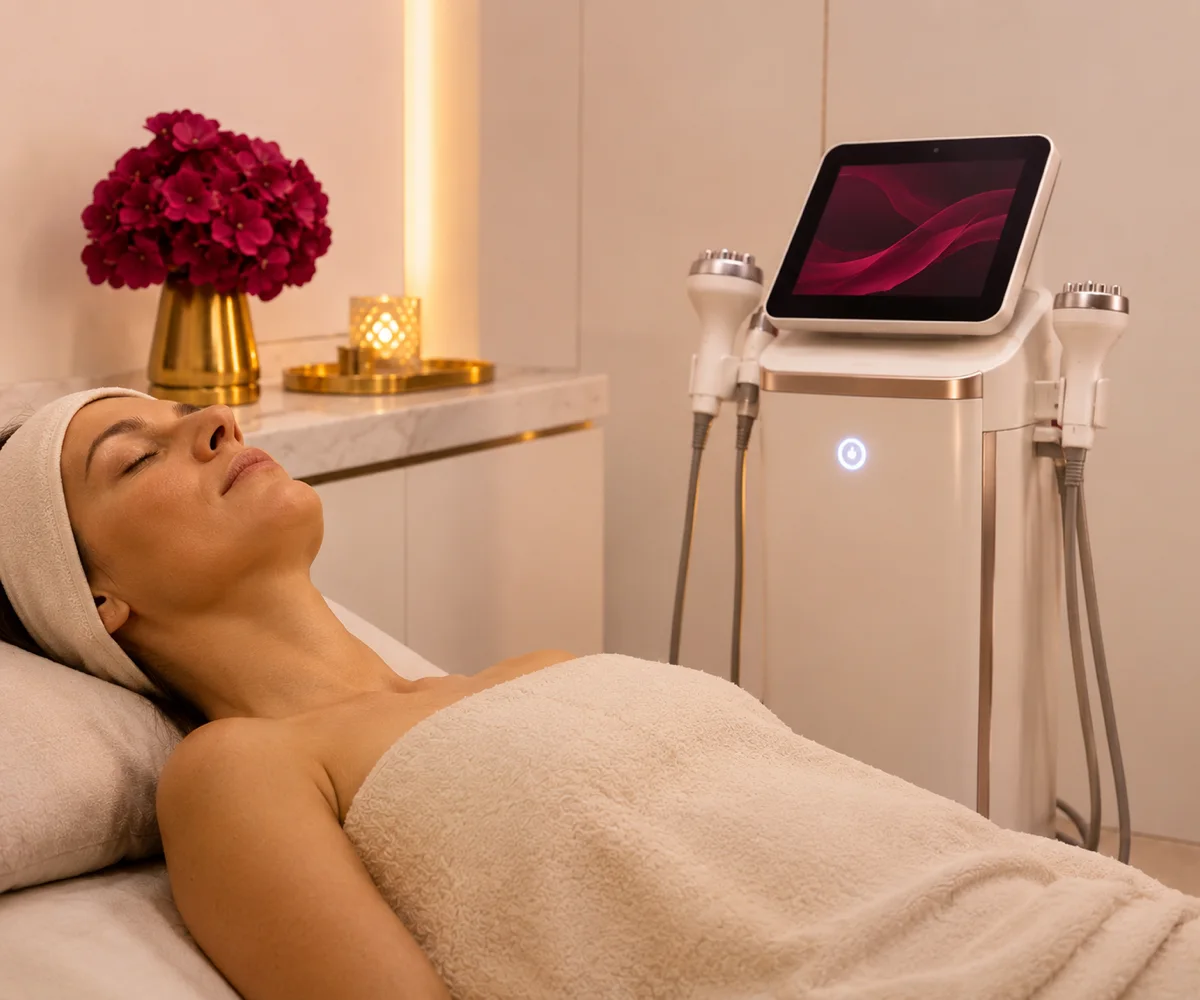
Private treatment room, with the device on an elegant trolley and a patient resting covered with a towel

Technology

Sectum, Neauvia radiofrequency (NRose Protocol)

Low-intensity radiofrequency applied to the intimate region, with the aim of stimulating collagen and the quality of the tissues. It has been studied mainly for the feeling of vaginal laxity, and trials with sham treatment show, at most, a modest gain in sexual function. It does not replace pelvic floor training.

May be considered when

the feeling of less contact comes with laxity confirmed at the assessment, hormonal, medication and emotional causes have been treated, pelvic floor training has been done and was not enough, and the doctor has explained what is known and what is not.

Find out more
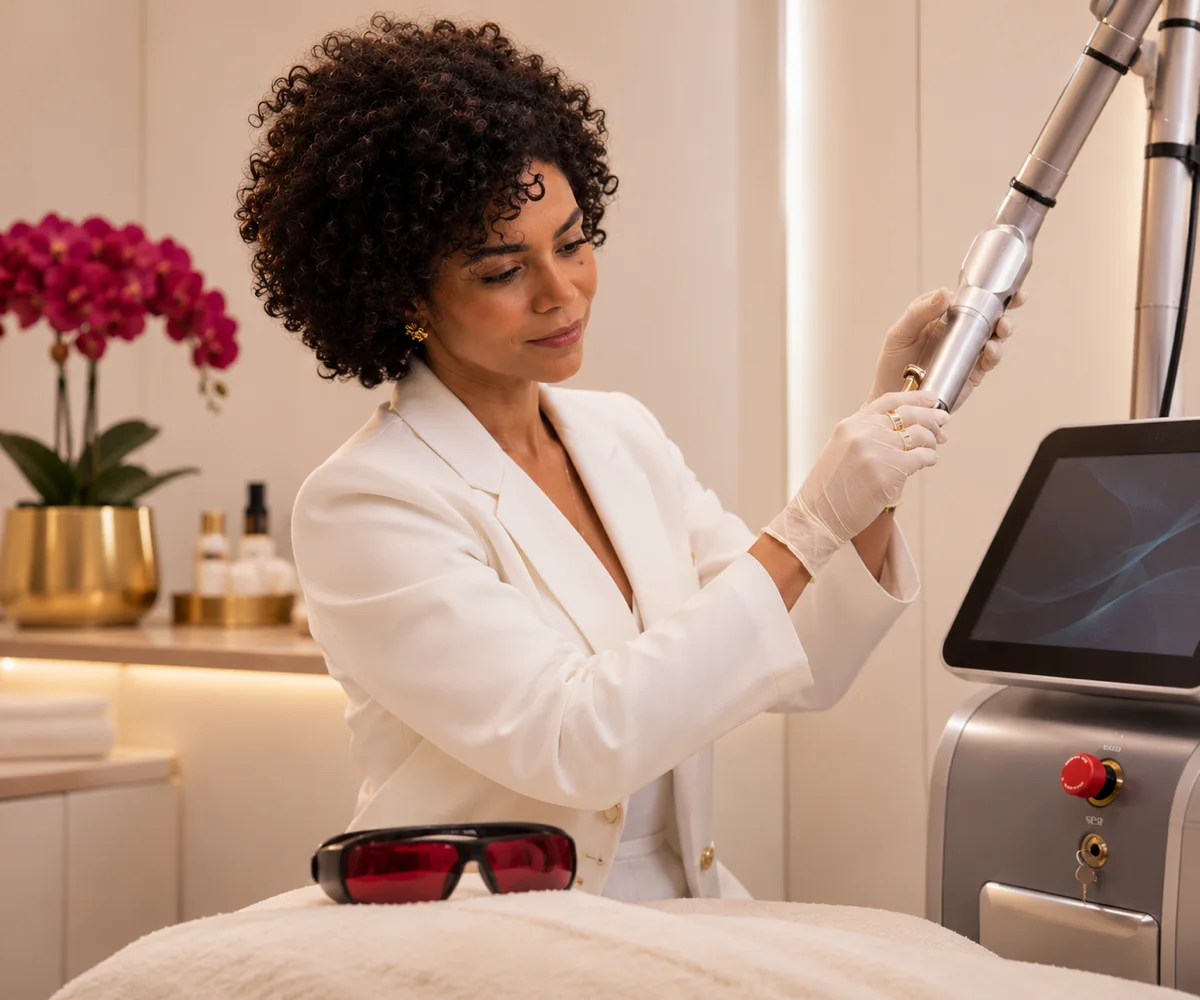
The doctor preparing the laser device, with the protective glasses in the foreground

Technology

Fractional CO2 laser

Laser energy applied to the vaginal mucosa, with the aim of renewing the tissue. It is used mainly for menopausal atrophy and, in a trial with sham treatment, it did not improve symptoms more than the sham treatment. In 2018 the FDA warned of burns, scarring and pain during sex, and did not approve these devices for sexual function.

May be considered when

menopause or vaginal atrophy contribute to the picture, first-line options have been tried, other alternatives have been considered and the benefits and risks have been explained to you.

Find out more

What the journey looks like

From the first consultation to a plan tailored to you

No treatment begins without an assessment consultation with the doctor. Talking about sexuality is a normal part of the consultation, and the conversation is without judgement and without rushing.

  1. 01At the clinic

    Assessment consultation

    The doctor asks when it began, whether it was suddenly or gradually, where you feel less and how desire, lubrication, orgasm and pain are. She also asks about births, menopause, illnesses and everything you take.

  2. 02At the clinic

    Examination and, if needed, tests

    The skin of the vulva, the clitoris and its hood and the mucosa are examined, and the strength and tone of the pelvic floor are assessed. If diabetes or a hormonal change is suspected, or another cause remains unclear, tests are requested.

  3. 03At home and with other professionals

    Treating what weighs most

    It starts with what the assessment shows: adjusting medication with the doctor who prescribed it, treating dryness, doing pelvic floor training or relaxation with pelvic physiotherapy, or seeking support from sexology or psychology.

  4. 04Over time

    Reassessing and deciding

    We talk again after a few weeks to see what has changed. Only if that is not enough, and if it makes sense in your case, does the doctor explain the clinic's additional options, what is known about each and what you can expect.

Day to day

What can help while you wait for the consultation

Simple, safe care, alongside the plan the doctor indicates.

It is not “just in your head”

Feeling less has an explanation, and often a treatment

It is a common complaint that many women keep quiet about out of embarrassment. There are physical, hormonal, medication-related and emotional causes, and it is frequent for there to be more than one at the same time. Talking about it is the first step, and many of the causes can be identified and treated.

Allow more time for arousal

Blood flow to the tissues increases with arousal and makes them more sensitive; without time, the response is lower.

In practice: extend foreplay and only move to penetration when you feel ready.

Include stimulation of the clitoris

For many women it is the main route to orgasm, and penetration alone may not be enough.

In practice: try touching yourself or asking your partner for what feels good. Vibrators increase stimulation and can help.

Use lubricant if there is dryness

Less lubrication reduces comfort and the sensation of contact.

In practice: a water-based lubricant is a good start; if the dryness is constant, talk about it at the consultation.

Pay attention to sensations

When the mind is elsewhere, sensitivity decreases. Mindfulness programmes have improved desire and satisfaction in women with sexual difficulties.

In practice: set aside calm time, without rushing or expectations, and tell your partner what you feel.

Dr Michelle Campagnoli, clinical director of Clínica Luxmed

Who will look after you

An assessment carried out by the doctor

At Luxmed, the first step is always an assessment consultation with Dr Michelle Campagnoli. She is the one who listens to what has changed, reviews medication and history, examines the vulva, clitoris, mucosa and pelvic floor, excludes other causes and designs the plan with you, in private and without rushing, referring to pelvic physiotherapy, sexology or other specialties when necessary.

  • Physical examination and medical historyA conversation without judgement, review of medication, gynaecological and pelvic floor examination and tests when necessary.
  • A plan tailored to youFirst treat the cause; additional treatments only if appropriate, with the evidence explained.
  • No obligationThe cost of any treatment is confirmed only after the assessment.
Book an assessment consultation

Book a consultation

Book your consultation

Choose how you prefer to get in touch. We will arrange the assessment consultation with Dr Michelle Campagnoli.

Booking through the website100€70€Assessment consultationExclusive price for those who book the assessment through the website. Outside the website, the price is 100 €.

New Life Miraflores, Algés · Office Center, R. Santa Teresa do Menino Jesus n.º 6, 9.º C, 1495-048

Your details are used only for this contact. Any treatment depends on a prior medical assessment.

Request an appointmentIt takes less than a minute.
Speciality
You do not need to go into detail. The doctor will talk to you during the consultation.
Request received. Our team will contact you as soon as possible.
Why do I feel less during sex?

There is no single answer, because sensitivity depends on nerves, blood flow, pelvic floor muscles, hormones, skin and mucosa, medication and emotional state. It may be a physical cause (birth, a weak or tense pelvic floor, diabetes), hormonal (menopause, breastfeeding), a medicine (especially antidepressants that act on serotonin) or emotional (stress, anxiety, worry about the body). Often there is more than one, and only assessment shows which weigh most in your case.

Is it normal to feel less with age or after having children?

It is common, but it should not be accepted without assessment. After childbirth, in most women sensitivity improves over the first months, and breastfeeding can cause temporary dryness. If after six months to a year you still notice a difference, it is worth having it assessed. At menopause, the fall in oestrogen leaves the mucosa thinner and drier, which can reduce sensitivity, and there is treatment for that.

Is reduced sensitivity the same as having a loose vagina?

No. “Loose vagina” or vaginal laxity is a finding the doctor can confirm on examination, and the “feeling of a loose vagina” is a perception. They can exist together, but many women feel less contact without having laxity. That is why this page deals with this complaint on its own, and there are separate pages for the feeling of a loose vagina and for a vagina with less tone.

Which should be assessed first: the body or the mind?

Both, at the same time. A complete assessment reviews medication and clinical history, examines the vulva, clitoris and mucosa, assesses the pelvic floor and asks about the emotional and relationship context. Saying that loss of sensitivity is “just in the head”, or only physical, tends to fail, because body and mind work together.

Do antidepressants reduce sensitivity?

Some do, especially those that act on serotonin, which are among the most frequent causes of reduced genital sensitivity, harder orgasm and less desire. Do not stop the medicine on your own: talk to whoever prescribed it, because it is often possible to adjust the dose, change the drug or add other measures.

Do the pill or the hormonal IUD reduce sensitivity?

In some women hormonal contraception is associated with less desire, arousal or lubrication, but the effect varies greatly between people and formulations, and most notice no difference. If you suspect the cause is contraception, talk to your doctor before changing it.

Do pelvic floor exercises increase sensitivity?

They can help when there is weakness. In a review of 8 trials, most showed improvement in at least one aspect of sexual function, but the results call for caution. If there is pain on penetration, it is worth assessing first, because the problem may be tension and not weakness, and in that case what helps is relaxation guided by pelvic physiotherapy.

Do vaginal radiofrequency or laser increase sensitivity?

There is not enough evidence. A systematic review on vaginal laxity found improvement in sexual function in observational studies, but not in randomised trials, and a 2026 review considered the evidence to be of low certainty, short duration and mainly subjective. In one trial, pelvic floor training was better than radiofrequency at 6 months. In 2018 the FDA warned that it had not approved these devices for sexual function. The decision is always explained and shared with you.

Do these treatments carry risks?

In studies the most common effects are mild and temporary: discomfort, a feeling of heat, discharge or burning for a few days. Burns, scarring, persistent pain and pain during sex have been reported, more rarely, and the long-term risks have not yet been well studied. They are not carried out with an active infection, unexplained bleeding, undiagnosed lesions or pregnancy.

When should I book a consultation, and when is it urgent?

Book a consultation if you have noticed a decrease that bothers you, if it began after a birth, menopause or a new medication, if you also have dryness, pain, itching or changes in the skin of the vulva, or if you have difficulty reaching orgasm. If you have persistent or sudden pain, bleeding after sex or after the menopause, abnormal discharge, fever or blood in the urine, seek a prompt assessment, and call SNS 24 (808 24 24 24) if in doubt. Call 112 if numbness in the genital area appears suddenly, especially with difficulty passing urine, loss of control of urine or bowels, severe lower back pain or weakness in the legs.

We could not find that question. Ask us on WhatsApp

Scientific references

This page is based on the sources below and was reviewed by Dr. Michelle Campagnoli. Last updated on .

  1. American College of Obstetricians and Gynecologists (ACOG). Female Sexual Dysfunction: ACOG Practice Bulletin Clinical Management Guidelines for Obstetrician-Gynecologists, Number 213. Obstetrics & Gynecology 134(1):e1-e18, 2019.
  2. The NAMS 2020 GSM Position Statement Editorial Panel. The 2020 genitourinary syndrome of menopause position statement of The North American Menopause Society. Menopause 27(9):976-992, 2020.
  3. Lethaby A, Ayeleke RO, Roberts H. Local oestrogen for vaginal atrophy in postmenopausal women. Cochrane Database of Systematic Reviews 2016(8):CD001500, 2016.
  4. Montejo AL, Montejo L, Navarro-Cremades F. Sexual side-effects of antidepressant and antipsychotic drugs. Current Opinion in Psychiatry 28(6):418-423, 2015.
  5. Clayton AH, Pradko JF, Croft HA, et al. Prevalence of sexual dysfunction among newer antidepressants. Journal of Clinical Psychiatry 63(4):357-366, 2002.
  6. Burrows LJ, Basha M, Goldstein AT. The effects of hormonal contraceptives on female sexuality: a review. Journal of Sexual Medicine 9(9):2213-2223, 2012.
  7. Lowenstein L, Gruenwald I, Gartman I, Vardi Y. Can stronger pelvic muscle floor improve sexual function?. International Urogynecology Journal 21(5):553-556, 2010.
  8. Ferreira CH, Dwyer PL, Davidson M, et al. Does pelvic floor muscle training improve female sexual function? A systematic review. International Urogynecology Journal 26(12):1735-1750, 2015.
  9. Pereira GMV, Cartwright R, Juliato CRT, et al. Treatment of women with vaginal laxity: systematic review with meta-analysis. Journal of Sexual Medicine 21(5):430-442, 2024.
  10. Pereira GMV, de Almeida CM, Martinho N, et al. Pelvic floor muscle training vs radiofrequency for women with vaginal laxity: randomized clinical trial. Journal of Sexual Medicine 21(8):700-708, 2024.
  11. Randombage PJS, Hettipathirana PS, Akurugodagama M, et al. Comparative effectiveness of conservative and surgical interventions for vaginal laxity: a systematic review and pairwise meta-analysis. International Urogynecology Journal, 2026.
  12. Li FG, Maheux-Lacroix S, Deans R, et al. Effect of fractional carbon dioxide laser vs sham treatment on symptom severity in women with postmenopausal vaginal symptoms: a randomized clinical trial. JAMA 326(14):1381-1389, 2021.
  13. Medsafe (Nova Zelândia), a retransmitir o alerta da U.S. FDA. Safety Information: energy-based devices used for vaginal 'rejuvenation' or vaginal cosmetic procedures (relays the USFDA safety communication of July 2018). Medsafe, New Zealand Medicines and Medical Devices Safety Authority, 2018.
  14. Brotto LA, Basson R. Group mindfulness-based therapy significantly improves sexual desire in women. Behaviour Research and Therapy 57:43-54, 2014.
  15. Lewis FM, Tatnall FM, Velangi SS, et al. British Association of Dermatologists guidelines for the management of lichen sclerosus, 2018. British Journal of Dermatology 178(4):839-853, 2018.
CallAssistantAvailableBook