
Algés, Oeiras Mon to Fri · 09:00 to 13:00 and 14:00 to 19:00 · Sat · 09:00 to 14:00
WhatsApp Book a consultation

Aesthetic gynaecology

Painful penetrationWhen attempting penetration makes the body contract involuntarily and the entrance of the vagina “closes”

There are women who want to and cannot: when they attempt penetration, whether during sex, with a tampon or at a gynaecological examination, the body reacts on its own, the muscles around the vagina contract and the entrance hurts or feels closed. It is not a lack of willingness or courage: it is a protective reflex, which doctors may call vaginismus or, more broadly, genito-pelvic pain. Here we explain what usually lies behind it, how it is distinguished from other causes of pain, what is assessed at the consultation and what helps, starting with pelvic floor physiotherapy, sex therapy and dilators, and what the clinic can offer afterwards, with honesty about what the evidence shows.

Reviewed by Dr Michelle Campagnoli, clinical director

  • 7,5 %of sexually active women, in a British survey, had pain during sex lasting 3 months or more in a year
  • 1assessment consultation, always first
  • 70 €assessment booked through the website
Woman lying on her back on a mat with a roller under her knees and support blocks, in a yoga studio

How to recognise it

Could it be painful penetration from muscle contraction?

It is not a diagnosis in itself: it is what a woman feels when the body defends itself against penetration. What matters is in which situations it happens, since when and whether the body reacts even when she wants to go ahead.

Tick what you recognise0/7

Tick the signs you recognise in your case. This is not a diagnosis, it is only meant to give you an idea.

Do you have bleeding after sex or after the menopause, foul-smelling discharge, itching or a different colour, sores or patches on the vulva that change, intense, sudden or persistent pain in the belly or pelvis, fever, or pain that appeared suddenly after a birth, surgery or radiotherapy? You need a prompt assessment and should not wait. Out of hours, call SNS 24: 808 24 24 24.

Grey-haired therapist talking with a young woman with braids, sitting in armchairs in a therapy room
Photograph of a consultation. The dots mark what the doctor assesses; the image does not show the intimate area.

Why it happens

What may lie behind painful penetration

There is almost never a single cause. There is usually a circle: something hurts or frightens, the body contracts to protect itself, the contraction makes it hurt more and the fear grows. Choose a situation to see how it applies.

The circle of pain, fear and contraction

After a pain, the body learns to anticipate the next: as penetration approaches, the pelvic floor muscles tighten. The contraction makes it hurt, which reinforces the fear, and the reflex repeats. It is automatic, not a choice.

What weighs on it

Trying to “beat” the reflex by force, repeating the attempt until it works, which tends to fix the fear.

What helps

Pelvic floor physiotherapy and sex therapy, which teach the body to relax in stages and at your own pace.


Normal or to be assessed

Muscle contraction or another cause

Not all pain during penetration comes from the muscles, and often it is both. That is why it is worth knowing what is hurting before choosing the path.

  • How it shows. The body contracts on its own when anticipating or attempting penetration, in more than one situation (sex, tampon, examination), with or without pain.

  • When it happens. It may have been there from the start or appear after a birth, a painful experience or another bad experience. Many women have normal desire and arousal.

  • What the clinic does. The doctor listens to what is going on, examines carefully and with consent, rules out other causes and explains what she found.

  • At home. Breathing and relaxation, getting to know your body without rushing and an agreed signal to stop, while you wait for the consultation.

Do you have intense and sudden pain in the belly or pelvis, high fever, difficulty passing urine or heavy bleeding? Call 112 or go to the emergency department. If you have bleeding after sex, abnormal discharge or any doubts, out of hours you can call SNS 24: 808 24 24 24.

Book an assessment consultation

What can help

Options for painful penetration

The first line is pelvic floor physiotherapy, sex or psychosexual therapy (which includes relaxation exercises and gradual approach) and dilators used in stages, at your own pace, and treating the cause of the pain when there is one, such as an infection, dryness or fragile skin. The evidence from studies is of limited quality, but shows that most women improve with one or more of these paths. The treatments below are additional options, assessed case by case and without promising results, for when the first line has been done and was not enough.

Book an assessment consultation
Dr Michelle Campagnoli, clinical director of Clínica Luxmed

First step

Assessment consultation

The doctor listens to what you are experiencing, examines your case and explains the suitable options. No treatment begins without this consultation.

May be considered when

you want to understand the cause and decide on the best path, with time and without commitment.

Book an assessment consultation
Botulinum toxin: the doctor checking a fine syringe before the treatment, in a bright room

Muscle relaxation

Botulinum toxin

Injection in small doses into the pelvic floor muscles, intended to relax them for a few months and make physiotherapy and dilators easier. Studies in vaginismus are small and almost always without a comparison group, and placebo-controlled trials in pain at the entrance of the vagina gave contradictory results. The effect is temporary and does not treat fear or an underlying pain.

May be considered when

physiotherapy, sex therapy and dilators have been done with guidance and were not enough, the assessment has ruled out other causes, the doctor has explained what is known and what is not, and the decision is yours.

Find out more
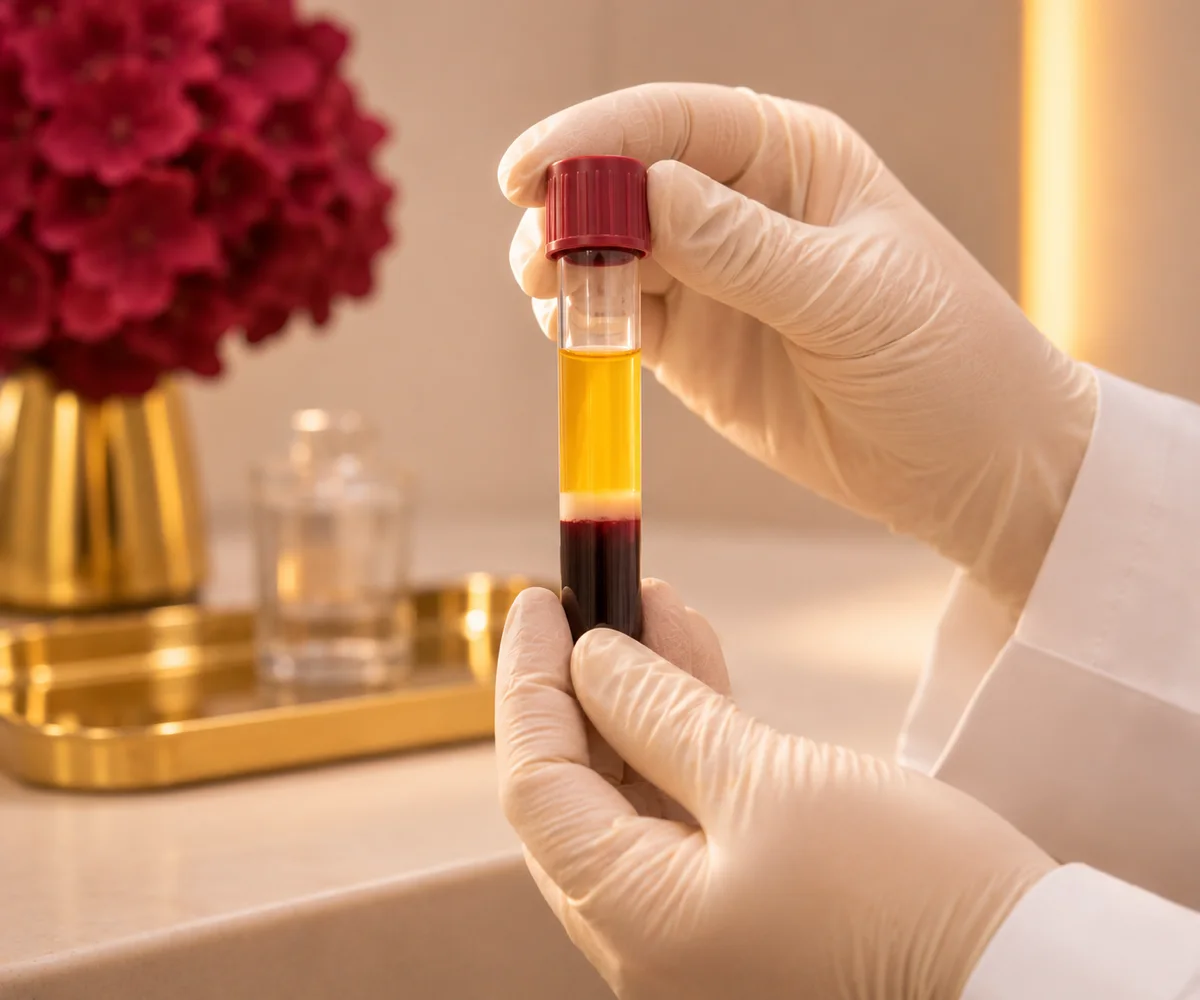
PRP: the doctor holding the tube after centrifugation, with the golden plasma separated from the blood

Regeneration

PRP (platelet-rich plasma)

Plasma obtained from your own blood and applied to the area, intended to promote tissue regeneration. We have not found trials that tested it in vaginismus, and reviews mainly gather small studies that differ from one another in other problems of the vulva and vagina. It does not relax the muscle and does not replace the first line.

May be considered when

the assessment also showed a thin, fragile or scarred mucosa, the first line has already been done, the doctor has explained that the evidence for this pain is very limited, and the decision is yours.

Find out more

What the journey looks like

From the first consultation to the plan tailored to you

No treatment starts without an assessment consultation with the doctor. We almost always start with the simplest and only then consider more, and you are the one who sets the pace.

  1. 01At the clinic

    Assessment consultation

    The doctor listens to what you feel, in which situations it happens and since when, and asks about births, surgeries, medication and history only to the extent you wish to share. You can choose who accompanies you and say what frightens you.

  2. 02At the clinic

    Examination at your pace

    Only with your consent. Each step is explained before it is done, you can stop at any time and the internal examination can be left for later. We look for infection, fragile or diseased skin, scars and other causes of pain.

  3. 03At home and in physiotherapy

    Relaxing and approaching in stages

    It starts with the first line: pelvic floor physiotherapy, sex or psychosexual therapy, breathing and relaxation and, when it makes sense, dilators of increasing size, and the cause of the pain is treated when there is one.

  4. 04Over time

    Reassessing and deciding

    It is reassessed calmly. If the first line has been done and is not enough, the doctor explains the other options, such as botulinum toxin or PRP, and answers your questions, and refers you to other specialists when needed.

Day to day

What helps while you wait for the consultation

Simple care that reduces tension and fear, alongside the plan the doctor recommends.

It is not a lack of willingness

Your body is protecting you, not working against you

The contraction is an automatic reflex, which is not chosen and is not “solved” by willpower. Many women stay silent for years out of embarrassment, but it is a known and treatable complaint, and asking for help is the first step.

Breathing slowly and letting the body relax

Slow, deep breathing helps the muscles of the belly and pelvic floor to release tension.

In practice: lying down and comfortable, breathe in through the nose letting the belly rise, and breathe out slowly, imagining that the pelvic floor widens. Five minutes a day is enough to start.

Getting to know your body without a goal

Touching yourself on the outside, calmly and without pressure to “succeed”, reduces the body’s alertness.

In practice: in a quiet moment, with clean hands and a warm body, go only as far as is comfortable and stop whenever you wish.

Agreeing a signal to stop

Knowing you can stop at any time reduces fear, and fear is half the problem.

In practice: agree a word or a gesture with your partner, and always respect it.

Giving time and using lubricant

More time for affection and a water-based lubricant reduce friction, an extra cause of pain.

In practice: apply it generously and keep reapplying. If the pain always appears, stop and talk to the doctor.

Dr Michelle Campagnoli, clinical director of Clínica Luxmed

Who will look after you

An assessment carried out by the doctor

At Luxmed, the first step is always an assessment consultation with Dr Michelle Campagnoli. She is the one who listens to you in private and without rushing, examines with your consent, rules out other causes of pain and designs the plan with you, working with pelvic physiotherapy, sex therapy or gynaecology when needed.

  • Physical examination and medical historyA conversation about what you feel and in which situations, examination at your pace, and further tests when necessary.
  • A plan tailored to youFirst physiotherapy, sex therapy and dilators; additional treatments only if appropriate, with the evidence explained.
  • No obligationThe cost of any treatment is confirmed only after the assessment.
Book an assessment consultation

Book a consultation

Book your consultation

Choose how you prefer to get in touch. We will arrange the assessment consultation with Dr Michelle Campagnoli.

Booking through the website100€70€Assessment consultationExclusive price for those who book the assessment through the website. Outside the website, the price is 100 €.

New Life Miraflores, Algés · Office Center, R. Santa Teresa do Menino Jesus n.º 6, 9.º C, 1495-048

Your details are used only for this contact. Any treatment depends on a prior medical assessment.

Request an appointmentIt takes less than a minute.
Speciality
You do not need to go into detail. The doctor will talk to you during the consultation.
Request received. Our team will contact you as soon as possible.
Why do I feel pain and my body closes up when I attempt penetration?

It is probably a reflex contraction of the pelvic floor muscles: the body anticipates pain or danger and tightens the entrance of the vagina, without you being able to control it. The contraction makes penetration difficult or impossible and makes it hurt, which reinforces the fear and the reflex. There may also be a physical cause of pain, such as an infection, dryness or fragile skin, and only a medical assessment shows what is contributing in your case.

Is this vaginismus?

Vaginismus is the name doctors give to the automatic contraction of the vaginal muscles when something is introduced, which can hurt, or make penetration difficult or impossible. Specialists also speak of genito-pelvic pain or pain on penetration. The name matters less than understanding what is going on with you and what helps, and only a consultation can clarify it.

Can I have a gynaecological examination and a smear test if I close up?

You can, and there are ways to make it bearable. Tell the doctor that you have this problem before starting, ask for each step to be explained, choose who accompanies you and agree a signal to stop. A smaller speculum and more time can be used, and the internal examination can be left for another consultation. The examination is only with your consent.

Is it just psychological?

It is neither “just” psychological nor “just” physical. The contraction is a reflex of the body, arising from both physical factors (infection, dryness, scars, fragile skin, muscle tension) and emotional ones (fear, anxiety, difficult experiences). A British survey linked pain during sex to vaginal dryness and to anxiety about sex, and that is why the assessment looks at both.

How is painful penetration from muscle contraction treated?

With pelvic floor physiotherapy, sex or psychosexual therapy, relaxation and dilators used in stages, and by treating the cause of the pain, if there is one. The studies are of limited quality, but a 2018 review showed that about 79% of women were able to have sex with penetration after treatment, without any one type being clearly better. Several approaches are often combined.

Do dilators work? How are they used?

They are smooth objects, of increasing size, used at your own pace so that the body gets used to penetration without pain. In a small trial of 32 women, the use of dilators improved sexual function, and adding biofeedback seemed to help more. The ideal is to start with guidance from a physiotherapist or therapist, who indicates the size and the pace, and never to force.

When does botulinum toxin make sense?

It is an option for vaginismus that has not improved with physiotherapy, sex therapy and well-done dilators, and only after other causes of pain have been ruled out. It serves to relax the muscle for a few months and make the rest of the treatment easier. It does not replace that work, and studies in vaginismus are small. It is not done during pregnancy or breastfeeding.

Does PRP help with pain during penetration?

There is no specific evidence. A 2026 review of PRP in diseases of the vulva and vagina gathered 18 studies, mainly in lichen sclerosus, sexual dysfunction and atrophy, with few mild adverse effects, but with very variable protocols. It does not relax the muscle, and so it does not replace the first line. It may be considered when, besides the contraction, there is a thin or fragile mucosa, and without promising a result.

Do these treatments carry risks?

With PRP, since it comes from your own blood, the described effects are mild and local, such as temporary pain, swelling or bruising. With botulinum toxin, the most serious effects described were temporary loss of control of urine or bowel, more frequent with higher doses, and the effect lasts months and then disappears. They are not performed with active infection, unexplained bleeding, undiagnosed lesions, pregnancy or breastfeeding.

When should I book a consultation and when is it urgent?

Book a consultation if penetration hurts, if the body closes up on its own, if you avoid sex, tampons or examinations for fear, or if you have already tried on your own and not managed. If you have bleeding after sex, abnormal discharge, changing sores on the vulva or doubts, call SNS 24 (808 24 24 24). If you have intense and sudden pain in the belly, high fever, difficulty passing urine or heavy bleeding, call 112.

We could not find that question. Ask us on WhatsApp

Scientific references

This page is based on the sources below and was reviewed by Dr. Michelle Campagnoli. Last updated on .

  1. National Health Service (NHS). Vaginismus. (NHS (nhs.uk), acedido 2026-11-11)
  2. Melnik T, Hawton K, McGuire H. Interventions for vaginismus. Cochrane Database of Systematic Reviews 2012(12):CD001760, 2012.
  3. Maseroli E, Scavello I, Rastrelli G, et al. Outcome of Medical and Psychosexual Interventions for Vaginismus: A Systematic Review and Meta-Analysis. Journal of Sexual Medicine 15(12):1752-1764, 2018.
  4. Zulfikaroglu E. Vaginismus treatment: a systematic review and meta-analysis of contemporary therapeutic approaches. Journal of Sexual Medicine 23(1):qdaf295, 2026.
  5. Jokar F, Fani M, Isfahani NT, Sabahi R. Effectiveness of Biofeedback with Dilator Therapy for Sexual Function in Women with Primary Vaginismus: Randomized Controlled Trial Study. International Urogynecology Journal 36(3):557-565, 2025.
  6. Mitchell KR, Geary R, Graham CA, et al. Painful sex (dyspareunia) in women: prevalence and associated factors in a British population probability survey. BJOG 124(11):1689-1697, 2017.
  7. Bornstein J, Goldstein AT, Stockdale CK, et al. 2015 ISSVD, ISSWSH, and IPPS consensus terminology and classification of persistent vulvar pain and vulvodynia. Obstetrics & Gynecology 127(4):745-751, 2016.
  8. American College of Obstetricians and Gynecologists (ACOG) Committee on Gynecologic Practice. Committee Opinion No. 673: Persistent Vulvar Pain. Obstetrics & Gynecology 128(3):e78-e84, 2016.
  9. Morin M, Dumoulin C, Bergeron S, et al. Multimodal physical therapy versus topical lidocaine for provoked vestibulodynia: a multicenter, randomized trial. American Journal of Obstetrics and Gynecology 224(2):189.e1-189.e12, 2021.
  10. Fernández-Pérez P, Leirós-Rodríguez R, Marqués-Sánchez MP, et al. Effectiveness of physical therapy interventions in women with dyspareunia: a systematic review and meta-analysis. BMC Women's Health 23:387, 2023.
  11. Tetik S, Yalçınkaya Alkar Ö. Vaginismus, Dyspareunia and Abuse History: A Systematic Review and Meta-analysis. Journal of Sexual Medicine 18(9):1555-1570, 2021.
  12. Haraldson P, Mühlrad H, Heddini U, Nilsson K, Bohm-Starke N. Botulinum Toxin A as a Treatment for Provoked Vestibulodynia: A Randomized Controlled Trial. Obstetrics & Gynecology 136(3):524-532, 2020.
  13. Pelletier F, Gallais Sérézal I, Puyraveau M, et al. Electromyography-guided botulinum toxin injections in provoked vestibulodynia: a randomized double-blind placebo-controlled clinical trial. American Journal of Obstetrics and Gynecology 234(5):1362-1369, 2026.
  14. Bertolasi L, Frasson E, Cappelletti JY, et al. Botulinum neurotoxin type A injections for vaginismus secondary to vulvar vestibulitis syndrome. Obstetrics & Gynecology 114(5):1008-1016, 2009.
  15. Desai SA, Shah B, Kroumpouzos G. Botulinum toxin treatment of refractory vaginismus: a prospective study. International Journal of Women's Dermatology 10(4):e186, 2024.
  16. Karp BI, Tandon H, Vigil D, Stratton P. Methodological approaches to botulinum toxin for the treatment of chronic pelvic pain, vaginismus, and vulvar pain disorders. International Urogynecology Journal 30(7):1071-1081, 2019.
  17. De Ponte A, Cabrera S, Sparice SSB, Baulies S, Rodríguez I. Platelet-rich plasma in the management of vulvovaginal disorders: a systematic review. Journal of Sexual Medicine 23(1):qdaf307, 2026.
  18. National Health Service (NHS). Vulvodynia (vulval pain). (NHS (nhs.uk), acedido 2026-11-11)
CallAssistantAvailableBook