
Algés, Oeiras Mon to Fri · 09:00 to 13:00 and 14:00 to 19:00 · Sat · 09:00 to 14:00
WhatsApp Book a consultation

Aesthetic gynaecology

Small fissures from frictionWhen the intimate skin or mucosa opens up with friction and keeps opening again

Small friction fissures are fine cuts, abrasions or raw areas on the vulva, at the entrance of the vagina, in the groin or on the inner thighs, which appear after friction: sex with little lubrication, a bike ride, a workout, hair removal or a day in damp clothing. Often it is just that and the skin recovers in a few days. But when they come back, always appear in the same place or take a long time to close, friction is usually only the trigger for skin or mucosa that was already fragile, because of dryness, an infection or a skin condition. Here we explain how to tell them apart, what can be adjusted at home and what the clinic can offer, with honesty about the evidence.

Reviewed by Dr Michelle Campagnoli, clinical director

  • 2fissure patterns in the vulva: at the posterior fourchette and in the skin folds
  • 1assessment consultation, always first
  • 70 €assessment booked through the website
Woman in a green cycling jersey adjusting the saddle of a bicycle in a bike workshop

How to recognise it

Could it be friction fissures?

In friction fissures the clue lies in the relationship between the friction and the appearance of the lesion. What matters is where they are, what comes before them, how long they take to close and whether they come back.

Tick what you recognise0/7

Tick the signs you recognise in your case. This is not a diagnosis, it is only meant to give you an idea.

A sore that does not heal in two weeks, a lesion that changes colour, shape or surface texture, blisters, foul-smelling discharge, bleeding after the menopause or unrelated to a visible fissure, fever, intense or persistent pain, or being unable to pass urine call for medical assessment without delay. Out of hours, call SNS 24: 808 24 24 24.

Female doctor in a white coat showing a sheet with simple drawings to a young red-haired woman, in a consulting room
Photograph of a consultation. The dots mark what the doctor assesses; the image does not show the intimate area.

Why it happens

What lies behind friction fissures

Friction is the trigger, but it is rarely alone. What counts is the amount of friction, the moisture, how easily the skin gives way and any condition that may exist underneath. Choose a situation to see the clues.

Sex without enough lubrication

When natural lubrication does not keep up with penetration, the skin and mucosa at the entrance of the vagina stretch and rub. Injuries from consensual sex do not happen only the first time: they also occur in women who already have children or a regular sex life. A fissure at the end of sex, which stings when passing urine or taking a bath, is a typical sign.

What weighs on it

Persisting despite discomfort, rushing or considering it “normal” that it stings afterwards.

What helps

More time for preparation, suitable lubricant in sufficient quantity and stopping when it starts to hurt.

Normal or to be assessed

Simple friction or something to assess

There are fissures that close in a few days when the cause is removed and others that should not wait. These clues help to understand which side you are on, without replacing the consultation.

  • How it shows. One or a few fine scratches or reddened areas, without blisters or patches, which stung after clearly identified friction.

  • When it happens. After sex with little lubrication, a workout, hair removal or damp clothing, and it improves in a few days if the cause is removed.

  • What the clinic does. It reviews with you what opens the skin, examines the area and confirms that there is no infection, skin condition or dryness that explains the lesions.

  • At home. Removing the friction, lubricating well, wearing loose cotton clothing and letting the skin heal before pushing it again.

Do you have a high fever with intense pain in the intimate area, swelling that is increasing quickly or are you unable to pass urine? Call 112 or go to the emergency department. For other doubts, out of hours, call SNS 24: 808 24 24 24.

Book an assessment consultation

What can help

Treating friction fissures

Treatment of friction fissures starts with removing what causes them and treating the underlying cause. When it is only friction, adjusting lubrication, clothing, sport and hair removal is usually enough. When there is dryness, moisturisers and lubricants are the first line and low-dose vaginal oestrogen, prescribed by a doctor, has the best evidence. When there is a skin condition or an infection, that condition is treated, sometimes with prescribed corticosteroids. For fissures of the posterior fourchette that persist, surgery (perineoplasty) is described, which is discussed with the gynaecologist. The treatments below are additional options, for a mucosa that remains fragile after other causes have been ruled out and first-line care has been done. They do not treat friction, infections or skin conditions, and we know of no studies done specifically in friction fissures.

Book an assessment consultation
Dr Michelle Campagnoli, clinical director of Clínica Luxmed

First step

Assessment consultation

The doctor listens to what you are experiencing, examines your case and explains the suitable options. No treatment begins without this consultation.

May be considered when

you want to understand the cause and decide on the best path, with time and without commitment.

Book an assessment consultation
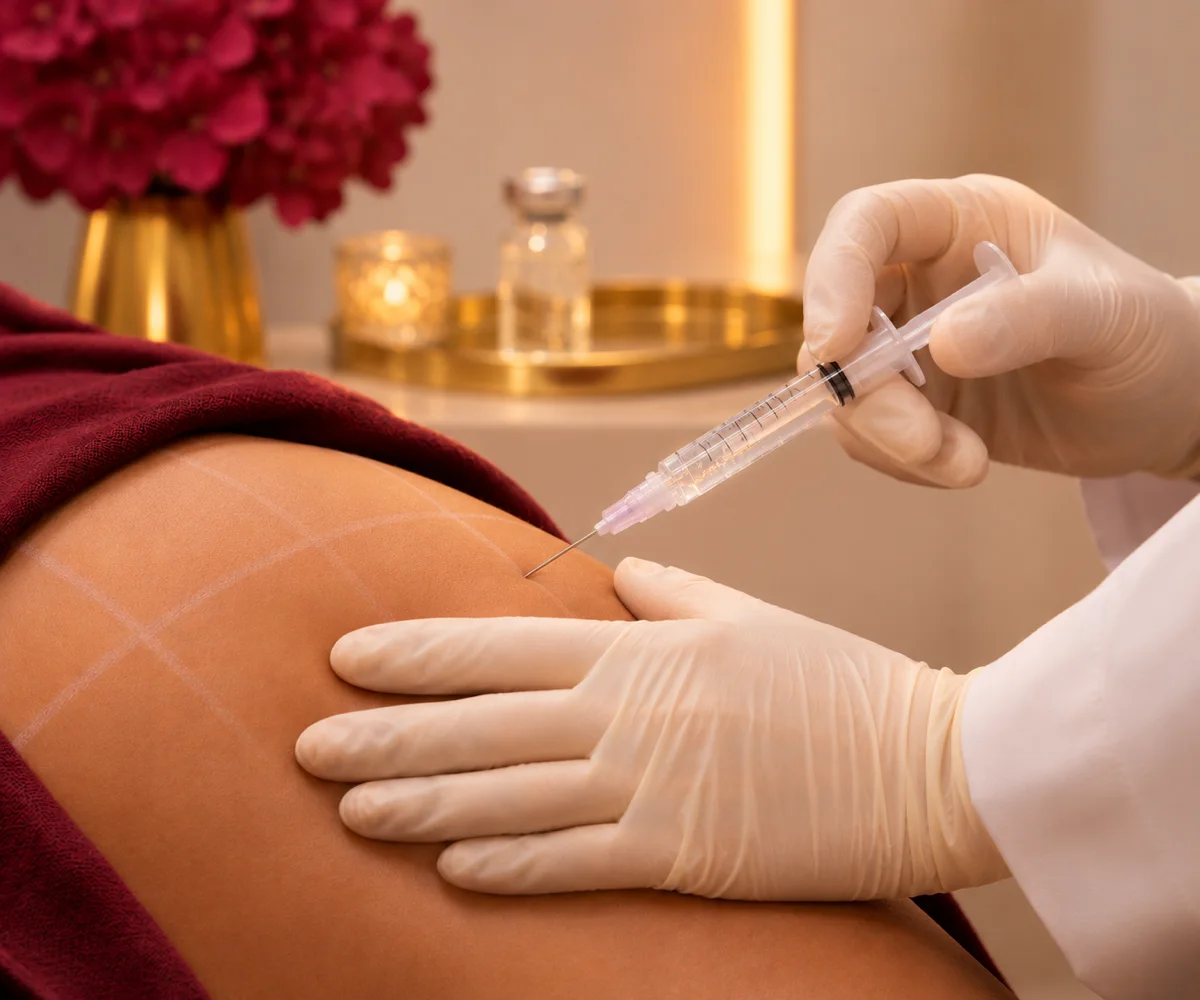
Hyaluronic acid: the doctor, wearing gloves, applying the filler to a marked area of the thigh covered by a towel

Hydration

Hyaluronic acid

Local application of hyaluronic acid, intended to hydrate and give the mucosa greater resistance. Reviews mainly assess vulvovaginal atrophy and call for better trials. We know of no studies on friction fissures, and moisturising gel is not the same as injection.

May be considered when

the mucosa is thin and dry, the fissures recur despite first-line care, the doctor has explained what is known and what is not, and the decision is yours.

Find out more
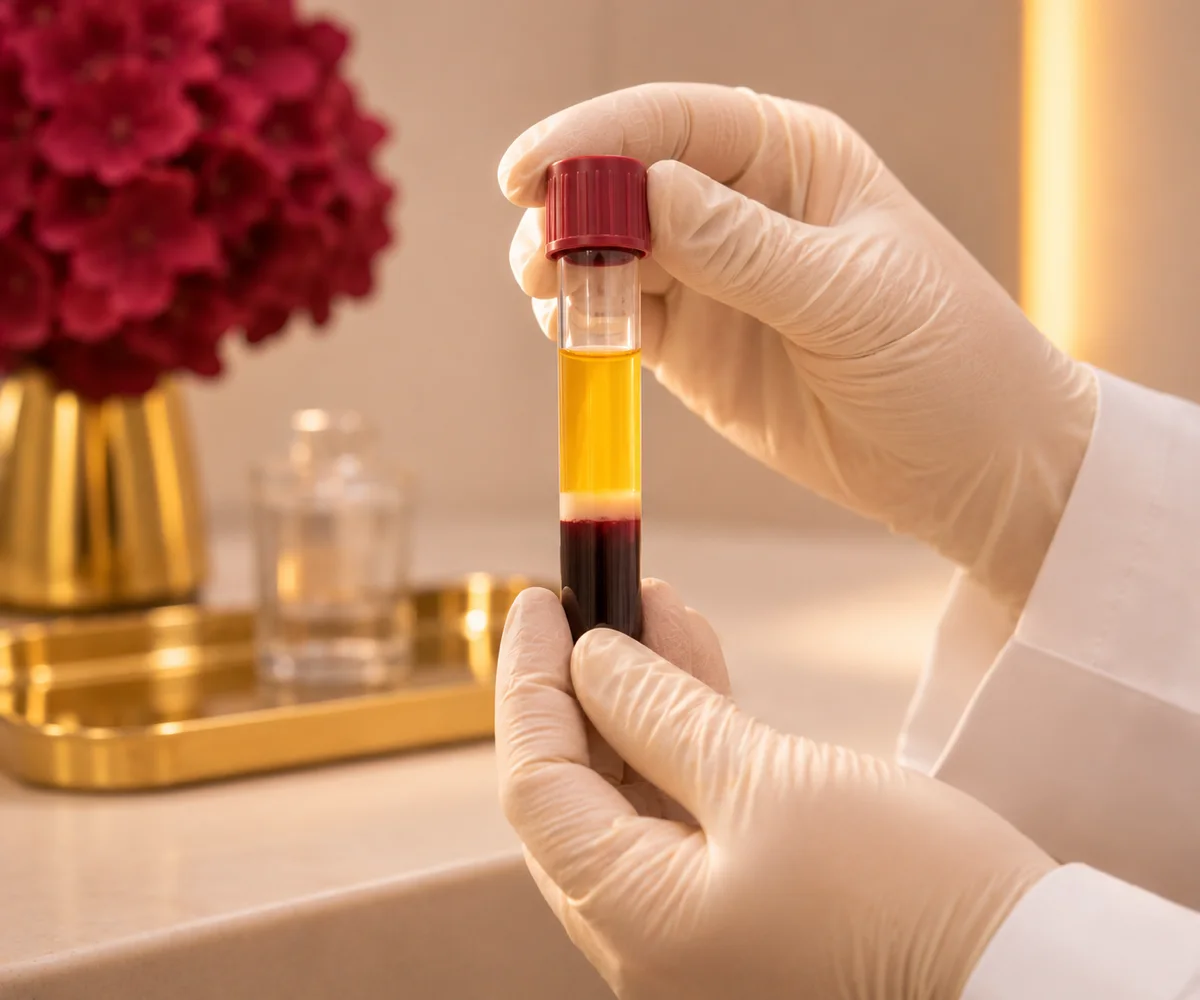
The doctor holding the tube after centrifugation, with the golden plasma separated from the blood

Regeneration

PRP (platelet-rich plasma)

Plasma obtained from your own blood and applied to the area, intended to stimulate tissue regeneration. A review of 18 studies, mainly in lichen sclerosus and atrophy, found improvement in symptoms, but with small samples and very different protocols. For friction fissures there are no studies.

May be considered when

the doctor has already ruled out infection, skin condition and treatable dryness, the mucosa remains fragile and PRP seems appropriate for your case.

Find out more

What the journey looks like

From friction to the plan that suits you

No treatment starts without an assessment consultation with the doctor. This is how it works.

  1. 01At the clinic

    Assessment consultation

    The doctor listens to where the fissures appear, what comes before them, how long they have been happening and what you have already applied. She asks about lubrication, sport, clothing, hair removal, sex and the menopause, without rushing and in private.

  2. 02At the clinic

    Examining and, if needed, testing

    The skin, folds and mucosa are observed, we see whether the fissures are at the posterior fourchette or in the folds and, depending on the case, the pH is measured, the vaginal contents are examined under the microscope or a culture is requested. A suspicious lesion may lead to a biopsy.

  3. 03At the clinic and at home

    Removing the friction and treating the cause

    First what opens the skin is adjusted and what has been confirmed is treated: dryness, infection or a skin condition. The doctor explains the options and works with dermatology or other specialties when needed.

  4. 04Over time

    Reviewing

    If the fissures return or do not close, they are reassessed instead of repeating the same treatment, because the cause may be different. Only then is an additional option considered, with the evidence explained.

Day to day

What protects the skin while you wait for the consultation

Simple measures that reduce friction and give the skin time, alongside whatever the doctor recommends.

The first measure

Removing the friction is the first treatment

A small friction fissure, with no underlying condition, usually improves when what opens it is removed and the skin is given time. What matters is understanding what opened it and what may open it again, and not just closing it.

Lubricating before friction

Sufficient lubrication reduces friction on the skin and mucosa.

In practice: apply before and reapply during, in generous amounts. With a latex condom, avoid oil-based lubricants.

Changing damp clothing and relieving seams

Heat and moisture soften the skin and seams rub on the area.

In practice: change clothes after training or swimming, and choose cotton and clothing without seams over the area.

Protecting the folds before exertion

A thin layer reduces friction between skin surfaces.

In practice: a simple barrier ointment in the folds and on the inner thighs, and a bicycle adjustment with a professional. Do not use it on areas that will be in contact with a latex condom.

Letting it heal before pushing again

Skin that is still open tears again with the same friction.

In practice: take a break from penetrative sex and hair removal of the area until it closes. If it goes beyond two weeks, book a consultation.

Dr Michelle Campagnoli, clinical director of Clínica Luxmed

Who will look after you

An assessment carried out by the doctor

At Luxmed, the first step is always an assessment consultation with Dr Michelle Campagnoli. She is the one who listens to what opens the skin, examines the vulva, the folds and the mucosa, looks for the underlying cause and designs the plan with you, in private and without rushing, and works with dermatology or other specialties when needed.

  • Physical examination and medical historyClinical history, routine and examination of the skin and mucosa, with simple tests to reach the cause.
  • A plan tailored to youFirst remove the friction and treat the cause; additional options only if appropriate, with the evidence explained.
  • No obligationThe cost of any treatment is confirmed only after the assessment.
Book an assessment consultation

Book a consultation

Book your consultation

Choose how you prefer to get in touch. We will arrange the assessment consultation with Dr Michelle Campagnoli.

Booking through the website100€70€Assessment consultationExclusive price for those who book the assessment through the website. Outside the website, the price is 100 €.

New Life Miraflores, Algés · Office Center, R. Santa Teresa do Menino Jesus n.º 6, 9.º C, 1495-048

Your details are used only for this contact. Any treatment depends on a prior medical assessment.

Request an appointmentIt takes less than a minute.
Speciality
You do not need to go into detail. The doctor will talk to you during the consultation.
Request received. Our team will contact you as soon as possible.
Friction fissures in the intimate area: what are they and what causes them?

They are small cuts, scratches or raw areas on the vulva, at the entrance of the vagina or in the skin folds, which appear after friction: sex with little lubrication, cycling, running, hair removal or damp, tight clothing. They often close in a few days when the cause is removed. But when they return or take a long time to close, friction is usually only the trigger for a thin, dry mucosa, a skin condition or an infection. Only an examination shows which.

Sores in the groin and thighs from friction: is it the same problem?

It is similar, but it is usually a chafing rash (intertrigo): the skin of the folds, warm and moist, rubs and becomes red and sore, sometimes with fissures. It can be complicated by a fungal or bacterial infection and, in the folds, fissures may correspond to an inflammatory skin condition. Keeping the area dry, wearing loose clothing and seeking advice if it does not improve in a few days helps to prevent it from lasting.

Why do I have irritation and small fissures after sex?

The most common causes are little lubrication or little time for preparation, vaginal dryness from the menopause or breastfeeding, irritation from a product (lubricant, spermicide, condom) and fragile skin at the entrance of the vagina. Injuries during consensual sex also occur in women with children, not only the first time. If they recur, if there is blood without a visible fissure or persistent pain, talk about it at the consultation.

Can cycling, running or horse riding cause fissures?

They can contribute, through pressure, sweat and friction. In a review of cyclists, genital symptoms included pain, numbness and skin lesions, and in competitive cyclists handlebars lower than the saddle were associated with greater pressure on the perineum, but the quality of the studies is low. Seamless clothing, changing clothes after training and adjusting the position with a professional are reasonable measures. If the lesions return despite this, look for an underlying cause.

Which lubricant should I choose: water-based, silicone or oil?

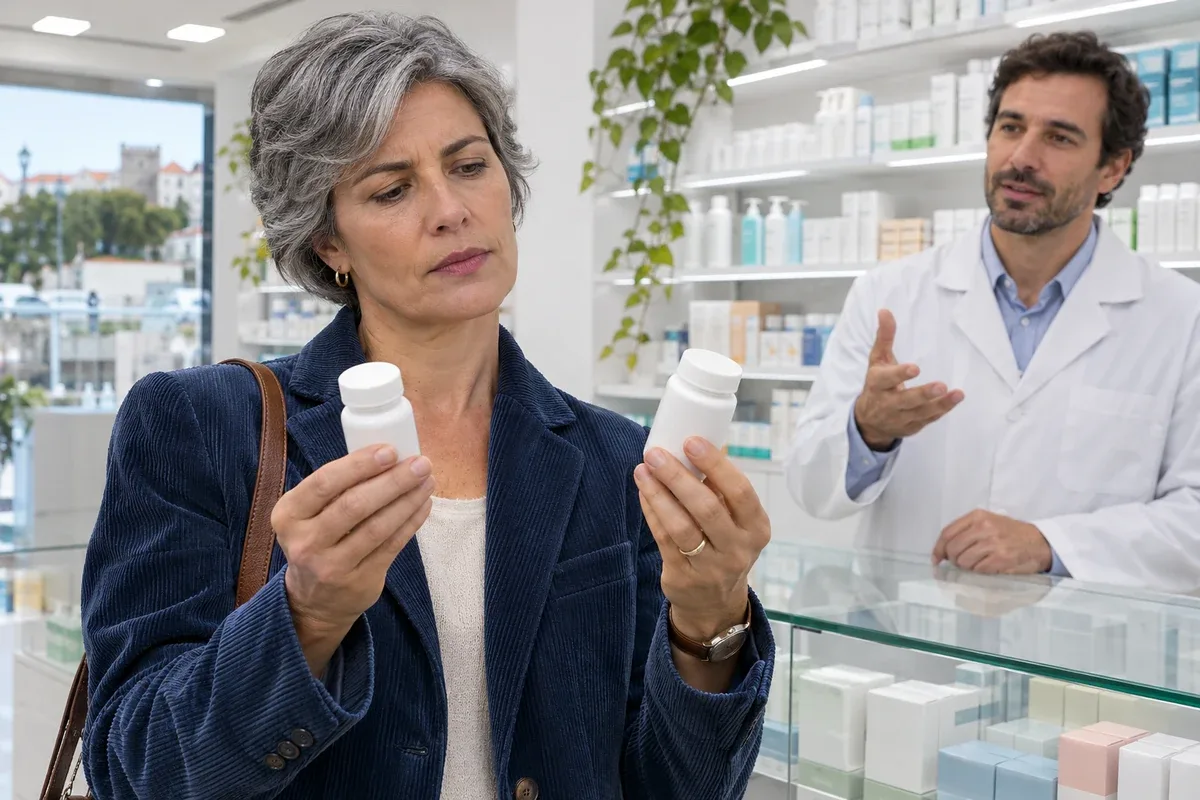
Water is the most common choice and the one the NHS recommends for dryness, and it should be unscented and as close as possible to vaginal secretions. In the laboratory, highly concentrated lubricants (high osmolality) damaged vaginal tissue and several commercial lubricants were cytotoxic; this has not been measured in women. A study in couples showed that oil-based lubricant increased the slipping of latex condoms, so it is not recommended with them. And in the laboratory some silicone ones made latex swell. Ask the doctor or the pharmacist.

Can I put on a cream on my own?

A simple, unscented moisturiser or barrier is usually safe. An antifungal or a corticosteroid without a diagnosis is not safe: in one study, only a third of women who bought an antifungal actually had candidiasis, and fissures of the folds are treated, when there is a skin condition, with prescribed and monitored corticosteroids. The NHS also advises not using creams or lotions in the vagina that are not meant for it.

What if the fissures always appear in the same place?

It deserves assessment. Two patterns are described: at the posterior fourchette (the lower part of the entrance of the vagina) and in the skin folds. At the posterior fourchette the cause is unknown and, in cases that persist, surgery (perineoplasty) is described, which is discussed with the gynaecologist. In the folds, the skin condition or infection that maintains them is treated. In both cases, the underlying cause may be dryness, lichen sclerosus or dermatitis.

Do hyaluronic acid, PRP or the CO2 laser solve friction fissures?

There is no evidence for this problem. For local hyaluronic acid, a review found improvement in dryness and burning, mainly in atrophy, with a call for better trials. For PRP, a review of 18 studies points to improvement in symptoms but does not allow a conclusion. For the CO2 laser, a sham-controlled trial showed no difference at 12 months, and the FDA warned in 2018 against these devices for menopausal symptoms, urinary incontinence and sexual function. The decision is always explained and shared with you.

Do these treatments carry risks?

The risks depend on the treatment. With injections, pain, bruising and infection at the site are possible. With the laser, burns, scarring, persistent pain and pain during sex have been reported, and the long-term risks are poorly studied. They are not performed with active infection, open fissures, unexplained bleeding, undiagnosed lesions or pregnancy.

When should I book a consultation?

If the fissures return, take more than two weeks to close or always appear in the same place, if the skin has white or red patches, itching or blisters, if it hurts during sex, or if what you did at home has not solved it. With bleeding after the menopause or after sex without a visible fissure, foul-smelling discharge, a sore that does not heal or a lesion that changes, do not wait. Out of hours, call SNS 24 (808 24 24 24) and, with a high fever, intense pain or if you cannot pass urine, call 112.

We could not find that question. Ask us on WhatsApp

Scientific references

This page is based on the sources below and was reviewed by Dr. Michelle Campagnoli. Last updated on .

  1. Edwards L. Vulvar fissures: causes and therapy. Dermatologic Therapy 17(1):111-116, 2004.
  2. Bohl TG. Fissures, herpes simplex virus, and drug reactions: important erosive vulvar disorders. Obstetrics and Gynecology Clinics of North America 44(3):421-443, 2017.
  3. Truesdale MD, Osterberg EC, Gaither TW, et al. Prevalence of pubic hair grooming-related injuries and identification of high-risk individuals in the United States. JAMA Dermatology 153(11):1114-1121, 2017.
  4. Trofaier ML, Schneidinger C, Marschalek J, Hanzal E, Umek W. Pelvic floor symptoms in female cyclists and possible remedies: a narrative review. International Urogynecology Journal 27(4):513-519, 2016.
  5. Partin SN, Connell KA, Schrader S, et al. The bar sinister: does handlebar level damage the pelvic floor in female cyclists?. Journal of Sexual Medicine 9(5):1367-1373, 2012.
  6. Lui H, Mmonu N, Awad MA, et al. Association of bicycle-related genital numbness and female sexual dysfunction: results from a large, multinational, cross-sectional study. Sexual Medicine 9(5):100365, 2021.
  7. Potter N, Panay N. Vaginal lubricants and moisturizers: a review into use, efficacy, and safety. Climacteric 24(1):19-24, 2021.
  8. Ayehunie S, Wang YY, Landry T, Bogojevic S, Cone RA. Hyperosmolal vaginal lubricants markedly reduce epithelial barrier properties in a three-dimensional vaginal epithelium model. Toxicology Reports 5:134-140, 2018.
  9. Wilkinson EM, Łaniewski P, Herbst-Kralovetz MM, Brotman RM. Personal and clinical vaginal lubricants: impact on local vaginal microenvironment and implications for epithelial cell host response and barrier function. Journal of Infectious Diseases 220(12):2009-2018, 2019.
  10. Steiner M, Piedrahita C, Glover L, et al. The impact of lubricants on latex condoms during vaginal intercourse. International Journal of STD & AIDS 5(1):29-36, 1994.
  11. Sarkar Das S, Coburn JC, Tack C, Schwerin MR, Richardson DC. Exposure of natural rubber to personal lubricants: swelling and stress relaxation as potential indicators of reduced seal integrity of non-lubricated male condoms. Contraception 90(1):86-93, 2014.
  12. Buzzaccarini G, Marin L, Noventa M, et al. Hyaluronic acid in vulvar and vaginal administration: evidence from a literature systematic review. Climacteric 24(6):560-571, 2021.
  13. De Ponte A, Cabrera S, Sparice SSB, Baulies S, Rodríguez I. Platelet-rich plasma in the management of vulvovaginal disorders: a systematic review. Journal of Sexual Medicine 23(1):qdaf307, 2026.
  14. Mert SA, Dilbaz B, Agbal T, Kose C, Ustun YE. Effect of genital tract injury during consensual sexual intercourse on FSFI in women?. Journal of Obstetrics and Gynaecology Research 51(11):e70163, 2025.
  15. The NAMS 2020 GSM Position Statement Editorial Panel. The 2020 genitourinary syndrome of menopause position statement of The North American Menopause Society. Menopause 27(9):976-992, 2020.
  16. Lethaby A, Ayeleke RO, Roberts H. Local oestrogen for vaginal atrophy in postmenopausal women. Cochrane Database of Systematic Reviews 2016(8):CD001500, 2016.
  17. Li FG, Maheux-Lacroix S, Deans R, et al. Effect of fractional carbon dioxide laser vs sham treatment on symptom severity in women with postmenopausal vaginal symptoms: a randomized clinical trial. JAMA 326(14):1381-1389, 2021.
  18. Prodromidou A, Zacharakis D, Athanasiou S, et al. CO2 Laser versus Sham Control for the Management of Genitourinary Syndrome of Menopause: A Systematic Review and Meta-Analysis of Randomized Controlled Trials. Journal of Personalized Medicine 13(12):1694, 2023.
  19. Medsafe (Nova Zelândia), a retransmitir o alerta da U.S. FDA. Safety Information: energy-based devices used for vaginal 'rejuvenation' or vaginal cosmetic procedures (relays the USFDA safety communication of July 2018). Medsafe, New Zealand Medicines and Medical Devices Safety Authority, 2018.
  20. Lewis FM, Tatnall FM, Velangi SS, et al. British Association of Dermatologists guidelines for the management of lichen sclerosus, 2018. British Journal of Dermatology 178(4):839-853, 2018.
  21. Ferris DG, Nyirjesy P, Sobel JD, et al. Over-the-counter antifungal drug misuse associated with patient-diagnosed vulvovaginal candidiasis. Obstetrics & Gynecology 99(3):419-425, 2002.
  22. O'Gorman SM, Torgerson RR. Allergic contact dermatitis of the vulva. Dermatitis 24(2):64-72, 2013.
  23. Farage M, Maibach HI. The vulvar epithelium differs from the skin: implications for cutaneous testing to address topical vulvar exposures. Contact Dermatitis 51(4):201-209, 2004.
  24. NHS. Lichen sclerosus. (NHS (nhs.uk), acedido 2026-11-11)
  25. NHS. Contact dermatitis. (NHS (nhs.uk), acedido 2026-11-11)
  26. NHS. Vaginal dryness. (NHS (nhs.uk), acedido 2026-11-11)
  27. Bauer A, Rödiger C, Greif C, et al. Vulvar dermatoses: irritant and allergic contact dermatitis of the vulva. Dermatology 210(2):143-149, 2005.
  28. NHS. Vulval cancer: symptoms. (NHS (nhs.uk), acedido 2026-11-11)
CallAssistantAvailableBook