
Algés, Oeiras Mon to Fri · 09:00 to 13:00 and 14:00 to 19:00 · Sat · 09:00 to 14:00
WhatsApp Book a consultation

Aesthetic gynaecology

Low intimate sensitivityWhen touch is felt less than before, or hardly at all

“Low intimate sensitivity” is how many women describe a change that is noticed in the body: touch in the intimate area feels muffled, “numb” or less intense than it was, and more time or more stimulation is needed to feel the same. There is rarely a single cause. Hormones, medications, diabetes, nerves, scars, the skin of the vulva and also state of mind, tiredness and stress can all play a part. Here we explain what may lie behind it, what is assessed and what helps, starting with the causes that can be treated, and what the clinic can offer, with honesty about what the evidence shows.

Reviewed by Dr Michelle Campagnoli, clinical director

  • 53%of women with diabetes reported some sexual dysfunction, in a meta-analysis of 50 studies
  • 1assessment consultation, always first
  • 70 €assessment booked through the website
Woman in a grey apron running her hands over pink fabric on a cutting table in an atelier

How to recognise it

Could it be low intimate sensitivity?

It is not a diagnosis in itself: it is what a woman feels when the body responds less to touch. What matters is since when, what changed at the time and whether it bothers you.

Tick what you recognise0/7

Tick the signs you recognise in your case. This is not a diagnosis, it is only meant to give you an idea.

Have you felt a sudden numbness in the intimate area, between the legs or on the thighs, especially with weakness in the legs, loss of control of urine or bowel or severe back pain? Go to the emergency department or call 112, without waiting. Do you have bleeding after the menopause or after sex, abnormal discharge, persistent or sudden pain, a changing lesion on the vulva, fever, difficulty passing urine or blood in the urine? You need a prompt assessment. Out of hours, call SNS 24: 808 24 24 24.

Doctor in a white coat writing notes while talking with a grey-haired patient in a consulting room
Photograph of a consultation. The dots mark what the doctor assesses; the image does not show the intimate area.

Why it happens

What may be behind reduced sensitivity

Feeling touch depends on several systems at the same time: the skin and mucosa, the nerves, blood circulation, hormones and the brain, which interprets what arrives. When one of them fails, the sensation changes. Choose a situation to see how it applies.

Hormones and the menopause

The fall in oestrogen leaves the skin and mucosa of the vulva thinner and drier, with less blood supply, and touch may feel different, or even uncomfortable. The genitourinary syndrome of menopause includes precisely genital and sexual symptoms. Hormonal changes during breastfeeding and with some hormonal methods can have a similar effect.

What weighs on it

Attributing everything to age and not treating the dryness and fragility of the tissues that go with it.

What helps

Moisturisers and lubricants, and low-dose vaginal oestrogen, prescribed and monitored by a doctor, when there is atrophy.

Normal or to be assessed

Low sensitivity or something else

Not every difficulty in feeling is a lack of sensitivity of the tissue. That is why it is worth knowing what it is before choosing the treatment.

  • How it shows. The sensation changed gradually, depends on the day, tiredness or stage of life, and coincides with stress, the menopause, a new medication or dryness.

  • When it happens. In phases of tiredness, tension, hormonal changes or starting a medication. It may improve when the cause is resolved.

  • What the clinic does. The doctor listens to what is going on, assesses the skin and mucosa, reviews medications and rules out the most common medical causes before proposing anything.

  • At home. More time and variety of stimulation, lubricant, mindfulness and communication with whoever shares intimacy with you, while you wait for the consultation.

Do you have numbness in the intimate area or on the thighs with weakness in the legs, have you lost control of urine or bowel, or do you have severe back pain? Call 112 or go to the emergency department. If you have bleeding after the menopause or after sex, abnormal discharge or any doubts, out of hours you can call SNS 24: 808 24 24 24.

Book an assessment consultation

What can help

Options for low intimate sensitivity

The first line is to find and treat the cause: reviewing medications with whoever prescribes them, controlling underlying conditions such as diabetes, treating dryness and fragility of the tissues (moisturisers, lubricants and, when there is atrophy, low-dose vaginal oestrogen, prescribed by a doctor), treating a skin condition or an adhesion, pelvic floor physiotherapy when indicated and, when the emotional side or attention is a factor, sex therapy or cognitive-behavioural therapy. Testosterone is only discussed in selected cases of very low sexual desire, after the menopause, and is not a treatment for sensitivity. The treatment below is an additional option, assessed case by case and without promising results, with limited evidence.

Book an assessment consultation
Dr Michelle Campagnoli, clinical director of Clínica Luxmed

First step

Assessment consultation

The doctor listens to what you are experiencing, examines your case and explains the suitable options. No treatment begins without this consultation.

May be considered when

you want to understand the cause and decide on the best path, with time and without commitment.

Book an assessment consultation
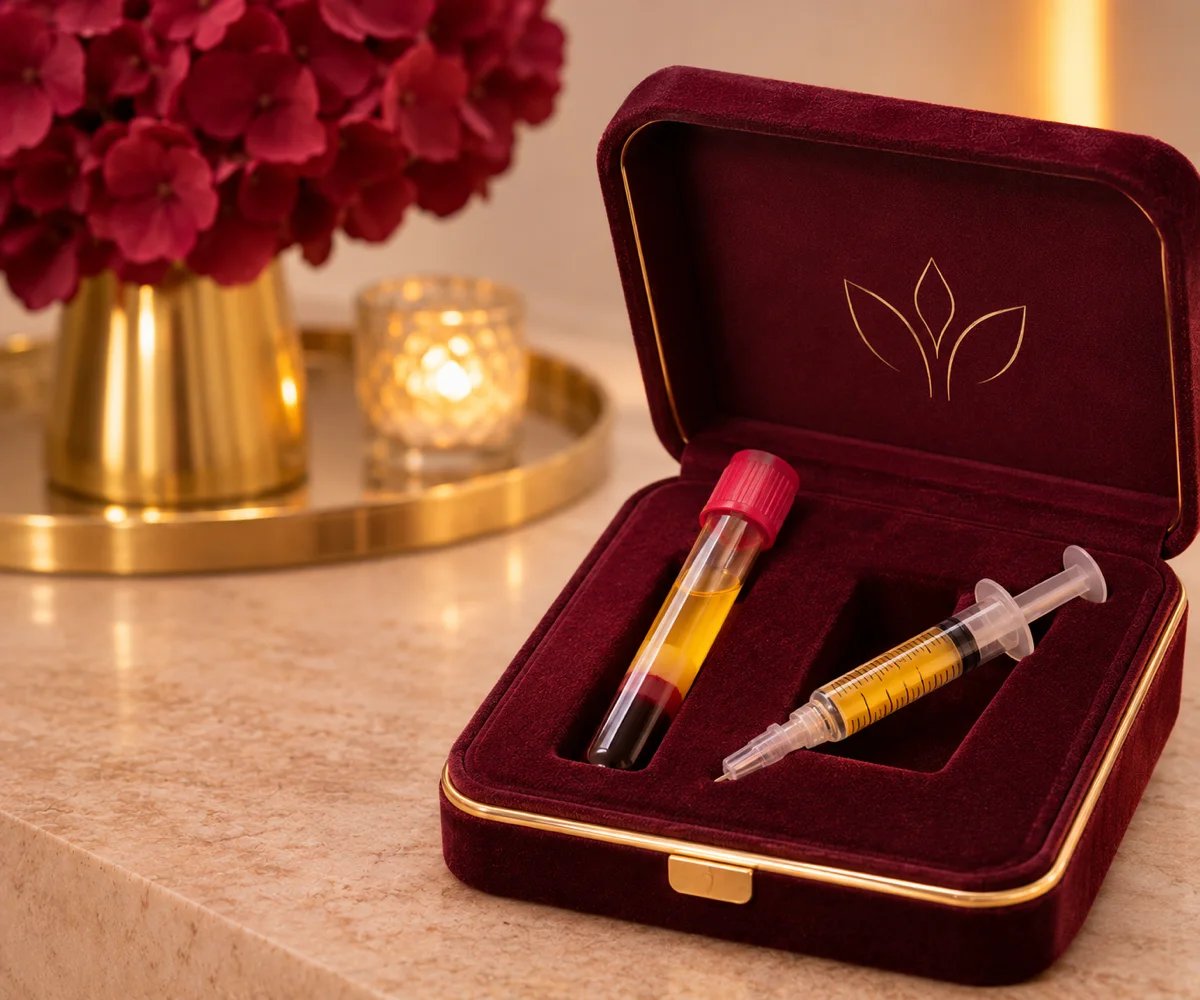
Plasma tube and syringe in a burgundy velvet case on a countertop

Injectable

O-SHOT (Orgasm Shot)

Platelet-rich plasma (PRP) injection, prepared from your own blood and applied to the intimate area, intended to stimulate tissue renewal and blood supply and improve the response to touch. The studies are few and small, and measure sexual function by questionnaire and not genital sensitivity itself. It does not replace assessment of the causes, medication review or sex therapy.

May be considered when

the medical causes (medication, diabetes, hormones, skin) have been assessed and treated, sex therapy or physiotherapy have been considered or done, the doctor has explained that the evidence is limited, and the decision is yours.

Find out more

What the journey looks like

From the first consultation to the plan tailored to you

No treatment begins without an assessment consultation with the doctor. Most women start with what is simplest, and only then is more considered.

  1. 01At the clinic

    Assessment consultation

    The doctor listens to what has changed, since when and in which situations, asks about medications, the menopause, births, surgeries and the illnesses you have, and lets you speak in private and without rushing. She may ask you to complete a simple questionnaire on sexual function.

  2. 02At the clinic

    Examination and blood tests

    A gynaecological examination is carried out, the skin and mucosa of the vulva are observed, scars, adhesions or skin conditions are looked for, the pelvic floor is assessed and, if needed, blood tests are requested, for example for glucose. If there are signs of nerve injury, you are referred.

  3. 03At home and with support

    Treating the cause

    What was found is treated: reviewing medication with whoever prescribes it, treating dryness or the skin, doing pelvic physiotherapy and, when it makes sense, sex therapy or cognitive-behavioural therapy. At home, habits and communication as a couple are adjusted.

  4. 04Over time

    Reassessing and deciding

    The questionnaire is repeated to see whether things have improved. If it is not enough, or if there are warning signs, the doctor explains the other routes and refers you when needed. Only then is an additional option, such as PRP, considered, with the evidence explained.

Day to day

What helps while you wait for the consultation

Simple care that supports the body’s response, alongside the plan the doctor recommends.

It is not your fault

Feeling less has causes and many can be treated

Sensitivity varies over a lifetime and from day to day, and is not a “defect” of the person who feels it. When it bothers you, it is a sign to look for the cause: a medication, the menopause, diabetes, a scar, tiredness or stress. Talking about it, with the doctor and with whoever shares intimacy with you, is already half the way.

Giving more time to stimulation

The body may need more time to respond, especially with age, stress or certain medications.

In practice: set aside more time, vary the type of touch and the rhythm, without the aim of “getting somewhere”, alone or with whoever shares intimacy with you.

Using a lubricant

Less moisture reduces comfort and the response to touch.

In practice: a water- or silicone-based lubricant, and a vaginal moisturiser if there is dryness.

Training attention to what you feel

When attention goes to performance, the body’s response decreases.

In practice: short mindfulness and breathing exercises, and turning attention to the sensations of touch and not to the result.

Looking after what affects sensitivity

Sleep, glucose, physical activity and stress influence the body’s response.

In practice: sleep enough, move, keep up with diabetes check-ups and note when the sensation improves or worsens.

Dr Michelle Campagnoli, clinical director of Clínica Luxmed

Who will look after you

An assessment carried out by the doctor

At Luxmed, the first step is always an assessment consultation with Dr Michelle Campagnoli. She is the one who listens to what is going on, assesses the skin and intimate tissues, reviews medications and underlying illnesses, rules out other causes and designs the plan with you, in private and without rushing, working with pelvic physiotherapy, sex therapy, endocrinology or neurology when needed.

  • Physical examination and medical historyA conversation about what has changed, review of medications, questionnaire, gynaecological examination and blood tests when needed.
  • A plan tailored to youFirst treating the cause; additional procedures only if appropriate, with the evidence explained.
  • No obligationThe cost of any treatment is confirmed only after the assessment.
Book an assessment consultation

Book a consultation

Book your consultation

Choose how you prefer to get in touch. We will arrange the assessment consultation with Dr Michelle Campagnoli.

Booking through the website100€70€Assessment consultationExclusive price for those who book the assessment through the website. Outside the website, the price is 100 €.

New Life Miraflores, Algés · Office Center, R. Santa Teresa do Menino Jesus n.º 6, 9.º C, 1495-048

Your details are used only for this contact. Any treatment depends on a prior medical assessment.

Request an appointmentIt takes less than a minute.
Speciality
You do not need to go into detail. The doctor will talk to you during the consultation.
Request received. Our team will contact you as soon as possible.
Why do I have low intimate sensitivity?

There is rarely a single cause. The most frequent are the hormonal changes of the menopause, some medications (such as certain antidepressants), diabetes, scars and skin conditions of the vulva, nerve injuries after surgery or a birth and emotional factors, such as stress, tiredness, anxiety and depression. Only a medical assessment shows what is contributing in your case.

Is loss of sensitivity the same as lack of desire or difficulty reaching orgasm?

No. They are different complaints, even if they overlap. Sensitivity is what is felt on touch, desire is the wish for intimacy, arousal is the response of body and mind and orgasm is the peak of that response. The medical classification separates desire and arousal disorders, orgasm disorders and pain disorders, and treatment depends on which of them is involved. That is why the conversation at the consultation is so important.

Is it normal to feel less with age?

It is frequent, but it is not inevitable and should not be accepted without assessment. The menopause thins and dries the tissues, circulation may decrease and medications and illnesses may accumulate. Some women feel little difference and others notice a lot, and most have something that can be treated.

Can medications and diabetes reduce sensitivity?

Yes. Some antidepressants, especially serotonin reuptake inhibitors, are associated with less desire, arousal and orgasm; for other medications the evidence is less clear. Diabetes is frequent in women with sexual dysfunction, and diabetic neuropathy is associated with more problems. Never stop a medication without talking to whoever prescribed it: there are alternatives and dose adjustments.

What tests are done to assess low sensitivity?

In most cases a conversation, review of medications, a sexual function questionnaire, a gynaecological examination, observation of the skin and mucosa and of the pelvic floor and, when it makes sense, blood tests, for example for glucose, are enough. When nerve injury is suspected, a referral to neurology or urogynaecology may be needed.

What is done first, before thinking about procedures?

The cause is treated: reviewing medications, controlling diabetes, treating dryness and the skin, pelvic floor physiotherapy when indicated and, if the problem is one of desire and arousal or the emotional side is a factor, sex therapy or cognitive-behavioural therapy. In women with sexual interest and arousal disorder, cognitive-behavioural therapy and online mindfulness improved desire and arousal in a randomised trial.

Do vaginal oestrogen and testosterone help?

Low-dose vaginal oestrogen, prescribed by a doctor, treats the atrophy and dryness of the menopause, which can alter comfort and the response to touch. If you have or have had breast cancer, speak to your oncologist first. Testosterone only has a place, in selected cases, in very low sexual desire in postmenopausal women, after other causes have been assessed, and is not used to treat genital sensitivity.

Does the O-SHOT (PRP) restore sensitivity?

There is not enough evidence. A 2023 systematic review concluded that early results are promising but the evidence is of low level, and a 2026 randomised pilot trial showed greater overall improvement in sexual function with PRP, but without statistically significant differences in individual domains, such as arousal. None of these studies measured genital sensitivity directly. It is an additional option, after the causes have been assessed and treated, and the decision is always explained and shared with you.

Does this procedure have risks? And what about vaginal laser or radiofrequency?

PRP is made with your own blood, but it is an injection and can cause pain, bruising or, rarely, infection. It is not performed with active infection, clotting disorders, pregnancy, unexplained bleeding or undiagnosed lesions. Energy devices, such as laser and radiofrequency, are not what we propose for low sensitivity: in 2018 the FDA warned that they are not approved for sexual function and that they can cause burns, scarring and pain during sex.

When should I book a consultation?

Book a consultation if low sensitivity bothers you, if it appeared after a medication, a birth, surgery or the menopause, or if it comes with dryness, burning or pain. If you have bleeding after the menopause or after sex, abnormal discharge, a changing lesion on the vulva or any doubts, call SNS 24 (808 24 24 24). If you have felt a sudden numbness in the intimate area or on the thighs with weakness in the legs or loss of control of urine or bowel, go to the emergency department or call 112.

We could not find that question. Ask us on WhatsApp

Scientific references

This page is based on the sources below and was reviewed by Dr. Michelle Campagnoli. Last updated on .

  1. Dalrymple SN, Hoeg L, Thacker H. Female sexual dysfunction: common questions and answers. American Family Physician 111(5):433-442, 2025.
  2. American College of Obstetricians and Gynecologists, Committee on Practice Bulletins-Gynecology. Female sexual dysfunction: ACOG Practice Bulletin Clinical Management Guidelines for Obstetrician-Gynecologists, Number 213. Obstetrics & Gynecology 134(1):e1-e18, 2019.
  3. Portman DJ, Gass ML; Vulvovaginal Atrophy Terminology Consensus Conference Panel. Genitourinary syndrome of menopause: new terminology for vulvovaginal atrophy from the International Society for the Study of Women's Sexual Health and the North American Menopause Society. Menopause 21(10):1063-1068, 2014.
  4. The NAMS 2020 GSM Position Statement Editorial Panel. The 2020 genitourinary syndrome of menopause position statement of The North American Menopause Society. Menopause 27(9):976-992, 2020.
  5. Lethaby A, Ayeleke RO, Roberts H. Local oestrogen for vaginal atrophy in postmenopausal women. Cochrane Database of Systematic Reviews 2016(8):CD001500, 2016.
  6. Serretti A, Chiesa A. Treatment-emergent sexual dysfunction related to antidepressants: a meta-analysis. Journal of Clinical Psychopharmacology 29:259-266, 2009.
  7. Thomas HN, Evans GW, Berlowitz DR, et al; SPRINT Study Group. Antihypertensive medications and sexual function in women: baseline data from the SBP intervention trial (SPRINT). Journal of Hypertension 34:1224-1231, 2016.
  8. Wang H, Zhao W, Jin S, Liu S, Li N, Shan L. Prevalence and associated factors of sexual dysfunction in women with diabetes mellitus: a systematic review and meta-analysis. Journal of Sexual Medicine 23:qdag103, 2026.
  9. Rahmanian E, Salari N, Mohammadi M, Jalali R. Evaluation of sexual dysfunction and female sexual dysfunction indicators in women with type 2 diabetes: a systematic review and meta-analysis. Diabetology & Metabolic Syndrome 11:73, 2019.
  10. Mahar EA, Stephenson KR, Brotto LA. A randomized controlled trial of online mindfulness and cognitive-behavioral interventions for sexual interest/arousal disorder in women: eSense. Behaviour Research and Therapy 188:104732, 2025.
  11. García-Laria R, Alonso-Calvete A, Justo-Cousiño L, Da Cuña-Carrera I, Soto-González M. Effects of pelvic floor muscle training on sexual function of postmenopausal women: a systematic review and meta-analysis. Sexual Medicine 13:qfaf067, 2025.
  12. Parish SJ, Simon JA, Davis SR, et al. International Society for the Study of Women's Sexual Health clinical practice guideline for the use of systemic testosterone for hypoactive sexual desire disorder in women. Journal of Sexual Medicine 18:849-867, 2021.
  13. Dankova I, Pyrgidis N, Tishukov M, et al. Efficacy and safety of platelet-rich plasma injections for the treatment of female sexual dysfunction and stress urinary incontinence: a systematic review. Biomedicines 11(11):2919, 2023.
  14. Clarke B, Gaddam N, Garcia B, Iglesia CB, Podolsky R, Dieter AA. Vaginal injection of platelet-rich plasma for sexual function: a randomized controlled trial. Obstetrics & Gynecology 147:627-635, 2026.
  15. Krapf JM, Ghosalkar E, Goldstein A, et al. Lysis of vulvar adhesions and sexual function in vulvar lichen sclerosus. O&G Open 3:e189, 2026.
  16. Medsafe (Nova Zelândia), a retransmitir o alerta da U.S. FDA. Safety Information: energy-based devices used for vaginal 'rejuvenation' or vaginal cosmetic procedures (relays the USFDA safety communication of July 2018). Medsafe, New Zealand Medicines and Medical Devices Safety Authority, 2018.
CallAssistantAvailableBook