Algés, Oeiras Mon to Fri · 09:00 to 13:00 and 14:00 to 19:00 · Sat · 09:00 to 14:00
WhatsApp Book a consultation

Aesthetic gynaecology

Vaginal rejuvenationA name that brings together very different things: what is medical treatment, what is aesthetic and what still has no evidence

“Vaginal rejuvenation” is a marketing expression, not a diagnosis. Those who look for it usually have specific complaints: dryness, pain during sex, less firmness, urine leakage or the appearance of the vulva. Some have medical treatment with good evidence, others are aesthetic matters, and the devices most talked about, vaginal laser and radiofrequency, have limited evidence and were the subject of an FDA warning in 2018. Here we separate what each thing is, what should be tried first and what the clinic can offer, without promising results.

Reviewed by Dr Michelle Campagnoli, clinical director

  • 2018was the year in which the FDA warned against vaginal laser and radiofrequency used under this name
  • 1assessment consultation, always first
  • 70 €assessment booked through the website
Woman in a green dress looking at her phone at a restaurant table with two glasses and a candle

What leads you to look

Is it vaginal rejuvenation you are looking for?

It is not a diagnosis: it is the label given to several different complaints. What matters is to understand which is yours, since when it has existed and what bothers you most, because that is what decides the treatment.

Tick what you recognise0/7

Tick the signs you recognise in your case. This is not a diagnosis, it is only meant to give you an idea.

Do you have bleeding after the menopause or after sex, abnormal discharge, persistent or sudden pain, a changing lesion on the vulva (patch, sore that does not heal, lump, itching that does not go away), fever, difficulty passing urine or blood in the urine? You need a prompt assessment and should not wait or treat it yourself. Out of hours, call SNS 24: 808 24 24 24.

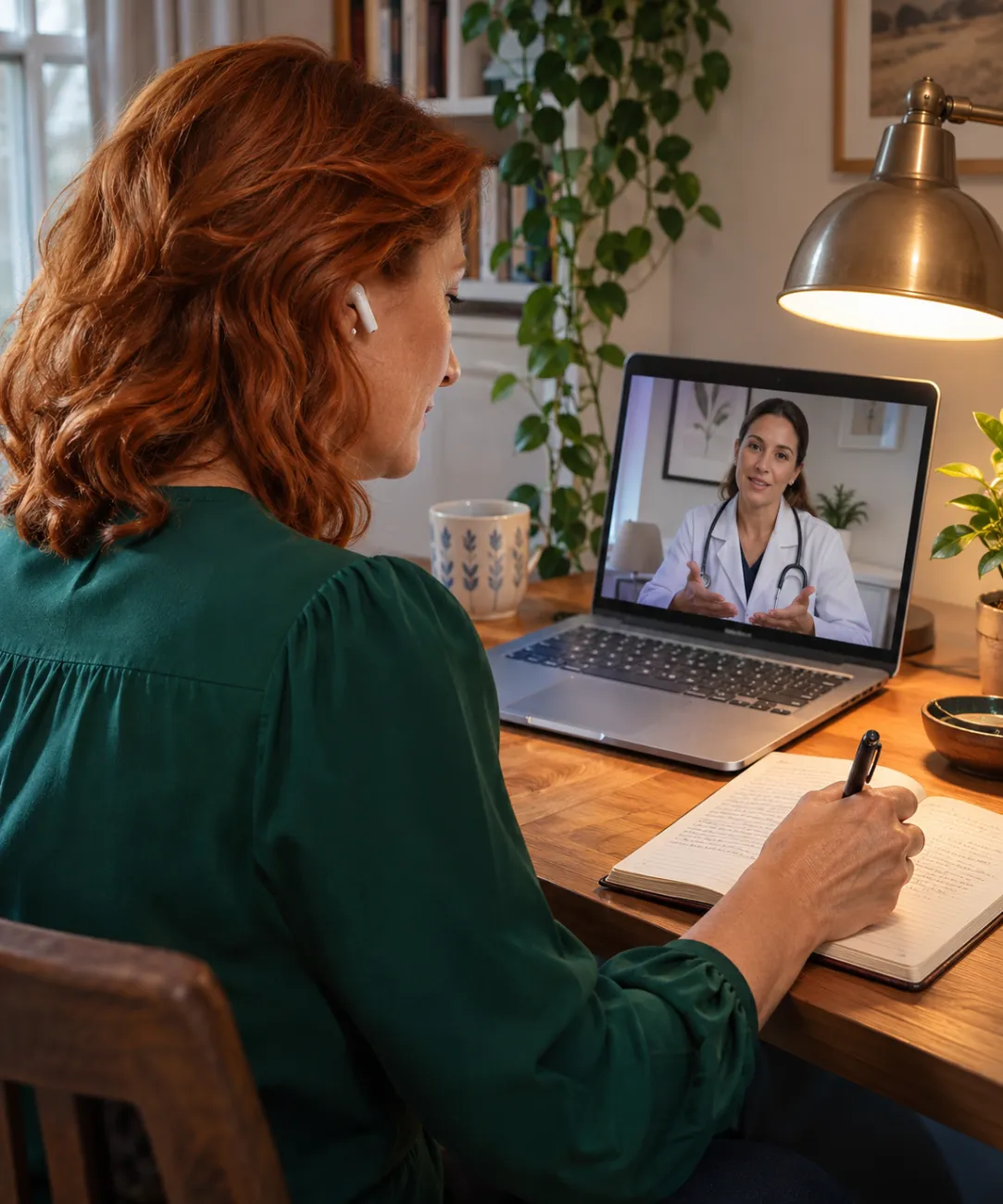
A red-haired woman takes notes on a laptop during a video call with a doctor
Photograph of a consultation. The dots mark what the doctor assesses; the image does not show the intimate area.

Why it happens

What may lie behind what is called vaginal rejuvenation

There is no single “ageing” cause. There are real changes in the tissues, linked mainly to hormones, childbirth and age, and there are complaints from another origin. Choose a situation to see how it applies.

The menopause

With the fall in oestrogen, the mucosa of the vagina and vulva becomes thinner, drier and more fragile, and the pH changes. It is what is now called the genitourinary syndrome of menopause, which also includes urinary symptoms. Unlike hot flushes, it does not usually improve on its own.

What weighs on it

Thinking that dryness and pain during sex “are just a matter of age” and not talking about them.

What helps

Moisturisers and lubricants and, when necessary, low-dose vaginal oestrogen, prescribed and monitored by a doctor.

Medical, aesthetic or to be assessed

What is medical treatment and what is aesthetic

The same name covers very different complaints. Separating one from the other helps to choose what to do first and not to pay for something you do not need.

  • How it shows. Dryness, burning, pain during sex, recurrent urinary infections, urine leakage or fissures, with onset linked to the menopause, birth or a treatment.

  • What it is. Health changes of the tissues, with recognised diagnosis and treatments, which are not just an aesthetic matter.

  • What the clinic does. The doctor listens to the complaint, examines, rules out other causes and starts with the options with the most evidence, before any device.

  • At home. Moisturisers, lubricants and gentle skin care, while you wait for the consultation.

Do you have bleeding after the menopause or after sex, fever, sudden and intense pain or are you unable to pass urine? Seek urgent assessment and, if you need to, call 112 only if it is an emergency. Out of hours, for doubts, you can call SNS 24: 808 24 24 24.

Book an assessment consultation

What can help

Options for vaginal rejuvenation

Before any technology come the measures with the most evidence: vaginal moisturisers and lubricants and, when symptoms justify it, low-dose vaginal oestrogen (with prescription and, if you have had breast cancer, with your oncologist), pelvic floor physiotherapy, sex therapy and treatment of any skin conditions of the vulva. The treatments below are additional options, assessed case by case, with limited evidence and without promising results. They are not an alternative to medical assessment.

Book an assessment consultation
Dr Michelle Campagnoli, clinical director of Clínica Luxmed

First step

Assessment consultation

The doctor listens to what you are experiencing, examines your case and explains the suitable options. No treatment begins without this consultation.

May be considered when

you want to understand the cause and decide on the best path, with time and without commitment.

Book an assessment consultation
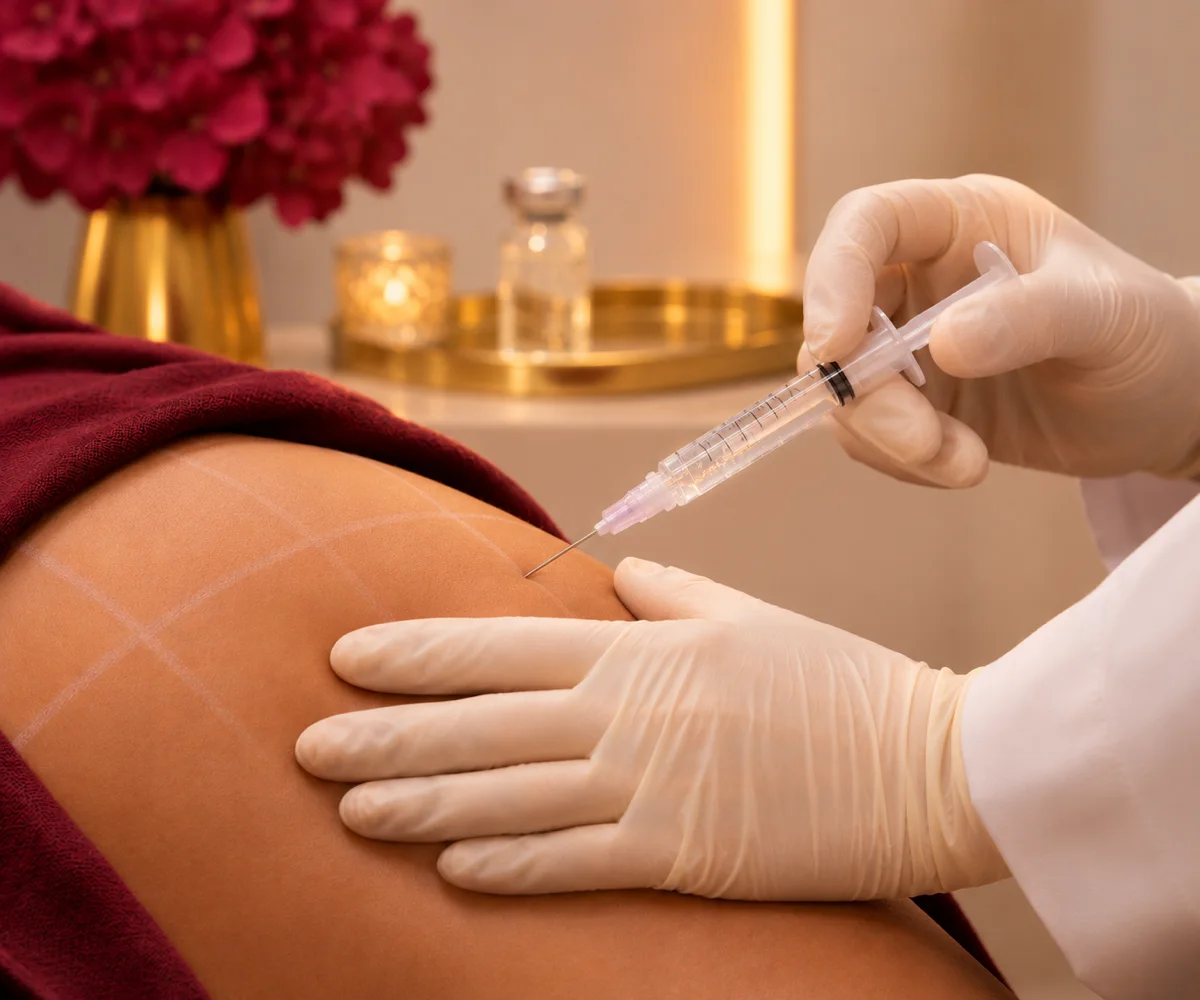
The doctor applying the filler, wearing gloves, on a marked area of the thigh covered by a towel

Hydration

Hyaluronic acid

It seeks to hydrate and support the intimate tissues. Many studies are of local hyaluronic acid (gel or pessary), not injected, and the authors themselves call for better trials. The evidence is limited and heterogeneous.

May be considered when

dryness, discomfort or loss of volume bother you, first-line measures have been considered and the doctor has explained what is known and what is not.

Find out more
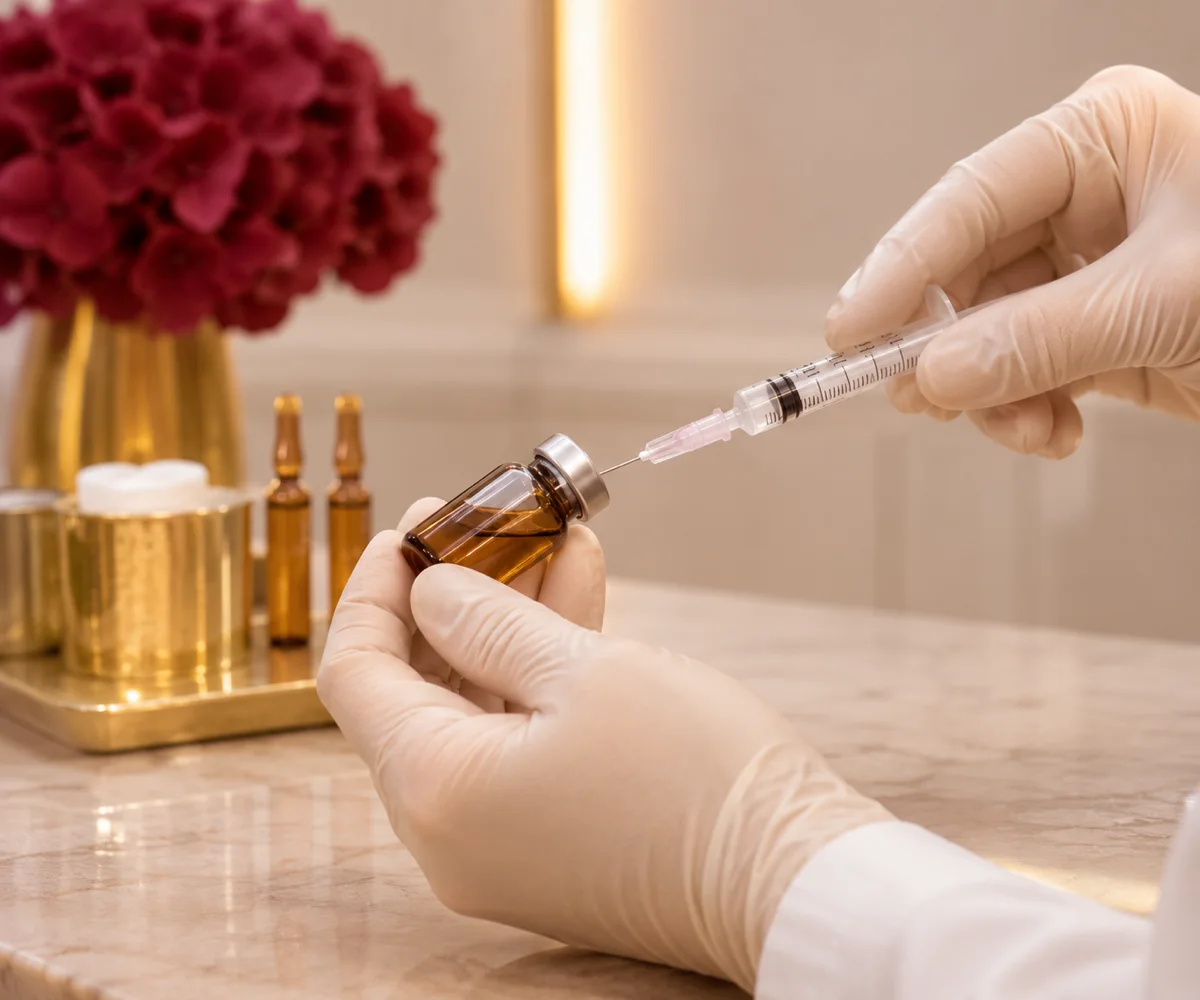
The doctor, wearing gloves, preparing the syringe from the vial

Regeneration

Intradermotherapy

Microinjections into the skin and mucosa of moisturising and regenerating substances. There are pilot studies without a comparison group and no solid evidence of lasting benefit.

May be considered when

the skin and mucosa are dry or thin, the assessment has ruled out other causes and you accept that the evidence is still limited.

Find out more

What the journey looks like

From the first consultation to the plan tailored to you

No treatment starts without an assessment consultation with the doctor. It is also there that it is decided whether you really need a procedure.

  1. 01At the clinic

    Assessment consultation

    The doctor listens to what bothers you, since when and what you expect, asks about the menopause, births, surgeries and medication and lets you speak in private and without rushing.

  2. 02At the clinic

    Examination and ruling out other causes

    The vulva and vagina are examined, the state of the mucosa and skin is assessed and, if there are doubts, infections or skin conditions are looked for. If there are undiagnosed lesions, these come first.

  3. 03At the clinic and at home

    The simplest first

    We start with what has the most evidence: hydration, lubrication, local oestrogen when indicated, pelvic floor physiotherapy or sex therapy, and skin care.

  4. 04Over time

    Reassessing and deciding

    Improvement is assessed. If the complaint persists, the doctor explains the additional options, with the evidence and the risks of each, and only proceeds if it is appropriate and if the decision is yours.

Day to day

What helps while you wait for the consultation

Simple care that protects the mucosa and skin of the vulva, alongside the plan the doctor recommends.

You do not need to “rejuvenate”

Changing with age is not a failing

The vulva and vagina change over a lifetime, and there is no right appearance. What deserves treatment is what causes symptoms or what actually bothers you. Understanding the difference is the first step, and many of the most frequent complaints have simple treatment.

Vaginal moisturiser for regular use

It helps a dry and fragile mucosa, even outside of sex.

In practice: choose an unscented product, apply it a few times a week and ask the doctor or pharmacist to advise you.

Lubricant during sex

It reduces friction and pain when there is dryness.

In practice: prefer a water- or silicone-based one, unscented, and apply it generously before and during.

Caring for the skin of the vulva

Irritated skin heals badly and bothers more.

In practice: wash only the outside, with lukewarm water or a mild unscented product, dry without rubbing and wear cotton underwear.

Training the pelvic floor

It helps with the firmness you feel and with urine leakage on exertion.

In practice: ask a physiotherapist for guidance to be sure you are contracting the right muscles.

Dr Michelle Campagnoli, clinical director of Clínica Luxmed

Who will look after you

An assessment carried out by the doctor

At Luxmed, the first step is always an assessment consultation with Dr Michelle Campagnoli. She is the one who listens to what bothers you, examines, rules out other causes and designs the plan with you, in private and without rushing, working with pelvic physiotherapy, oncology or other specialties when needed.

  • Physical examination and medical historyA conversation about the complaint and expectations, examination of the vulva and vagina and, when necessary, tests to rule out infections or other conditions.
  • A plan tailored to youFirst the measures with the most evidence; additional treatments only if appropriate, with the evidence and risks explained.
  • No obligationThe cost of any treatment is confirmed only after the assessment.
Book an assessment consultation

Book a consultation

Book your consultation

Choose how you prefer to get in touch. We will arrange the assessment consultation with Dr Michelle Campagnoli.

Booking through the website100€70€Assessment consultationExclusive price for those who book the assessment through the website. Outside the website, the price is 100 €.

New Life Miraflores, Algés · Office Center, R. Santa Teresa do Menino Jesus n.º 6, 9.º C, 1495-048

Your details are used only for this contact. Any treatment depends on a prior medical assessment.

Request an appointmentIt takes less than a minute.
Speciality
You do not need to go into detail. The doctor will talk to you during the consultation.
Request received. Our team will contact you as soon as possible.
What is vaginal rejuvenation, and are vaginal laser and radiofrequency part of it?

It is a commercial expression that brings together different treatments for the vagina and vulva: vaginal laser (including the CO2 laser), vaginal radiofrequency, injectables such as hyaluronic acid and PRP, and even aesthetic surgery. It is neither a diagnosis nor a single treatment. Laser and radiofrequency are the ones most associated with the term, and they are what the 2018 FDA warning refers to. What is assessed is each woman’s complaint, and not “rejuvenation” itself.

Is vaginal rejuvenation a medical or an aesthetic treatment?

It can be both, and it is worth separating them. Dryness, pain during sex, recurrent urinary infections or urine leakage are health complaints, with recognised treatments. The appearance of the vulva, its texture or the volume of the labia are aesthetic matters, in which the decision is personal and the evidence is smaller. In both cases, the first thing is medical assessment.

Are changes in the vagina with age normal?

Many are. With the menopause oestrogen falls, the mucosa becomes thinner and drier and the skin of the vulva loses thickness. This is frequent, but it does not need to be accepted in silence when it causes symptoms, and treatment is effective in many women. What is not normal, and calls for assessment, is bleeding after the menopause or after sex, persistent pain, abnormal discharge or a changing lesion on the vulva.

What should be done first, before a laser or a device?

We start with what has the most evidence: vaginal moisturisers and lubricants, low-dose vaginal oestrogen when there are moderate or intense symptoms (with prescription, and with the oncologist if you have had breast cancer), pelvic floor physiotherapy and, when it makes sense, sex therapy. In a Cochrane review vaginal oestrogen relieved the symptoms of vaginal atrophy, albeit with low to moderate quality evidence, and in other trials moisturisers and local oestrogen did not always outperform placebo. The response is individual, so the assessment counts.

Does the vaginal laser (including the CO2 laser) work?

The evidence is weak. In a double-blind sham-controlled trial, the CO2 laser did not improve symptoms more than placebo at 12 months. A meta-analysis of 7 trials concluded that, for most outcomes, laser and sham treatment were comparable, and a 2025 review found little or no difference compared with sham and vaginal oestrogen. Some favourable studies are small and with short follow-up. For urine leakage, NICE only allows transvaginal laser in a research context.

And vaginal radiofrequency?

There is even less evidence than for laser. A literature review on vaginal radiofrequency and laser noted the scarcity of evidence on the efficacy of these devices, and a 2025 review considered the effect of radiofrequency very uncertain. There are small studies with favourable results, but without the controlled trials that would allow confirmation. The FDA warned in 2018 against the use of these devices for this purpose. If the clinic proposes it, the doctor explains what is known and what is not.

Do hyaluronic acid, PRP, intradermotherapy and biostimulators solve it?

There is no solid evidence that they do, and the options differ from one another. Hyaluronic acid has several reviews pointing to improvement in symptoms, but mainly with local products (gel, pessary) and the authors call for better trials; PRP has few studies and only two randomised trials in a recent review; intradermotherapy and biostimulators have only pilot studies. That is why they are additional options, not first line.

Do these treatments carry risks?

The most common effects are mild and temporary: discomfort, a feeling of warmth, discharge or small marks for a few days. The FDA warned, in 2018, about vaginal burns, scarring, pain during sex and recurrent or chronic pain, and long-term safety is not yet well studied. Injections have the usual risks (bruising, infection, inflammation). No intimate aesthetic procedure is free of risk, and the decision should be made after having read the benefits and risks.

Who should not have these treatments?

They are not performed with active infection, unexplained bleeding, undiagnosed lesions (including suspected skin conditions of the vulva) or pregnancy. In those who have had breast or gynaecological cancer or radiotherapy, the decision is individual and discussed with the oncologist. They can also be postponed when the complaint is mainly one of perception and the assessment suggests another approach, such as physiotherapy or psychological support. The doctor explains the reason to you in each case.

When should I book a consultation and when should I not wait?

Book a consultation if you have dryness, burning, pain during sex, urine leakage, less firmness or another intimate change that bothers you, or if you simply want to understand what suits you. Seek prompt assessment if you have bleeding after the menopause or after sex, abnormal discharge, persistent or sudden pain, a changing lesion on the vulva, fever, difficulty passing urine or blood in the urine. Out of hours, you can call SNS 24 (808 24 24 24); 112 is for emergencies.

We could not find that question. Ask us on WhatsApp

Scientific references

This page is based on the sources below and was reviewed by Dr. Michelle Campagnoli. Last updated on .

  1. Portman DJ, Gass ML; Vulvovaginal Atrophy Terminology Consensus Conference Panel. Genitourinary syndrome of menopause: new terminology for vulvovaginal atrophy from the International Society for the Study of Women's Sexual Health and the North American Menopause Society. Menopause 21(10):1063-1068, 2014.
  2. The NAMS 2020 GSM Position Statement Editorial Panel. The 2020 genitourinary syndrome of menopause position statement of The North American Menopause Society. Menopause 27(9):976-992, 2020.
  3. Lethaby A, Ayeleke RO, Roberts H. Local oestrogen for vaginal atrophy in postmenopausal women. Cochrane Database of Systematic Reviews 2016(8):CD001500, 2016.
  4. Mitchell CM, Reed SD, Diem S, et al. Efficacy of vaginal estradiol or vaginal moisturizer vs placebo for treating postmenopausal vulvovaginal symptoms: a randomized clinical trial. JAMA Internal Medicine 178(5):681-690, 2018.
  5. Edwards D, Panay N. Treating vulvovaginal atrophy/genitourinary syndrome of menopause: how important is vaginal lubricant and moisturizer composition?. Climacteric 19(2):151-161, 2016.
  6. NHS. Vaginal dryness. (NHS (nhs.uk), acedido 2026-11-11)
  7. Stockdale CK, Boardman L. Diagnosis and Treatment of Vulvar Dermatoses. Obstetrics & Gynecology 131(2):371-386, 2018.
  8. American College of Obstetricians and Gynecologists (ACOG). Elective Female Genital Cosmetic Surgery: ACOG Committee Opinion, Number 795. Obstetrics & Gynecology 135(1):e36-e42, 2020.
  9. Medsafe (Nova Zelândia), a retransmitir o alerta da U.S. FDA. Safety Information: energy-based devices used for vaginal 'rejuvenation' or vaginal cosmetic procedures (relays the USFDA safety communication of July 2018). Medsafe, New Zealand Medicines and Medical Devices Safety Authority, 2018.
  10. Li FG, Maheux-Lacroix S, Deans R, et al. Effect of fractional carbon dioxide laser vs sham treatment on symptom severity in women with postmenopausal vaginal symptoms: a randomized clinical trial. JAMA 326(14):1381-1389, 2021.
  11. Prodromidou A, Zacharakis D, Athanasiou S, et al. CO2 Laser versus Sham Control for the Management of Genitourinary Syndrome of Menopause: A Systematic Review and Meta-Analysis of Randomized Controlled Trials. Journal of Personalized Medicine 13(12):1694, 2023.
  12. Zerzan NL, Greer N, Ullman KE, et al. Energy-based interventions for genitourinary syndrome of menopause: a systematic review of randomized controlled trials and prospective observational studies. Menopause 32(2):176-183, 2025.
  13. Qureshi AA, Tenenbaum MM, Myckatyn TM. Nonsurgical Vulvovaginal Rejuvenation With Radiofrequency and Laser Devices: A Literature Review and Comprehensive Update for Aesthetic Surgeons. Aesthetic Surgery Journal 38(3):302-311, 2018.
  14. National Institute for Health and Care Excellence (NICE). Transvaginal laser therapy for stress urinary incontinence (HealthTech guidance HTG581, antes IPG696). NICE HealthTech guidance HTG581, 2021.
  15. Dos Santos CCM, Uggioni MLR, Colonetti T, Colonetti L, Grande AJ, Da Rosa MI. Hyaluronic Acid in Postmenopause Vaginal Atrophy: A Systematic Review. Journal of Sexual Medicine 18(1):156-166, 2021.
  16. Buzzaccarini G, Marin L, Noventa M, et al. Hyaluronic acid in vulvar and vaginal administration: evidence from a literature systematic review. Climacteric 24(6):560-571, 2021.
  17. De Ponte A, Cabrera S, Sparice SSB, Baulies S, Rodríguez I. Platelet-rich plasma in the management of vulvovaginal disorders: a systematic review. Journal of Sexual Medicine 23(1):qdaf307, 2026.
  18. Angelucci M, Frascani F, Franceschelli A, Lusi A, Garo ML. Efficacy of intradermal hyaluronic acid plus polynucleotides in vulvovaginal atrophy: a pilot study. Climacteric 25(5):490-496, 2022.
  19. Deda A, Wiśniewska M, Wilczyński S, Wcisło-Dziedecka D, Stolecka-Warzecha A, et al. Chemical Biostimulation of Labial Majora: First Clinical Insights. Clinical, Cosmetic and Investigational Dermatology 18:3195-3202, 2025.
CallAssistantAvailableBook