Algés, Oeiras Mon to Fri · 09:00 to 13:00 and 14:00 to 19:00 · Sat · 09:00 to 14:00
WhatsApp Book a consultation

Aesthetic gynaecology

Darkened vulvaWhen the vulva is a darker shade than the surrounding skin, and what that means

Many women notice, at some point, that the skin of the vulva is darker than that of the rest of the body, or that it has darkened over the years, after a pregnancy or an episode of irritation. Most of the time it is a normal variation in colour, with no disease behind it. But there are situations in which the darkening has a cause that is worth assessing and, more rarely, a patch that changes needs to be seen by a doctor. Here we explain what is normal, what may lie behind it, which signs should not wait and what can be considered if the shade bothers you, with honesty about what the evidence shows.

Reviewed by Dr Michelle Campagnoli, clinical director

  • 1 in 10women have pigmented lesions on the vulva, and knowing what they are is the first step
  • 1assessment consultation, always first
  • 70 €assessment booked through the website
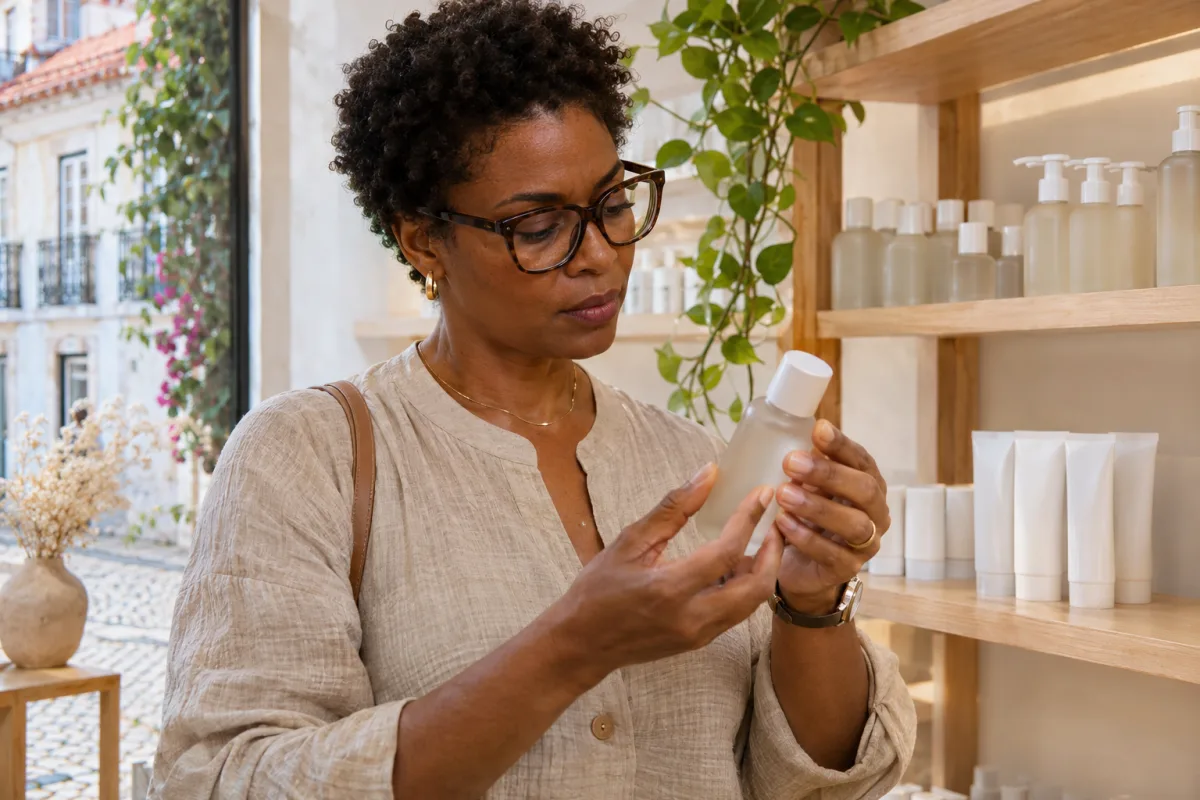
Woman in a denim jacket and backpack looking at the shelves of a pharmacy, with a hesitant look

How to recognise it

Is it a darkened vulva?

Darkened is not a diagnosis: it is what you notice on looking. What helps to tell whether it is normal variation or something to assess is since when it has been there, whether it has changed, where it is and how it feels to the touch.

Tick what you recognise0/7

Tick the signs you recognise in your case. This is not a diagnosis, it is only meant to give you an idea.

Do you have a new patch that changes colour, size or shape, with irregular edges, several colours, relief, a sore, bleeding or itching that does not go away? Or dark, thick, velvety skin that appeared suddenly and is spreading quickly? It needs to be seen, and should not wait. Book a consultation or call SNS 24: 808 24 24 24.

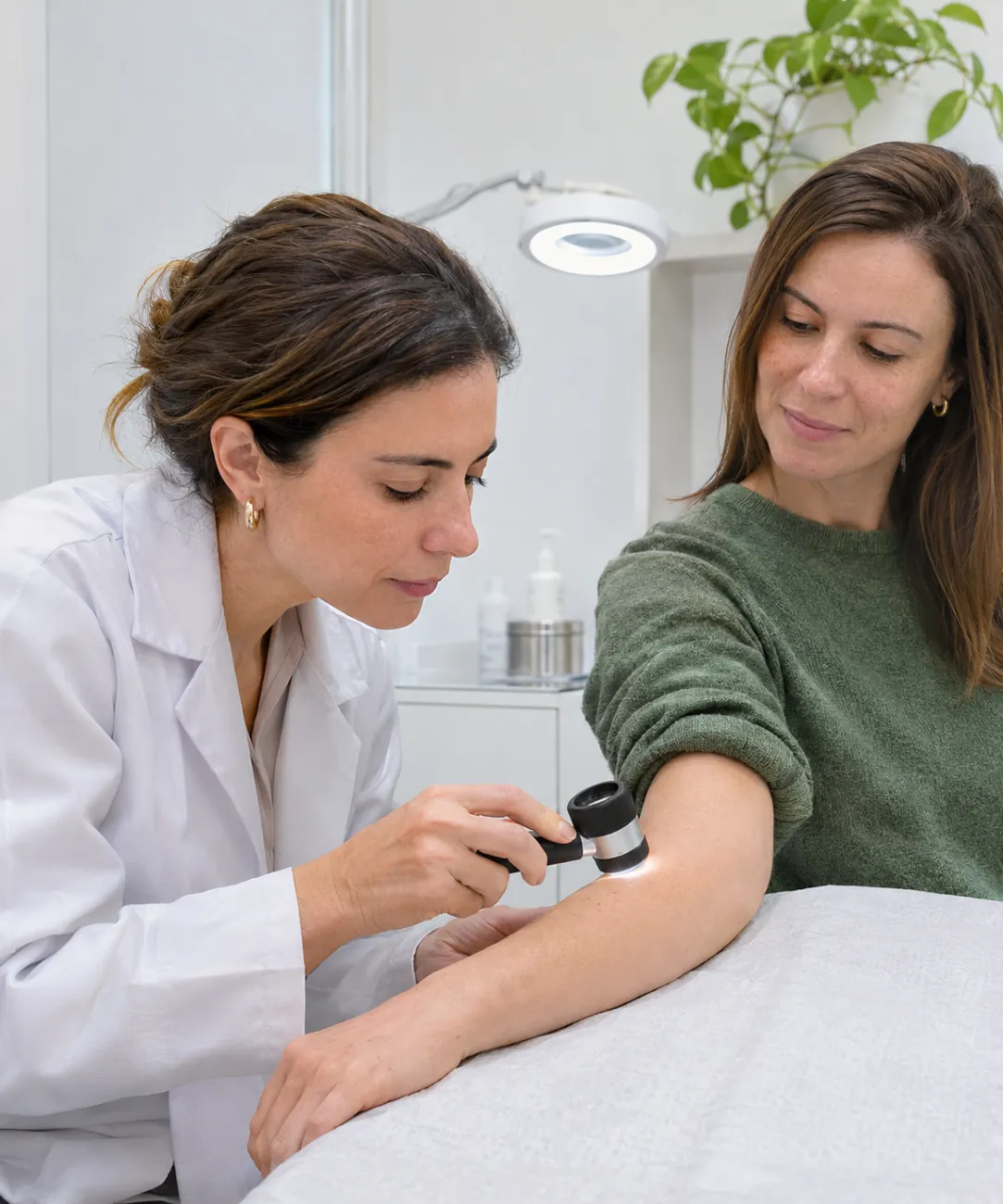
A dermatologist in a white coat examines the forearm of a patient in a green sweater with a dermatoscope
Photograph of a consultation. The dots mark what the doctor assesses; the image does not show the intimate area.

Why it happens

What may lie behind a darkened vulva

The skin of the vulva has more pigment than that of many other areas of the body and reacts easily to hormones and irritation. Choose a situation to see how it applies.

Normal variation in colour

The skin of the vulva is usually more pigmented than that of the surrounding areas. It is a normal variation, without disease, and there is no “right” colour. A review shows that about 1 in 10 women has pigmented lesions on the vulva, which include benign forms and rare forms that are distinguished with care.

What weighs on it

Comparing yourself with retouched images or with standards that do not correspond to the reality of most women.

What helps

Understanding that it is a normal variation. If it has changed or there are doubts, showing it to a doctor.

Normal or to be assessed

Darkened vulva or a sign to assess

Almost always a darker shade is just a variation in colour. What changes is the type of darkening. These are the differences that help to tell them apart.

  • How it shows. A darker shade, smooth skin, without relief, with soft edges and similar on both sides.

  • When it appears. Since adolescence, after a pregnancy or slowly over the years, without obvious change.

  • What the clinic does. The doctor examines the skin, explains what she sees and says whether or not there is reason to investigate further.

  • At home. Avoid friction and harsh products, and photograph the area from time to time to know whether anything changes.

A patch that bleeds, a sore that does not heal, or a dark, thick, velvety area that appeared suddenly? Book a consultation without delay. If you have heavy bleeding or sudden severe pain, call 112 or go to the emergency department. If in doubt, outside opening hours you can call SNS 24: 808 24 24 24.

Book an assessment consultation

What can help

Options for a darkened vulva

First-line treatment is to understand what it is: to confirm that it is a normal variation, to rule out a lesion that needs monitoring and, if there is velvety skin in the folds, to assess insulin resistance and hormones, since treating the cause usually makes the skin lighten. When the darkening comes from an inflammation, the inflammation is treated and friction, aggressive hair removal and irritants are reduced. The treatment below is an additional option, only for benign darkening that has already been assessed and that bothers you, assessed case by case and without promising results, with limited evidence for the intimate area.

Book an assessment consultation
Dr Michelle Campagnoli, clinical director of Clínica Luxmed

First step

Assessment consultation

The doctor listens to what you are experiencing, examines your case and explains the suitable options. No treatment begins without this consultation.

May be considered when

you want to understand the cause and decide on the best path, with time and without commitment.

Book an assessment consultation
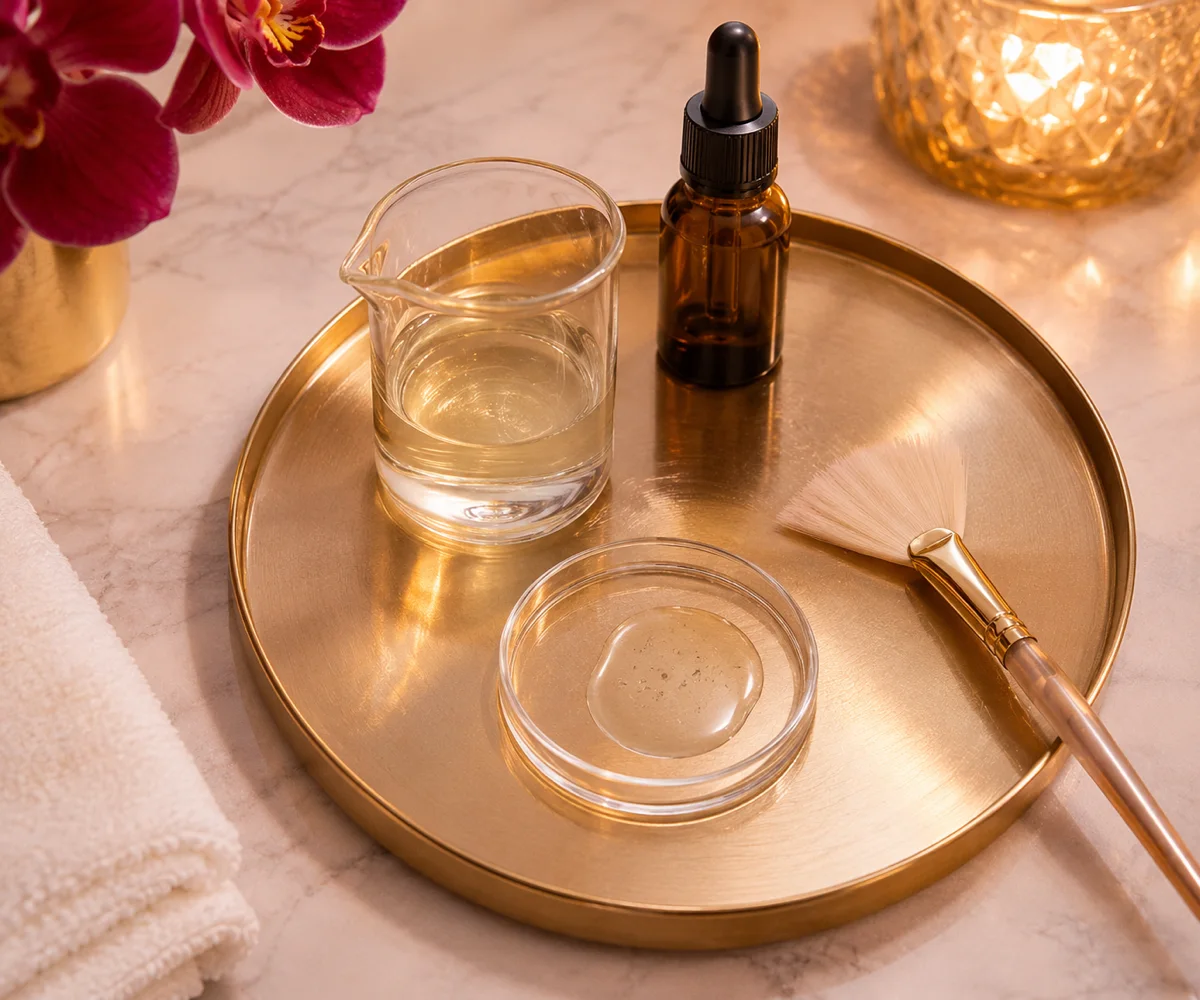
Golden tray with solution, fan brush and dropper bottle, on marble

Procedure

Chemical peel

Application, by the doctor, of a solution of acids at low concentration on the skin of the region, with the aim of renewing the superficial layers and evening out the shade. It is not applied to the mucosa. Studies of peels focus on other areas of the body and face, and we did not find quality controlled studies on the skin of the vulva. It does not treat the cause or correct an underlying disease.

May be considered when

the skin has been assessed and the darkening is benign, the cause has been treated (inflammation, friction, irritant products), the doctor has explained that the evidence is limited and that irritation can itself darken the skin, and the decision is yours.

Find out more

What the journey looks like

From the first consultation to the plan tailored to you

No treatment starts without an assessment consultation with the doctor. First we understand what it is, and only then, if it makes sense, are options considered.

  1. 01At the clinic

    Assessment consultation

    The doctor listens to since when the darkening has been there, whether it has changed, and asks about pregnancies, hormones, irritation, hair removal, products applied and diseases. You can come accompanied, if you prefer.

  2. 02At the clinic

    Examination of the skin

    The skin of the vulva and groin is examined, and of the rest of the body if there are dark, velvety folds. If a patch has features to watch, dermoscopy, a biopsy or an opinion from dermatology may be requested.

  3. 03Tests and at home

    Cause and care

    When indicated, tests are requested (for example, blood glucose and hormone profile). At home, friction is reduced, irritants and aggressive hair removal are avoided, and inflammation is treated, if present.

  4. 04Over time

    Reassessing and deciding

    The skin is reassessed after a while, with photographs for comparison. If the darkening is benign and bothers you, the doctor explains the options, including those that are not safe, and the decision is yours.

Day to day

What helps while you wait for the consultation

Simple care that protects the skin of the area and does not irritate it, alongside the plan the doctor sets out.

There is no right colour

A darker shade is, almost always, just your colour

It is frequent and expected for the skin of the vulva to be darker than that of other areas, and it is not a sign of poor hygiene or disease. The conversation with the doctor serves to confirm that all is well and, if there is discomfort about image, to think calmly about what makes sense for you.

Observing and photographing from time to time

It lets you see whether anything changes in colour, size or shape, and show it to the doctor.

In practice: in natural light, every 3 months (3 months apart), from the same distance, and keep the images to yourself, in a private place.

Treating the skin gently

The skin of the area is thin and reacts to friction and products.

In practice: wash only with water or a gentle, unperfumed product, and dry without rubbing.

Reduce friction

Tight, synthetic clothing, and repeated friction, keep the skin irritated.

In practice: prefer cotton underwear and garments that are not tight.

Looking at the whole body

Dark, velvety skin in the folds, tiredness, thirst, irregular cycles or weight gain may have a metabolic cause.

In practice: if you recognise these signs, say so at the consultation and ask for tests.

Dr Michelle Campagnoli, clinical director of Clínica Luxmed

Who will look after you

An assessment carried out by the doctor

At Luxmed, the first step is always an assessment consultation with Dr Michelle Campagnoli. She listens to what is going on, examines the skin, rules out what needs monitoring and designs the plan with you, in private and without hurry, coordinating with dermatology, endocrinology or other specialties when needed.

  • Physical examination and medical historyA conversation about since when and what has changed, examination of the skin, and tests or a biopsy when indicated.
  • A plan tailored to youFirst understanding what it is and treating the cause; additional options only if they are appropriate, with the evidence explained.
  • No obligationThe cost of any treatment is confirmed only after the assessment.
Book an assessment consultation

Book a consultation

Book your consultation

Choose how you prefer to get in touch. We will arrange the assessment consultation with Dr Michelle Campagnoli.

Booking through the website100€70€Assessment consultationExclusive price for those who book the assessment through the website. Outside the website, the price is 100 €.

New Life Miraflores, Algés · Office Center, R. Santa Teresa do Menino Jesus n.º 6, 9.º C, 1495-048

Your details are used only for this contact. Any treatment depends on a prior medical assessment.

Request an appointmentIt takes less than a minute.
Speciality
You do not need to go into detail. The doctor will talk to you during the consultation.
Request received. Our team will contact you as soon as possible.
Is darkening of the vulva normal?

In the great majority of cases, yes. The skin of the vulva is usually more pigmented than that of the neighbouring areas, and the difference in shade is a normal variation in colour, without disease. What deserves assessment is what is new or different: a patch that changes colour, size or shape, with relief, a sore, bleeding or persistent itching, or dark, velvety skin that appears suddenly.

Why is my vulva darker than before?

There are several possible reasons: hormones (as in pregnancy), repeated irritation or inflammation, friction, hair removal, products applied to the area or, rarely, a condition such as acanthosis nigricans. In many cases there is no single clear cause. If it darkened quickly, if there is velvety skin in the folds or if there are further changes, it is worth asking for an assessment.

Do hormones and pregnancy change the colour of the vulva?

They can. In pregnancy, the great majority of women have some localised darkening of the skin, and most of the normal skin changes in pregnancy improve after the birth. Some hormonal methods and other hormonal changes are also associated with changes in pigmentation. If the colour does not fade, or if it has changed asymmetrically, the doctor will assess it.

What is acanthosis nigricans?

It is a thick, velvety darkening of the skin of the folds (neck, armpits, groin) which, sometimes, reaches the genital area. The most frequent cause is insulin resistance linked to excess weight, but it is also associated with type 2 diabetes, hormonal conditions, certain medicines and, rarely, cancer. The skin usually lightens when the underlying cause is treated.

Does darkening after irritation or hair removal go away?

It can lighten gradually over months or longer, especially if the cause of the inflammation is treated and the skin stops being irritated. Post-inflammatory hyperpigmentation is more frequent and more persistent in darker skin. Avoiding friction and irritants is essential, and the doctor can propose further steps if it persists.

How do I know whether a patch on the vulva is serious?

It cannot be told just by looking, and so what matters is change: colour that varies, irregular edges, several colours, relief, a sore, bleeding or itching that does not go away deserve examination. Melanoma of the vulva is rare and appears mainly after the menopause, but the diagnosis tends to be late. The doctor may request dermoscopy, an opinion from dermatology or a biopsy.

Can I use creams to lighten the intimate area?

It is best to talk to a doctor first. Some “whitening” creams of unknown origin contain mercury, which the WHO considers dangerous, and others contain corticosteroids or hydroquinone without supervision. The skin of the vulva is thin and absorbs more than that of other areas, so products should not be applied on your own.

Does a chemical peel lighten the vulva?

There is no quality evidence for the skin of the vulva. Superficial peels are widely used in other areas, but in dark skin medium-depth ones call for caution and deep ones should be avoided, because of the risk of colour changes. At the clinic, only a superficial peel on the outer skin is considered, after assessing, treating the cause and explaining what is known and what is not known. It is not applied to the mucosa.

Do these treatments carry risks?

Yes. Peels can cause redness, burning, peeling and irritation, and irritation can in itself leave the skin darker or, more rarely, lighter. That is why they are only carried out on skin without inflammation, without infection, without undiagnosed lesions or pregnancy, and the doctor explains what to expect before deciding.

When should I book a consultation?

Book a consultation if the darkening is new, if it is changing, if it is only on one side, or if there is dark, velvety skin in the folds, or if the shade bothers you and you want to talk about the options. If there is a patch that bleeds, a sore that does not heal or itching that does not go away, do not wait. Outside opening hours, you can call SNS 24 (808 24 24 24). Call 112 only if there is heavy bleeding or sudden severe pain.

We could not find that question. Ask us on WhatsApp

Scientific references

This page is based on the sources below and was reviewed by Dr. Michelle Campagnoli. Last updated on .

  1. Murzaku EC, Penn LA, Hale CS, Pomeranz MK, Polsky D. Vulvar nevi, melanosis, and melanoma: an epidemiologic, clinical, and histopathologic review. Journal of the American Academy of Dermatology 71(6):1241-1249, 2014.
  2. NHS. Acanthosis nigricans. (NHS (Reino Unido), acedido 2026-11-11)
  3. Popa ML, Popa AC, Tanase C, Gheorghisan-Galateanu AA. Acanthosis nigricans: to be or not to be afraid. Oncology Letters 17(5):4133-4138, 2019.
  4. NHS. Vulval cancer: symptoms. (NHS (Reino Unido), acedido 2026-11-11)
  5. Cancer Research UK. Vulval melanoma. Cancer Research UK, 2025.
  6. Tyler KH. Physiological skin changes during pregnancy. Clinical Obstetrics and Gynecology 58(1):119-124, 2015.
  7. Schmutz JL. Modifications cutanées physiologiques de la grossesse. La Presse Médicale 32(38):1806-1808, 2003.
  8. Davis EC, Callender VD. Postinflammatory hyperpigmentation: a review of the epidemiology, clinical features, and treatment options in skin of color. Journal of Clinical and Aesthetic Dermatology 3(7):20-31, 2010.
  9. Lee SS, Burgener MM, Sayyed AA, et al. Noninvasive cosmetic treatments for Fitzpatrick IV-VI: a narrative review of safety and efficacy guidelines. Plastic and Reconstructive Surgery Global Open, 2026.
  10. Draelos ZD. Skin lightening preparations and the hydroquinone controversy. Dermatologic Therapy 20(5):308-313, 2007.
  11. Organização Mundial da Saúde (OMS). Mercury (Mercury and health). OMS, ficha informativa, 2025.
CallAssistantAvailableBook