
Algés, Oeiras Mon to Fri · 09:00 to 13:00 and 14:00 to 19:00 · Sat · 09:00 to 14:00
WhatsApp Book a consultation

Aesthetic gynaecology

Intimate burning that won't go awayWhen the vulva and the entrance to the vagina have been burning for weeks or months and no one finds an infection

Intimate burning that lasts for weeks or months, and is no longer that of a thrush or a passing irritation, is one of the most wearing and least well treated problems in the gynaecology consultation. Many women go through several treatments for infections that turn out not to have been there, are told that “the tests are normal” and are left without an answer. There is a list of causes worth investigating, one of them vulvodynia, a persistent vulvar pain with no identifiable cause, and each has a different path. Here we explain what is investigated, what helps first and what the clinic can propose, with honesty about how little the evidence says about regenerative treatments.

Reviewed by Dr Michelle Campagnoli, clinical director

  • 3 monthsof burning or pain in the vulva is the time from which persistent vulvar pain is considered
  • 1assessment consultation, always first
  • 70 €assessment booked through the website
A woman with braids and round glasses works at an office desk, sitting on a cushion

How to recognise it

Could it be persistent intimate burning?

It is not a diagnosis in itself: it is the description of a symptom that drags on. What helps the doctor most is knowing how long it has lasted, where it hurts, what makes it worse or relieves it, and what has already been treated without success.

Tick what you recognise0/7

Tick the signs you recognise in your case. This is not a diagnosis, it is only meant to give you an idea.

Do you have bleeding after the menopause or after sex, discharge of a different colour or smell, sores, blisters or a lesion that changes or does not heal, fever, blood in the urine, sudden and very severe pain, or are you unable to pass urine? Do not wait: you need prompt assessment. Outside opening hours, call SNS 24: 808 24 24 24.

A doctor in a white coat explains a model of the pelvis on the table to a patient in a green sweater
Photograph of a consultation. The dots mark what the doctor assesses; the image does not show the intimate area.

Why it happens

What to investigate in intimate burning that does not go away

Once a simple infection has been excluded, a short list of causes remains. None can be confirmed just by what you feel, and several may coexist. Choose one to see how it is told apart.

Vulvodynia

This is the name given to pain or burning in the vulva that lasts at least 3 months and for which no clear cause is found. It may affect the whole vulva or only the entrance to the vagina, may be constant or provoked by touch, and often there is nothing visible. In a population-based study in the United States, about 8% of women met criteria for vulvodynia, but only a small proportion had that diagnosis. It is not “psychological”: it is thought to result from several factors added together, which vary from woman to woman.

What makes it hard to catch

Hearing “there is nothing wrong” when the examination is normal, and ending up not asking for a second opinion.

What helps

An assessment that acknowledges the pain, with the doctor explaining the diagnosis and the plan. Treatment works on several fronts (skin, muscles, nerves, psychosexual support) and is adjusted over time.

Normal or to be assessed

Persistent burning or a sign to be assessed now

Most chronic burning is not dangerous, but there are signs that cannot wait. So it is worth knowing which side yours is on before trying yet another treatment.

  • How it shows. Burning or a scalding sensation in the vulva or at the entrance to the vagina, for weeks or months, with normal skin or only slightly red and with no discharge or sores.

  • When it happens. Constant, at the end of the day, when sitting, in tight clothing, after sex or with no trigger. It may fluctuate with the cycle.

  • What the clinic does. The doctor listens to the history, examines, takes samples, reviews the products and medication and looks for treatable causes before speaking of vulvodynia.

  • At home. Simplify the products, wear loose cotton clothing and keep a burning diary while you wait for the consultation.

Do you have sudden and very severe pain, a high fever, are you unable to pass urine or are you losing blood in quantity? Call 112 or go to the emergency department. If you have blood in the urine, unusual discharge, a lesion that changes or bleeding after sex or after the menopause, or if you have doubts, outside opening hours you can call SNS 24: 808 24 24 24.

Book an assessment consultation

What can help

Options for intimate burning that does not go away

Treatment depends on the cause. When it is the skin, the skin is treated; when it is a confirmed fungal infection, the fungus is treated, with a longer regimen if it is recurrent; when it is menopausal dryness, moisturisers, lubricants and prescribed low-dose vaginal oestrogen have the best evidence. In vulvodynia, the guidelines point to a tailor-made plan with several fronts: vulvar care, prescribed topical anaesthetic, pelvic floor physiotherapy, cognitive behavioural or psychosexual therapy and, when there is neuropathic pain, medicines prescribed by a specialist. The treatments below are additional options, only for when the burning is due to a thin, fragile mucosa and the other routes have been considered. They do not treat infections, skin diseases or vulvodynia, and the evidence for burning is limited.

Book an assessment consultation
Dr Michelle Campagnoli, clinical director of Clínica Luxmed

First step

Assessment consultation

The doctor listens to what you are experiencing, examines your case and explains the suitable options. No treatment begins without this consultation.

May be considered when

you want to understand the cause and decide on the best path, with time and without commitment.

Book an assessment consultation
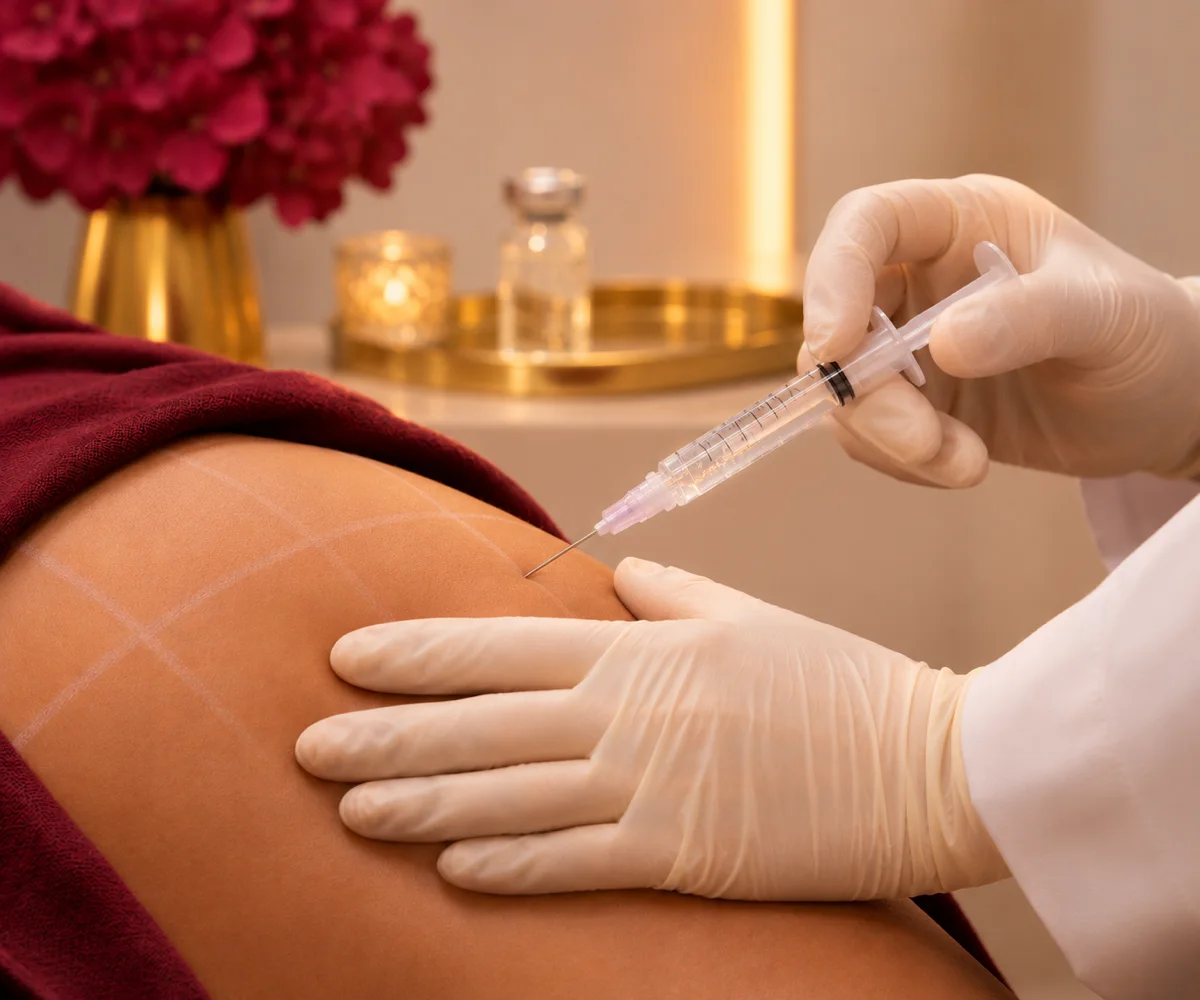
Hyaluronic acid: the doctor, wearing gloves, applying the filler to a marked area of the thigh covered by a towel

Hydration

Hyaluronic acid

Applied to the mucosa with the aim of hydrating it and restoring thickness and comfort. Studies in intimate problems are small and very different from one another, and there are no solid trials for persistent burning. It does not replace moisturisers or treatment of the cause.

May be considered when

the burning is due to a dry, thin mucosa, other causes have been excluded, the moisturisers and first-line local treatment have been tried and the doctor has explained what is known and what is not known.

Find out more
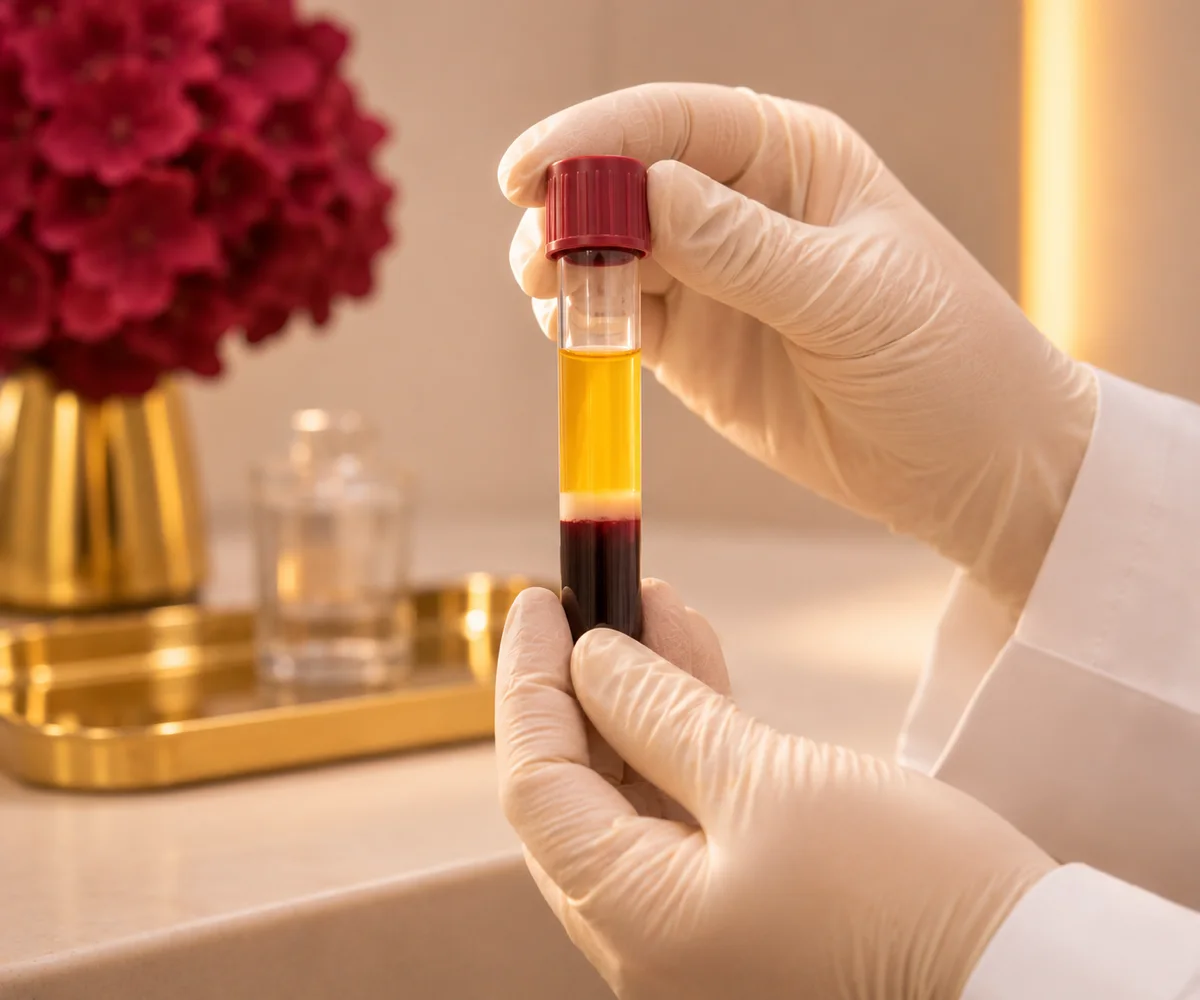
PRP: the doctor holding the tube after centrifugation, with the golden plasma separated from the blood

Regeneration

PRP (platelet-rich plasma)

Plasma obtained from your own blood and applied to the mucosa, with the aim of stimulating tissue regeneration. The evidence is limited and heterogeneous, with small studies, and there is no proof that it relieves persistent burning or vulvodynia.

May be considered when

the assessment pointed to a fragile mucosa, the first-line options have been tried and other alternatives have been considered, after the benefits, limits and risks have been explained to you.

Find out more

What the journey looks like

From the first consultation to the plan tailored to you

No treatment begins without an assessment consultation with the doctor. Most cases resolve, or improve, with simpler measures, and only then is anything more considered.

  1. 01At the clinic

    Assessment consultation

    The doctor listens to the burning with time and without hurry: where, since when, what makes it worse, what has already been treated and with what result. She asks about products, medication, hormones and sex.

  2. 02At the clinic

    Examination and targeted tests

    She examines the vulva, the vagina and the skin, does the cotton bud test to locate the pain, takes samples to exclude infection (a culture, if thrush keeps coming back) and assesses the tension of the pelvic floor. If the skin raises doubts, she may propose a biopsy.

  3. 03At home and with the team

    Simplify and treat the cause

    Everything that irritates is removed, the cause found is treated (confirmed infection, skin disease, hormonal dryness) and, where appropriate, pelvic floor physiotherapy or psychosexual therapy support is started.

  4. 04Over time

    Reassessing and deciding

    The diary is reviewed. If the burning continues with no clear cause, vulvodynia and the multi-front plan are discussed, with the doctor coordinating with dermatology, physiotherapy or pain medicine. Only then are additional treatments discussed, if they make sense.

Day to day

What helps while you wait for the consultation

Simple care that soothes the vulva and gives the doctor the information she needs, alongside whatever plan is indicated.

You are not imagining it

Pain with no visible cause is not an invented pain

Vulvodynia is common and rarely diagnosed, and a normal examination does not mean the pain does not exist. Seeking help is reasonable, and even when there is no simple cure, there are ways to reduce it and to get back to everyday life.

Keep a burning diary

It shows patterns that cannot be seen from memory and saves time at the consultation.

In practice: for 2 or 3 weeks, note the intensity (0 to 10), the time, what you were doing, the products used, sex and the day of the cycle.

Simplify hygiene and clothing

Fewer products and less friction give the skin of the vulva a chance to calm down.

In practice: wash only the outside, with warm water (or an unperfumed emollient), wear cotton underwear and avoid staying in tight or wet clothing.

Easing the moment of a flare-up

It can reduce the burning without applying any new product.

In practice: use a cool compress (never ice directly) wrapped in a cloth and avoid hot baths, which tend to make it worse.

Bring the history of treatments

It avoids repeating what has already been done and helps to see what is missing.

In practice: bring a list of the products and medicines you have already used, the dates and the results of any tests you already have.

Dr Michelle Campagnoli, clinical director of Clínica Luxmed

Who will look after you

An assessment carried out by the doctor

At Luxmed, the first step is always an assessment consultation with Dr Michelle Campagnoli. She listens to the history of the burning, reviews with you the products, medication and treatments already tried, examines the vulva and the vagina and requests the appropriate tests to understand the cause before proposing any treatment, in private and without hurry, coordinating with dermatology, pelvic physiotherapy or other specialities when needed.

  • Physical examination and medical historyClinical history, products and habits, cotton bud test, examination and targeted tests to get to the cause.
  • A plan tailored to youFirst the cause and simple measures; additional treatments only if appropriate, with the evidence explained.
  • No obligationThe cost of any treatment is confirmed only after the assessment.
Book an assessment consultation

Book a consultation

Book your consultation

Choose how you prefer to get in touch. We will arrange the assessment consultation with Dr Michelle Campagnoli.

Booking through the website100€70€Assessment consultationExclusive price for those who book the assessment through the website. Outside the website, the price is 100 €.

New Life Miraflores, Algés · Office Center, R. Santa Teresa do Menino Jesus n.º 6, 9.º C, 1495-048

Your details are used only for this contact. Any treatment depends on a prior medical assessment.

Request an appointmentIt takes less than a minute.
Speciality
You do not need to go into detail. The doctor will talk to you during the consultation.
Request received. Our team will contact you as soon as possible.
What can cause constant intimate burning when it is not an infection?

Once an infection has been excluded, the most common causes are skin diseases of the vulva (such as lichen sclerosus and dermatitis), hormonal changes that thin the mucosa, irritation from products and creams, tension of the pelvic floor muscles and vulvodynia, which is vulvar pain with no identifiable cause. They can coexist, which is why the assessment looks for all of them, and not just one.

What is vulvodynia?

It is pain or burning in the vulva, lasting at least 3 months and with no clear cause, which may affect the whole vulva or only the entrance to the vagina, and may be constant or provoked by touch. The diagnosis is made after the other causes have been excluded, and the skin may be perfectly normal. It is not imaginary pain and it is not contagious.

Are chronic vulvar burning and vulvodynia the same thing?

No. Chronic burning is the symptom, and vulvodynia is one of the possible diagnoses. Vulvodynia is only considered after causes with a specific treatment, such as infection, skin diseases and hormonal atrophy, have been looked for and excluded.

Why are the tests normal and I still have burning?

Because swabs and tests look for infection, and many causes of persistent burning do not show up there: skin, hormones, nerves and muscles. A normal result excludes an infection but does not explain the burning, which is why it is necessary to keep investigating rather than stop.

Could thrush that keeps coming back be the cause?

It could, but it is only confirmed by examination. Recurrent thrush is spoken of when there are three or more episodes a year, and a culture helps to identify the species. Treatment includes a longer initial regimen and, if necessary, maintenance therapy, which controls it but rarely cures it for good. In many cases of persistent burning, a fungus is only part of the picture, or is not there at all.

Can the menopause cause constant burning? And does vaginal oestrogen help?

It can. The fall in oestrogen thins the mucosa and causes burning, irritation and pain during sex. Moisturisers and lubricants are the first step, and low-dose vaginal oestrogen, prescribed by a doctor, is the treatment with the most evidence. If you have or have had breast cancer, speak to your oncologist first.

Which team treats vulvodynia and what does treatment include?

It is usually teamwork: gynaecology, pelvic floor physiotherapy, psychology or sex therapy and, sometimes, pain medicine or dermatology. It includes vulvar care, prescribed topical anaesthetic, relaxation exercises, cognitive behavioural or psychosexual therapy and, when the pain is of nerve origin, medicines prescribed by a specialist. No treatment works for everyone, and it is normal to keep adjusting.

Do laser, PRP or hyaluronic acid treat vulvodynia?

There is no proof that they do. We did not find vulvodynia trials with CO2 laser, PRP or hyaluronic acid, and the “tissue” therapies with the best results in a recent review were others, such as low-level laser and shock waves. In the clinic, these options are only discussed when the burning is due to a thin, fragile mucosa, and after other routes.

Do these treatments carry risks?

In studies, the most common effects are mild and temporary, such as discomfort, a sensation of heat or burning for a few days. Burns, scars, persistent pain and pain during sex have been reported more rarely, and the FDA warned of this in 2018. In a mucosa that is already painful, this risk weighs more, and so the decision is shared. They are not done with an active infection, unexplained bleeding, undiagnosed lesions or pregnancy.

When should I book a consultation and when should I not wait?

Book a consultation if the burning lasts more than a few weeks, if you have already had treatments that did not work or if you avoid sex and everyday activities because of it. Do not wait if you have bleeding after the menopause or after sex, unusual discharge, a lesion that changes or does not heal, sores, fever, blood in the urine or sudden, very severe pain. Outside opening hours, call SNS 24 (808 24 24 24). If you cannot pass urine, have a high fever or are losing blood in quantity, call 112.

We could not find that question. Ask us on WhatsApp

Scientific references

This page is based on the sources below and was reviewed by Dr. Michelle Campagnoli. Last updated on .

  1. American College of Obstetricians and Gynecologists (ACOG) Committee on Gynecologic Practice. Committee Opinion No. 673: Persistent Vulvar Pain. Obstetrics & Gynecology 128(3):e78-e84, 2016.
  2. NHS. Vulvodynia (vulval pain). (NHS (nhs.uk), acedido 2026-11-11)
  3. Bornstein J, Goldstein AT, Stockdale CK, et al. 2015 ISSVD, ISSWSH and IPPS consensus terminology and classification of persistent vulvar pain and vulvodynia. Obstetrics & Gynecology 127(4):745-751, 2016.
  4. Pukall CF, Goldstein AT, Bergeron S, et al. Vulvodynia: Definition, Prevalence, Impact, and Pathophysiological Factors. Journal of Sexual Medicine 13(3):291-304, 2016.
  5. Reed BD, Harlow SD, Sen A, et al. Prevalence and demographic characteristics of vulvodynia in a population-based sample. American Journal of Obstetrics and Gynecology 206(2):170.e1-9, 2012.
  6. Spinillo A, Dominoni M, Tiranini L, et al. Beyond the placebo effect: a systematic review and a network meta-analysis of treatment strategies for vulvodynia. BMC Women's Health 26:249, 2026.
  7. Workowski KA, Bachmann LH, Chan PA, et al. Sexually Transmitted Infections Treatment Guidelines, 2021 (capítulo Vulvovaginal Candidiasis). MMWR Recomm Rep 70(4):1-187 (CDC), 2021.
  8. Sobel JD, Wiesenfeld HC, Martens M, et al. Maintenance fluconazole therapy for recurrent vulvovaginal candidiasis. New England Journal of Medicine 351(9):876-883, 2004.
  9. NHS. Thrush in men and women. (NHS (nhs.uk), acedido 2026-11-11)
  10. O'Gorman SM, Torgerson RR. Allergic contact dermatitis of the vulva. Dermatitis 24(2):64-72, 2013.
  11. NHS. Lichen sclerosus. (NHS (nhs.uk), acedido 2026-11-11)
  12. Lewis FM, Tatnall FM, Velangi SS, et al. British Association of Dermatologists guidelines for the management of lichen sclerosus, 2018. British Journal of Dermatology 178(4):839-853, 2018.
  13. The NAMS 2020 GSM Position Statement Editorial Panel. The 2020 genitourinary syndrome of menopause position statement of The North American Menopause Society. Menopause 27(9):976-992, 2020.
  14. Lethaby A, Ayeleke RO, Roberts H. Local oestrogen for vaginal atrophy in postmenopausal women. Cochrane Database of Systematic Reviews 2016(8):CD001500, 2016.
  15. Li FG, Maheux-Lacroix S, Deans R, et al. Effect of fractional carbon dioxide laser vs sham treatment on symptom severity in women with postmenopausal vaginal symptoms: a randomized clinical trial. JAMA 326(14):1381-1389, 2021.
  16. Prodromidou A, Zacharakis D, Athanasiou S, et al. CO2 Laser versus Sham Control for the Management of Genitourinary Syndrome of Menopause: A Systematic Review and Meta-Analysis of Randomized Controlled Trials. Journal of Personalized Medicine 13(12):1694, 2023.
  17. Medsafe (Nova Zelândia), a retransmitir o alerta da U.S. FDA. Safety Information: energy-based devices used for vaginal 'rejuvenation' or vaginal cosmetic procedures (relays the USFDA safety communication of July 2018). Medsafe, New Zealand Medicines and Medical Devices Safety Authority, 2018.
CallAssistantAvailableBook