Algés, Oeiras Mon to Sat · 09:00 to 13:00 and 14:00 to 19:00
WhatsApp Book a consultation

Aesthetic gynaecology

Pain during sex from drynessWhen penetration hurts because the mucosa is dry and fragile

Pain during sex, which doctors call dyspareunia, has several causes, and dryness is one of the most common, especially after childbirth, during breastfeeding and in the menopause. When it is dryness, the pain is felt mainly at the entrance to the vagina, and there is almost always something that can be done, from lubricant to medical treatment. Here we explain how to tell this type of pain from others, what usually helps and how to talk about it, without promising what the evidence does not promise.

Reviewed by Dr Michelle Campagnoli, clinical director

  • 5steps, from the simplest to medical treatment
  • 1assessment consultation, always first
  • 70 €assessment booked through the website
Fotografia · dor-nas-relacoes-por-secura-hero800 × 1000 px · vertical 4:5Mulher de uns 40 anos, cabelo escuro apanhado, camisola de malha clara, sentada num sofá com uma chávena nas mãos e um olhar calmo e confiante, em ambiente doméstico de luz suave; fotografia de retrato, sem nudez nem qualquer zona íntima visível

How to recognise it

Could it be pain from dryness?

Pain from dryness has its own pattern, but it is not the only cause of pain during sex. It is worth noticing where it hurts, when it began and whether there are other symptoms.

Tick what you recognise0/7

Tick the signs you recognise in your case. This is not a diagnosis, it is only meant to give you an idea.

Deep pain, severe period pain or pelvic pain outside of sex, bleeding after sex or after the menopause, foul-smelling discharge, and sores or white patches on the vulva call for medical assessment, and should not be treated with lubricant alone. Out of hours, call SNS 24: 808 24 24 24.

Fotografia · dor-nas-relacoes-por-secura-consulta1083 × 1300 px · vertical 5:6Médica de bata branca sentada de frente para uma paciente de uns 45 anos, numa sala de consulta com luz natural, com um bloco de notas e um modelo anatómico da pelve em cima da secretária; ambiente calmo e reservado, sem qualquer imagem da zona íntima
Frame for a photograph of a consultation. The dots mark what is assessed at the consultation; the image does not show the intimate area.

Why it happens

What lies behind pain from dryness

Dryness hurts in two ways: friction and the fragility of the mucosa. Then, fear of pain can keep the problem going. Choose a situation to see how it applies.

The fall in oestrogen

When oestrogen falls, the mucosa at the entrance to the vagina becomes thinner, less elastic and less lubricated, and the entrance may become more sensitive and even narrower. The friction of penetration irritates it and can open small fissures. It is the most common cause of pain from dryness after the age of 45.

What weighs on it

Carrying on with sex without lubrication and with pain: it reinforces the fear and increases the fissures.

What helps

Lubricant at every sexual encounter and, if it is not enough, local treatment assessed by the doctor.
Normal or to be assessed

Pain at the entrance or deep pain

Where it hurts is one of the most useful clues. Pain at the entrance points more to dryness and the skin of the vulva, deep pain to internal causes. Often there is more than one cause at the same time.

  • How it feels. Burning or a “cutting” sensation at the start of penetration, sometimes only when touching the entrance or inserting a tampon, and it can last for hours afterwards.

  • When it happens. After childbirth, during breastfeeding, in the menopause or with treatments that lower hormones, and it gets worse with little lubrication.

  • What the clinic does. The doctor listens to the description of the pain, examines the vulva, locates the pain with a gentle touch and confirms the most likely cause.

  • At home. Generous lubricant, more time before penetration, stopping when it hurts and avoiding irritants, while waiting for the consultation.

Sudden severe pelvic pain, high fever with pelvic pain or heavy bleeding? Do not wait: call 112. For questions, SNS 24 answers on 808 24 24 24.

Book an assessment consultation

What can help

From lubricant to medical treatment

The path is taken in stages. It starts with lubricant, more time for arousal and, if the dryness is felt outside of sex, a vaginal moisturiser. When that is not enough, the doctor may propose low-dose vaginal oestrogen, vaginal prasterone (DHEA) or ospemifene as a tablet, all on prescription. Pelvic floor physiotherapy treats the muscular component and, in selected cases, a local anaesthetic at the entrance before sex. The options below come after these steps, are assessed case by case and have more limited evidence.

Book an assessment consultation
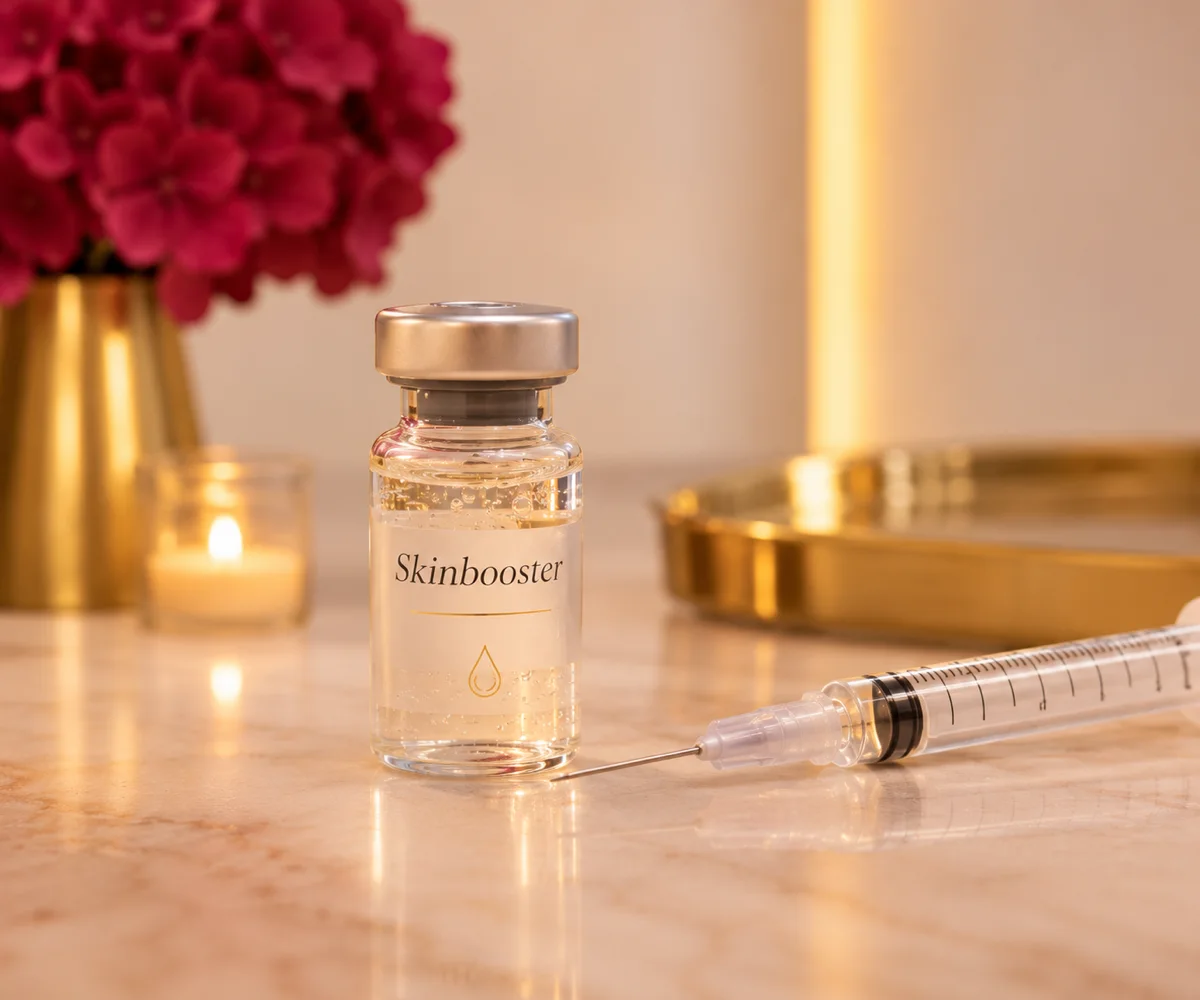
Bottle and syringe on a marble worktop, in warm light

Hydration

Hyaluronic acid (skinbooster)

Injections that aim to improve hydration and elasticity of the mucosa at the entrance. There are few controlled studies on pain during sex and the evidence is limited.

May be considered when

the previous steps have not resolved the pain and the doctor considers this option appropriate, after ruling out other causes.

Find out more
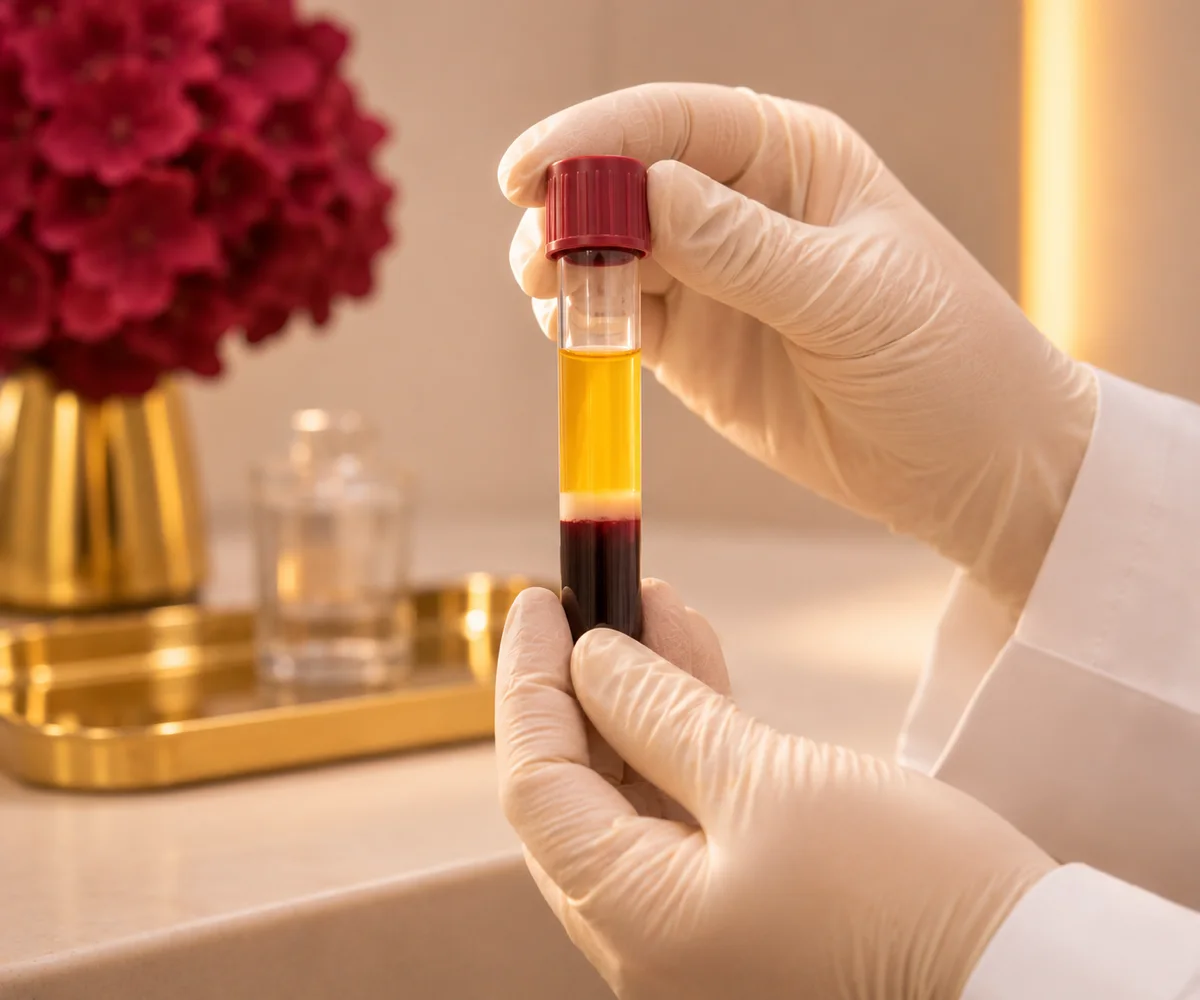
The doctor holding the tube after centrifugation, with the golden plasma separated from the blood

Regeneration

PRP (platelet-rich plasma)

Plasma obtained from your own blood and applied to the area, with the aim of promoting tissue regeneration. The evidence for pain during sex is limited, and it does not treat pain caused by muscle tension.

May be considered when

the cause is fragility of the mucosa, the doctor has already ruled out other causes and has explained what is known and what is not known.

Find out more
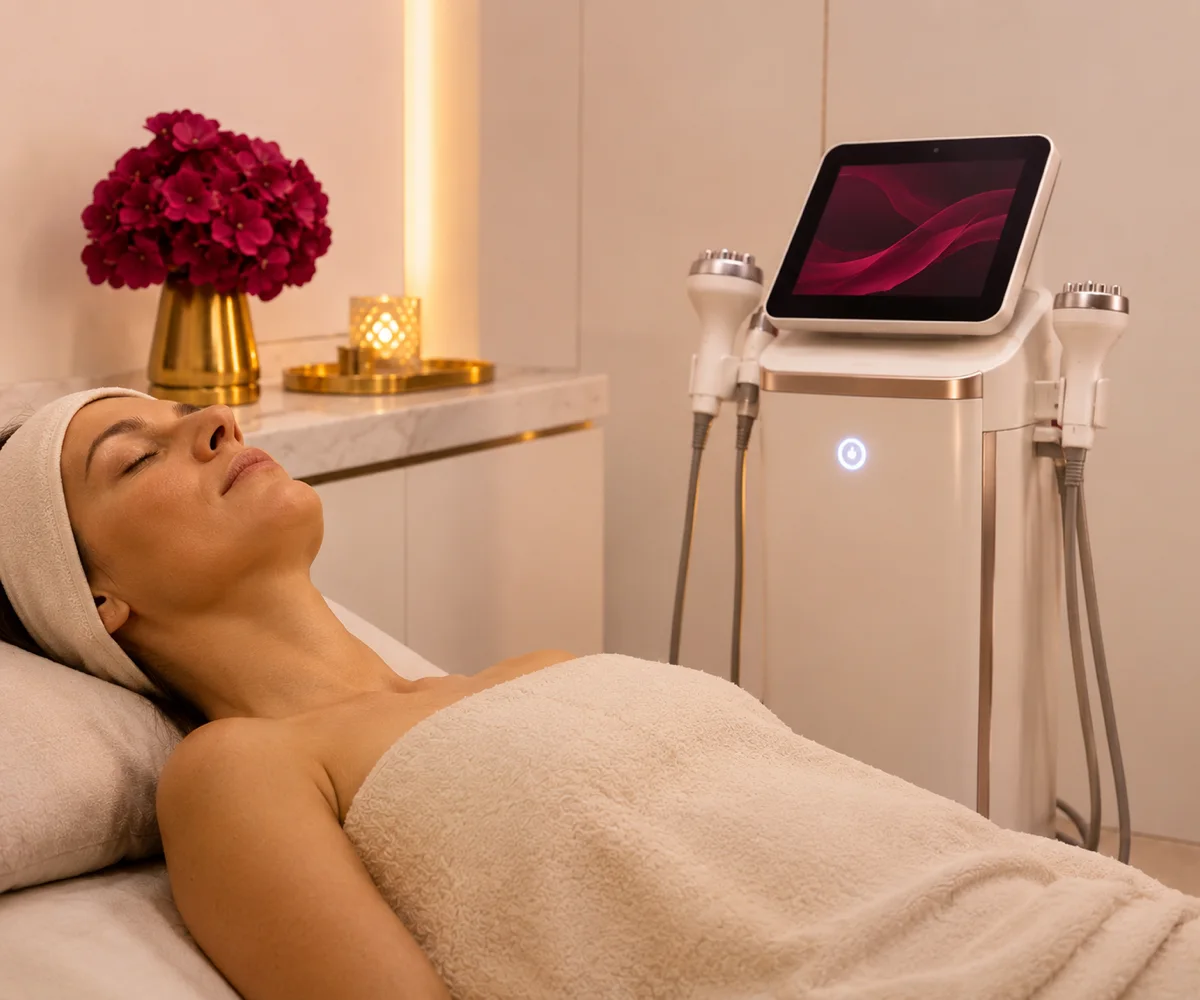
Private treatment room, with the device on an elegant trolley and a patient resting covered with a towel

Technology

Sectum, Neauvia radiofrequency (NRose Protocol)

Low-intensity radiofrequency energy, which aims to stimulate collagen and improve tissue quality. It does not replace first-line care and the evidence for pain during sex is still limited.

May be considered when

the doctor has explained what radiofrequency can and cannot do, and the informed decision is yours.

Find out more
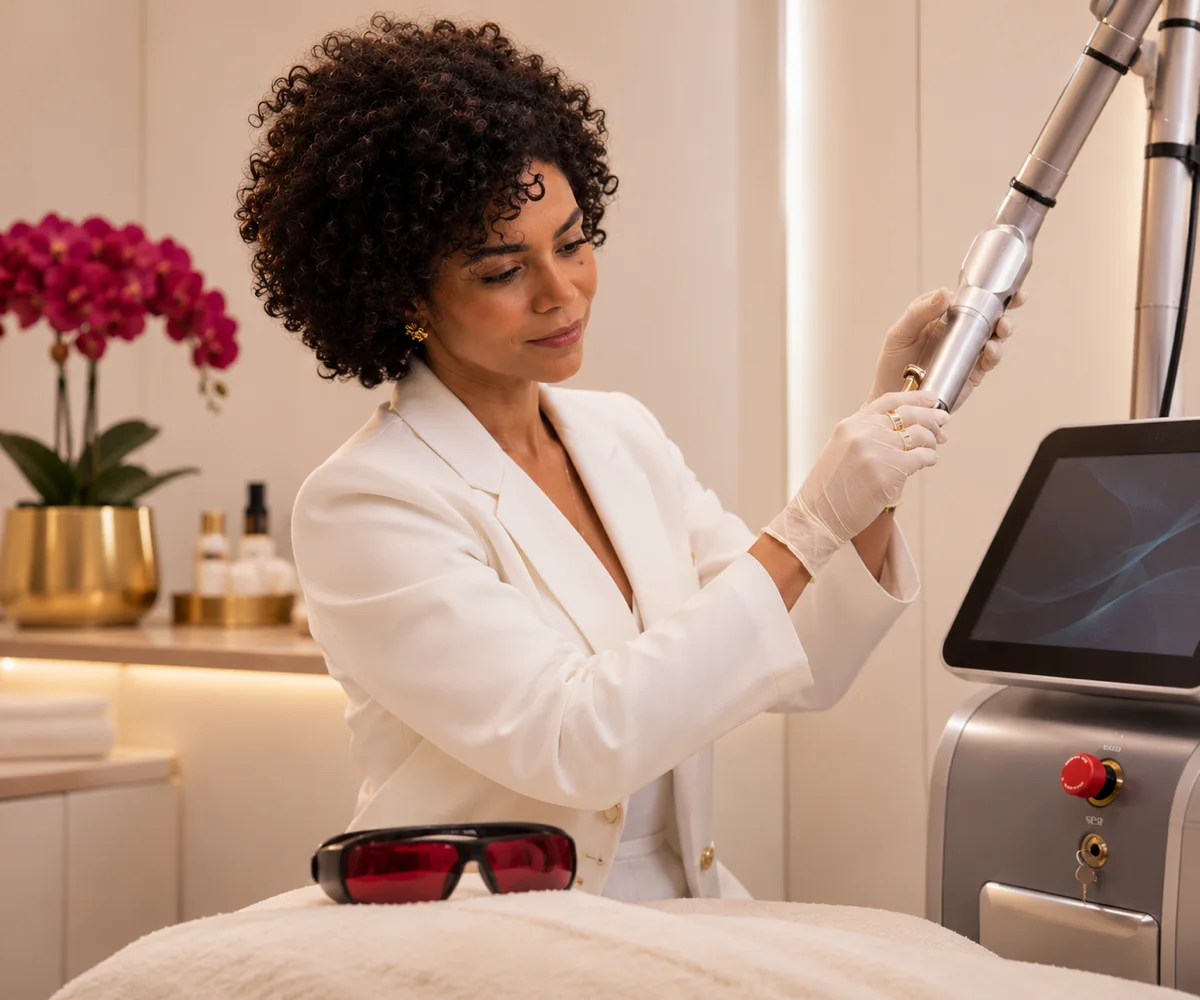
The doctor preparing the laser device, with the protective glasses in the foreground

Technology

Fractional CO2 laser

Laser applied to the vaginal mucosa. A rigorous trial against sham treatment showed no difference in symptoms at 12 months and in 2018 the FDA warned about the risks of these devices, including pain during sex.

May be considered when

the care with the most evidence has already been tried and the doctor has explained the risks to you, including the FDA warning, before deciding with you.

Find out more

And what does the evidence say? For pain from dryness, what has the most evidence is lubricants, moisturisers and local hormonal treatments, and there are trials with prasterone and ospemifene. A 12-week trial found similar improvement with vaginal oestrogen, moisturiser and a sham gel, which shows that regular hydration already helps and that the effect of the care itself counts. For laser and radiofrequency, the results are contradictory and in 2018 the FDA warned that these devices are not approved to treat menopause symptoms and that they can cause burns, scarring and pain during sex. If the pain comes from muscle tension, endometriosis or a skin condition, none of these treatments is the answer: the doctor explains this to you first.

What the journey looks like

From describing the pain to a step-by-step plan

No treatment starts without an assessment consultation with the doctor. This is how it works.

  1. 01At the clinic

    Assessment consultation

    The doctor asks where it hurts, how, since when and in which situations, and listens with time and without judgement. You can come alone or accompanied.

  2. 02At the clinic

    Examination at your pace

    The vulva is observed and the pain is located with a gentle touch. The examination is explained step by step, you can stop whenever you wish and it can be done in stages or at another consultation.

  3. 03At the clinic and at home

    A plan tailored to you

    It starts with lubricant and basic care. If the cause is something else, the doctor coordinates with gynaecology, dermatology, pelvic physiotherapy or sexology.

  4. 04Over time

    Follow-up

    Lubricant works straight away, moisturiser and local treatment need a few weeks and the full effect may take 2 to 3 months. The plan is reviewed as things progress.

Day to day

What helps during sex

Simple measures to make intimacy hurt less, alongside the treatment the doctor recommends.

The pain is not “psychological”

The pain is real, and has a cause and a treatment

Many women stay silent about the pain out of embarrassment, guilt or fear of hurting their partner, and many are told it is “just age” or “psychological”. Anxiety can keep the pain going, but it is rarely the only cause. Saying what you feel, to whoever listens and to whoever treats you, is the first step.

Lubricant at every sexual encounter

It reduces friction, which is the main source of pain from dryness.

In practice: apply at the entrance to the vagina and on your partner and reapply if needed. Silicone-based ones last longer; water-based ones are compatible with all condoms and toys.

More time before penetration

Arousal increases natural lubrication and relaxes the entrance.

In practice: leave penetration until after the caresses, without hurry and without a set goal.

Positions you control

Controlling depth and rhythm reduces pain and fear.

In practice: try being on top or lying on your side, and adjust to what is most comfortable.

Stopping when it hurts

Carrying on with pain reinforces the pain cycle and can cause fissures.

In practice: agree a signal with your partner to stop, and move to other forms of intimacy.

Dr Michelle Campagnoli, clinical director of Clínica Luxmed

Who will look after you

An assessment carried out by the doctor

At Luxmed, the first step is always an assessment consultation with Dr Michelle Campagnoli. She listens to the description of the pain, examines the vulva at your pace, looks for the cause or causes, including dryness, fragility of the mucosa and muscle tension, and designs the plan with you, in private and without rushing. When the cause requires it, she coordinates with gynaecology, pelvic floor physiotherapy, sexology or dermatology.

  • Physical examination and medical historyDescription of the pain, medical history and examination at your pace, with each step explained.
  • A plan tailored to youSimple steps and treatments with trials first; additional options only if appropriate.
  • No obligationThe cost of any treatment is confirmed only after the assessment.
Book an assessment consultation

Book a consultation

Book your consultation

Choose how you prefer to get in touch. We will arrange the assessment consultation with Dr Michelle Campagnoli.

Booking through the website100€70€Assessment consultationExclusive price for those who book the assessment through the website. Outside the website, the price is 100 €.

New Life Miraflores, Algés · Office Center, R. Santa Teresa do Menino Jesus n.º 6, 9.º C, 1495-048

Your details are used only for this contact. Any treatment depends on a prior medical assessment.

Request an appointmentIt takes less than a minute.
Speciality
You do not need to go into detail. The doctor will talk to you during the consultation.
Request received. Our team will contact you as soon as possible.
Why does sex hurt and what is dyspareunia?

Dyspareunia is the medical name for persistent or recurrent pain during sexual intercourse. It is more common than people think: in a large survey in the United Kingdom, about 7.5% of sexually active women reported pain during sex lasting at least three months in the past year. There are many causes, from dryness to muscle tension, including infections, skin conditions of the vulva or endometriosis. Where it hurts and since when are the most useful clues to reach the cause.

Is it normal to have pain during sex in the menopause or after childbirth?

It is common, but it does not have to be accepted. In the menopause, the fall in oestrogen makes the mucosa thinner and drier. After childbirth and during breastfeeding, oestrogen is also low and the pain usually improves as breastfeeding decreases. If the pain is severe, persists or is in a scar, it should be assessed.

How do I know whether the pain is from dryness or another cause?

Pain from dryness is felt mainly at the entrance to the vagina, at the start of penetration, often with burning and little lubrication. Pain deep inside, with certain positions, or associated with severe period pain, pelvic pain or urinary and bowel symptoms, points to other causes, such as endometriosis. But there may be more than one cause, and only an examination can clarify it.

Is lubricant enough to end the pain?

In many women with mild dryness, it helps a great deal and works straight away. If the mucosa is thin or there is muscle tension, other steps may be needed. Silicone lubricants last longer; water-based ones are compatible with all condoms and toys, but dry out faster. If a product irritates, change it.

What if lubricant and moisturiser are not enough?

The doctor can propose a local treatment, such as low-dose vaginal oestrogen, vaginal prasterone (DHEA) or, as a tablet, ospemifene, all on prescription. These options have had trials with favourable results for pain during sex, and ospemifene has contraindications that need assessing. After breast cancer, the choice is made with the oncology team.

Do pelvic floor physiotherapy and dilators help?

When the pain has left a protective muscle contraction, they help: they teach you to relax the muscles, reduce sensitivity at the entrance and regain confidence in penetration. Studies in women after the menopause are still small. Difficulty with penetration from involuntary contraction, formerly called vaginismus, can also be treated, with physiotherapy, dilators and sex therapy.

Do laser or radiofrequency resolve pain during sex?

There is not enough evidence. Some studies show improvement, but a rigorous sham-controlled trial found no difference after 12 months and, in 2018, the FDA warned that these devices are not approved to treat menopause symptoms and may cause burns, scarring and pain during sex. The clinic has radiofrequency, but does not present it as a solution: it explains what is known and what is not known, and proposes it only after the care with the most evidence.

How do I talk about this with my partner?

At a calm moment, outside the bedroom, and as a physical problem with a treatment, which has nothing to do with them or with what you feel. Speak in the first person, say what you need, for example that they stop at once when you ask, and suggest other ways of being together while the treatment takes effect. A partner's support is associated with less pain, and pushing on or withdrawing with more pain. If they do not respect your “stop”, that is a serious problem.

Can I have sex while I am being treated?

You do not need to avoid intimacy. You can keep up touch and closeness without penetration, and resume it gradually, with lubricant and without pain, as the treatment takes effect. If it hurts, stop: carrying on with pain reinforces the cycle and can cause fissures.

When should I book a consultation?

If the pain recurs, if it does not improve with lubricant and moisturiser, if it is deep, if it began after childbirth, surgery, an infection or the menopause, or if you already avoid sex because of it. Bleeding after sex, discharge, sores or patches on the vulva, severe period pain and pelvic pain outside of sex call for assessment without delay. Out of hours, call SNS 24 (808 24 24 24) and, in the case of sudden severe pelvic pain, high fever or heavy bleeding, 112.

We could not find that question. Ask us on WhatsApp

Scientific references

This page is based on the sources below and was reviewed by Dr. Michelle Campagnoli. Last updated on .

  1. The NAMS 2020 GSM Position Statement Editorial Panel. The 2020 genitourinary syndrome of menopause position statement of The North American Menopause Society. Menopause 27(9):976-992, 2020.
  2. Lethaby A, Ayeleke RO, Roberts H. Local oestrogen for vaginal atrophy in postmenopausal women. Cochrane Database of Systematic Reviews 2016(8):CD001500, 2016.
  3. Mitchell CM, Reed SD, Diem S, et al. Efficacy of vaginal estradiol or vaginal moisturizer vs placebo for treating postmenopausal vulvovaginal symptoms: a randomized clinical trial. JAMA Internal Medicine 178(5):681-690, 2018.
  4. Labrie F, Archer DF, Koltun W, et al. Efficacy of intravaginal dehydroepiandrosterone (DHEA) on moderate to severe dyspareunia and vaginal dryness, symptoms of vulvovaginal atrophy, and of the genitourinary syndrome of menopause. Menopause 23(3):243-256, 2016.
  5. Portman DJ, Bachmann GA, Simon JA; Ospemifene Study Group. Ospemifene, a novel selective estrogen receptor modulator for treating dyspareunia associated with postmenopausal vulvar and vaginal atrophy. Menopause 20(6):623-630, 2013.
  6. Faubion SS, Larkin LC, Stuenkel CA, et al. Management of genitourinary syndrome of menopause in women with or at high risk for breast cancer: consensus recommendations from The North American Menopause Society and The International Society for the Study of Women's Sexual Health. Menopause 25(6):596-608, 2018.
  7. Goetsch MF, Lim JY, Caughey AB. A practical solution for dyspareunia in breast cancer survivors: a randomized controlled trial. Journal of Clinical Oncology 33(30):3394-3400, 2015.
  8. Mercier J, Morin M, Zaki D, et al. Pelvic floor muscle training as a treatment for genitourinary syndrome of menopause: a single-arm feasibility study. Maturitas 125:57-62, 2019.
  9. Mitchell KR, Geary R, Graham CA, et al. Painful sex (dyspareunia) in women: prevalence and associated factors in a British population probability survey. BJOG 124(11):1689-1697, 2017.
  10. American College of Obstetricians and Gynecologists. Female sexual dysfunction: ACOG Practice Bulletin No. 213. Obstetrics & Gynecology 134(1):e1-e18, 2019.
  11. Bornstein J, Goldstein AT, Stockdale CK, et al. 2015 ISSVD, ISSWSH, and IPPS consensus terminology and classification of persistent vulvar pain and vulvodynia. Obstetrics & Gynecology 127(4):745-751, 2016.
  12. Becker CM, Bokor A, Heikinheimo O, et al. ESHRE guideline: endometriosis. Human Reproduction Open 2022(2):hoac009, 2022.
  13. Lewis FM, Tatnall FM, Velangi SS, et al. British Association of Dermatologists guidelines for the management of lichen sclerosus, 2018. British Journal of Dermatology 178(4):839-853, 2018.
  14. Workowski KA, Bachmann LH, Chan PA, et al. Sexually transmitted infections treatment guidelines, 2021. MMWR Recommendations and Reports 70(4):1-187, 2021.
  15. Rosen NO, Bergeron S, Glowacka M, et al. Harmful or helpful: perceived solicitous and facilitative partner responses are differentially associated with pain and sexual satisfaction in women with provoked vestibulodynia. Journal of Sexual Medicine 9(9):2351-2360, 2012.
  16. Bergeron S, Vaillancourt-Morel MP, Corsini-Munt S, et al. Cognitive-behavioral couple therapy versus lidocaine for provoked vestibulodynia: a randomized clinical trial. Journal of Consulting and Clinical Psychology 89(4):316-326, 2021.
  17. Kingsberg SA, Wysocki S, Magnus L, Krychman ML. Vulvar and vaginal atrophy in postmenopausal women: findings from the REVIVE survey. Journal of Sexual Medicine 10(7):1790-1799, 2013.
  18. Li FG, Maheux-Lacroix S, Deans R, et al. Effect of fractional carbon dioxide laser vs sham treatment on symptom severity in women with postmenopausal vaginal symptoms: a randomized clinical trial. JAMA 326(14):1381-1389, 2021.
  19. Prodromidou A, Zacharakis D, Athanasiou S, et al. CO2 Laser versus Sham Control for the Management of Genitourinary Syndrome of Menopause: A Systematic Review and Meta-Analysis of Randomized Controlled Trials. Journal of Personalized Medicine 13(12):1694, 2023.
  20. Medsafe (Nova Zelândia), a retransmitir o alerta da U.S. FDA. Safety Information: energy-based devices used for vaginal 'rejuvenation' or vaginal cosmetic procedures (relays the USFDA safety communication of July 2018). Medsafe, New Zealand Medicines and Medical Devices Safety Authority, 2018.
  21. NHS. Vaginismus. (NHS (nhs.uk), acedido 2026-11-11)
  22. NHS. Vulvodynia (vulval pain). (NHS (nhs.uk), acedido 2026-11-11)
  23. NHS. Vaginal dryness. (NHS (nhs.uk), acedido 2026-11-11)
CallAssistantAvailableBook