Algés, Oeiras Mon to Fri · 09:00 to 13:00 and 14:00 to 19:00 · Sat · 09:00 to 14:00
WhatsApp Book a consultation

Aesthetic gynaecology

Intimate fissuresSmall cuts on the vulva or at the entrance of the vagina that hurt, burn or keep coming back

“Intimate fissures” is how many women describe small cuts or fine tears in the skin and mucosa of the vulva, at the entrance of the vagina or at the junction of the lips, behind the entrance (the posterior fourchette). They hurt to the touch, burn with urine or sweat and hurt during sex. A single fissure, after friction, usually heals on its own. Those that come back, or that do not heal, almost always have a cause still to be found: dry, thin skin, a skin condition such as lichen sclerosus, an infection or repeated friction. Here we explain how to tell them apart, what is assessed and what helps, with treatment of the cause first, and what the clinic can offer, with honesty about the evidence.

Reviewed by Dr Michelle Campagnoli, clinical director

  • Several causespossible behind fissures that come back, from dryness to skin disease
  • 1assessment consultation, always first
  • 70 €assessment booked through the website
A woman in a colourful headscarf touches a piece of cotton cloth at a textile stall in a market

How to recognise it

Could they be intimate fissures?

A fissure can be seen and felt, but what helps most in understanding the cause is the pattern: where it appears, when, how often and whether there is any other change in the surrounding skin.

Tick what you recognise0/7

Tick the signs you recognise in your case. This is not a diagnosis, it is only meant to give you an idea.

Do you have bleeding after the menopause or repeated bleeding after sex, a wound or ulcer that does not heal in 2 to 3 weeks, a spot or lump on the vulva that changes, blisters or painful sores, abnormal discharge, sudden or persistent pain, fever, blood in the urine or difficulty passing urine? You need a prompt assessment and should not wait. Out of hours, call SNS 24: 808 24 24 24.

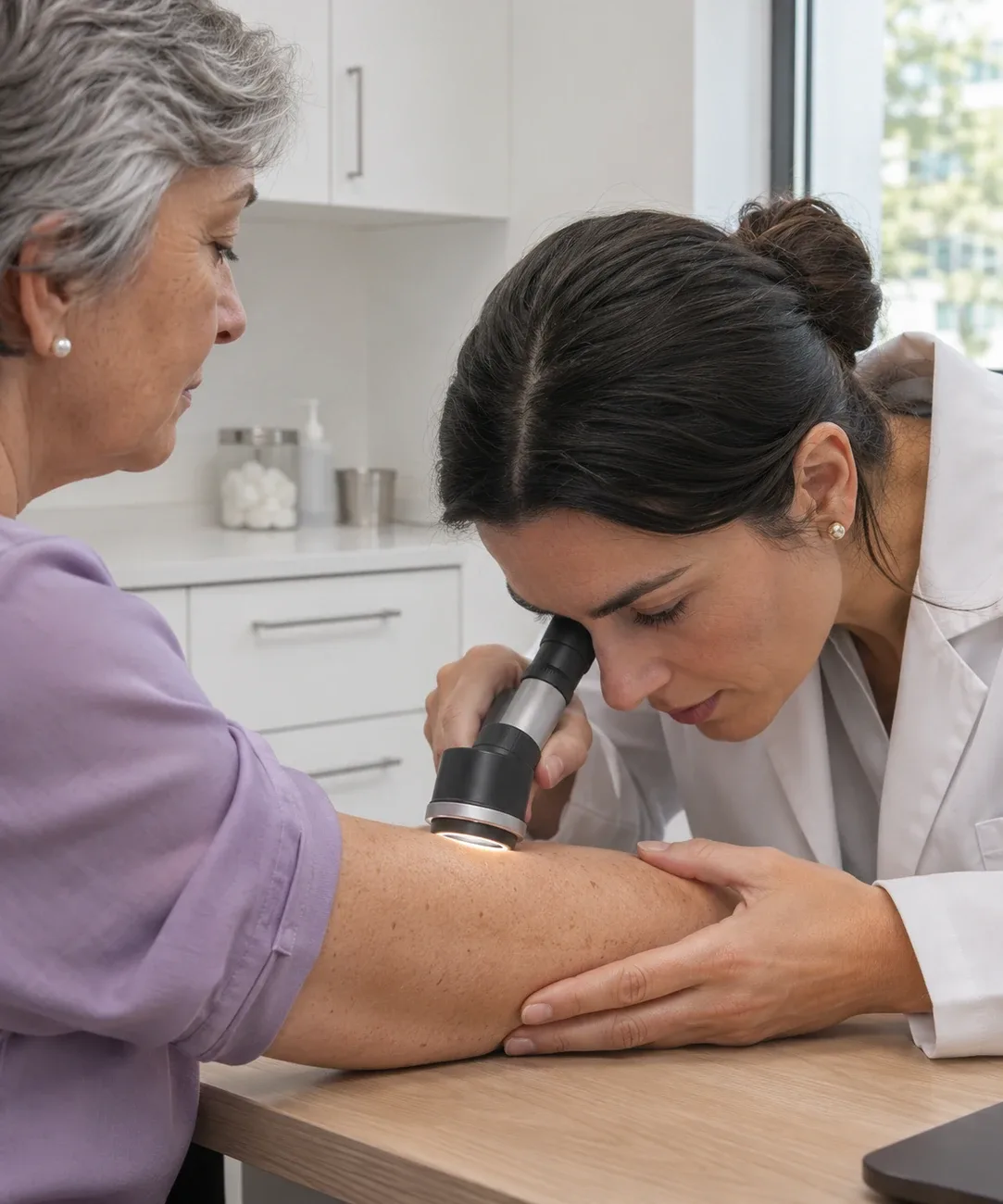
Female dermatologist examining a patient's forearm with a dermatoscope, both seated at a table; patient in a lilac sweater
Photograph of a consultation. The dots mark what the doctor assesses; the image does not show the intimate area.

Why it happens

What may be behind intimate fissures

A fissure is a sign, not a diagnosis: the skin or mucosa tore because it was thin, dry, inflamed or subject to too much friction. Choose a cause to see how it is recognised.

Dryness and thin mucosa

Oestrogen keeps the mucosa thick, elastic and well hydrated. When it falls, at the menopause, after childbirth during breastfeeding or with some cancer treatments, the skin at the entrance of the vagina becomes thinner and drier and tears with friction that would once have gone unnoticed. The fissures appear mainly at the entrance and during sex.

What weighs on it

Waiting for it to “pass” and continuing to have sex without enough lubrication.

What helps

Moisturiser and lubricant, and assessment of local treatment with low-dose oestrogen, prescribed by a doctor.

Normal or to be assessed

Occasional fissure or fissures that call for assessment

A fissure after friction is common and often heals in a few days with simple care. What changes the decision is the pattern: whether it comes back, whether it does not heal and what is present around it.

  • What it looks like. A fine, small cut that appeared after friction, sex or hair removal, with no changes in the surrounding skin.

  • When it happens. In isolation, and the skin returns to normal in a few days, without leaving marks or recurring in the same place.

  • What the clinic does. If you wish, the doctor examines you, confirms there is no other cause and guides care while it heals.

  • At home. Hygiene with water only, a barrier on the outside, cotton clothing, lubrication during sex and a break to let the skin heal.

Do you have a high fever with intense pain in the area, cannot pass urine or have a wound that is growing fast? Call 112 or go to the emergency department. If you have blisters or painful sores, abnormal discharge or doubts, out of hours you can call SNS 24: 808 24 24 24.

Book an assessment consultation

What can help

Options for intimate fissures

The treatment is that of the cause, and that comes first. In lichen sclerosus it is a locally applied corticosteroid, prescribed by a doctor. In an infection, the confirmed infection is treated. When the cause is dryness, moisturisers and lubricants are the first line, and low-dose vaginal oestrogen, on prescription (and with your oncologist, if you have had breast cancer), has the best evidence. For chronic fissures of the posterior fourchette there is also physiotherapy and, in selected cases, surgery, which are discussed with a specialist. The treatments below are additional options, assessed case by case and only after other causes have been excluded, without promising results, and with limited evidence for fissures.

Book an assessment consultation
Dr Michelle Campagnoli, clinical director of Clínica Luxmed

First step

Assessment consultation

The doctor listens to what you are experiencing, examines your case and explains the suitable options. No treatment begins without this consultation.

May be considered when

you want to understand the cause and decide on the best path, with time and without commitment.

Book an assessment consultation
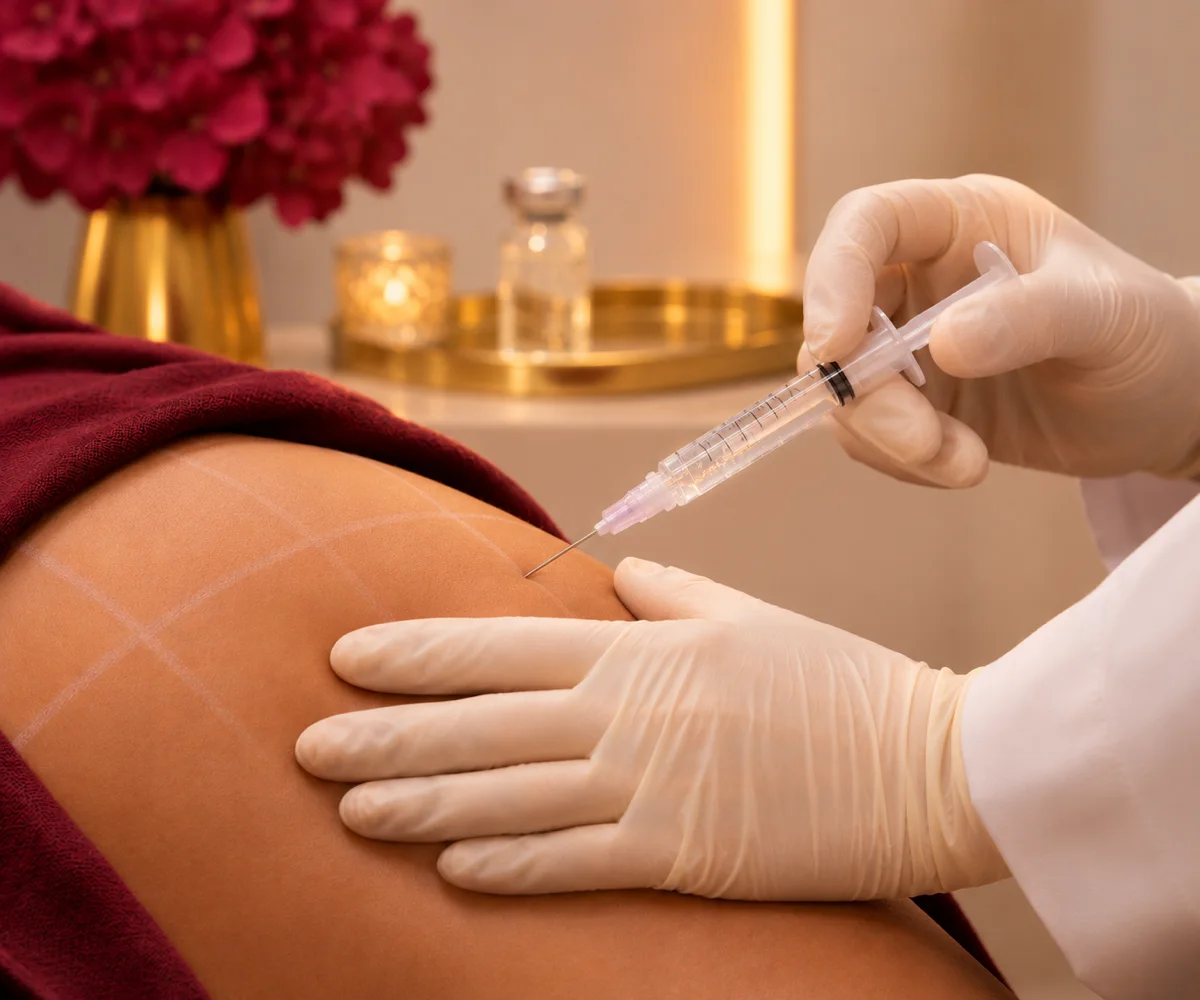
Hyaluronic acid: the doctor, wearing gloves, applying the filler to a marked area of the thigh covered by a towel

Hydration

Hyaluronic acid

It aims to hydrate and give elasticity to the mucosa and skin of the entrance, so that they tear less. Studies mainly assess hyaluronic acid as a gel or vaginal ovule, in dryness and atrophy, and they are few and different from one another. For fissures, the evidence is indirect.

May be considered when

the fissure appears on a thin, dry mucosa, other causes have been excluded, first-line care has not been enough and the doctor considers this option appropriate.

Find out more
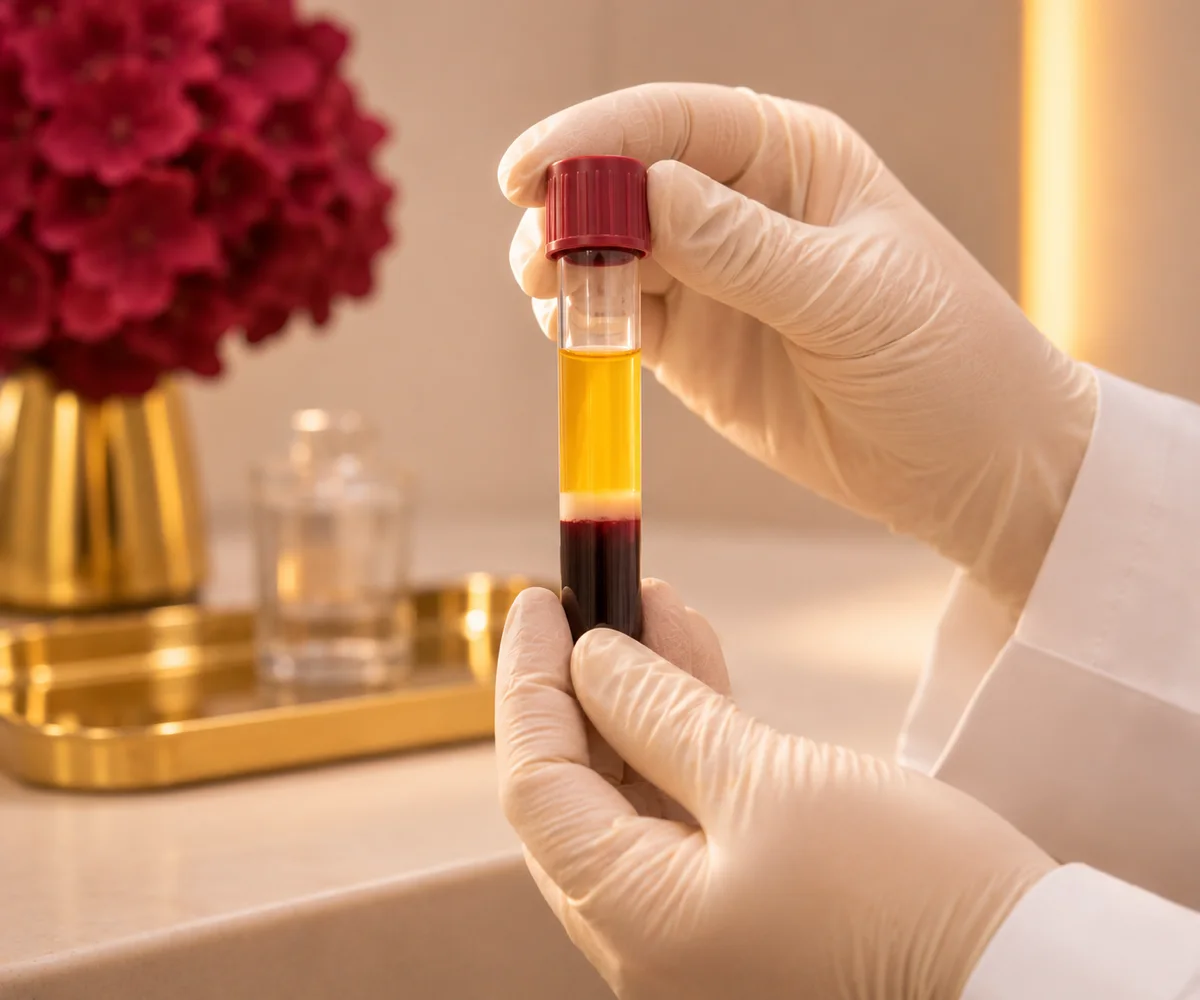
PRP: the doctor holding the tube after centrifugation, with the golden plasma separated from the blood

Regeneration

PRP (platelet-rich plasma)

Plasma obtained from your own blood and applied to the area, with the aim of stimulating skin regeneration. A 2026 review brought together small studies that differed greatly from one another, almost all without a comparison group. It does not replace the treatment of lichen sclerosus or of an infection.

May be considered when

the diagnosis has been made and skin conditions or infections have been excluded or are under control, and the doctor has explained what is known and what is not.

Find out more

What the journey looks like

From the fissure to the cause and the plan

No treatment begins without an assessment consultation with the doctor. When fissures come back, the first aim is to find out why.

  1. 01At the clinic

    Assessment consultation

    The doctor listens to the history of the fissures: where, since when, in which situations, what you have already used and how sex is. She asks about menopause, births, illnesses and hygiene products, without rushing and in private.

  2. 02At the clinic

    Examining and, if needed, testing

    The skin and mucosa of the vulva and of the entrance of the vagina are examined and, depending on the case, a swab is taken for yeast or herpes and the pH is measured. For an area of white skin, an ulcer that does not heal or a doubtful lesion, a small biopsy is proposed.

  3. 03At the clinic and at home

    Treating the cause

    What was found is treated: hydration and lubrication, local oestrogen when there is atrophy, medication for a skin condition or an infection, and habits that protect the skin. If there is pelvic floor tension, the doctor coordinates with physiotherapy.

  4. 04Over time

    Review and decide

    The skin is examined again and we see whether the fissures have stopped coming back. If they persist, the doctor reassesses the cause instead of repeating the treatment, and only then considers additional options or referral to a specialist.

Day to day

What protects while the skin heals

Simple care that gives the skin time to heal and prevents the fissure from reopening, alongside what the doctor recommends.

Before using yet another cream

A fissure that comes back calls for an explanation, not another cream

Corticosteroid ointments, antifungals and “pharmacy” creams used at random can irritate more, mask a skin condition or delay the diagnosis. If the fissure heals and comes back, or never heals completely, the answer is an assessment.

Wash only on the outside and only with water

Fissured skin tolerates soap and friction poorly, and the vagina cleans itself.

In practice: once a day, with your hand, without rubbing, and dry by gently patting with a soft towel.

Ease the burning from urine

Urine in contact with the fissure causes burning.

In practice: pour a glass of warm water over the area while you urinate, or rinse it with water straight afterwards, and drink water throughout the day.

Protect the skin on the outside

A thin barrier layer reduces friction and irritation while it heals.

In practice: an unscented emollient, applied only to the outer skin and not inside the vagina; ask the doctor or the pharmacy which to choose.

Allow time and lubricate during sex

An open fissure tears again at the first tension.

In practice: wait for it to heal and then use plenty of water-based or silicone lubricant and ask for a slower pace.

Dr Michelle Campagnoli, clinical director of Clínica Luxmed

Who will look after you

An assessment carried out by the doctor

At Luxmed, the first step is always an assessment consultation with Dr Michelle Campagnoli. She is the one who listens to the history of the fissures, examines the skin and mucosa, looks for the cause, requests tests or a biopsy when needed and designs the plan with you, in private and without rushing, coordinating with dermatology, pelvic physiotherapy or vulvar gynaecology when necessary.

  • Physical examination and medical historyA conversation about the pattern of the fissures, examination of the skin and mucosa, swabs and biopsy when necessary.
  • A plan tailored to youThe cause and first-line care come first; additional treatments only if appropriate, with the evidence explained.
  • No obligationThe cost of any treatment is confirmed only after the assessment.
Book an assessment consultation

Book a consultation

Book your consultation

Choose how you prefer to get in touch. We will arrange the assessment consultation with Dr Michelle Campagnoli.

Booking through the website100€70€Assessment consultationExclusive price for those who book the assessment through the website. Outside the website, the price is 100 €.

New Life Miraflores, Algés · Office Center, R. Santa Teresa do Menino Jesus n.º 6, 9.º C, 1495-048

Your details are used only for this contact. Any treatment depends on a prior medical assessment.

Request an appointmentIt takes less than a minute.
Speciality
You do not need to go into detail. The doctor will talk to you during the consultation.
Request received. Our team will contact you as soon as possible.
What are intimate fissures and why do they appear?

They are small cuts in the skin or mucosa of the vulva, of the entrance of the vagina or of the posterior fourchette (behind the entrance). They appear when the tissue is thin, dry, inflamed or subject to friction, and the most common causes are dryness from lack of oestrogen, skin conditions such as lichen sclerosus, infections such as thrush, irritating hygiene products and friction during sex. An occasional fissure is common, but those that come back call for assessment.

Is a fissure on the vulva serious?

Most fissures are not serious and heal with simple care. But a fissure that comes back, that does not heal in 2 to 3 weeks, or that comes with white patches, intense itching, an ulcer, a lump or unexplained bleeding should be seen by a doctor, because it may be the sign of a skin condition that needs treatment or, rarely, of a lesion that has to be excluded by biopsy.

How long does it take to heal?

A simple fissure usually heals in a few days to a few weeks if friction and irritation are removed. The time varies with the cause: on atrophic skin or with a skin condition it may take longer and come back, because the skin remains fragile. If it does not improve in 2 to 3 weeks with simple habits, book a consultation.

Could my fissures be lichen sclerosus?

They could. Lichen sclerosus is a skin condition of the vulva, more common after the age of 50, with white, shiny patches, itching, thin skin and fissures that hurt or bleed, and which can make sex painful. It has no cure, but it can usually be controlled with a potent locally applied corticosteroid, prescribed by a doctor. That is why skin like this should be seen, and sometimes biopsied, before any other treatment.

What if it is thrush or herpes?

Thrush (candidiasis) causes itching, redness and, sometimes, small fissures, with or without a white discharge. Genital herpes causes blisters that burst and leave painful sores. The symptoms look alike and overlap, and only an examination or a swab shows which it is. That is why an antifungal cream should not be repeated without a diagnosis.

Fissures after the menopause: what to do?

After the menopause, the skin and mucosa become thinner and drier, and fissures are common, especially during sex. Moisturisers, lubricants and, on prescription, low-dose vaginal oestrogen are the first line, and there are also non-hormonal options. If you have had breast cancer, speak to your oncologist first. And bleeding after the menopause should not be put down to a fissure without assessment.

Can I have sex while the fissure heals?

The best thing is to wait for it to heal, because penetration reopens the cut and delays healing. In the meantime, you can keep up intimacy without penetration. Afterwards, use plenty of lubricant, go slowly and say if it hurts. If the pain recurs with every encounter, talk to the doctor, because tension in the pelvic floor muscles may be contributing and it can be treated.

Do hyaluronic acid and PRP treat fissures?

There is no solid evidence for fissures. Hyaluronic acid has small and varied studies in dryness and atrophy, and PRP has a 2026 review with small studies, almost all without a comparison group, mainly in lichen sclerosus. Neither replaces the diagnosis or the treatment of the cause, such as the corticosteroid in lichen sclerosus. They are additional options, considered case by case, once other causes have been excluded.

Does vaginal laser help and does it have risks?

The evidence is limited: a rigorous trial with sham treatment showed no improvement in symptoms after 12 months. In 2018 the FDA warned that it had not approved these devices for menopause symptoms, urinary incontinence or sexual function, and that they can cause burns, scarring and pain during sex. On fissured skin or with a skin condition it calls for particular caution, and it is not carried out with an active infection, unexplained bleeding or undiagnosed lesions.

When should I book a consultation?

Book a consultation if the fissures come back, if they do not heal in 2 to 3 weeks, or if there are white patches, persistent itching, discharge or pain with every encounter. If you have bleeding after the menopause or repeated after sex, a wound or lump that does not heal or changes, painful blisters or abnormal discharge, do not wait: call SNS 24 (808 24 24 24) out of hours. If you have a high fever, cannot pass urine or the pain is sudden and intense, call 112.

We could not find that question. Ask us on WhatsApp

Scientific references

This page is based on the sources below and was reviewed by Dr. Michelle Campagnoli. Last updated on .

  1. Stockdale CK, Boardman L. Diagnosis and Treatment of Vulvar Dermatoses. Obstetrics & Gynecology 131(2):371-386, 2018.
  2. Lewis FM, Tatnall FM, Velangi SS, et al. British Association of Dermatologists guidelines for the management of lichen sclerosus, 2018. British Journal of Dermatology 178(4):839-853, 2018.
  3. NHS. Lichen sclerosus. (NHS (nhs.uk), acedido 2026-11-11)
  4. Kennedy CM, Dewdney S, Galask RP. Vulvar granuloma fissuratum: a description of fissuring of the posterior fourchette and the repair. Obstetrics & Gynecology 105(5 Pt 1):1018-1023, 2005.
  5. Andjelkov K, Maricic Z. Posterior Fourchette Fissure Resolution After Injection of Autologous Adipose-Derived Regenerative Cells. Obstetrics & Gynecology 129(3):497-499, 2017.
  6. National Health Service (NHS). Genital herpes. (NHS (nhs.uk), acedido 2026-11-11)
  7. NHS. Thrush in men and women. (NHS (nhs.uk), acedido 2026-11-11)
  8. Workowski KA, Bachmann LH, Chan PA, et al. Sexually Transmitted Infections Treatment Guidelines, 2021 (capítulo Vulvovaginal Candidiasis). MMWR Recomm Rep 70(4):1-187 (CDC), 2021.
  9. Farage M, Maibach HI. The vulvar epithelium differs from the skin: implications for cutaneous testing to address topical vulvar exposures. Contact Dermatitis 51(4):201-209, 2004.
  10. O'Gorman SM, Torgerson RR. Allergic contact dermatitis of the vulva. Dermatitis 24(2):64-72, 2013.
  11. Martino JL, Vermund SH. Vaginal douching: evidence for risks or benefits to women's health. Epidemiologic Reviews 24(2):109-124, 2002.
  12. The NAMS 2020 GSM Position Statement Editorial Panel. The 2020 genitourinary syndrome of menopause position statement of The North American Menopause Society. Menopause 27(9):976-992, 2020.
  13. Lethaby A, Ayeleke RO, Roberts H. Local oestrogen for vaginal atrophy in postmenopausal women. Cochrane Database of Systematic Reviews 2016(8):CD001500, 2016.
  14. NHS. Vaginal dryness. (NHS (nhs.uk), acedido 2026-11-11)
  15. Faubion SS, Larkin LC, Stuenkel CA, et al. Management of genitourinary syndrome of menopause in women with or at high risk for breast cancer: consensus recommendations from The North American Menopause Society and The International Society for the Study of Women's Sexual Health. Menopause 25(6):596-608, 2018.
  16. Dos Santos CCM, Uggioni MLR, Colonetti T, Colonetti L, Grande AJ, Da Rosa MI. Hyaluronic Acid in Postmenopause Vaginal Atrophy: A Systematic Review. Journal of Sexual Medicine 18(1):156-166, 2021.
  17. Buzzaccarini G, Marin L, Noventa M, et al. Hyaluronic acid in vulvar and vaginal administration: evidence from a literature systematic review. Climacteric 24(6):560-571, 2021.
  18. De Ponte A, Cabrera S, Sparice SSB, Baulies S, Rodríguez I. Platelet-rich plasma in the management of vulvovaginal disorders: a systematic review. Journal of Sexual Medicine 23(1):qdaf307, 2026.
  19. Li FG, Maheux-Lacroix S, Deans R, et al. Effect of fractional carbon dioxide laser vs sham treatment on symptom severity in women with postmenopausal vaginal symptoms: a randomized clinical trial. JAMA 326(14):1381-1389, 2021.
  20. Prodromidou A, Zacharakis D, Athanasiou S, et al. CO2 Laser versus Sham Control for the Management of Genitourinary Syndrome of Menopause: A Systematic Review and Meta-Analysis of Randomized Controlled Trials. Journal of Personalized Medicine 13(12):1694, 2023.
  21. Medsafe (Nova Zelândia), a retransmitir o alerta da U.S. FDA. Safety Information: energy-based devices used for vaginal 'rejuvenation' or vaginal cosmetic procedures (relays the USFDA safety communication of July 2018). Medsafe, New Zealand Medicines and Medical Devices Safety Authority, 2018.
CallAssistantAvailableBook