Algés, Oeiras Mon to Sat · 09:00 to 13:00 and 14:00 to 19:00
WhatsApp Book a consultation

Aesthetic gynaecology

Intimate irritation and burningWhen the intimate area burns or is irritated and you do not know why

Burning or irritation of the vulva and vagina, without discharge different from usual, is one of the most common reasons for a consultation and one of the most misunderstood. It is not always thrush: it may be dryness, a product or everyday friction, a urinary infection, a skin condition of the vulva or vulval pain with no visible cause. Telling them apart is what decides the treatment. Here we explain how, and what the clinic can offer, with honesty about what the evidence says.

Reviewed by Dr Michelle Campagnoli, clinical director

  • 6common causes that an assessment helps to tell apart
  • 1assessment consultation, always first
  • 70 €assessment booked through the website
Fotografia · irritacao-e-ardor-intimo-hero800 × 1000 px · vertical 4:5Mulher de uns 38 anos, cabelo castanho solto, de camisola clara, sentada num sofá numa sala luminosa, com uma chávena na mão e uma expressão calma e de alívio; fotografia de retrato, sem nudez nem qualquer zona íntima visível

How to recognise it

Could it be intimate irritation or burning?

Burning has many origins and the clues are in the history: when it began, what makes it worse and what changed in your routine. Tick what you recognise.

Tick what you recognise0/7

Tick the signs you recognise in your case. This is not a diagnosis, it is only meant to give you an idea.

Blisters or sores, white patches, foul-smelling discharge, burning when passing urine with blood, bleeding after the menopause or after sex and pain that persists call for medical assessment without delay. Out of hours, call SNS 24: 808 24 24 24.

Fotografia · irritacao-e-ardor-intimo-consulta1083 × 1300 px · vertical 5:6Médica de bata branca sentada de frente para uma paciente de uns 40 anos, numa sala de consulta de luz natural, com um bloco de notas e alguns frascos de produtos de higiene sobre a secretária; ambiente acolhedor e reservado, sem qualquer imagem da zona íntima
Frame for a photograph of a consultation. The dots mark what the doctor assesses; the image does not show the intimate area.

Why it happens

What lies behind the burning and irritation

Almost always there is more than one possible explanation, and some combine. Choose one to see the clues and what usually helps or makes it worse.

A product the vulva does not tolerate

The skin of the vulva is more permeable and more sensitive to friction and humidity than that of other areas. Perfumes, preservatives and detergents in gels, wipes, panty liners, lubricants, condoms or creams can cause a contact reaction, with redness and burning straight away or hours later. In a study of patients with vulval symptoms, nearly four in ten had a relevant allergic reaction.

What weighs on it

Adding new products to “soothe” and going back to the suspect one because it “has passed”.

What helps

Stopping whatever began near the burning and simplifying: water, unscented, one thing at a time.
What it probably is

Simple irritation or something to be assessed

Some burning goes away when a habit is changed and some should not wait. These clues help to see which side it is on, without replacing the consultation.

  • How it shows. Burning without sores, sometimes with red, sensitive skin, which began after a new product, friction or a stage of low oestrogen.

  • When it happens. After sex, cycling, hair removal or tight clothing, and it improves in one to two days when the cause is removed.

  • What the clinic does. Reviews your products and habits with you, examines the vulva and vagina and confirms there is no infection or skin condition.

  • At home. Stop anything new or scented, wash with water only and wear loose cotton clothing while waiting for the consultation.

Do you have burning when passing urine with high fever or lower back pain, or is the swelling of the vulva rapid? Do not wait: call 112. For other questions, out of hours, call SNS 24: 808 24 24 24.

Book an assessment consultation

What can help

Treatment of intimate burning and irritation

Treatment depends on the cause, and so the first stage is always identifying it. When it is a product or friction, it is enough to remove what irritates and simplify the routine. In an infection, the confirmed infection is treated. In lichen sclerosus and vulvodynia, the treatment is medical and targeted. When the burning comes from dryness, moisturisers and lubricants are the first line and low-dose vaginal oestrogen, on prescription, has the best evidence. The treatments below are additional options, only for when the cause is fragility of the mucosa and the others have already been considered. They do not treat infections, contact dermatitis or vulvodynia, and the evidence for burning is limited.

Book an assessment consultation
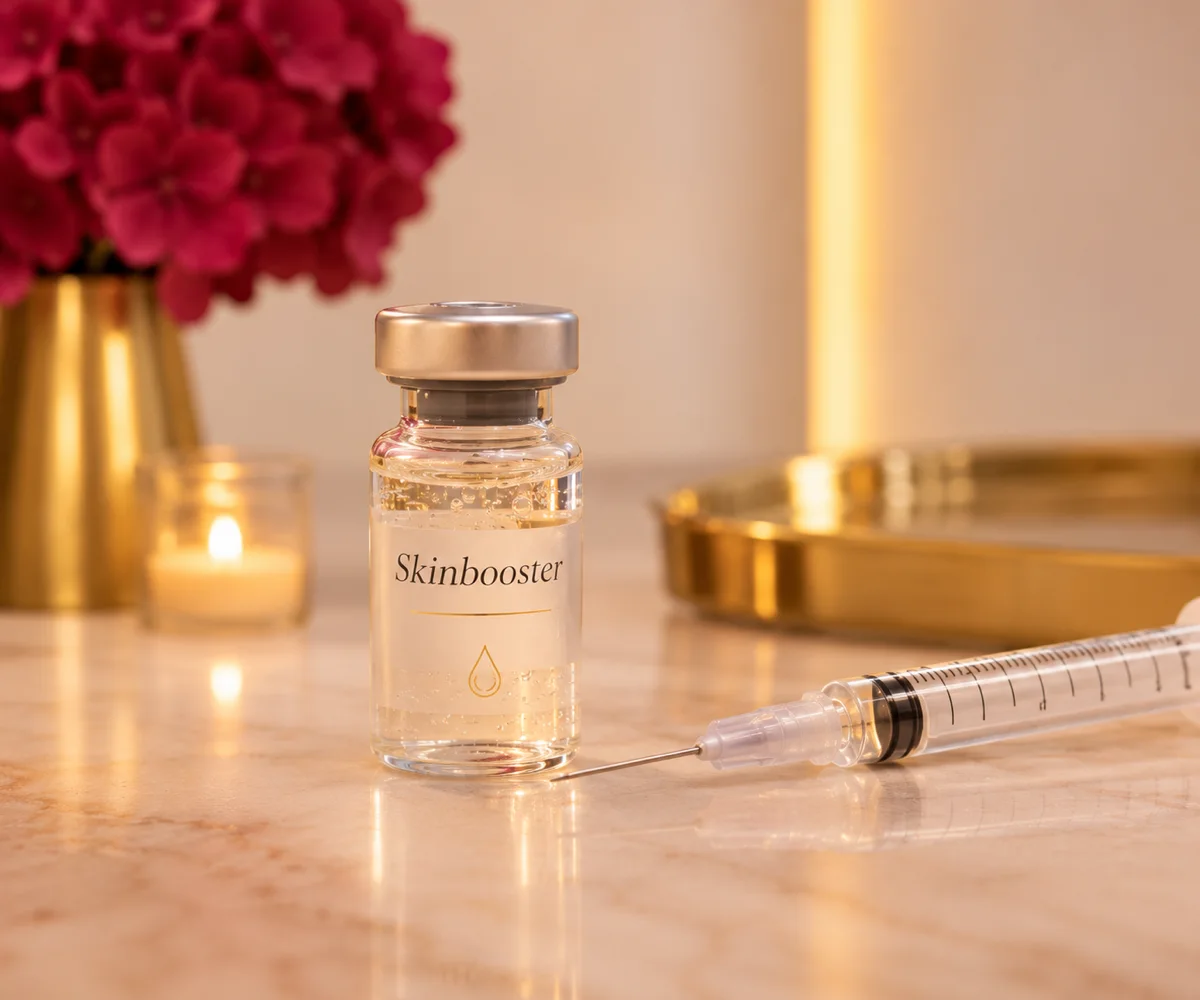
Bottle and syringe on a marble worktop, in warm light

Hydration

Hyaluronic acid (skinbooster)

Injections that aim to hydrate the intimate mucosa. Studies are small and the evidence for burning and irritation is limited.

May be considered when

the cause of the burning is a thin, dry mucosa, first-line care has not been enough and the doctor considers this option appropriate.

Find out more
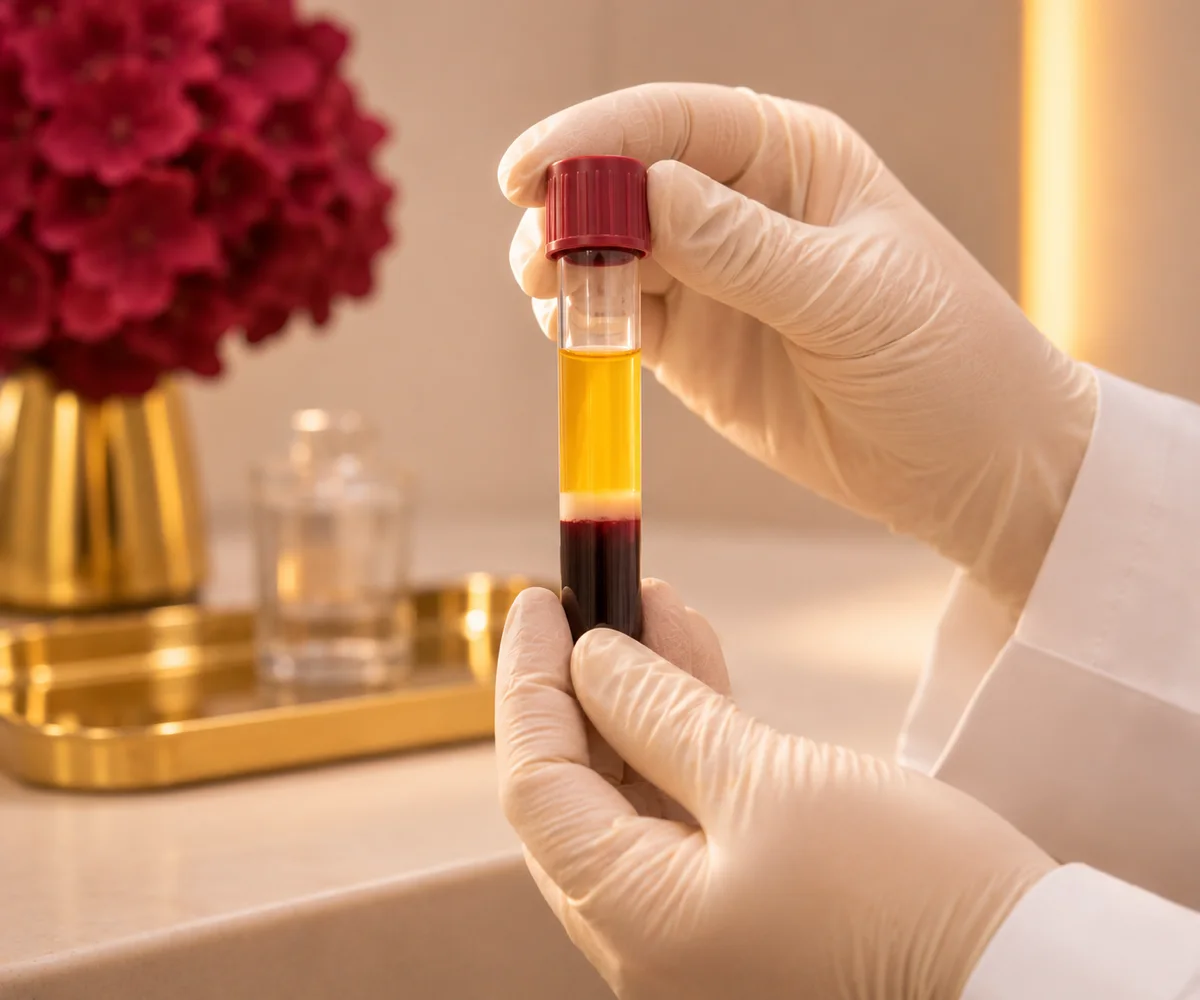
The doctor holding the tube after centrifugation, with the golden plasma separated from the blood

Regeneration

PRP (platelet-rich plasma)

Plasma obtained from your own blood and applied to the area, with the aim of stimulating tissue regeneration. The current evidence is limited.

May be considered when

the doctor has already ruled out infection, dermatitis and skin conditions, and PRP seems suitable for your case.

Find out more
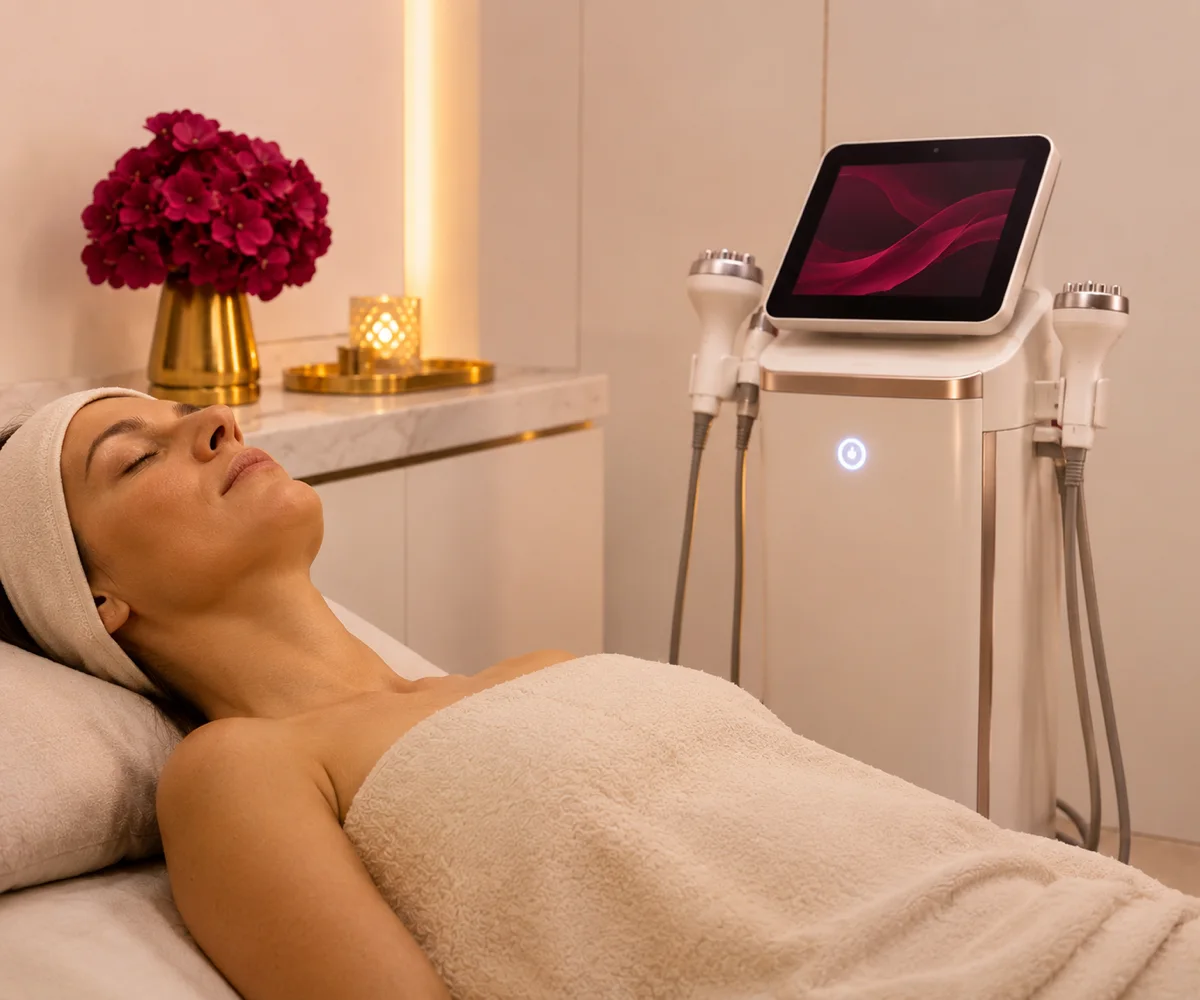
Private treatment room, with the device on an elegant trolley and a patient resting covered with a towel

Technology

Sectum, Neauvia radiofrequency (NRose Protocol)

Low-intensity radiofrequency energy, which aims to stimulate collagen in the tissues. It does not replace first-line treatment and the evidence is still limited.

May be considered when

the doctor has explained to you what is known and what is still not known about radiofrequency, and the decision is yours.

Find out more
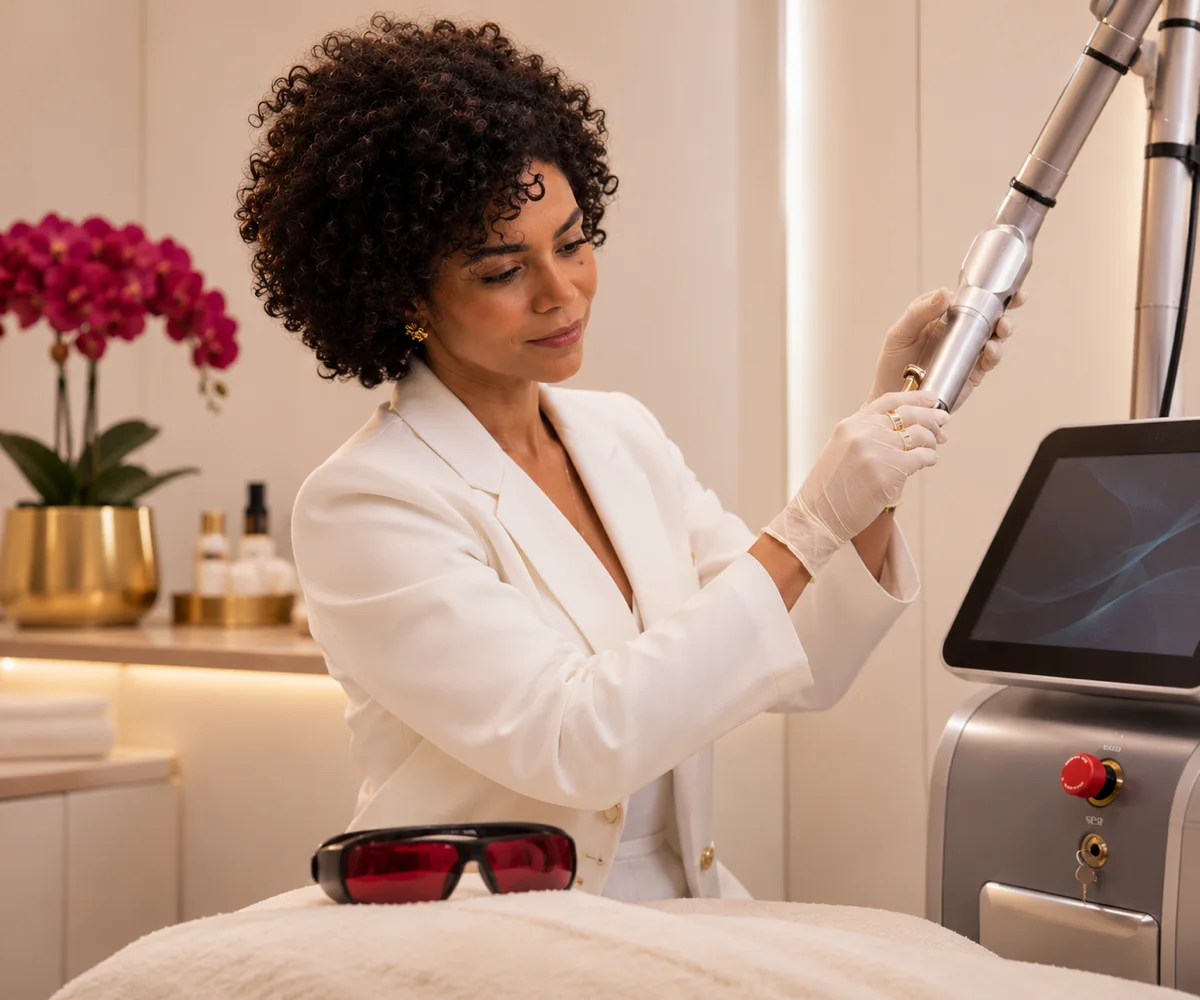
The doctor preparing the laser device, with the protective glasses in the foreground

Technology

Fractional CO2 laser

Laser energy applied to the mucosa. A rigorous trial against sham treatment showed no difference in symptoms and in 2018 the FDA warned about the risks of these devices, including pain.

May be considered when

the doctor has assessed your case, explained the benefits and risks, and the alternatives have already been considered.

Find out more

And what does the evidence say? For burning and irritation, what matters most is finding the right cause: removing the product that irritates, treating the confirmed infection, treating the skin condition and, when oestrogen is lacking, using moisturisers, lubricants and low-dose vaginal oestrogen. For laser and radiofrequency the results are contradictory: a sham-controlled trial, carried out with a CO2 laser, found no difference after 12 months, and in 2018 the FDA (United States) warned that it had not approved these devices for treating menopause symptoms and that they can cause burns, scarring and pain. That is why the doctor explains all of this first.

What the journey looks like

From the cause to the plan that suits you

No treatment starts without an assessment consultation with the doctor. This is how it works.

  1. 01At the clinic

    Assessment consultation

    The doctor listens to the history of the burning and asks about products, habits, your cycle, sex and the treatments already tried, without rushing and in private.

  2. 02At the clinic

    Examining and, if needed, testing

    The vulva and vagina are examined and, depending on the case, the pH is measured, the vaginal discharge is examined under a microscope, a culture, a herpes test or a urine test is requested. A biopsy is rarely needed.

  3. 03At the clinic and at home

    Treating the cause

    First, what irritates is removed and what has been confirmed is treated. If the cause is dryness, the doctor explains the options, and coordinates with dermatology or other specialties when needed.

  4. 04Over time

    Reviewing

    If the burning returns or does not go away, it is assessed again instead of repeating the treatment, because the cause may be something else.

Day to day

What soothes while you wait

Simple measures that reduce irritation and do not hide the diagnosis, alongside what the doctor recommends.

Before repeating a cream

Do not repeat the antifungal without knowing the cause

Treating the wrong cause leaves the real one untreated and the creams themselves can irritate the vulva and keep the burning going. If you have already used a treatment and the burning did not go away, or always returns, the answer is an assessment, not another box.

Stop anything new or scented

It removes the usual suspects and gives the skin time to recover.

In practice: stop gel, wipes, scented liners and recent creams and observe for a few days.

Wash the outside only, with water only

The vulva needs little and the vagina cleans itself.

In practice: once a day, with your hand, without scrubbing, and pat dry with small dabs.

Cotton and loose clothing

It reduces heat, humidity and friction.

In practice: alternate with looser clothing, change clothes after swimming or exercising and, if you can, sleep without underwear.

Cold compresses and less friction

They relieve burning without putting anything on the skin.

In practice: a cold compress wrapped in a cloth and, while it burns, avoid sex with penetration.

Dr Michelle Campagnoli, clinical director of Clínica Luxmed

Who will look after you

An assessment carried out by the doctor

At Luxmed, the first step is always an assessment consultation with Dr Michelle Campagnoli. She listens to the history of the burning, reviews your products and habits with you, examines the vulva and vagina and requests the appropriate tests to understand the cause, before proposing any treatment, in private and without rushing, and coordinates with dermatology or other specialties when needed.

  • Physical examination and medical historyMedical history, products and habits, examination and simple tests to reach the cause.
  • A plan tailored to youFirst the cause and simple measures; additional treatments only if appropriate, with the evidence explained.
  • No obligationThe cost of any treatment is confirmed only after the assessment.
Book an assessment consultation

Book a consultation

Book your consultation

Choose how you prefer to get in touch. We will arrange the assessment consultation with Dr Michelle Campagnoli.

Booking through the website100€70€Assessment consultationExclusive price for those who book the assessment through the website. Outside the website, the price is 100 €.

New Life Miraflores, Algés · Office Center, R. Santa Teresa do Menino Jesus n.º 6, 9.º C, 1495-048

Your details are used only for this contact. Any treatment depends on a prior medical assessment.

Request an appointmentIt takes less than a minute.
Speciality
You do not need to go into detail. The doctor will talk to you during the consultation.
Request received. Our team will contact you as soon as possible.
Vaginal burning without discharge: what could it be?

It may be vaginal dryness, irritation from a product or from friction, a urinary infection, early thrush, herpes, a skin condition of the vulva such as lichen sclerosus, or vulvodynia. The clue is in the pattern: whether it began after a product, whether it gets worse during sex or cycling, whether it burns when passing urine, whether there are sores or white patches, whether it has lasted for months. As the symptoms look alike, what tells them apart is examination and, if needed, simple tests.

Is intimate burning always thrush?

No. Thrush causes itching and burning, but many other causes do too. In a study of women who bought an antifungal because they thought they had thrush, only about a third had thrush alone; the others had vaginosis, combined infections, other causes or no infection. Having had a previous diagnosis also did not make self-diagnosis more accurate.

Why do I have burning after sex?

The most common causes are lack of lubrication, vaginal dryness, irritation from the condom, lubricant or spermicide and small fissures at the entrance to the vagina. If the burning appears a day or two later and comes with burning when passing urine, it may be cystitis. If it recurs, it is worth mentioning at the consultation.

Burning or itching of the vulva at night: what could it be?

Itching that gets worse at night is typical of lichen sclerosus, but it also appears in contact dermatitis and thrush. The vulva should be examined, especially if the skin is whiter, thinner or has fissures, because lichen sclerosus has its own treatment and is not resolved with moisturisers.

Can I use an antifungal cream without a prescription?

If you have already had thrush diagnosed and the symptoms are exactly the same, it may be reasonable once. If it does not improve, if it keeps coming back or if you are in doubt, ask for an assessment before repeating. Repeating without a diagnosis can irritate the vulva and delay treatment of the real cause.

What can I do at home while I wait for the consultation?

Stop new or scented products, wash the vulva with water only and without scrubbing, wear cotton underwear and loose clothing, try a cold compress wrapped in a cloth and avoid sex with penetration while it burns. If it also burns when passing urine, drink water regularly. Avoid applying creams on your own initiative, so as not to make the diagnosis harder.

Does vaginal oestrogen help with burning?

When the burning is due to a lack of oestrogen, as in the menopause, yes: low-dose vaginal oestrogen is the treatment with the most evidence for moderate to severe symptoms. It is only used on prescription, after confirming that this is the cause. If you have had breast cancer, it is decided with oncology.

Do laser or radiofrequency resolve burning and irritation?

There is not enough evidence. A rigorous sham-controlled trial found no improvement with CO2 laser after 12 months and, in 2018, the FDA warned that it had not approved these devices for treating menopause symptoms and that they can cause burns, scarring and pain. They do not treat infections, contact dermatitis or vulvodynia and should not replace first-line care.

What should I bring and say at the consultation?

When the burning began, what makes it worse and what relieves it, whether it changes with your cycle, sex or urine, the products you use for hygiene, clothing and sex, and what you have already tried, including creams. Also say whether you are pregnant, whether you are in the menopause and whether you have diabetes. The less you have applied beforehand, the easier the diagnosis.

When should I book a consultation?

If the burning lasts more than a few days, if you have already used an antifungal and it did not improve, if it keeps coming back, if there are blisters, sores, white patches or fissures, if it burns when passing urine or there is urgency, or if you are pregnant. Out of hours, call SNS 24 (808 24 24 24) and, with high fever, lower back pain, severe pelvic pain or rapid swelling of the vulva, 112.

We could not find that question. Ask us on WhatsApp

Scientific references

This page is based on the sources below and was reviewed by Dr. Michelle Campagnoli. Last updated on .

  1. Workowski KA, Bachmann LH, Chan PA, et al. Sexually Transmitted Infections Treatment Guidelines, 2021 (capítulo Vulvovaginal Candidiasis). MMWR Recomm Rep 70(4):1-187 (CDC), 2021.
  2. Ferris DG, Nyirjesy P, Sobel JD, et al. Over-the-counter antifungal drug misuse associated with patient-diagnosed vulvovaginal candidiasis. Obstetrics & Gynecology 99(3):419-425, 2002.
  3. Bornstein J, Goldstein AT, Stockdale CK, et al. 2015 ISSVD, ISSWSH and IPPS consensus terminology and classification of persistent vulvar pain and vulvodynia. Obstetrics & Gynecology 127(4):745-751, 2016.
  4. NHS. Vulvodynia (vulval pain). (NHS (nhs.uk), acedido 2026-11-11)
  5. O'Gorman SM, Torgerson RR. Allergic contact dermatitis of the vulva. Dermatitis 24(2):64-72, 2013.
  6. Farage M, Maibach HI. The vulvar epithelium differs from the skin: implications for cutaneous testing to address topical vulvar exposures. Contact Dermatitis 51(4):201-209, 2004.
  7. Chen Y, Bruning E, Rubino J, Eder SE. Role of female intimate hygiene in vulvovaginal health: global hygiene practices and product usage. Women's Health (London) 13(3):58-67, 2017.
  8. Martino JL, Vermund SH. Vaginal douching: evidence for risks or benefits to women's health. Epidemiologic Reviews 24(2):109-124, 2002.
  9. Brown JM, Hess KL, Brown S, et al. Intravaginal practices and risk of bacterial vaginosis and candidiasis infection among a cohort of women in the United States. Obstetrics & Gynecology 121(4):773-780, 2013.
  10. Lewis FM, Tatnall FM, Velangi SS, et al. British Association of Dermatologists guidelines for the management of lichen sclerosus, 2018. British Journal of Dermatology 178(4):839-853, 2018.
  11. NHS. Lichen sclerosus. (NHS (nhs.uk), acedido 2026-11-11)
  12. NHS. Thrush in men and women. (NHS (nhs.uk), acedido 2026-11-11)
  13. The NAMS 2020 GSM Position Statement Editorial Panel. The 2020 genitourinary syndrome of menopause position statement of The North American Menopause Society. Menopause 27(9):976-992, 2020.
  14. Lethaby A, Ayeleke RO, Roberts H. Local oestrogen for vaginal atrophy in postmenopausal women. Cochrane Database of Systematic Reviews 2016(8):CD001500, 2016.
  15. Li FG, Maheux-Lacroix S, Deans R, et al. Effect of fractional carbon dioxide laser vs sham treatment on symptom severity in women with postmenopausal vaginal symptoms: a randomized clinical trial. JAMA 326(14):1381-1389, 2021.
  16. Prodromidou A, Zacharakis D, Athanasiou S, et al. CO2 Laser versus Sham Control for the Management of Genitourinary Syndrome of Menopause: A Systematic Review and Meta-Analysis of Randomized Controlled Trials. Journal of Personalized Medicine 13(12):1694, 2023.
  17. Medsafe (Nova Zelândia), a retransmitir o alerta da U.S. FDA. Safety Information: energy-based devices used for vaginal 'rejuvenation' or vaginal cosmetic procedures (relays the USFDA safety communication of July 2018). Medsafe, New Zealand Medicines and Medical Devices Safety Authority, 2018.
CallAssistantAvailableBook