Algés, Oeiras Mon to Sat · 09:00 to 13:00 and 14:00 to 19:00
WhatsApp Book a consultation

Aesthetic gynaecology

Intimate dryness and discomfort in menopauseWhen hormones change, so do comfort and desire

The menopause does not end an intimate life, but it is common for something to change: lubrication, comfort during sex, desire, bladder sensitivity. The changes often begin in perimenopause, while you still have periods, and so are not always linked to hormones. Here we explain what changes and why, what can be done with and without hormones and what the clinic can add, with honesty about what the evidence says.

Reviewed by Dr Michelle Campagnoli, clinical director

  • 2treatment paths: with and without hormones
  • 1assessment consultation, always first
  • 70 €assessment booked through the website
Fotografia · secura-e-desconforto-intimo-na-menopausa-hero800 × 1000 px · vertical 4:5Mulher de uns 52 anos, cabelo castanho com fios brancos, de camisola de malha clara, a sorrir com calma e a olhar para fora da janela de uma sala luminosa, com uma chávena na mão; fotografia de retrato, sem nudez nem qualquer zona íntima visível

How to recognise it

Is the menopause changing your intimate comfort?

Intimate changes often appear before the last period and rarely come alone. What matters is what you feel, for how long and whether it bothers you.

Tick what you recognise0/7

Tick the signs you recognise in your case. This is not a diagnosis, it is only meant to give you an idea.

Bleeding after 12 months without a period, bleeding between periods or after sex, very heavy periods, foul-smelling discharge, pain that persists and white patches or sores on the vulva call for medical assessment and should not wait. Out of hours, call SNS 24: 808 24 24 24.

Fotografia · secura-e-desconforto-intimo-na-menopausa-consulta1083 × 1300 px · vertical 5:6Médica de bata branca sentada ao lado de uma paciente de uns 50 anos, numa sala de consulta de luz natural, com um caderno aberto e uma chávena de chá em cima da mesa; ambiente calmo e reservado, sem qualquer imagem da zona íntima
Frame for a photograph of a consultation. The dots mark what the doctor assesses; the image does not show the intimate area.

Why it happens

What changes in the transition to the menopause

There is rarely a single cause. Hormones are the starting point, but body, sleep, mood and relationship add up. Choose a factor to see how it applies.

Perimenopause, with hormones fluctuating

In the years leading up to the menopause, oestrogen does not fall in a straight line: it rises and falls, and one month can be quite different from the last. Sexual function tends to decline even at this stage, about 20 months before the last period, and dryness may appear mainly at the end of the transition. As there are still cycles, many women do not make the connection.

What weighs on it

Putting it all down to tiredness or stress and putting off the conversation.

What helps

Recognising the stage and starting with the simplest measures, without waiting for periods to stop.
Normal or to be assessed

An expected change or something to be assessed

Change is not in itself a problem, and there is no right frequency of sex to meet. But some signs are not “the menopause” and call for another assessment.

  • How it shows. More time to become lubricated, some burning or dryness, less spontaneous desire and a greater need for stimulation, with cycles changing or already gone.

  • When it happens. In perimenopause and after the menopause, gradually, and it is only a problem if it bothers you or your relationship.

  • What the clinic does. The doctor listens to what has changed, assesses all your symptoms and medication and examines the vulva and vagina.

  • At home. Lubricant during sex, moisturiser used regularly, more time for arousal and an open conversation with your partner.

Do you have bleeding after the menopause or very heavy bleeding? Do not wait: seek medical assessment without delay. Out of hours you can call SNS 24: 808 24 24 24 and, in the case of very heavy bleeding, dizziness or fainting, 112.

Book an assessment consultation

What can help

Treatments for dryness and discomfort in the menopause

The starting point is care with and without hormones, chosen together with you. Without hormones: lubricants, vaginal moisturisers, pelvic floor physiotherapy and, when there is muscle tension or reduced desire, support from sexology. On prescription: low-dose vaginal oestrogen, the treatment with the most evidence when dryness is the main problem, vaginal prasterone or ospemifene as a tablet. Systemic hormone therapy may be considered when there are also hot flushes or other menopause symptoms, and is decided according to age, time since the menopause and each woman's risk. The treatments below are additional options, assessed case by case, with more limited evidence.

Book an assessment consultation
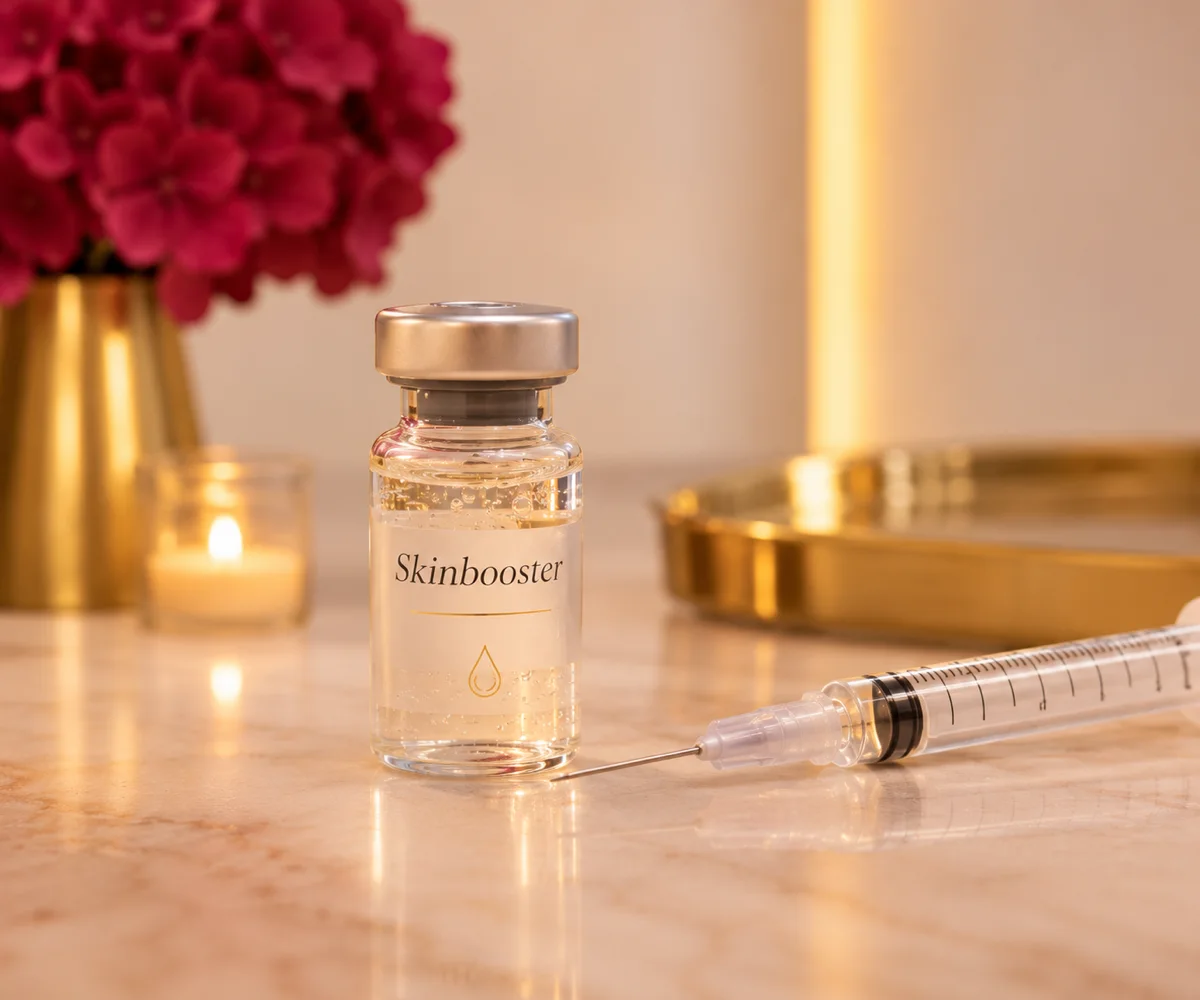
Bottle and syringe on a marble worktop, in warm light

Hydration

Hyaluronic acid (skinbooster)

Hyaluronic acid microinjections to hydrate the intimate tissues. Studies are small and the evidence for menopausal dryness is still limited.

May be considered when

moisturisers and prescription treatment have not been enough, or are not an option for you, and the doctor considers this route suitable for your case.

Find out more
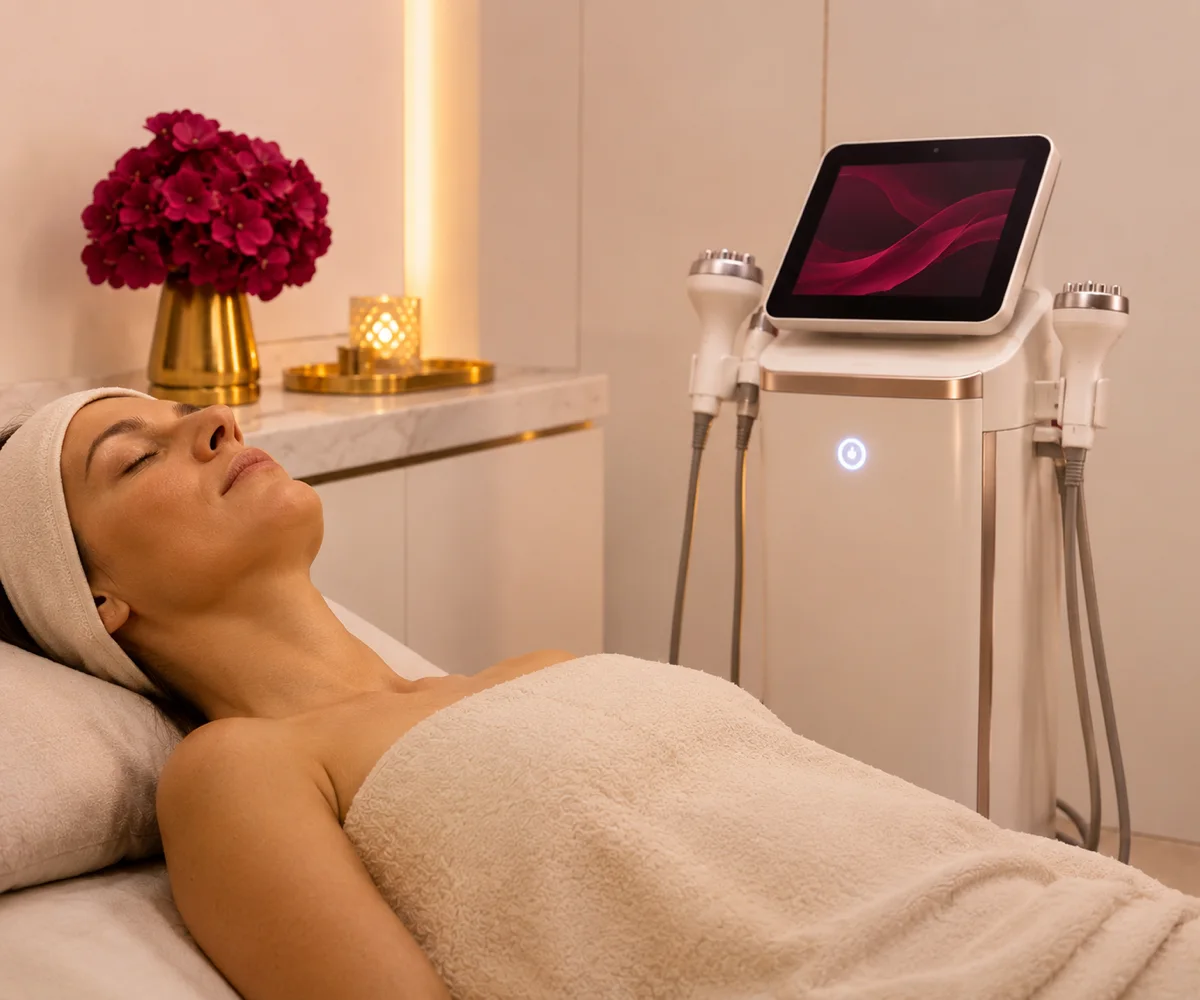
Private treatment room, with the device on an elegant trolley and a patient resting covered with a towel

Technology

Sectum, Neauvia radiofrequency (NRose Protocol)

Low-intensity radiofrequency energy applied to the intimate tissues, which aims to stimulate collagen. It does not replace first-line treatment and the evidence is limited.

May be considered when

the doctor has explained to you what is known and what is still not known about radiofrequency and the well-informed decision is yours.

Find out more
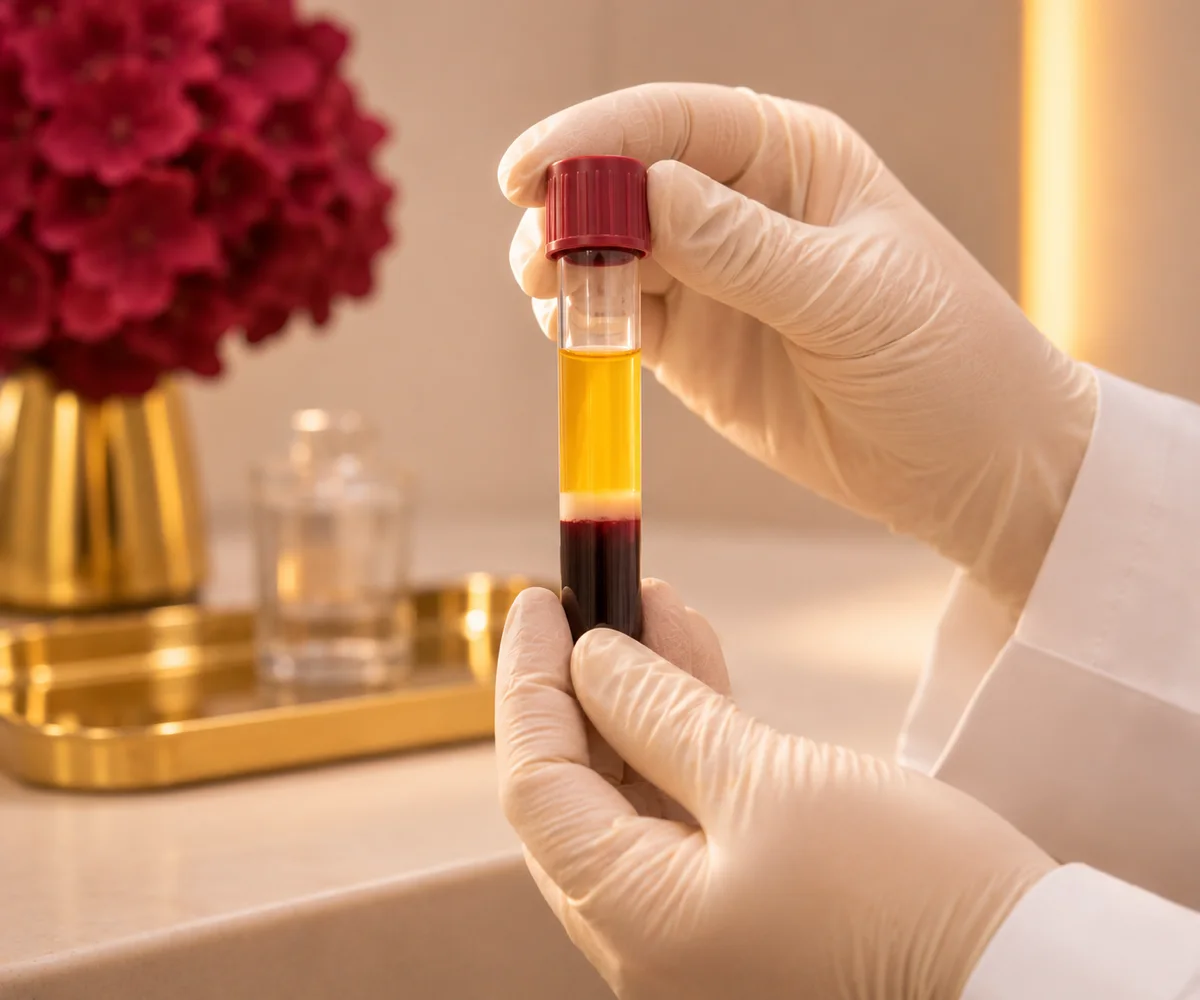
The doctor holding the tube after centrifugation, with the golden plasma separated from the blood

Regeneration

PRP (platelet-rich plasma)

Plasma prepared from your own blood and applied to the area, with the aim of stimulating regeneration. The current evidence is limited.

May be considered when

first-line options have been considered, other causes have been ruled out and PRP seems suitable to her.

Find out more
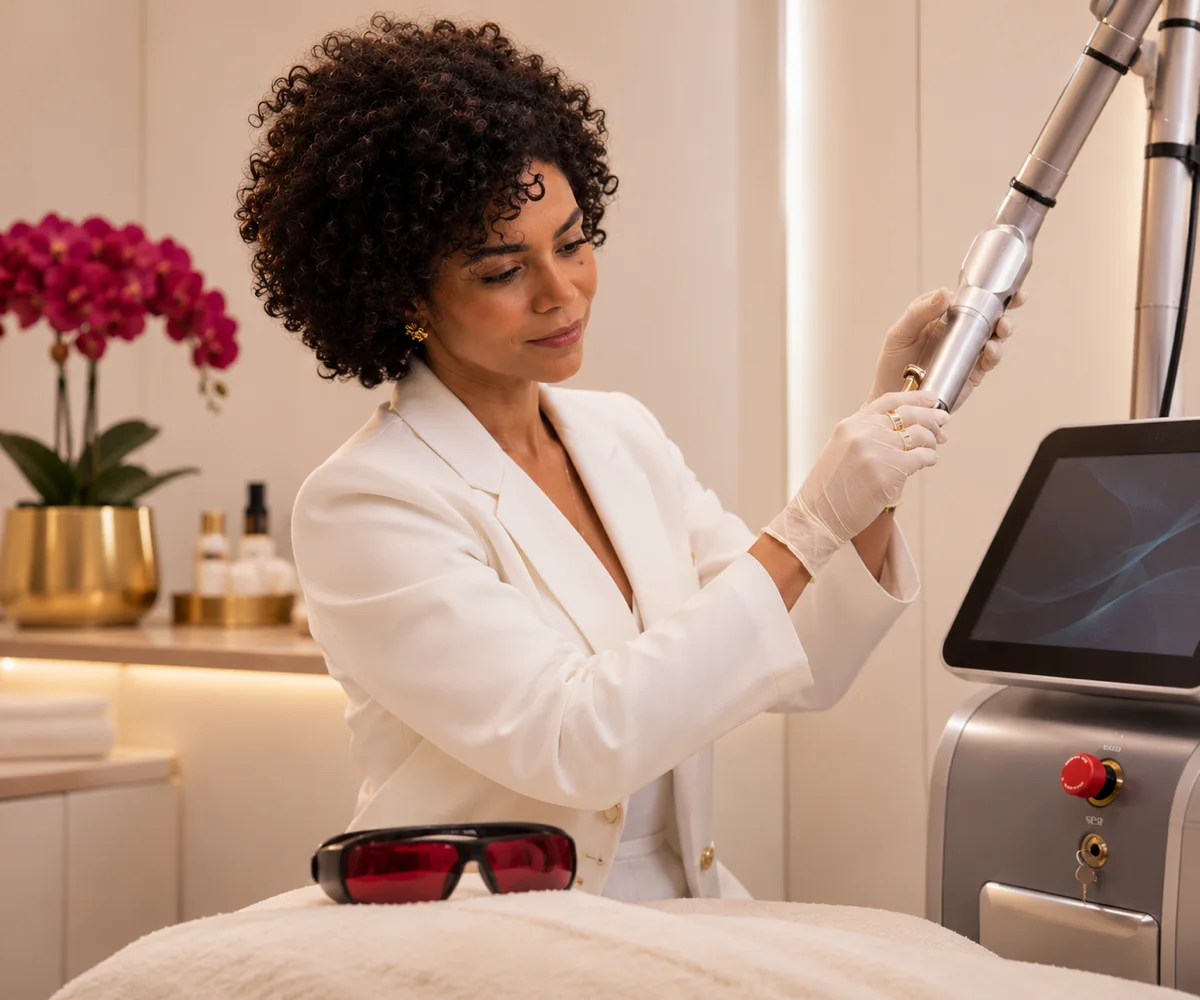
The doctor preparing the laser device, with the protective glasses in the foreground

Technology

Fractional CO2 laser

Laser applied to the vaginal mucosa. A rigorous trial against sham treatment showed no difference in symptoms after 12 months and in 2018 the FDA warned about the risks of these devices.

May be considered when

the doctor has assessed your case, explained benefits and risks, and the alternatives with the most evidence have already been considered.

Find out more

And what does the evidence say? In the menopause, what has the most evidence for dryness is moisturisers, lubricants and low-dose vaginal oestrogen; for pain and tension, physiotherapy and support from sexology; and for desire, treating pain, sleep and mood first. For laser and radiofrequency the results are contradictory: a sham-controlled trial, carried out with a CO2 laser, found no difference at 12 months, and in 2018 the FDA (United States) warned that it had not approved these devices for treating menopause symptoms and that they can cause burns, scarring and pain. That is why the doctor explains all of this first, and none of these treatments replaces first-line ones.

What the journey looks like

From what bothers you to a plan tailored to you

No treatment starts without an assessment consultation with the doctor. This is how it works.

  1. 01At the clinic

    Assessment consultation

    The doctor listens to what has changed, what bothers you most and for how long, and asks about your cycles, sleep, bladder and medication, in private and without rushing.

  2. 02At the clinic

    Assessing the whole picture

    The vulva and vagina are examined and, if useful, tests are requested or a referral is made. Hormone blood tests are not needed to confirm the transition in most women over 45.

  3. 03At the clinic and at home

    Choosing the path

    It starts with the simplest measures and with what has the most evidence. The doctor explains the options with and without hormones and, with a history of breast cancer or thrombosis, coordinates with oncology or with your regular doctor.

  4. 04Over time

    Reassess

    Because the lack of oestrogen persists, symptoms tend to return when treatment stops. The plan is reviewed after a few weeks and then regularly.

Day to day

What helps you live better through this stage

Simple care and habits, alongside the treatment the doctor recommends.

Changing is not the same as having a problem

It only matters if it bothers you

Less desire or less sex is only a problem if it bothers you or your relationship. Many women keep up a satisfying intimate life after the menopause, sometimes with more freedom, and when there is discomfort, saying so at the consultation is what allows us to find what helps.

Allow more time for arousal

The body needs more time and more stimulation than before, and that is normal.

In practice: let intimacy begin without hurry; in many women desire starts to come after touch, and no longer before.

Widen the range of intimacy

Penetration does not have to be the centre.

In practice: touch, massage and toys can help, always with lubricant and without pushing on if it hurts.

Moisturiser and lubricant

They ease everyday life and sex, but do not restore the thickness of the mucosa.

In practice: the moisturiser is used a few times a week, even without sex; the lubricant, at the moment. Avoid scented products or those with a warming effect.

Look after what surrounds you

Exercise, sleep and moderating alcohol improve mood, body image and sexual response.

In practice: move regularly, sleep as much as you can and, if you smoke, ask for help to stop.

Dr Michelle Campagnoli, clinical director of Clínica Luxmed

Who will look after you

An assessment carried out by the doctor

At Luxmed, the first step is always an assessment consultation with Dr Michelle Campagnoli. She listens to what has changed and what bothers you, assesses your symptoms and medication, examines the vulva and vagina and designs the plan with you, in private and without rushing, and coordinates with your regular doctor or with oncology when needed.

  • Physical examination and medical historyMedical history, cycles, general and urinary symptoms, medication and examination to choose the path.
  • A plan tailored to youFirst what has the most evidence, with and without hormones; additional treatments only if appropriate, with the evidence explained.
  • No obligationThe cost of any treatment is confirmed only after the assessment.
Book an assessment consultation

Articles on the menopause and intimate life

From our blog

Book a consultation

Book your consultation

Choose how you prefer to get in touch. We will arrange the assessment consultation with Dr Michelle Campagnoli.

Booking through the website100€70€Assessment consultationExclusive price for those who book the assessment through the website. Outside the website, the price is 100 €.

New Life Miraflores, Algés · Office Center, R. Santa Teresa do Menino Jesus n.º 6, 9.º C, 1495-048

Your details are used only for this contact. Any treatment depends on a prior medical assessment.

Request an appointmentIt takes less than a minute.
Speciality
You do not need to go into detail. The doctor will talk to you during the consultation.
Request received. Our team will contact you as soon as possible.
Why do I have intimate dryness in the menopause and is it normal?

It is very common and has an explanation: with the fall in oestrogen, the mucosa of the vulva and vagina becomes thinner, produces less secretion and receives less blood, and so lubrication, sensitivity and comfort change. Unlike hot flushes, dryness tends to persist or get worse over the years if not treated. Being common does not mean you have to accept it: there are several options, with and without hormones.

What changes in sex life with the menopause?

There may be less spontaneous desire, slower arousal, less lubrication, a less intense or harder orgasm and pain on penetration. The causes tend to add up: hormones, general menopause symptoms, medicines, stress, body image and the relationship itself. Not all women feel all of this, and it is only a problem if it bothers you or your relationship.

Can these symptoms start before the menopause?

Yes. Perimenopause, the transition stage that usually begins in the mid-40s and can last several years, already brings fluctuating hormones. Dryness and loss of desire can appear before the last period, with cycles that are shorter, longer, heavier or lighter, and many women do not make the connection. Over the age of 45, the transition is diagnosed from symptoms and cycle changes, without blood tests. At this stage it is still possible to become pregnant.

Is it normal to lose desire in the menopause?

It is common, but it does not happen to all women, and should only be a concern if it bothers you. There are causes that can be treated: pain, dryness, lack of sleep, low mood or a medicine. Often, treating the pain brings desire back. When none of this explains it and reduced desire causes distress, the doctor can talk to you about support from sexology or, in selected cases, other options.

What treatments are there, with and without hormones?

Without hormones: lubricants during sex, vaginal moisturisers a few times a week, pelvic floor physiotherapy and psychological or sexological support. On prescription: low-dose vaginal oestrogen, which has the most evidence for dryness, vaginal prasterone and ospemifene as a tablet, which acts like oestrogen in the vagina without being a hormone. Systemic hormone therapy also improves dryness, but is justified mainly when there are other menopause symptoms. Many women combine options.

Is vaginal oestrogen the same as menopausal hormone therapy?

No. Low-dose vaginal oestrogen acts mainly locally and absorption into the blood is minimal. In an observational study of more than 45,000 women, users did not have more stroke, invasive breast cancer, endometrial cancer or thrombosis than non-users, but an observational study does not prove a complete absence of risk. Systemic therapy delivers hormones to the whole body and has different indications and risks, which depend on age, time since the menopause and history. Both only on prescription.

I have had breast cancer: what options do I have?

Start with the hormone-free options, such as moisturisers, lubricants and physiotherapy. Local hormone treatment is only considered when these are not enough and after talking to the oncology team, and never on your own. There is more caution in women taking aromatase inhibitors. Also talk about what you feel: intimate discomfort during these treatments is common and support is available.

Do laser and radiofrequency resolve menopausal dryness?

There is not enough evidence. Some studies show improvement, but a rigorous sham-controlled trial found no difference after 12 months with CO2 laser, and in 2018 the FDA warned that it had not approved these devices for treating menopause symptoms and that they can cause burns, scarring and pain. Scientific societies do not recommend them as a first option. At the clinic, radiofrequency is an additional option, explained with these limitations, and never replaces first-line treatment.

Does testosterone help women in the menopause?

In women after the menopause with low desire that causes distress and no other identified cause, an international consensus considers that transdermal testosterone, at a dose suitable for women, can modestly improve desire. In Portugal there are no products approved specifically for women, so it is a use outside the approved indication, which requires a medical decision and follow-up with monitoring tests. It is not the first answer to lack of desire.

When should I book a consultation?

If dryness does not improve with lubricant and moisturiser, if you have persistent pain, burning or itching during sex, recurrent urinary infections, hot flushes, insomnia or low mood that affect daily life, or if you started a medicine and noticed changes. Bleeding after 12 months without a period, between periods or after sex calls for assessment without delay. Out of hours, call SNS 24 (808 24 24 24) and, in the case of heavy bleeding, chest pain, sudden shortness of breath or signs of stroke, 112.

We could not find that question. Ask us on WhatsApp

Scientific references

This page is based on the sources below and was reviewed by Dr. Michelle Campagnoli. Last updated on .

  1. The NAMS 2020 GSM Position Statement Editorial Panel. The 2020 genitourinary syndrome of menopause position statement of The North American Menopause Society. Menopause 27(9):976-992, 2020.
  2. The North American Menopause Society. The 2022 hormone therapy position statement of The North American Menopause Society. Menopause 29(7):767-794, 2022.
  3. Portman DJ, Gass ML; Vulvovaginal Atrophy Terminology Consensus Conference Panel. Genitourinary syndrome of menopause: new terminology for vulvovaginal atrophy from the International Society for the Study of Women's Sexual Health and the North American Menopause Society. Menopause 21(10):1063-1068, 2014.
  4. Lethaby A, Ayeleke RO, Roberts H. Local oestrogen for vaginal atrophy in postmenopausal women. Cochrane Database of Systematic Reviews 2016(8):CD001500, 2016.
  5. Mitchell CM, Reed SD, Diem S, et al. Efficacy of vaginal estradiol or vaginal moisturizer vs placebo for treating postmenopausal vulvovaginal symptoms: a randomized clinical trial. JAMA Internal Medicine 178(5):681-690, 2018.
  6. Crandall CJ, Hovey KM, Andrews CA, et al. Breast cancer, endometrial cancer, and cardiovascular events in participants who used vaginal estrogen in the Women's Health Initiative Observational Study. Menopause 25(1):11-20, 2018.
  7. Faubion SS, Larkin LC, Stuenkel CA, et al. Management of genitourinary syndrome of menopause in women with or at high risk for breast cancer: consensus recommendations from The North American Menopause Society and The International Society for the Study of Women's Sexual Health. Menopause 25(6):596-608, 2018.
  8. Labrie F, Archer DF, Koltun W, et al. Efficacy of intravaginal dehydroepiandrosterone (DHEA) on moderate to severe dyspareunia and vaginal dryness, symptoms of vulvovaginal atrophy, and of the genitourinary syndrome of menopause. Menopause 23(3):243-256, 2016.
  9. Portman DJ, Bachmann GA, Simon JA; Ospemifene Study Group. Ospemifene, a novel selective estrogen receptor modulator for treating dyspareunia associated with postmenopausal vulvar and vaginal atrophy. Menopause 20(6):623-630, 2013.
  10. Avis NE, Colvin A, Karlamangla AS, et al. Change in sexual functioning over the menopausal transition: results from the Study of Women's Health Across the Nation. Menopause 24(4):379-390, 2017.
  11. Shifren JL, Monz BU, Russo PA, Segreti A, Johannes CB. Sexual problems and distress in United States women: prevalence and correlates. Obstetrics & Gynecology 112(5):970-978, 2008.
  12. Davis SR, Baber R, Panay N, et al. Global consensus position statement on the use of testosterone therapy for women. Journal of Clinical Endocrinology & Metabolism 104(10):4660-4666, 2019.
  13. Brotto LA, Basson R. Group mindfulness-based therapy significantly improves sexual desire in women. Behaviour Research and Therapy 57:43-54, 2014.
  14. Mercier J, Morin M, Zaki D, et al. Pelvic floor muscle training as a treatment for genitourinary syndrome of menopause: a single-arm feasibility study. Maturitas 125:57-62, 2019.
  15. Harlow SD, Gass M, Hall JE, et al; STRAW + 10 Collaborative Group. Executive summary of the Stages of Reproductive Aging Workshop + 10: addressing the unfinished agenda of staging reproductive aging. Menopause 19(4):387-395, 2012.
  16. National Institute for Health and Care Excellence (NICE). Menopause: identification and management (NG23). NICE guideline NG23 (nice.org.uk), 2015.
  17. Munro MG, Critchley HOD, Fraser IS; FIGO Menstrual Disorders Committee. The two FIGO systems for normal and abnormal uterine bleeding symptoms and classification of causes of abnormal uterine bleeding in the reproductive years: 2018 revisions. International Journal of Gynecology & Obstetrics 143(3):393-408, 2018.
  18. NHS. Symptoms of menopause and perimenopause. (NHS (nhs.uk), acedido 2026-11-11)
  19. NHS. Vaginal dryness. (NHS (nhs.uk), acedido 2026-11-11)
  20. Li FG, Maheux-Lacroix S, Deans R, et al. Effect of fractional carbon dioxide laser vs sham treatment on symptom severity in women with postmenopausal vaginal symptoms: a randomized clinical trial. JAMA 326(14):1381-1389, 2021.
  21. Prodromidou A, Zacharakis D, Athanasiou S, et al. CO2 Laser versus Sham Control for the Management of Genitourinary Syndrome of Menopause: A Systematic Review and Meta-Analysis of Randomized Controlled Trials. Journal of Personalized Medicine 13(12):1694, 2023.
  22. Medsafe (Nova Zelândia), a retransmitir o alerta da U.S. FDA. Safety Information: energy-based devices used for vaginal 'rejuvenation' or vaginal cosmetic procedures (relays the USFDA safety communication of July 2018). Medsafe, New Zealand Medicines and Medical Devices Safety Authority, 2018.
CallAssistantAvailableBook