
Algés, Oeiras Mon to Fri · 09:00 to 13:00 and 14:00 to 19:00 · Sat · 09:00 to 14:00
WhatsApp Book a consultation

Aesthetic gynaecology

Vagina rough insideWhen the inside of the vagina seems to have a different texture, rougher or smoother than you remember

Feeling the vagina rough on the inside, to the touch or during sex, is a complaint that many women only mention after years. It does not always indicate a problem: the vaginal wall has natural folds (the vaginal “rugae”), which vary from woman to woman and become less marked with age and the fall in oestrogen. But a texture that has changed, that burns, that cracks or that comes with a new relief deserves to be examined. Here we explain what the folds are, what can make the mucosa seem rough, what is assessed and what helps, starting with simple care, and what the clinic can propose, with honesty about what the evidence shows.

Reviewed by Dr Michelle Campagnoli, clinical director

  • 6common explanations that the assessment helps to tell apart
  • 1assessment consultation, always first
  • 70 €assessment booked through the website
Woman with braids and a rust-coloured sweater, eyes closed and wearing headphones, in a record shop

How to recognise it

Could it be a rough vagina on the inside?

“Rough” is a sensation, not a diagnosis: it describes what is felt to the touch or during sex. What helps to understand the cause is since when you have noticed it, whether there is dryness, burning or blood, and whether it changed suddenly or has been changing slowly.

Tick what you recognise0/7

Tick the signs you recognise in your case. This is not a diagnosis, it is only meant to give you an idea.

Do you have bleeding after the menopause, after sex or between periods, discharge with an abnormal smell or colour, persistent or sudden pain, fever, difficulty passing urine, blood in the urine, or have you noticed a lump or a lesion that grows, changes colour or does not heal? You need prompt assessment and should not wait. Outside opening hours, call SNS 24: 808 24 24 24.

Doctor in a white coat with a stethoscope listening carefully to a grey-haired woman in a bright consulting room
Photograph of a consultation. The dots mark what the doctor assesses; the image does not show the intimate area.

Why it happens

What may lie behind a rough vagina

The vaginal wall is a mucosa with folds and a lining that depends on oestrogen, moisture and what touches it. When one of these factors changes, the texture we feel also changes. Choose a situation to see how it applies.

The natural folds of the vagina

The vaginal wall has transverse folds, the vaginal rugae, which give the mucosa elasticity. They are more or less evident from woman to woman and can feel like a slightly rough texture. When it has always been like this and does not bother you, it is normal variation and does not need treatment.

What weighs on it

Trying to “correct” a texture that is simply normal anatomy, or comparing yourself with images that do not correspond to reality.

What helps

Understanding what is normal and, if you have doubts, asking the doctor to show and explain it to you at a consultation.

Normal or to be assessed

Normal variation or to be assessed

A different texture is often normal variation or a consequence of dryness, but there are situations that call for examination. That is why it is worth telling them apart.

  • How it shows. A slightly rough or smooth texture, symmetrical, that has been like this for a long time, with no pain, no blood and no abnormal discharge.

  • When it happens. Always, or it changed slowly with age and the menopause, with the wall smoother and drier. The feeling of roughness during sex usually improves with lubrication.

  • What the clinic does. The doctor examines, explains what is normal and distinguishes dryness, atrophy and irritation, so that you do not accept as “normal” something that has treatment.

  • At home. Lubricant during sex, vaginal moisturiser and removing perfumed products, while you wait for the consultation.

Abnormal bleeding, sudden severe pain, a high fever, unable to pass urine or feeling very unwell? Call 112 or go to the emergency department. If you have abnormal discharge, persistent burning or doubts, outside opening hours you can call SNS 24: 808 24 24 24.

Book an assessment consultation

What can help

Options for a rough vagina

The first step is to understand the cause: not everything needs treatment. When there is dryness or atrophy, first-line treatment is water-based lubricants during sex, regularly used vaginal moisturisers and, on prescription, low-dose vaginal oestrogen. When it is irritation, the products that cause it are removed, and infections or lesions are treated according to the cause. Only then are other options considered, assessed case by case, without promising results and with limited evidence.

Book an assessment consultation
Dr Michelle Campagnoli, clinical director of Clínica Luxmed

First step

Assessment consultation

The doctor listens to what you are experiencing, examines your case and explains the suitable options. No treatment begins without this consultation.

May be considered when

you want to understand the cause and decide on the best path, with time and without commitment.

Book an assessment consultation
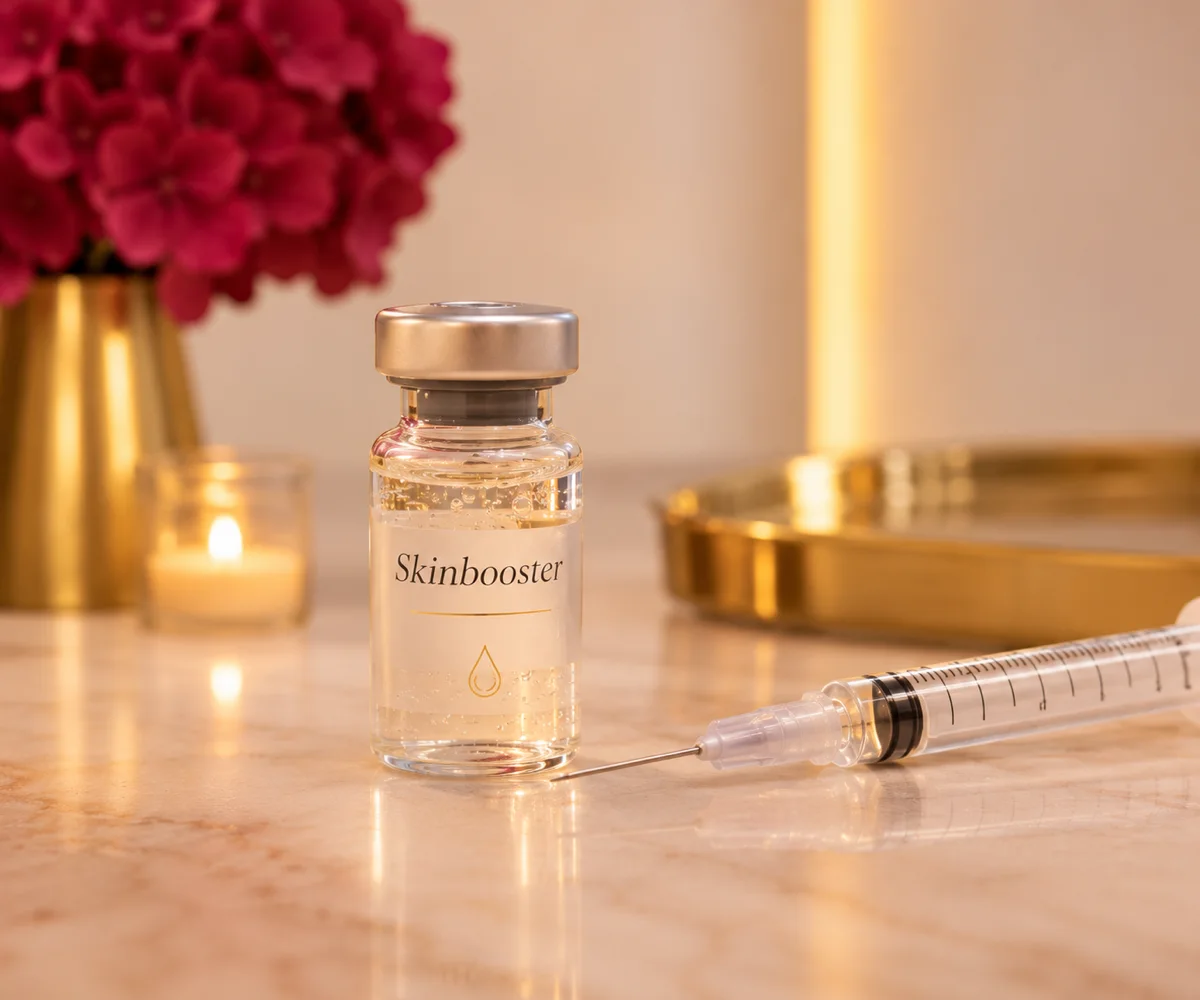
Bottle and syringe on a marble worktop, in warm light

Hydration

Skinbooster

Small injections of hyaluronic acid, with the aim of hydrating the mucosa and improving its comfort. The studies are few, small and short-term, and do not yet show a clear and lasting benefit for texture. It does not replace first-line care.

May be considered when

first-line care has been done and has not been enough, the cause has been assessed and other situations ruled out, the doctor has explained what is known and what is not known, and the decision is yours.

Find out more

What the journey looks like

From the first consultation to the plan tailored to you

No treatment starts without an assessment consultation with the doctor. Most women start with the simplest approach, and only then is more considered.

  1. 01At the clinic

    Assessment consultation

    The doctor listens to what you feel and since when, asks about the menopause, births, surgeries, medication and hygiene products, and lets you speak in private and without hurry.

  2. 02At the clinic

    Examination and ruling out other causes

    The vulva and the vaginal wall are examined and, if useful, the pH is measured and samples are taken. Infections, lesions, fissures or signs of atrophy are looked for, and we check that your cervical screening is up to date.

  3. 03At home

    First-line care

    We start with the simplest: lubricant during sex, vaginal moisturiser, removing what irritates and, where appropriate, prescribed low-dose vaginal oestrogen. A few weeks are allowed to assess the effect.

  4. 04Over time

    Reassessing and deciding

    If it is not enough, or if there are warning signs, the doctor explains the other options, including those of the clinic, and refers to gynaecology or dermatology when needed. The decision is shared with you.

Day to day

What helps while you wait for the consultation

Simple care that soothes the mucosa and reduces friction, alongside the plan the doctor sets out.

You do not have to guess

A different texture is nothing to be ashamed of

Many women never ask whether what they feel is normal, out of embarrassment or because they have no one to compare with. It is a legitimate question, and the answer is usually reassuring. If it is something to treat, the sooner it is examined, the simpler it tends to be.

Water-based lubricant during sex

It reduces friction and protects a dry mucosa from small fissures.

In practice: apply it at the entrance to the vagina and on your partner, and repeat if needed. Avoid those with perfume or a warming effect.

Vaginal moisturiser for regular use

It keeps the mucosa more comfortable between sexual encounters, but does not reverse changes in the tissues.

In practice: use it regularly, even without sex, and give it a few weeks before judging.

Washing only the vulva, with water or a gentle product

The vagina cleans itself, and what irritates it does not help.

In practice: use water or an unperfumed product, only on the outside, and dry with gentle pats.

Looking at the vulva in a mirror and noting changes

It helps you notice what changes and describe it at the consultation.

In practice: look from time to time, with light and a mirror, and record new patches, raised areas or sores. The inside of the vagina is only examined at the consultation.

Dr Michelle Campagnoli, clinical director of Clínica Luxmed

Who will look after you

An assessment carried out by the doctor

At Luxmed, the first step is always an assessment consultation with Dr Michelle Campagnoli. She listens to what is going on, examines the vulva and the mucosa, rules out other causes and designs the plan with you, in private and without hurry, coordinating with gynaecology or dermatology when needed.

  • Physical examination and medical historyA conversation about what you feel, an examination of the vulva and vagina, pH and samples when necessary.
  • A plan tailored to youFirst the first-line care; additional treatments only if they are appropriate, with the evidence explained.
  • No obligationThe cost of any treatment is confirmed only after the assessment.
Book an assessment consultation

Book a consultation

Book your consultation

Choose how you prefer to get in touch. We will arrange the assessment consultation with Dr Michelle Campagnoli.

Booking through the website100€70€Assessment consultationExclusive price for those who book the assessment through the website. Outside the website, the price is 100 €.

New Life Miraflores, Algés · Office Center, R. Santa Teresa do Menino Jesus n.º 6, 9.º C, 1495-048

Your details are used only for this contact. Any treatment depends on a prior medical assessment.

Request an appointmentIt takes less than a minute.
Speciality
You do not need to go into detail. The doctor will talk to you during the consultation.
Request received. Our team will contact you as soon as possible.
Why does my vagina feel rough on the inside?

The most common causes are dryness and friction (for example in the menopause, while breastfeeding or with certain medicines), irritation from hygiene products or clothing and, more rarely, an infection or a lesion. It can also be simply the natural texture of the folds of the vaginal wall. As these situations feel similar, only examination tells one from another.

What are the vaginal rugae?

They are the transverse folds of the vaginal wall, also called rugae. They give the mucosa elasticity, are more or less evident from woman to woman and can feel like a rough texture. When they have always been there and do not bother you, they are normal anatomy.

Is it normal for the vagina to be smooth or rough? And does it change with age?

Both textures can be normal, and the difference between women is large. With age and the fall in oestrogen, the folds tend to become less marked: in a study of 88 women, older age and oestrogen deficiency were associated with fewer folds. The mucosa also becomes thinner and drier, which can change what you feel. A gradual change is common, but a sudden or localised change should be examined.

Can a rough texture be a wart, an infection or another condition?

It can. Genital warts (HPV) are small rough lumps that may cause no symptoms, and thrush and other infections irritate the mucosa. On the vulva, lichen sclerosus causes white, smooth or wrinkled patches, and has treatment. As they cannot be told apart on your own or in the mirror, a new raised area, patch or sore should be examined at a consultation.

Do moisturisers and lubricants help?

They are the first line when there is dryness. Water-based lubricant reduces friction during sex, and a regularly used vaginal moisturiser keeps the mucosa more comfortable. They do not reverse changes in the tissues and, for that reason, a few weeks are allowed to assess the effect and use is continued to maintain the benefit.

Does vaginal oestrogen help the mucosa become less rough?

When the cause is atrophy from lack of oestrogen, low-dose vaginal oestrogen, prescribed and monitored by a doctor, relieves symptoms, as a Cochrane review shows. It is not for a texture that is just normal variation or for a lesion or infection. If you have or have had breast cancer, speak to your oncologist first.

What is Skinbooster and is it suitable for a rough vagina?

Skinbooster consists of small injections of hyaluronic acid that aim to hydrate the mucosa. The studies in women with menopausal symptoms are small and short-term, and the benefit for texture has not been demonstrated. It can be considered after first-line care and an assessment of the cause, when the doctor judges it appropriate, and it is never the first response.

Do vaginal laser or radiofrequency resolve the roughness?

There is not enough evidence. In 2018 the FDA (United States) warned that vaginal energy-based devices are not approved for the symptoms of the menopause, urinary incontinence or sexual function, and that they can cause burns, scars and pain during sex. The decision about any technology is always explained and shared with you, and none replaces first-line care.

Do these injections have risks?

In the studies, the effects described are mild and short-lived, such as pain, redness or small bruises at the site. Long-term safety data in the intimate area are limited. They are not carried out in the presence of active infection, unexplained bleeding, undiagnosed lesions or pregnancy.

When should I book a consultation?

Book a consultation if the texture has changed, if you feel raised areas, patches or sores, if you have persistent burning or itching, pain or blood during sex, or if the discomfort makes you avoid sex. Bleeding after the menopause or after sex, abnormal discharge, persistent or sudden pain, fever, difficulty passing urine or blood in the urine should not wait: call SNS 24 (808 24 24 24) and, if it is serious, 112.

We could not find that question. Ask us on WhatsApp

Scientific references

This page is based on the sources below and was reviewed by Dr. Michelle Campagnoli. Last updated on .

  1. Whiteside JL, Barber MD, Paraiso MF, Walters MD. Vaginal rugae: measurement and significance. Climacteric 8(1):71-75, 2005.
  2. Portman DJ, Gass ML; Vulvovaginal Atrophy Terminology Consensus Conference Panel. Genitourinary syndrome of menopause: new terminology for vulvovaginal atrophy from the International Society for the Study of Women's Sexual Health and the North American Menopause Society. Menopause 21(10):1063-1068, 2014.
  3. The NAMS 2020 GSM Position Statement Editorial Panel. The 2020 genitourinary syndrome of menopause position statement of The North American Menopause Society. Menopause 27(9):976-992, 2020.
  4. Lethaby A, Ayeleke RO, Roberts H. Local oestrogen for vaginal atrophy in postmenopausal women. Cochrane Database of Systematic Reviews 2016(8):CD001500, 2016.
  5. Agrawal S, Agrawal S, LaPier Z, Nagpal S, et al. A randomized, pilot trial comparing vaginal hyaluronic acid to vaginal estrogen for the treatment of genitourinary syndrome of menopause. Menopause 31(9):750-755, 2024.
  6. Leylek O, Peker BH, Bahat PY, Peker H, et al. Short-term outcomes using of hyaluronic acid injection for genitourinary syndrome of menopause: a pilot study. Journal of Sexual Medicine 23:qdag293, 2026.
  7. NHS. Vaginal dryness. (NHS (nhs.uk), acedido 2026-11-11)
  8. NHS. Genital warts. (NHS (nhs.uk), acedido 2026-11-11)
  9. NHS. Lichen sclerosus. (NHS (nhs.uk), acedido 2026-11-11)
  10. Lewis FM, Tatnall FM, Velangi SS, Bunker CB, et al. British Association of Dermatologists guidelines for the management of lichen sclerosus, 2018. British Journal of Dermatology 178(4):839-853, 2018.
  11. NHS. Pelvic organ prolapse. (NHS (nhs.uk), acedido 2026-11-11)
  12. Medsafe (Nova Zelândia), a reproduzir o alerta da FDA. Safety Information: energy-based devices used for vaginal 'rejuvenation' or vaginal cosmetic procedures. Medsafe (medsafe.govt.nz), 2018.
CallAssistantAvailableBook