Algés, Oeiras Mon to Sat · 09:00 to 13:00 and 14:00 to 19:00
WhatsApp Book a consultation

Aesthetic gynaecology

Thin, sensitive intimate areaWhen the mucosa and vulva are fragile and reactive

Burning, irritation from products that used to be well tolerated, small fissures or a little blood after sex: all of this can be due to a thinner vaginal mucosa or to a vulva that is sensitive to everyday products and habits. Here we explain why it happens, what to protect at home, when it is worth having it assessed and what the clinic can offer, with honesty about what the evidence says.

Reviewed by Dr Michelle Campagnoli, clinical director

  • 4additional options the clinic can offer
  • 1assessment consultation, always first
  • 70 €assessment booked through the website
Fotografia · zona-intima-fina-e-sensivel-hero800 × 1000 px · vertical 4:5Mulher de uns 40 anos, de roupa larga e confortável em tons claros, a sorrir ligeiramente enquanto dobra roupa de algodão branca numa cama com luz natural de manhã; fotografia de retrato, sem nudez nem qualquer zona íntima visível

How to recognise it

Could it be a thin mucosa or a sensitive vulva?

The mucosa and the skin of the vulva give signs before they start to complain in earnest. What matters is what you feel, in which situations it gets worse and what changed around the time it began.

Tick what you recognise0/7

Tick the signs you recognise in your case. This is not a diagnosis, it is only meant to give you an idea.

Blood after sex (even a little, especially if it recurs), any bleeding after the menopause, discharge with a different smell or colour, pain or burning that does not go away, and white patches, sores or areas that change on the vulva should be seen without delay. Out of hours, call SNS 24: 808 24 24 24.

Fotografia · zona-intima-fina-e-sensivel-consulta1083 × 1300 px · vertical 5:6Médica de bata branca sentada à secretária a conversar com uma paciente de uns 40 anos, numa sala de consulta clara e reservada, com um bloco de notas e uma caneta sobre a mesa; ambiente acolhedor, sem qualquer imagem da zona íntima
Frame for a photograph of a consultation. The dots mark what the doctor asks about and examines; the image does not show the intimate area.

Why it happens

What makes the intimate area fragile

A healthy mucosa is thick, moist and resistant to friction, and the skin of the vulva protects itself with a natural film. Choose a cause to see how it fits into the story and what helps.

The fall in oestrogen

Oestrogen keeps the mucosa made up of many layers of cells rich in glycogen, which feeds the lactobacilli, the bacteria that keep the pH acidic and protect against infection. When it falls, the mucosa becomes thinner, paler, with fewer folds, the pH rises and friction starts to injure it easily. The menopause is the most common cause, but removal of the ovaries, early ovarian insufficiency and pelvic radiotherapy also count.

What weighs on it

Thinking it is “just age” and waiting: when the cause is the menopause, the fragility usually persists if nothing is done.

What helps

Understanding the cause and, when the doctor considers it appropriate, low-dose vaginal oestrogen, the treatment that restores the thickness of the mucosa.
Normal or to be assessed

Just fragility or a sign of something else

Often it is a mucosa or skin that needs gentler care. These signs help to tell what is treated at home from what deserves a consultation.

  • How it shows. Mild burning, slightly red or dry skin, discomfort with certain products or clothing, without severe pain, sores or discharge different from usual.

  • When it happens. After changing product or detergent, after hair removal, after many hours in damp clothing or at a stage of falling hormones.

  • What the clinic does. The doctor reviews your products and habits with you, examines the area and proposes a plan, starting with the simplest measures.

  • At home. Fewer products, cotton clothing, lubricant during sex and giving the skin time to recover.

Do you have blood after sex, bleeding after the menopause or severe pain? Do not wait: seek medical assessment without delay. Out of hours you can call SNS 24: 808 24 24 24.

Book an assessment consultation

What can help

Care and treatments for a fragile mucosa

It all starts with finding the cause. When it is irritation from products or habits, what helps most is simplifying the routine. When the mucosa is thin because of a lack of oestrogen, the first line is vaginal moisturisers and lubricants and low-dose vaginal oestrogen, which is only used on medical prescription and is what restores the thickness of the mucosa. The treatments below are additional options the doctor may consider after seeing your case. The evidence for them is more limited and results vary from person to person.

Book an assessment consultation
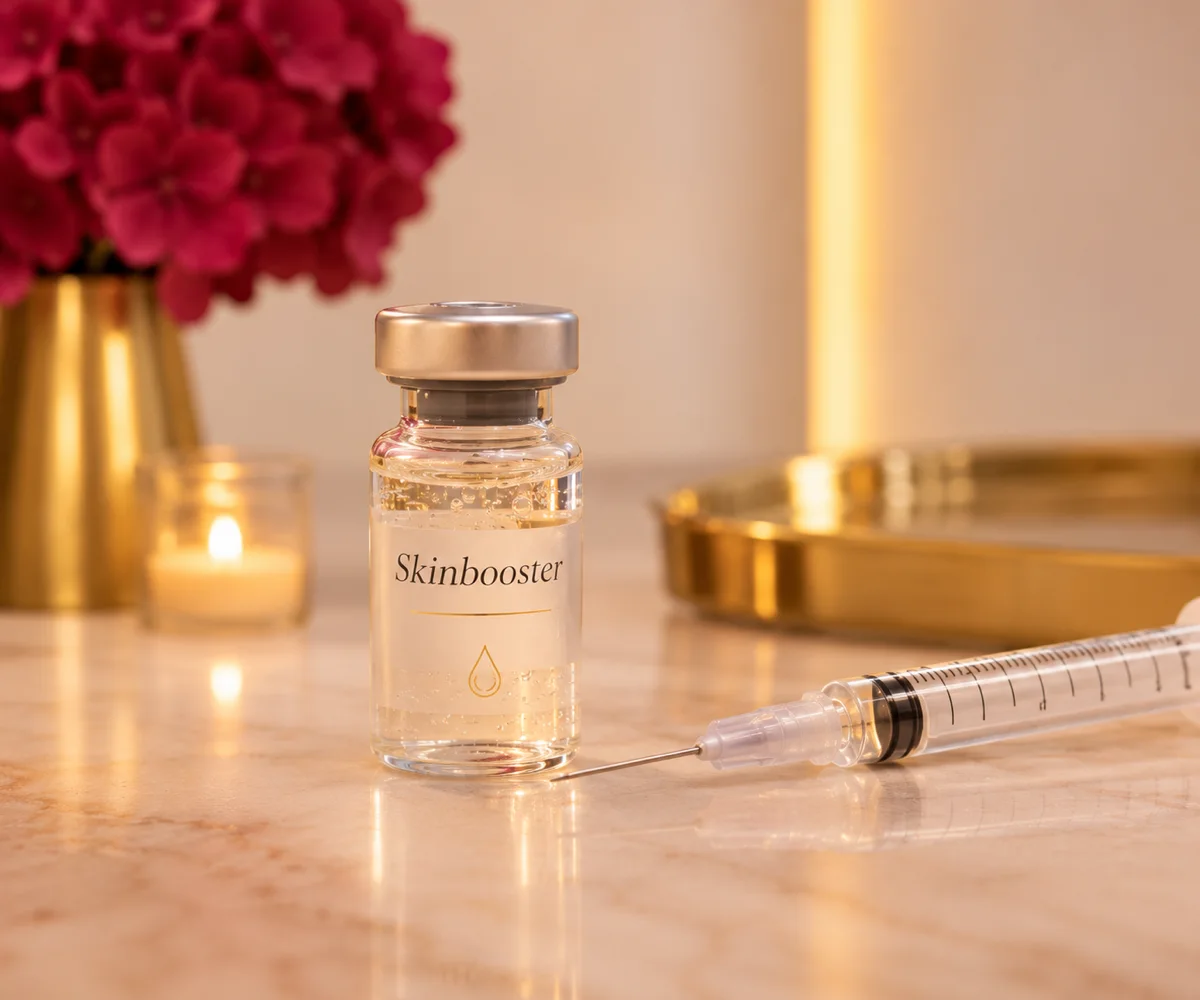
Bottle and syringe on a marble worktop, in warm light

Hydration

Hyaluronic acid (skinbooster)

Hyaluronic acid injections that aim to hydrate and bring comfort to the intimate tissues. There are small studies and the evidence is limited.

May be considered when

the mucosa is still uncomfortable despite first-line care and the doctor considers this option appropriate.

Find out more
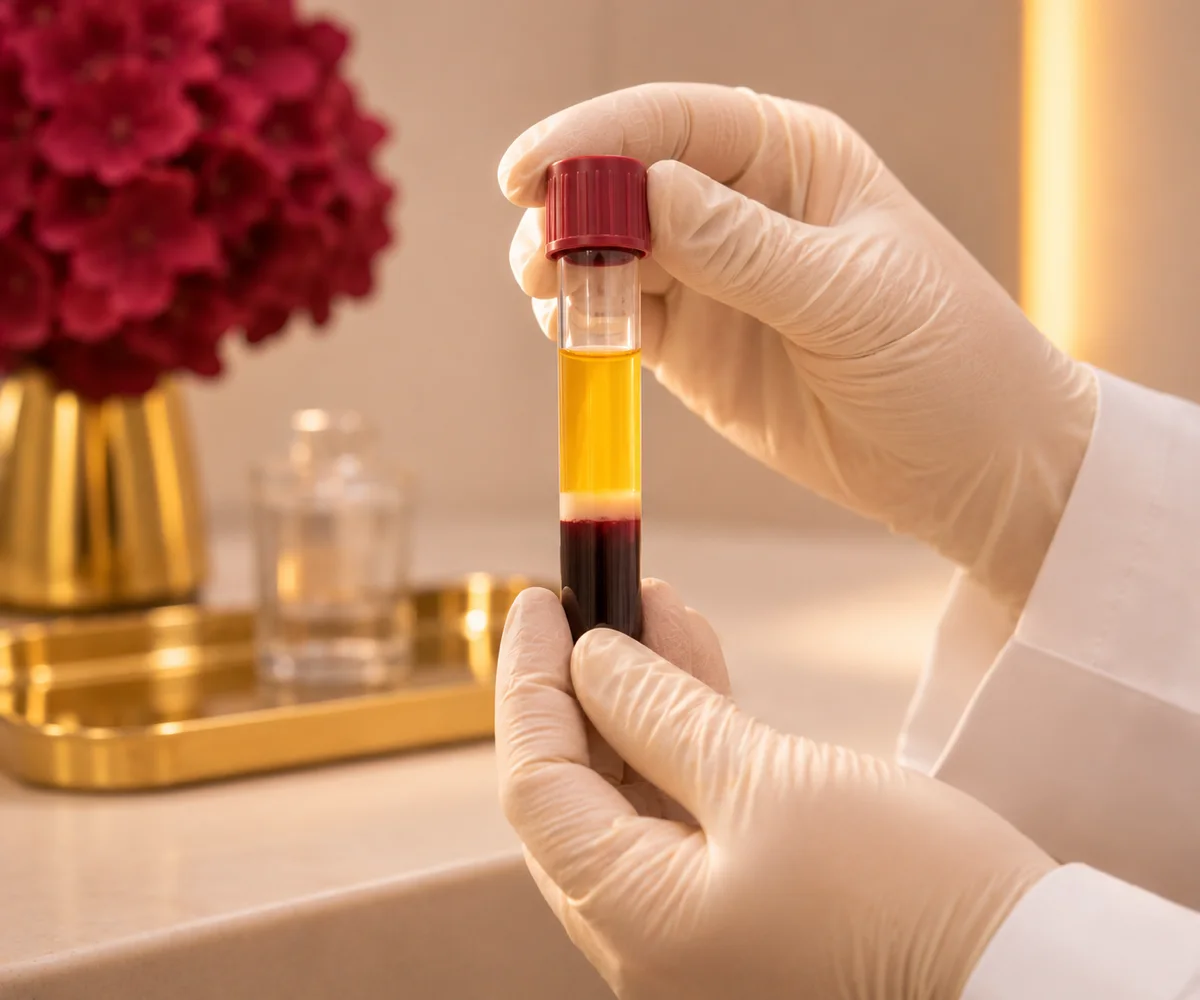
The doctor holding the tube after centrifugation, with the golden plasma separated from the blood

Regeneration

PRP (platelet-rich plasma)

Plasma obtained from your own blood and applied to the area, with the aim of stimulating tissue regeneration. The current evidence is limited.

May be considered when

the doctor has already ruled out other causes, such as skin conditions or infection, and considers PRP suitable for your case.

Find out more
Private treatment room, with the device on an elegant trolley and a patient resting covered with a towel

Technology

Sectum, Neauvia radiofrequency (NRose Protocol)

Low-intensity radiofrequency, with the aim of stimulating collagen and tissue quality. It does not replace first-line treatment and the evidence is limited.

May be considered when

the doctor has explained what is known and what is not known, and the decision, after that conversation, is yours.

Find out more
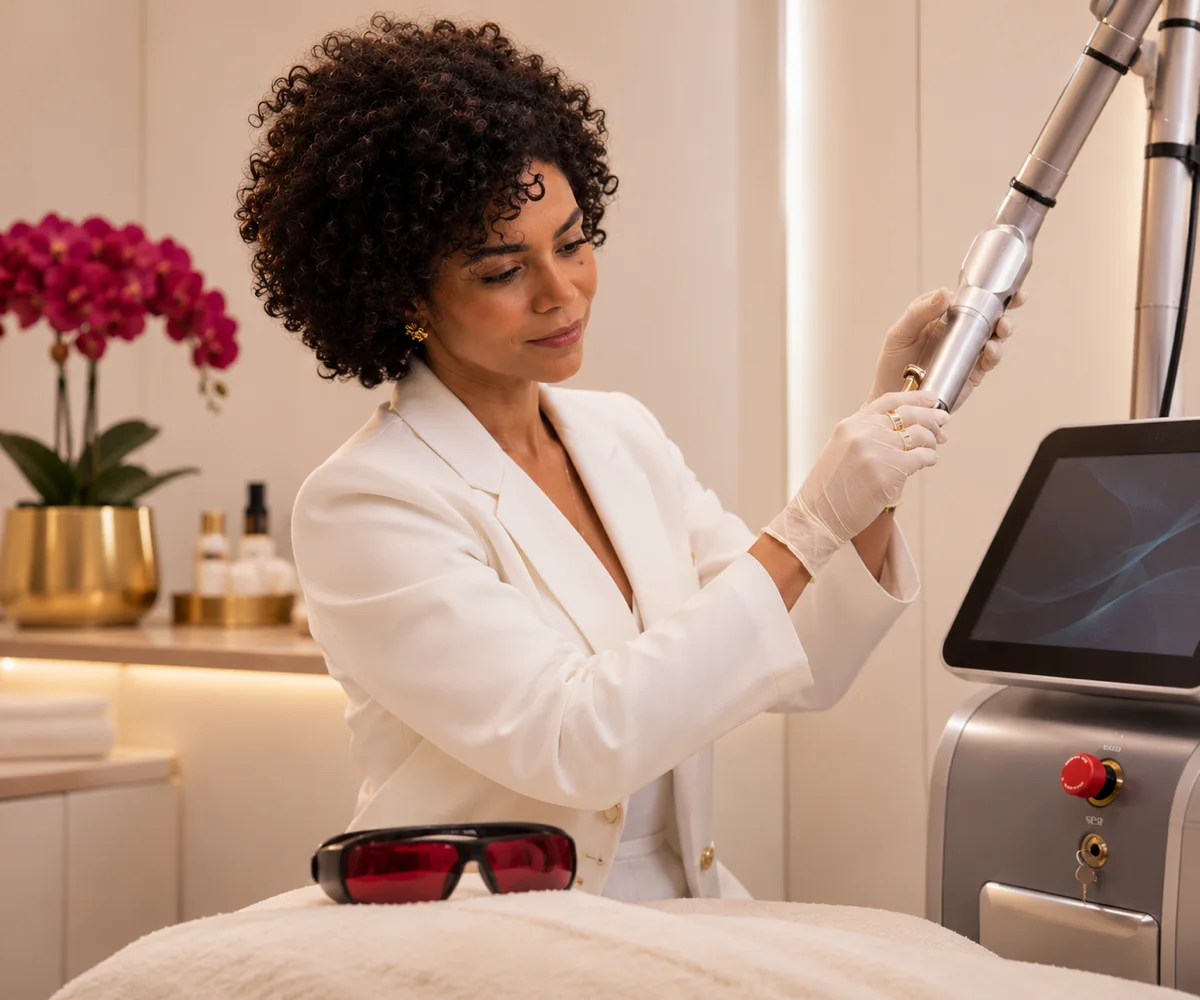
The doctor preparing the laser device, with the protective glasses in the foreground

Technology

Fractional CO2 laser

Laser energy applied to the mucosa. Studies have mixed results and in 2018 the FDA warned about the risks of these devices in the intimate area.

May be considered when

the doctor has assessed your case, explained the benefits and risks, and the alternatives have already been considered.

Find out more

And what does the evidence say? For a mucosa thinned by a lack of oestrogen, low-dose vaginal oestrogen is what has been shown to increase the layers of the mucosa and lower the pH. Moisturisers help many women, but do not restore thickness, and in a large trial they were no different from placebo, so the choice is individual. For laser and radiofrequency, studies are few and the results mixed and, in 2018, the FDA (United States) warned that it had not approved these devices for treating menopause symptoms and that they can cause burns, scarring and pain. If the cause is a skin condition, such as lichen sclerosus, the treatment is different. That is why the doctor explains all of this before any decision, and none of these treatments is offered without first assessing the other causes.

What the journey looks like

From the first consultation to follow-up

No treatment starts without an assessment consultation with the doctor. This is how it works.

  1. 01At the clinic

    Assessment consultation

    The doctor asks how long you have felt the discomfort, which products you use, what your hygiene routine is, your stage of life and your medication, in private and without rushing.

  2. 02At the clinic

    Examining and looking for the cause

    She examines the vulva and mucosa and, when useful, measures the pH. If there is blood, discharge or skin changes, she requests the appropriate tests and refers you when necessary.

  3. 03At the clinic and at home

    A plan tailored to you

    It starts with the simplest measures: simplifying products and habits, lubricant, moisturiser and, if applicable, treating the cause. If appropriate, she explains the other options, what is known about each one and what you can expect.

  4. 04Over time

    Follow-up

    We talk again after a few weeks to see how the mucosa and skin are and adjust the plan, because a fragile mucosa usually needs regular care.

Day to day

How to protect the intimate area

Fewer products, less friction and less humidity: these are the measures that matter most, before and alongside any treatment.

The golden rule

Fewer products, more gentleness

For most women, water is enough. If you prefer a product, choose a gentle, unscented one with few ingredients, and use it on the vulva only, once a day. The vagina cleans itself and needs nothing inside.

Wash only the outer area, with gentle touches

It avoids stripping the skin's protective barrier.

In practice: once a day, without sponges, and pat dry with small dabs instead of rubbing.

Prefer cotton and loose clothing

It reduces heat, humidity and friction.

In practice: change clothes as soon as you have swum or exercised and, if you like, sleep without underwear.

Wash underwear with a gentle detergent

Detergent and fabric softener residues irritate the skin.

In practice: skip the fabric softener and rinse well.

Use lubricant and allow time

A thin mucosa fissures with friction.

In practice: water-based or silicone-based, unscented and without a warming effect, and more time before penetration. If it hurts or bleeds, stop and talk to the doctor.

Dr Michelle Campagnoli, clinical director of Clínica Luxmed

Who will look after you

An assessment carried out by the doctor

At Luxmed, the first step is always an assessment consultation with Dr Michelle Campagnoli. She listens to what you feel, reviews your products and habits with you, examines the vulva and mucosa, looks for the cause and designs the plan with you, in private and without rushing.

  • Physical examination and medical historyMedical history, products and habits, examination of the vulva and mucosa and pH, when useful.
  • A plan tailored to youSimple options first; additional treatments only if appropriate, with the evidence explained.
  • No obligationThe cost of any treatment is confirmed only after the assessment.
Book an assessment consultation

Book a consultation

Book your consultation

Choose how you prefer to get in touch. We will arrange the assessment consultation with Dr Michelle Campagnoli.

Booking through the website100€70€Assessment consultationExclusive price for those who book the assessment through the website. Outside the website, the price is 100 €.

New Life Miraflores, Algés · Office Center, R. Santa Teresa do Menino Jesus n.º 6, 9.º C, 1495-048

Your details are used only for this contact. Any treatment depends on a prior medical assessment.

Request an appointmentIt takes less than a minute.
Speciality
You do not need to go into detail. The doctor will talk to you during the consultation.
Request received. Our team will contact you as soon as possible.
Thin vaginal mucosa: why does it happen and what can be done?

The vaginal mucosa depends on oestrogen to stay thick, moist and resistant. When it falls, in the menopause, during breastfeeding, with certain medicines or after removal of the ovaries, the mucosa becomes thinner and fragile: it burns, gets irritated, may bleed a little after sex and becomes infected more easily. Harsh products and inflammatory skin conditions also play a part. What to do depends on the cause: gentle care, lubricant and moisturiser and, when oestrogen is lacking, low-dose vaginal oestrogen on prescription.

Sensitive intimate skin: which products should I avoid?

The ones that irritate most are scented gels and soaps, wipes (including intimate ones), scented panty liners, intimate deodorants and sprays, fabric softeners, lubricants with a warming effect, flavour or perfume, and vaginal douches. It is also unwise to try many products in a row to treat the irritation.

Can I be allergic to a product I have used for years?

Yes. Allergic contact dermatitis can appear at any time, even with products that were always well tolerated. If you suspect a product, stop it for a few weeks and reintroduce them one at a time. If it continues, the medical assessment may include patch tests.

Can a thin vaginal mucosa return to normal?

It can improve a lot with treatment. If the cause is temporary, such as breastfeeding, it tends to recover on its own. If it is the menopause, it usually needs continued treatment. Moisturisers give comfort, but what restores the thickness of the mucosa is low-dose vaginal oestrogen, on prescription.

Which intimate hygiene product should I use?

For most women, water is enough. If you prefer a product, choose a gentle, unscented one with few ingredients, and use it on the outer area only, once a day. Avoid sponges and scrubbing.

Does a vaginal moisturiser really help?

It helps many women feel more comfortable, generally used two to three times a week, but does not restore the thickness of the mucosa. In a large randomised trial, the moisturiser and vaginal oestrogen were no different from placebo for the most bothersome symptoms, so the answer is individual and the doctor adjusts the plan with you.

Do laser or radiofrequency strengthen the mucosa?

The evidence is limited: studies are few and the results mixed and, in 2018, the FDA warned that these devices are not approved to treat menopause symptoms and that they can cause burns, scarring and pain. They do not replace first-line treatment, and the decision should be made after a clear conversation with the doctor, once other causes have been ruled out.

Is bleeding after sex a sign of a thin mucosa or of something else?

Often it is a thin or dry mucosa that fissures with friction, but the blood can also come from the cervix (for example an ectropion, a polyp or an infection) and, rarely, from a lesion of the cervix. As the risk of cancer in this scenario is low but exists, if the blood recurs, appears after the menopause or has no explanation, it should be assessed, even with a recent normal screening.

How can I tell whether it is lichen sclerosus or another skin condition?

Be wary of white patches, thin and wrinkled skin, fissures or itching especially at night, or persistent red plaques. Only a doctor can confirm it, sometimes with a biopsy. Lichen sclerosus is chronic and has an effective treatment, but should be followed up. Avoid antifungals and corticosteroids on your own.

When should I book a consultation?

If the burning or itching lasts more than two weeks despite stopping the suspected products, if the complaints come back, if there are fissures, patches or sores, if you bleed after sex or after the menopause, or if you have repeated infections. Out of hours, call SNS 24 (808 24 24 24) and, for heavy bleeding, severe pain or high fever, 112.

We could not find that question. Ask us on WhatsApp

Scientific references

This page is based on the sources below and was reviewed by Dr. Michelle Campagnoli. Last updated on .

  1. The North American Menopause Society. The 2020 genitourinary syndrome of menopause position statement of The North American Menopause Society. Menopause 27(9):976-992, 2020.
  2. Lethaby A, Ayeleke RO, Roberts H. Local oestrogen for vaginal atrophy in postmenopausal women. Cochrane Database of Systematic Reviews 2016;(8):CD001500, 2016.
  3. Mitchell CM, Reed SD, Diem S, et al. Efficacy of Vaginal Estradiol or Vaginal Moisturizer vs Placebo for Treating Postmenopausal Vulvovaginal Symptoms: A Randomized Clinical Trial. JAMA Internal Medicine 178(5):681-690, 2018.
  4. Brown JM, Hess KL, Brown S, Murphy C, Waldman AL, Hezareh M. Intravaginal practices and risk of bacterial vaginosis and candidiasis infection among a cohort of women in the United States. Obstetrics & Gynecology 121(4):773-780, 2013.
  5. Farage M, Maibach HI. The vulvar epithelium differs from the skin: implications for cutaneous testing to address topical vulvar exposures. Contact Dermatitis 51(4):201-209, 2004.
  6. Bauer A, Rödiger C, Greif C, Kaatz M, Elsner P. Vulvar dermatoses: irritant and allergic contact dermatitis of the vulva. Dermatology 210(2):143-149, 2005.
  7. Lewis FM, Tatnall FM, Velangi SS, et al. British Association of Dermatologists guidelines for the management of lichen sclerosus, 2018. British Journal of Dermatology 178(4):839-853, 2018.
  8. Tarney CM, Han J. Postcoital bleeding: a review on etiology, diagnosis, and management. Obstetrics and Gynecology International 2014:192087, 2014.
  9. Shapley M, Jordan J, Croft PR. A systematic review of postcoital bleeding and risk of cervical cancer. British Journal of General Practice 56(527):453-460, 2006.
  10. National Institute for Health and Care Excellence. Suspected cancer: recognition and referral (NG12). NICE (nice.org.uk), 2015.
  11. NHS. Vaginal dryness. (NHS (nhs.uk), acedido 2026-11-11)
  12. NHS. Lichen sclerosus. (NHS (nhs.uk), acedido 2026-11-11)
  13. NHS. Contact dermatitis. (NHS (nhs.uk), acedido 2026-11-11)
  14. Medsafe (Nova Zelândia), reproduzindo a comunicação de segurança da FDA de 30 de julho de 2018. The USFDA Warns Against Use of Energy-Based Devices to Perform Vaginal 'Rejuvenation' or Vaginal Cosmetic Procedures: FDA Safety Communication. Medsafe, 5 setembro 2018, 2018.
CallAssistantAvailableBook