Algés, Oeiras Mon to Sat · 09:00 to 13:00 and 14:00 to 19:00
WhatsApp Book a consultation

Hair problem

Hair after a transplantWhen you had a hair transplant elsewhere and want to know what is normal during recovery

After a hair transplant, it is common to have more questions than before the surgery: the scabs, the hairs that fall out, the old hair that seems to thin and the months when nothing seems to happen. Here we explain the usual stages, what helps and what harms, what the warning signs are and what Luxmed can and cannot do. Luxmed does not perform transplants: it follows your recovery and the hair you already had.

Reviewed by Dr Michelle Campagnoli, clinical director

  • 3treatments the clinic may suggest for native hair
  • 1assessment consultation, always first
  • 70 €assessment booked through the website
Man with short grey hair and a green jacket, smiling at the camera on a street with old buildings

How to recognise it

Is this a normal phase of recovery?

After surgery, many things are alarming yet expected, and a smaller share deserve attention. These signs help you see where you are, without replacing the opinion of the team that operated on you or a medical assessment.

Tick what you recognise0/7

Tick the signs you recognise in your case. This is not a diagnosis, it is only meant to give you an idea.

Increasing pain, spreading redness, warmth, pus, fever, wounds that do not heal, marked swelling that does not go down, or sudden, heavy loss of the hair you already had should be seen without delay, preferably also by the team that performed the surgery.

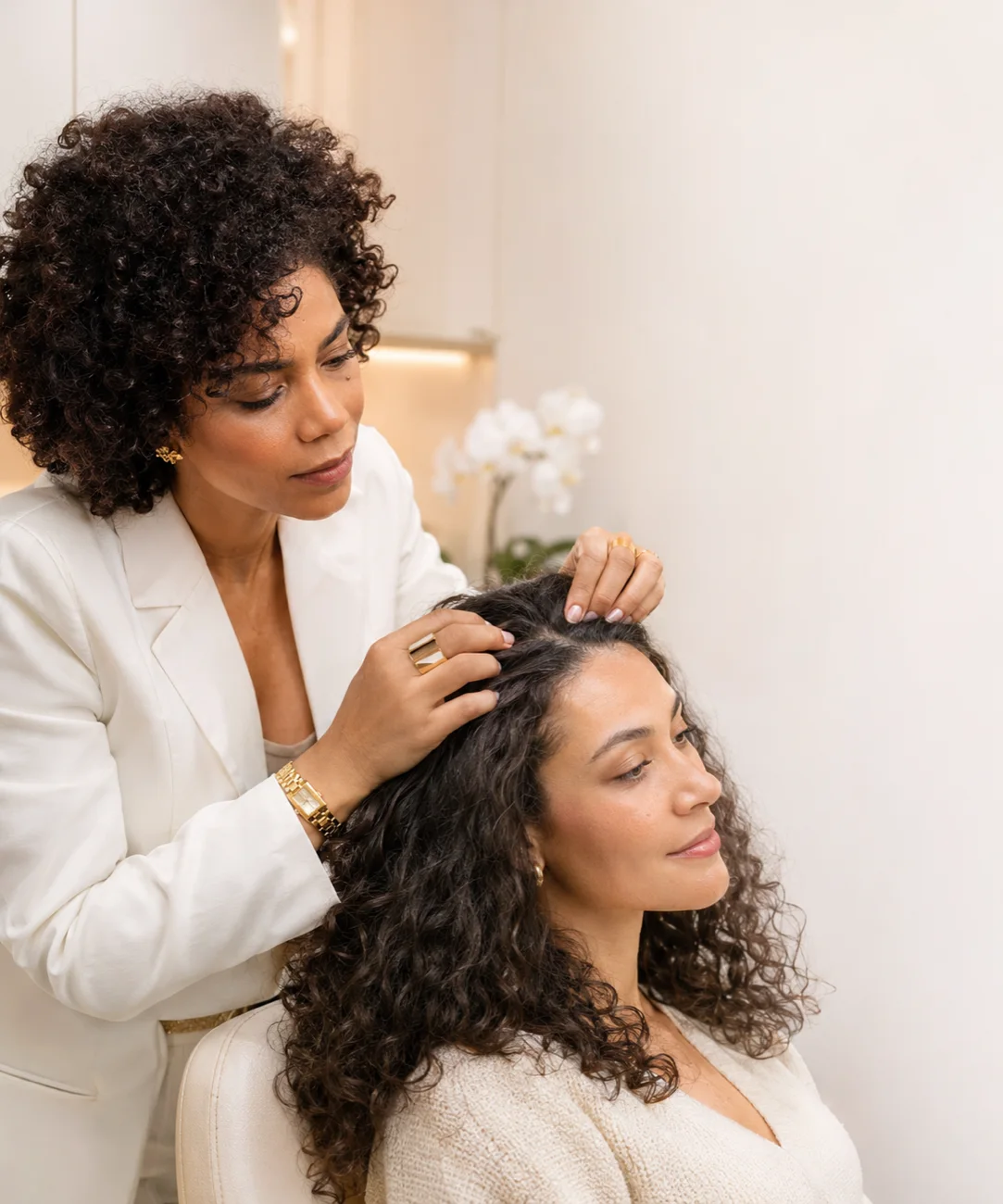
The doctor examining a patient's scalp during a hair assessment consultation
Photograph of an assessment appointment. The dots mark the areas the doctor examines after a transplant; the image does not show a transplant.

What happens

What weighs on recovery after a transplant

Recovery has stages, and each brings its own questions. Choose one to see what tends to make it worse and what tends to help.

Shedding of transplanted hairs

A few weeks after surgery, it is common for the transplanted hairs to fall out, with the follicle remaining in place. This can be alarming, because the area seems to go back to where it started, but it is described as a usual phase, followed by the growth of new hairs in the following months.

What makes it worse

Picking off scabs or hairs that are still attached out of impatience, or concluding that the operation has failed and ceasing to follow the team's instructions.

What helps

Knowing in advance that this phase exists, noting the date it began, and taking photographs from time to time, always with the same light and the same angle.

Expected or to be monitored

Usual recovery or signs to watch for

After a transplant, many things are expected, but some signs deserve to be seen quickly. Telling them apart helps you feel more reassured and act in time.

  • Scabs and pinkness. Small scabs, pink skin and some itching in the first weeks are usually part of healing.

  • Shedding of transplanted hairs. It usually happens a few weeks later, with the follicle remaining in place, and is followed by new growth over the months.

  • New hair, fine at first. The first hairs tend to grow in fine or light and gain body over time.

  • Doubts and anxiety. Feeling impatient or apprehensive at this stage is common. Talking to the team and taking photos at regular intervals can help.

  • Follow-up. Recovery is monitored through scheduled check-ups over many months.

Had a transplant and have questions about recovery? Book an assessment appointment so the doctor can examine your scalp and the hair you already had, and see what can be followed up.

Book an assessment consultation

What the clinic can do

What Luxmed can offer after a transplant

Luxmed does not perform hair transplants and does not replace the team that operated on you. What the clinic can do is examine the scalp, follow the progress of the hair you already had and, when it makes sense and the team that operated authorises it, propose treatments that act on the scalp and the follicle. None of them repairs hairs that have already grown, and none is chosen before the assessment. Results vary from person to person and science is still studying these treatments, so the doctor explains what is known and what you can expect before any decision.

Book an assessment consultation
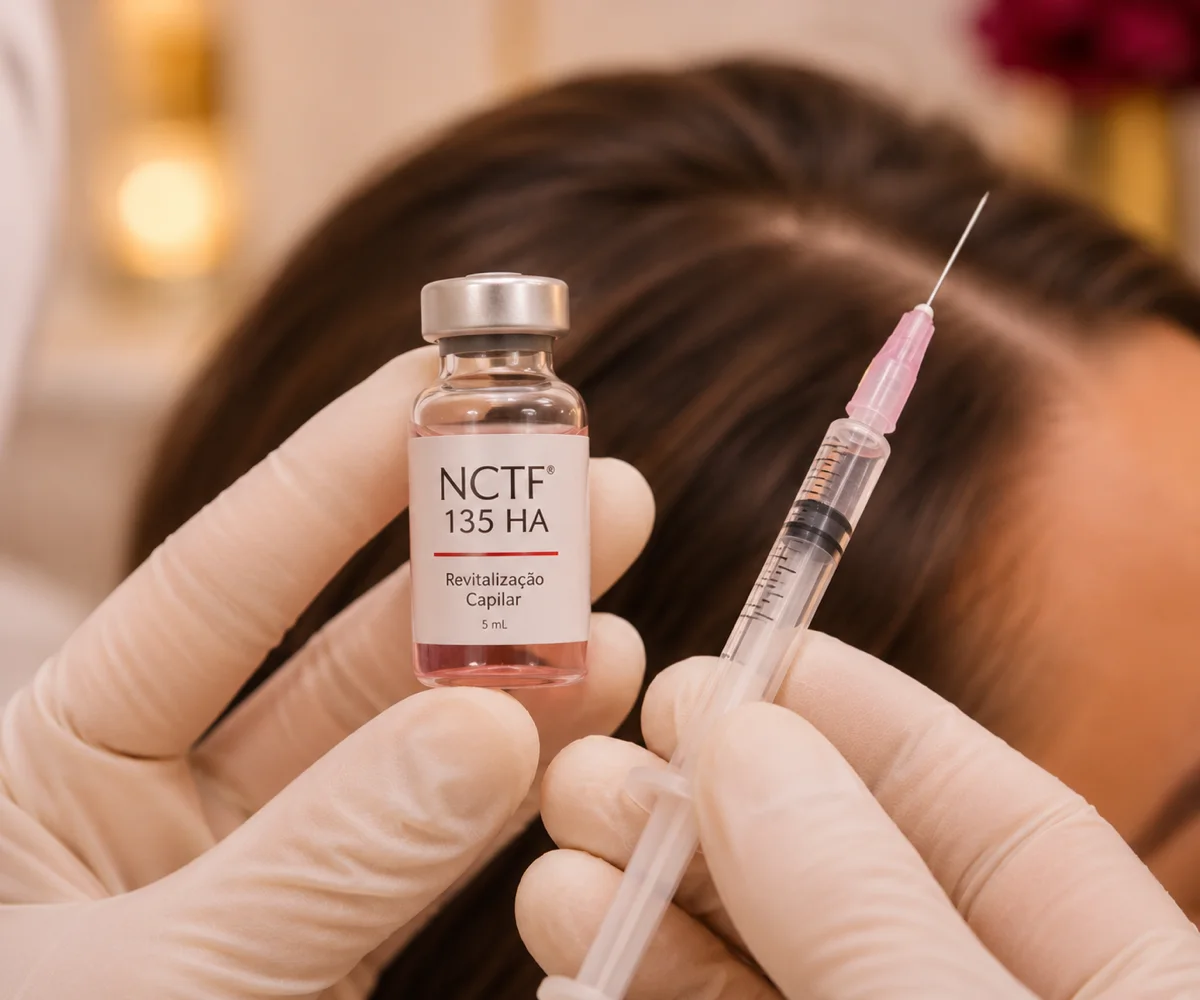
Ampoule of NCTF hair revitalisation and a syringe next to the scalp

Regeneration

Hair NCTF

Vitamins, amino acids, minerals and hyaluronic acid, which may help nourish the scalp and support finer hair. Limited evidence.

Suitable when

the skin has healed, the team that operated sees no objection and the doctor considers it useful to nourish the scalp of the native hair.

Find out more
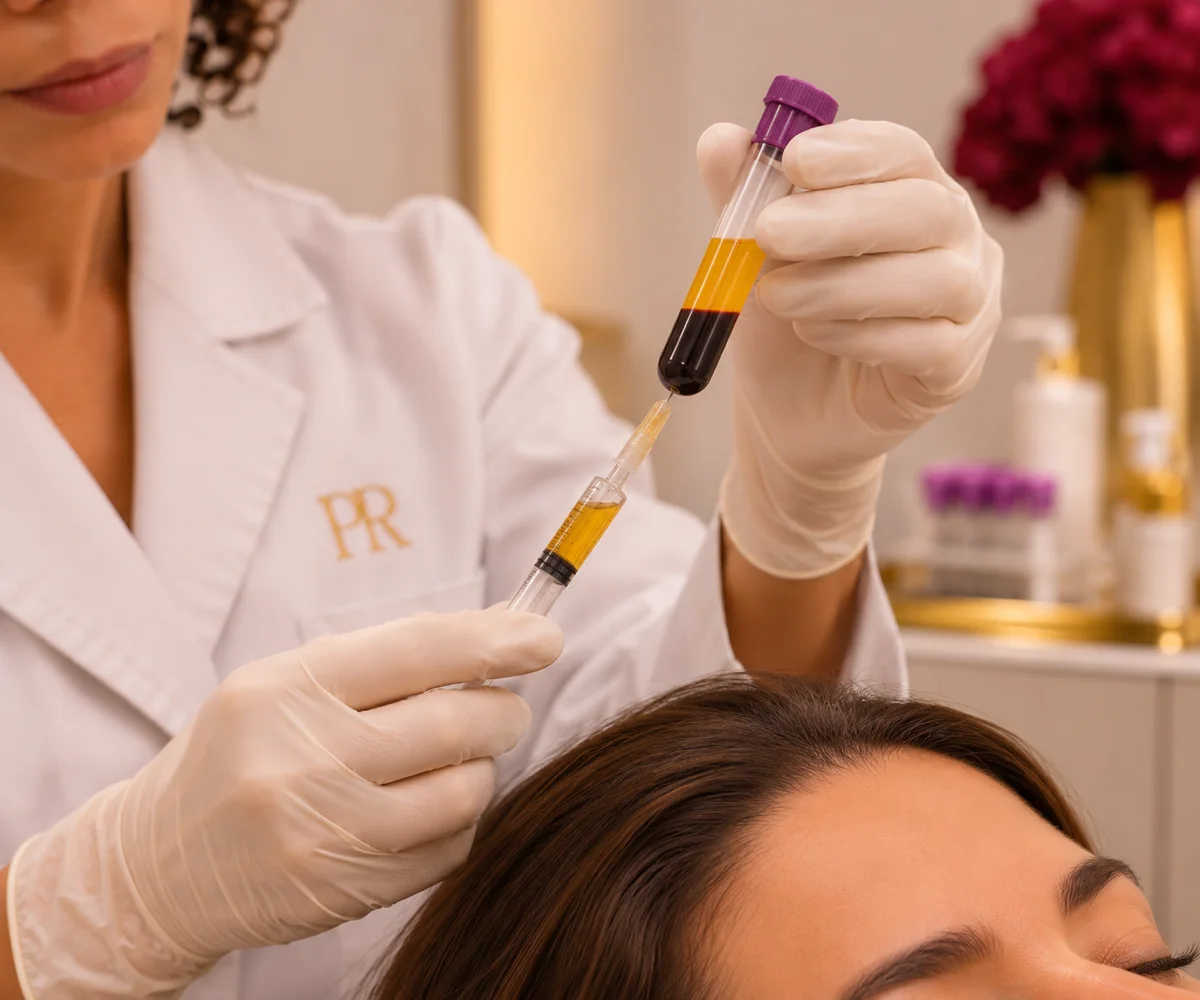
A doctor preparing platelet-rich plasma in a syringe, next to a tube of centrifuged blood

Regeneration

Hair PRP

Platelet-rich plasma, obtained from your own blood, which may help stimulate the follicle in some cases. Its role alongside a transplant is still debated. The doctor first assesses whether it is appropriate.

Suitable when

the native hair is thinning and the doctor considers it appropriate to stimulate the follicle, once the area has healed.

Find out more
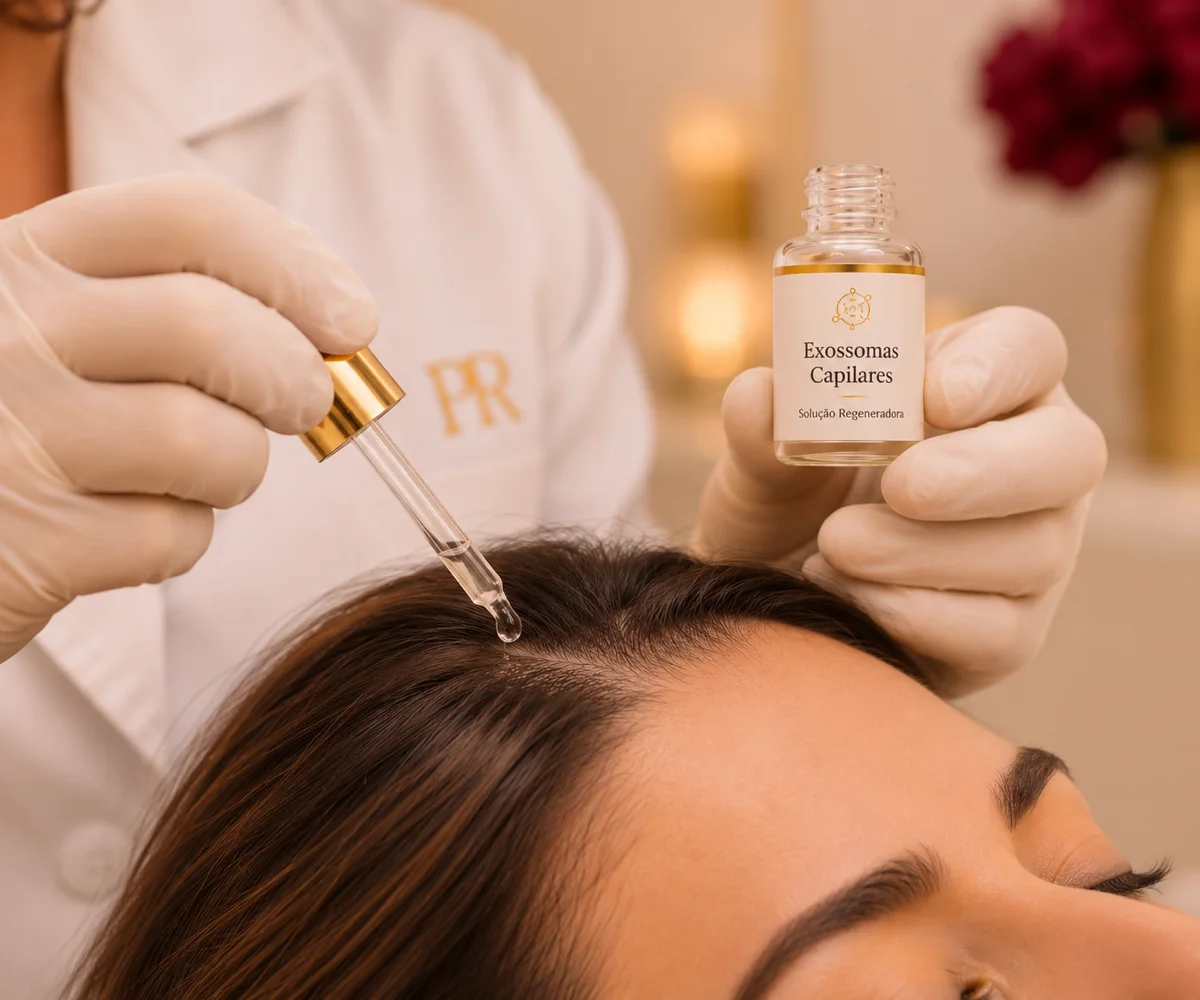
Vial of hair exosomes and a dropper over the scalp

Advanced regeneration

Hair exosomes

Regenerative solution that may help support the follicle and hair thickness, with variable response and limited clinical evidence.

Suitable when

the doctor considers it useful to reinforce the native hair plan with a regenerative active ingredient.

Find out more

When does it make sense, and when not? In the first weeks, while the skin is still healing, the priority is to follow the instructions of the team that operated. Later, the doctor may propose a plan for the hair you already had, always after examining the scalp. These treatments do not replace the transplant or guarantee more transplanted hair, and the doctor explains frankly what is realistic. Results are gradual.

What the journey looks like

From the first consultation to follow-up

No treatment begins without an assessment appointment with the doctor. That is how it works, and you may bring your surgery documents.

  1. 01At the clinic

    Telling the story of the surgery

    The doctor will ask where and when you had surgery, which technique was used, what instructions you were given and which treatments you use or used before. If you have a report, before photos or prescriptions, please bring them.

  2. 02At the clinic

    Examining the scalp

    She examines the transplanted area, the donor area and the hair you already had, using trichoscopy, to look at the skin, the follicles and how density is changing.

  3. 03At the clinic

    Telling what is expected

    It explains what is usually normal at the stage you are in, what deserves monitoring and what should be seen by the team that operated.

  4. 04At the clinic

    See what matters most

    If useful, she requests blood tests, for example for iron, thyroid and other vitamins, and takes into account your medication and any associated conditions.

  5. 05Over time

    Plan and follow-up

    Only when it makes sense, she may suggest treatments for the hair you already had, combines them with home care, and reviews your hair again after a few months, using comparable photographs.

Day to day

What helps at home

Following the instructions of the team that operated and being patient is what matters most. These measures complement the plan without replacing it.

The golden rule

Follow the protocol of the team that operated on you

Instructions on washing, sleep, exercise and sun protection come from the team that performed the surgery, which knows the technique and the number of grafts. If in doubt, call them first. Luxmed complements this information and never contradicts it.

Follow the washing protocol

This is what helps the skin heal.

In practice: wash the area as the team explained, with the product and technique indicated, without rubbing.

Protect from the sun

Skin that is still sensitive can darken and become inflamed easily.

In practice: wear a wide, loose cap as the team recommends, and avoid direct sun in the first weeks.

Sleeping with care

Pressure can dislodge scabs.

In practice: use a neck pillow or raise your head, if the team advises it.

Keeping a record of progress

It gives perspective during the months when nothing seems to change.

In practice: take photos from the same angle and in the same light, once a month.

Keeping your documents

The doctor will need them.

In practice: keep the report, before photos, number of grafts, prescriptions and check-up dates.

Dr Michelle Campagnoli, clinical director of Clínica Luxmed

Who will look after you

An assessment carried out by the doctor

At Luxmed, the first step is always an assessment appointment with Dr. Michelle Campagnoli. She examines your recovery, scalp and the hair you already had, explains what is expected, requests tests if useful and designs the follow-up with you. The clinic does not perform transplants.

  • Physical examination and medical historyAssessment of the scalp, the transplanted area and the hair you already had.
  • A plan tailored to youA plan suited to your case, explained clearly and honestly, with follow-up over time.
  • No obligationThe cost of any treatment is confirmed only after the assessment.
Book an assessment consultation

Book a consultation

Book your consultation

Choose how you prefer to get in touch. We will arrange the assessment consultation with Dr Michelle Campagnoli.

Booking through the website100€70€Assessment consultationExclusive price for those who book the assessment through the website. Outside the website, the price is 100 €.

New Life Miraflores, Algés · Office Center, R. Santa Teresa do Menino Jesus n.º 6, 9.º C, 1495-048

Your details are used only for this contact. Any treatment depends on a prior medical assessment.

Request an appointmentIt takes less than a minute.
Speciality
You do not need to go into detail. The doctor will talk to you during the consultation.
Request received. Our team will contact you as soon as possible.
Does Luxmed perform hair transplants?

No. Luxmed does not perform transplants. What the clinic offers is an assessment appointment with the doctor, who can examine your recovery, scalp and the hair you already had, and propose treatments for native hair when they make sense. For any question about the surgery itself, the technique, the grafts or surgical complications, the first contact should be the team that operated on you, and the doctor helps you work out what to ask them.

Is it normal for transplanted hairs to fall out?

Yes, it is described as a usual phase. A few weeks after surgery, the transplanted hairs tend to fall out, while the follicle stays in place, preparing to produce a new hair in the following months. It can be alarming because it seems the operation has not worked, but it is not a sign of that. If the shedding is accompanied by pain, pus, spreading redness or sores, it should be seen without delay, both by the team that operated and by the doctor.

Why does the hair I already had also fall out?

In some cases, the original hair near the treated area falls out or becomes thinner for a while, an effect described as temporary. It may also happen that native hair continues to thin over time, because the transplant does not treat the cause of the loss. Telling one from the other requires examining the scalp and following its progress, and that is what the doctor does at the assessment appointment.

When do results start to show?

Transplanted hair grows in stages and takes many months to show the result, at different paces from person to person. In the first months, the appearance may even look the same as or worse than before. It is therefore advisable to take comparable photos and attend the scheduled check-ups, rather than drawing conclusions every month. The team that operated knows best what to expect from its technique and from your case.

What if a long time has passed and almost no hair is growing?

There may be several reasons, and not all are a problem: slower paces, growth stages still under way or the effect on the surrounding hair. There may also be causes to investigate, such as deficiencies, thyroid changes or medication. The doctor examines the scalp, asks about the surgery and, if useful, requests tests. If the question is about the result of the operation, the team that operated should review the case with you.

What treatments can the clinic suggest?

Depending on the case, and only once the skin has healed and the team that operated sees no objection: hair NCTF, hair PRP and hair exosomes, which act on the scalp and the follicle. None repairs a hair that has already grown and none guarantees more transplanted hair. The evidence for several of these treatments is limited, and the doctor explains what is known before any decision.

Does PRP improve the result of the transplant?

The role of PRP alongside a transplant is still debated in the literature, and the evidence is limited. It may help to stimulate the follicle in some cases, but it does not replace aftercare or guarantee a better result. If you have already had PRP at the clinic that operated on you, tell the doctor. If you have not, speak first to the team that operated, and the doctor will assess whether it makes sense in your case, without hurry and without promises.

When can I have scalp treatments?

There is no single date that suits everyone. In the first weeks, with the skin healing and the grafts fragile, the priority is to follow the instructions of the team that operated, and injections or microneedling in the recipient area may be out of the question. Later, the doctor assesses the scalp and, if the team that operated agrees, decides whether there are suitable treatments for the native hair. Always ask before doing anything.

Do I need to keep treating the hair that was not operated on?

It usually makes sense to keep monitoring. A transplant moves follicles but does not treat the cause of hair loss, and the original hair may continue to thin over the years. When changes in native hair are seen in good time, it is possible to decide with the doctor on a long-term plan, which may include medical treatments. The options depend on each person's pattern and are always discussed at the appointment.

What are the warning signs after a hair transplant?

Increasing pain, warmth, spreading redness, pus, fever, wounds that do not heal, marked swelling that does not go down, or sudden, heavy loss of the hair you already had. These signs should be seen without delay, and the first call should be to the team that operated. If you cannot reach them or would like a second opinion, book an assessment appointment with the doctor.

What questions should I ask the team that operated on me?

Ask for the report, the number of grafts, the technique used, the written instructions (washing, sleep, exercise, sun), the check-up dates and whom to contact if something goes wrong. Also ask which stages are normal, which signs call for immediate contact, and when other treatments may be done. Bringing these documents to the appointment helps the doctor understand your case and follow the hair you already had.

What should I bring to the first appointment?

The surgery report or documents, photographs from before and during recovery, prescriptions, and the list of medicines and supplements you take. If you have recent blood tests, bring them. Tell us the date of the operation, where it was done and what you were told. No treatment is needed before the doctor assesses you, and you should not wash or change the care the team instructed you to follow in order to attend the appointment.

Can I book an appointment if I had the transplant abroad?

Yes. Many people have their transplant abroad and are left without close follow-up on their return. The doctor can examine the recovery and your native hair, provided you bring the documents you have, but she does not replace the team that operated and is not responsible for the decisions or results of the surgery. If there are warning signs, do not wait for the appointment and seek assessment without delay.

We could not find that question. Ask us on WhatsApp

Scientific references

This page is based on the sources below and was reviewed by Dr. Michelle Campagnoli. Last updated on .

  1. Jimenez F, Alam M, Vogel JE, Avram M. Hair transplantation: Basic overview. J Am Acad Dermatol, 2021.
  2. Garg AK, Garg S. Complications of Hair Transplant Procedures-Causes and Management. Indian J Plast Surg, 2021.
  3. Kerure AS, Patwardhan N. Complications in Hair Transplantation. J Cutan Aesthet Surg, 2018.
  4. Mysore V, Kumaresan M, Garg A, et al. Hair Transplant Practice Guidelines. J Cutan Aesthet Surg, 2021.
  5. MedlinePlus (National Library of Medicine, EUA). Hair transplant. MedlinePlus Medical Encyclopedia, 2025.
  6. Kanti V, Messenger A, Dobos G, et al. Evidence-based (S3) guideline for the treatment of androgenetic alopecia in women and in men - short version. J Eur Acad Dermatol Venereol (European Dermatology Forum / EADV), 2018.
CallAssistantAvailableBook