What does a complete body treatment include?
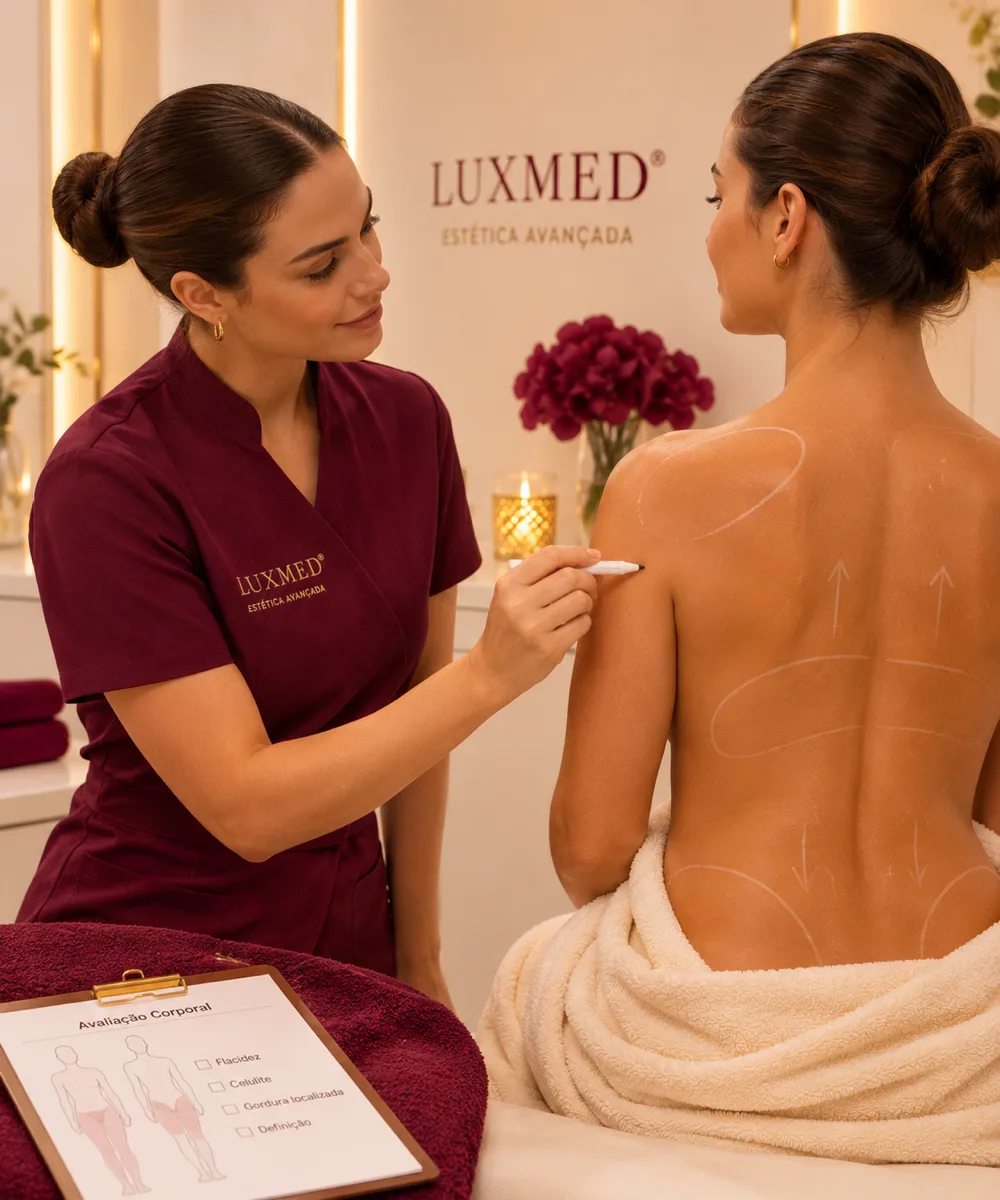
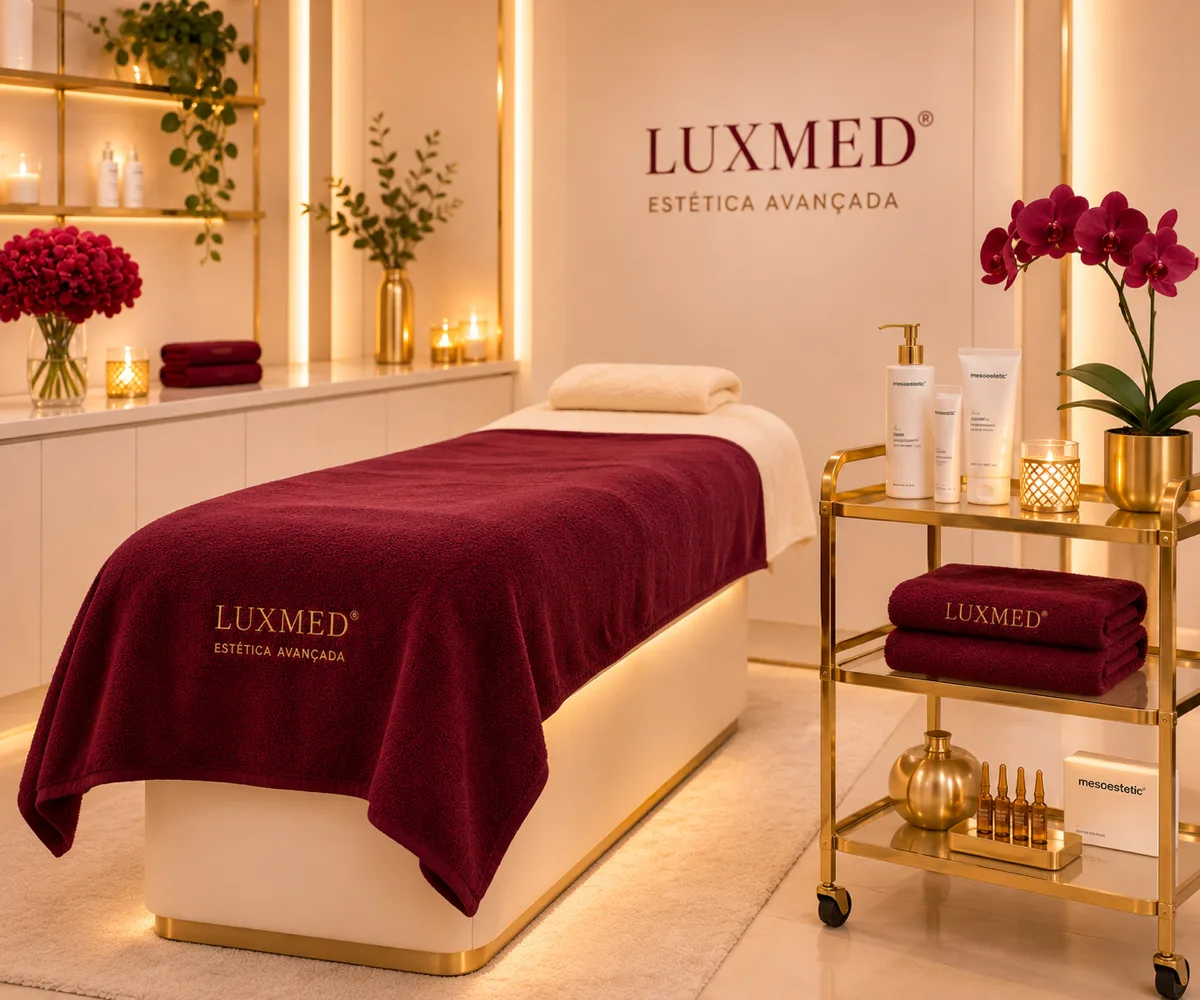
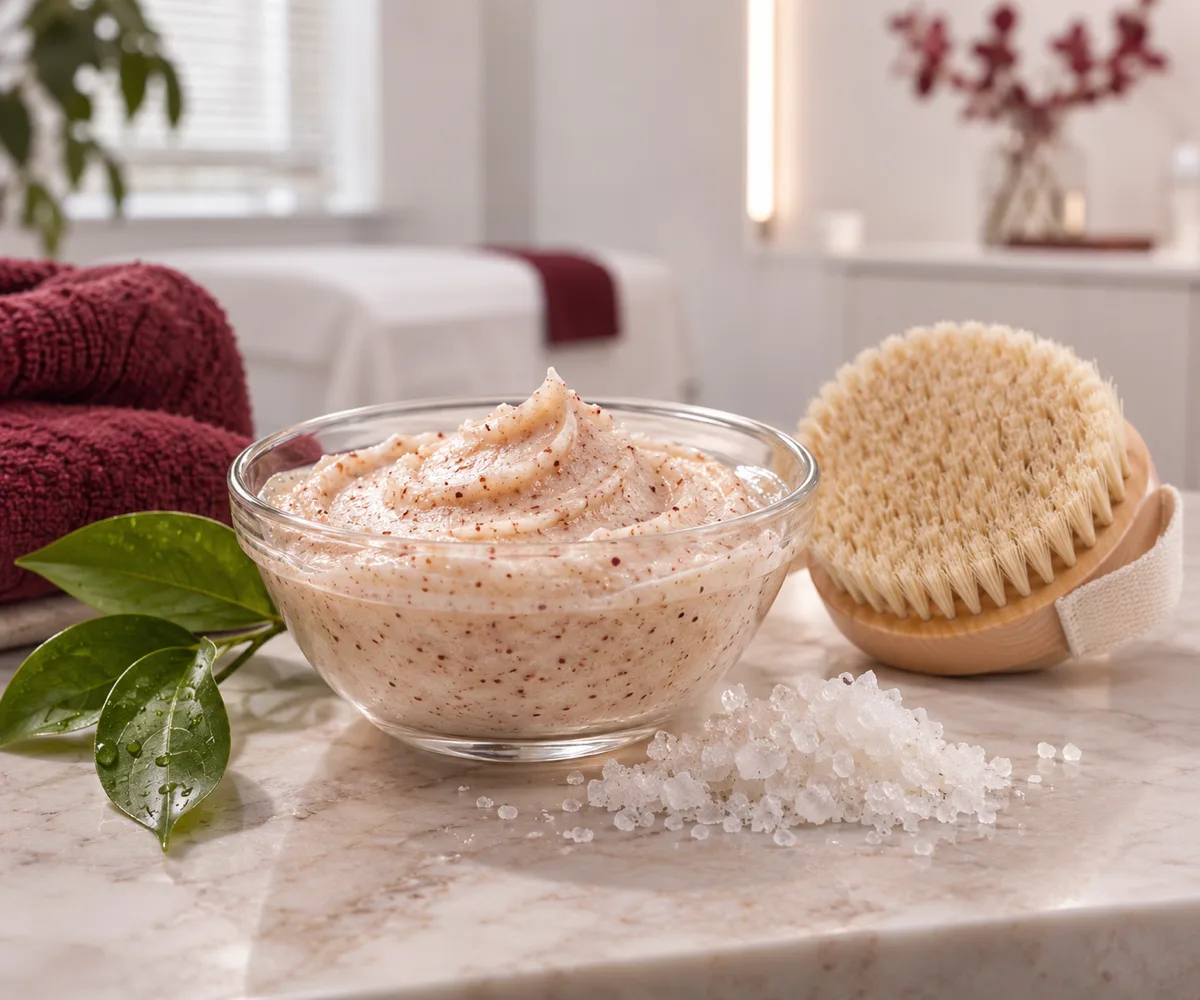
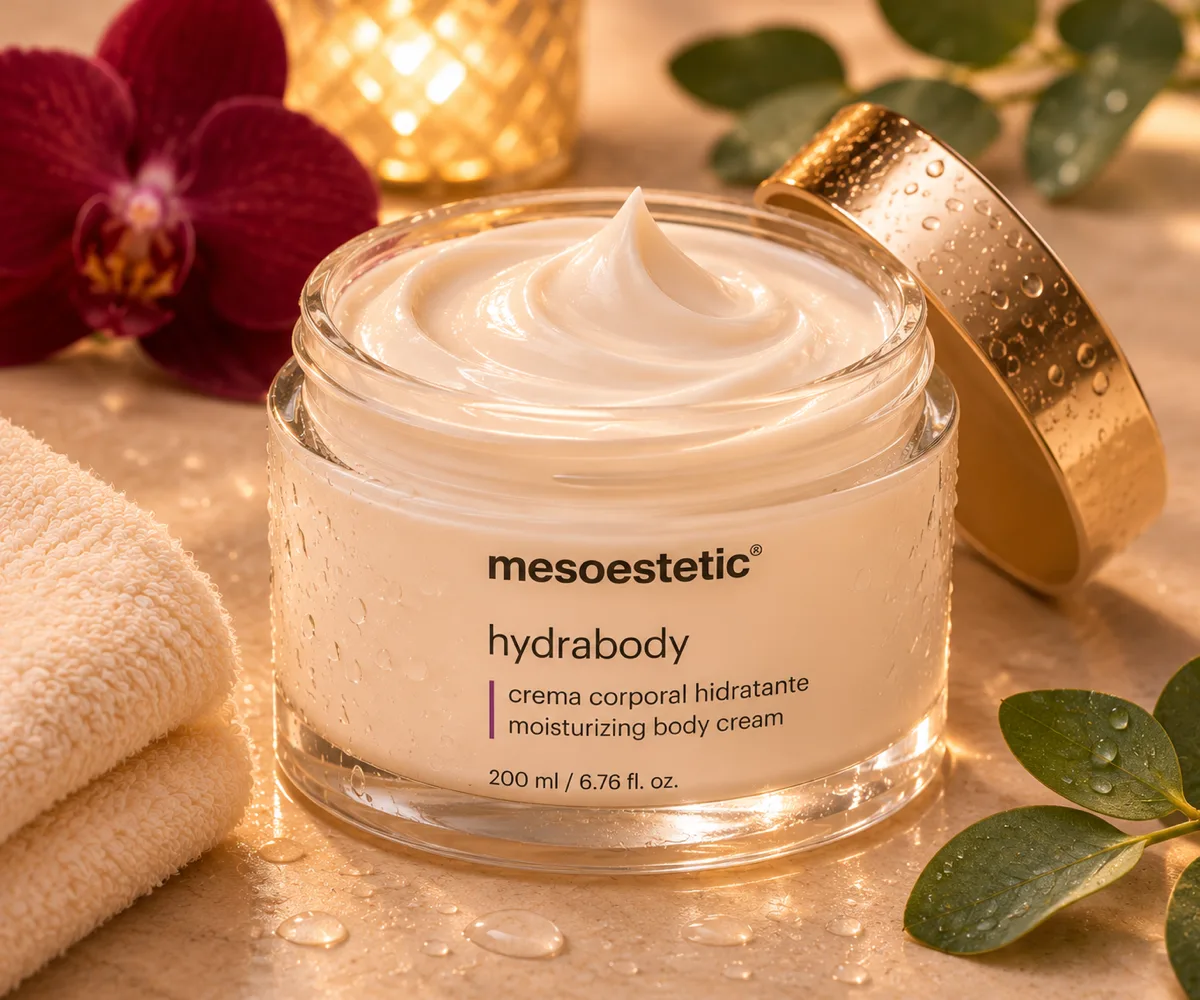
At Luxmed, complete care is Ritual Prestige Body, described as the most complete body experience in the range. In a single extended moment, it brings together preparation, treatment, massage and finishing care, with professional mesoestetic® active ingredients and manual technique. The exact steps, their order and the interval between appointments are defined by the team after the assessment, because they depend on each person. If you are looking for a fixed list of steps and durations, the honest answer is that this can only be explained once your case is known, without promising results in advance.
What is the difference between a body ritual and a massage?
A body ritual combines professional active ingredients with manual technique, for a need of the skin or body contour, and always begins with an assessment. A therapeutic massage has a different aim, which is to relieve tension and relax, and is performed by massage therapists and can be booked directly. Drainage, however, is only done with a prior medical referral, at an assessment consultation with Dr Michelle Campagnoli. Prestige Body includes massage as one of its steps, but it is a body ritual, not a massage therapy session.
Does complete care treat cellulite, stretch marks or localised fat?
That is not its purpose. Complete care is an organised moment of preparation, treatment, massage and finishing, not a treatment aimed at a specific concern. Cellulite, stretch marks, localised fat and loss of firmness have their own rituals, and each has its own page in this section, explaining what to expect. If one of these is the main reason for your visit to the clinic, say so at the assessment: the team will propose the targeted path, which can be followed before or after complete care.
How long does a complete body treatment last?
Ritual Prestige Body is described as an extended ritual, longer than one aimed at a single need, but the exact duration is explained when you book and is not fixed on a page. It is best to allow for the whole session, with no tight schedule before or after, so that the moment delivers what it promises. If your schedule has limits, say so at the assessment: the team will propose what fits into the time you have, and will tell you frankly what is better left for another appointment.
How many sessions are needed for complete care?
It depends on what you are looking for. For someone who wants a single moment, one session may be enough, but that decision is for the team, once it knows your case, and not for a general rule. For someone who wants to prepare for a longer period, such as a wedding, or to combine complete care with more targeted rituals, the assessment defines the number of sessions and the interval between them, with realistic expectations. Results vary from person to person and are helped by regular care at home, so no number is promised before the assessment.
What should I do for my body before summer?
Start early and without rushing. Book an assessment well in advance, tell the team what date you have in mind and keep your skin moisturised and protected from the sun. Avoid introducing several new things at once and do not leave everything for the week of the holiday, because skin that does not yet know a ritual deserves time to react. If you have a specific concern, such as cellulite, stretch marks or dryness, it has its own ritual, described on another page. Complete care is a good way of bringing the rest together in a single moment, without promising what the skin cannot deliver.
How should I care for my body's skin after summer?
Moisturise regularly, keep up sun protection for as long as you are exposed and give your skin time. Sun, salt and chlorine tend to dry it out, and a tan is a sign that it has reacted to radiation. If there were burns, wait for the redness and peeling to pass before booking any ritual, and do not exfoliate sensitive skin. At the assessment, the team will tell you whether it is time to go ahead, whether it is better to wait longer and which ritual, complete or targeted, makes most sense right now. September and October are, for many people, a good time to start again.
When should I start preparing my body for the wedding?
As early as you can, and with nothing new in the week of the wedding. A calendar set well ahead leaves room for the assessment, for adjusting the plan and for letting the skin react to each step without pressure. Tell the team the date, the type of dress or suit and the parts of the body that will be on show, and let them propose what makes sense. Complete care can be part of that plan, as the final moment, and there is a dedicated page with the wedding preparation calendar, which also covers skin and hair.
When should I see a doctor first before a body treatment?
If you have a mole or patch that has changed colour, size or shape, that bleeds, itches or looks different from the others, ask for a dermatology consultation before any ritual. The same applies to wounds that do not heal, signs of infection, recent sunburn or a chronic condition the team has not been told about. When in doubt, the initial assessment with the doctor serves exactly this purpose: to see whether there is something to clarify before going ahead, and to say plainly if the ritual should wait.
Can I have complete care after pregnancy?
It depends on the moment. Many skin changes during pregnancy are normal and resolve on their own after the birth, so there is no hurry to get your body back. Always tell the team if you are pregnant, if you might be or if you are breastfeeding, and how long it has been since the birth. The team assesses what is appropriate and what should wait. The assessment is the right moment to talk about this calmly, and to choose between complete care or a simpler, targeted ritual.
Who should wait or inform the team before having a body ritual?
Tell the team if you have allergies, if your skin reacts easily, if you are pregnant or breastfeeding, or if you have been in the sun recently. Also say which medicines you take: some, such as certain antibiotics or anti-inflammatories, make the skin more sensitive to light, and anyone who takes or has taken isotretinoin should mention it, because the decision about procedures should be made together with the doctor. Wounds, infections or burns in the area to be treated mean waiting. The more complete the information, the safer and more suitable the proposal.
Are body rituals also for men?
Yes. The skin of the body needs care in men and women, and a moment of preparation, hydration and relaxation can make sense for anyone, whether before summer, after it or simply as a break. The assessment is the same for everyone: a conversation about what you are looking for, examination of the skin, allergies and medication, and a suitable proposal. The clinic's body rituals are not designed for a particular gender, and what changes from person to person is the needs, the time available and the areas to be worked on.
Can I give a body treatment as a gift?
You can talk to the team to find out how to arrange a gift. The most important thing is that the person receiving the ritual goes through the assessment, because that is where it is confirmed what suits them, whether there are allergies, medication or situations that change the proposal, and whether complete care really is the best choice for their moment. When booking, explain the situation to the team and let them guide you. The price is explained when you book, with no commitment, and the date can be agreed without pressure.
Do I need to prepare anything before the ritual?
Bring the list of products you use on your skin, the allergies you know of, the medicines you take and the treatments you have had recently. If you have been in the sun in the last few days, say so when booking, because it may be necessary to wait. Avoid trying new products in the week before and keep your skin moisturised. If you can, reserve the session without having to hurry afterwards, so that the moment is genuinely one of care. Any questions about what to bring or do beforehand can be answered by WhatsApp or phone, before the consultation.