Algés, Oeiras Mon to Sat · 09:00 to 13:00 and 14:00 to 19:00
WhatsApp Book a consultation

Body mesoaesthetics

Localised fat and body contourWhen the flanks, belly or thighs resist diet and exercise, and the measurements do not keep up with the effort

There are areas of the body that seem to have a mind of their own: clothes fit well almost everywhere, but the waist, flanks or thighs stay the same, however much you train and however carefully you eat. This has an explanation, and it is rarely a lack of effort. Here we explain why certain areas resist, how to tell fat that is purely aesthetic from fat that deserves medical attention, how to track contour with measurements and photographs instead of the scale, and what Clínica Luxmed, in Algés, can offer with the Sculpt and Modela rituals.

Reviewed by Dr Michelle Campagnoli, clinical director

  • 3rituals for this topic
  • 1assessment, always first
  • Nocommitment
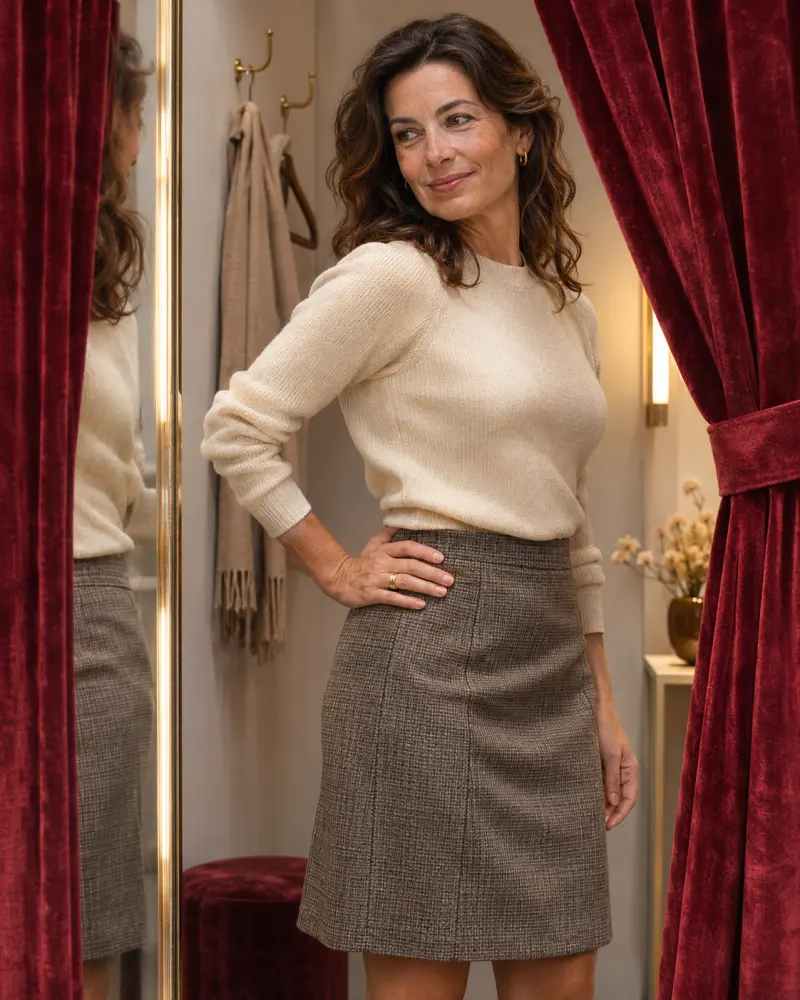
Woman in a cream skirt and sweater in front of a mirror in a fitting room with burgundy curtains

How to recognise it

Is what you feel in your body localised fat?

Localised fat is fat that accumulates under the skin in specific areas and changes little with diet. These signs help you work out whether you recognise it, before the assessment.

Tick what you recognise0/7

Tick the signs you recognise in your case. This is not a diagnosis, it is only meant to give you an idea.

An abdomen that has grown quickly, persistent distension, pain, unexplained weight loss, very sore legs or a bulge that appears on effort should be seen without delay, because they usually have another cause and are not a matter for an aesthetic ritual.

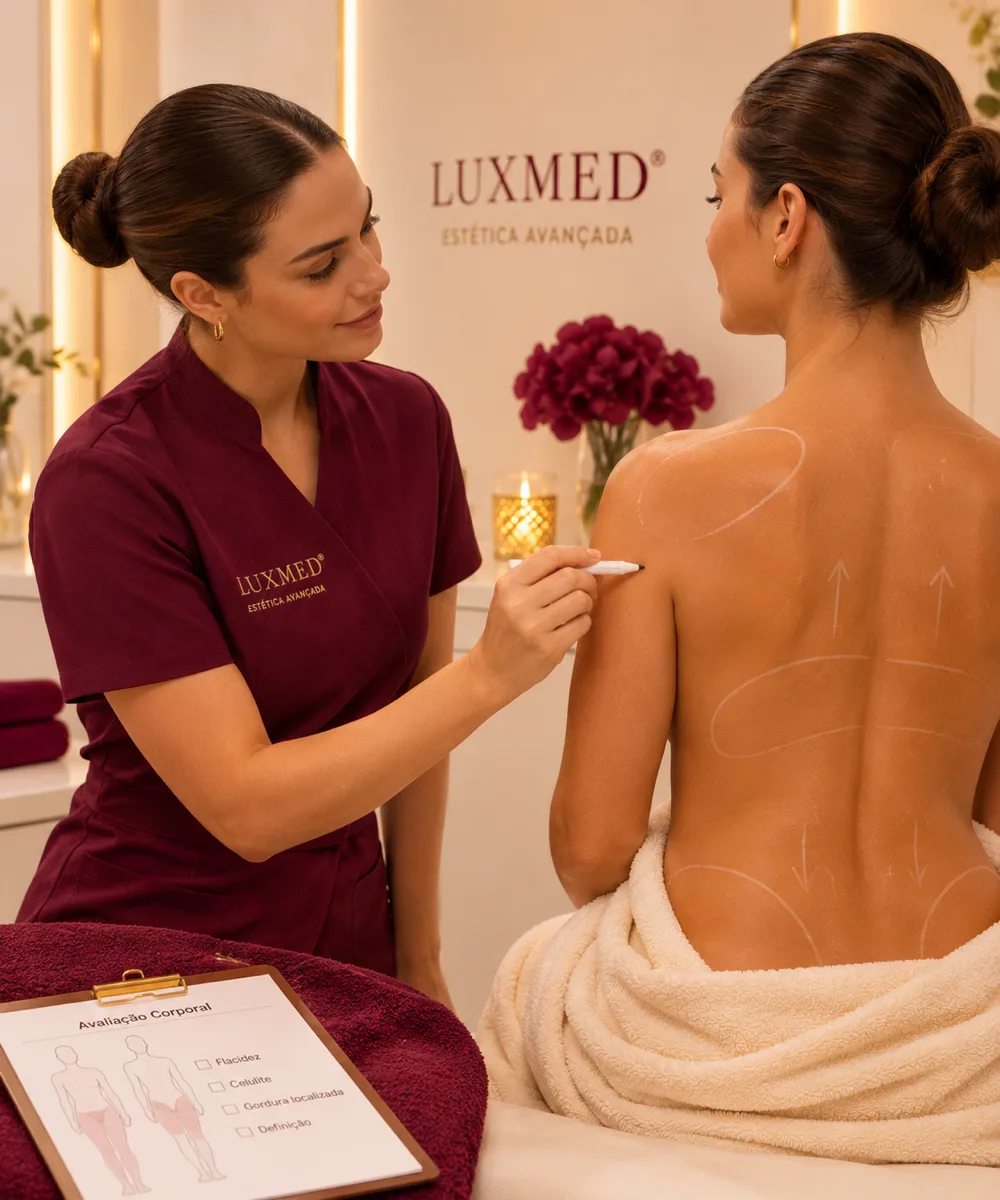
Beautician in a wine-colored uniform drawing reference lines on a client's back
Photograph of a body assessment. The dots mark areas where localised fat is usually noticeable; the image does not show the problem.

Why it happens

Why some areas resist

It is almost never one thing, and it has nothing to do with a lack of willpower. Choose a cause to see what makes it worse and what helps.

Genetics and hormones

Where each person accumulates fat is largely written in advance. Scientific reviews describe that women tend to store more fat on the hips and thighs, in a pear shape, and men more around the middle, in an apple shape, and point to sex hormones, the type of fat cells in each area and developmental factors as possible explanations. That is why two people of the same weight can have very different silhouettes.

What makes it worse

Comparing your body with someone else's, or with photographs on social media, and thinking the goal is the same for everyone.

What helps

Understand your starting pattern and set a realistic contour goal for it, rather than a goal on the scale.

By area

Where it shows most: waist and trunk or thighs and arms

The area matters for how it is measured, how it is photographed and what can be expected. See what usually changes from one to another.

  • How it looks. Volume above the waistband, a roll on the flanks, a lower belly that clothes show. In men, the abdomen tends to be the central area of volume. In women, the waist may lose definition over the years.

  • When it changes. It tends to vary through the day, with digestion, the menstrual cycle and fluid retention. It is best to always measure at the same time, in the morning and fasting, so you compare like with like.

  • What needs to be told apart. Subcutaneous fat, visceral fat, abdominal distension, muscle separation after childbirth or a hernia. Only a medical examination can tell them apart.

  • Warning. An abdomen that grows quickly, that hurts, that is distended every day or that comes with unexplained weight loss calls for a consultation before any ritual.

  • Tell us at the consultation. How long ago the waist changed, whether it changed with a pregnancy or with menopause, what medication you take and how your sleep and digestion are.

Unsure which is your area? Book an assessment and the doctor will observe, measure and explain what is involved and what is reasonable to expect.

Book an assessment

What the clinic can do

Rituals for body contour

It is important to be clear: a contouring ritual does not replace diet, movement or medical assessment, and it is not a treatment for obesity or for visceral fat. These are rituals with professional mesoestetic® active ingredients and manual technique, performed non-invasively, that work on the contour and the most stubborn areas. Results vary from person to person and are helped by regularity and an active lifestyle. The doctor explains what you can expect before any decision.

Book an assessment
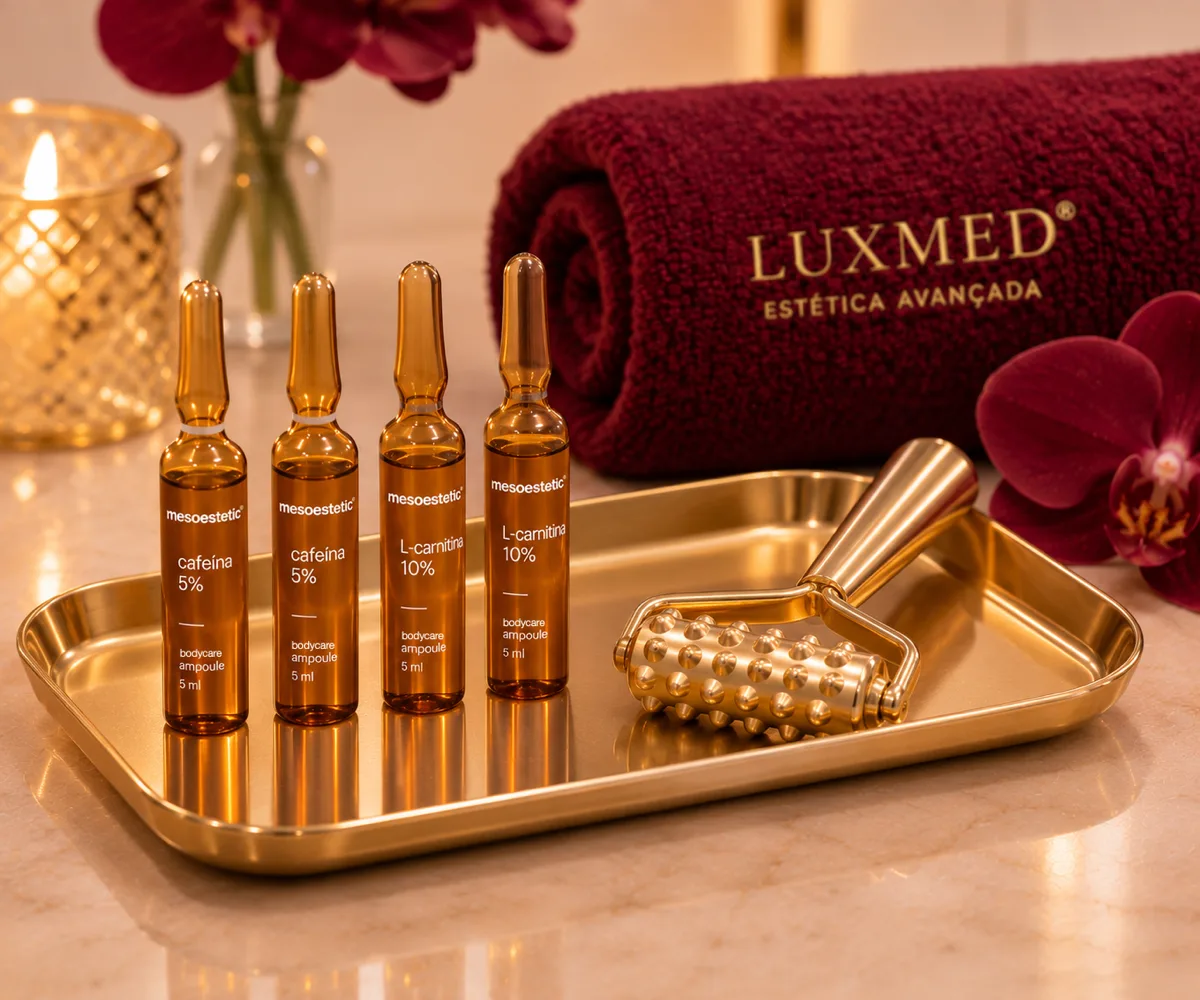
Amber ampoules lined up on a gold tray, with a shaping roller and a burgundy towel

Contour

Ritual Sculpt

A non-invasive approach to redrawing the silhouette, which works on the contour and refines the most stubborn areas of localised fat.

Suitable when

there is a specific, stubborn area, such as the flanks, lower belly or thighs, and what you want is to refine that particular area.

Find out more
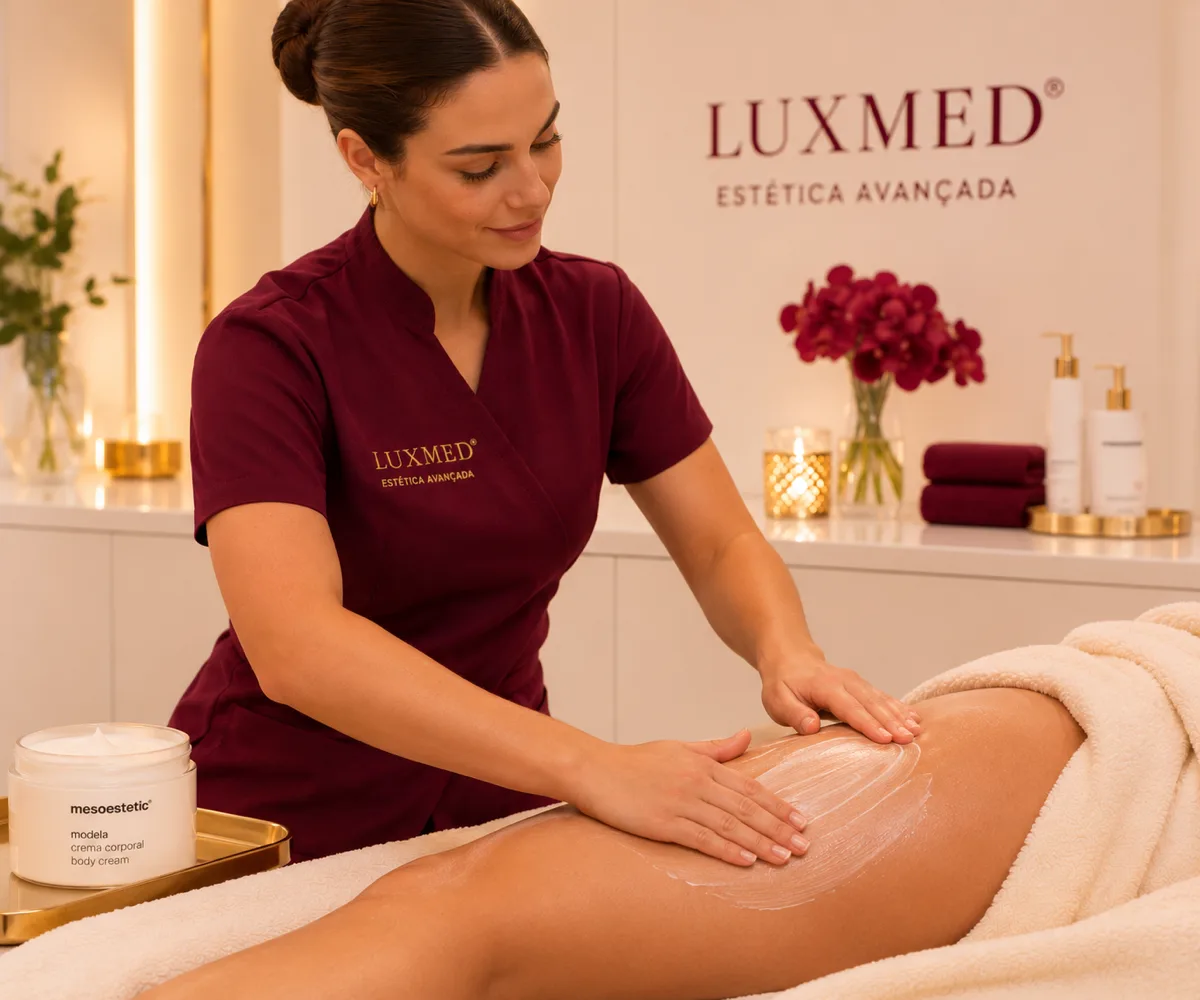
Beautician in a burgundy uniform applying a shaping cream to a client's thigh, in a modern treatment room

Overall silhouette

Ritual Modela

A shaping protocol that combines techniques and active ingredients to work on the body contour in a global and harmonious way, adjusting the priorities to each area and each person.

Suitable when

the complaint is not a single area, but a contour you want to redefine more broadly, with reducing, firming and draining active ingredients adjusted to each case.

Find out more
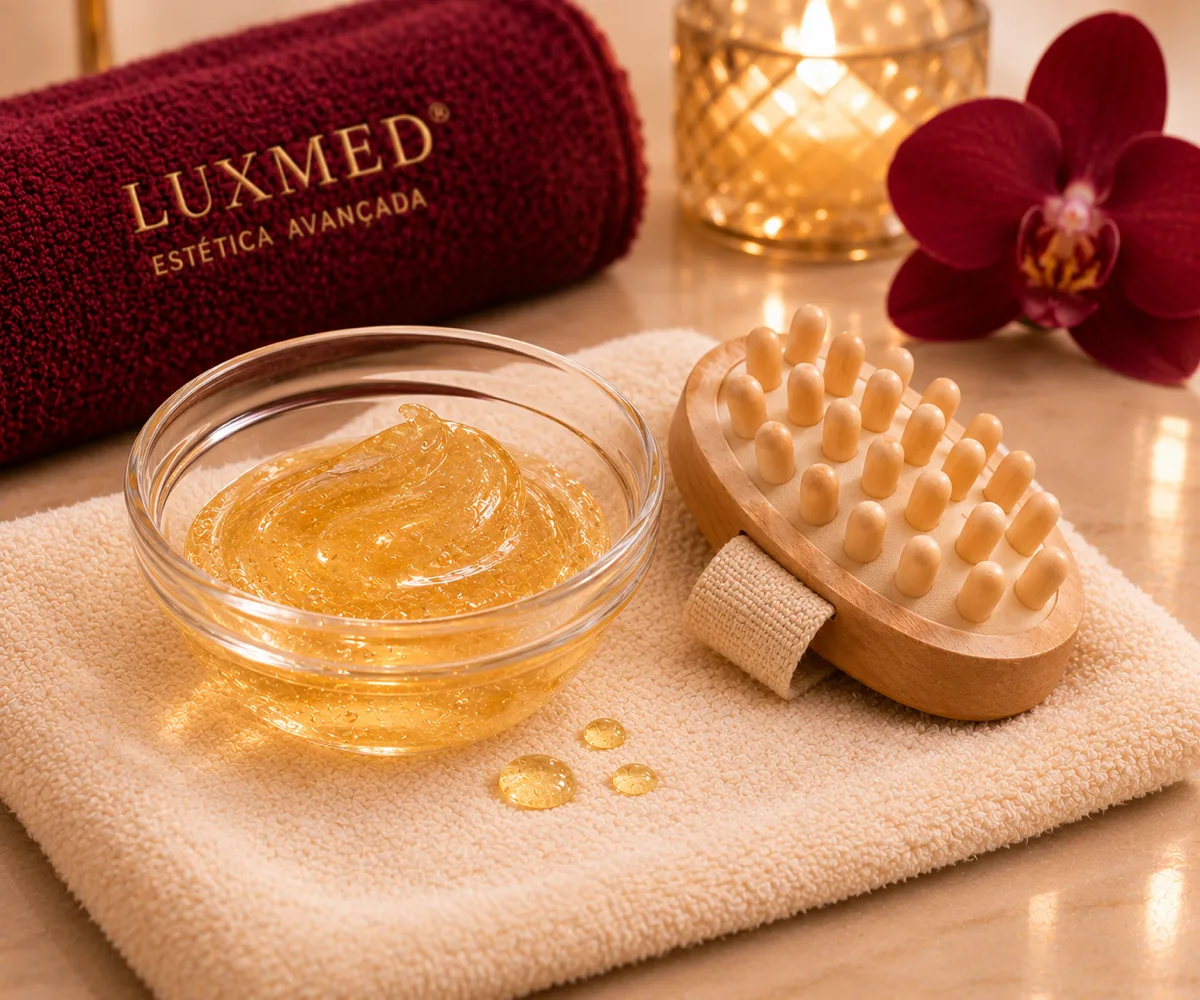
Body gel in a glass bowl and a wooden massage brush on a cream-coloured towel

When it overlaps

Ritual Celureduct

For cellulite and fluid retention in the thighs, buttocks and abdomen, it acts on several fronts: the microcirculation, the localised fat and the texture of the skin.

Suitable when

localised fat comes with cellulite or fluid retention in the same areas, and the assessment points to an approach that combines all three fronts.

Find out more

Sculpt or Modela? Sculpt is more targeted: it works on the contour and refines the most stubborn areas of localised fat. Modela is global: it combines reducing, firming and draining active ingredients and adjusts the priorities to each area and each person. The assessment decides, and the two may be considered at different times. Nothing is decided before the doctor has examined your case, and results are gradual.

What the journey looks like

From the first assessment to follow-up

No ritual begins without an assessment with the doctor. This is how it goes.

  1. 01At the clinic

    Telling the body's story

    The doctor asks how long the area has bothered you, whether it changed with a pregnancy, a diet or menopause, what you have already tried, what sport you do, how you sleep, what medication you take and what you would like to change. Understanding the goal is the first step.

  2. 02At the clinic

    Observing and measuring

    She observes your silhouette, the distribution of fat and the skin, measures the waist and other areas, and records everything, preferably with photographs. She looks for signs of another cause, such as a distended abdomen, a muscle separation or pain to the touch in the legs.

  3. 03At the clinic

    Telling the types of fat apart

    Working out whether it is aesthetic localised fat, whether there are signs of visceral fat that deserve a health conversation, or whether the complaint is of another nature. If in doubt, the doctor may request further tests before proposing a ritual.

  4. 04At the clinic

    Choosing the ritual and the goal

    She explains whether Sculpt, Modela or another ritual makes sense in your case, and what goal is realistic: measurements, how clothes fit and photographs, and not just the scale. The sessions and the interval are set at the assessment.

  5. 05Over time

    Follow-up

    She measures again and compares the photographs, adjusts the plan and talks about what to do at home to maintain the result. Contour is maintained through routine, and the plan serves that purpose too.

Day to day

What helps outside the clinic

In contouring, what you do at home counts for a great deal. These are the habits that matter most, alongside the doctor's plan.

The golden rule

Measure your contour, not just your weight

The scale mixes muscle, fat, water and what you ate yesterday. Contour shows on the tape measure, in your clothes and in photographs, taken every month under the same conditions. People who track only their weight get discouraged when the area changes and the number does not, or the other way round.

Always measuring in the same way

Small differences only show when the measurement is the same.

In practice: measure your waist and thighs in the morning, fasting, at the same point, every 2 to 4 weeks, and write the values in a notebook or on your phone.

Photographing with the same light and the same pose

A photograph tells you what memory and the daily mirror hide.

In practice: from the front, side and back, in the same clothes, at the same distance, and keep them in a dated folder.

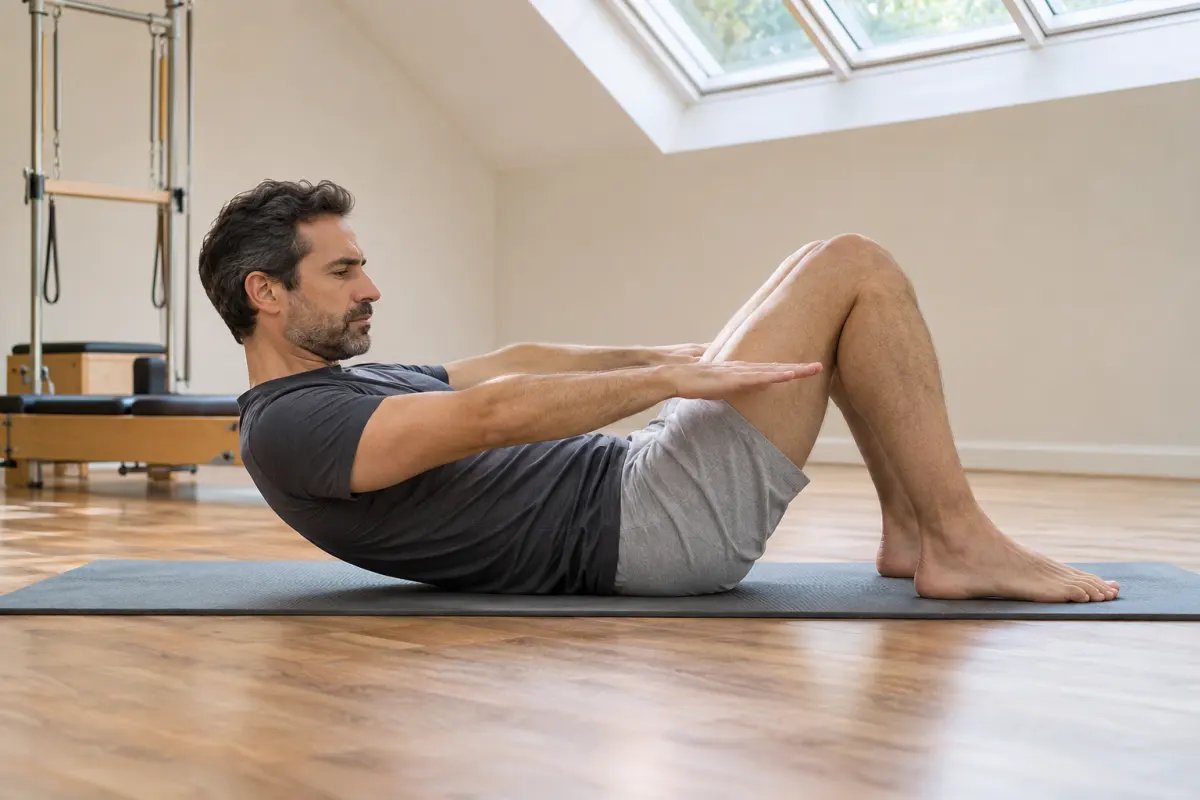
Train strength, not just cardio

Muscle changes the shape of the body and the energy it burns at rest.

In practice: aim to include 2 to 3 strength training sessions a week, with guidance from a professional if you have no experience, and walks on the other days.

Keeping to a diet you can follow

Radical plans tend to end in weight regain and discouragement.

In practice: change two or three things at a time, with enough protein at each meal and without excluding food groups unless medically advised.

Sleeping and managing stress

Sleeping little and living under tension make everything harder.

In practice: a regular sleep schedule, breaks during the day and, if stress is high, talking to a health professional.

Dr Michelle Campagnoli, clinical director of Clínica Luxmed

Who will look after you

An assessment carried out by the doctor

At Luxmed, the first step is always an assessment with Dr Michelle Campagnoli. She examines your silhouette, understands what is going on and designs the plan with you, using body mesoaesthetics rituals in Algés.

  • Physical examination and medical historyObservation and measurement of the areas, of your body history, your habits and the medication you take.
  • A plan tailored to youA realistic contour plan, clearly explained, with follow-up over time.
  • No obligationThe cost of any treatment is confirmed only after the assessment.
Book an assessment

Book a consultation

Book your consultation

Choose how you prefer to get in touch. We will arrange the assessment consultation with Dr Michelle Campagnoli.

Booking through the websiteAssessment consultationTalk to our assistant on WhatsApp and ask for the current price of the assessment.

New Life Miraflores, Algés · Office Center, R. Santa Teresa do Menino Jesus n.º 6, 9.º C, 1495-048

Your details are used only for this contact. Any treatment depends on a prior medical assessment.

Request an appointmentIt takes less than a minute.
Speciality
You do not need to go into detail. The doctor will talk to you during the consultation.
Request received. Our team will contact you as soon as possible.
How can localised fat be removed?

There is no method that makes it disappear from a chosen area. Localised fat is the fat the body stores under the skin in areas determined by genetics and hormones, and it reduces when total fat decreases, with time and a routine you can keep up. What the clinic can offer is a contouring ritual, with professional active ingredients and manual technique, to work on the appearance of the silhouette. Results vary from person to person and depend on each case, so the doctor explains what is realistic before any decision.

Is it possible to lose fat in just one area?

Research in general does not confirm it. In a trial with sedentary adults, six weeks of abdominal exercises did not reduce belly fat, and in another, twelve weeks of training one leg only lowered body fat, mainly in the trunk and arms, and not in the trained leg. There is one small study pointing the other way, which shows the subject is not entirely settled. Local training strengthens the muscle of the area, but it should not be expected to choose where the fat comes from.

Localised fat or visceral fat: what is the difference?

Localised fat is subcutaneous, lies under the skin and is the fat you can pinch with your fingers. Visceral fat is inside the abdomen, around the organs, and scientific organisations describe it as an independent cardiometabolic risk factor. A hard, tense, prominent abdomen may contain a lot of visceral fat. It cannot be told apart in the mirror, which is why waist circumference is considered a simple sign to measure. If you have doubts, the doctor assesses first, and only then do we talk about aesthetics.

Why do the fat on the flanks and belly resist so much?

Because fat distribution depends on genetics, hormones and the type of fat cells in each area, and not only on what you eat or the exercise you do. Scientific reviews describe that men and women tend to accumulate fat in different places. With age, and in women with menopause, the abdomen tends to gain volume. That is why two people of the same weight can have very different waists, and one area can be the last to respond when you lose weight.

Localised fat in menopause: why does the body change?

In a study that followed women for four years, those who went through menopause gained visceral fat and total fat and burned less energy, and all of them, with or without menopause, gained subcutaneous abdominal fat with age. That is why it is common for the waist to gain volume without any change in habits. It helps to strengthen muscle with strength training, keep up daily movement and talk to the doctor about the stage you are in. A contouring ritual may be considered after the assessment, with realistic expectations.

What is the difference between Ritual Sculpt and Ritual Modela?

The Sculpt works on the contour and refines the most stubborn areas of localised fat: it is more targeted, when there is a specific area you want to refine. The Modela is a global protocol that combines reducing, firming and draining active ingredients and adjusts the priorities to each area and each person: it is broader, when you want to redefine the silhouette as a whole. Both are performed with professional mesoestetic® active ingredients and manual technique, in a non-invasive way. The assessment with the doctor determines which makes sense in your case, or whether both at different times.

What treatments exist for localised fat, and how do they differ from the rituals?

There are several approaches, from changes in routine to medical procedures. At Luxmed, the Sculpt and Modela rituals are manual, performed with professional mesoestetic® active ingredients, and do not use devices. The Body Aesthetics page describes medical procedures, such as radiofrequency, carboxytherapy and intradermotherapy, which are decided in consultation and complement the rituals. We will not compare devices that the clinic does not describe in these rituals. The doctor explains the options, what is known about each one and what you can expect, without promising results.

How many sessions are needed to reduce measurements?

There is no single number for everyone. It depends on the ritual, the area, the starting point and what you want to achieve, so the clinic sets the number of sessions and the interval between them at the assessment, with realistic expectations and without promising centimetres. Contour and firmness tend to improve progressively, and are helped by regularity and an active lifestyle. Be wary of anyone who promises an exact number of sessions or centimetres before examining you.

Do the measurements come back after treatment?

They can come back if lifestyle changes. Reviews on weight maintenance describe that, after weight loss, a plateau and then a gradual regain are common, for biological, behavioural and environmental reasons, and that prolonged follow-up helps. Contouring is similar: the ritual works on the appearance of the silhouette, and maintenance depends on routine, movement, sleep and diet. The doctor talks to you about this at the assessment and during follow-up.

Can I count on results? What can I expect?

No one can promise them with certainty. Results vary from person to person and depend on each case. What you can expect from a contouring ritual is a progressive improvement in the appearance of the silhouette and in how the area feels, measured with a tape measure and photographs, and not the disappearance of fat from an area. It does not replace diet, exercise or medical assessment, and it is not a treatment for obesity. The doctor explains what is realistic in your case before any decision.

Do contouring rituals have risks? When should they not be done?

Any treatment can cause skin reactions, which depend on the ritual and on each person, and the team explains them before starting. Tell us if you have allergies or skin that reacts easily, if you are pregnant, may be pregnant or are breastfeeding, if you have wounds or infection in the area, and what medication you take, including weight-loss therapies. Some rituals may have to wait. A distended abdomen, persistent pain, unexplained weight loss or a bulge on effort should be seen first by a doctor.

When should I see a doctor first, before booking a ritual?

Before any ritual, if your abdomen has grown quickly, is distended or hurts, if you have lost weight without explanation, if you have a bulge that appears on effort or after a pregnancy, or if your legs are sore to the touch and bruise easily. Also if you have chronic conditions or take medication that affects weight. The assessment at Luxmed is carried out by Dr Michelle Campagnoli, who distinguishes localised fat from other causes and, where appropriate, refers you on. A high waist circumference is a health matter, not only an aesthetic one.

Can I book a body contour assessment in Algés?

Yes. Clínica Luxmed is in Algés, in the municipality of Oeiras, and welcomes people from Lisbon and the surrounding area. The body assessment is carried out by the doctor, who knows the areas you want to treat, measures, records and proposes only what makes sense for you, always under clinical supervision. You can book by WhatsApp, by phone or through the website form, Monday to Saturday. You do not have to decide anything at that consultation, and the cost of any treatment is explained after the assessment.

How should I prepare for the body assessment?

Bring a list of the products you use on your skin, any allergies you know of, and the treatments and surgeries you have had, as well as your medication, including any weight-loss therapy. It helps to note when the area changed and whether there was a pregnancy, diet or menopause in between. If you have photographs from some months or years ago, bring them, because they show the journey. Wear clothing that allows the area to be observed easily. If you have recent test results, they also help the doctor see your health picture as a whole.

We could not find that question. Ask us on WhatsApp

Scientific references

This page is based on the sources below and was reviewed by Dr. Michelle Campagnoli. Last updated on .

  1. Vispute SS, Smith JD, LeCheminant JD, Hurley KS. The effect of abdominal exercise on abdominal fat. J Strength Cond Res, 2011.
  2. Ramírez-Campillo R, Andrade DC, Campos-Jara C, Henríquez-Olguín C, Alvarez-Lepín C, Izquierdo M. Regional fat changes induced by localized muscle endurance resistance training. J Strength Cond Res, 2013.
  3. Brobakken MF, Krogsaeter I, Helgerud J, Wang E, Hoff J. Abdominal aerobic endurance exercise reveals spot reduction exists: A randomized controlled trial. Physiol Rep, 2023.
  4. Neeland IJ, Ross R, Després JP, Matsuzawa Y, Yamashita S, Shai I, Seidell J, Magni P, Santos RD, Arsenault B, Cuevas A, Hu FB, Griffin B, Zambon A, Barter P, Fruchart JC, Eckel RH. Visceral and ectopic fat, atherosclerosis, and cardiometabolic disease: a position statement. Lancet Diabetes Endocrinol, 2019.
  5. Ross R, Neeland IJ, Yamashita S, Shai I, Seidell J, Magni P, Santos RD, Arsenault B, Cuevas A, Hu FB, Griffin BA, Zambon A, Barter P, Fruchart JC, Eckel RH, Matsuzawa Y, Després JP. Waist circumference as a vital sign in clinical practice: a Consensus Statement from the IAS and ICCR Working Group on Visceral Obesity. Nat Rev Endocrinol, 2020.
  6. Lovejoy JC, Champagne CM, de Jonge L, Xie H, Smith SR. Increased visceral fat and decreased energy expenditure during the menopausal transition. Int J Obes (Lond), 2008.
  7. Karastergiou K, Smith SR, Greenberg AS, Fried SK. Sex differences in human adipose tissues - the biology of pear shape. Biol Sex Differ, 2012.
  8. Hall KD, Kahan S. Maintenance of Lost Weight and Long-Term Management of Obesity. Med Clin North Am, 2018.
  9. Vissers D, Hens W, Taeymans J, Baeyens JP, Poortmans J, Van Gaal L. The effect of exercise on visceral adipose tissue in overweight adults: a systematic review and meta-analysis. PLoS One, 2013.
  10. Vazirnia A, Smart DR, Mohseni Y, Amron DM. Lipedema Diagnosis, Clinical Manifestations, and Therapeutics: A Systematic Review. Int J Dermatol, 2026.
CallAssistantAvailableBook