What type of spot do I have: sun, acne or something else?
It cannot be told apart by colour alone. Sun spots are flat and appear slowly in exposed areas, post-inflammatory ones appear where there was a pimple or injury, and freckles fade in winter. They can be mixed together, and some lesions that look like spots are something else. That is why diagnosis is made by examining the skin and listening to your history, not from photographs. If you have doubts, bring photographs of how the spot looked a few months ago, which help to see whether it has changed.
What are solar lentigines and why do they appear after 40?
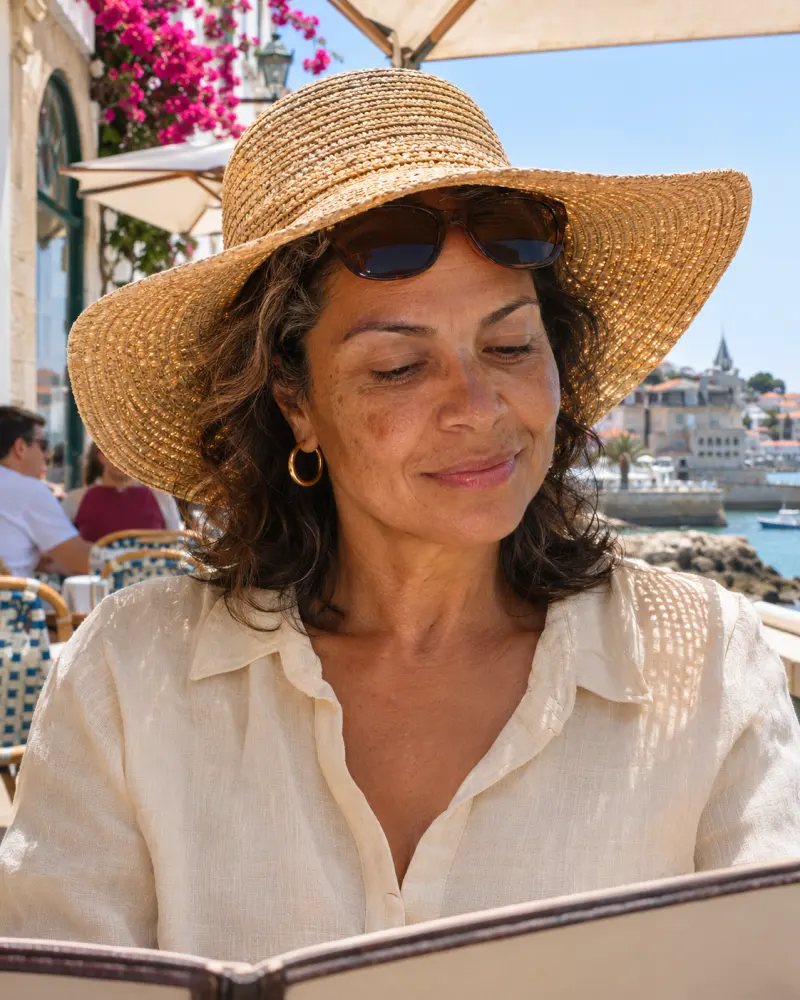
Solar lentigines, or sun spots, are flat, well-defined brown spots caused by sun accumulated over years. They appear later because they depend on that accumulation. A study of middle-aged women linked them to age, skin colour, the habit of sunbathing and hormonal treatments. They are not dangerous just because they exist, but, since the face is where they appear most, it is wise to check them from time to time and show the doctor any that change.
Are freckles and sun spots the same thing?
No. Freckles, or ephelides, are small and light, have a genetic component, darken in summer and fade in winter, and usually appear in childhood. Solar lentigines appear later, are larger, darker and do not fade with the season. Both result from sun, but in different ways. The difference matters because the way of caring for them changes, and because spots that suddenly darken or grow deserve to be shown to a doctor, and not assumed to be freckles.
Why does a dark mark remain after a pimple or wound?
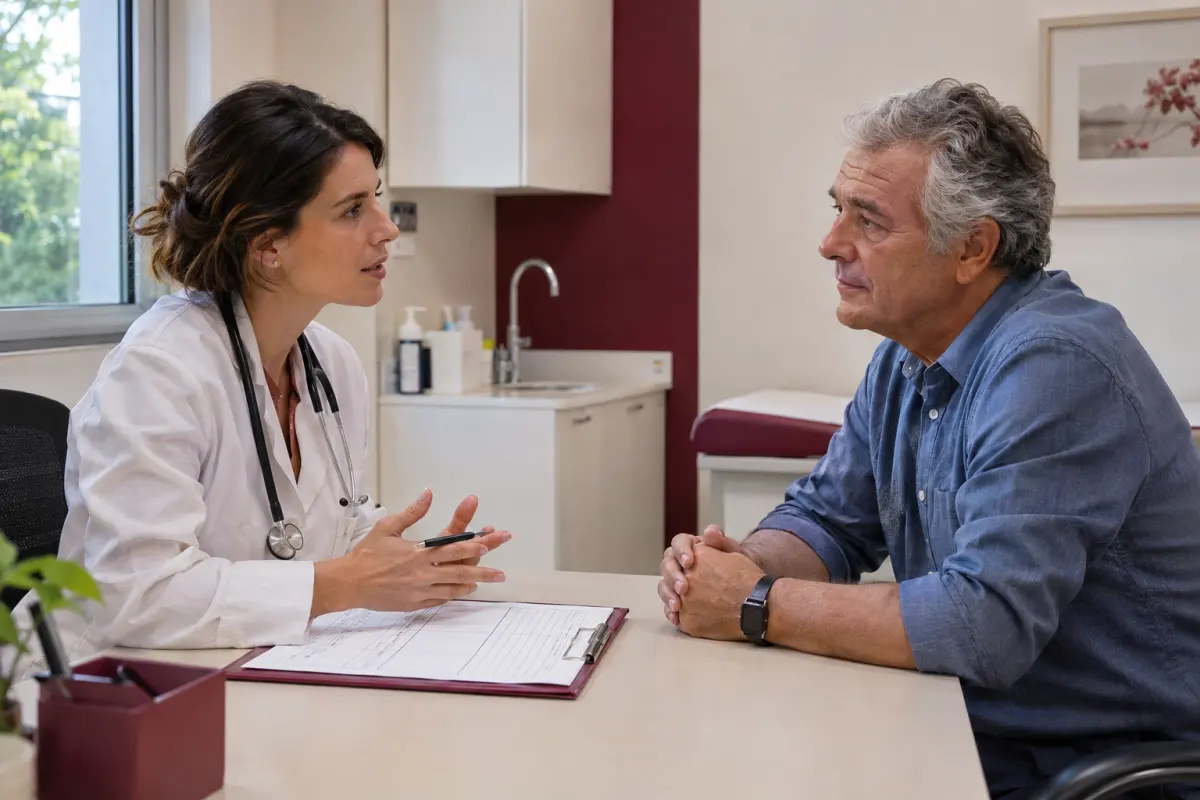
When the skin becomes inflamed, it can produce excess pigment and be left with a dark mark after healing, known as post-inflammatory hyperpigmentation. It is more frequent and more marked in darker skin. It usually fades over the months, but sun and the habit of squeezing the skin can darken or prolong it. At the assessment, the doctor looks at the depth of the pigment and decides whether protection and time are enough, whether there is a topical treatment with medical indication, or whether a renewal ritual makes sense.
My skin is rough and uneven. What could it be?
It may be photoageing, old acne marks, a build-up of cells on the surface or small scars. Telling them apart is important: skin that is rough on the surface responds to renewal rituals, but a depression or deep scar is not a surface matter and calls for a different assessment. If the roughness is concentrated in one area, flakes, bleeds or does not heal for weeks, it should be seen by a doctor and not treated as texture. Skin that is merely dehydrated is a different topic, with its own page.
When should a spot on the face be seen by a doctor first?
When it is new, grows, is asymmetrical, has irregular borders, several colours, is dark or changes over time, or bleeds, flakes or does not heal within about four weeks. These are the signs described by the ABCDE rule, which is not infallible and does not replace a medical examination. On the face of people with a lot of sun exposure, there are lesions that look like a simple sun spot, such as lentigo maligna, and only an assessment can tell them apart. In these cases, no peel should be done before a doctor has seen the lesion.
How does a facial chemical peel work?
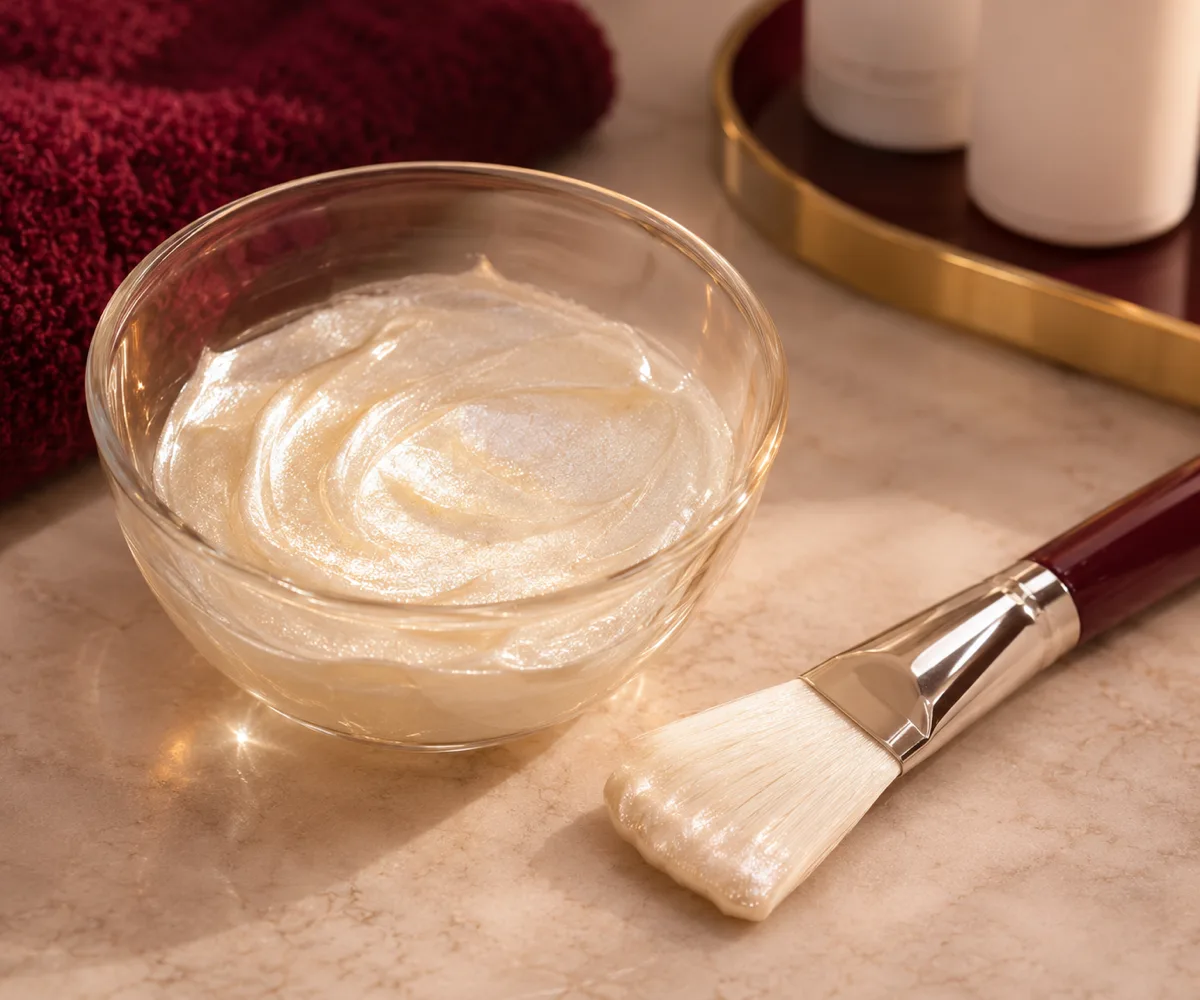
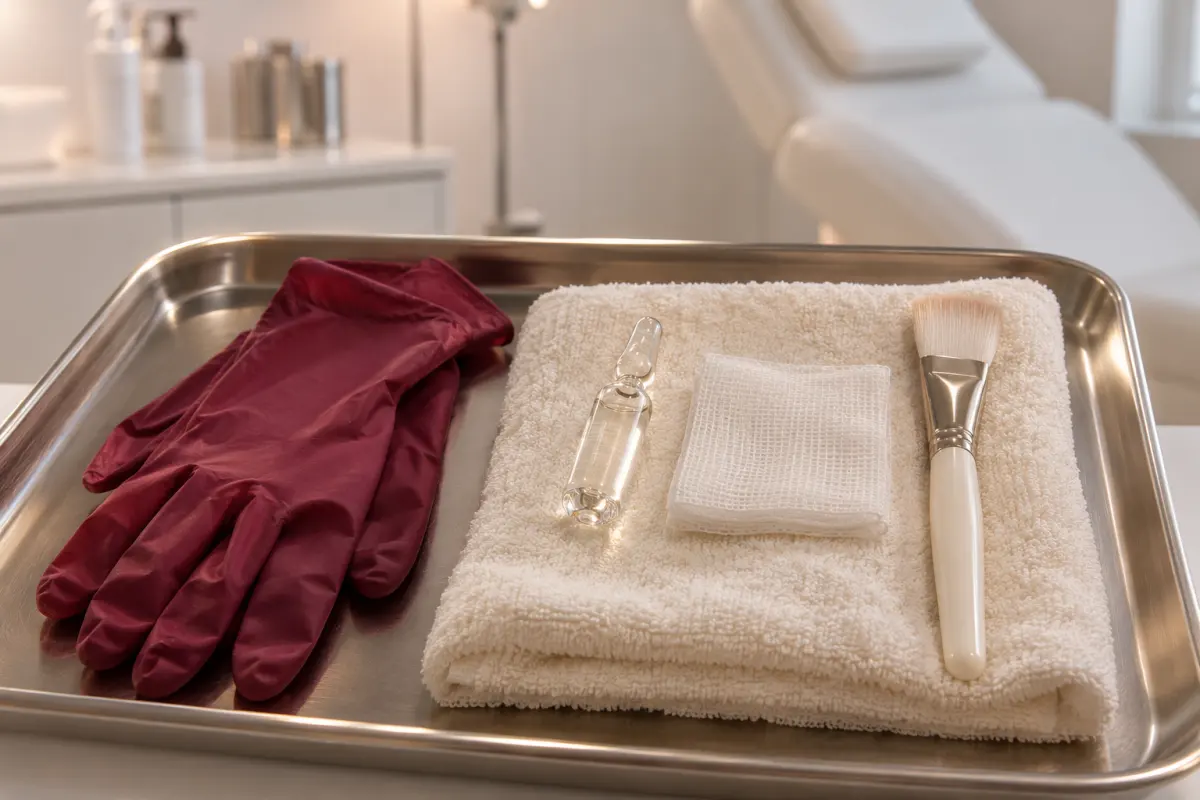
A solution is applied to the skin that causes a controlled exfoliation of the superficial layers, and the skin responds by renewing itself. The acids most described in reviews are glycolic and salicylic, used for spots, photodamage and texture, but the clinic explains which ritual is right for you and does not choose it by fashion. Skin that is renewing becomes more sensitive to the sun, which is why the assessment and the care before and after count as much as the ritual itself, and the depth chosen depends on your case.
What is the difference between a superficial peel and a medium peel?
Peels are divided into superficial, medium and deep according to the depth at which they act. The deeper they go, the more marked the effect tends to be, but flaking, recovery time and the risk of complications are also greater, especially in darker skin or with sun afterwards. The clinic's Renova Peel acts at different depths, and which suits each person is decided at the assessment, taking into account the type of spot, the skin type and the recovery time you are prepared to wait.
What is the difference between a peel and laser for spots?
Both act on the skin, but in different ways. A peel is a chemical renewal of the surface, while laser uses light and is a medical procedure, described on other facial aesthetics pages. Neither is better in general: it depends on the type of spot, the depth of the pigment, the skin type and the risk of reaction. Sometimes one is not suitable and the other is, and other times they are combined at different times. The doctor decides, after examining the skin, and it makes no sense to compare them without an assessment.
Do creams for spots work?
Some do, when they are medically prescribed and used regularly with sun protection, and for post-inflammatory marks, topical depigmenting agents are described as first-line treatment. But over-the-counter products vary a great deal, and using several at the same time irritates the skin and can stain it more. If you have been using a cream for weeks with no difference, do not increase the dose: show it to the doctor, who will assess whether it is the right product, whether the spot is of a type that responds to creams, or whether there is another way forward.
What to expect after a peel: flaking, redness and aftercare?
It depends on the depth, but it is common to have slight redness, a feeling of tightness and flaking in the following days. The complications described range from irritation to pigment changes and, rarely, scars, and they increase with sun afterwards and with darker skin. So do not pick off the skin that loosens, protect yourself from the sun and follow what the clinic advises. If there is severe pain, blisters, scabs, signs of infection or herpes, contact the clinic without waiting for the follow-up date.
Who should not have a peel, or should postpone it?
The contraindications cited include pregnancy and breastfeeding, active herpes simplex or a history of it without prevention, active infections and dermatoses, irritated skin, a recent tan or sun exposure and a tendency to keloid scars. For those who have taken isotretinoin, the waiting time for peels varies between sources: a review with expert consensus found no reason to postpone most procedures, but the decision is the doctor's, case by case. Always say everything you have taken or used, even what seems irrelevant to you.
How many sessions are needed and how long until I see a difference?
There is no single number for everyone. It depends on the type of spot, the depth of the pigment, the skin type, the depth of the peel and sun protection, and post-inflammatory marks can take months to fade. The clinic defines the plan at the assessment, and may propose one session, a series or a longer interval, always with a review in between. Be wary of anyone who promises a number of sessions or a result before seeing your skin: results vary and may be partial.
Can I have a peel in Algés? How do I book and what should I bring?
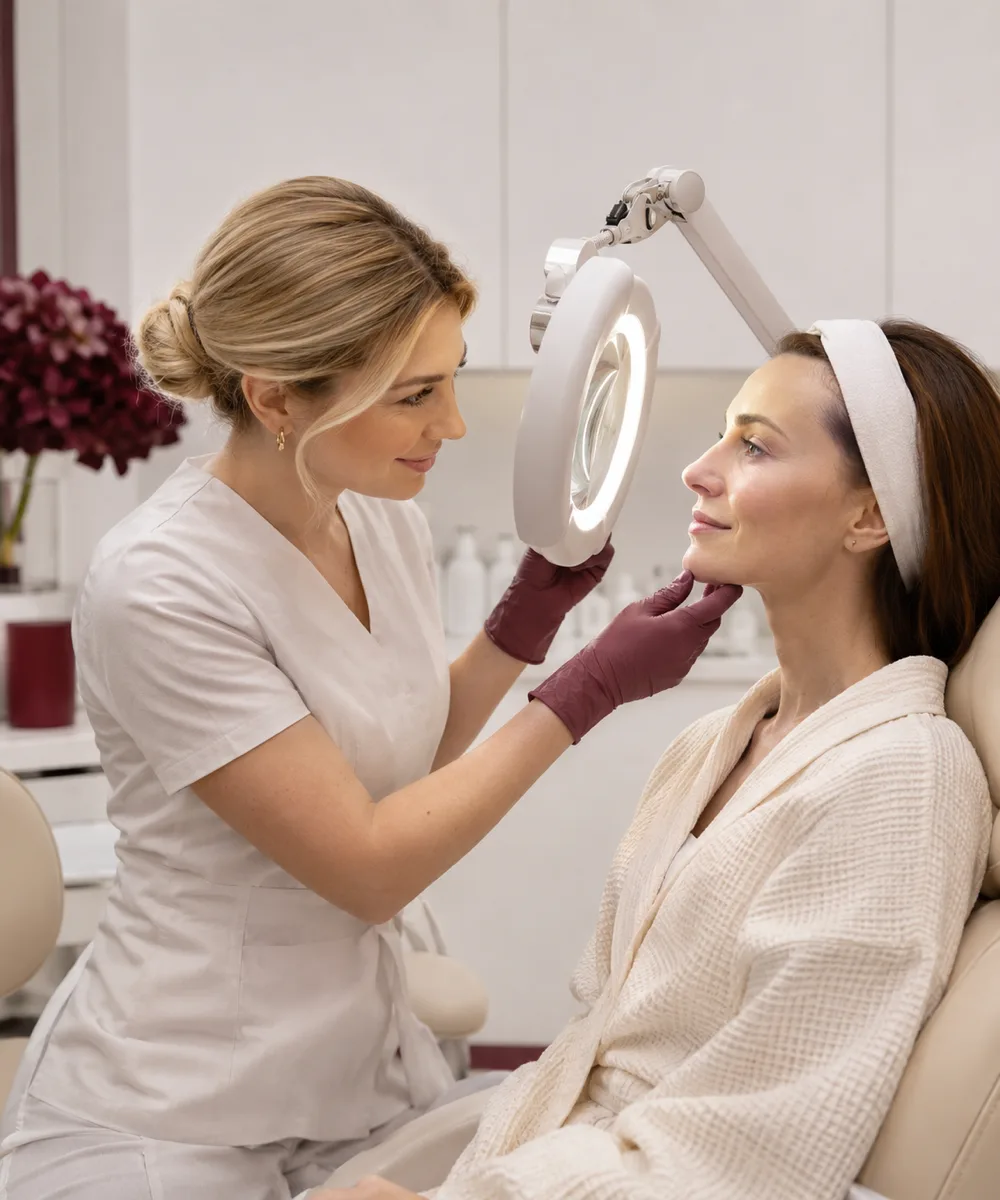
Yes, at Clínica Luxmed, in Algés, the ritual is booked after a skin assessment. Bring the list of products and medication you use and photographs of how the spot looked a few months ago, and say whether you have cold sores, whether you are or may be pregnant and whether you have been in the sun in recent weeks. The time of year matters, because the sun matters: there is no ideal date that is the same for everyone, and the doctor adjusts the timing to your sun exposure and your skin. The price and duration are explained when you book.