What is the difference between dry skin and dehydrated skin?
Dry skin is a skin type: it produces little sebum and lacks oil, and is noticeable all year round. Dehydrated skin is a state: it lacks water, and can happen to anyone, including people with oily skin, and vary with the season or the environment. They can coexist. Because the signs overlap, observing the skin helps to work out what is going on. In practice, dry skin mainly needs oil and basic comfort, and dehydrated skin needs water and protection against its loss.
How do I know if my skin is dehydrated?
The most common signs are the feeling of tightness after washing, moisturiser that seems to disappear in a short time, fine surface lines that appear in the morning and skin that feels uncomfortable at the end of the day. No single sign is a diagnosis. If several coincide, and especially if they get worse in winter or in dry environments, it is worth talking to the doctor. If you are unsure, take a photo of your skin as it is, in the morning and at the end of the day, and bring it to the assessment.
Can I have oily and dehydrated skin at the same time?
Yes. Oiliness depends on sebum, and hydration depends on the water the skin retains, and one does not imply the other. It is common to have shine in the T-zone and tight cheeks. Over-drying oily skin, out of a wish to remove the shine, can worsen dehydration. Telling the two apart helps to choose textures and rituals that do not aggravate either. At the assessment, the doctor looks at the different areas of the face, because the T-zone and the cheeks may need different care.
Why is my skin dull and lacking shine?
There are several reasons and they can add up: little water in the skin, a surface with accumulated cells that scatter light, an uneven overall tone, tiredness and poor nights' sleep, or a barrier worn down by products and dry surroundings. That is why moisturising is not always enough. The assessment helps to understand which weighs most in your case and to avoid the wrong ritual. When the lack of radiance persists despite a good routine, it is a sign to ask, not to buy more products.
Why does my skin feel tight after washing my face?
Cleansing removes dirt and sebum, but also components of the skin itself, and some products stay on the surface after rinsing. If the water is hot or the washing vigorous, the effect is greater. The feeling of tightness shows the barrier has been harmed. It usually improves with lukewarm water, a gentle product and moisturiser straight afterwards. If it persists or there is burning, it should be assessed. For one or two weeks, try a shorter, gentler routine and see whether the tightness eases.
Does drinking more water hydrate the skin of the face?
Drinking water is good for the body, and there is one small study in which people who drank little and began drinking more noticed better skin hydration. The effect seems greater in those starting from a low intake, and it does not replace cleansing gently and moisturising the surface. It is not reasonable to expect water alone to fix dull skin. Very intense thirst deserves a conversation with the doctor. Keeping a regular intake through the day is worth more than drinking a lot at once, and each person has different needs.
Do air conditioning and heating dehydrate the skin?
Dry indoor air, and cold, reduce the skin barrier's capacity and favour water loss, and many people notice their skin is worse in winter and in air-conditioned offices. It helps to sit away from the air outlet, add a little moisture to the air at home and moisturise more during those months. If the skin becomes very dry, itchy or red, it is advisable to talk to the doctor. On a plane, where the air is very dry, it may also help to step up moisturising before and after the flight.
What does Ritual Hydralux do?
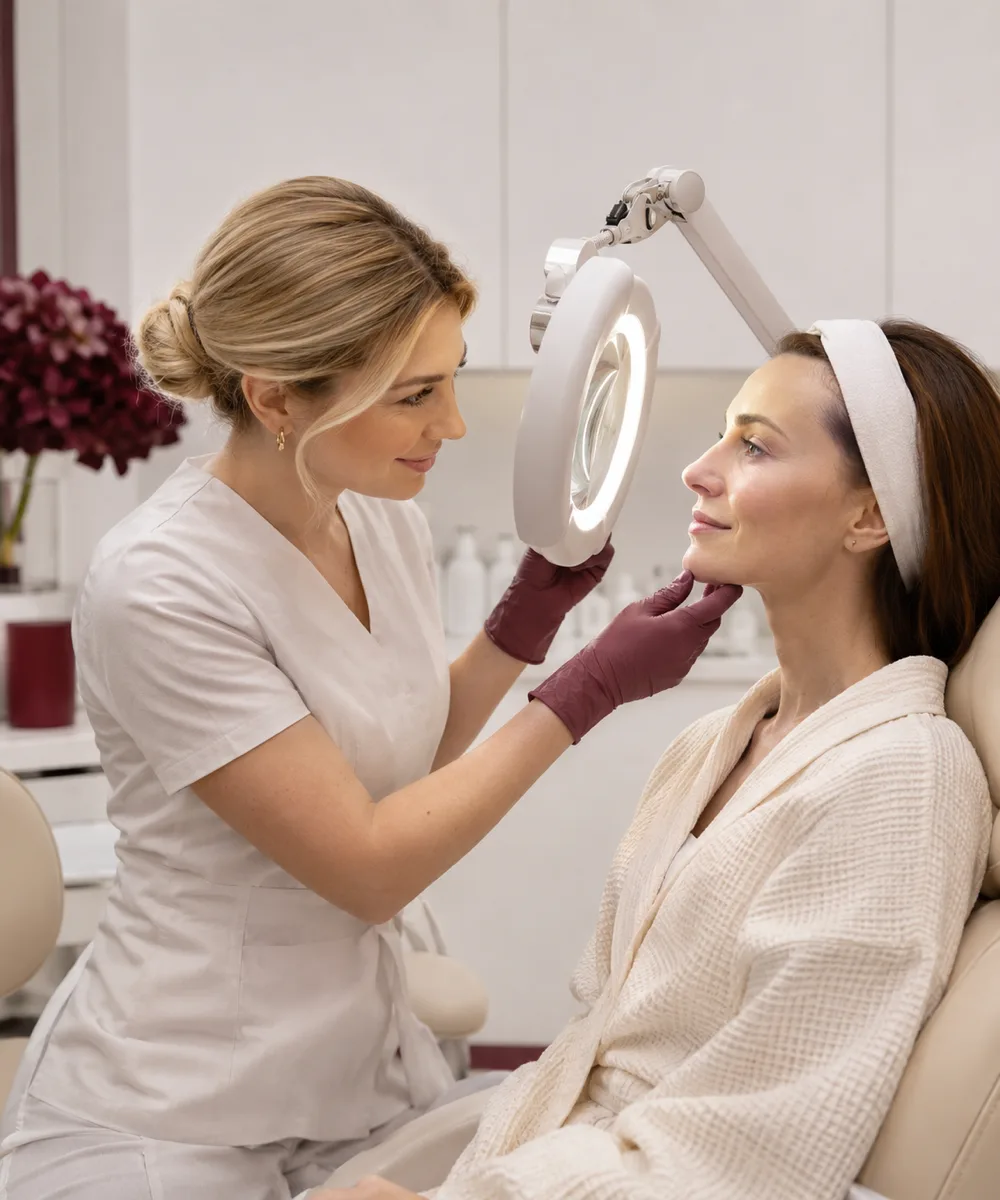
It is the ritual the clinic proposes for dehydrated, dull or tight skin. It replenishes the water that is missing and restores comfort, radiance and softness, and results may be noticeable from the first session, although they vary from person to person. It is done with professional actives and manual technique, after an assessment, and the doctor explains what to expect and what care to keep up at home. It does not treat skin diseases, and if the doctor thinks the skin first needs a different assessment, the ritual is left for later.
What is the difference between the Hydralux, Clareza and Luminé rituals?
They answer different needs. Hydralux is designed for skin that lacks water and comfort. Clareza, for uneven, dull tone, aiming to even it out and restore luminosity. Luminé, for a tired, colourless face, renewing the skin surface. Which one makes sense depends on your skin, and it is chosen at the assessment, not by name or by what is fashionable. Some people need only one of them, and others benefit from having them at different times of the year.
Is professional facial hydration worth it?
It depends on what your skin needs and what you expect. A ritual at the clinic can give noticeable comfort and radiance, but it does not replace a simple routine at home, and the effects are not permanent, because the skin reacts to the environment, to sleep and to the seasons. It is worth it when it is part of a realistic plan, explained at the assessment, and not as the only solution. If your doubt is about money or time, ask at the assessment what is essential and what can wait.
How many sessions are needed and how long does the effect last?
There is no number that is the same for everyone. It depends on the skin, the ritual, the environment and what is intended, and it is the doctor who sets the plan at the assessment, with no obligation. In general, hydration lasts better when accompanied by the right care at home, and it may be necessary to repeat or space out with the seasons. Results vary from person to person. So be wary of any number of sessions given before the skin has been seen.
Are there risks or reasons to postpone a ritual?
Any treatment can cause skin reactions. Before starting, the team asks about allergies, recent treatments and products, and medication, including retinoids and isotretinoin. Very reactive skin, with infection or active lesions, such as a cold sore, or with dermatitis not yet assessed, means postponing. Always say if your skin reacts easily, because that changes the choice. The team explains the possible reactions and what to do if the skin reacts after the ritual, and you can contact the clinic.
When should I see a doctor first?
When the skin is very dry, flaking, itchy, burning or persistently red, or when the dryness appears suddenly and for no reason, because it may be dermatitis or another condition that is assessed before any ritual. The same applies if you have intense thirst or urinate much more than usual. For skin that is simply tired and lacking radiance, an assessment at the clinic, in Algés, is a good starting point.
What should I bring to the assessment and how do I prepare?
Bring the list of products you use, morning and night, including acids and exfoliants, the allergies you know of and the treatments you have had recently. If you can, come without make-up. Tell us when the skin gets worse and what your day is like, for example if you spend hours in air conditioning. This conversation helps more than any test in choosing the right ritual. You do not need to prepare the skin in advance or interrupt your routine, unless the team tells you otherwise.