Are dry skin, rough skin and dull skin the same thing?
No, although they overlap. Dry skin lacks water and oil, feels tight and flakes. Rough skin with small bumps has a build-up of keratin around the hairs, as in keratosis pilaris. Dull skin loses its glow and its colour looks faded, sometimes because of cells built up on the surface. They can coexist, which is why it helps to look at them in person before choosing a skincare approach.
What is keratosis pilaris and why does it appear?
It is a very common, benign condition, often hereditary, in which keratin builds up around the hairs and forms small bumps. It affects mainly the backs of the arms, the thighs and the buttocks, and usually causes only aesthetic discomfort or mild itching. It is not a matter of hygiene and it is not contagious. It often appears in adolescence and tends to persist, with better and worse phases.
Goosebump skin on the arms and thighs: does it go away with age?
In some people it improves over the years, in others it stays. It is a texture that tends to persist, with ups and downs, and it worsens with cold and dry skin. The realistic aim is to improve smoothness and appearance with regular care, not to expect it to disappear completely. If the bumps change in appearance, become painful or spread quickly, it is worth showing them to a doctor.
Why do I have white lines on the skin of my legs?
The whitish lines that appear when you run a fingernail along the leg are usually a sign of dry skin, with fine scales on the surface. The legs are among the areas that suffer most, especially in winter, after hot baths and with the heating on. Moisturising every day, with a richer cream, usually helps. If the skin is cracked, red or very itchy, it is advisable to see a doctor.
Why does my body skin get worse in winter and with hot baths?
Cold air and heating draw moisture from the skin, and very hot, lengthy water carries away the oil that helps hold it in. Sources describe dry winter skin with scales, roughness and fewer protective lipids in the surface layers. Shorter, lukewarm baths, gentle cleansing products and moisturiser right after the shower are what usually make the most difference.
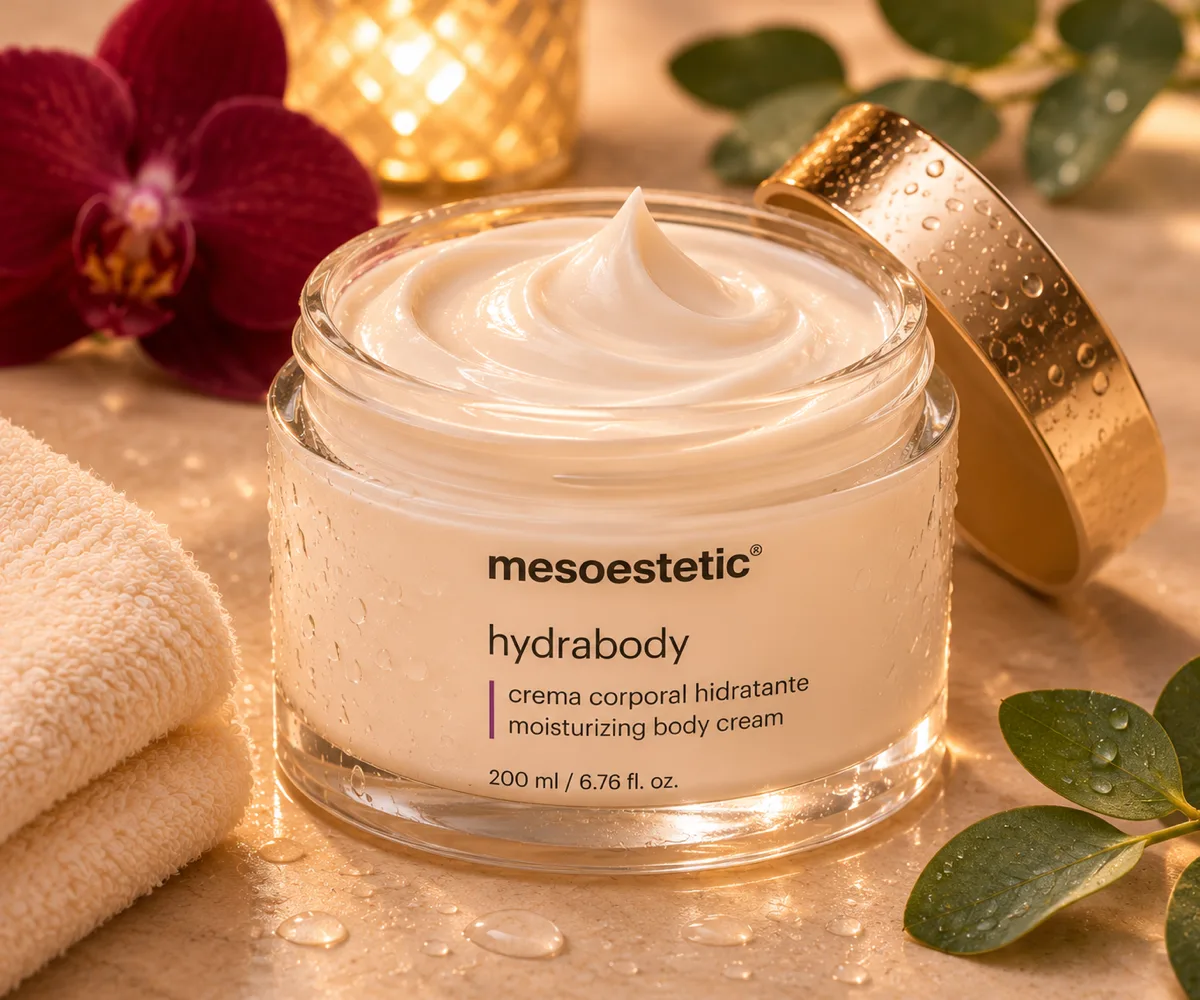
What is the best body moisturiser for very dry skin?
There is no single best one for everyone, and the clinic does not pick brands on the reader's behalf. Sources recommend products that combine water-retaining ingredients with components that replenish oil, with more oil the drier the skin. Urea is one of the ingredients with the most evidence for dryness. What matters most is regularity: apply every day, right after the shower. If you have doubts or your skin reacts, speak to the team.
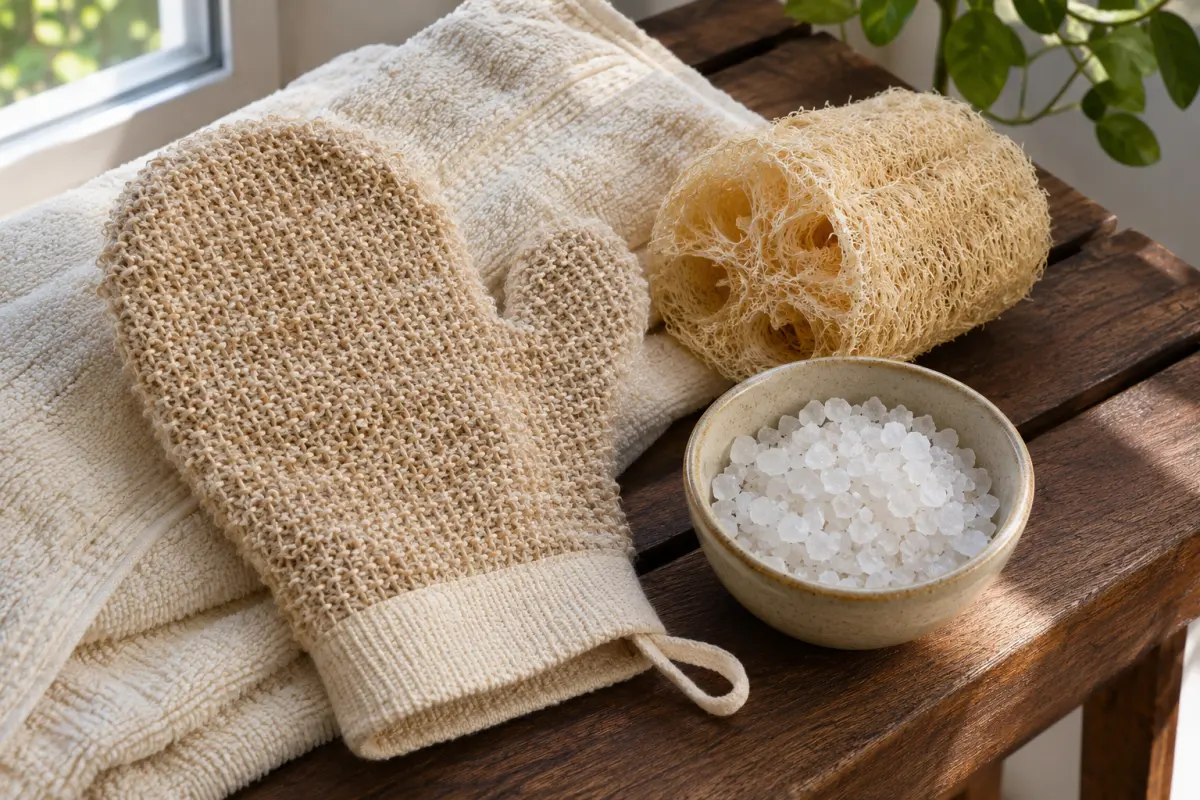
How often should I exfoliate my body?
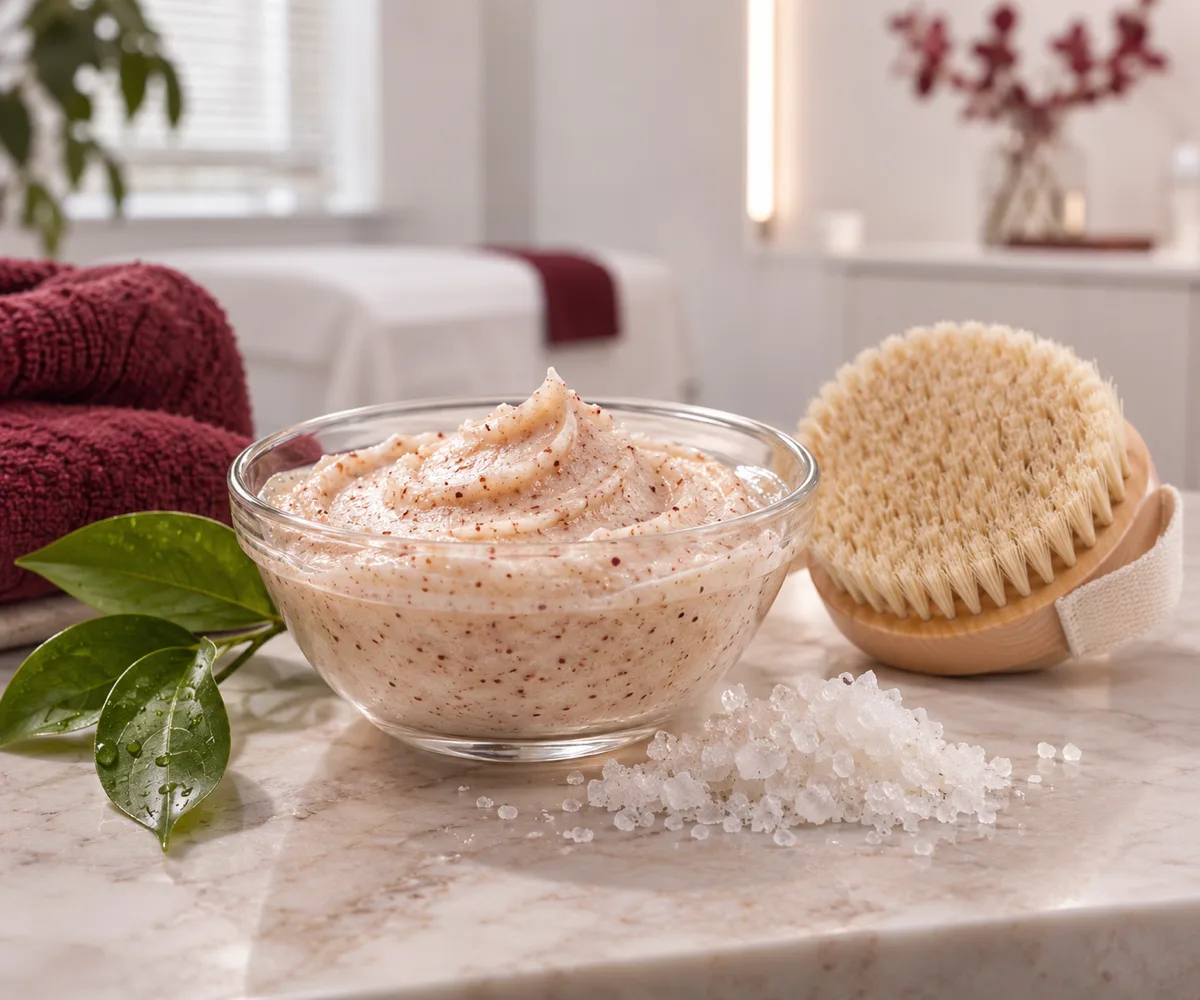
It depends on the skin and the product. In general, in moderation: over-exfoliating, with coarse grains or a hard scrubbing mitt, irritates and worsens dryness. Use gentle movements, without pressure, and stop if the skin stings, turns red or flakes more. Do not exfoliate skin that is sunburnt, irritated or sore. At the assessment, the team helps work out the rhythm that suits your skin best and whether it makes sense to combine it with a ritual.
Urea and exfoliating acids on the body: what should I know?
Urea is widely used in moisturisers for dry, rough skin, and is one of the ingredients with the best evidence for dryness. Exfoliating acids loosen dead cells, but can irritate, especially if combined with physical exfoliants, with sun or with other active products. If you already use any, say so at the assessment and do not combine them on your own. The team helps to work out what makes sense and to avoid excess.
Are body peels worth it?
They can add softness and glow to rough or dull skin, but they are not for every skin or every moment. At Luxmed, the Ritual Renova Body renews and softens body skin, improving texture and softness in rough or dull areas. It depends on the state of the skin, recent sun and what you use at home, and results vary from person to person. The assessment helps to see whether it makes sense in your case.
Do the rituals resolve keratosis pilaris?
Keratosis pilaris is benign and tends to persist, so the clinic does not promise that the bumps will disappear. A ritual such as Renova Body or Veludo can help improve the skin's texture and softness, gradually and with variable results. Maintenance at home, with regular moisturising and gentle exfoliation, is what matters most. The assessment defines what to expect in each case.
Does menopause make body skin drier?
It can. Sources describe that the drop in oestrogen is associated with drier, thinner skin with less hydration, and that skin tends to lose oil and water over the years. A daily moisturising routine, gentler baths and richer creams usually help. If the dryness is new and intense, or comes with strong itching, it is worth speaking to the doctor, because there may be other causes.
How long does it take and how many sessions are needed?
It depends on the ritual, the skin and what you are looking for, and the clinic defines it at the assessment, without promises in advance. Some effects are noticed straight away, such as softness and hydration, and others are gradual, such as texture. Results vary from person to person and are helped by regular care at home. The team explains the number of sessions and the interval between them, and adjusts them over time.
When should I see a doctor first?
Before any ritual, if you have intense itching that costs you sleep, cracked or sore skin, persistent redness, repeated infections, patches that do not improve or new dryness that does not respond to daily moisturising. The same if a mole or mark changes in shape, colour or size, bleeds or does not heal in three to four weeks, which calls for a dermatological assessment. In Algés, the assessment consultation is a good first step.
How should I prepare for the assessment and what should I say?
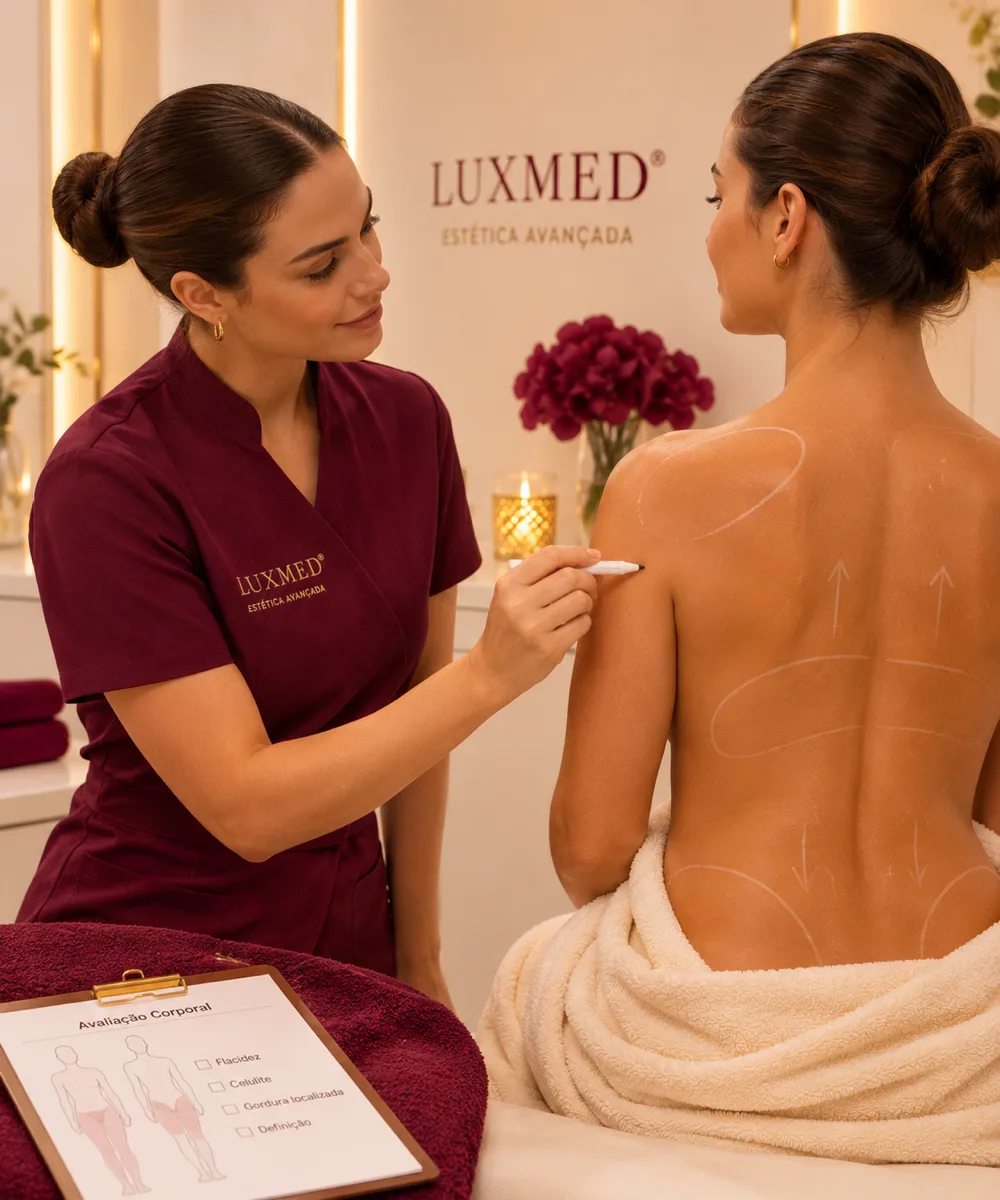
Bring a list of the products you use on your body, including exfoliants, and tell us how long your skin has been like this, in which areas, and whether it gets worse in winter or with hot baths. Mention allergies, skin that reacts easily, pregnancy or breastfeeding, medication and health problems such as diabetes. If you have had intense sun recently, say so: it may be necessary to wait before exfoliating the skin.