What are antioxidants for in facial skin?
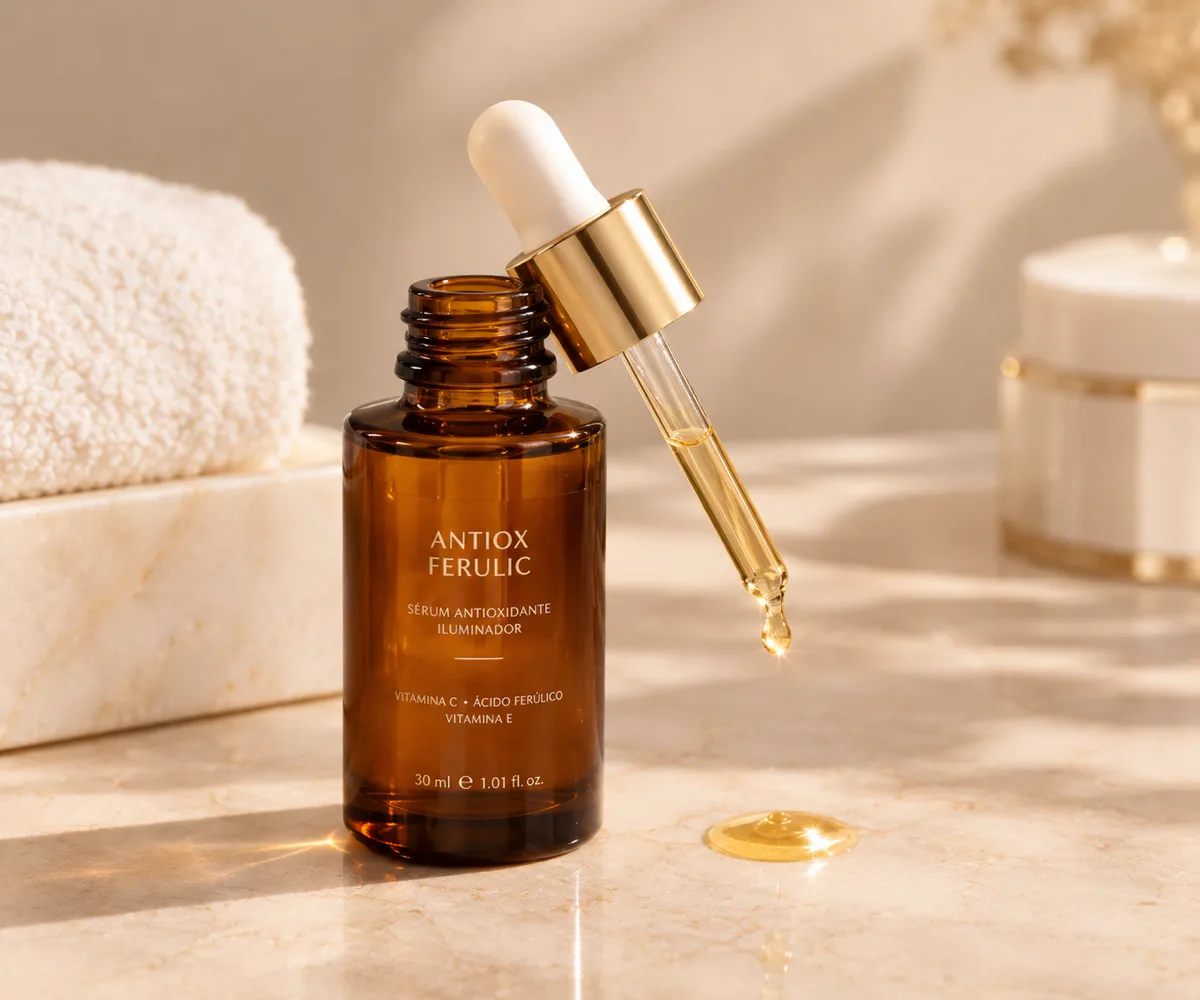
These are substances that help neutralise the free radicals that solar radiation and other aggressors generate in the skin. Vitamin C, vitamin E and ferulic acid are the best known in cosmetics. They can complement sun protection, especially in combination, but research in humans is more limited than manufacturers' promises suggest. They do not replace sunscreen, and the doctor assesses what makes sense for your skin.
Vitamin C on the face: what are the benefits and the limits?
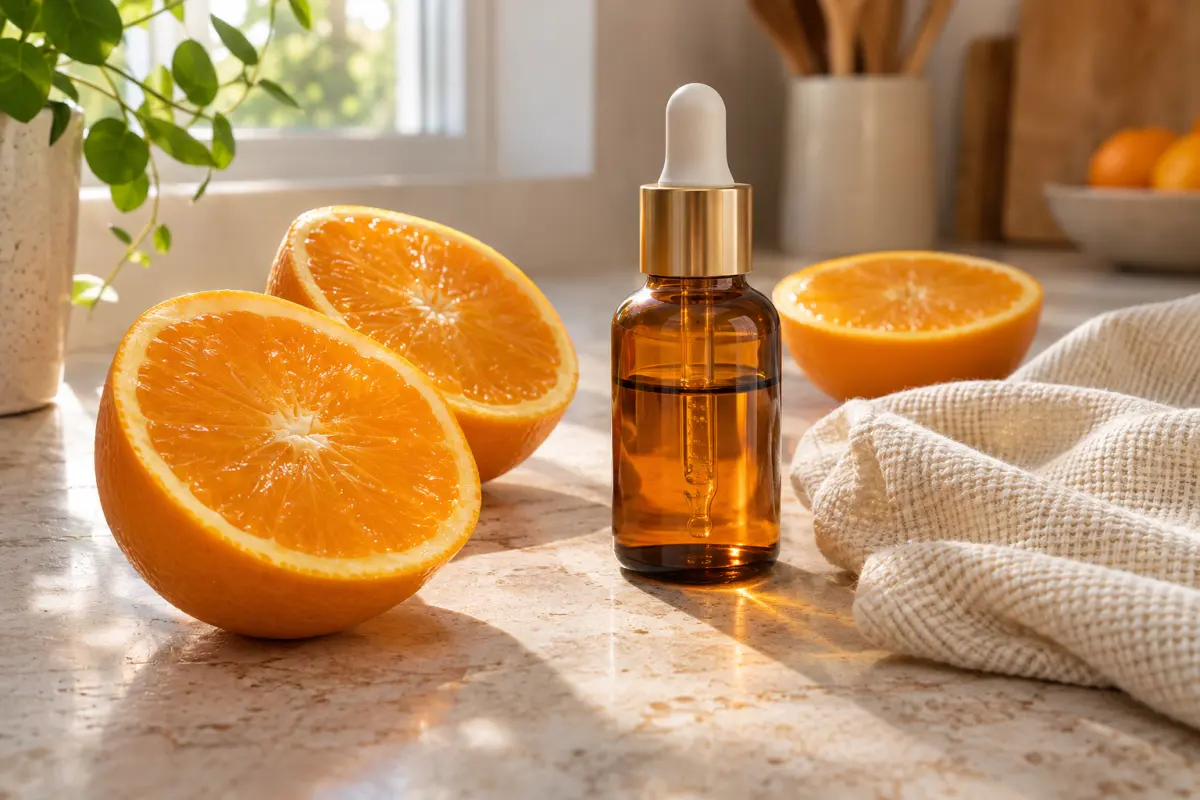
Healthy skin contains a lot of vitamin C, which contributes to collagen production and to defence against UV radiation. Applied to the skin, it can act as an antioxidant, but reviews note that the efficacy of topical application, compared with diet, is still not well established, and that it is an unstable active. It can irritate some people, especially with sensitive skin. If you have allergies or your skin reacts easily, say so before starting.
What is ferulic acid for?
It is a plant-derived antioxidant. In an experimental study, adding it to a solution of vitamin C and vitamin E made it more stable and doubled the skin's protection against simulated ultraviolet radiation. It is a laboratory result, with a specific formula, and it does not automatically apply to any product. It serves as a complement to sunscreen, never as a substitute, and the effect on your skin depends on the product and on each person.
Does pollution really age the skin?
There are studies linking air pollution to signs of ageing, especially in areas of heavy traffic, and an expert review describes harmful effects. But a recent systematic review considers the certainty of the evidence low, because of other factors that get mixed in, such as sun and tobacco. So the honest answer is that it probably contributes, that how much is still unknown, and that sun protection and gentle cleansing are the most sensible measures.
How do I know if stress is affecting my skin?
There is no simple test, but there are clues: skin that is more sensitive or flushes easily, products that start to sting, slower recovery after an irritation, and a drawn look in times of more pressure or little sleep. These changes are non-specific and can have other causes, such as a skin condition. If they recur, or if there are rashes, itching or flaking, it is worth asking for an assessment rather than guessing.
Tired, stressed skin: what to do?
The first step is to simplify: gentle cleansing, simple hydration, sunscreen in the morning and sleeping as well as possible. Studies show that stress and lack of sleep delay recovery of the skin barrier, so piling on harsh products tends to make things worse. A treatment-room ritual can be a moment of pause and care, but it does not resolve the cause of the stress. If the skin keeps reacting, the assessment helps to understand what else may be behind it.
Do antioxidants work with sunscreen, or do they replace it?
They do not replace it. The most solid evidence for reducing sun-related ageing is sunscreen used every day, and a trial with 903 adults showed less progression of photoageing in those who used it daily. Antioxidants can be a complement, applied under the sunscreen, but the best-known studies are experimental. If the serum is the only protection you use, your skin is less protected than you think.
What steps should a complete facial care routine have?
A reasonable routine has few steps: a gentle cleanse, a moisturiser suited to the skin type and, in the morning, sunscreen of SPF 30 or higher. Antioxidants and night-time actives are optional and are introduced gradually, one at a time. What makes a routine good is keeping it up for months, not the number of products. If you have sensitive skin, blemishes or other complaints, the assessment adjusts the steps, and none of this replaces what the doctor advises.
A complete facial treatment at the clinic: what does it include?
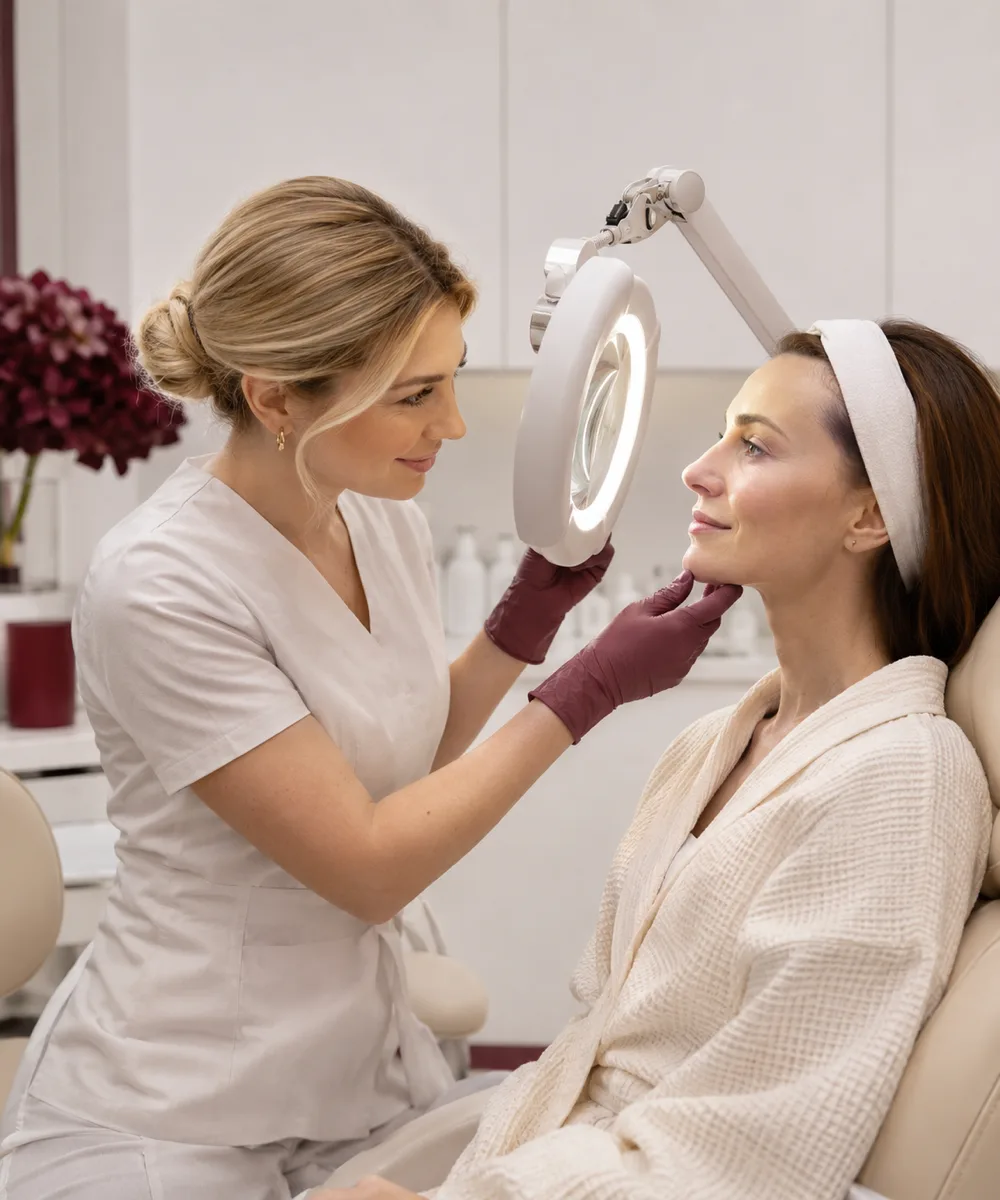
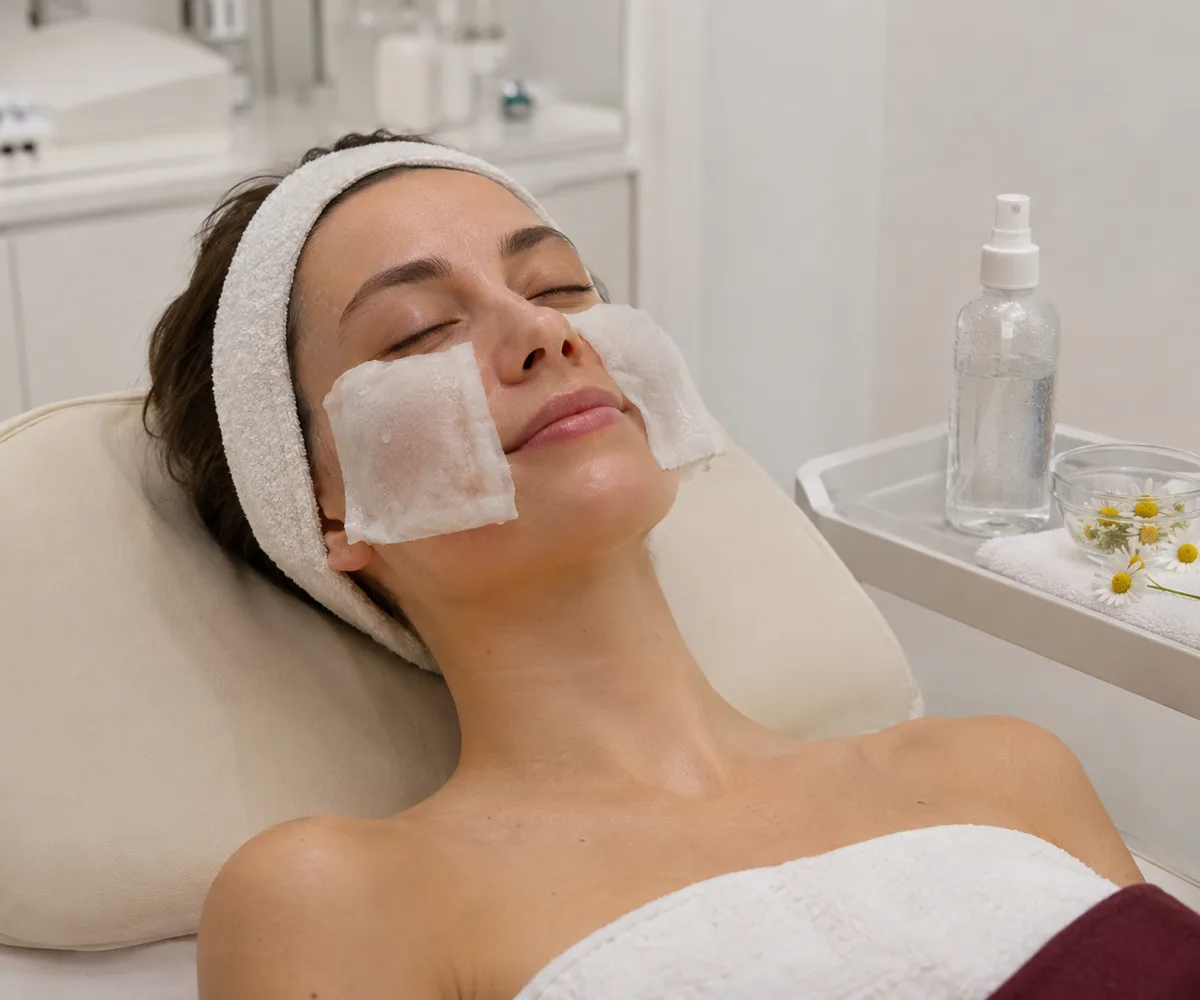
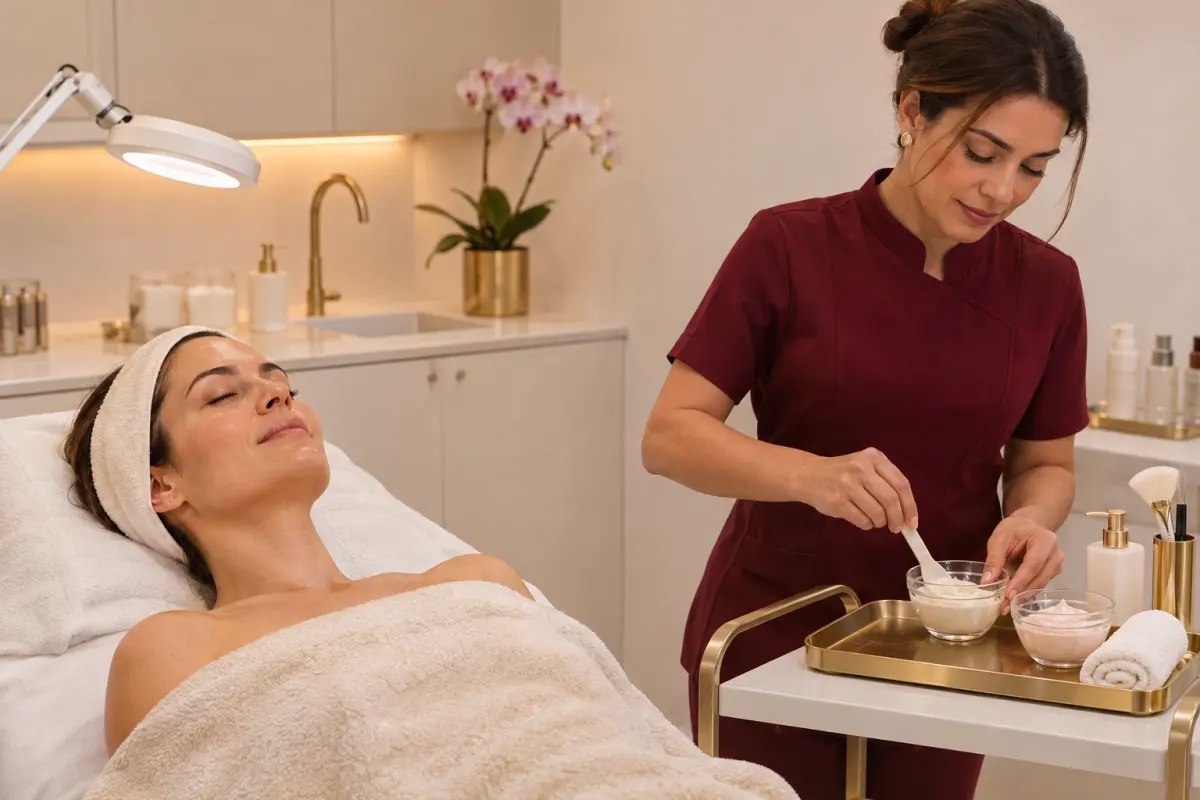
In Ritual Prestige Facial, the clinic describes a prolonged, sensory protocol that brings together cleansing, treatment and care, from start to finish. In general, rituals usually include gentle cleansing, concentrated actives, a mask and facial massage, and end with care that protects the skin, but the steps vary from ritual to ritual. The team explains what will be done before starting and adapts the ritual to the assessment of your skin.
Relaxing facial or treatment facial: what is the difference?
In a purely relaxing facial, the aim is comfort and a pause. In a treatment facial, there is a specific need of the skin, such as sun exposure, reactivity or lack of radiance, and the ritual is chosen according to it. The clinic's rituals combine the two: they use professional actives and manual technique, and also offer a moment of pause. Neither replaces a medical consultation or treats skin diseases.
When should I see a doctor first?
Before any ritual, if you have a wound that does not heal, a spot or mole that changes colour, size or texture, an area that bleeds, crusts or itches for more than four weeks, or persistent, painful redness. These are signs that call for a medical assessment, not aesthetic care. If you have a history of frequent sunburn, a suspicious mole in the family or fair skin with many years of sun, say so at the assessment so that you can be examined more closely.
How long does it take and how many sessions are needed?
The duration and number of sessions depend on the ritual and on what the assessment shows, and the team sets them with you, without fixing them beforehand. Some rituals are done once as a moment of care, others can be repeated after an interval, and daily protection at home is what matters most for the result. Effects vary from person to person, and we do not promise a number of sessions or a result before examining your skin.
Who should be more careful with antioxidants and with these rituals?
People with known allergies to ingredients, very sensitive or reactive skin, active dermatitis or irritation, active infection or herpes on the face, or who take medication that makes the skin more sensitive to the sun. In pregnancy and breastfeeding, the ingredients should be assessed. Vitamin C and other actives can irritate, and in these cases the doctor chooses what is safe or proposes waiting. Always say what you use and what you take.
How do I book a complete facial treatment in Algés, and what should I bring?
You can book by WhatsApp, phone or through the form on the website, and it always starts with a skin assessment at the clinic in Algés (Oeiras), easy to reach from Lisbon. Bring the list of products you use, the sunscreen you like, any allergies you know of and the treatments you have had recently. You can also bring photographs of how your skin reacts during stressful periods. The team explains the cost after the assessment, with no obligation.