Algés, Oeiras Mon to Sat · 09:00 to 13:00 and 14:00 to 19:00
WhatsApp Book a consultation

Heavy legs and swelling

Heavy legs, fluid retention and swellingFirst understand the cause, then, if the doctor recommends it, drainage

Heavy legs at the end of the day, ankles that mark the sock, shoes that feel tight in the afternoon: it is a common complaint and almost always starts as an annoyance, not a serious problem. But swelling can have very different causes, from the veins to medication, from the heart to the kidneys, and drainage only makes sense once you know which one is yours. At Luxmed, in Algés, drainage is only carried out with the doctor's recommendation. Here we explain why, what is assessed at the consultation and which signs cannot wait.

Reviewed by Dr Michelle Campagnoli, clinical director

  • 3drainage treatments, only with a medical recommendation
  • 1consultation with the doctor, always first
  • Nocommitment
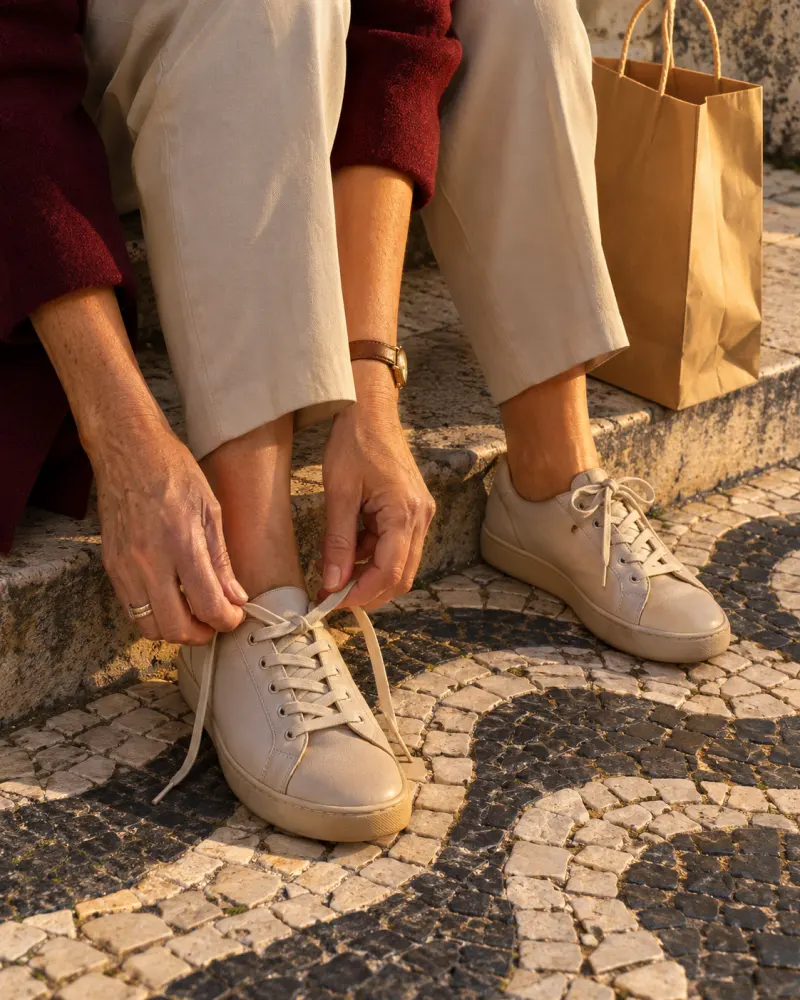
Person tying shoelaces on a Portuguese cobblestone pavement, with a bag beside

How to recognise it

Are heavy legs or swelling asking for an assessment?

Heaviness, swelling and retention seem like the same thing, but they are not always. These signs help you understand what you feel before the consultation, and decide whether it can wait for it.

Tick what you recognise0/7

Tick the signs you recognise in your case. This is not a diagnosis, it is only meant to give you an idea.

A leg swollen on one side only, with pain, warmth or redness, or swelling accompanied by shortness of breath or chest pain, is an emergency: call 112 or SNS 24 (808 24 24 24) and do not massage the leg.

Massage therapist in a burgundy uniform with a clipboard talking to a client in a bathrobe, in a massage room
Photograph of a conversation before a massage. The dots mark what is asked and decided before starting; the image does not show any complaint.

Why it happens

What may lie behind the heaviness and swelling

It is almost never one thing alone, and the same complaint can have origins that call for opposite care. Choose a cause to see what makes it worse and what usually helps.

Being still for a long time

When you spend the day standing, or sitting with your feet on the floor, the calf muscles do little work and fluid tends to build up around the ankles. People who work behind a counter, in a classroom, in a kitchen or in an office know the feeling well. It is usually in both legs, improves overnight and with movement, and is the most common explanation for heaviness at the end of the day. But oedema has several causes, and it can only be called “postural” once the others have been ruled out.

What makes it worse

Hours without moving, crossed legs, tight footwear and long journeys sitting down.

What usually helps

Short breaks to walk, move your ankles and raise your legs when you rest.

It can wait, or not

Swelling that can wait for the consultation and swelling that cannot

This separation does not replace the consultation, but it helps you gauge the urgency. If in doubt, always treat it as if it cannot wait.

  • What it looks like. Heavy, slightly swollen legs and ankles at the end of the day, in both legs, which improve overnight and with the legs raised.

  • When it appears. In the heat, after many hours standing or sitting, at certain phases of the month, and it comes and goes over the weeks.

  • What may lie behind it. Being still for a long time, veins that return blood poorly, heat, hormones or a medicine. Only the doctor can tell.

  • What is done. Book the assessment consultation. At this stage no drainage is started, and the doctor explains what she sees and what can be proposed.

  • Tell us at the consultation. Since when, whether it is in both legs, what you take, the surgeries you have had and whether you have had thrombosis or varicose veins.

Not sure which side you are on? Book an assessment consultation with Dr Michelle Campagnoli: she is the one who tells swelling that is monitored from swelling that needs treatment, and who recommends drainage or not.

Book an assessment consultation

What the clinic can do

Drainage treatments, after the medical recommendation

Luxmed has three drainage treatments: two massages and one ritual. All three share one rule: they are only carried out with a prior recommendation, given at the assessment consultation by Dr Michelle Campagnoli. The massages are carried out by massage therapists. Drainage may help relieve the feeling of heaviness and the swelling in some people, but it is not a treatment for the causes and results vary, so the doctor explains what to expect before any decision.

Book an assessment consultation
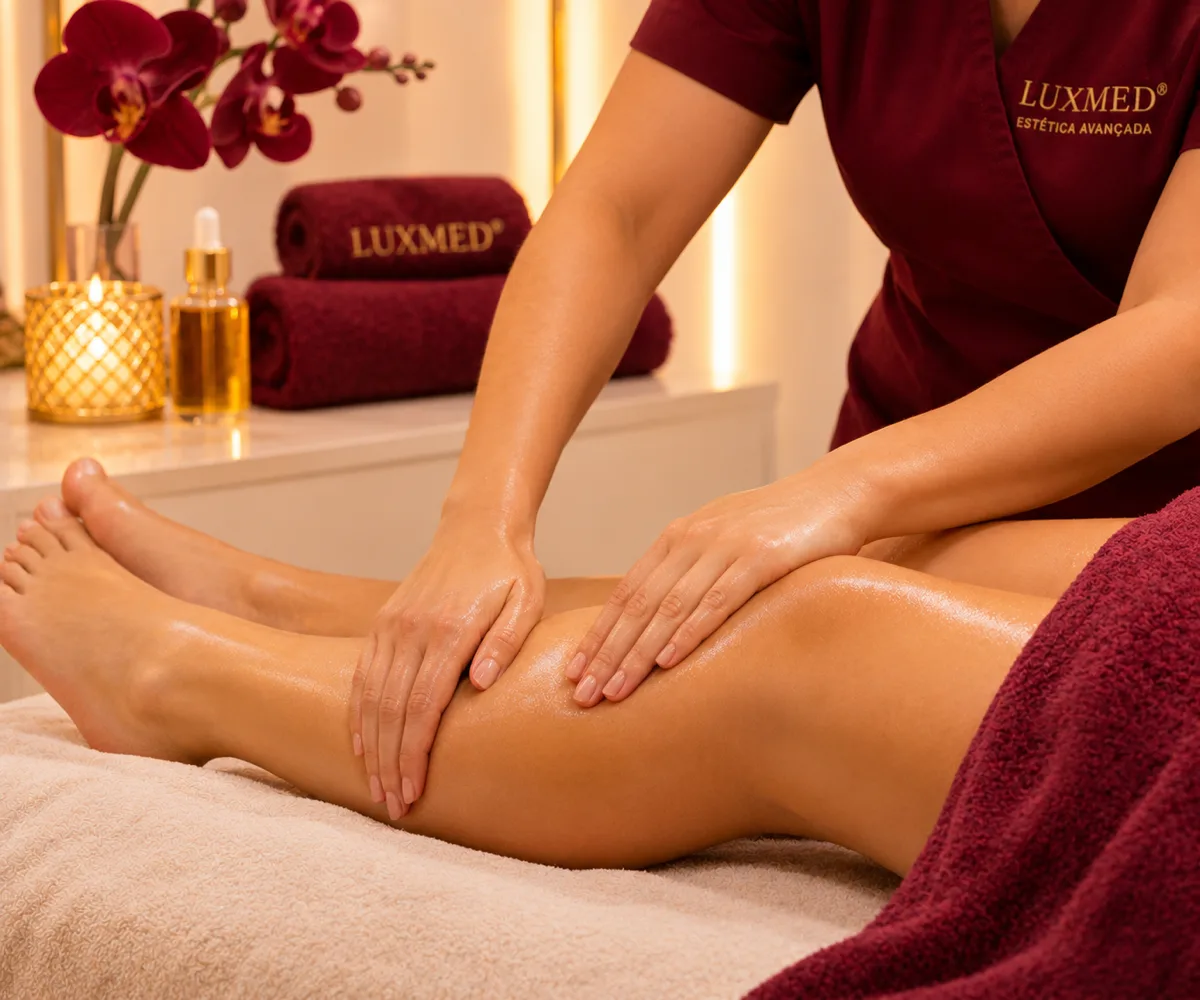
Massage therapist massaging a client's calf with both hands, as she lies on a couch covered in burgundy towels

Drainage massage

Toque Pernas Leves

At the end of the day, the legs feel heavy and tired. This is a drainage massage that stimulates circulation and restores a feeling of lightness.

Suitable when

the doctor concluded that the heaviness in your legs is compatible with this treatment and gave the go-ahead for it.

Find out more
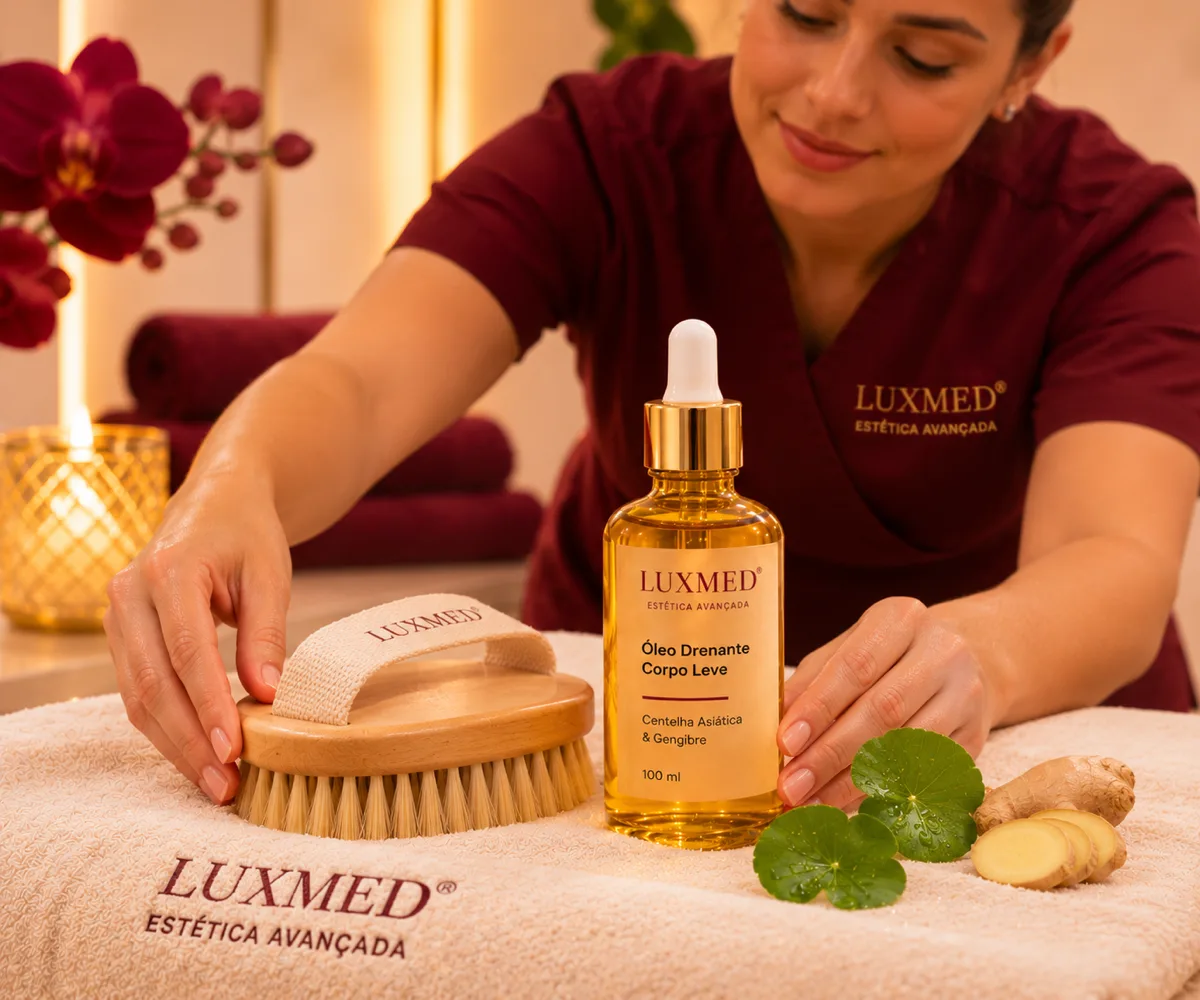
Massage therapist putting down a natural bristle brush and a bottle of draining oil on a towel

Drainage and relaxation

Toque Corpo Leve

A ritual that combines drainage and relaxation, to reduce swelling and unwind at the same time, when the body is also tense.

Suitable when

the body is swollen and tense and the doctor gave the go-ahead for this treatment.

Find out more
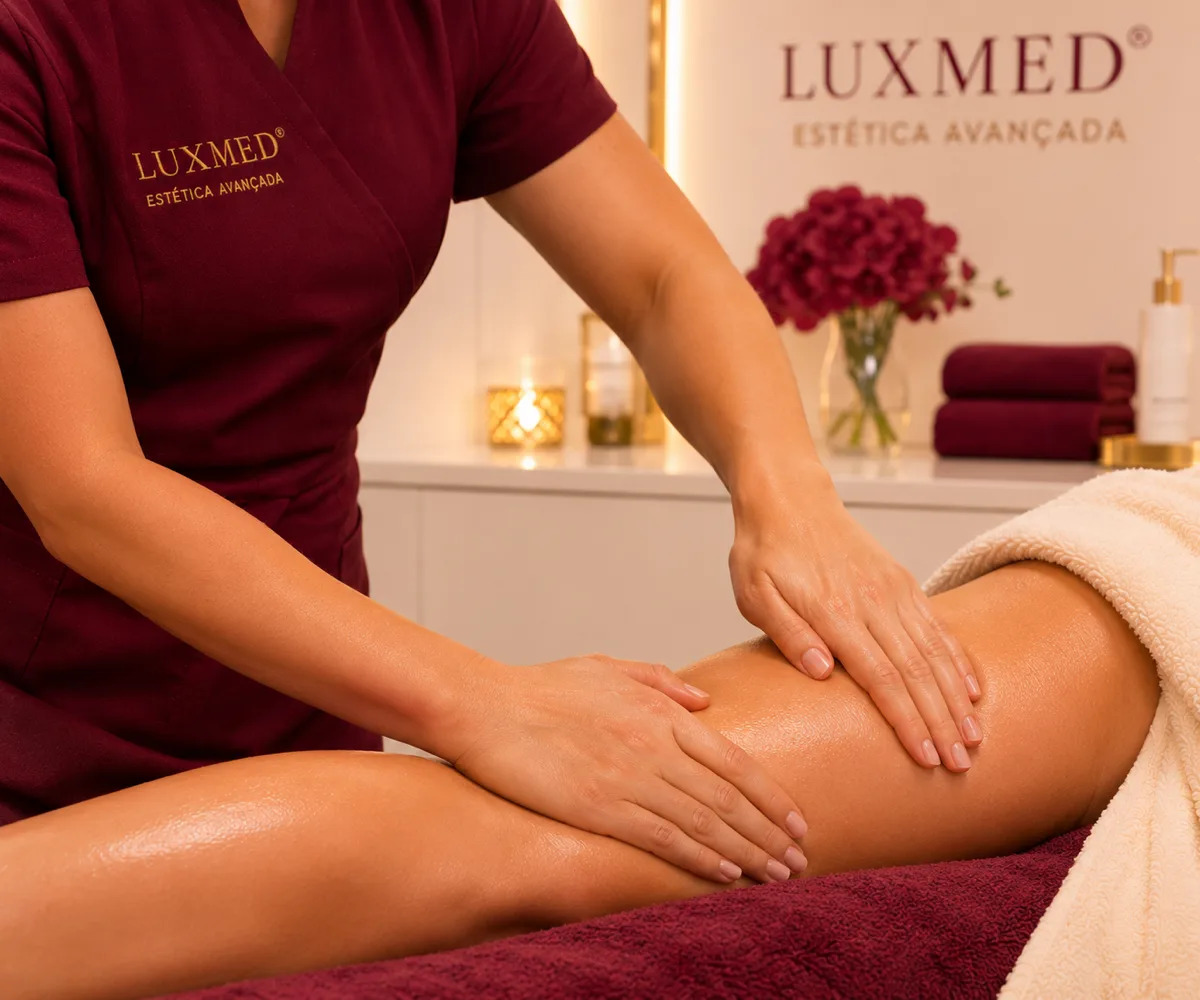
Hands of a massage therapist gliding over a client's oiled leg, in a treatment room with burgundy flowers

Body ritual

Ritual Drena

For fluid retention, swelling and the feeling of heavy legs, a drainage that helps restore lightness to the body.

Suitable when

the doctor assessed the retention and gave the go-ahead for this ritual.

Find out more

What about cellulite? Drainage is not a method for cellulite, for losing weight or for “losing inches”: if that is your goal, Ritual Celureduct is described on the page about cellulite and the look of the skin, and also only after assessment. Here, the aim is to relieve heaviness and swelling, with the cause already assessed by the doctor. Nothing is booked before the consultation, and the price and duration are explained afterwards.

What the journey looks like

From the consultation to drainage, when recommended

No drainage is booked without an assessment consultation with the doctor. This is how it works.

  1. 01Before the clinic

    Notice the pattern

    It helps to note since when your legs have felt heavy, whether it is in both or only one, what time of day it gets worse, what makes it better and which medicines you take. Also take a photograph of the swelling at the end of the day: it helps when by morning it has gone down.

  2. 02At the clinic

    Taking the history and examining

    Dr Michelle Campagnoli asks about your complaints, your history of veins, thrombosis, heart, kidneys or surgeries, and your medication. She examines and palpates the legs, looks at the skin and compares one side with the other.

  3. 03At the clinic

    Deciding whether drainage makes sense

    The doctor may request tests or scans, or refer you to a specialist, before deciding. If drainage is not suitable, or not yet, she explains why and what to do. The decision is hers.

  4. 04At the clinic

    Booking the drainage, if it is recommended

    With a recommendation, you can book Toque Pernas Leves, Toque Corpo Leve or Ritual Drena. The massage is carried out by massage therapists, who talk with you beforehand and adjust the pressure. The price and duration are explained when you book.

  5. 05Over time

    Reassess

    The doctor sees how the legs are and whether the recommendation still makes sense. Swelling can change with the season, weight, medication or health, and so can the recommendation.

Day to day

What helps at home

For many people, everyday habits weigh as much as any treatment. These are general, prudent measures, which do not replace the consultation.

The golden rule

Move your legs, and ask before massaging

With heavy legs, movement usually helps more than any trick: the calf is a pump that helps blood rise. Massage on a swollen leg, without knowing the cause, can be a bad idea, especially if the swelling is on one side only. When in doubt, ask the doctor first.

Walking and moving your ankles

The calf muscle helps push blood upwards.

In practice: get up and take a few steps every hour, and, when seated, make circles with your feet and raise and lower your toes.

Raise your legs when resting

With the feet above heart level, the fluid that has built up drains more easily.

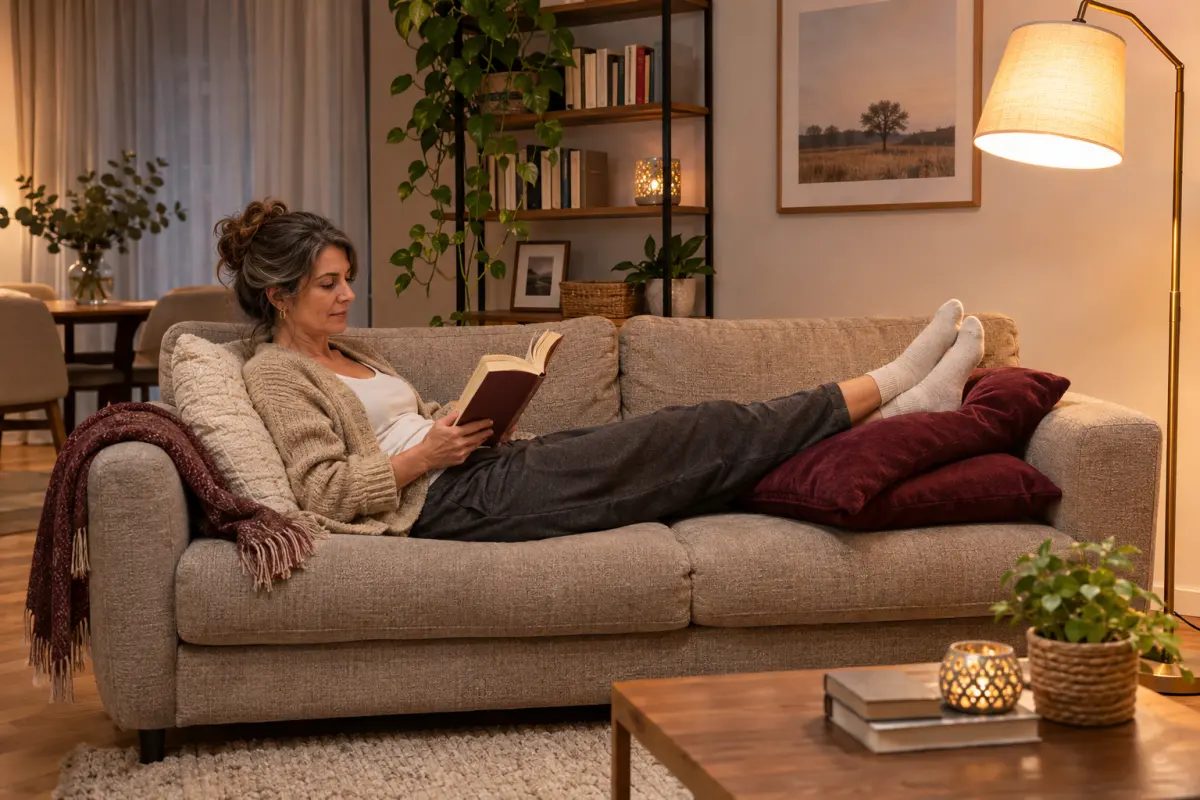
In practice: lie down for a few minutes at the end of the day with your legs resting on cushions, without bending your knees.

Protecting your legs from heat

Heat dilates the veins and the swelling increases.

In practice: prefer lukewarm or cool water on the legs, avoid standing still in the sun and look for cool places in summer.

Reviewing footwear and clothing

Tight shoes and very tight elastic at the knees make it harder for blood to return.

In practice: choose comfortable shoes and clothing that does not mark the leg.

Record and bring to the consultation

The pattern of the swelling helps tell the cause.

In practice: note the time, the legs affected and any new medicines, and bring photographs from the end of the day.

Dr Michelle Campagnoli, clinical director of Clínica Luxmed

Who decides

A recommendation made by the doctor

At Luxmed, drainage starts with an assessment consultation with Dr Michelle Campagnoli. She works out the cause of the heaviness and swelling in your legs, decides whether drainage is suitable and recommends it, or not. The massage is then carried out by massage therapists.

  • Physical examination and medical historyHistory of the complaints and medication, history of veins, thrombosis, heart, kidneys or surgeries, and examination of the legs.
  • A plan tailored to youA clear decision, calmly explained, about drainage: whether it makes sense, whether it has to wait, or whether there is another way, with follow-up over time.
  • No obligationThe cost of any treatment is confirmed only after the assessment.
Book an assessment consultation

Book a consultation

Book your consultation

Choose how you prefer to get in touch. We will arrange the assessment consultation with Dr Michelle Campagnoli.

Booking through the websiteAssessment consultationTalk to our assistant on WhatsApp and ask for the current price of the assessment.

New Life Miraflores, Algés · Office Center, R. Santa Teresa do Menino Jesus n.º 6, 9.º C, 1495-048

Your details are used only for this contact. Any treatment depends on a prior medical assessment.

Request an appointmentIt takes less than a minute.
Speciality
You do not need to go into detail. The doctor will talk to you during the consultation.
Request received. Our team will contact you as soon as possible.
Why do I have heavy, swollen legs at the end of the day?

The most common explanations are standing or sitting for a long time, heat, hormones and veins that return blood poorly. But heaviness and swelling can also come from medicines or from heart, kidney or liver conditions. You cannot tell from the sensation alone, because it is the same. That is why Luxmed always starts with an assessment consultation with the doctor, and only then considers any treatment.

Are heavy legs and fluid retention the same thing?

Not necessarily. Heavy legs are a feeling of heaviness and tiredness, which can exist without visible swelling, for example when the veins work less well. Fluid retention is a build-up of fluid in the tissues, which can be seen and which, when pressed with a finger, may leave a mark. They can appear together or separately, and each has different causes, which changes what makes sense to do. That is why the first step is always to work out which of the two, or whether both, describes what you feel.

What is lymphatic drainage?

It is a gentle massage, with slow movements, designed to help mobilise fluid that has built up in the tissues. At Luxmed, the drainages are Toque Pernas Leves, Toque Corpo Leve and Ritual Drena. The scientific evidence on manual drainage is limited: the international society of lymphology mainly refers to studies in lymphoedema after breast cancer, and the effect in other situations is unknown. That is why the clinic speaks of relief, and not of promises.

Does lymphatic drainage need a medical recommendation?

At Luxmed, yes. Drainage is only carried out after an assessment consultation with Dr Michelle Campagnoli, who decides whether it is suitable. The reason is safety: swelling in the legs can come from causes, such as thrombosis, infection or heart and kidney conditions, in which massage can do harm. The clinic's other massages can be booked directly. The recommendation is not a formality: it is the moment when someone with medical training looks at your legs and at your history.

When should lymphatic drainage not be done?

As a precaution, the clinic does not carry out drainage unless the doctor has ruled out certain situations, such as suspected thrombosis, infection or fever, uncontrolled heart or kidney disease, and others the doctor considers case by case. Telling us everything, including surgeries, medication and pregnancy, is essential. If at the consultation the doctor concludes that you should not have it, she explains the reason and what she proposes instead.

A leg swollen on one side only: what to do?

If the swelling is sudden, in one leg only, and comes with pain, warmth or redness, it may be a deep vein thrombosis, which needs a quick diagnosis with blood tests and an ultrasound scan. Call SNS 24 (808 24 24 24) or go to the emergency department, and do not massage the leg. With shortness of breath or chest pain, call 112. It is not something to wait for an aesthetic consultation about.

When should I see a doctor first?

Whenever the swelling is new, persistent or getting worse, is in one leg only, leaves a mark when pressed, comes with varicose veins or skin changes, or after surgery or radiotherapy. Also if you have started a new medicine. At Luxmed, that first step is the assessment consultation with Dr Michelle Campagnoli, before any drainage. If there is pain, warmth or redness in a leg, or shortness of breath, it is an emergency, not a consultation.

How many drainage sessions are needed?

There is no number that suits everyone, and the clinic does not promise one. It depends on the cause, on how intense the symptoms are and on what the doctor recommends. That is why the plan, including the pace and the number of sessions, is set at the assessment, with reviews over time. The price and duration of each treatment are explained when you book. The swelling may also return, because the causes remain, and reassessing is normal.

What is the difference between Toque Pernas Leves and Toque Corpo Leve?

Toque Pernas Leves is a drainage massage for the legs, which stimulates circulation, for heavy, tired legs. Toque Corpo Leve combines drainage and relaxation for the body, to reduce swelling and unwind at the same time. The doctor recommends which makes most sense for you, and whether either does at all. Both are carried out by massage therapists, and only after the medical recommendation at the assessment consultation. Neither is a choice you make on your own over the phone, even if the description seems to match what you feel.

Are Ritual Drena and the drainage massages the same thing?

No. Ritual Drena is a body mesoaesthetics ritual, for fluid retention, swelling and the feeling of heavy legs, and it is also only carried out with a medical recommendation. The Pernas Leves and Corpo Leve massages are part of the therapeutic massages. In any case, the decision on which to choose, and whether it is suitable, rests with the doctor at the assessment consultation, and is not a choice from a catalogue. In neither case is a result promised, because the response varies from person to person.

Do compression stockings help with heavy legs?

They can help in some cases, such as certain vein conditions, and there are medical consensus statements that recommend them for venous symptoms. But reviews do not show enough evidence that they work, on their own, as a first treatment for varicose veins. And they are not suitable for everyone, for example if there is arterial disease. That is why they should be recommended by the doctor, in the right size and strength, and not chosen on your own. If you wear stockings and your legs still bother you, tell the doctor, rather than tightening them more.

Does lymphatic drainage treat cellulite or help you lose weight?

No, and that is not what the clinic offers it for. Drainage is intended to relieve heaviness and swelling when the doctor recommends it. Cellulite has other approaches, described on another page, also after assessment. And drainage is not a method for losing weight or inches: what you notice after a session, when you notice anything, is mainly less swelling, and it varies from person to person.

What should I bring and tell the doctor?

Bring the list of medicines and supplements you take, recent tests and scans, and a note of any surgeries, thromboses and heart, kidney or vein conditions you have had. Say how long your legs have felt heavy, whether it is in both, what time of day it gets worse and what makes it better. Photographs of the swelling at the end of the day help. In Algés, you can book by phone, WhatsApp or through the form on the website. If you do not have everything to hand, come anyway: the doctor works with what there is and asks for the rest.

Can I book drainage straight away without a consultation?

No. The assessment consultation with the doctor always comes first, and drainage is only booked after the recommendation. You can, however, book any other massage at the clinic directly, such as the relaxation ones. If you would like guidance on choosing, speak to the team in Algés, who explain how booking works, the price and the duration. If drainage is the massage you are looking for, the quickest way is to book the assessment consultation straight away, where the doctor decides whether you can go ahead and, if there is a recommendation, the drainage is booked next, without repeating the conversation.

We could not find that question. Ask us on WhatsApp

Scientific references

This page is based on the sources below and was reviewed by Dr. Michelle Campagnoli. Last updated on .

  1. Trayes KP, Studdiford JS, Pickle S, Tully AS. Edema: diagnosis and management. Am Fam Physician, 2013.
  2. Kruger PC, Eikelboom JW, Douketis JD, Hankey GJ. Deep vein thrombosis: update on diagnosis and management. Med J Aust, 2019.
  3. Largeau B, Cracowski JL, Lengellé C, Sautenet B, Jonville-Béra AP. Drug-induced peripheral oedema: an aetiology-based review. Br J Clin Pharmacol 87(8):3043-3055, 2021.
  4. Davies AH. The Seriousness of Chronic Venous Disease: A Review of Real-World Evidence. Adv Ther, 2019.
  5. Rabe E, Partsch H, et al. Indications for medical compression stockings in venous and lymphatic disorders: An evidence-based consensus statement. Phlebology, 2018.
  6. Shingler S, Robertson L, Boghossian S, Stewart M. Compression stockings for the initial treatment of varicose veins in patients without venous ulceration. Cochrane Database Syst Rev, 2013.
  7. Executive Committee of the International Society of Lymphology. The Diagnosis and Treatment of Peripheral Lymphedema: 2023 Consensus Document of the International Society of Lymphology. Lymphology 56:133-151, 2023.
CallAssistantAvailableBook