Algés, Oeiras Mon to Sat · 09:00 to 13:00 and 14:00 to 19:00
WhatsApp Book a consultation

Hair problem

Beard lossWhen the beard falls out or develops patches, in round areas or in a more diffuse way

A patch in the beard, hairs coming loose or an area that has suddenly lost its hair worry many people, and the first question is almost always whether it is serious. The answer depends on the cause: it may be an immune condition such as alopecia areata, an infection or irritation of the follicles, dermatitis, a fungus, a traction habit or a period of stress. Here we explain how they are told apart, what a person can and cannot do at home, which signs call for prompt assessment and what the doctor looks at during the appointment.

Reviewed by Dr Michelle Campagnoli, clinical director

  • 3treatments the clinic may suggest
  • 1assessment consultation, always first
  • 70 €assessment booked through the website
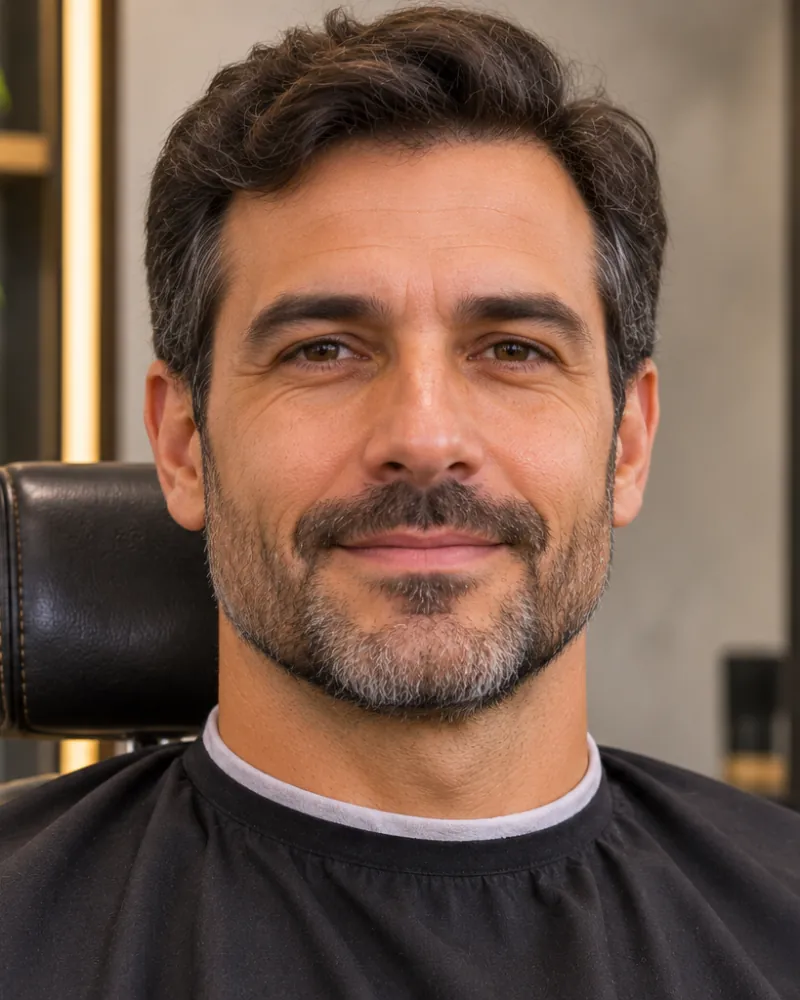
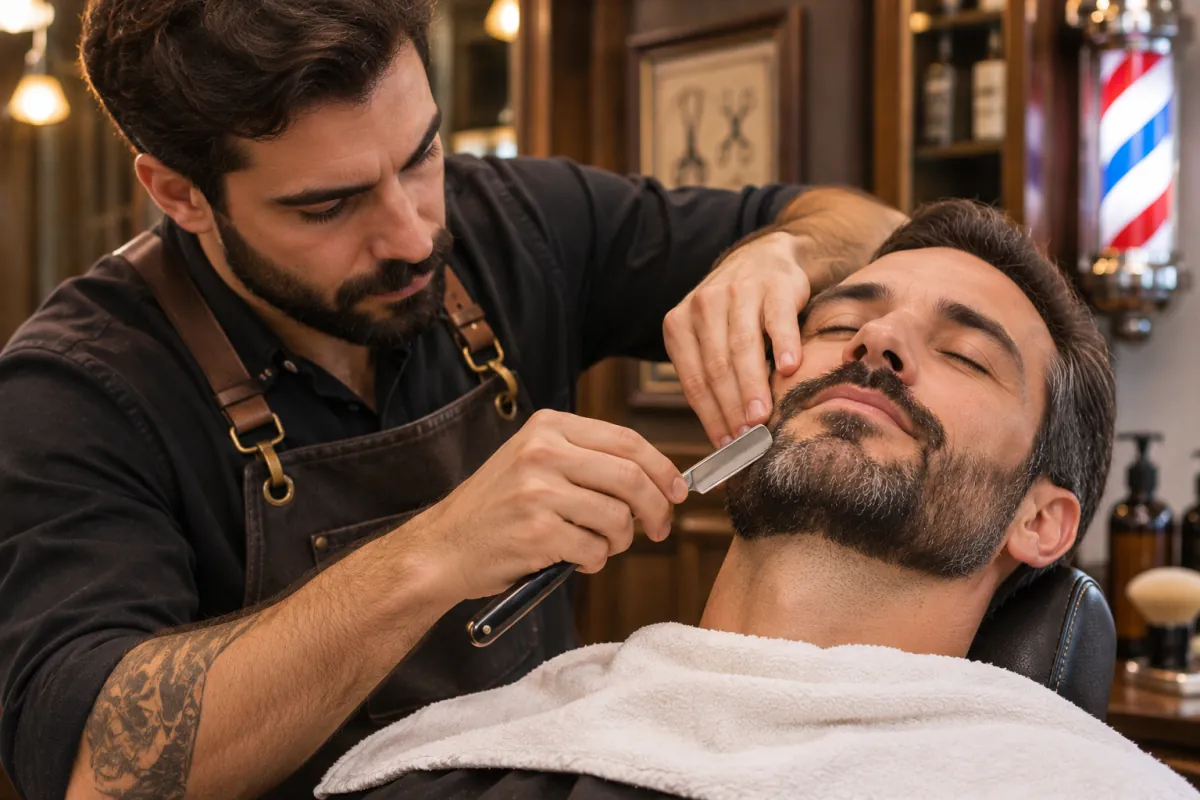
Man with a short grey beard seated in a black cape in a barbershop, with a barber pole behind

How to recognise it

Is it beard loss or just a normal gap?

Almost all men have less densely covered areas of the beard, especially on the cheeks and near the sideburns, and this is normal. Beard loss is something else: it is a change, with hairs that used to exist and no longer do. These signs help you understand which situation you are in.

Tick what you recognise0/7

Tick the signs you recognise in your case. This is not a diagnosis, it is only meant to give you an idea.

Sudden and heavy hair loss, pain, sores, pus, marked scaling, redness, warm and swollen skin or patches that appear quickly should be seen without delay, because they usually have another cause and some need specific treatment.

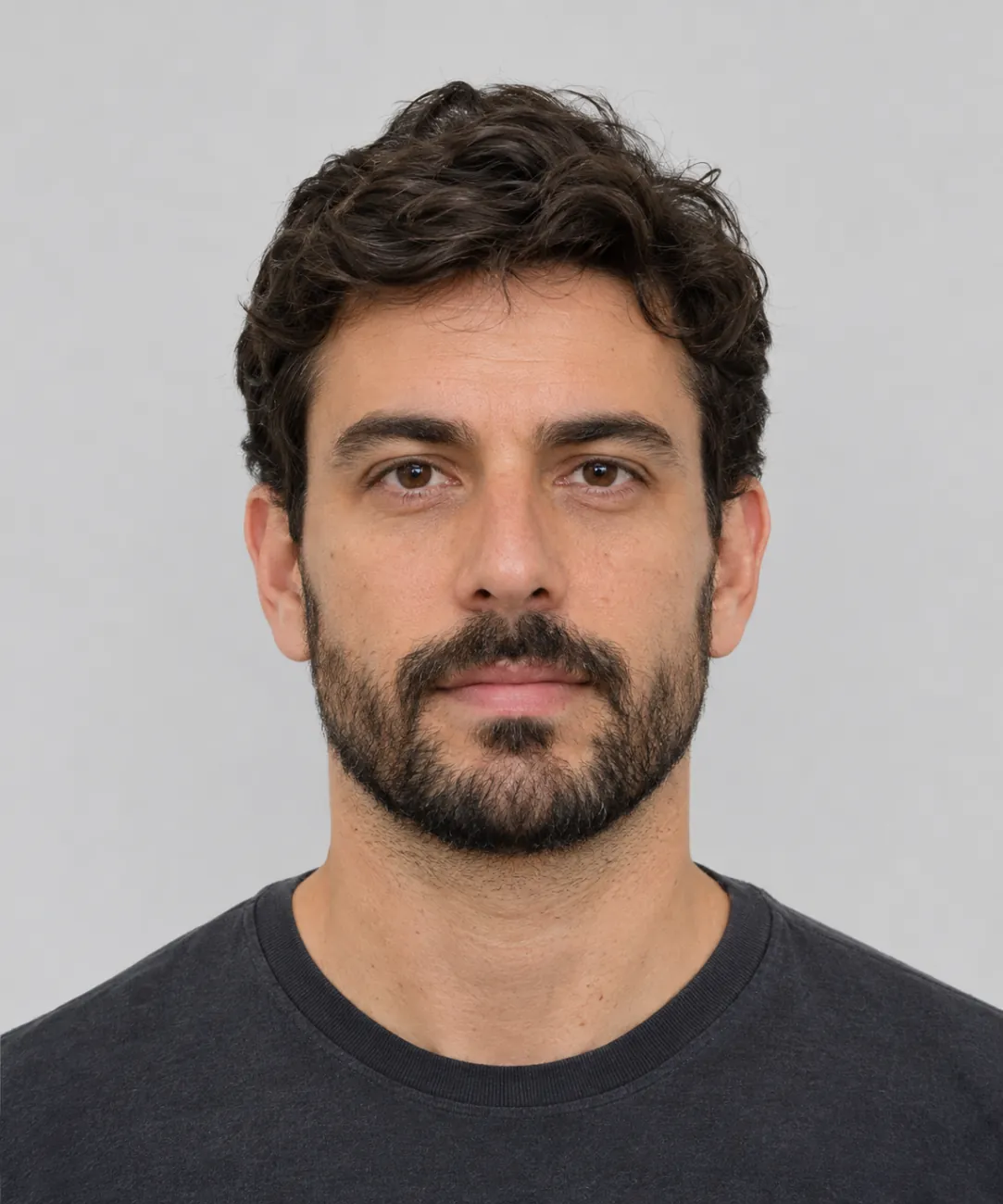
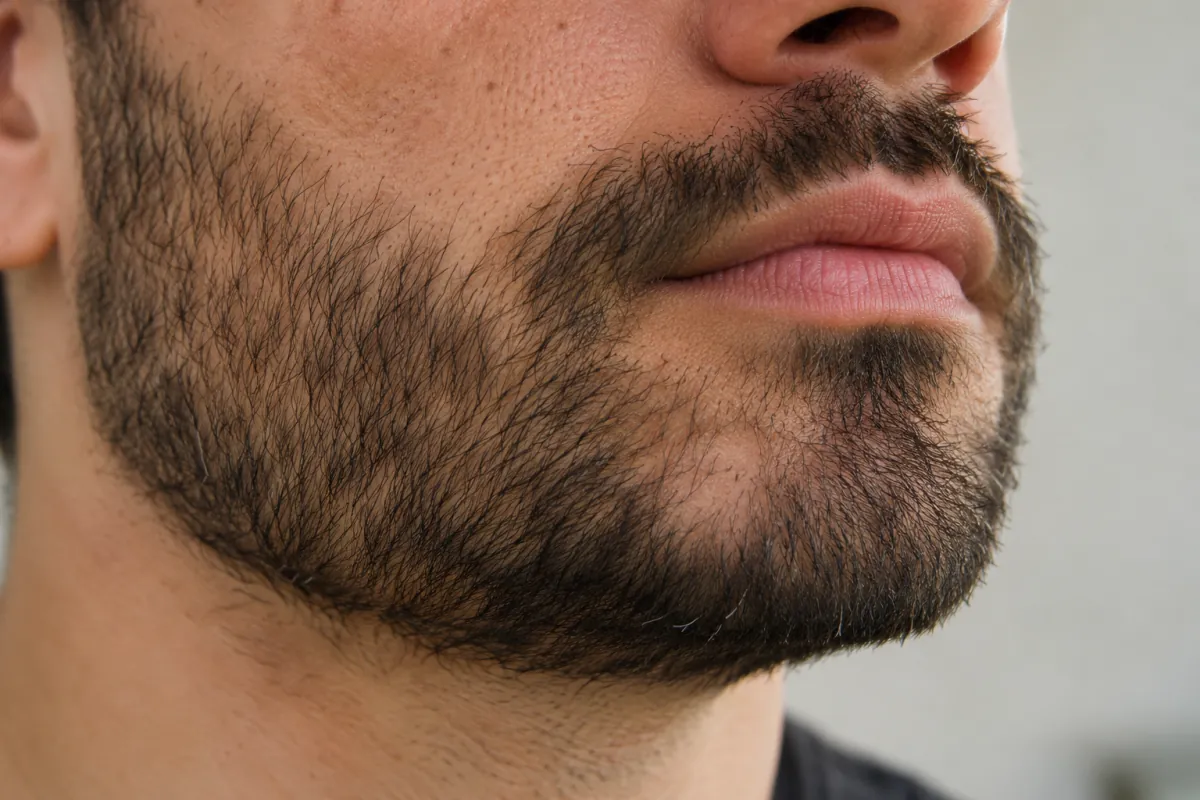
Front portrait of a man with dark hair and a short beard, in a dark t-shirt, on a light grey background
Photograph of a bearded man, seen from the front. The dots mark the areas where patches are usually noticed; the image does not show any patch.

Why it happens

What matters in beard hair loss

It is rarely one single thing, and some causes look very much alike. Choose a cause to see what makes it worse and what helps.

Alopecia areata of the beard

It is an immune-related condition in which the body attacks the follicles. In the beard it usually leaves one or several round or oval patches, often along the jaw, with normal-looking skin and, at times, white hairs at the edges. It is not contagious and its course is unpredictable: the hair may grow back on its own or the patches may reappear. In some people it is associated with thyroid disease, vitiligo and eczema.

What makes it worse

Ignoring the patch and letting it grow, or assuming it is just the razor. Rubbing or plucking the hairs around it.

What helps

Showing the patch early, so the doctor can confirm the pattern and propose a plan. Not being alarmed by white hair: it may darken later.

Immune-related or other causes

Round patches or an inflamed beard

There are two broad families of situations. Recognising which one fits is the first step, and the doctor's examination is what decides.

  • What it looks like. A round or oval patch appears, with normal-looking skin, no pain and no pus, often on the jaw or chin.

  • White hair. Around the patch, or when the hair grows back, it may be white, which does not mean it will not darken.

  • What it is associated with. It may also appear on the scalp hair or eyebrows, and some families have immune or thyroid conditions.

  • What the clinic does. The doctor confirms the pattern, looks for associated causes and proposes the plan, without promising a result.

  • Follow-up. The course is unpredictable, so it is monitored with reviews over several months.

Patches or hair loss in the beard? Book an assessment consultation, so the doctor can understand what type of hair loss it is and what can be done.

Book an assessment consultation

What the clinic can do

Treatments for beard loss

The cause is identified first. If it is an infection, dermatitis or a pulling habit, that is treated first, and these treatments take a back seat. The ones that follow act on the skin and the follicle, where the hair grows, and do not repair a hair that has already grown. Results vary from person to person and science is still studying these treatments, so the doctor explains what is known and what you can expect before any decision is made.

Book an assessment consultation
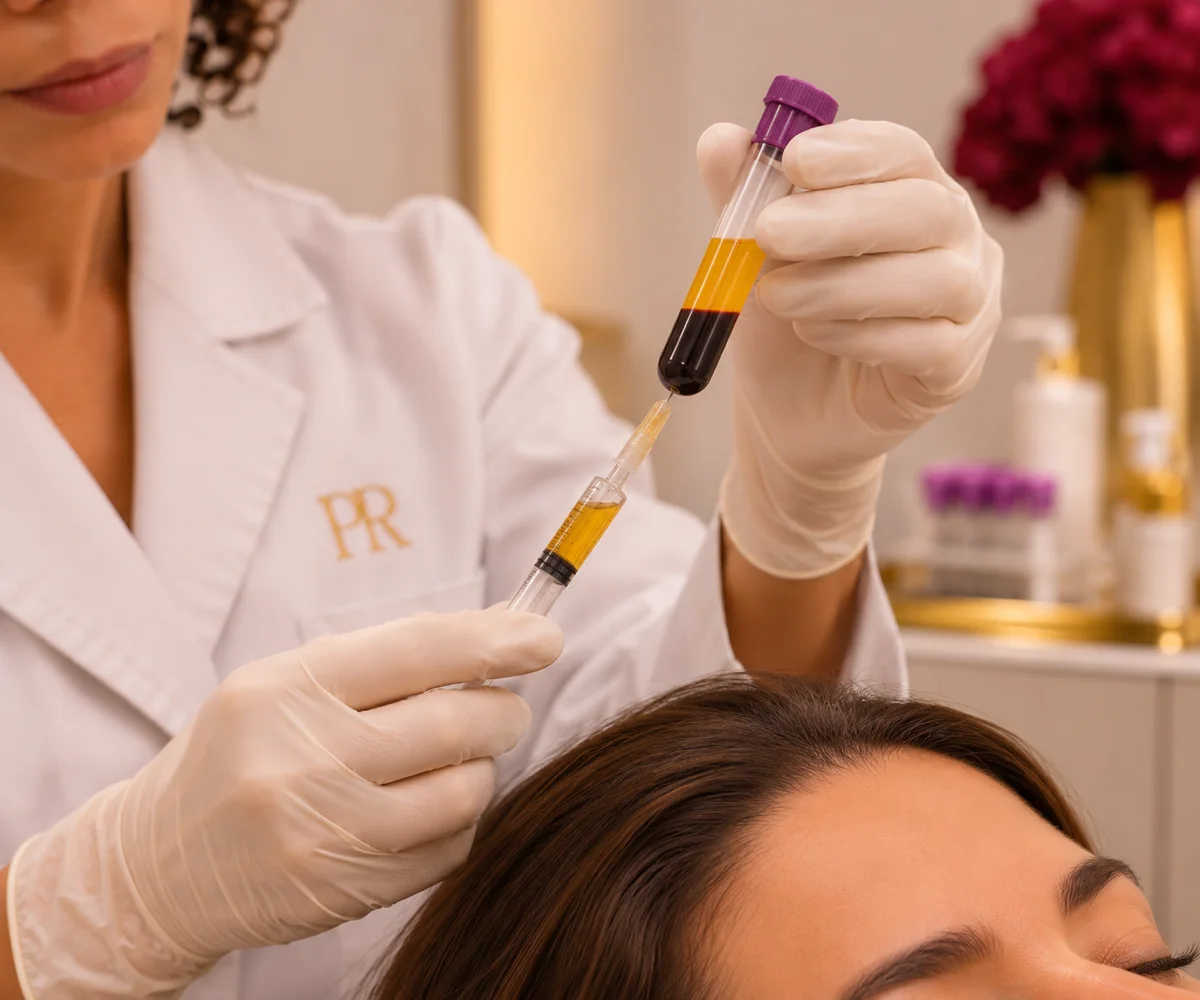
A doctor preparing platelet-rich plasma in a syringe, next to a tube of centrifuged blood

Regeneration

Hair PRP

Platelet-rich plasma, obtained from your own blood, which may help stimulate the follicle in some cases. The doctor first assesses whether it is appropriate.

Suitable when

the cause has already been identified and the doctor considers it useful to stimulate the follicle in an area of the beard, with limited evidence.

Find out more
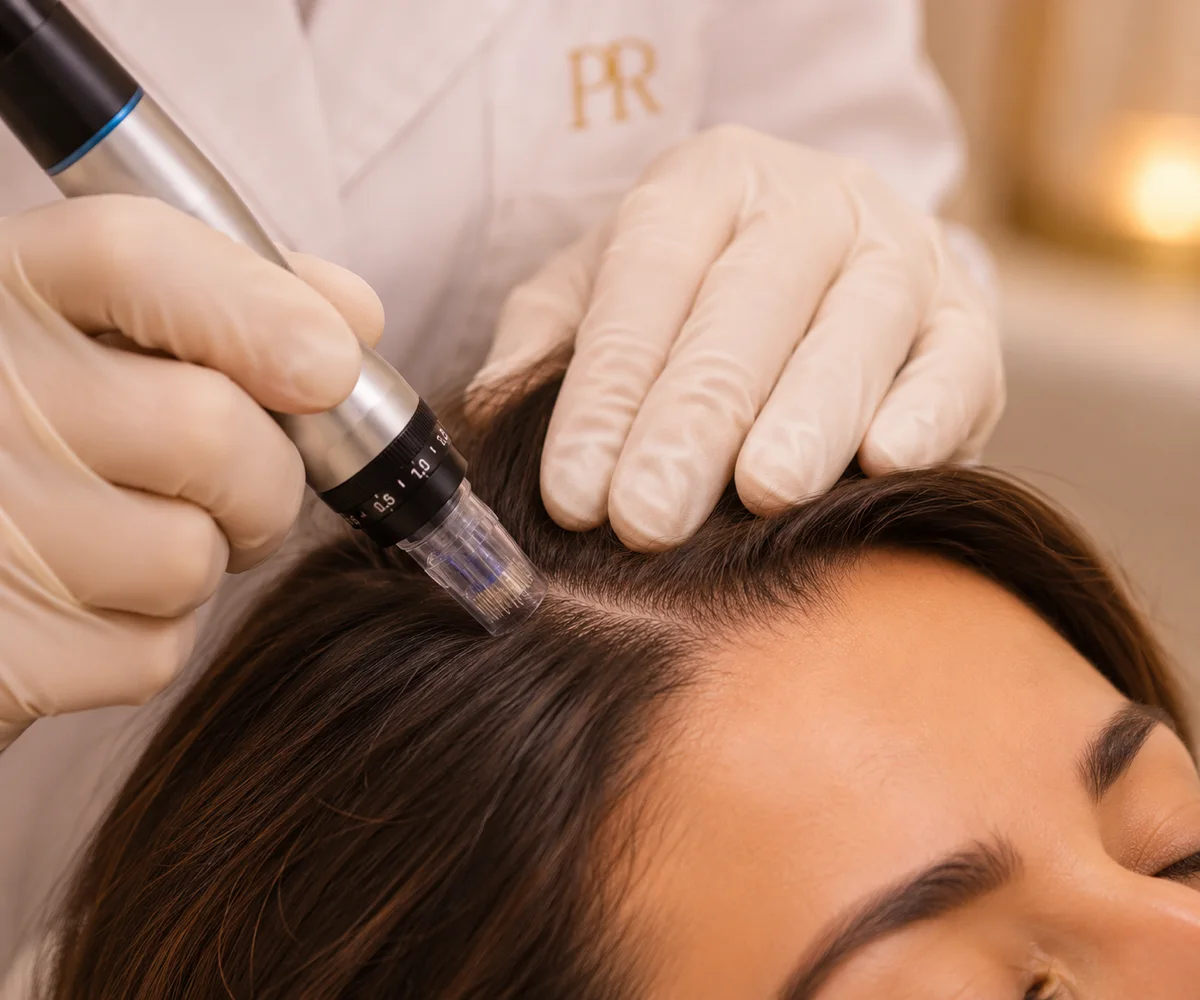
Microneedling device next to the scalp, with the hair parted

Stimulation

Hair microneedling

Controlled micro-injuries on the scalp that may help stimulate the area and favour the absorption of other active ingredients. The response is variable and the doctor assesses whether it is appropriate.

Suitable when

the doctor considers it useful to stimulate a weaker area, alone or as a complement.

Find out more
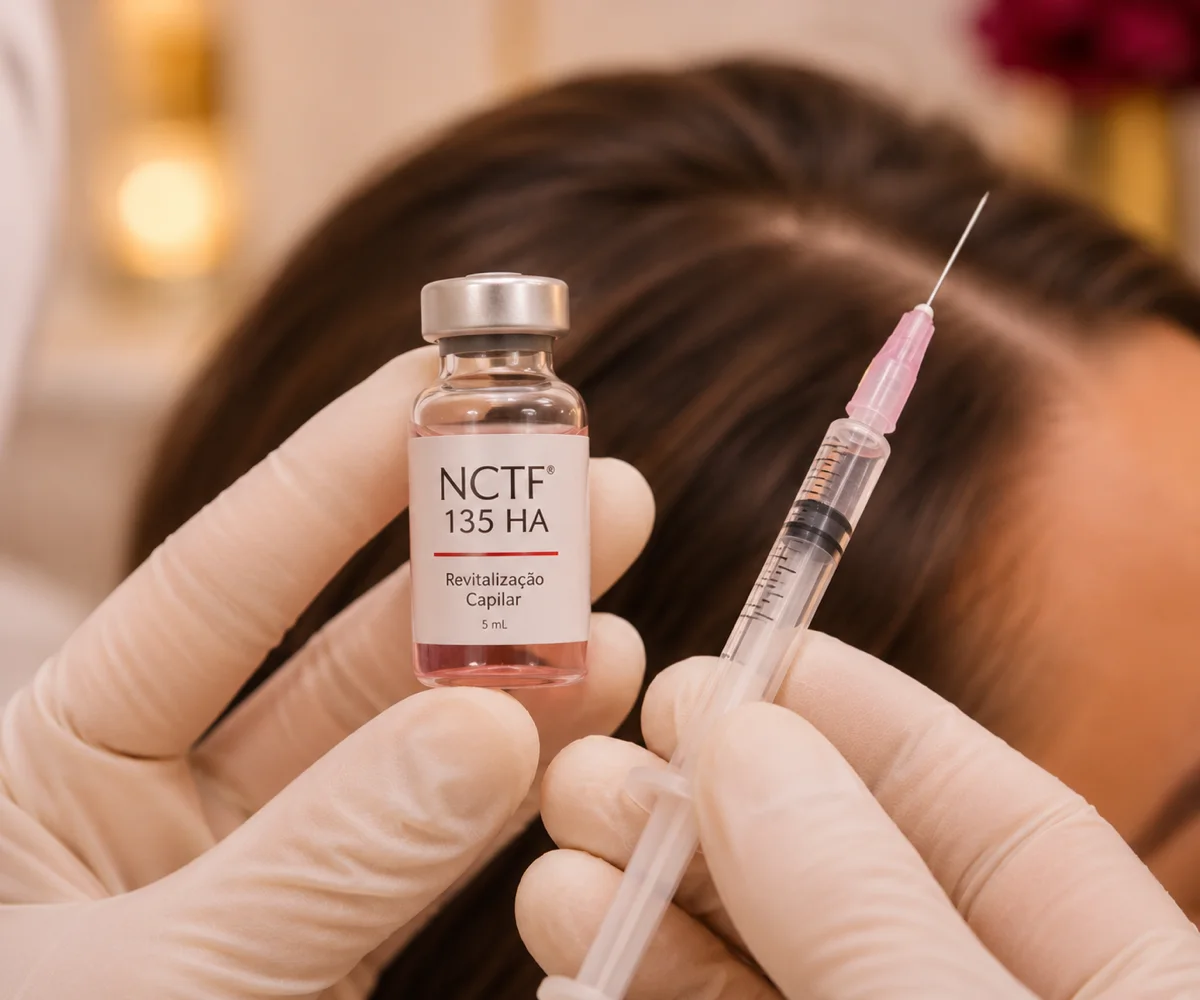
Ampoule of NCTF hair revitalisation and a syringe next to the scalp

Regeneration

Hair NCTF

Vitamins, amino acids, minerals and hyaluronic acid, which may help nourish the scalp and support finer hair.

Suitable when

the doctor considers skin nutrition appropriate as support, once the cause has been treated.

Find out more

What about treating the cause? In folliculitis, ringworm or dermatitis, treating the cause comes first and may be enough. The treatments above are designed for the follicle and the skin; they do not replace an antibiotic or an antifungal, and for the beard the evidence is limited. The cards describe the techniques the clinic uses on the hair; the doctor explains whether and how they apply to the beard. Results are gradual.

What the journey looks like

From the first consultation to follow-up

No treatment starts without an assessment consultation with the doctor. This is how it works.

  1. 01At the clinic

    Assessment consultation

    The doctor asks how long the patch has been there, whether it was sudden, whether there are spots, itching or pain, what products and razor you use, whether you pull the hairs, whether you have animals, your medication and any conditions you know of.

  2. 02At the clinic

    Examining the skin and hairs

    She examines the skin and hairs, with a magnifying lens or trichoscopy, and checks whether the patch is round, whether there are broken hairs, inflammation or scaling, and whether there are changes in the scalp hair or eyebrows too.

  3. 03At the clinic

    Confirming the cause

    If useful, she takes a skin or hair sample to check for fungi or bacteria, and may request blood tests, for example for iron, thyroid or vitamins.

  4. 04Over time

    Treat the cause first

    She first treats the infection, dermatitis or habit that explains the loss, and explains what you can expect, because hairs take weeks to months to respond.

  5. 05Over time

    Plan and follow-up

    If it makes sense, she proposes a treatment to stimulate the follicle, combines it with care at home and reviews the beard after a few months, adjusting the plan.

Day to day

What helps at home

Caring for the beard skin gently counts alongside the doctor's plan. These are the care steps that matter most and the mistakes we see most often.

The golden rule

Understanding the cause before applying whatever has turned up

A patch in the beard can be immune-related, infectious, inflammatory or habit-related, and what helps one may worsen another. A corticosteroid cream can delay the diagnosis of ringworm, for example. Showing the area to the doctor before trying anything saves time and skin.

Shaving with care

The razor and shaving technique matter a great deal in folliculitis.

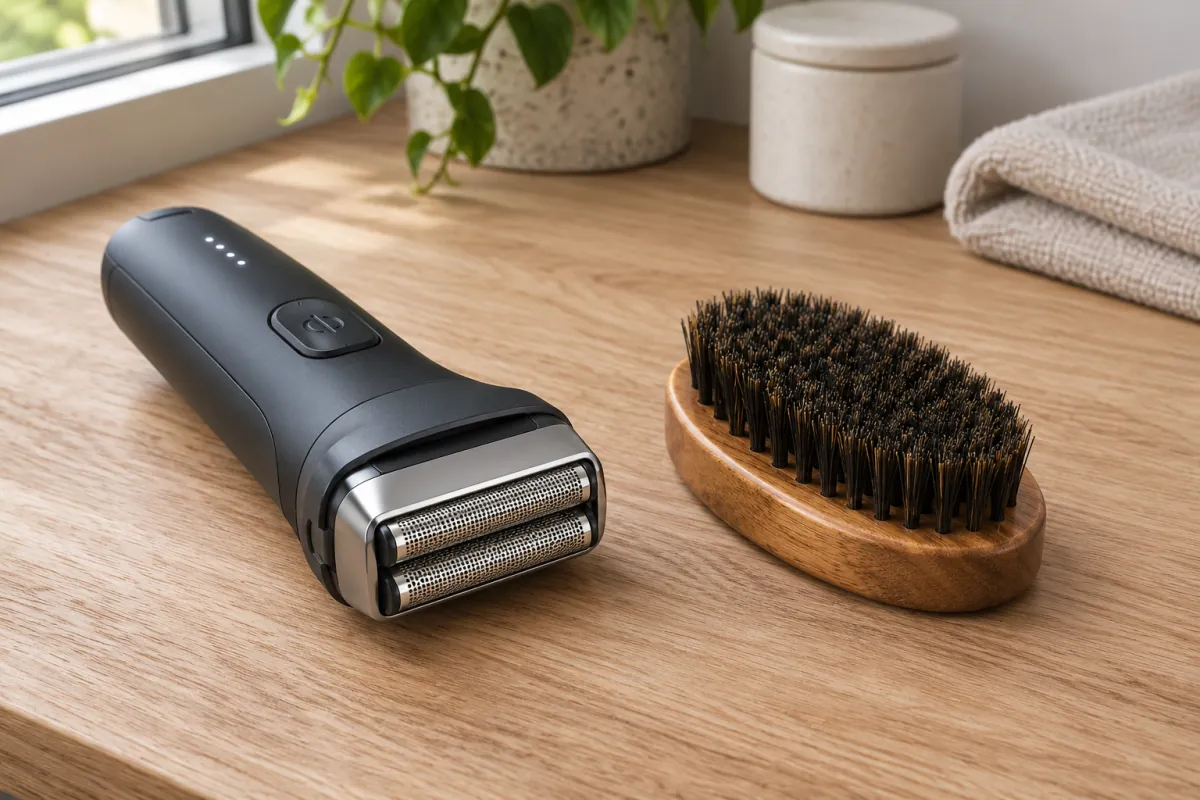
In practice: soften the skin with warm water, use foam or gel, shave in the direction of hair growth without stretching the skin, and change the blade often.

Washing the beard with a gentle product

Irritated skin becomes more inflamed.

In practice: use a gentle product without much fragrance, and dry with your own towel, patting rather than rubbing.

Photographing the patch

It helps to see whether it is growing or shrinking.

In practice: take a photograph in the same light every fifteen days and bring them to the consultation.

Recording what changed

It helps to find the cause.

In practice: note when it started, new products, medicines, illnesses, periods of stress and contact with animals.

Sleep and slow down

Sleep and stress affect the skin and immunity.

In practice: keep regular sleeping hours and seek support if stress is constant.

Dr Michelle Campagnoli, clinical director of Clínica Luxmed

Who will look after you

An assessment carried out by the doctor

At Luxmed, the first step is always an assessment consultation with Dra. Michelle Campagnoli. She looks for the cause of the beard hair loss, requests tests if useful and designs the plan with you.

  • Physical examination and medical historyAssessment of the beard skin and hairs, of how the patches have evolved and of the medication you take.
  • A plan tailored to youA plan suited to your case, clearly explained, with follow-up over time.
  • No obligationThe cost of any treatment is confirmed only after the assessment.
Book an assessment consultation

Book a consultation

Book your consultation

Choose how you prefer to get in touch. We will arrange the assessment consultation with Dr Michelle Campagnoli.

Booking through the website100€70€Assessment consultationExclusive price for those who book the assessment through the website. Outside the website, the price is 100 €.

New Life Miraflores, Algés · Office Center, R. Santa Teresa do Menino Jesus n.º 6, 9.º C, 1495-048

Your details are used only for this contact. Any treatment depends on a prior medical assessment.

Request an appointmentIt takes less than a minute.
Speciality
You do not need to go into detail. The doctor will talk to you during the consultation.
Request received. Our team will contact you as soon as possible.
Why has a round patch appeared in my beard?

A round, well-defined patch with normal-looking skin usually suggests alopecia areata, an immune condition in which the body temporarily attacks the follicles. But other causes, such as ringworm or traction, also leave patches, and they look similar. Only an examination confirms it. It is best not to rub or pull the surrounding hairs, and to bring photographs of how it was and how it is now.

Is alopecia areata of the beard contagious or dangerous?

It is not contagious and, in itself, is not usually dangerous. It is an immune-related condition and unpredictable: the patch may grow back on its own, stay the same or appear elsewhere. It may be associated with other changes, such as thyroid conditions, which is why the doctor asks about family history and general health. The impact on appearance is what weighs most, and it is also a valid reason to ask for help.

Why have white hairs grown in that area?

When hair grows back after alopecia areata, it may come in white, without colour, and finer. This does not mean it is permanent: in many cases the hair regains colour over time, although not always. White hair should not be plucked or dyed in a hurry. The doctor explains what to expect in your case and follows how it evolves.

How is folliculitis told apart from ringworm?

Both cause spots, pustules and crusts, which is why they are confused. Ringworm is a fungal infection, often more inflamed and raised, with hairs that come out without effort; folliculitis is more often bacterial or due to irritation. Telling them apart without an examination is difficult, and the treatment is very different: ringworm calls for an antifungal and folliculitis for other measures. For this reason the doctor may take a sample before deciding.

Does seborrheic dermatitis make the beard fall out?

Seborrheic dermatitis inflames the skin of the beard and moustache, with scaling and redness, and the beard may look thinner in these areas, especially if the skin is scratched or irritated. As a rule, treating the skin usually improves the appearance of the beard. What you should not do is scrape off the scales with your nails or use harsh products. The doctor explains the appropriate treatment and how to avoid flare-ups, which are common in winter.

Can stress make the beard fall out?

Stress is often reported by people with alopecia areata as a trigger, and it also worsens seborrheic dermatitis, but it cannot be said to be the sole cause. Often several things are present at once: a demanding period, nights of poor sleep and a predisposition. For this reason the doctor looks for other causes before attributing everything to stress. If stress is real, it is useful to talk about it and seek support.

What treatments does the clinic use?

Depending on the case: hair PRP, hair microneedling and hair NCTF, always after the cause has been identified and treated. These are techniques described for scalp hair, and for the beard the evidence is limited, so the doctor explains whether they make sense. None is chosen before the assessment consultation. An infection or dermatitis is treated with the appropriate medicines, not with these procedures.

Does beard hair grow back?

It depends on the cause. If the patch is due to folliculitis, ringworm or dermatitis that has been treated, the hair can usually grow back, although slowly. In alopecia areata, the course is unpredictable: it may grow back on its own or fall out again. If the follicle has become scarred by prolonged inflammation, the hair may not return, which is why it is important to be seen early. The doctor explains what is realistic for you.

Do these treatments repair hair that has already grown?

No. Hair that has already emerged from the skin is lifeless material and no treatment repairs it. Injections and actives applied to the skin act on the follicle, the part that produces new hair. So what can be expected is support for the hair that is yet to grow, not a transformation of what is already there. This is an important difference, and the doctor explains it clearly before any decision.

Is it worth using minoxidil or beard products on your own?

Some products are sold to make the beard grow, and it is natural to be curious. But if the cause is an infection or dermatitis, these products can irritate and delay the right treatment. Before trying them, it is best to understand what is behind the hair loss. The doctor can say whether it makes sense to use something and how, and follows the response, which varies from person to person.

Do I need blood tests or other examinations?

Often yes, but it depends. The doctor may take a sample of skin or hairs to check for fungi or bacteria, and may request blood tests, for example for the thyroid, iron or vitamins, if there is a reason. They are not requested automatically. If you have recent test results, bring them, and also say which medicines and supplements you take.

When should I book a consultation?

As soon as you notice a new patch or more hairs falling out, because it is easier to understand the cause early. Seek assessment without delay if the hair loss is sudden or heavy, if there is pain, warm skin, pus, sores, marked scaling or redness, or if the patches multiply within a few weeks. In these cases an infection may need to be treated.

What should I bring and tell the doctor?

Bring photographs of the beard before and now, if you have them, and the list of medicines, supplements and products you apply to the skin. Say how long the patch has been there, whether it also appears on the scalp hair or eyebrows, whether there is itching or pain, what razor you use and how often you shave, whether you have contact with animals and whether you pull or touch the hairs. A good description is worth more than many tests.

May I shave or trim my beard before the appointment?

If the skin is inflamed or has pimples, it is best to avoid shaving the area until it has been seen, or to shave only with great care and a clean blade. But if you have a patch, there is no need to hide it completely: the doctor needs to see it and the hairs around it. If you can, let the beard grow a little in the area before the appointment, to make the pattern easier to see.

We could not find that question. Ask us on WhatsApp

Scientific references

This page is based on the sources below and was reviewed by Dr. Michelle Campagnoli. Last updated on .

  1. Cervantes J, Fertig RM, Maddy A, Tosti A. Alopecia Areata of the Beard: A Review of the Literature. Am J Clin Dermatol, 2017.
  2. DermNet (New Zealand). Alopecia areata: causes, diagnosis and treatment. (DermNet, acedido 2026-11-11)
  3. DermNet (New Zealand). Seborrhoeic dermatitis: causes and treatment. (DermNet, acedido 2026-11-11)
  4. Kuruvella T, Saleh HM, Pandey S. Tinea Barbae. StatPearls (NCBI Bookshelf), 2024.
  5. Welch D, Usatine RP, Heath CR. Beyond the Razor: Managing Pseudofolliculitis Barbae in Skin of Color. Fed Pract, 2025.
  6. DermNet (New Zealand). Trichotillomania (hair-pulling disorder). (DermNet, acedido 2026-11-11)
CallAssistantAvailableBook