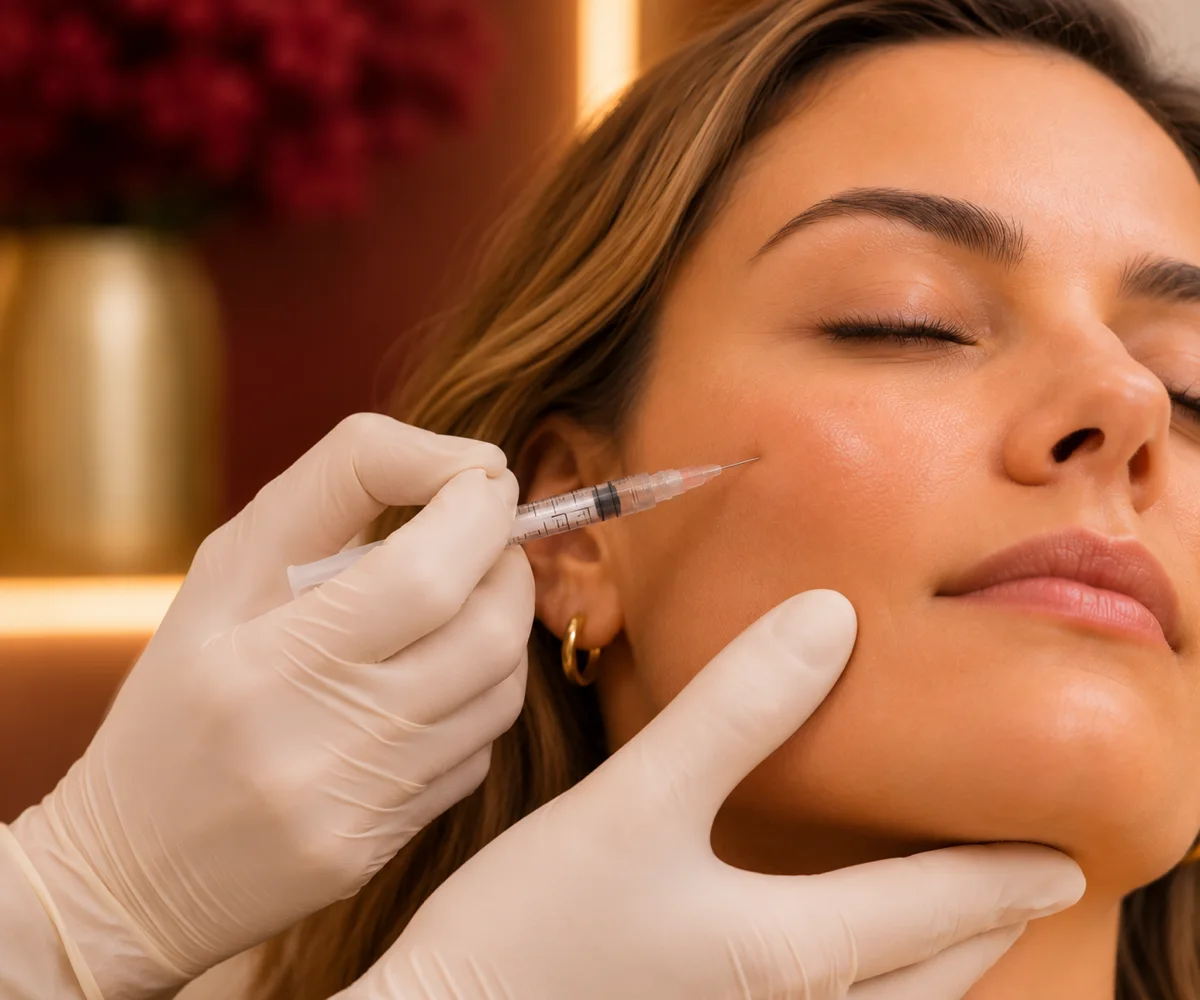
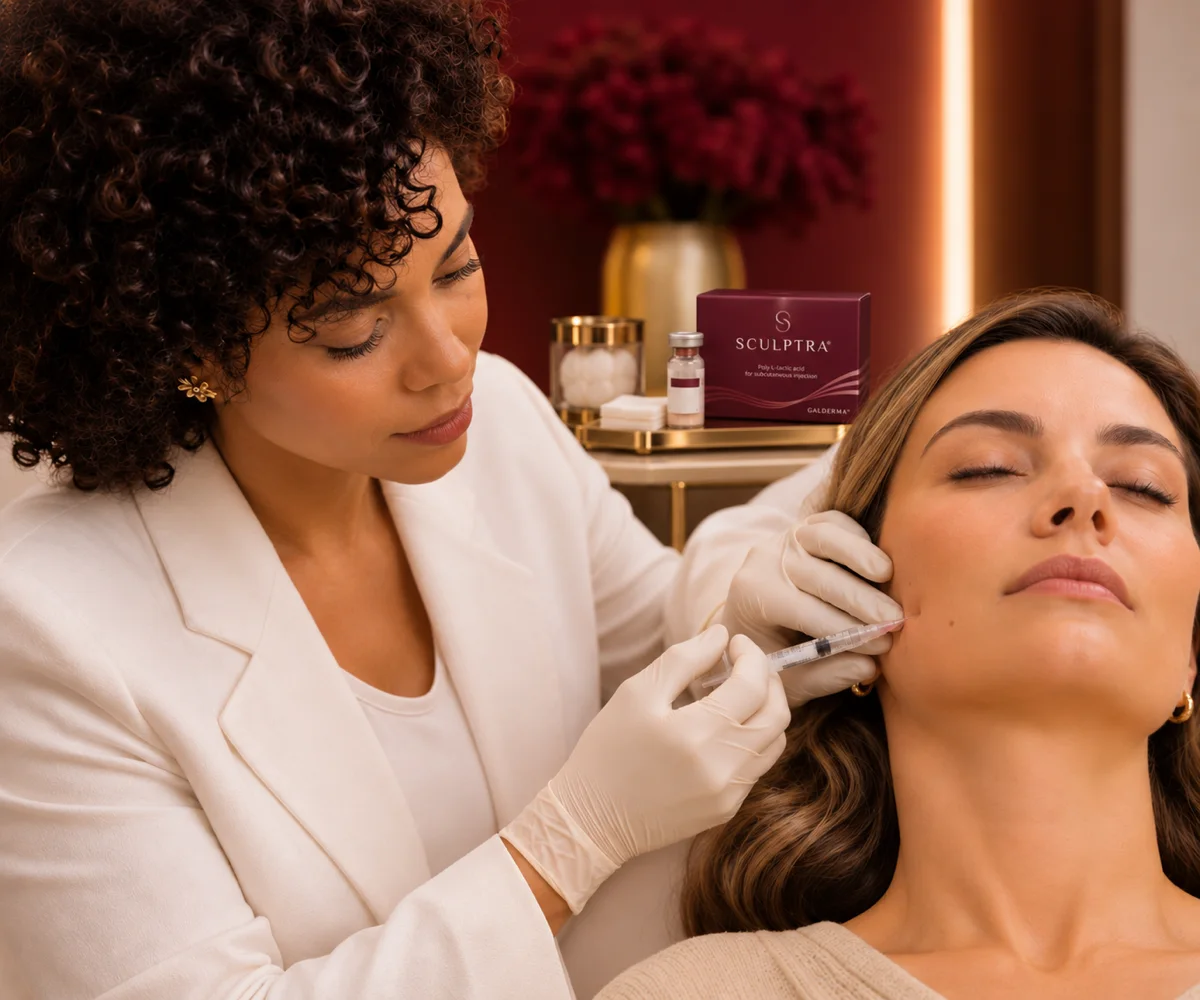
Why do neck wrinkles appear, and why so early?
Because the skin of the neck is thin and folds every day. Added to this are sun accumulated over the years, which almost never gets sunscreen, the natural loss of collagen and elasticity, smoking, weight swings, the menopause and genetics. In a study of 450 women, the elasticity of the neck changed before most signs of ageing appeared, which helps to explain why some people notice the lines around the age of 30. They are generally lines of ageing and not a sign of illness.
How do I tell wrinkles from bands and from laxity on the neck?
Wrinkles are horizontal lines on the surface of the skin, like necklaces. Bands are vertical cords that are seen when speaking or straining the neck and have to do with the muscle. Laxity is loose skin, with a double chin or loss of contour. They can coexist, and each has a different response: what works for the skin of fine lines does little for loose skin or bands. Laxity of the neck has its own page, and so do bands, and the assessment with the doctor helps to work out what predominates.
Do phones cause neck wrinkles?
There is no evidence that they do. The idea is plausible, because the skin folds many times a day when you look down, but we have not found studies that confirm it. What is described is “text neck”, a complaint of muscles and joints from keeping the neck flexed for a long time, with no demonstrated link to the skin. Raising the screen and taking breaks is good for the neck, but should not be sold as a way of slowing wrinkles. What is well demonstrated is the effect of the sun, so sunscreen on the neck matters more.
What helps at home? Do creams, retinoids and sunscreen work?
Sunscreen has the best evidence: in a trial with 903 adults, daily use delayed skin ageing over 4.5 years. Moisturisers soften fine lines in dry skin, but do not erase marked ones. Among active ingredients, tretinoin, which is prescription-only, has randomised studies showing improvement in photoageing wrinkles, but not specific to the neck, and neck skin is easily irritated. Retinoids are not used in pregnancy. The more miraculous the promise of a cream “for the neck”, the more suspicion it deserves.
Does skinbooster help with horizontal neck lines?
It can help to hydrate and improve skin quality. A 2026 meta-analysis, with 11 studies and 379 participants, concluded that hyaluronic acid improves horizontal neck lines, but the retreatment rate at 12 months was 50% and there were complications in 14%, mild and transient. A randomised trial with 48 Chinese women saw more improvement with non-cross-linked hyaluronic acid plus mesotherapy than with toxin, but with more pain, redness, swelling and bruising. The evidence is limited, and the doctor will tell you whether it makes sense in your case.
Do collagen biostimulators work on the neck?
They stimulate the skin’s own collagen, so the effect is gradual, over months. A 2026 review, with 24 studies and 887 patients, describes improvement in wrinkles and laxity of the neck with poly-L-lactic acid and calcium hydroxylapatite, and a good safety profile, but with small studies, very different measures and few long-term data. Bruising, swelling or small nodules can occur, and the technique matters a great deal. They are not for irritated or infected skin, nor for pregnancy and breastfeeding.
Does botulinum toxin work for horizontal neck wrinkles?
It has a clearer role in vertical bands than in horizontal lines. For lines, micro-doses are used in the skin, along the crease, and the data are modest: in a study of 20 women, the maximum effect was at 8 weeks and the reported improvement and satisfaction did not exceed 50%. In the trial that compared it with hyaluronic acid, the toxin improved the lines less. The effect is temporary and the doctor explains the risks, such as bruising and, more rarely, weakness of the neck muscles. It is not an option to decide on without an assessment.
What about HIFU and other options? What is known?
HIFU uses focused ultrasound to heat deep layers of the skin and is used mainly for firmness and loose skin. A study of 75 patients, without a control group, described improvement of the neck and face at 3 months, with pain during the procedure in about 1 in 4 and transient redness, but it did not look at horizontal lines. For this reason, for wrinkles, HIFU is an option to discuss, and not the first. There are other options described in the literature, such as lasers, microneedling or peels, which are not the focus of this page.
How long do the results last? How many sessions are needed?
There are no guaranteed or permanent results. Procedures for skin quality and fine lines usually call for several sessions, spaced weeks apart, and improvement, when it occurs, is gradual and, in general, temporary: in a meta-analysis, half of the people needed retreatment within the following 12 months. The sun, smoking and ageing continue to act, so maintenance and daily care matter as much as the procedure. At the assessment the doctor sets out the plan and expectations, without promising results.
When should I see a doctor first?
Book a consultation if you have a lump or swelling on the neck that does not go away, persistent hoarseness, a patch or mole that changes colour, shape or outline, bleeds or grows, a sore that does not heal within 4 weeks, or red, moist, smelly skin in the folds. If in doubt, out of hours call SNS 24 (808 24 24 24). If after an injection you have severe pain, pallor or darkening of the skin, purplish patches, a change in vision, a severe headache, facial weakness, difficulty swallowing or breathing, or the neck swells quickly, it is an immediate emergency: call 112 and tell the clinic that injected it.