Algés, Oeiras Mon to Fri · 09:00 to 13:00 and 14:00 to 19:00 · Sat · 09:00 to 14:00
WhatsApp Book a consultation

Body aesthetics

Post-operative swellingWhen the operated area is still swollen and you want to know what is normal, what helps and when to talk to the surgeon

Swelling is a normal part of healing after any surgery. After liposuction, an abdominoplasty or other body contouring surgery, it may last several months and diminishes gradually, with better and worse days. That does not stop you worrying: it seems to be taking too long, the area becomes hard, swells at the end of the day, or there is doubt about whether it is normal. Here we explain the usual phases, what helps, when lymphatic drainage may begin and which signs call for prompt assessment, at Clínica Luxmed, in Algés. Follow-up is always carried out in coordination with the surgeon, who is the one who knows your surgery, and does not replace the surgeon.

Reviewed by Dr Michelle Campagnoli, clinical director

  • 3treatment options for this concern
  • 1assessment, always first
  • Nocommitment
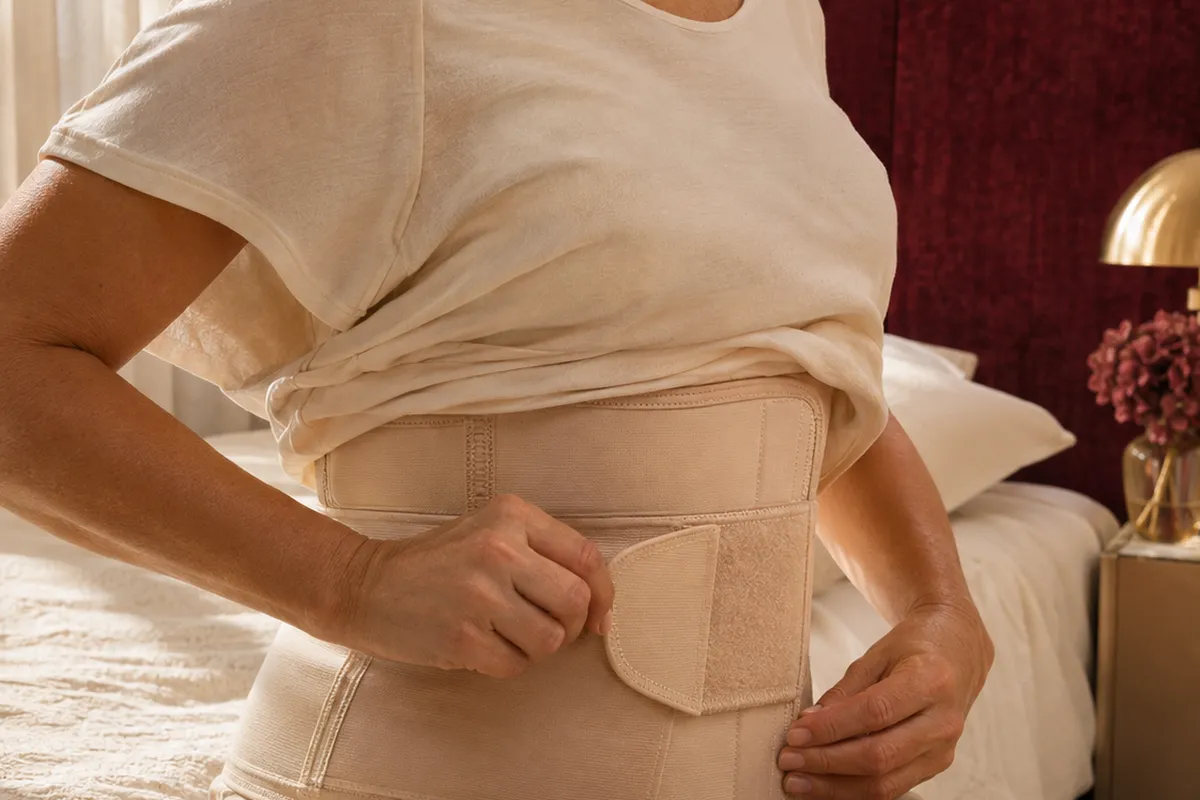
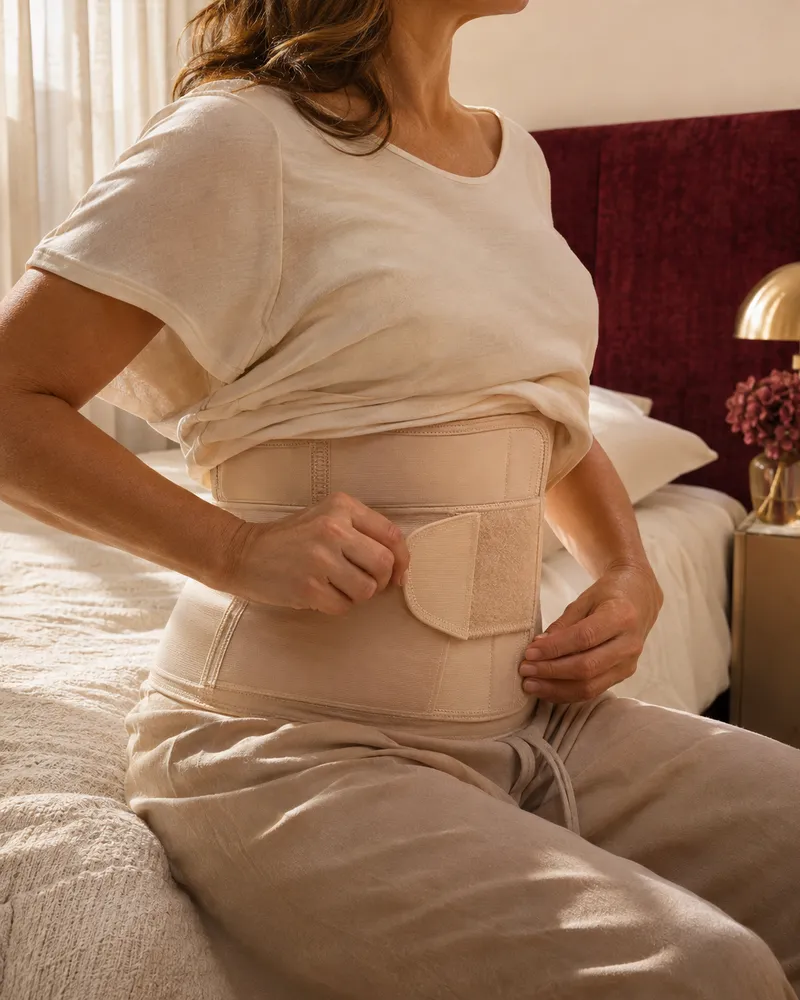
Woman sitting on the edge of the bed adjusting a post-operative abdominal binder

How to recognise it

Is this the swelling expected after surgery?

Normal swelling has a pattern: it is greatest in the first weeks, fluctuates through the day and diminishes with time. These signs help to understand what is going on before talking to the team.

Tick what you recognise0/7

Tick the signs you recognise in your case. This is not a diagnosis, it is only meant to give you an idea.

Has the swelling increased suddenly, or is it on one side only, or does it become tense, purple and painful? Is there heat, redness, fever, pus or fluid coming from the wound? Has a leg become swollen and painful? Is there a soft area that ripples to the touch? Speak to your surgeon the same day. If they cannot be reached, call SNS 24: 808 24 24 24. With shortness of breath, chest pain or fainting, call 112.

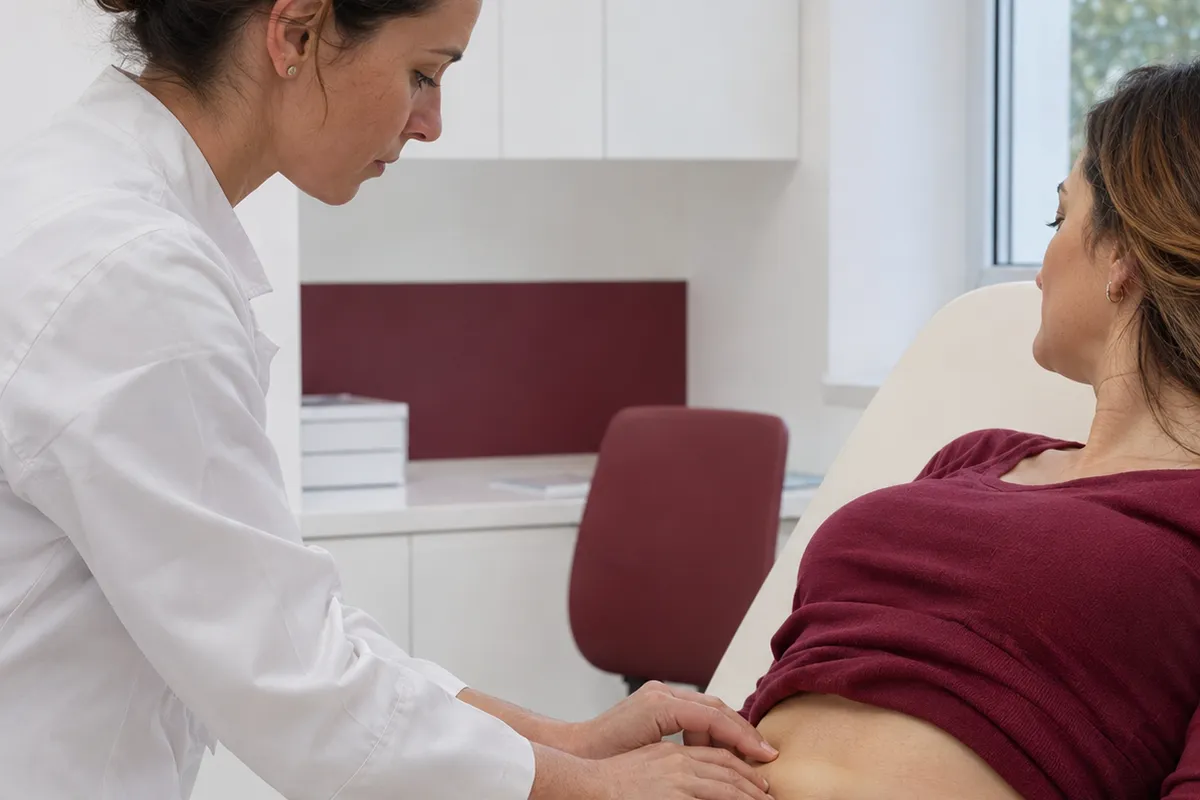
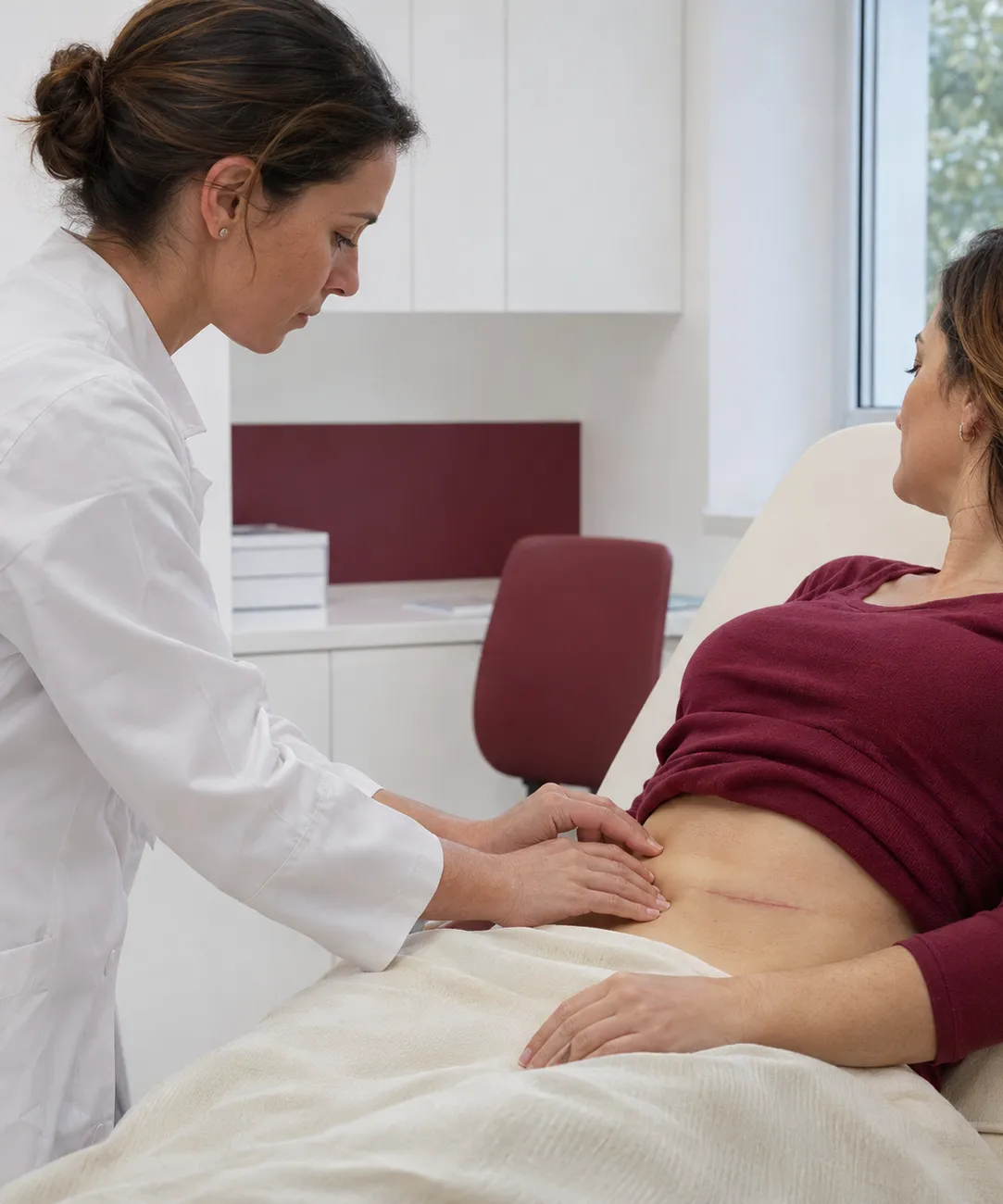
Female doctor assessing the abdomen of a patient lying down, after surgery
Photograph of a consultation. The dots mark what the doctor is assessing.

Why it happens

What may be behind swelling after surgery

Almost always several things weigh at the same time. Choose a situation to see how it fits into the history and what usually helps.

The surgery itself

Cutting, aspirating or separating tissues is a controlled trauma, and the body responds as to any injury: inflammation increases and fluid accumulates in the area. The lymphatic vessels, which normally drain this fluid, are also damaged and take a while to recover. So swelling is expected after almost all body contouring surgery and is usually at its maximum in the first two weeks.

What weighs on it

Wanting to see the final result too early, and comparing your swelling with that of other people, who had surgery on another area or in different conditions.

What helps

Knowing the usual phases, following the surgeon’s instructions and giving it time: recovery of the most treated areas takes months.

Normal or to be assessed

Expected swelling or something to assess

Most of the time, swelling after surgery is expected. But some situations call for prompt assessment, before any complementary care.

  • What it looks like. Swelling and bruising that reach their maximum in the first two weeks and then diminish, with harder areas, which gradually soften, and more swelling at the end of the day.

  • When it is noticed. At the end of the day, after a long time on your feet, in the heat or after a salty meal. In the first months it is common for it to fluctuate from one day to the next.

  • What the clinic does. Listens to your history, examines the area, speaks to the surgeon and, if they authorise it, proposes complementary care such as lymphatic drainage.

  • At home. Wearing the girdle as indicated, walking every day, eating with less salt and taking breaks with the legs raised.

Do you have shortness of breath, chest pain or have you fainted? Call 112. If the swelling has increased suddenly, there is fever, pus or a swollen, painful leg, speak to the surgeon the same day or call SNS 24: 808 24 24 24.

Book an assessment

What the clinic may consider

Care after surgery, with the surgeon’s authorisation

The first lines are the surgeon’s: the compression girdle, movement, rest and less salt. Only then, and only with the surgeon’s authorisation, is complementary care considered. For swelling after surgery, the clinic proposes slimming massage with lymphatic drainage, which is what is most sought at this stage, and carboxytherapy, which targets microcirculation and skin elasticity, in particular when there is fibrosis or scars. Later, when the swelling has settled and the doctor considers it appropriate, Sectum Neauvia radiofrequency may come in for skin firmness, and not for swelling. The evidence is limited: a recent systematic review points to moderate benefits of manual drainage for swelling after aesthetic surgery, with inconsistent effects on pain and fibrosis, and stresses that quality trials are lacking. Results vary from person to person, are in general gradual and temporary, and none of this care replaces the girdle, movement and the surgeon’s follow-up.

Book an assessment
Dr Michelle Campagnoli, clinical director of Clínica Luxmed

First step

Assessment consultation

The doctor listens to what you are experiencing, examines your case and explains the suitable options. No treatment begins without this consultation.

May be considered when

you want to understand the cause and decide on the best path, with time and without commitment.

Book an assessment
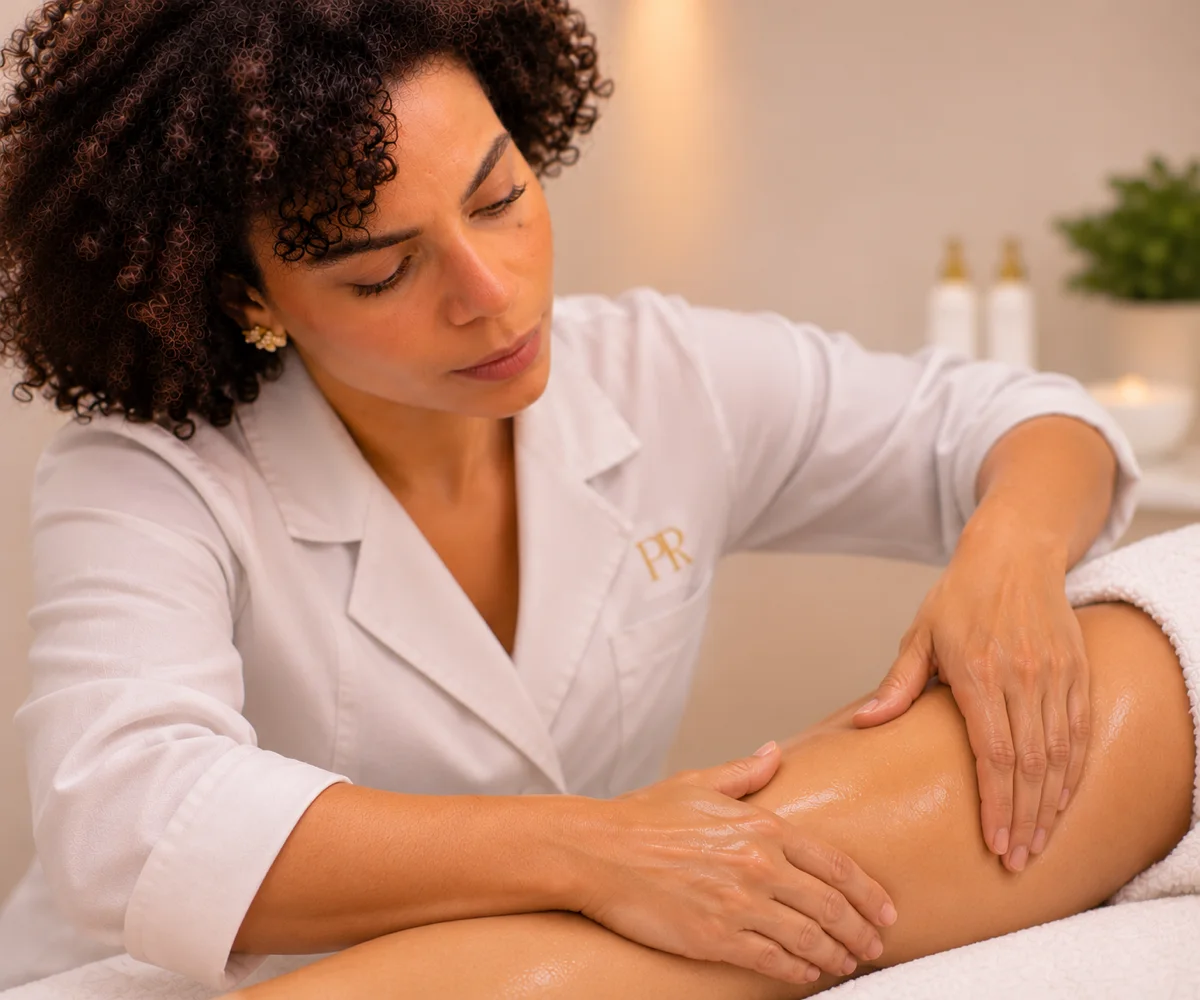
The therapist’s hands gliding over a leg in a slow, gentle movement, in bright consulting-room light

Swelling and comfort

Slimming massage and lymphatic drainage

Gentle, rhythmic massage that stimulates the circulation of lymph, to reduce fluid retention and oedema and give a feeling of lightness. It should not hurt. It is done in several sessions, and the plan depends on the surgery and progress.

May be considered when

the surgeon has authorised it, the wound has healed, the assessment has ruled out seroma, haematoma, infection and thrombosis, and the doctor considers drainage suitable for your condition.

Find out more
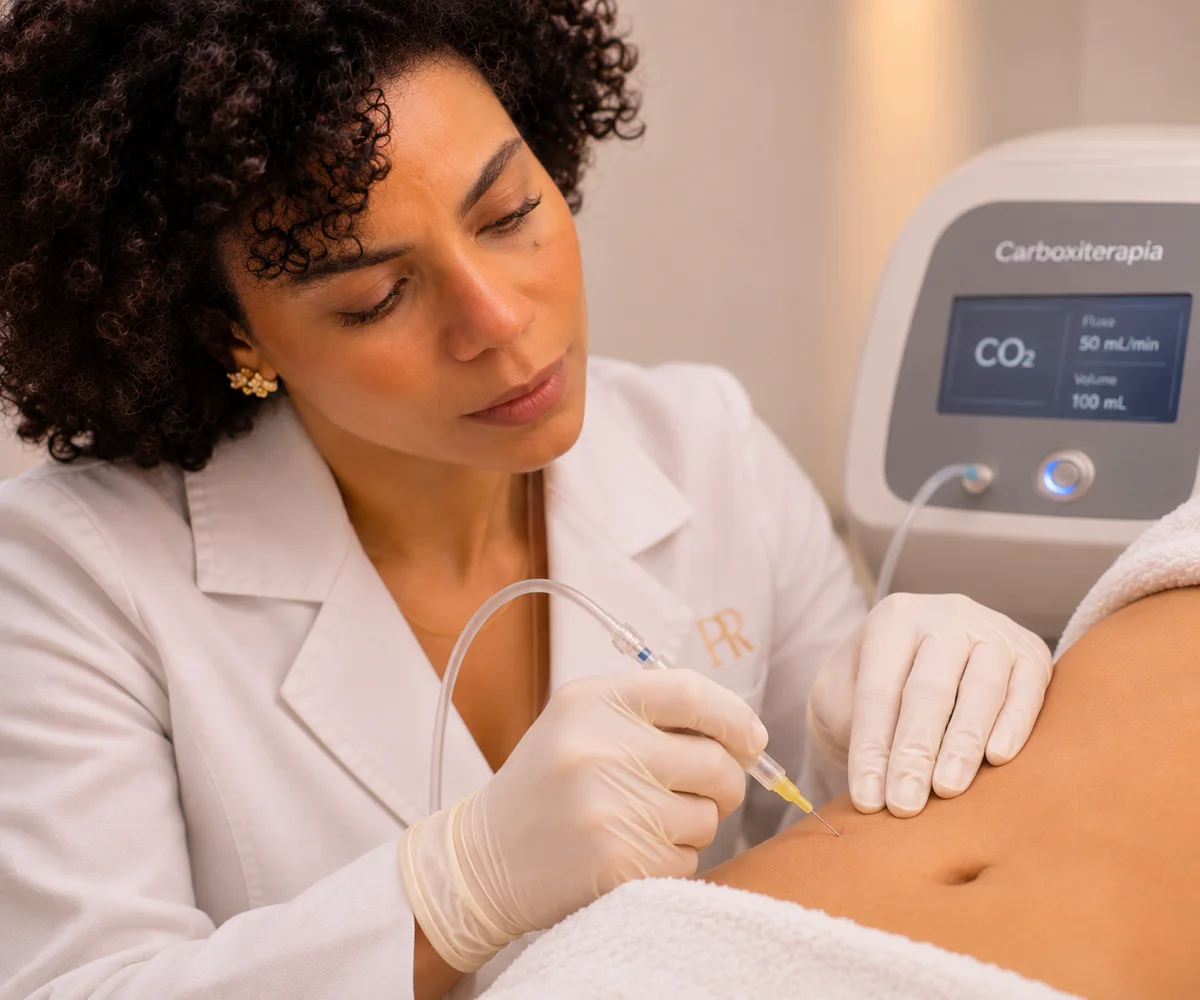
The doctor applying carboxytherapy to an area of the body, with the device in the background

Microcirculation and skin

Carboxytherapy

Application of small quantities of carbon dioxide beneath the skin, to improve microcirculation and elasticity, in the treatment of cellulite, stretch marks and scars. For swelling after surgery in particular, there is little evidence, and the technique is done in several sessions.

May be considered when

the wounds are closed and healed, the surgeon has authorised it, the skin is intact and without inflammation, and the doctor considers that it makes sense after explaining the risks and what is realistic to expect.

Find out more

What the journey looks like

From the first conversation to a plan tailored to you

No care begins without an assessment consultation and without your surgeon’s knowledge. Safety comes first, and only then is comfort and appearance considered.

  1. 01At the clinic

    Telling the story of the surgery

    The doctor asks which surgery you had, on what date, what the surgeon recommended about the girdle, rest and care, since when the swelling has been like this, whether there is pain, fever or fluid from the wound and what medication you take.

  2. 02At the clinic

    Examining and coordinating with the surgeon

    The area is examined and one side compared with the other, the colour and temperature of the skin are looked at, and it is checked whether there are warning signs. The doctor asks the surgeon for authorisation before proposing any care, and if there are doubts refers you immediately.

  3. 03At home

    Looking after the recovery

    Wearing the girdle as instructed, walking every day, eating with less salt, taking breaks with the legs raised and going to all appointments with the surgeon. In many cases, this is what weighs most in recovery.

  4. 04Over time

    Decide and follow up

    If the surgeon authorises it, the doctor explains what each care can and cannot do, how many sessions are usual and when to stop, without promising results. The examination is repeated and the plan adjusted as recovery progresses.

Day to day

What helps recovery

What is done at home weighs more than it seems. These are the care measures that make sense while you wait for the consultation and alongside your surgeon’s instructions.

The golden rule

Following the surgeon and giving the body time

Swelling after surgery goes down at the pace of healing, and there are no shortcuts. The right girdle, movement and rest, follow-up appointments and a watchful eye on warning signs are worth more than any procedure. And an area that changes suddenly, becomes hot or hurts should be seen the same day, rather than being “treated”.

Wearing the girdle as indicated

Compression helps to control swelling and settle the tissues, and poor use favours pockets of fluid.

In practice: wear the girdle for the time and hours indicated and, if it hurts or folds, ask the surgical team to adjust it.

Walking early and every day

Movement maintains circulation and reduces the risk of clots.

In practice: start with short steps, several times a day, and increase gradually, as the surgeon allows.

Putting the legs up

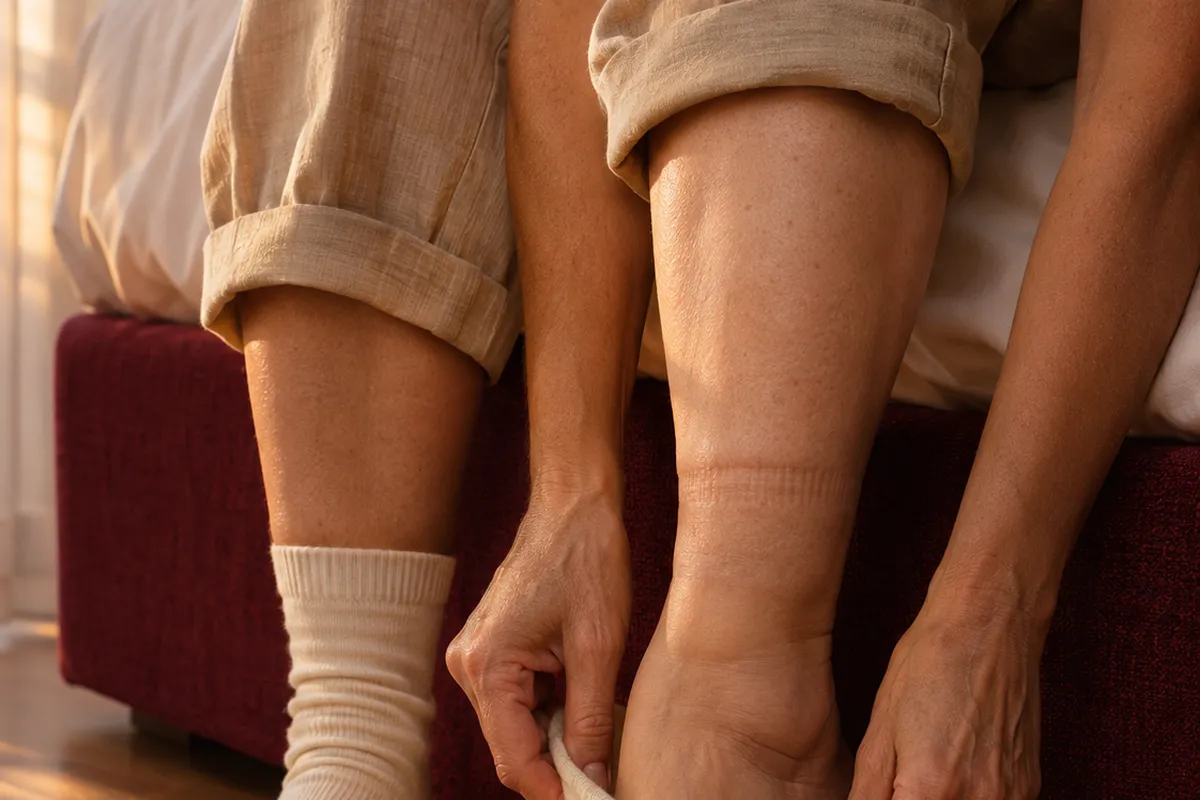
It helps fluid to return and relieves heaviness at the end of the day.

In practice: take breaks with the legs raised and start with less salt, more fresh foods and water throughout the day.

Keeping a record and bringing it to appointments

It helps the team to see how recovery is progressing.

In practice: note the time at which the swelling is worst, take weekly photographs in the same light and bring a list of questions and your medication.

Dr Michelle Campagnoli, clinical director of Clínica Luxmed

Who will look after you

Follow-up with the doctor and with the surgeon

At Luxmed, in Algés, the first step is always an assessment with Dr Michelle Campagnoli. She is the one who examines the area, understands whether the swelling is what is expected or whether there are warning signs, speaks to your surgeon and defines with you what makes sense, before any care.

  • Physical examination and medical historyA conversation about the surgery and the surgeon’s instructions, and examination of the operated area.
  • A plan tailored to youA clear plan, without promises, in coordination with the surgical team and with follow-up over time.
  • No obligationThe cost of any treatment is confirmed only after the assessment.
Book an assessment

Book a consultation

Book your consultation

Choose how you prefer to get in touch. We will arrange the assessment consultation with Dr Michelle Campagnoli.

Booking through the websiteAssessment consultationTalk to our assistant on WhatsApp and ask for the current price of the assessment.

New Life Miraflores, Algés · Office Center, R. Santa Teresa do Menino Jesus n.º 6, 9.º C, 1495-048

Your details are used only for this contact. Any treatment depends on a prior medical assessment.

Request an appointmentIt takes less than a minute.
Speciality
You do not need to go into detail. The doctor will talk to you during the consultation.
Request received. Our team will contact you as soon as possible.
How long does swelling last after surgery?

It depends on the surgery and the person, but there is a pattern. Swelling and bruising are at their maximum in the first two weeks. Between the first and third month the reduction is progressive, with fluctuations through the day. Between the third and sixth month a residual swelling remains, and the final result is usually assessed at around six months or more, sometimes between 6 and 12. After liposuction or an abdominoplasty it may last several months, and this is expected. Your surgeon is the one who best knows what to expect in your case.

Why do I swell more at the end of the day?

Because, during the day, gravity and activity make fluid accumulate in the operated area and in the legs. In the morning, after a night lying down, the swelling is less. This fluctuation is normal in the first months and is usually less marked as recovery progresses. Raised legs, the girdle, movement and less salt help to relieve it.

Why does the area become hard and with uneven relief?

After surgery, fluid and inflammation harden the tissues, and it is frequent to have firm areas between the third and sixth week, which gradually soften. In some cases, the hardening persists or forms nodules, and this is post-surgical fibrosis, which the surgeon assesses. An area that becomes hot, red or very painful is not the usual hardening and should be seen the same day.

How do I know whether it is a seroma, a haematoma or another complication?

A seroma is a pocket of fluid, with a “rippling” sensation to the touch. A haematoma is accumulated blood and shows as swelling that appears quickly, tense, purple and painful. An infection brings heat, redness, fever or pus. A thrombosis may cause a swollen, painful leg. These are situations that the surgeon has to assess, and lymphatic drainage does not treat them. If you have shortness of breath or chest pain, call 112.

When can I start lymphatic drainage?

Only when the surgeon authorises it. In many cases it begins in the first days to weeks, but it depends on the surgery, the wound and progress. It is not done with a suspected thrombosis, wound infection, seroma or haematoma that still need assessment, nor without the surgeon’s authorisation. When it begins, the manoeuvres should be gentle and never painful, and carried out by a professional with specific training.

Does lymphatic drainage work? How many sessions are needed?

It may help with comfort and swelling, and is well tolerated, but the evidence is limited. A 2026 systematic review on aesthetic surgery found moderate benefits for swelling, inconsistent effects on pain and fibrosis, and better results when it begins early and is done in several sessions. There is no fixed number: it depends on the surgery and progress, and the plan is adjusted over time. It does not replace the compression girdle or movement.

Is the compression girdle really necessary?

The surgeon decides. In many body contouring surgeries a girdle or compression garment is indicated for a few weeks, and a review on liposuction usually mentions four to six weeks. The important thing is that it fits well, without folds, and is worn as indicated. If it hurts, if it folds or if you do not know when you can take it off, talk to the surgical team, rather than deciding on your own.

Do carboxytherapy or radiofrequency help to reduce swelling?

Carboxytherapy targets microcirculation and skin elasticity, above all in cellulite, stretch marks and scars, and for swelling after surgery there is little specific evidence. Sectum Neauvia radiofrequency acts on skin firmness and not on fluid retention, so, when it comes in, it is later, after the swelling has settled. Results are in general gradual and vary from person to person, and neither is done with wounds that have not healed, with inflammation or without the surgeon’s authorisation.

Can I have aesthetic treatments while I am still swollen?

In general, no. While there are wounds that have not healed, inflammation or swelling that changes from week to week, the body is still recovering, and it is hard to assess the result. What is considered at this stage is comfort care, such as drainage, and only with the surgeon’s authorisation. Firmness or contouring treatments are left for later, when the surgeon and the doctor consider that recovery allows.

When should I contact the surgeon, and when should I call SNS 24 or 112?

Speak to the surgeon the same day if the swelling increases suddenly, is on one side only, becomes tense, purple and painful, if there is heat, redness, fever, pus or fluid coming from the wound, or a soft area that ripples. If a leg becomes swollen and painful, seek urgent assessment. If you cannot contact the surgeon, call SNS 24 (808 24 24 24). With shortness of breath, chest pain or fainting, call 112.

We could not find that question. Ask us on WhatsApp

Scientific references

This page is based on the sources below and was reviewed by Dr. Michelle Campagnoli. Last updated on .

  1. Dixit VV, Wagh MS. Unfavourable outcomes of liposuction and their management. Indian J Plast Surg, 2013.
  2. Trayes KP, Studdiford JS, Pickle S, Tully AS. Edema: diagnosis and management. Am Fam Physician, 2013.
  3. Alsairefi S, Alqallaf N, Ali S, Mohammad J, Albutti B, Alawadhi R, et al. Efficacy of Manual Lymphatic Drainage in Reducing Postoperative Complications After Cosmetic Plastic Surgery. Plast Reconstr Surg Glob Open, 2026.
  4. Ezzo J, Manheimer E, McNeely ML, Howell DM, Weiss R, Johansson KI, et al. Manual lymphatic drainage for lymphedema following breast cancer treatment. Cochrane Database Syst Rev, 2015.
  5. National Institute for Health and Care Excellence. Venous thromboembolic diseases: diagnosis, management and thrombophilia testing (NG158). NICE, 2020.
  6. NHS. DVT (deep vein thrombosis). (NHS, acedido 2026-11-11)
  7. NHS. Pulmonary embolism. (NHS, acedido 2026-11-11)
CallAssistantAvailableBook