Why do I have heavy, tired legs?
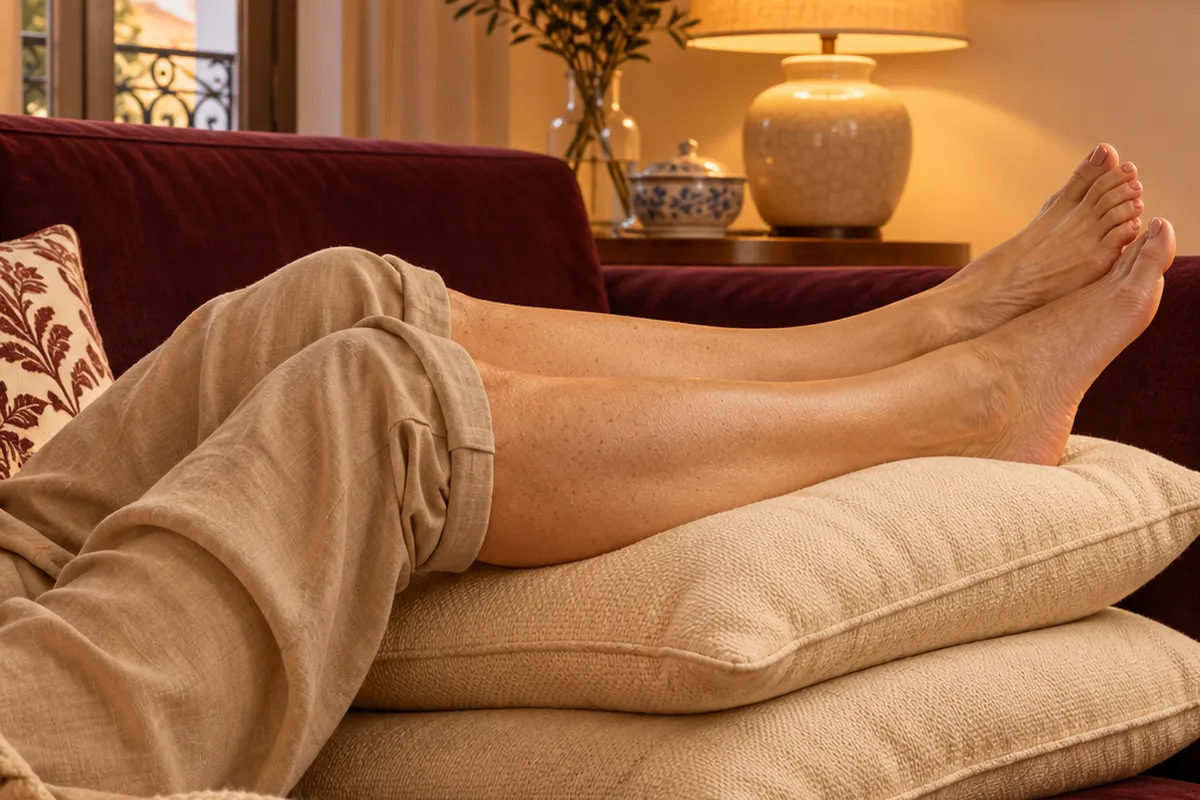
The most common cause, in adults, is venous insufficiency: the valves of the veins of the legs work less well and blood takes a long time to rise, which gives heaviness, tiredness and swelling at the end of the day, often with night cramps, thread veins or varicose veins. Heat, pregnancy, weight, age and many hours standing or sitting make it worse. But heavy legs may also come from retention, lipedema, arterial disease, medicines or heart or kidney conditions. The sensation is the same, so the cause can only be told apart at a consultation.
What is venous insufficiency and how does it progress?
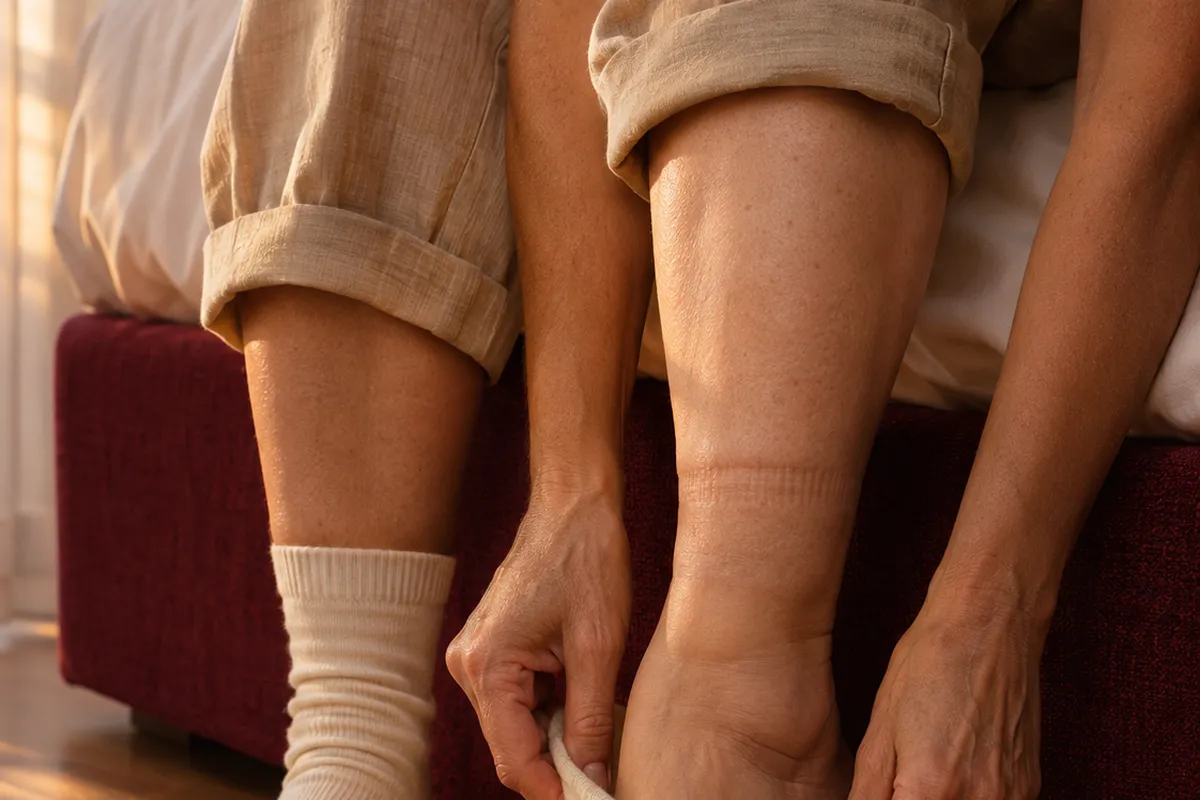
It is poor functioning of the valves of the leg veins, which lets blood accumulate. It usually begins with thread veins and heavy legs, goes on to varicose veins and swelling, and may reach dark, hardened skin at the ankles and, in severe cases, a venous ulcer. It does not progress in the same way in everyone, but tends to worsen with time if ignored, which is a good reason to assess it early. Varicose veins and altered skin near the ankle are, in general, a reason for a consultation with vascular surgery.
Is poor circulation in the legs always venous?
No. In venous poor circulation, the problem is the return of blood to the heart and the symptoms are heaviness, swelling and varicose veins. In arterial poor circulation, the problem is the arrival of blood in the legs, and the signs are pain when walking that passes at rest, cold, pale feet and sores that do not heal. This distinction matters, because compression, which helps in the veins, may be dangerous if the arteries are diseased. If in doubt, medical assessment confirms which it is.
Could thick, symmetrical, sore legs be lipedema?
They could. Lipedema is an accumulation of fat in the legs, symmetrical, painful to the touch and with easy bruising, which usually spares the feet. It is not the same as venous insufficiency or retention, and may coexist with them. As the care is different, it is advisable for a doctor to tell them apart. If you have thick, sore legs, the feet look thin and the pain does not improve with the legs raised, mention it at the consultation.
Do compression stockings resolve heavy legs?
They may relieve them. An international consensus found moderately robust evidence for venous symptoms and oedema, and robust evidence for venous ulcer. But they do not correct the valves, and NICE guidelines for varicose veins state that compression should not be the first option for treating varicose veins, unless interventional treatment is not suitable. There are resting stockings, of low compression, and therapeutic stockings by class, which are prescribed. They should be measured, put on in the morning and, if there is pain when walking, cold feet or diabetes, only after assessing the arteries.
Do venotonic drugs work?
A Cochrane review concluded that they probably reduce leg swelling a little, but make little or no difference to quality of life and probably slightly increase adverse effects, mainly digestive. So they may relieve symptoms in some people, and the decision is the doctor’s, case by case. They do not replace movement, raised legs or assessment, and the clinic does not sell them as a solution.
Does lymphatic drainage help heavy legs?
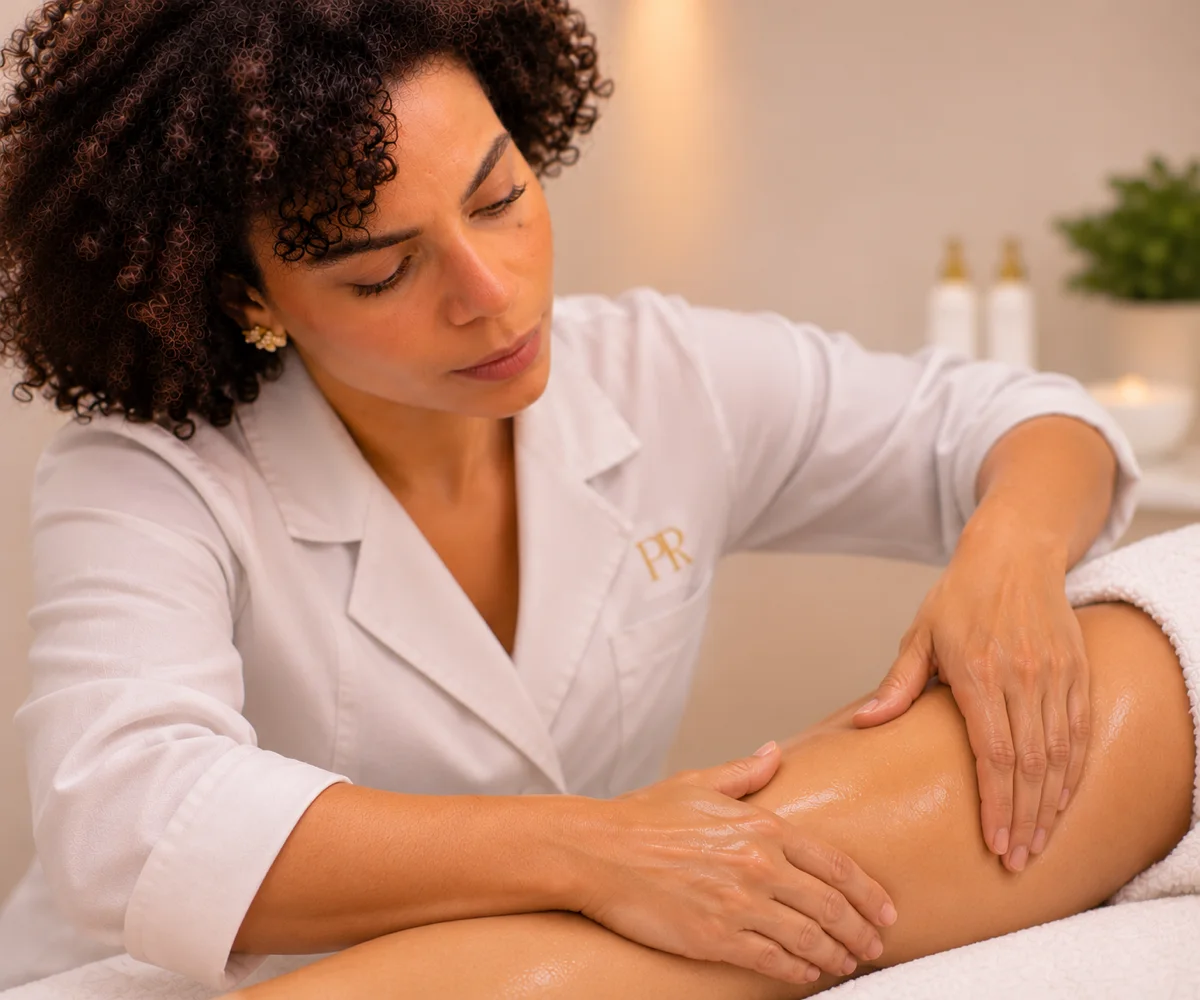
It may give relief from swelling and the feeling of heaviness to some people, but does not treat the vein valves, and the evidence for manual drainage is limited: the consensus of the international society of lymphology mentions mainly studies in lymphoedema after breast cancer, and the effect in other situations is unknown. At the clinic, slimming massage and lymphatic drainage are only considered after the doctor has assessed the legs and ruled out thrombosis, infection, arterial disease and uncontrolled heart or kidney disease. Results vary and tend to be temporary.
Do carboxytherapy or radiofrequency treat poor circulation in the legs?
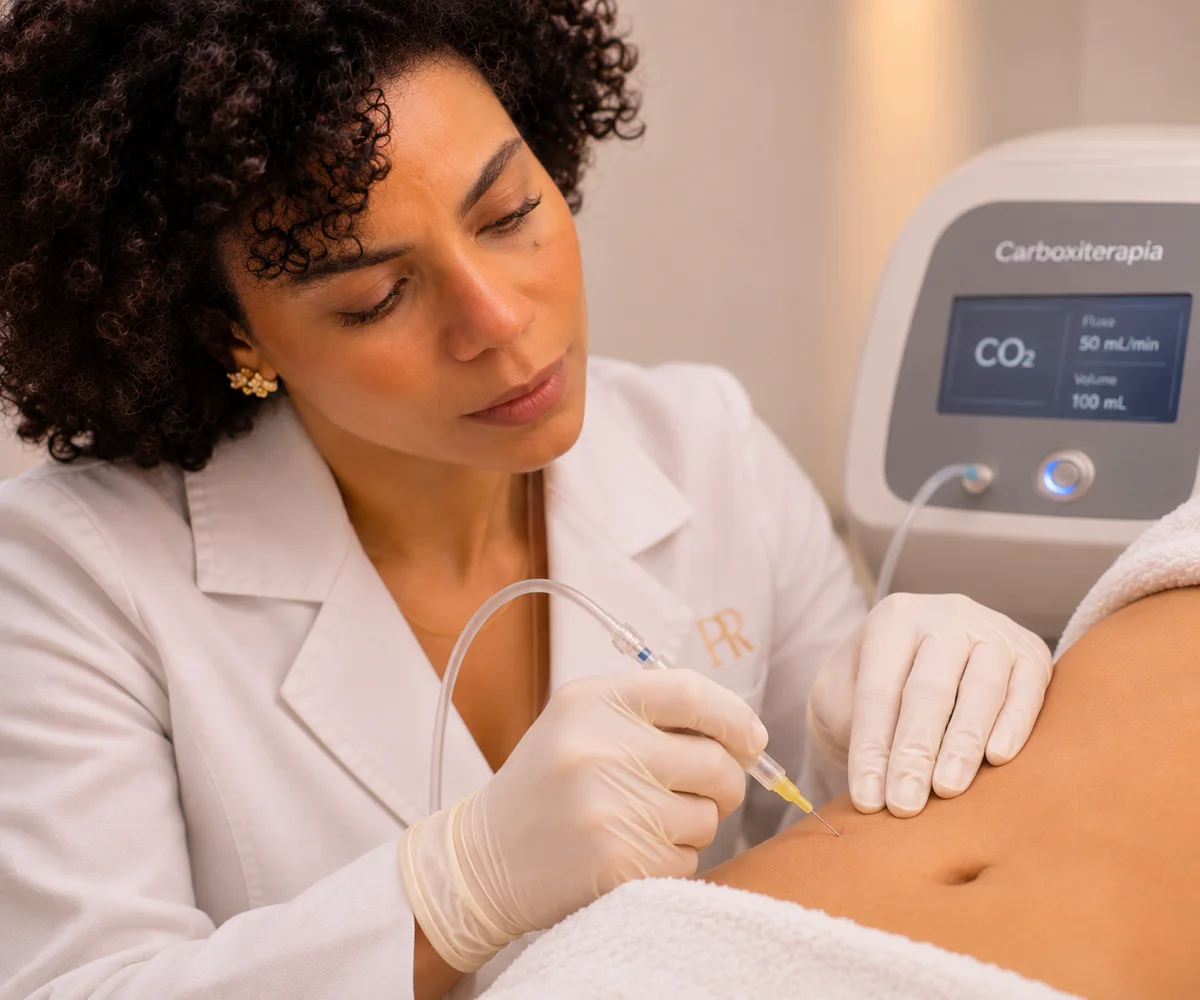
They do not treat venous insufficiency or varicose veins. Carboxytherapy is used in aesthetics for superficial microcirculation and skin elasticity, as in cellulite and stretch marks, and a recent review concludes that it shows potential but that more studies are needed. Sectum Neauvia radiofrequency and intradermotherapy are intended for skin firmness and quality. They may be considered after assessment when what bothers you is the look of the skin of the legs, and never instead of a consultation with a vein specialist when one is needed.
Leg swollen on one side only, with pain or heat: what should I do?
If the swelling is sudden, in one leg only, and comes with pain, heat or redness, it may be a deep vein thrombosis, which needs rapid diagnosis with blood tests and ultrasound. Call SNS 24 (808 24 24 24) or go to A&E, and do not massage the leg. If there is also shortness of breath or chest pain, call 112. This is not a case to wait for an aesthetic consultation.
Which specialist should I see and which tests may be requested?
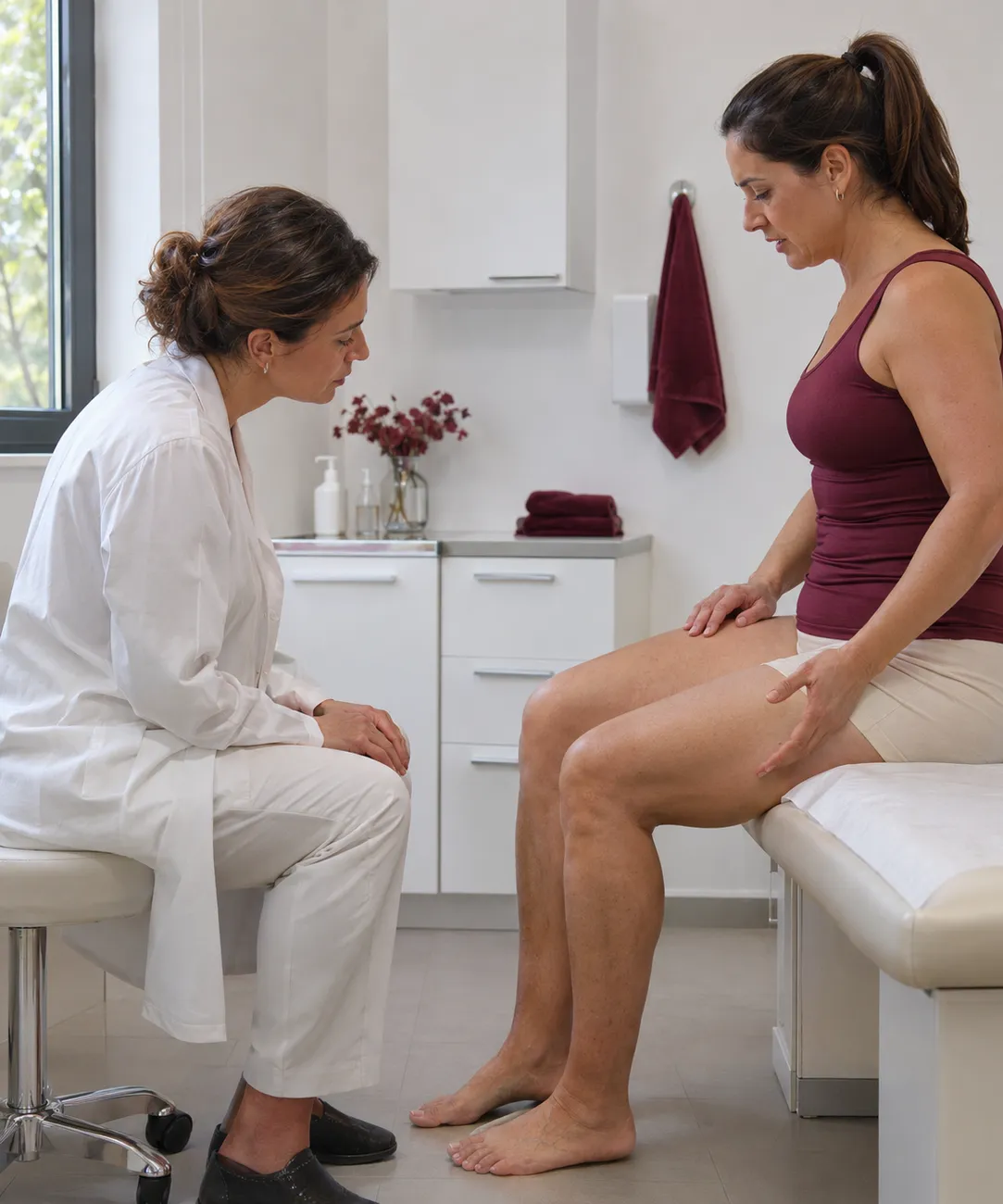
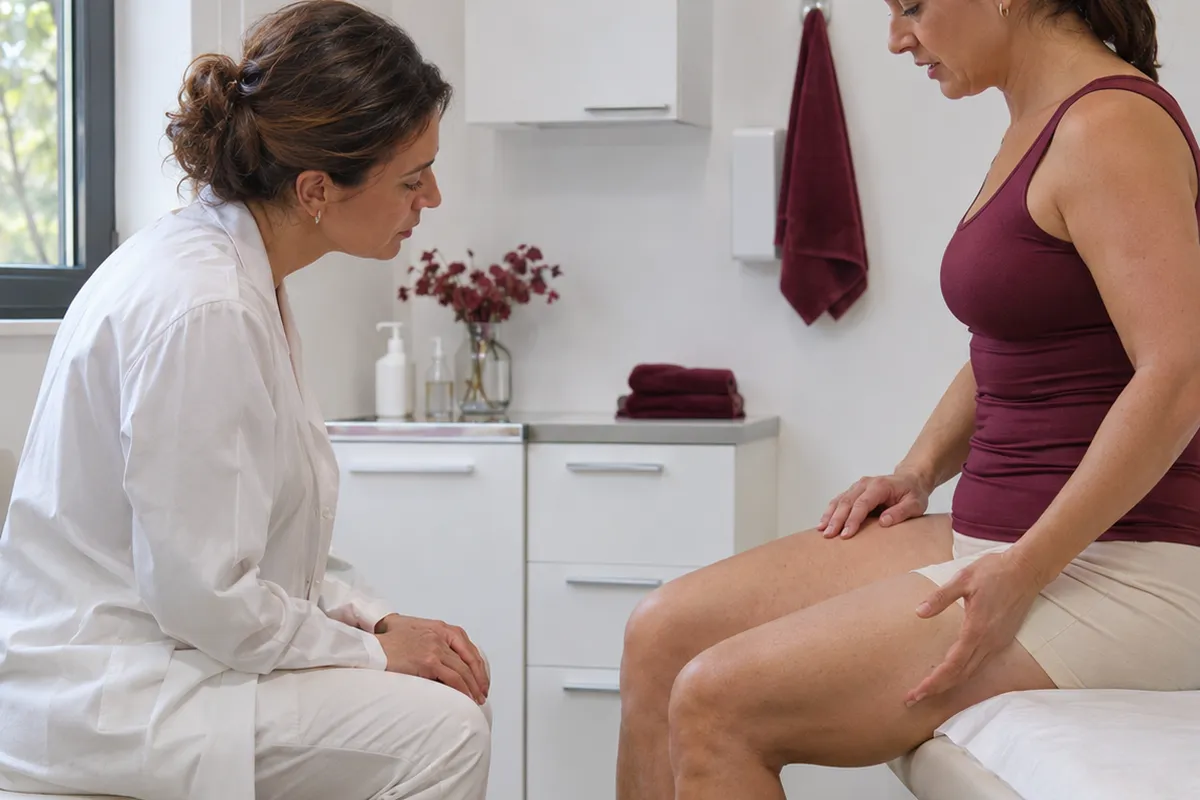
The first step is usually your family doctor. If it is venous, vascular surgery or angiology; if lymphatic, physical and rehabilitation medicine or a lymphoedema consultation; if it is from the heart or kidneys, internal medicine, cardiology or nephrology. Tests depend on the suspicion: a venous Doppler ultrasound to see the veins and rule out thrombosis, blood tests (kidneys, liver, thyroid, albumin), an echocardiogram or a lymphoscintigraphy. At Luxmed, in Algés, the assessment consultation with the doctor serves to guide the way, including referral.