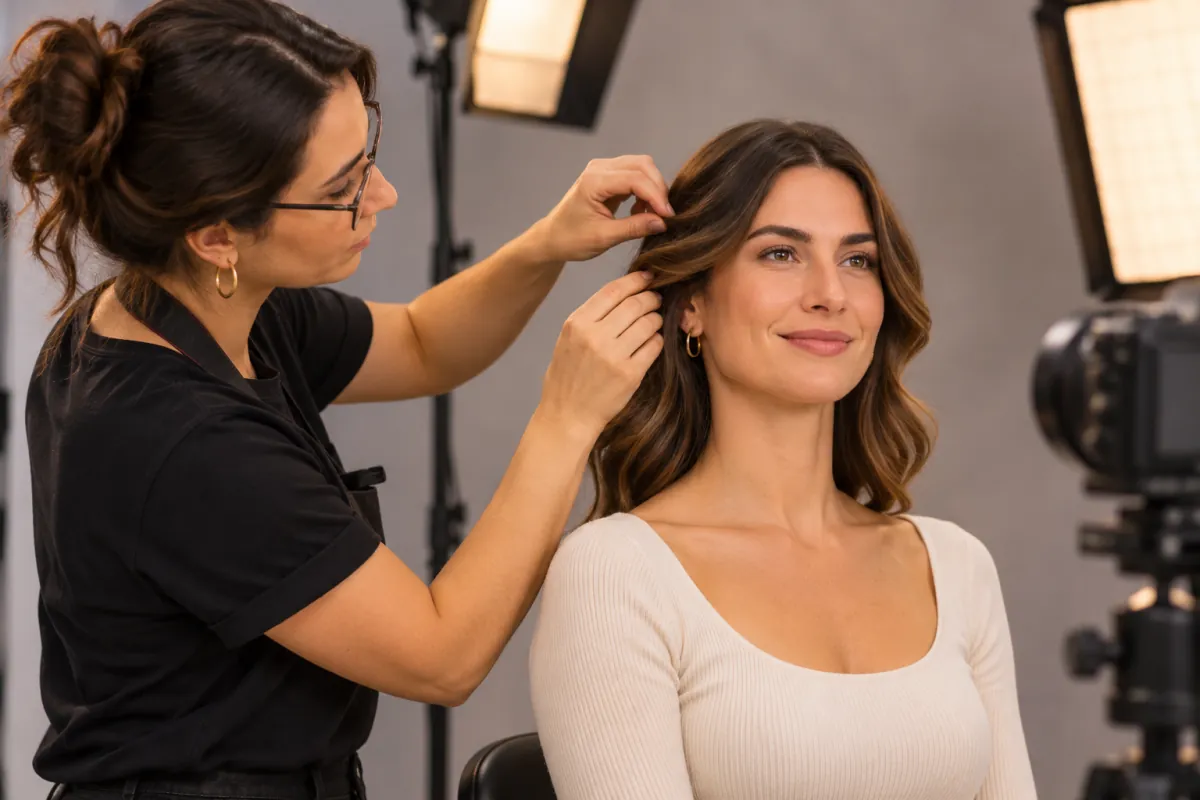
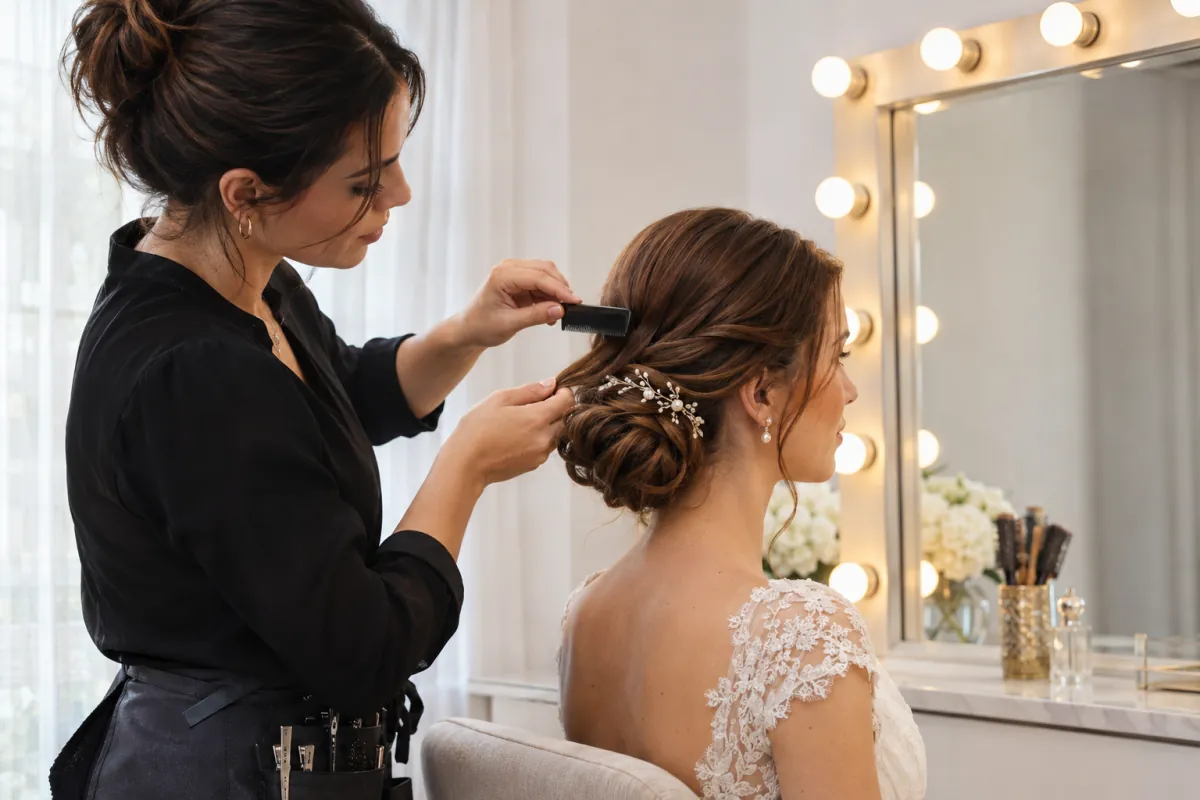
How long before the event should I take care of my hair?
The sooner, the better, but keep realistic expectations. Hair grows slowly and the cycle of each strand takes months, so what you see on the day is largely decided well beforehand. For the cut, colour and hairstyle, start early and do trials. For a concern about hair loss or thinning, book the consultation in advance, so that the doctor can assess it in good time and decide whether there is anything to do before or only after the date.
Is there any treatment that gives results in a few weeks?
No, and be wary of anyone who promises it. The treatments offered at the consultation act on the scalp and the follicle, that is, on the hair that grows, and the results, when they appear, are gradual and vary from person to person. In a few weeks, what is on the surface improves: the cut, hydration, shine and hairstyle. This is where the hairdresser and home care make the most difference. The doctor explains what is realistic in your case.
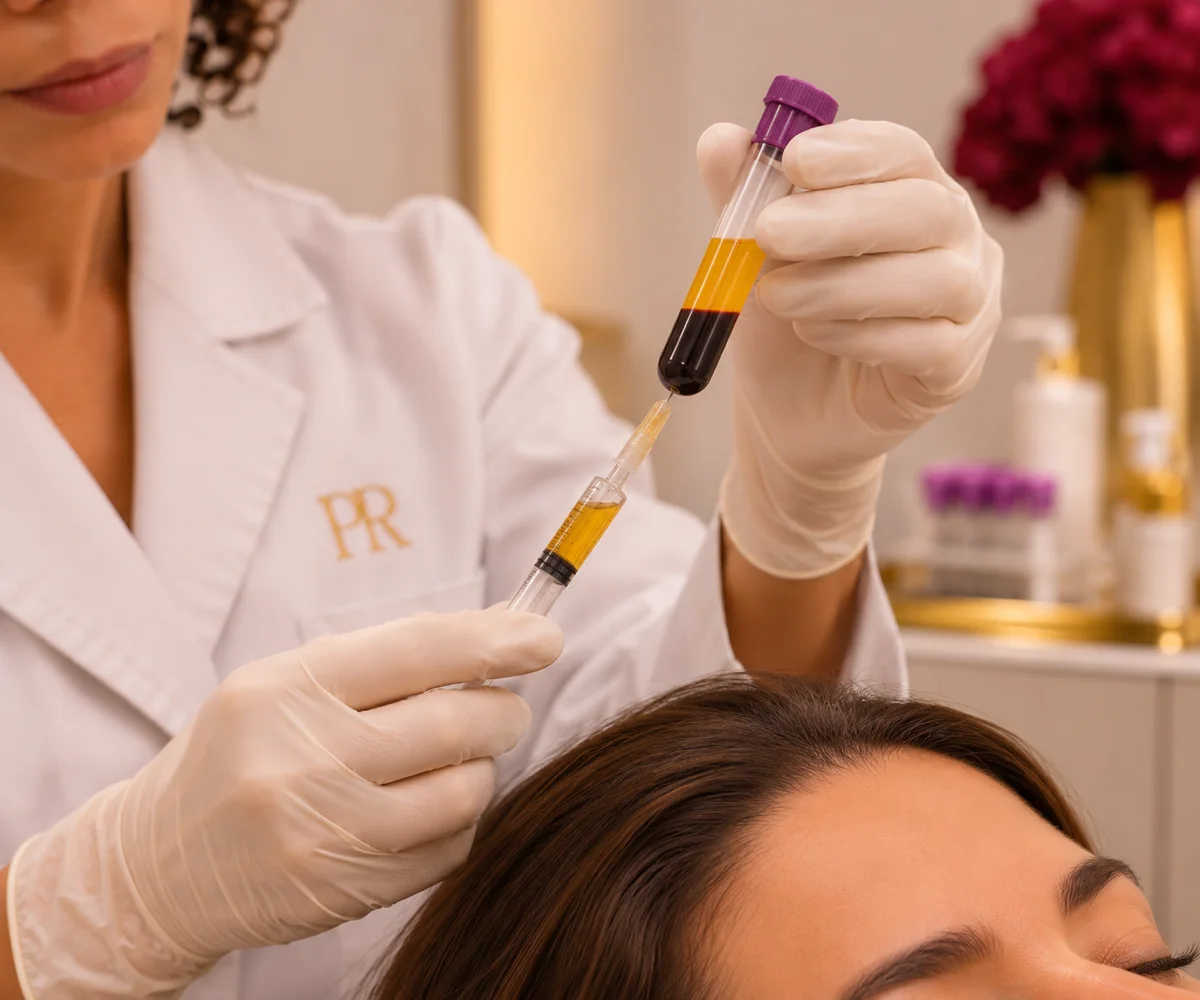
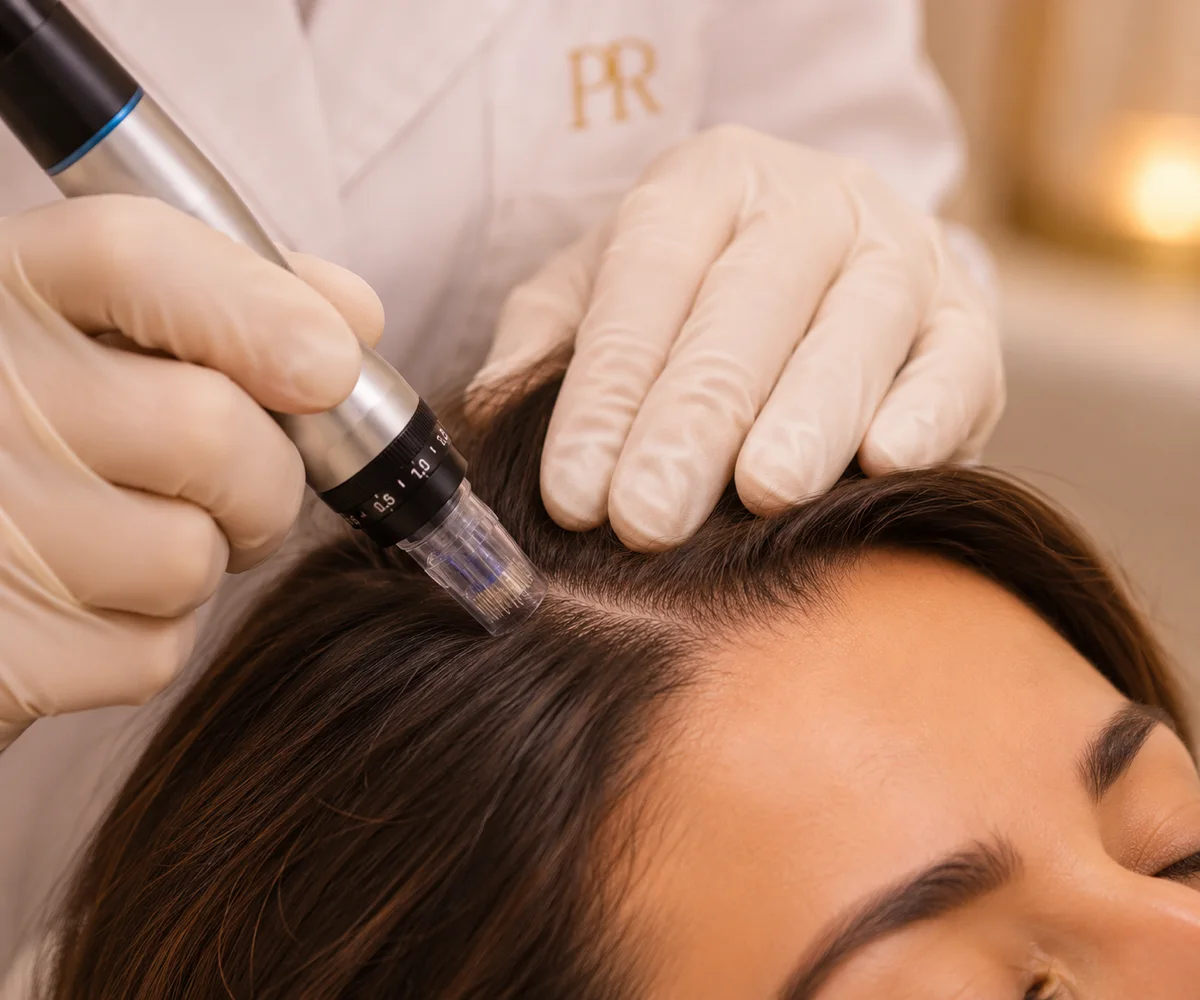
Can I have PRP, NCTF or microneedling close to the event?
The most prudent course is not to start new treatments close to the date. No one can guarantee how the scalp will react, and a treatment may leave sensitivity or temporary redness, which do not help with an updo. In addition, results, when they occur, take months. If the doctor considers one of these treatments suitable, she plans it well in advance or leaves it until after the event, always after an assessment consultation.
My hair has been falling out more since we set the date. Is it nerves?
It may be, but it is worth assessing. A period of stress, a diet or an illness can make more hair fall out, usually two to four months later, and recovery usually takes, in most cases, six to nine months. So the current hair loss may have come from a phase before the date was set. The doctor checks whether there is another cause, such as iron deficiency or a thyroid change, and explains what to expect.
Is it worth getting extensions for volume or length?
It depends on the hair. On fine or fragile hair, heavy extensions put tension on the follicle and may worsen hair loss, especially at the front and sides. If you choose extensions, prefer light ones, fitted at a specialised salon, and remove them after a few months. For a single day, clip-in extensions or accessories that come out at the end of the day are gentler. If you have pain, itching or redness on the scalp, remove them and speak to the doctor.
Can I change colour or bleach before the wedding?
You can, but with time and without rushing. Bleaching weakens the strand, and several chemical services in a row worsen wear. Change colour well before the date, space out touch-ups, avoid combining a dye with straightening and ask for a trial. Always do the dye allergy test. If your hair is already fragile or brittle, the wisest option may be to keep the natural shade and invest in shine and the cut.
How do I add volume to fine hair without damaging it?
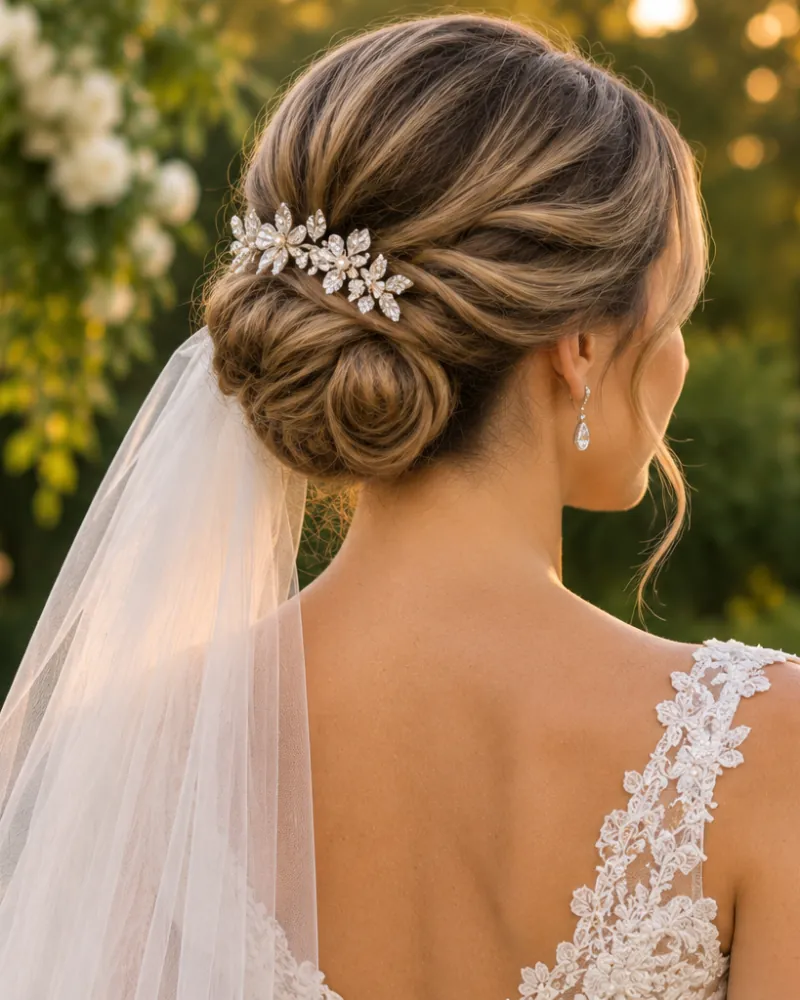
The volume on the day comes mainly from the cut and the hairstyle, not from heavy products. Ask for a cut with body, use light products and avoid building up layers of product, which weigh the hair down. A textured, partly loose hairstyle hides low density better than a very smooth updo. Avoid strong heat and brushing wet hair. If the scalp shows more than before, it is worth speaking to the doctor and not only to the hairdresser.
Does hair become shinier with clinic treatments?
Shine comes mainly from the surface of the strand, and that is where cosmetic care acts: masks, conditioners, light oils and, in some cases, products with silicones, which form a film over the strand and enhance shine, although some build up. The treatments offered at the consultation act on the scalp and the follicle, so they are not a way to add shine to hair that has already grown. The best approach for shine is to cut away wear and moisturise.
Do I need tests before an event?
Not always. If there is hair loss, tiredness, a recent diet or an illness in the previous months, the doctor may request tests for iron, thyroid and vitamin B12, because deficiencies and thyroid changes may contribute to hair loss in some cases. If the hair is simply worn from dyes and heat, tests are usually unnecessary. It is best to have them done in advance, so there is time to correct anything lacking before the date.
When should I book the consultation?
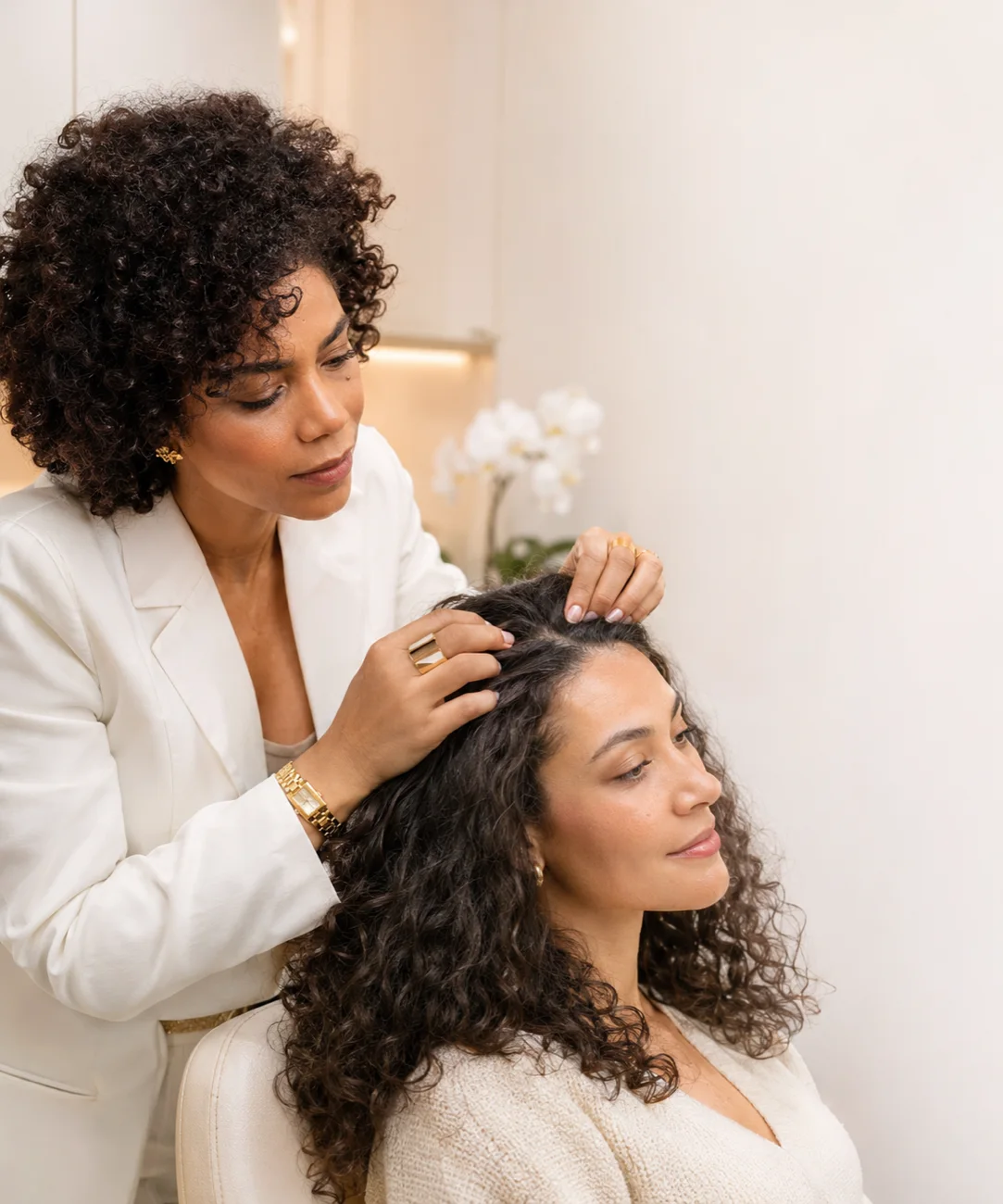
As soon as you know the date of the event and have a doubt about your hair, especially if you notice shedding, thinning or a more visible scalp. The earlier, the more time there is to understand the cause and decide what to do. Sudden and heavy shedding, pain, sores, marked flaking, redness or patches that appear quickly should be seen without delay, and cannot wait for the date of the event.
Are dry shampoos and volumising products harmful?
Used in moderation, they do not usually do harm, but they do not solve fine hair either. In excess, they may leave residue, weigh down the strand and irritate the scalp. Wash your hair regularly, apply conditioner only to the lengths and ends, and rinse products out well. If you have itching, flaking or redness, stop and speak to the doctor. No product replaces the right cut and a hairstyle designed for your hair type.
Can I sleep in the trial hairstyle or updo?
It is best to avoid it. Sleeping with tight hair or with many pins puts tension on the scalp and breaks the strand, especially if the hair is fine. If you want to preserve the hairstyle, loosen it carefully and use a soft pillowcase, or tie the hair with a wide, covered elastic. On the day of the event, loosen the hairstyle if you feel pain, burning or pulling. Hair should be comfortable, not tight.
And after the event, what should I do with my hair?
Let it rest. Remove pins and products carefully, wash with a gentle shampoo, moisturise and trim the ends if needed. Avoid heat and chemical services for a while so the strand can recover. If you noticed hair loss or thinning before the event, it is a good time to book an assessment consultation, without the pressure of the date, and understand the cause. The doctor then proposes the plan that makes sense for your case.