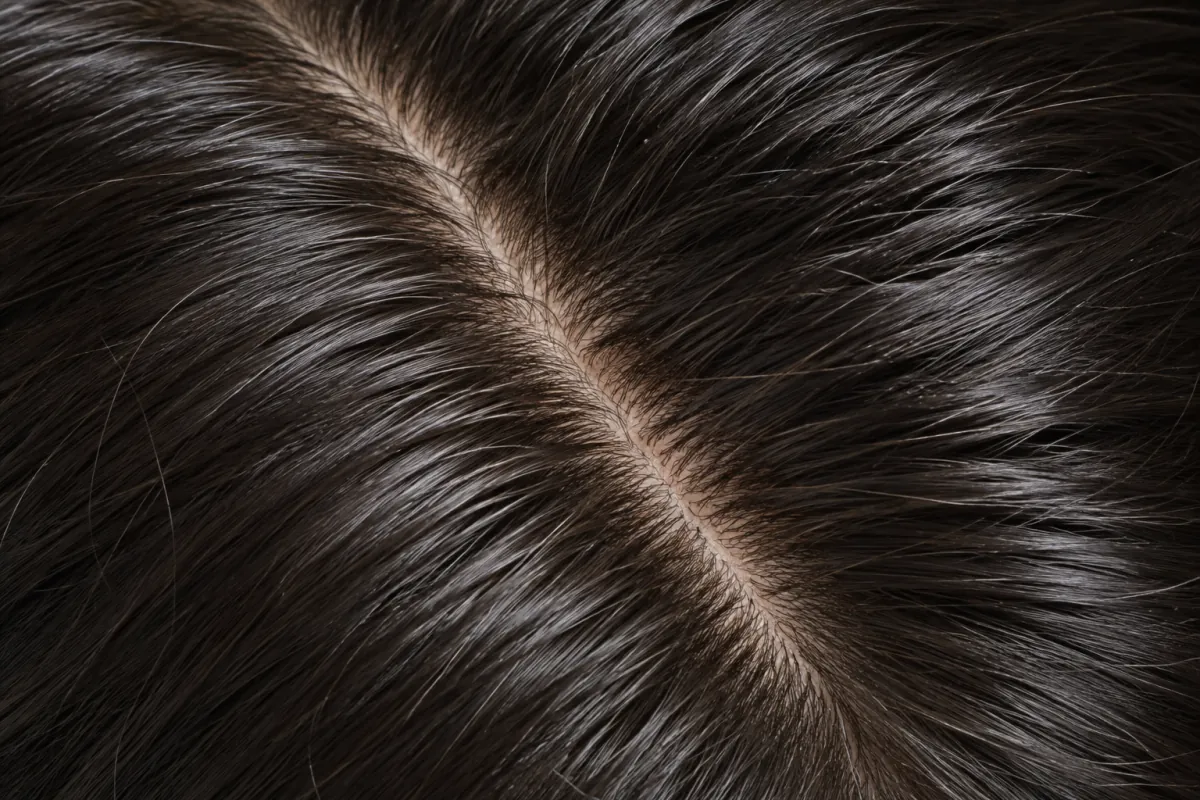
Why does my hair get oily so quickly?
Each follicle has a sebaceous gland, and some are more active than others, for hormonal and hereditary reasons. Sebum travels down the strand from the root, and straight, fine hair shows it more quickly than curly hair. Sweat, heat, wearing a cap and hands in the hair speed up the effect. The doctor helps to work out what weighs most in your case.
Does washing every day make oily hair worse?
It has not been shown to make it worse. The American Academy of Dermatology accepts daily washing in people with an oily scalp and straight hair. The idea that the scalp "compensates" by producing more sebum has limited evidence. If washing every day makes you feel good and the scalp is not irritated, you do not need to force yourself to space it out. If it irritates, change shampoo or speak to the doctor.
Does washing less often teach the hair to produce less sebum?
It is a much-repeated idea, but the evidence is limited, and those who repeat it tend to forget that each person has a different balance point. What happens when washes are spaced out too much is that sebum, sweat and products build up, and the skin may become irritated. Trying to go from daily washes to twice a week overnight is usually uncomfortable. If you want to space them out, do it gradually and see how your scalp reacts; it is not compulsory.
Is oily hair the same as dandruff or seborrheic dermatitis?
No. Oily hair is excess sebum. Dandruff and seborrheic dermatitis are a spectrum of scalp inflammation in which sebum and a fungus that lives on the skin play a part, and which shows as flakes and itching, with or without redness. They can occur together, but this is not necessarily so. The distinction is made by examining the scalp, because the treatment is different.
Is oily hair a sign of a hormonal problem?
Not always. Oiliness is normal in puberty and varies throughout life, and genetics counts for a lot. But if it appears suddenly, or comes with irregular cycles, persistent acne or excess body hair, it is worth speaking to the doctor, who may suggest tests if she considers them useful. Do not have tests done or take hormonal supplements on your own, because the result only makes sense when read in the context of your whole case.
Does stress make hair oilier?
It may play a role. Stress activates hormonal pathways that affect the sebaceous cells, and many people notice more oiliness during periods of pressure or little sleep. It is not the same for everyone, and it is hard to prove in an individual case, so the explanation "it's stress" should be confirmed with the doctor and not assumed. If oiliness appears together with hair loss, the doctor assesses both together and checks whether another factor, such as deficiencies or hormonal changes, may be contributing.
Can I use anti-dandruff shampoo if my hair is only oily?
You can, but it is not always necessary. For an oily scalp with dandruff, the American Academy of Dermatology suggests an anti-dandruff shampoo a few times a week, alternated with a gentle one. If there are no flakes or itching, a gentle shampoo is usually enough. Anti-dandruff shampoos can dry out the ends, especially in long hair, so apply them mainly to the scalp and ask the doctor for advice if you have doubts.
Does wearing a cap or helmet make oily hair worse?
It does not damage it, but it may worsen the sensation. The head warms up, sweat is trapped and there is friction at the roots, so the hair flattens and looks greasy more quickly. If you wear a helmet every day, have a washable liner, rinse off sweat whenever possible and wash the cap or helmet regularly. If spots, itching or hair loss appear where the accessory sits, show the doctor.
Does oily hair cause hair loss?
On its own, it has not been established that it causes hair loss. However, oiliness, flaking and hair loss can coexist, for example in seborrheic dermatitis, and scalp inflammation may contribute to losing more hair, which usually improves when the inflammation is treated. If you notice more hair falling out, do not assume it is due to oiliness: the doctor assesses the possible causes, such as hormones, deficiencies or stress.
Do "pH-balanced" shampoos or oils solve it?
A gentle shampoo is a good choice, but the pH on the label does not decide the result. As for oils and "natural" products, applied to the roots they may worsen oiliness and cause irritation. A good rule is to try one product at a time for a while, rather than mixing several, and to go back if the scalp becomes irritated. If there is no improvement with a simple routine, medical assessment is the next step.
What treatments does the clinic offer for oily hair?
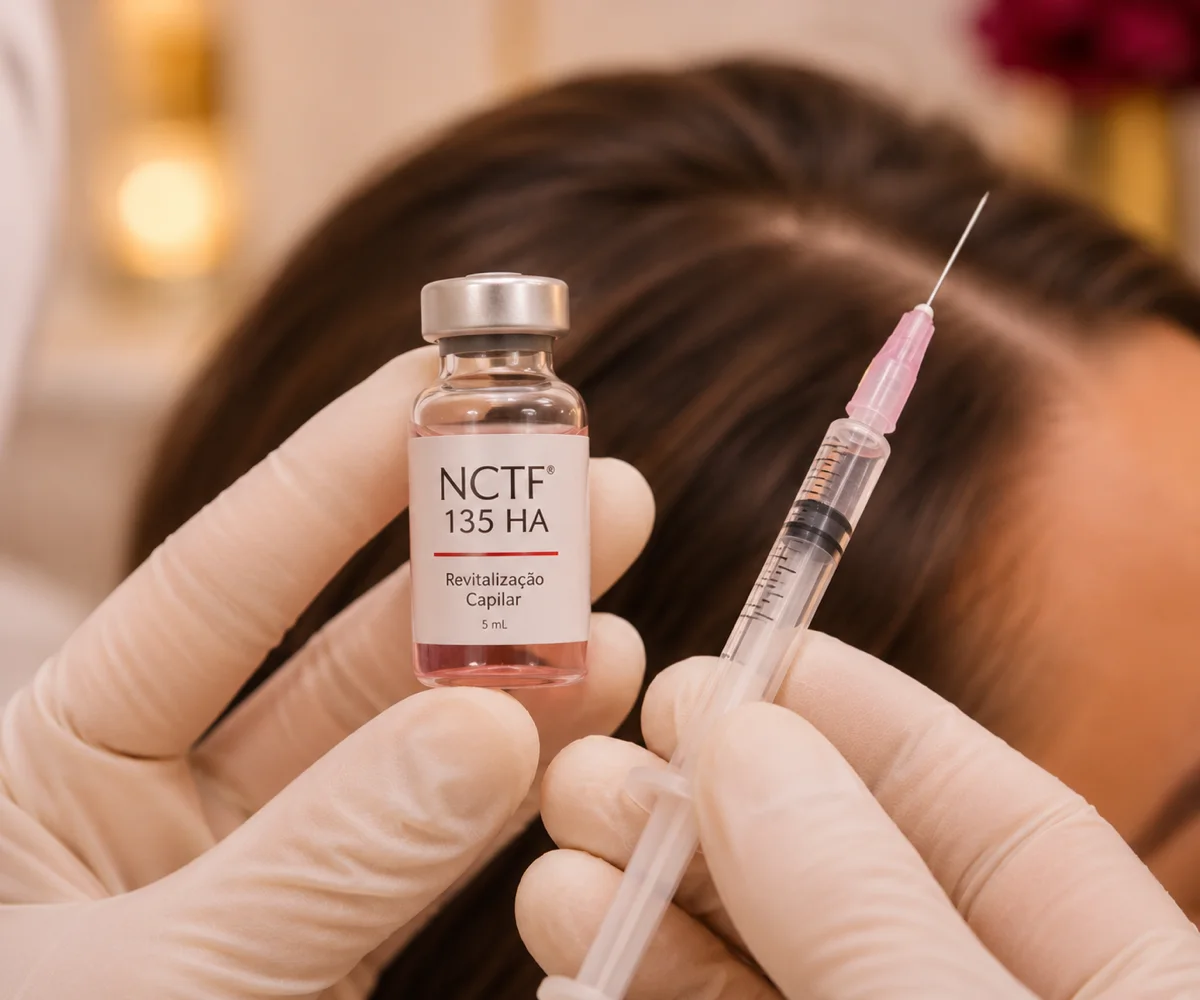
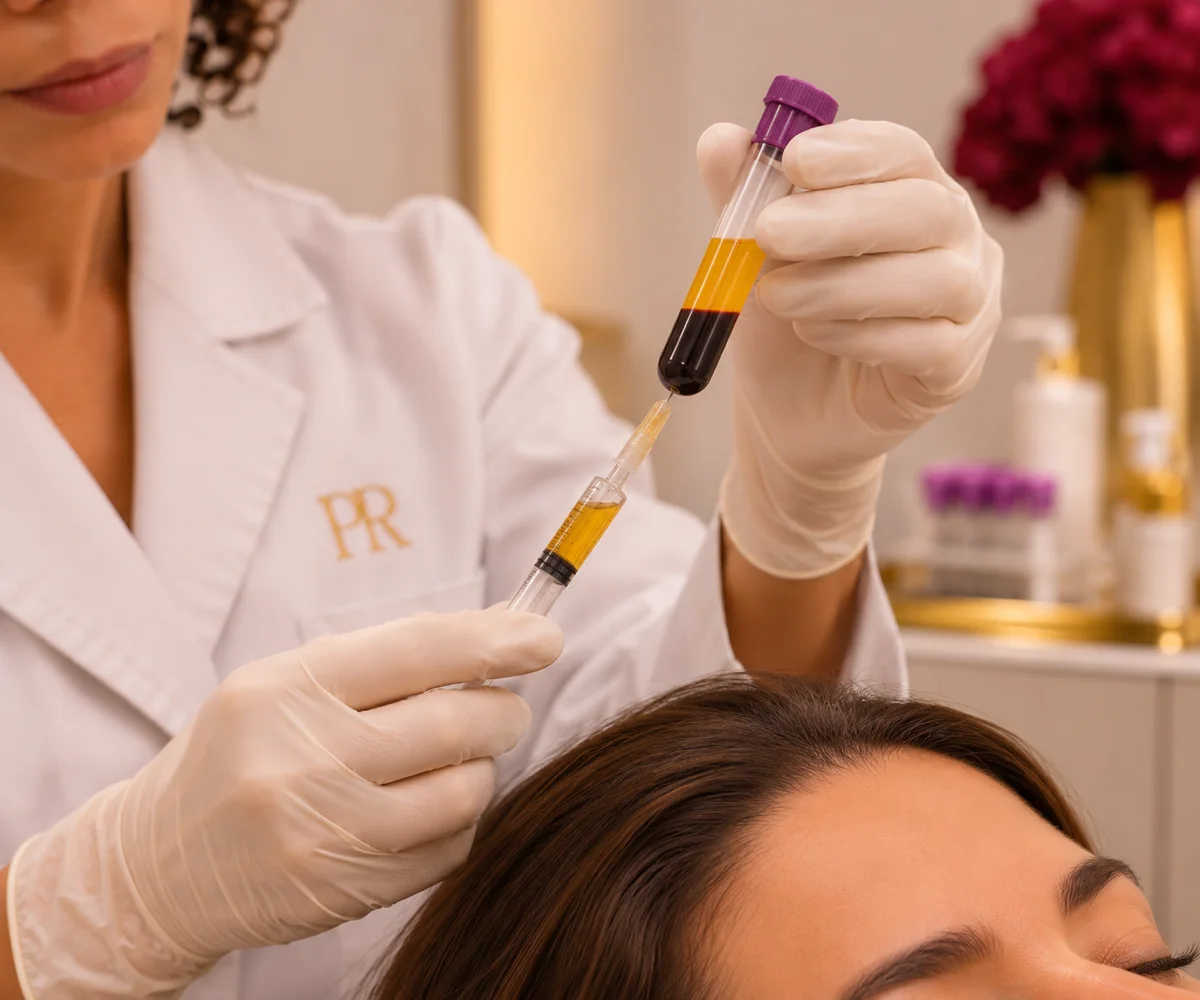
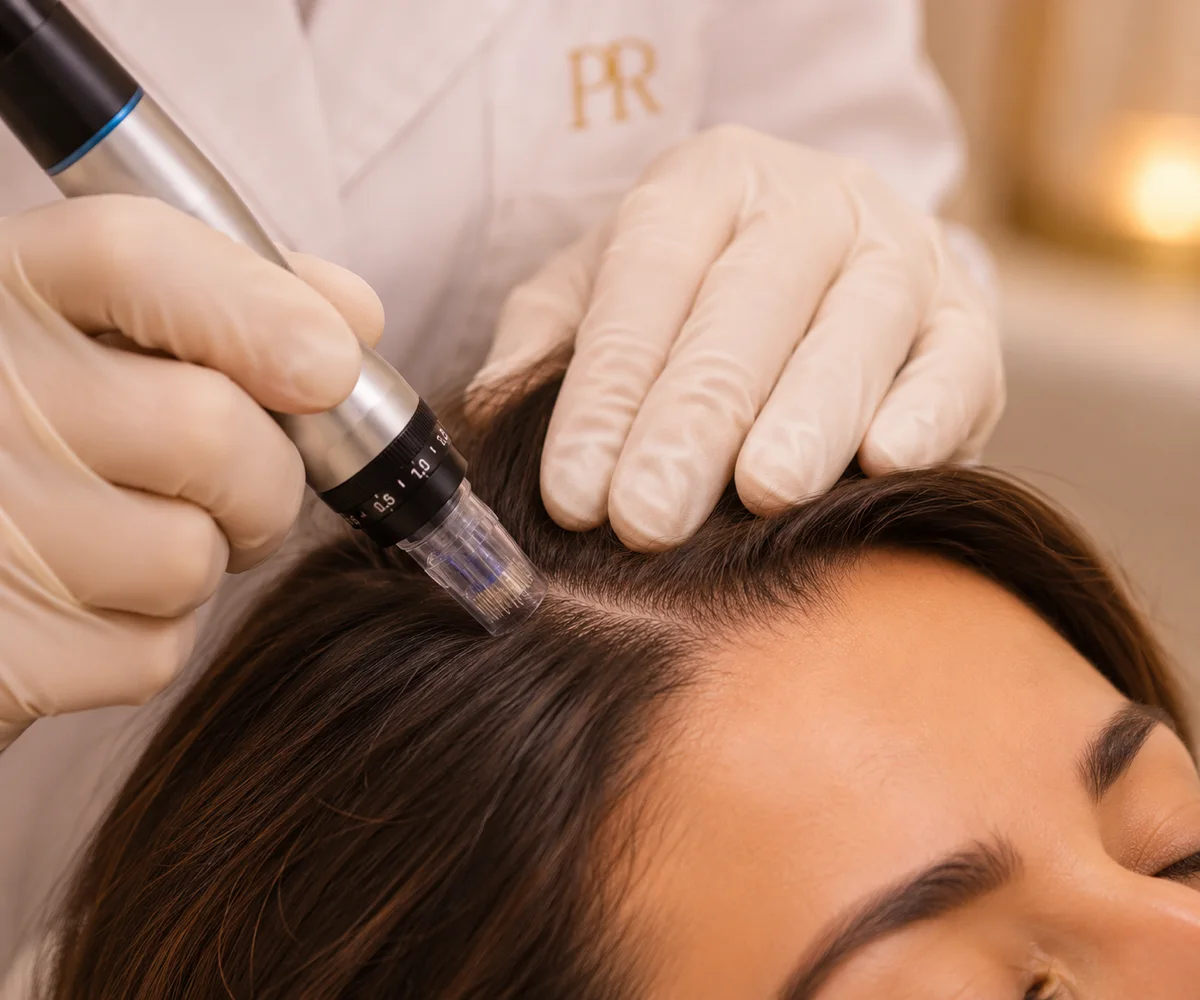
Oily hair is treated mainly with an adjusted routine and, where there is inflammation, by treating that cause, which the doctor defines after examining the scalp. Regenerative treatments, such as NCTF, PRP and microneedling, do not reduce sebum; they are only considered if there is also hair loss or fragility. None is decided before the consultation, and the doctor always explains what is known and what you can expect.
Do I need blood tests?
Not always. If the oiliness is isolated and there are no other signs, the doctor may not request any, and the routine and examination of the scalp may be enough. If there are irregular cycles, persistent acne, excess body hair, hair loss or another sign, she may suggest hormonal or other tests. The aim is to understand whether there is a cause to treat, not to run tests for the sake of it; for this reason it is important to tell the doctor everything that has changed, including medication, cycle and weight.
When should I book a consultation?
If the oiliness bothers you and your routine is not enough, if there is itching, flakes, redness or spots on the scalp, or if you notice more hair falling out. Pain, sores, marked flaking, intense redness, sudden hair loss or patches that appear quickly should be seen without delay, as they usually have another cause. At the appointment, bring the list of products you use and tell the doctor how often you wash your hair.
Will it go away with age?
In many people oiliness decreases over the years, but this is not a rule, and it depends on hormones and genetics. Many people notice that the scalp becomes less oily with age, but some stay the same for life. If you start to see flakes, it may also be a sign that washing is becoming insufficient or that there is flaking to be assessed. If the discomfort is present now, there is no need to wait: a routine and an assessment can help from the start.