Algés, Oeiras Mon to Sat · 09:00 to 13:00 and 14:00 to 19:00
WhatsApp Book a consultation

Hair problem

Hair that grows unevenlyWhen there are longer areas and others shorter or finer, and the hair does not grow evenly

Each strand has its own cycle, so different lengths are normal. What deserves attention is when an area becomes clearly shorter, finer or has many small strands, the so-called baby hairs. Here we explain the hair cycle, what is usually behind it and what the doctor assesses.

Reviewed by Dr Michelle Campagnoli, clinical director

  • 3treatments the clinic may suggest
  • 1assessment consultation, always first
  • 70 €assessment booked through the website
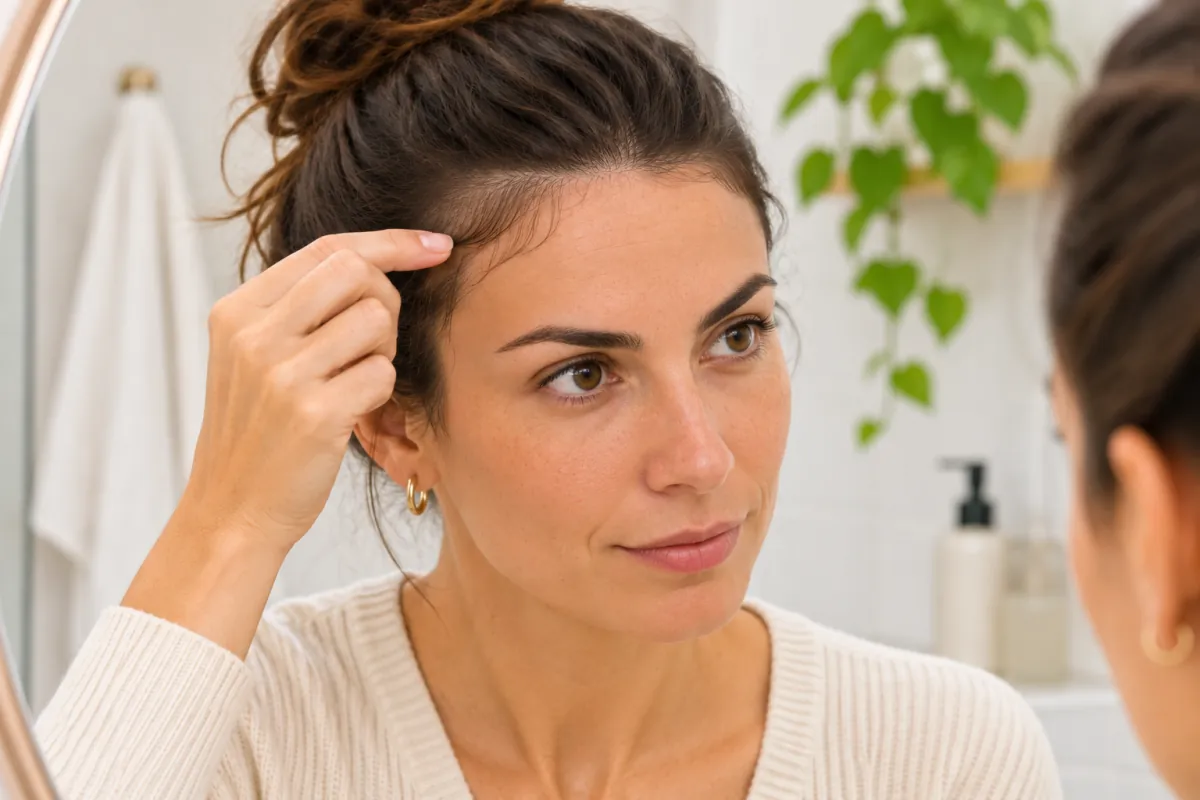
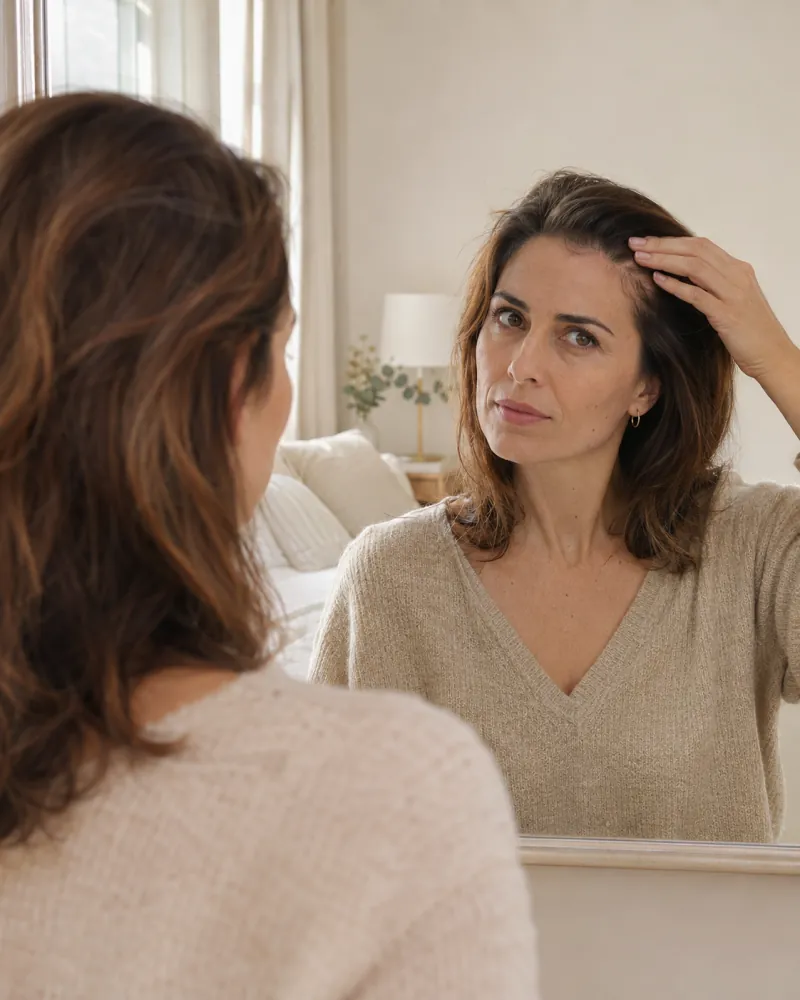
Woman from behind looking at her mirror reflection, pushing her hair back near the forehead, in a bright room

How to recognise it

Could it be uneven growth?

Some difference in length is normal, because the strands do not all grow at the same time. These signs help you understand whether it merits an assessment.

Tick what you recognise0/5

Tick the signs you recognise in your case. This is not a diagnosis, it is only meant to give you an idea.

Sudden, heavy hair loss, patches that appear quickly, a painful scalp, sores, redness or marked scaling should be seen without delay, because they usually have another cause.

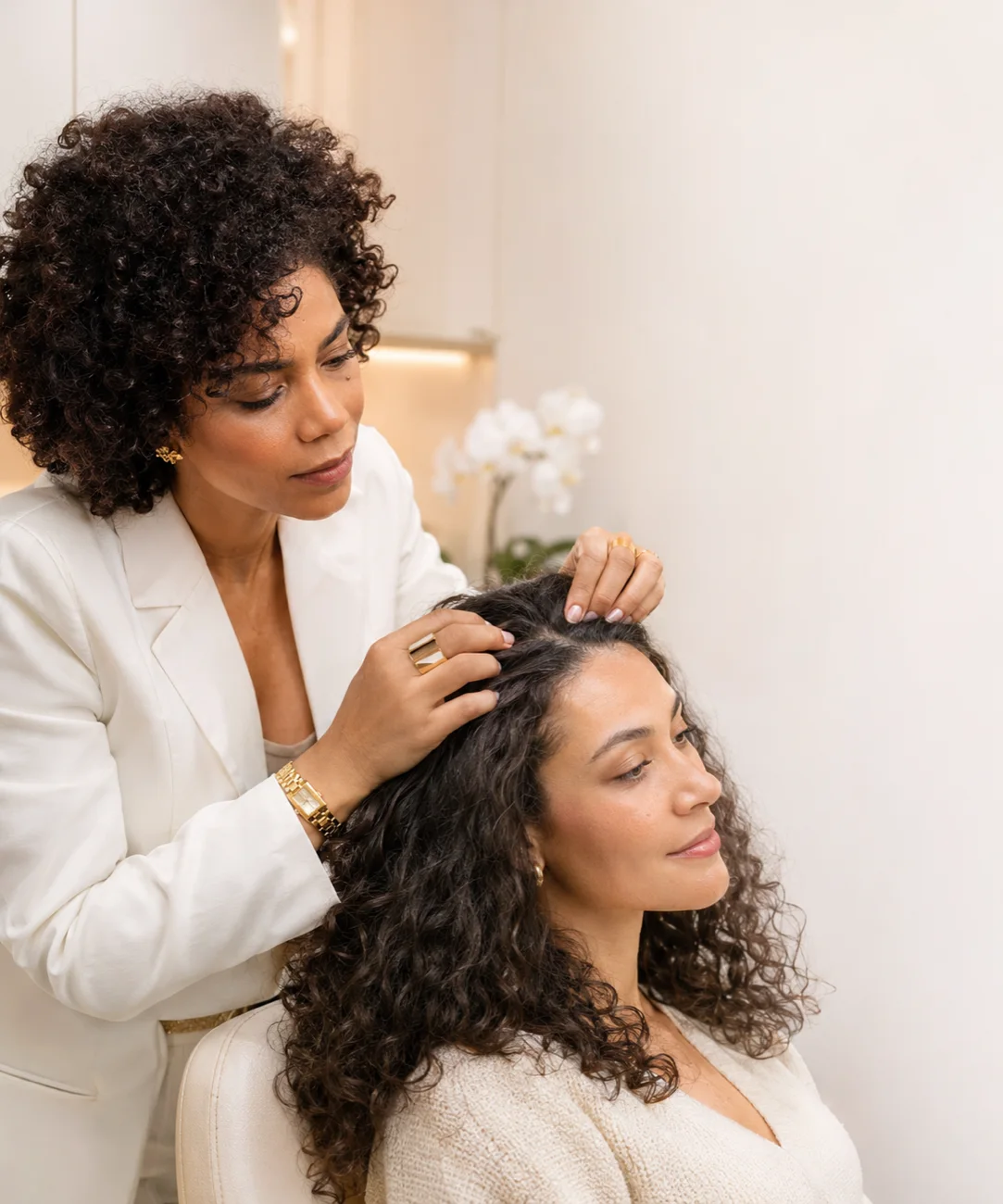
The doctor examining a patient's scalp during a hair assessment consultation
Photograph of an assessment consultation. The dots mark the areas where uneven growth is usually noticed; the image does not show uneven hair.

Why it happens

What weighs on hair that grows unevenly

It is almost never just one thing. Choose a cause to see what makes it worse and what helps.

The hair cycle

Each strand goes through a growth phase, a short transition phase and a resting phase, before falling out and growing back. As the strands are not all in the same phase, it is normal for lengths to differ. After shedding, the new strands grow in short and take time to match the rest.

What makes it worse

Cutting or pulling new hair out of impatience, while it is still growing.

What helps

Giving regrowth time and seeing, with the doctor, whether the rhythm is as expected.

Normal or to be assessed

Normal variation or a sign to assess

Not all uneven hair needs treatment. These signs help distinguish what is usually normal from what calls for an assessment.

  • What it looks like. Small differences in length, with short strands here and there, especially near the forehead and the nape.

  • How it progresses. The strands keep growing and the difference tends to fade over time.

  • What the clinic does. If you wish, the doctor examines the hair and confirms that the rhythm is as expected.

  • Follow-up. It is enough to keep checking whether the difference persists or increases.

Does your hair grow differently in some areas? Book an assessment consultation, so the doctor can understand the cause and what can be done.

Book an assessment consultation

What the clinic can do

Treatments for hair that grows unevenly

When there is a cause to treat, it comes first. These are the treatments the doctor may propose to support the scalp and the follicle, after seeing your case. Results vary from person to person and science continues to study these treatments, so the doctor explains what is known and what you can expect before any decision.

Book an assessment consultation
Ampoule of NCTF hair revitalisation and a syringe next to the scalp

Regeneration

Hair NCTF

Vitamins, amino acids, minerals and hyaluronic acid, which may help nourish the scalp and support finer hair.

Suitable when

the hair is finer and the doctor considers scalp nourishment appropriate.

Find out more
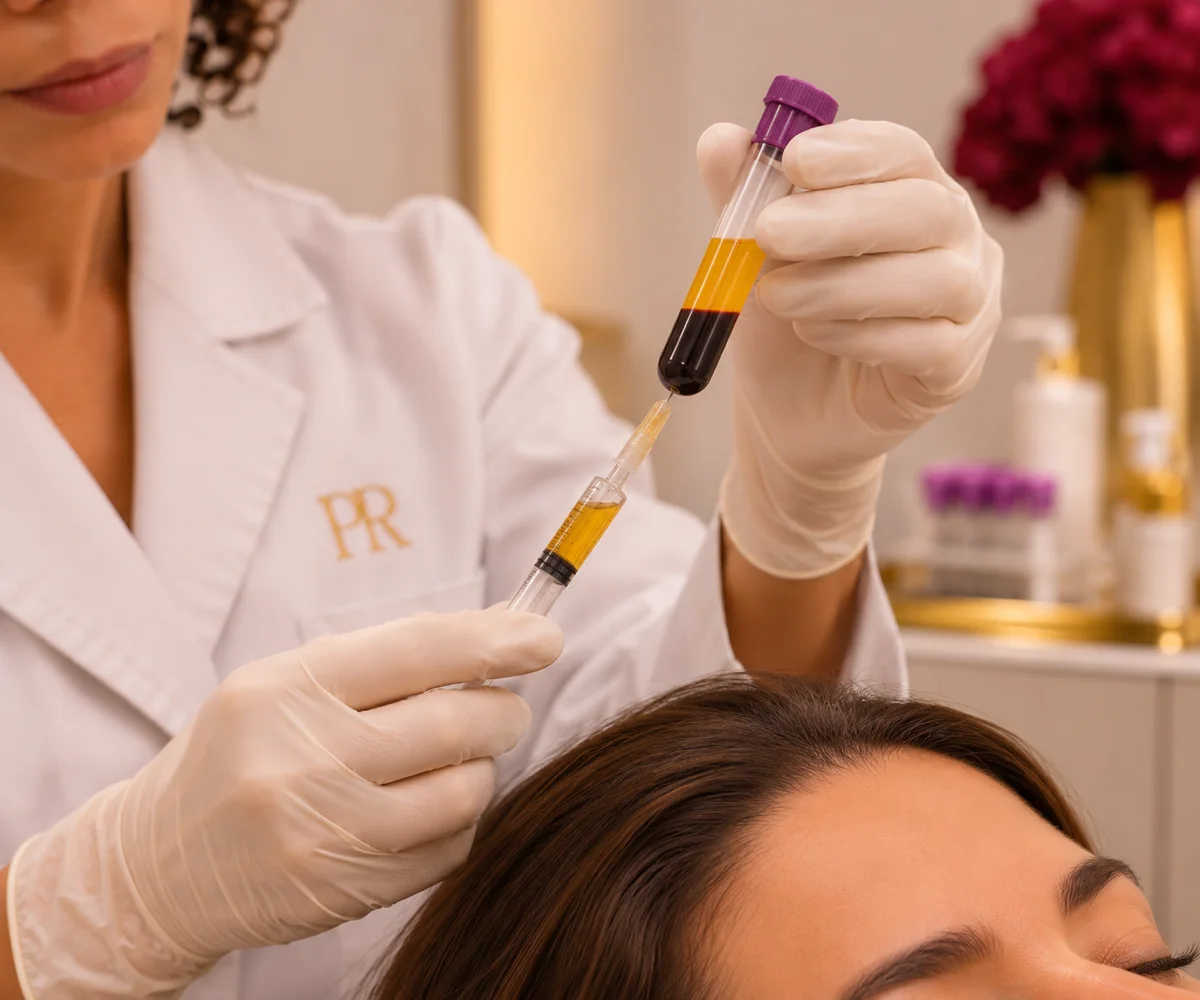
A doctor preparing platelet-rich plasma in a syringe, next to a tube of centrifuged blood

Regeneration

Hair PRP

Platelet-rich plasma, obtained from your own blood, which may help stimulate the follicle in some cases. The doctor first assesses whether it is appropriate.

Suitable when

there are areas with finer hair and the doctor considers stimulating the follicle appropriate.

Find out more
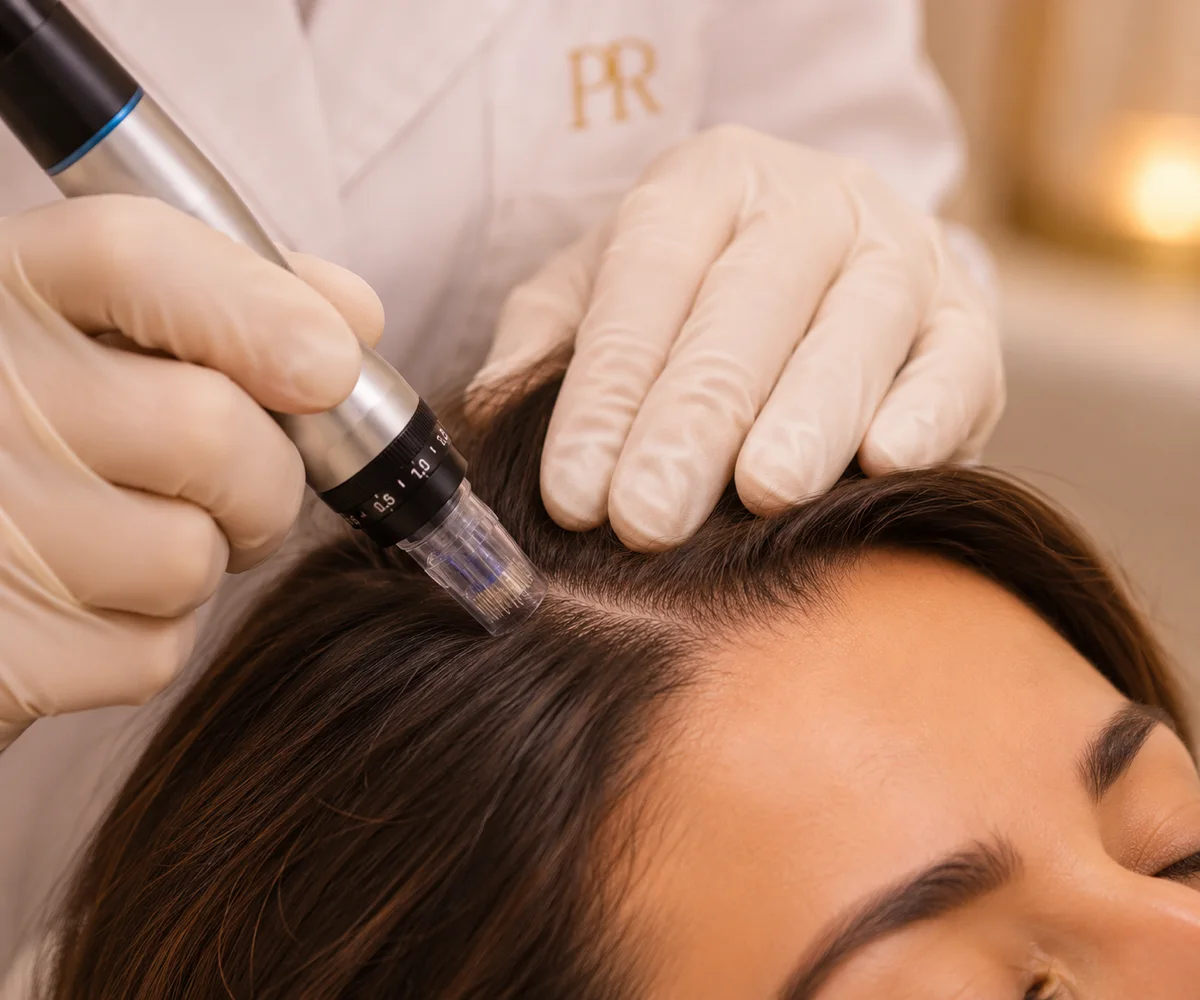
Microneedling device next to the scalp, with the hair parted

Stimulation

Hair microneedling

Controlled micro-injuries on the scalp that may help stimulate the area and favour the absorption of other active ingredients. The response is variable and the doctor assesses whether it is appropriate.

Suitable when

the doctor considers it useful to stimulate a weaker area, alone or as a complement.

Find out more

What about oral therapy and other medical options? When there is a cause to treat, such as a deficiency or a scalp condition, the doctor explains the options, chooses them after the assessment and, if useful, the tests. Results are gradual.

What the journey looks like

From the first consultation to follow-up

No treatment starts without an assessment consultation with the doctor. This is how it works.

  1. 01At the clinic

    Assessment consultation

    The doctor asks when you noticed the difference, whether there was shedding, an illness or stress, and which hairstyles and products you use, and examines the scalp and the strands.

  2. 02At the clinic

    See what is lacking

    If useful, requests tests, for example for iron and thyroid, and explains what to expect and how long it may take.

  3. 03At the clinic and at home

    A plan tailored to you

    Treats the cause and combines the treatments that make sense with care at home, always adapted to your case.

  4. 04Over time

    Follow-up

    We review the hair after a few months and adjust the plan, because hair takes time to respond.

Day to day

What helps at home

Protecting the hair you already have and giving time to what is growing counts for a lot, alongside the doctor's plan. These are the kinds of care that matter most.

The golden rule

Protecting the strand and giving regrowth time

Hair grows slowly and the new strands take time to match the rest. Avoiding what breaks the hair and assessing early what does not improve is what helps most.

Treat it gently

Fine, new strands break easily.

In practice: brush slowly, with a soft-bristle brush, starting at the ends.

Protein at every meal

Hair is made of protein.

In practice: include eggs, fish, legumes or yoghurt in your meals.

Moisturise and protect

Dry ends break more.

In practice: use a mask or a light oil on the lengths and protect the hair from the sun.

Consistency

Results depend on persistence.

In practice: follow the agreed plan and attend the reviews.

Dr Michelle Campagnoli, clinical director of Clínica Luxmed

Who will look after you

An assessment carried out by the doctor

At Luxmed, the first step is always an assessment consultation with Dra. Michelle Campagnoli. She works out what is behind the uneven hair, requests tests if useful and designs the plan with you.

  • Physical examination and medical historyAssessment of the scalp, the strands, the hair cycle and the habits and products you use.
  • A plan tailored to youA plan suited to your case, clearly explained, with follow-up over time.
  • No obligationThe cost of any treatment is confirmed only after the assessment.
Book an assessment consultation

Book a consultation

Book your consultation

Choose how you prefer to get in touch. We will arrange the assessment consultation with Dr Michelle Campagnoli.

Booking through the website100€70€Assessment consultationExclusive price for those who book the assessment through the website. Outside the website, the price is 100 €.

New Life Miraflores, Algés · Office Center, R. Santa Teresa do Menino Jesus n.º 6, 9.º C, 1495-048

Your details are used only for this contact. Any treatment depends on a prior medical assessment.

Request an appointmentIt takes less than a minute.
Speciality
You do not need to go into detail. The doctor will talk to you during the consultation.
Request received. Our team will contact you as soon as possible.
Is it normal for hair to grow unevenly?

In part, yes. The strands do not all grow at the same time, because each is in its own phase of the cycle, so lengths differ. What deserves attention is an area that is clearly finer or shorter.

What are baby hairs?

They are short, fine strands near the forehead, the temples and the nape. They may be regrowth, strands that have broken or strands that have always been finer. The doctor helps you understand which is your case.

How does the hair cycle work?

Each strand goes through a growth phase, a short transition phase and a resting phase, then falls out and grows back. As they are not all synchronised, the hair keeps its density while losing a few strands every day.

Will the hair grow evenly again?

After temporary shedding, the new strands usually even out with the rest over time. When there is thinning or a scalp condition, it depends on the cause. The doctor explains what is realistic for you.

Can tight hairstyles cause this?

They can. Repeated traction, especially near the front and the temples, may weaken the root and break the hair. If the cause continues for a long time, the loss may become permanent.

What treatments does the clinic use?

Depending on the case: hair NCTF, hair PRP, hair microneedling, oral therapy and treatment of the associated causes. None is chosen before the assessment consultation.

Do I need blood tests?

The doctor often requests tests, for example for iron and thyroid, because deficiencies and thyroid changes may contribute to hair loss and weak hair in some cases.

When should I book a consultation?

When the difference persists or increases, or when you notice finer hair in one area. Sudden hair loss, patches that appear quickly or a painful scalp should be seen without delay.

Do products and haircuts solve it?

Gentle care and a trim to even out the ends help the appearance, but do not treat the cause. If there is thinning or hair loss, an assessment is advisable.

Are supplements enough?

They only make sense when a deficiency is confirmed, so it is best to speak to the doctor before taking them.

We could not find that question. Ask us on WhatsApp

Scientific references

This page is based on the sources below and was reviewed by Dr. Michelle Campagnoli. Last updated on .

  1. DermNet (New Zealand). Hair shedding. (DermNet, acedido 2026-11-11)
  2. American Academy of Dermatology Association. Hairstyles that pull can lead to hair loss. (American Academy of Dermatology (aad.org), acedido 2026-11-11)
  3. Billero V, Miteva M. Traction alopecia: the root of the problem. Clin Cosmet Investig Dermatol, 2018.
  4. Asghar F, Shamim N, Farooque U, Sheikh H, Aqeel R. Telogen Effluvium: A Review of the Literature. Cureus, 2020.
  5. Grymowicz M, Rudnicka E, Podfigurna A, Napierala P, Smolarczyk R, Smolarczyk K, Meczekalski B. Hormonal Effects on Hair Follicles. Int J Mol Sci, 2020.
  6. Iyengar L, Li J. Male and female pattern hair loss. Aust Prescr, 2025.
CallAssistantAvailableBook