Is brittle hair the same as hair loss?
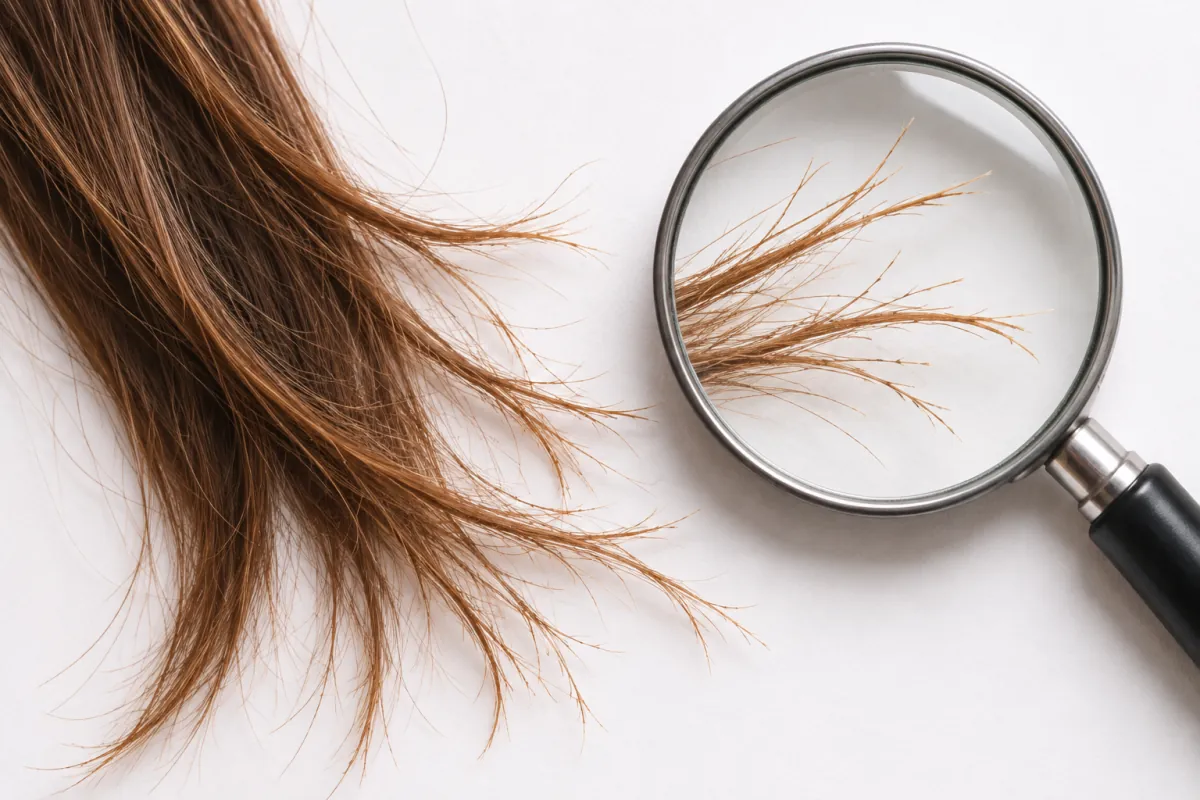
No. In hair loss, the whole strand comes out, with the root, and a small bulb can usually be seen at the tip. In breakage, the strand snaps in the middle or at the ends and stays short, with no root. They can coexist, so the doctor examines the scalp and the strands with trichoscopy. Breakage and hair loss have different causes and paths, and understanding which predominates avoids treating the wrong problem.
How can I tell whether the strands I find are breaking or falling out?
Look at one end at a time. If the strand is long and has the root, it has fallen out. If it is short, of uneven length and has no root, it has broken. Many people have both types, in different proportions. If in doubt, keep some of the strands left in the brush on a sheet of white paper and bring them to the consultation: the doctor can help tell them apart.
Why does my hair break at the ends?
The ends are the oldest and most exposed part of the hair: they have been through many washes, brushings, heat and sun. Over time, the layer that protects the strand wears away and the ends split. This is normal to some degree and gets worse with heat, chemicals and friction. Cutting the ends is the only way to remove the damaged section, and care at home helps stop it coming back quickly.
Does brittle hair go back to normal?
A strand that has already grown does not rebuild itself, so what is broken only improves when it is cut or when new hair replaces it. What can be changed is the hair that is growing in and how it is protected. If there is an underlying cause, such as a deficiency or a thyroid change, treating it may help new hair grow in stronger, gradually. The doctor explains what is realistic in your case.
What treatments does the clinic use?
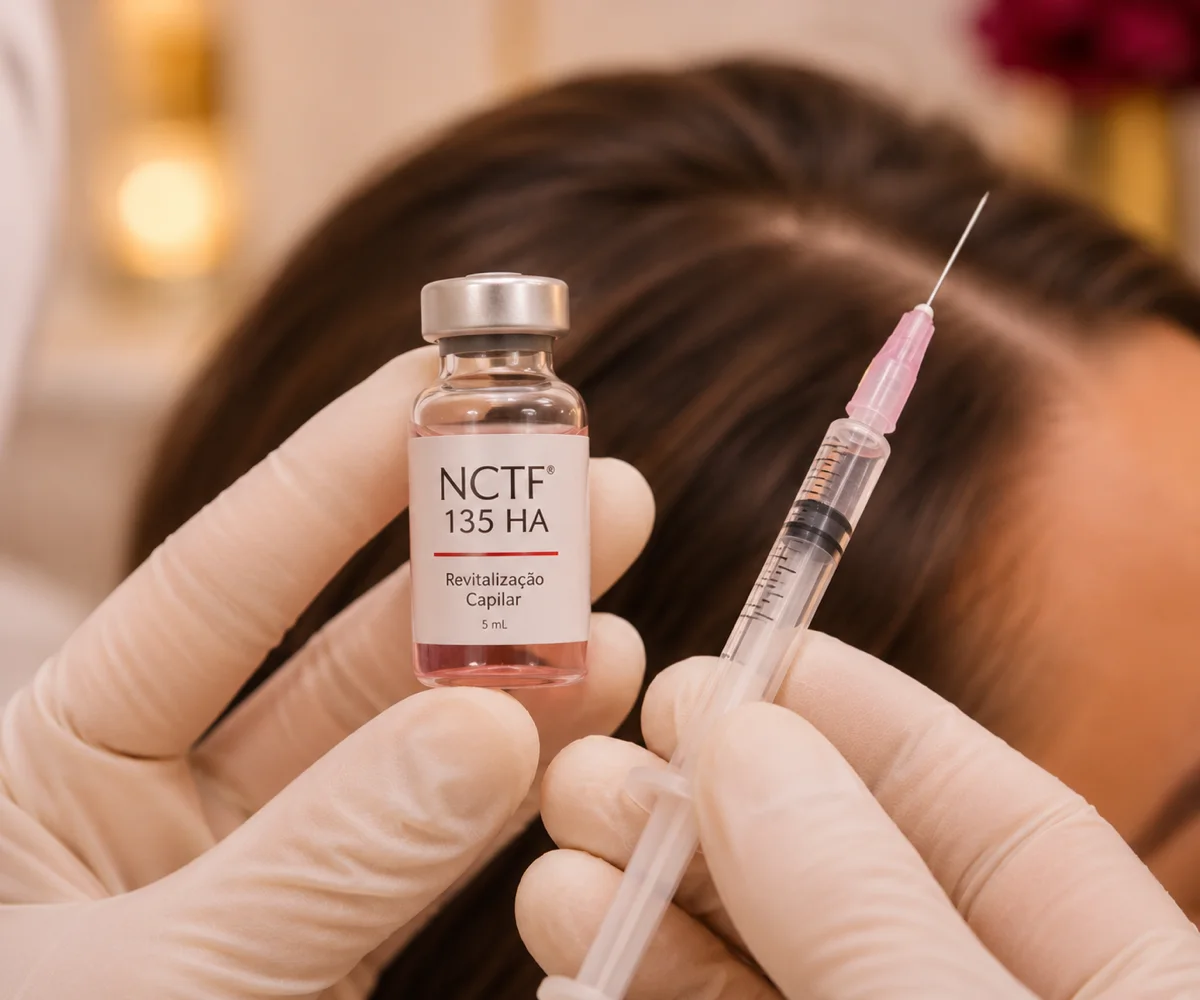
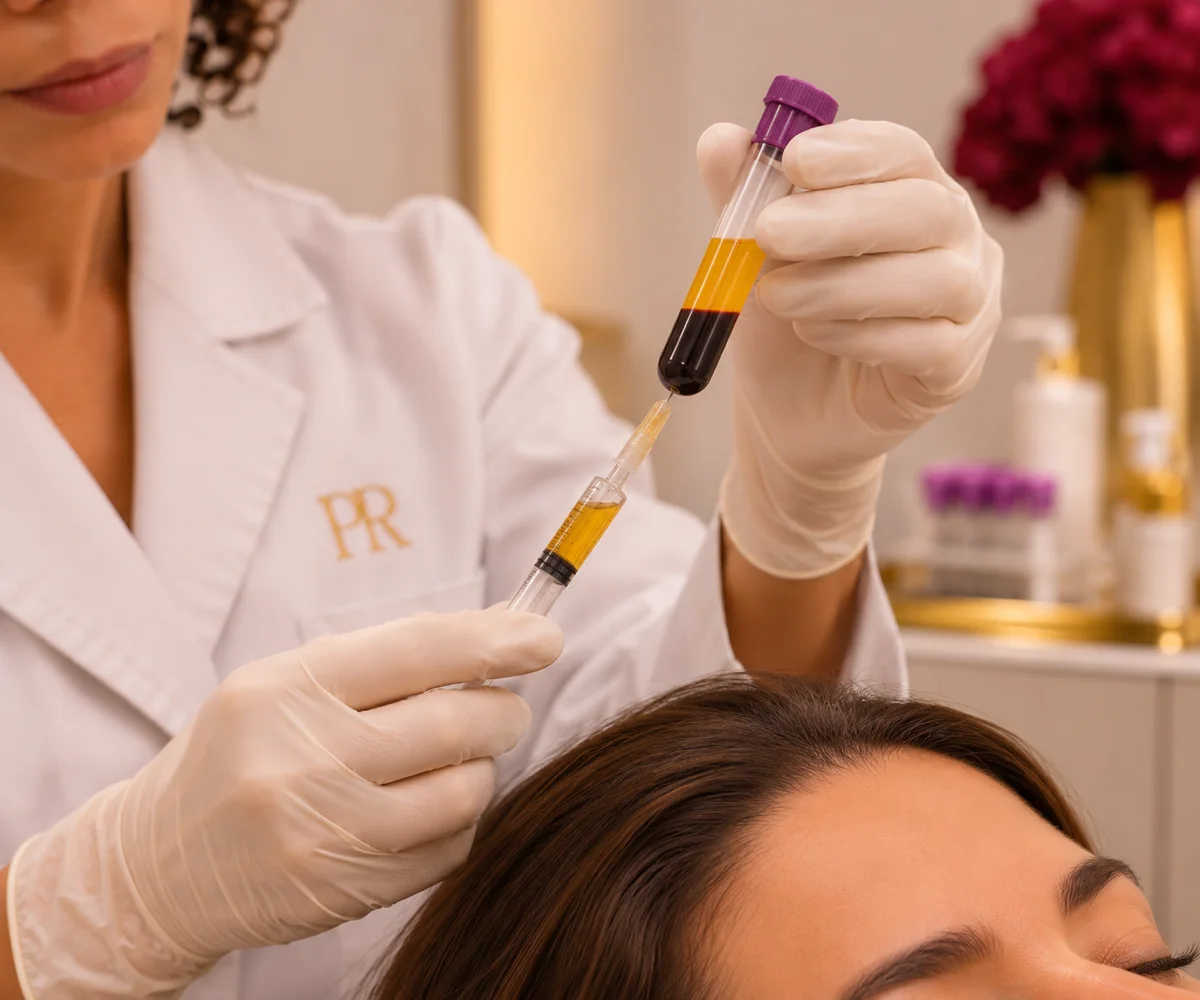
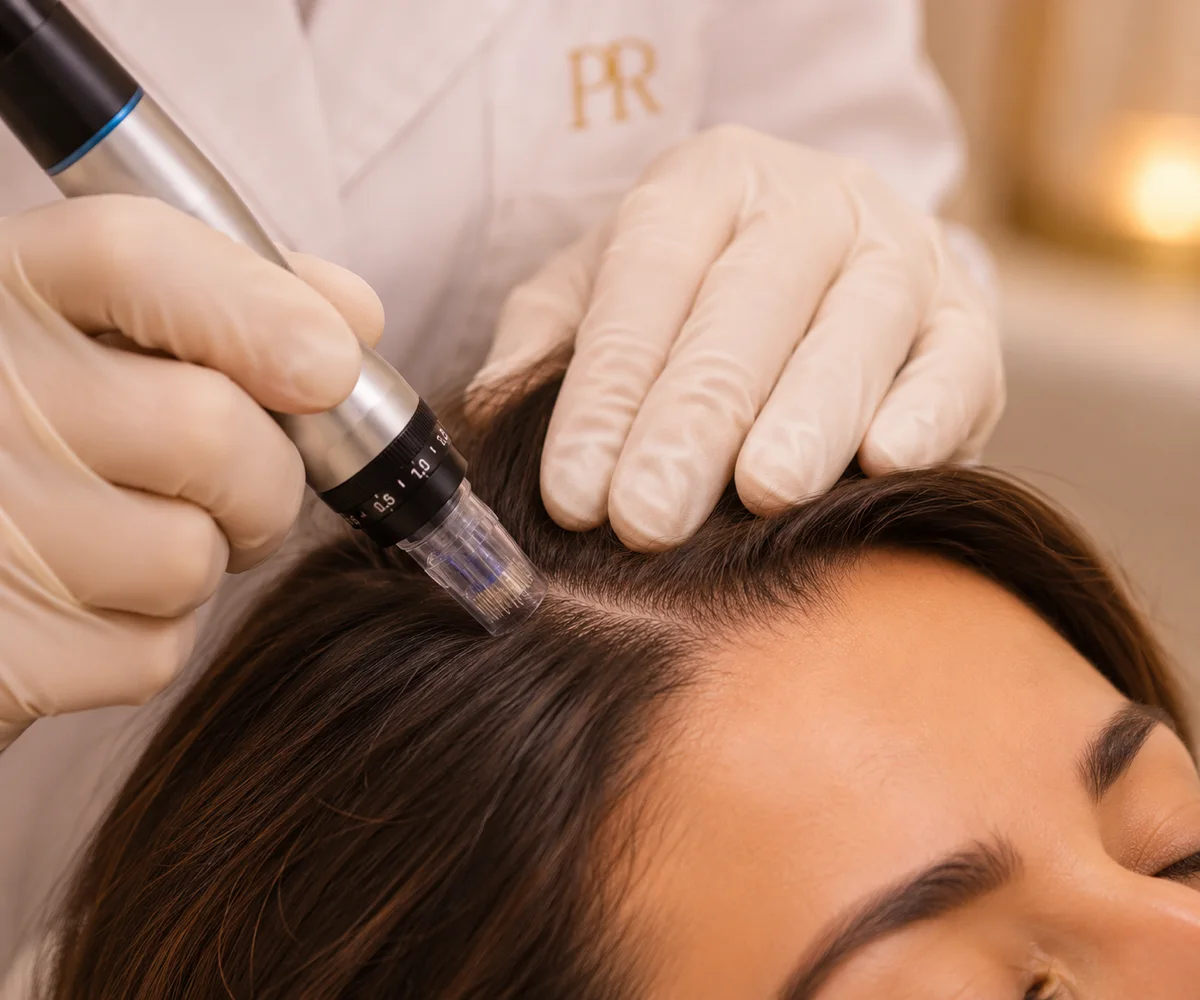
Depending on the case, the doctor may suggest hair NCTF, hair PRP or hair microneedling, always after the assessment consultation. These treatments act on the scalp and the follicle, that is, on the hair that grows in, and they do not repair a broken strand. The evidence for brittle hair is limited. In many cases the most useful step is to reduce wear and treat the cause, with no treatment at all.
Do I need blood tests?
Often, yes. If there are signs that the body may be contributing, the doctor may request tests for iron, thyroid, vitamin B12 and zinc, among others. Low iron, low zinc and thyroid disorders can leave hair weaker, and correcting the cause usually helps. Routine tests are not necessary: the doctor decides after listening to your history.
Do flat irons and hairdryers really damage the hair?
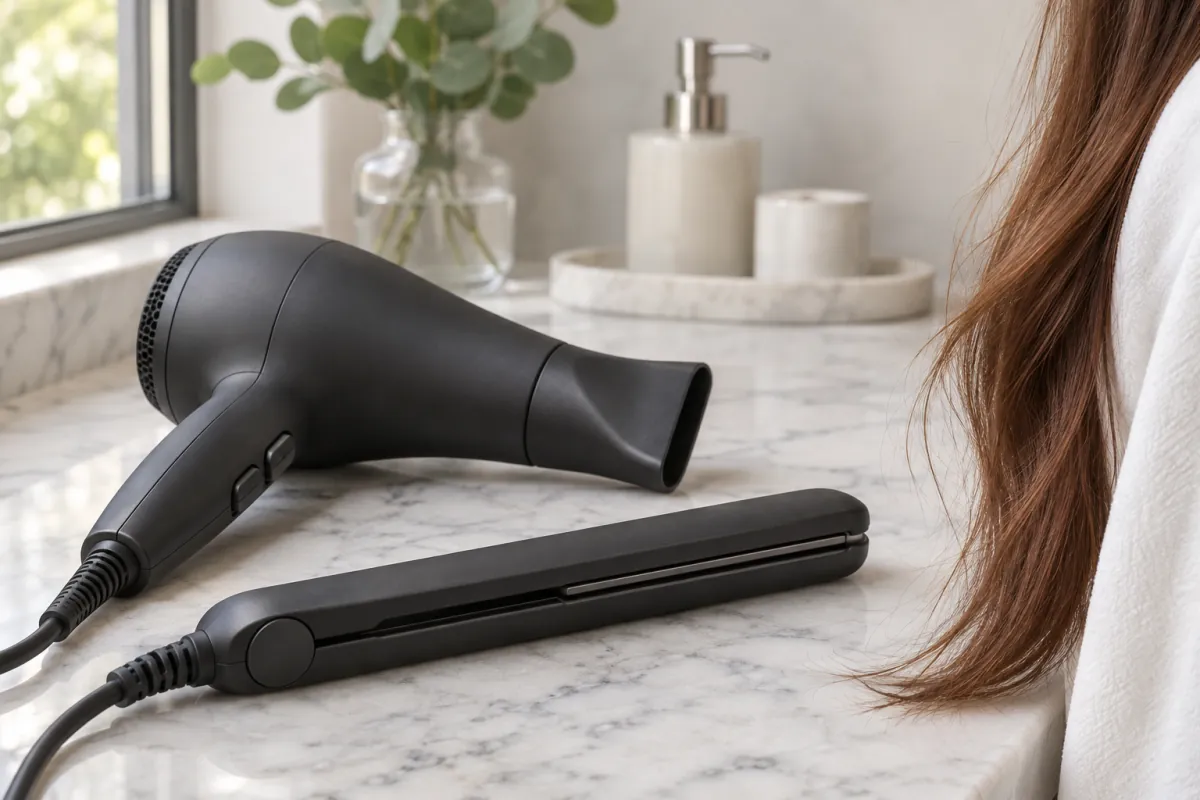
Repeated heat, especially at high temperatures and on wet hair, wears down the strand and is one of the most frequent causes of breakage. It does not mean you can never use it: it means using the lowest temperature that works, fewer times a week, and letting the hair partly air-dry first. A heat protectant may help soften the effect, without preventing the wear.
Do a satin pillowcase and a braid for sleeping make a difference?
They may help reduce friction during sleep, especially for long, curly or already fragile hair. The evidence is limited, but it is a simple, risk-free and low-cost measure. If you tie your hair up to sleep, use a loose braid or a soft fabric hair tie, without pulling tight, and avoid the same spot every night.
Do oils, masks and shampoos repair a broken strand?
They add feel, hydration and shine and can make hair softer and easier to comb, which reduces breakage when detangling. But they do not rebuild the structure of a broken strand. Choose simple products, with conditioner after every wash, and do not treat them as a substitute for trimming the ends and reducing heat and chemicals.
Do supplements, such as biotin, solve brittle hair?
They only make sense when a deficiency is confirmed. Taking biotin or other supplements without knowing what is missing may not help and, in the case of iron, may cause harm. In addition, biotin can interfere with some test results, so tell the doctor or the laboratory that you take it. First assess, then decide.
What is trichotillomania and how does it relate to broken strands?
It is a habit of pulling, twisting or tearing out the hair, often without realising it, which leaves short, broken strands and can cause small patches. It is an impulse-control disorder, which usually begins in childhood or adolescence, and it can be treated, above all with cognitive-behavioural interventions. If you recognise yourself in this, speak to the doctor without fear: she examines the hair and refers you to appropriate support.
Can brittle hair be a sign of an eating disorder?
In some cases, yes. Dry, brittle hair that also falls out, with fragile nails and dry skin, may reflect deficiencies of iron, zinc and vitamins associated with very restrictive diets or eating disorders. This does not mean it is your case. If you feel that your relationship with food is difficult, the doctor talks about it without judgement and helps you find appropriate support.
When should I book a consultation?
If the hair breaks for no apparent reason, if it does not improve after a few months of less heat and less friction, or if you have other signs such as tiredness, fragile nails or weight change. Sudden hair loss, a painful scalp, sores or patches that appear quickly should be seen without delay.
How long does it take to see improvement?
It depends on the cause and the length of the hair. New hair grows slowly, so changes are only noticeable after a few months, and the broken length only disappears with a haircut. The doctor explains what to expect in your case and follows the progress, without promising timeframes.