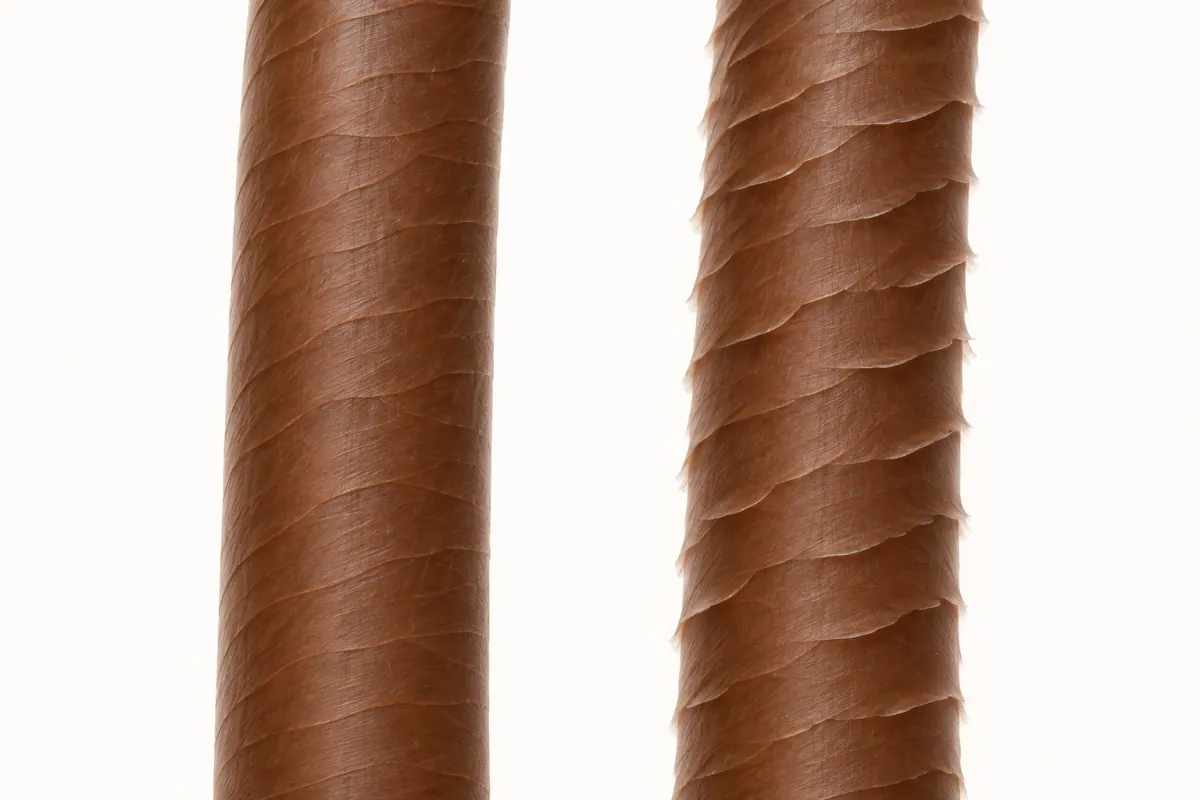
Why is my hair so dry and rough?
It usually results from wear on the cuticle, the outer layer of the hair strand, caused by heat, chemicals, sun, sea, friction or harsh washing. When the hair loses this protection, it becomes rough, dull and tangled. But there may also be an underlying cause, such as a deficiency or an underactive thyroid, especially if you notice tiredness, dry skin or feeling cold easily. A medical assessment helps to see what weighs in your case.
What is hair porosity?
It describes how easily the hair strand lets water in and out. Highly porous hair has a damaged or open cuticle: it absorbs water quickly, but also loses it quickly, and so it dries out and goes dull fast. It is often seen in bleached or heavily heated hair. It is a way of describing damage, not a diagnosis, and it is not something that can be measured accurately by eye.
Is it a problem of the strand or of the scalp?
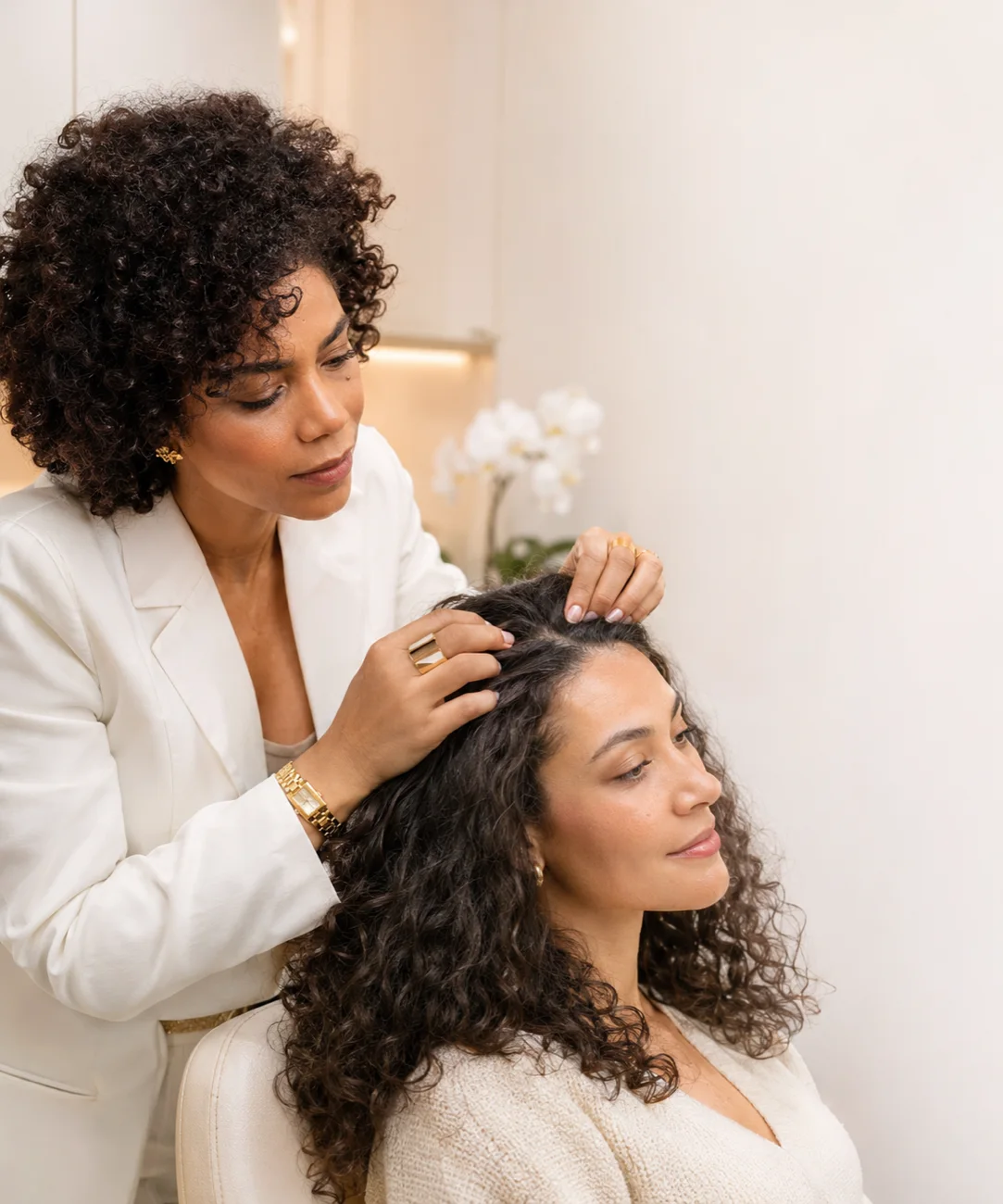
If the scalp is normal, with no flaking, itching or redness, and it is the ends and lengths that are dry and dull, the problem usually lies in the strand. If there is flaking, itching, oiliness or redness, there may be a scalp condition, and that is treated differently. The doctor examines the scalp to tell one from the other.
Can split ends be repaired?
No. A split end is a strand that has broken along its length, and no product “glues” it back in a lasting way. Cosmetics can disguise and smooth it for a while, but only cutting resolves it. Trimming a little regularly stops the split from travelling up the strand, and often the hair looks fuller and healthier afterwards.
Do masks, oils and serums work?
They help to smooth and protect the cuticle and may reduce frizz and breakage, which is useful. They do not rebuild the keratin of hair that has already grown, and studies on which products actually protect are inconsistent. They work better as support for gentler habits than as a sole solution. If you spend a lot on products and the hair keeps getting worse, it is worth assessing whether there is another cause.
Do the clinic's treatments repair dry hair strands?
No, and it is important to say so. Hair that has already grown is not alive, and injections or active ingredients applied to the scalp act on the scalp and the follicle, that is, on the hair that grows in. They may make sense when, besides dryness, the hair is weaker or finer, and the doctor assesses whether they are appropriate. The evidence is limited and the response varies from person to person.
What treatments does the clinic use?
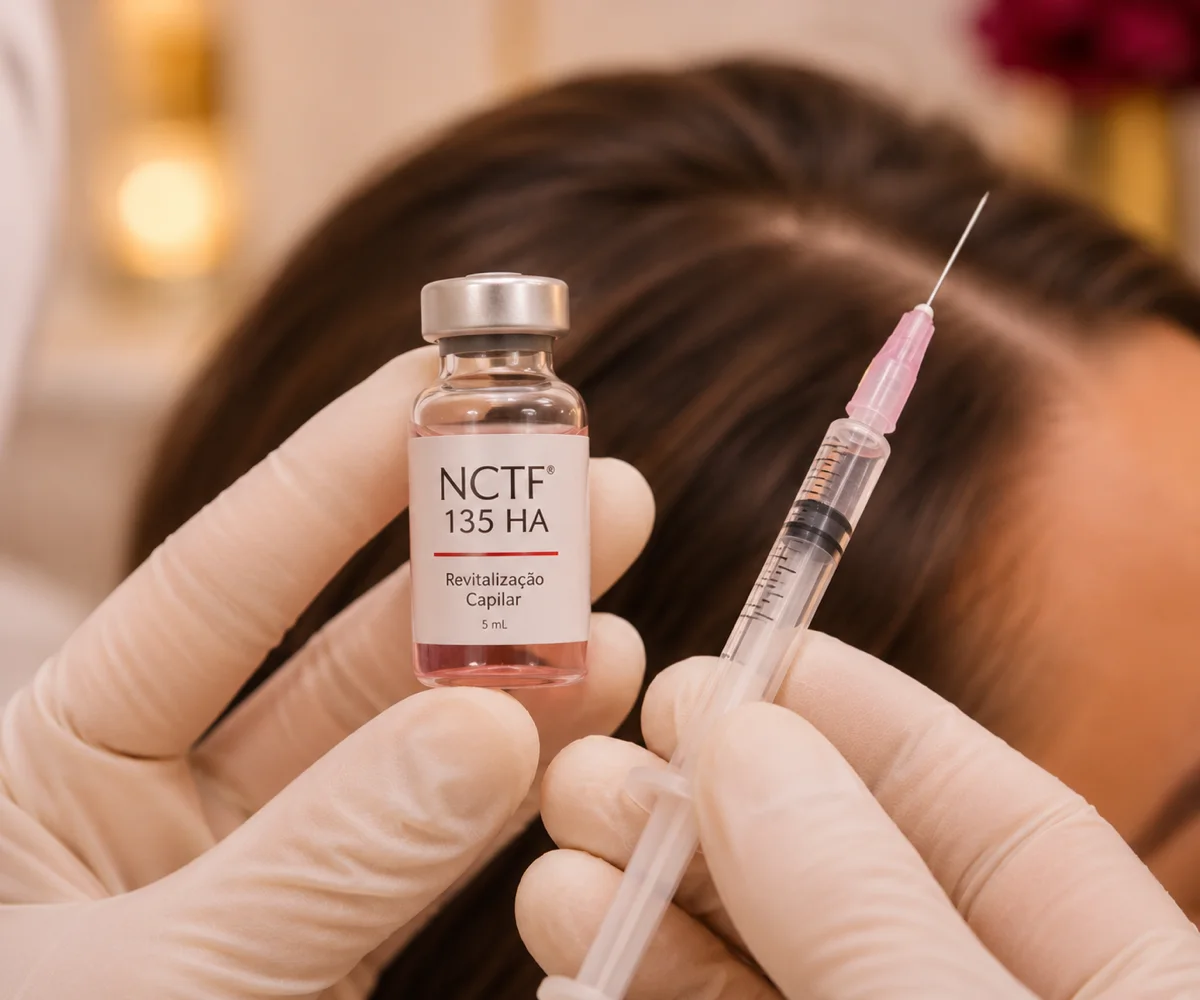
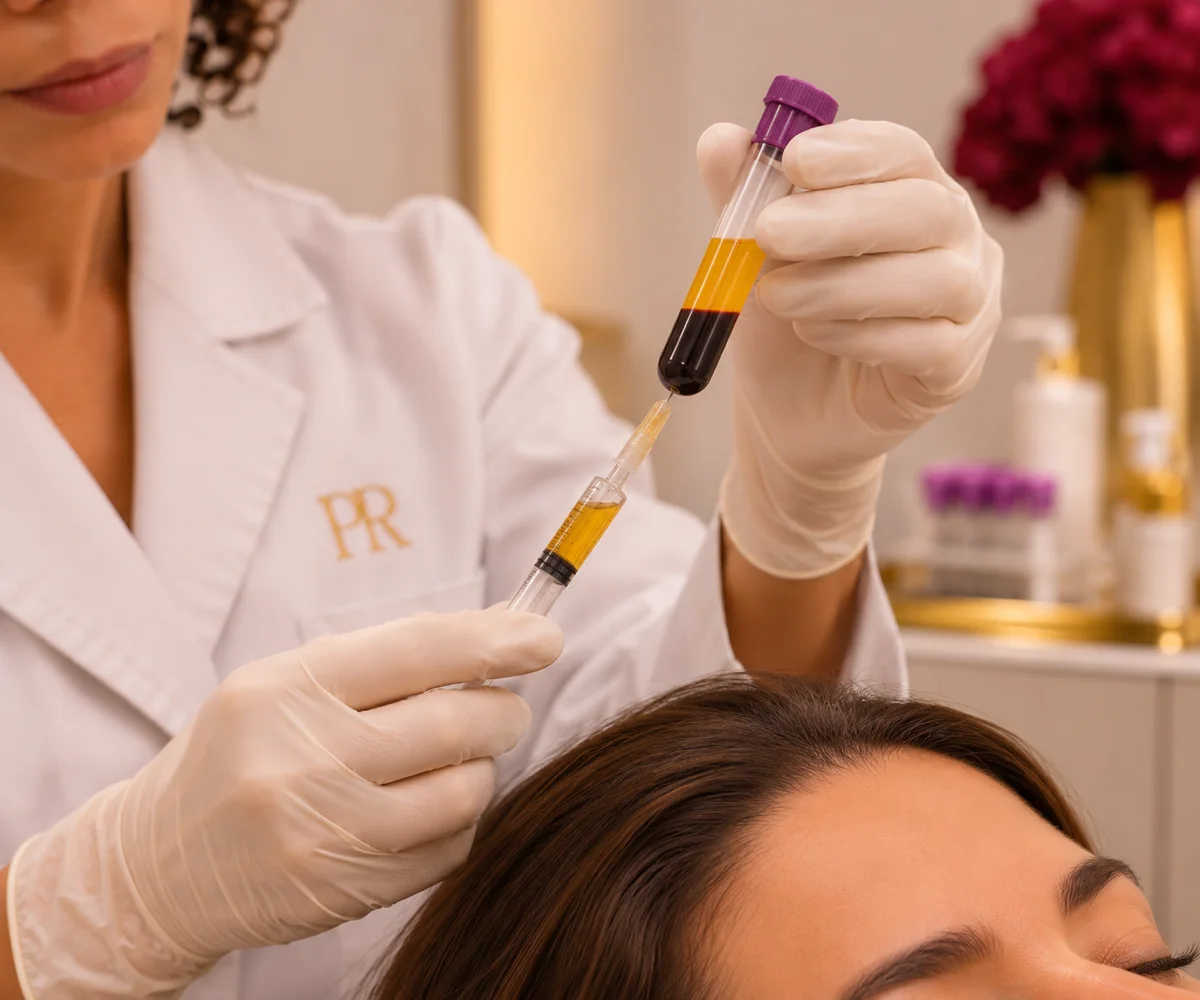
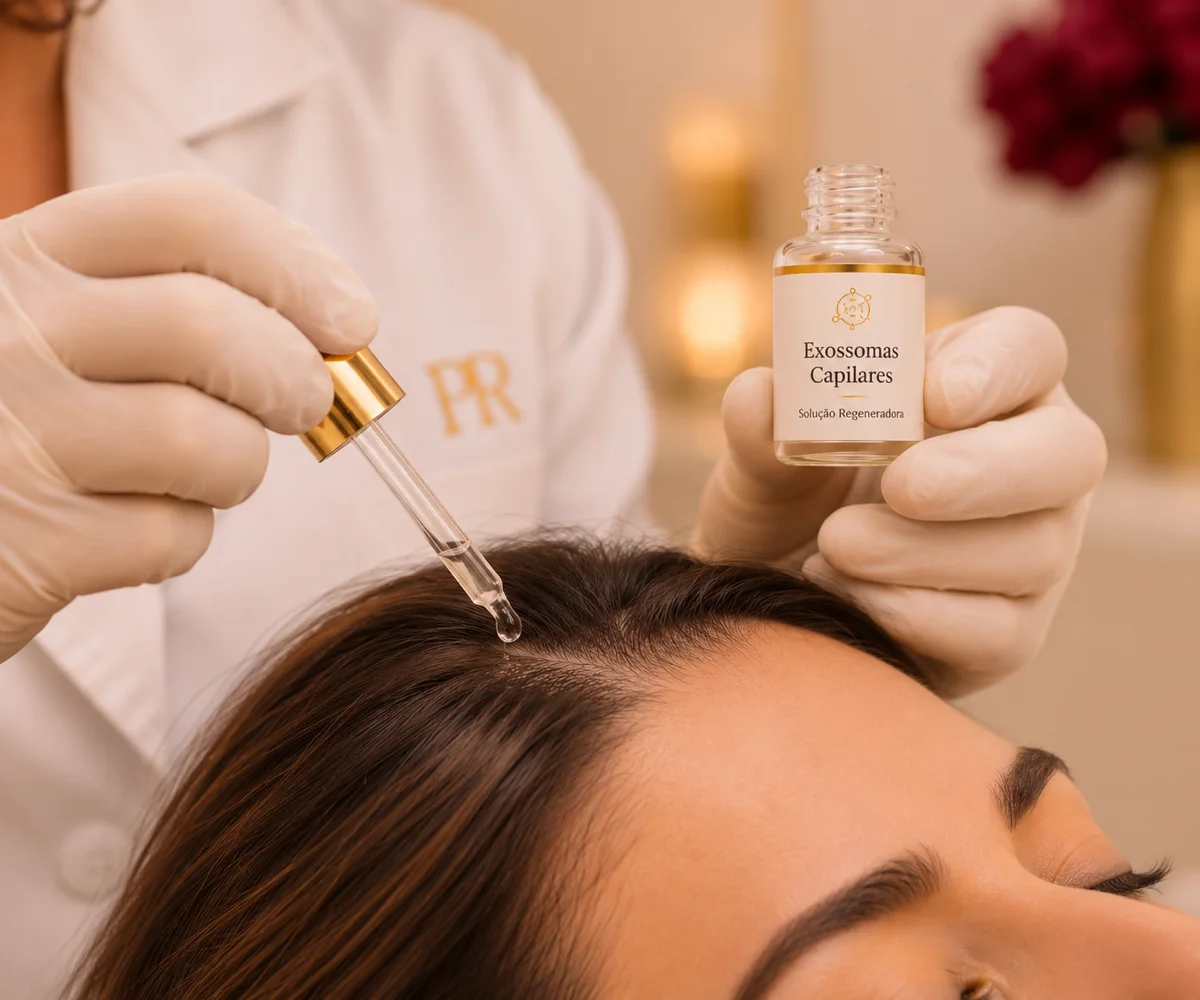
Depending on the case: hair NCTF, hair PRP and hair exosomes, applied to the scalp, and follow-up of associated causes. None is chosen before the assessment appointment, and for hair that is merely dry the doctor may conclude that the most useful thing is indeed to change habits and treat an underlying cause, with no treatment at all.
Can dry hair be a sign of a thyroid problem?
It can. An underactive thyroid is associated with dry, coarse, brittle hair that grows slowly, and sometimes with diffuse hair loss, often together with other signs such as tiredness, dry skin and feeling cold easily. It is not the most common explanation for dry hair, but it is worth considering when there is more than the hair involved. The doctor decides whether blood tests are useful, and only the result shows whether this is the case.
Is a vitamin or iron missing?
It can happen, but the sources we consulted link iron, zinc and protein mainly to hair loss. So a lack of vitamins is a hypothesis, not a conclusion. Taking supplements on your own rarely solves it and can even do harm, especially iron. It is best for the doctor to assess whether there is reason for blood tests and to interpret the results.
Are some types of hair more prone to dryness?
Yes. Curly and coily hair tends to be drier, because the oil from the scalp travels down the strand with more difficulty, and it breaks more easily. This is not a flaw: it simply calls for suitable care, such as detangling when the hair is damp and with conditioner, and less friction and heat. Dryness also increases with age and at menopause, and it is worth mentioning this at the consultation.
Can I have dry hair and an oily root at the same time?
Yes, and it is common. The scalp may produce oil while the lengths and ends, which are older and more worn, are dry. In that case, washing more to remove the oiliness while moisturizing the lengths at the same time seems contradictory, but it is managed by treating the two areas differently: a gentle shampoo on the root and conditioner only on the lengths. If there is flaking or itching, ask the doctor.
How long does it take to notice an improvement?
Hair that has already grown only improves in appearance, with care and trimming, and this may be noticeable after a few weeks of gentler habits. New, healthy hair only appears with growth, which is slow, and the results of any plan can only be assessed after a few months. The doctor explains what to expect in your case, without promises.
When should I book a consultation?
If the hair has been dry for months despite care, if it got worse quickly without any change in habits, if there are other signs in the body (tiredness, dry skin, hair loss) or if the scalp has flaking, itching or redness. Sudden and heavy hair loss, pain, sores or patches that appear quickly should be seen without delay. If only the strand is worn from heat and chemicals, a good hairdresser and new habits may be enough.