Algés, Oeiras Mon to Fri · 09:00 to 13:00 and 14:00 to 19:00 · Sat · 09:00 to 14:00
WhatsApp Book a consultation

Body aesthetics

Cellulite with swelling and fluid retentionWhen the legs swell and feel heavy and cellulite looks worse at the end of the day

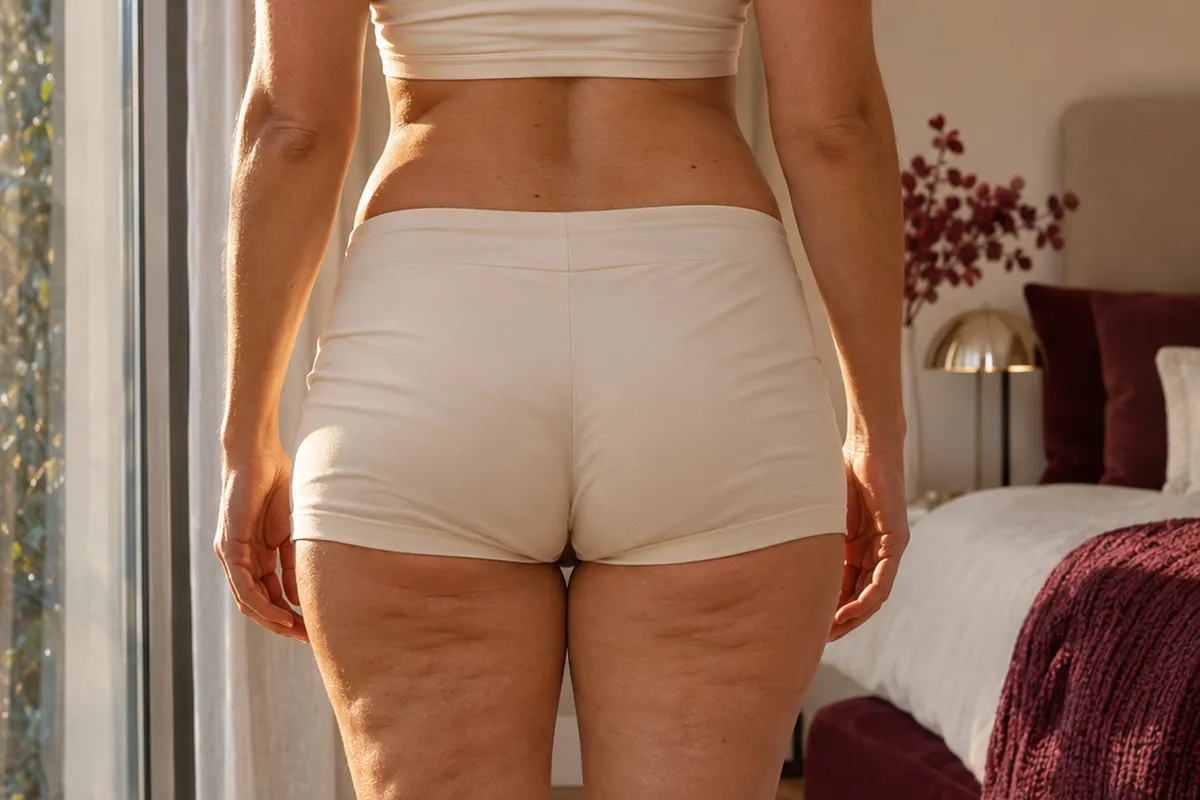
Some people notice that cellulite looks more pronounced at the end of the day, in hot weather or in the week before menstruation, precisely when their legs are swollen and feel heavy. It is not your imagination: fluid accumulating in the tissue beneath the skin increases its volume and makes the dimples more noticeable. Fluid retention does not cause cellulite, but it can worsen its appearance, and not all swelling is ‘just fluid retention’: some causes require medical assessment before any treatment. Here, we explain how to distinguish ordinary swelling from swelling that needs attention, which lifestyle measures can help, what lymphatic drainage, carboxytherapy and radiofrequency can and cannot do, and how treatment is selected at Clínica Luxmed, in Algés.

Reviewed by Dr Michelle Campagnoli, clinical director

  • 2procedures for this topic
  • 1assessment, always first
  • Nocommitment
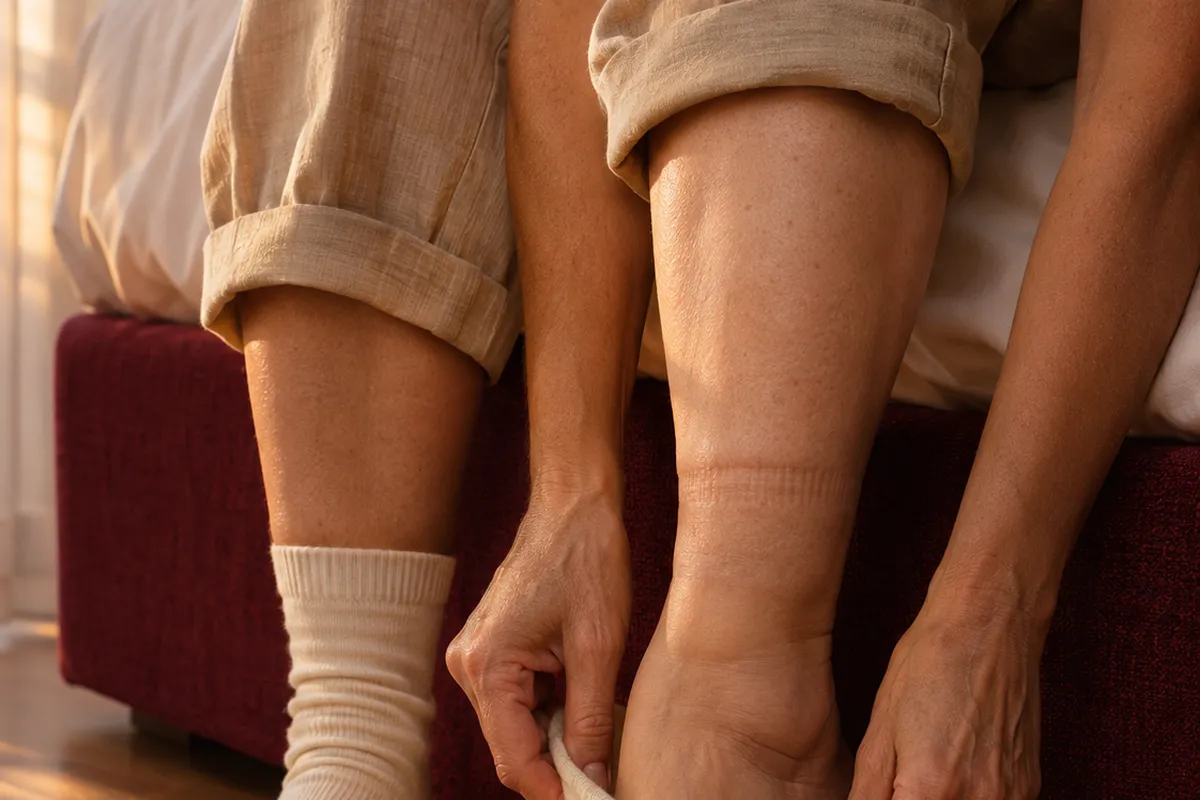
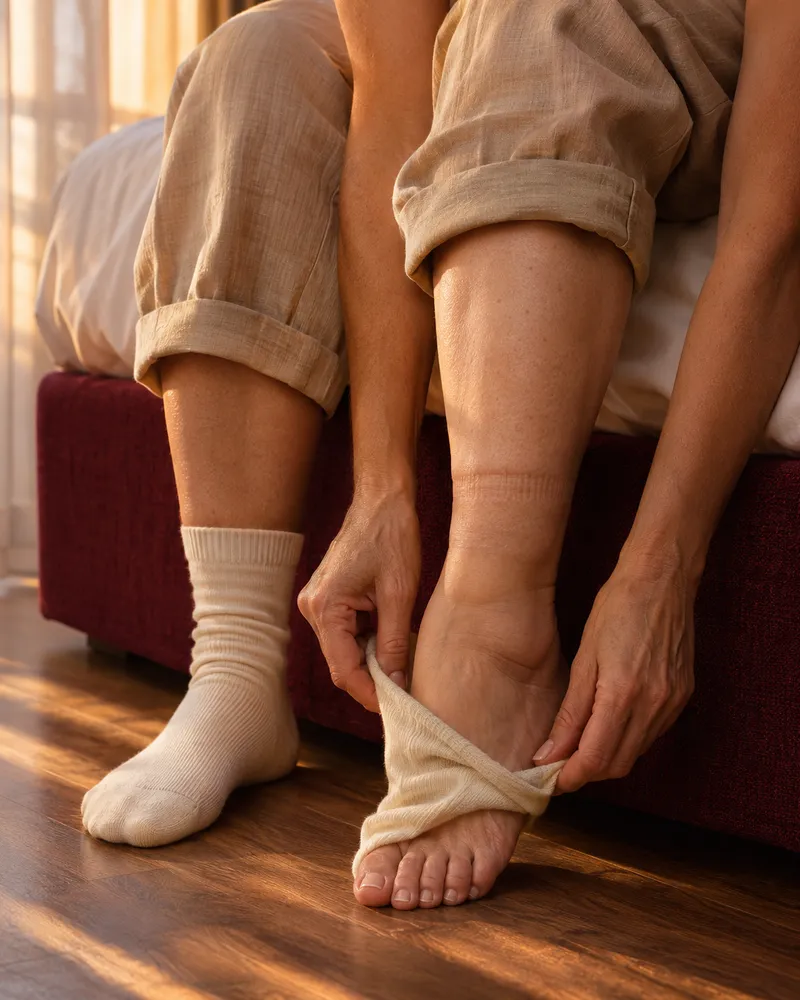
Woman sitting taking off a sock, with a slightly swollen ankle

How to recognise it

Is retention making cellulite worse?

Cellulite associated with swelling follows a pattern: it changes over the course of the day and in hot weather. These signs can help you determine whether this applies to you before your assessment.

Tick what you recognise0/7

Tick the signs you recognise in your case. This is not a diagnosis, it is only meant to give you an idea.

Did the swelling appear suddenly, is it only in one leg, or does it come with pain, warmth, redness or hardened, shiny skin? Is there shortness of breath, great tiredness, swelling that does not go down in the morning or changes in urine? You need medical assessment on the same day, before any treatment. If in doubt, call SNS 24: 808 24 24 24.

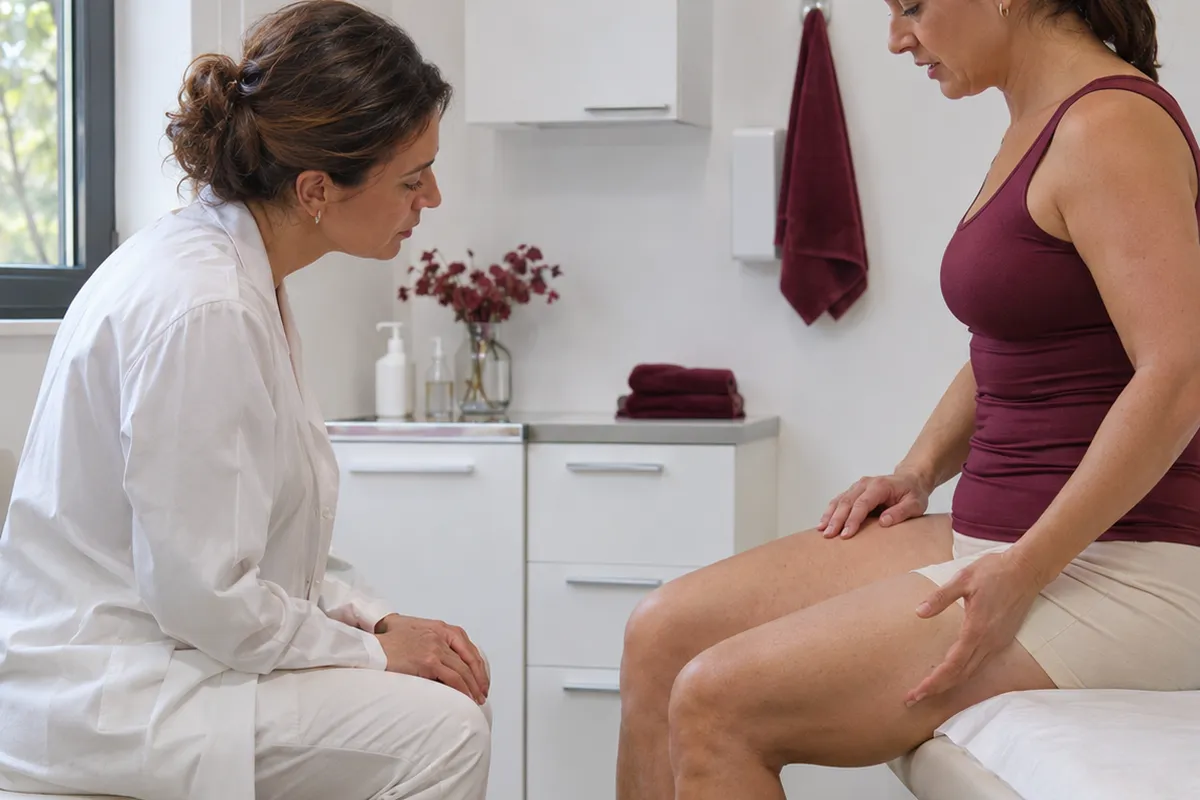
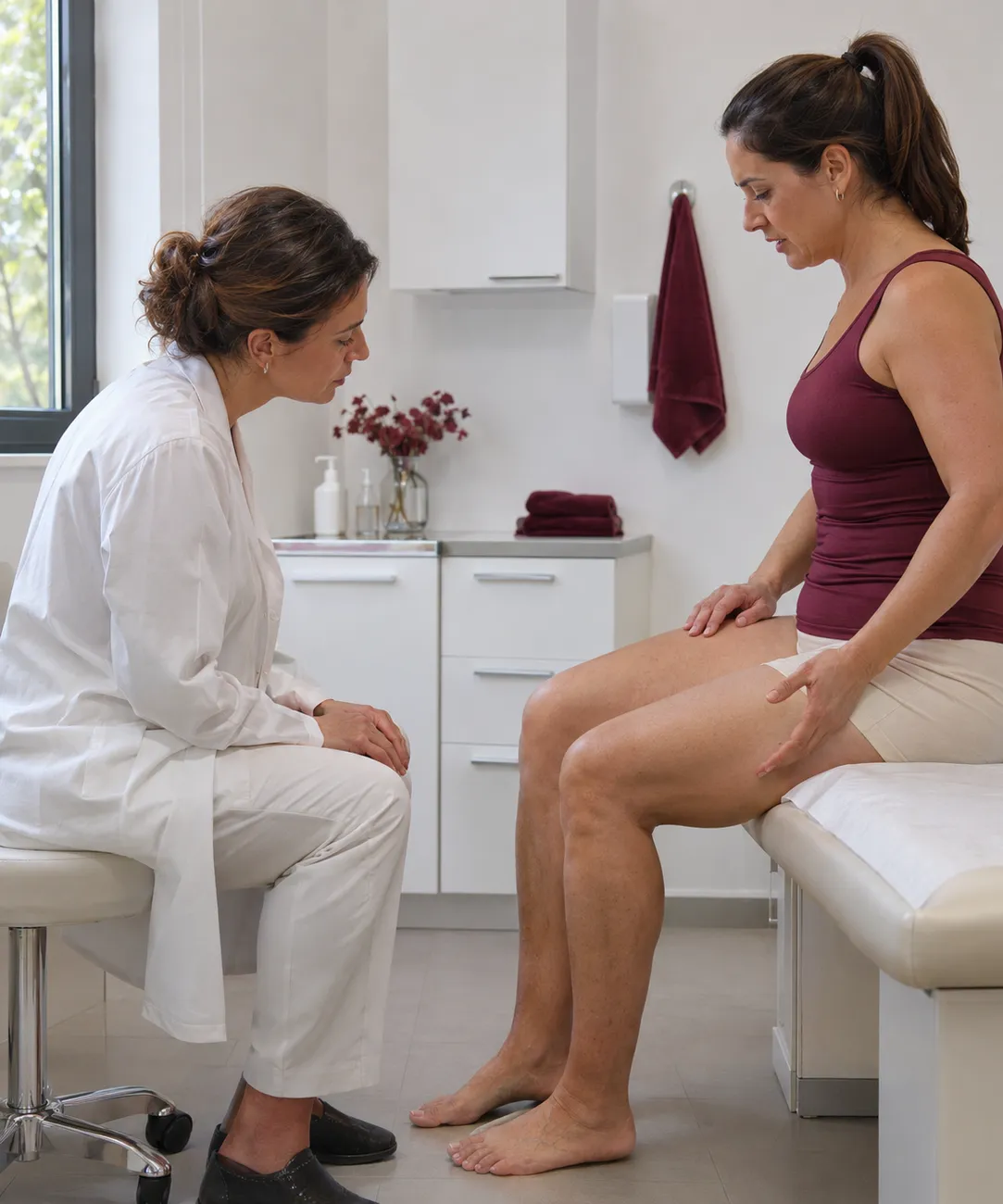
Female doctor sitting beside a woman on the examination couch, examining her legs
Photograph of a consultation. The dots mark what the doctor is assessing.

Why it happens

What makes the legs swell

Swelling rarely has a single cause. Select a situation to see how it affects cellulite and what usually helps.

Long periods standing or sitting

The calf-muscle pump helps move blood and lymph back up the legs. When you remain still for hours, fluid tends to accumulate in the tissues, causing the legs to swell and making the dimples more visible.

What weighs on it

Long shifts standing or at a desk, without breaks or movement, and crossing the legs for hours.

What helps

Getting up and walking for a few minutes every hour, doing ankle exercises and raising the legs at the end of the day.

Normal or to be assessed

Everyday swelling or something that needs assessment

Everyday swelling, on both sides and improving with rest, is very common. But there are situations in which swelling is only the visible part of another problem and should be seen first.

  • How it looks. Swollen, heavy legs at the end of the day, on both sides, improving in the morning or with the legs raised, with the dimples more marked.

  • When it is noticed. In the heat, after many hours standing or sitting, or before menstruation.

  • What the clinic does. The doctor listens to the history, examines the legs and confirms that there are no signs of another cause before proposing what makes sense.

  • At home. Movement, legs raised, less salt and, if indicated, suitable compression stockings.

Do you have shortness of breath, chest pain, or a leg that has suddenly become swollen, painful and warm? Call 112. If you have doubts about swelling, seek medical assessment on the same day or call SNS 24: 808 24 24 24.

Book an assessment

What the clinic may consider

Options when retention worsens cellulite

Lifestyle measures and assessment of the cause of the swelling come first, because without them the effects of any procedure will be short-lived. Only then should the clinic’s treatment options be considered. For cellulite associated with fluid retention, the clinic offers body-contouring massage with lymphatic drainage to address swelling, and carboxytherapy to target microcirculation and the appearance of the skin. Where there is also laxity in the thighs, the doctor may consider Sectum radiofrequency by Neauvia, which targets skin firmness rather than fluid retention. Evidence for cellulite treatments is limited: studies are small and short-term, with modest results, and the effects are generally temporary and require maintenance. Results vary from person to person, and none of these procedures replaces movement and everyday self-care.

Book an assessment
Dr Michelle Campagnoli, clinical director of Clínica Luxmed

First step

Assessment consultation

The doctor listens to what you are experiencing, examines your case and explains the suitable options. No treatment begins without this consultation.

May be considered when

you want to understand the cause and decide on the best path, with time and without commitment.

Book an assessment
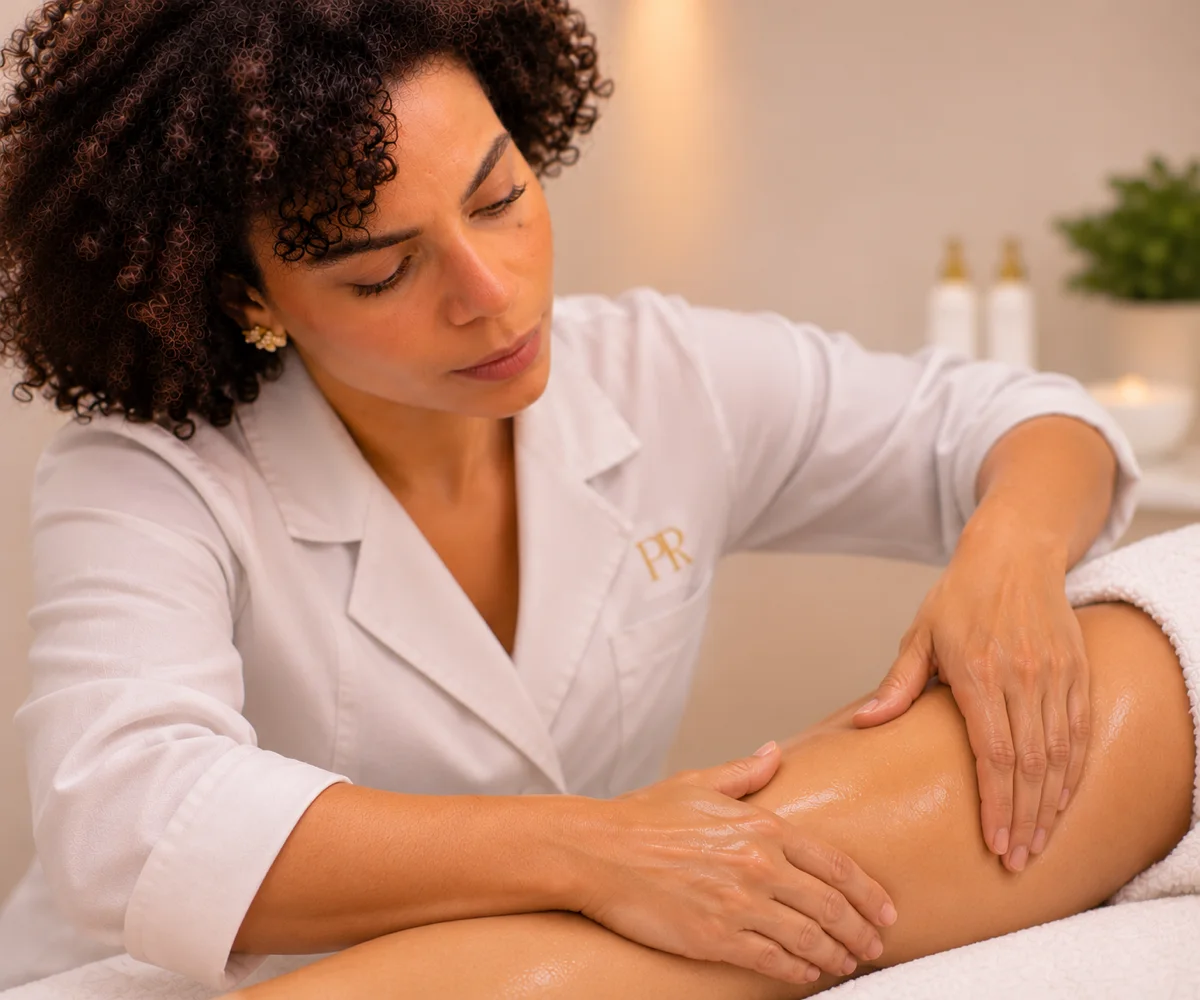
The therapist’s hands gliding over a leg in a slow, gentle movement, in bright consulting-room light

Swelling and heaviness in the legs

Slimming massage and lymphatic drainage

A gentle, rhythmic massage that stimulates lymphatic flow to reduce fluid retention and feelings of heaviness, and to improve the appearance of the skin. Studies show modest, short-lived improvements, generally similar to those achieved with other types of massage.

May be considered when

the legs swell and feel heavy at the end of the day, the assessment has ruled out thrombosis, active infection, decompensated heart failure and other causes that need different follow-up, and the doctor considers drainage appropriate.

Find out more
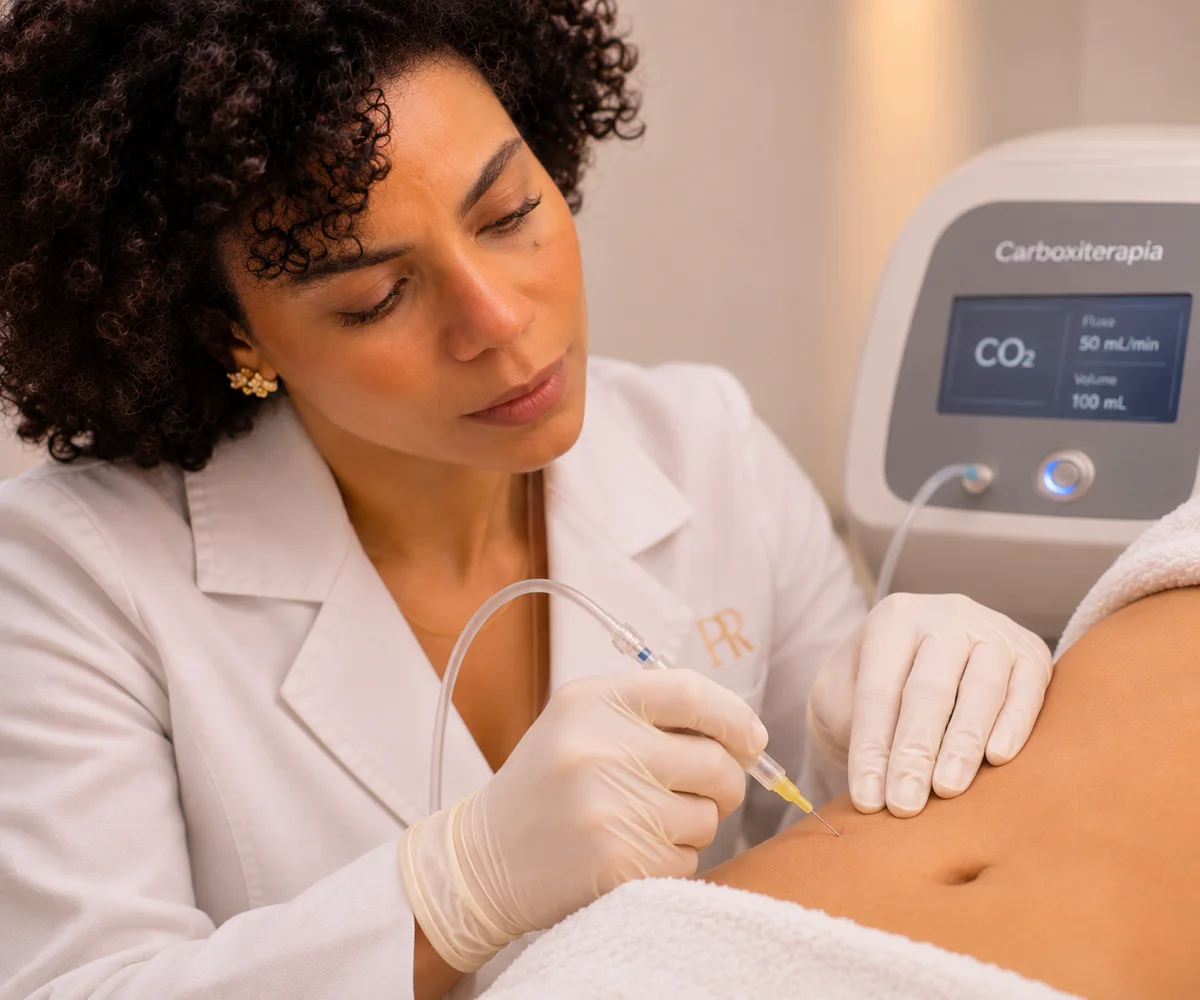
The doctor applying carboxytherapy to an area of the body, with the device in the background

Microcirculation and skin

Carboxytherapy

Application of small amounts of carbon dioxide under the skin, to improve microcirculation and elasticity, in the treatment of cellulite, stretch marks and scars. There are promising results, but more studies are needed, and the technique is carried out over several sessions.

May be considered when

cellulite is your main concern, the dimples bother you even without significant fluid retention, and the doctor considers the technique appropriate after explaining the risks and what you can realistically expect.

Find out more

What the journey looks like

From the first conversation to a plan tailored to you

No procedure begins without a consultation and assessment by the doctor. The cause of the swelling must be addressed first; only then is the appearance of the cellulite considered.

  1. 01At the clinic

    Telling the story of the swelling

    The doctor asks when the swelling is worst, whether it affects both sides, when it began, whether it changes with your cycle, pregnancy or hot weather, how many hours you spend standing or sitting, what medication you take, and what medical conditions you have. She also asks what you have already tried to reduce the swelling.

  2. 02At the clinic

    Examine and rule out other causes

    Your legs are examined while you are standing and lying down, the two sides are compared, and the skin is checked for pitting when pressed. If there are signs of thrombosis, infection, venous disease or disease affecting another organ, the doctor will request tests or refer you to another professional before recommending any procedure.

  3. 03At home

    Start with habits

    Regular movement, breaks if you work sitting down, raising your legs at the end of the day, reducing salt and, if indicated, wearing compression stockings. In many cases, these measures make the greatest difference to how comfortable your legs feel and how they look.

  4. 04Over time

    Decide and follow up

    If the cellulite persists, the doctor explains what each procedure can and cannot do, how many sessions are usually needed, and why maintenance matters. Without promising results, she repeats the examination and adjusts the plan as needed.

Day to day

What helps to reduce swelling

None of these habits eliminates cellulite, but reducing retention improves the comfort and look of the legs. They make sense while you wait for the consultation and alongside the clinic’s plan.

The golden rule

Use your muscles to help move fluid

The calf muscles act as a pump, helping blood and lymph flow back up the legs. The more you move, the less fluid remains in your legs. No cream can do this, and swelling that does not respond to these measures, or affects one side only, should be assessed by a doctor.

Walking and taking breaks

Moving makes the muscle pump in the legs work and reduces accumulated fluid.

In practice: walk every day and, if you work seated, get up every hour and raise and lower your toes.

Raising the legs

With the legs higher than the heart, fluid returns more easily.

In practice: 15 to 20 minutes at the end of the day, lying down, with the legs propped on cushions.

Reducing salt and ultra-processed food

Too much salt favours fluid retention and worsens swelling from one day to the next.

In practice: cook with less salt, check the labels and drink water regularly throughout the day.

Considering compression stockings

They help with swelling and the feeling of heaviness, especially for those who spend a lot of time standing or sitting.

In practice: ask a professional for advice, because the right compression depends on whether there are varicose veins or arterial circulation problems.

Dr Michelle Campagnoli, clinical director of Clínica Luxmed

Who will look after you

An assessment carried out by the doctor

At Luxmed, in Algés, the first step is always an assessment with Dr Michelle Campagnoli. She examines your legs, determines whether the swelling is ordinary or whether there may be an underlying cause that needs investigation, and works with you to decide on the most appropriate approach before any procedure.

  • Physical examination and medical historyA conversation about swelling, habits and medication, and an examination of both legs.
  • A plan tailored to youA clear plan, without promises, with the cause of the swelling dealt with first and follow-up over time.
  • No obligationThe cost of any treatment is confirmed only after the assessment.
Book an assessment

Book a consultation

Book your consultation

Choose how you prefer to get in touch. We will arrange the assessment consultation with Dr Michelle Campagnoli.

Booking through the websiteAssessment consultationTalk to our assistant on WhatsApp and ask for the current price of the assessment.

New Life Miraflores, Algés · Office Center, R. Santa Teresa do Menino Jesus n.º 6, 9.º C, 1495-048

Your details are used only for this contact. Any treatment depends on a prior medical assessment.

Request an appointmentIt takes less than a minute.
Speciality
You do not need to go into detail. The doctor will talk to you during the consultation.
Request received. Our team will contact you as soon as possible.
Is cellulite related to fluid retention?

In part. Cellulite is mainly due to the structure of the tissue beneath the skin, where fibres and fat create its dimpled appearance, although its origin is not fully understood. Fluid retention does not cause cellulite, but when fluid accumulates in the tissues it increases their volume and makes the dimpling more pronounced, so cellulite looks worse when the legs are swollen. This is known as oedematous cellulite. Reducing fluid retention improves appearance and comfort, but does not eliminate cellulite.

How do I tell fluid retention from fat or another cause?

Fluid retention usually affects both sides, worsens at the end of the day and in hot weather, leaves sock marks, and improves with rest and when the legs are raised. Lipoedema, by contrast, is an abnormal accumulation of fat in the legs that is symmetrical, may cause tenderness and easy bruising, and typically spares the feet. Lymphoedema is persistent swelling that can cause the skin to harden. Only a medical assessment can distinguish between these conditions, each of which requires a different approach.

Why do the legs swell more in the heat or before menstruation?

Heat dilates the blood vessels and encourages fluid to pass into the tissues, while menstrual-cycle hormones alter the body’s fluid balance. Spending long periods standing or sitting makes this worse, because legs that remain still drain less effectively. The swelling is usually temporary, affects both sides and improves with rest. If it is very severe, changes suddenly or affects one side only, it should be assessed.

Can leg swelling be a sign of venous disease, heart disease or a condition affecting another organ?

It can. Venous insufficiency is a frequent cause of swollen legs, and so are heart, kidney, liver or thyroid disease, medication and lymphoedema. That is why swelling that is new, persistent, does not go down in the morning, or is accompanied by tiredness, shortness of breath or changes in urine should not be treated as cellulite. Medical assessment comes before any aesthetic procedure.

How do I reduce leg swelling? What helps at home?

Movement matters most: walk every day, take a break every hour if you work sitting down, do ankle exercises, and raise your legs for 15 to 20 minutes at the end of the day. It also helps to reduce salt, drink water regularly, avoid very tight clothing around the waist and groin and, if comfortable, finish your shower by running cool water over your legs. Drinking more water does not increase fluid retention. ‘Draining’ teas have only a mild, temporary diuretic effect, and diuretics should not be used for this purpose without medical advice.

Does lymphatic drainage reduce cellulite?

It helps mainly when there is swelling and fluid retention, by making the legs feel lighter and improving the appearance of the skin. For cellulite itself, studies are small and show modest improvements, generally similar to those achieved with other types of massage; one study concluded that it was safe but ineffective as a stand-alone treatment. The evidence is of low to moderate quality, and the effects are short-lived without maintenance and lifestyle measures. Lymphatic drainage therefore makes most sense as an adjunct to a treatment plan, following an assessment.

Do carboxytherapy and Sectum radiofrequency by Neauvia help with cellulite associated with swelling?

Carboxytherapy is intended to improve microcirculation and skin elasticity. Reviews describe promising results, but more studies are needed. Sectum radiofrequency by Neauvia targets skin firmness in areas such as the thighs; it does not treat fluid retention. Reviews of cellulite treatments note that none has been conclusively established as effective and that follow-up periods are short. After assessing you, the doctor will explain whether either treatment is appropriate in your case.

Do compression stockings help? Can I wear them every day?

There is moderately strong evidence that medical compression stockings help relieve venous symptoms and swelling caused by venous disease. They can be worn every day if they are suitable and there are no contraindications, such as peripheral arterial disease. Compression should therefore be recommended by a professional, particularly if you have varicose veins or circulatory problems. Compression stockings do not treat cellulite, but they can relieve heaviness and swelling.

How many drainage sessions are needed and do the results last?

Many treatment plans involve one to two sessions a week for a few weeks, but the number depends on your individual circumstances and is determined by the doctor. The effects are generally temporary and vary from person to person, so maintenance and lifestyle habits matter just as much as the sessions. Self-massage techniques are available, but their effects are less pronounced. Lymphatic drainage is contraindicated in situations including active venous thrombosis, skin infection and decompensated heart failure, which is why an assessment is always carried out beforehand.

When should I seek medical assessment?

Seek a same-day medical assessment if the swelling appeared suddenly, affects one leg only, or is accompanied by pain, warmth or redness. You should also seek a same-day assessment if you have shortness of breath, severe fatigue, changes in your urine, swelling that does not go down by morning, or swelling that does not improve with measures taken at home. If in doubt, call SNS 24 (808 24 24 24). If you have shortness of breath, chest pain, or a leg that has suddenly become swollen and painful, call 112.

We could not find that question. Ask us on WhatsApp

Scientific references

This page is based on the sources below and was reviewed by Dr. Michelle Campagnoli. Last updated on .

  1. Rossi AB, Vergnanini AL. Cellulite: a review. J Eur Acad Dermatol Venereol, 2000.
  2. Luebberding S, Krueger N, Sadick NS. Cellulite: an evidence-based review. Am J Clin Dermatol, 2015.
  3. Bass LS, Kaminer MS. Insights Into the Pathophysiology of Cellulite: A Review. Dermatol Surg, 2020.
  4. Lim SK, Gultekin G, Suresan S, Jacob A, Zou Y, Liyanage DD, Parekh JN, Mavilakandy AK, Vyas K, Khajuria A. Comparative Analysis of Cellulite Treatment Modalities: A Systematic Review. Aesthetic Plast Surg, 2025.
  5. Bayrakci Tunay V, Akbayrak T, Bakar Y, Kayihan H, Ergun N. Effects of mechanical massage, manual lymphatic drainage and connective tissue manipulation techniques on fat mass in women with cellulite. J Eur Acad Dermatol Venereol, 2010.
  6. Schonvvetter B, Soares JL, Bagatin E. Longitudinal evaluation of manual lymphatic drainage for the treatment of gynoid lipodystrophy. An Bras Dermatol, 2014.
  7. Zerini I, Sisti A, Cuomo R, Ciappi S, Russo F, Brandi C, D'Aniello C, Nisi G. Cellulite treatment: a comprehensive literature review. J Cosmet Dermatol, 2015.
  8. Susini P, di Seclì D, Bacchini S, Pozzi M, Diluiso G, Marcaccini G, Brandi C, Nisi G, Grimaldi L, Cuomo R. Carboxytherapy in Dermatologic Surgery and Aesthetic Medicine: Current Knowledge and Future Perspectives-A Systematic Review. Dermatol Surg, 2025.
  9. Trayes KP, Studdiford JS, Pickle S, Tully AS. Edema: diagnosis and management. Am Fam Physician, 2013.
  10. Eberhardt RT, Raffetto JD. Chronic venous insufficiency. Circulation, 2014.
  11. Rabe E, Partsch H, Hafner J, Lattimer C, Mosti G, Neumann M, Urbanek T, Huebner M, Gaillard S, Carpentier P. Indications for medical compression stockings in venous and lymphatic disorders: An evidence-based consensus statement. Phlebology, 2018.
  12. Largeau B, Cracowski JL, Lengellé C, Sautenet B, Jonville-Béra AP. Drug-induced peripheral oedema: An aetiology-based review. Br J Clin Pharmacol, 2021.
  13. Kruger PC, Eikelboom JW, Douketis JD, Hankey GJ. Deep vein thrombosis: update on diagnosis and management. Med J Aust, 2019.
  14. Executive Committee of the International Society of Lymphology. The Diagnosis and Treatment of Peripheral Lymphedema: 2023 Consensus Document of The International Society of Lymphology. Lymphology, 2023.
  15. NHS. DVT (deep vein thrombosis). (NHS (Reino Unido), acedido 2026-11-11)
  16. NHS. Lymphoedema. (NHS (Reino Unido), acedido 2026-11-11)
  17. NHS. Lipoedema. (NHS (Reino Unido), acedido 2026-11-11)
CallAssistantAvailableBook