Algés, Oeiras Mon to Fri · 09:00 to 13:00 and 14:00 to 19:00 · Sat · 09:00 to 14:00
WhatsApp Book a consultation

Body aesthetics

Grade II cellulite (only seen standing)When dimples appear when standing and almost disappear lying down, and you want to understand what that means

Some people can see cellulite when standing in front of a mirror, but no longer see it when they lie down. This is the classic presentation of grade II, the grade most commonly seen in body aesthetics consultations. It is not a disease, the result of inadequate care or a sign that something is wrong: gravity and posture simply make the contours of the skin over the fat and its anchoring fibrous bands more noticeable. Here, we explain how the grades are classified, why its appearance changes with position and lighting, what can help at home, what in-clinic options can and cannot improve, and when an area on the leg requires medical assessment before any treatment at Clínica Luxmed in Algés.

Reviewed by Dr Michelle Campagnoli, clinical director

  • 3clinical grades of cellulite, from I to III
  • 80 to 90%of women have cellulite after puberty
  • 1assessment, always first
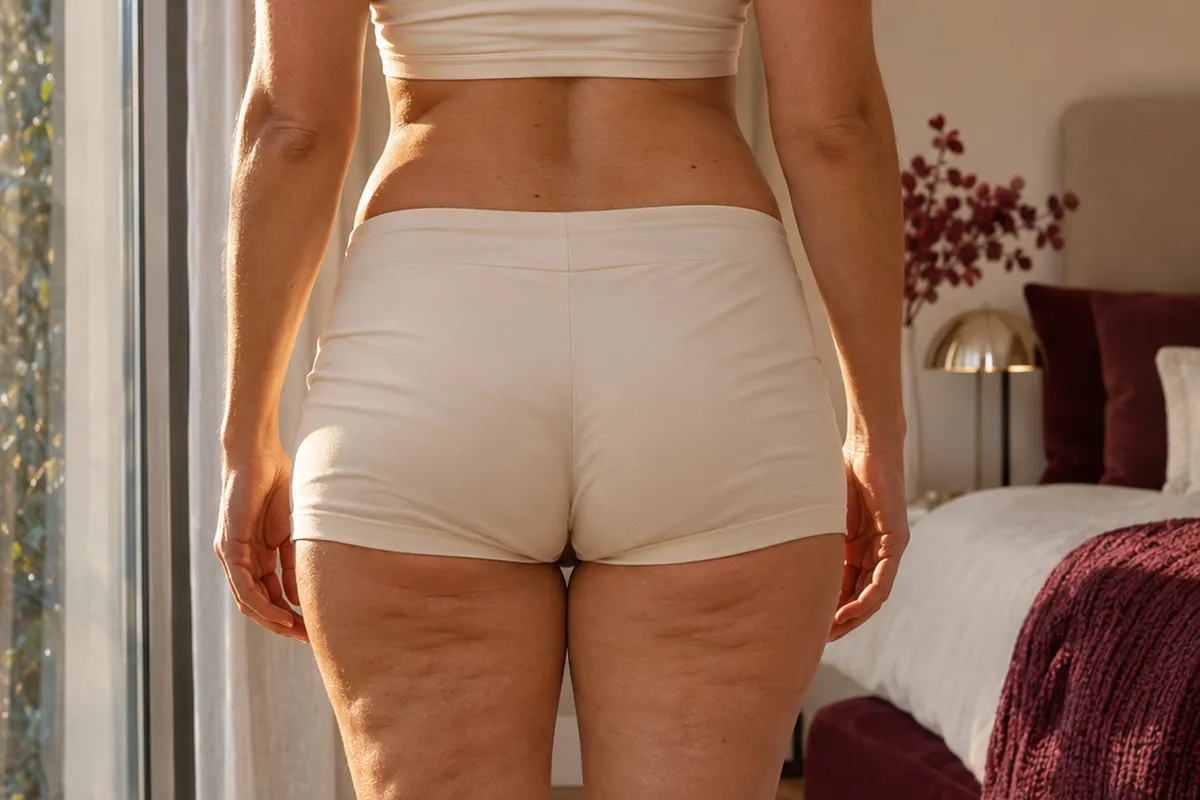
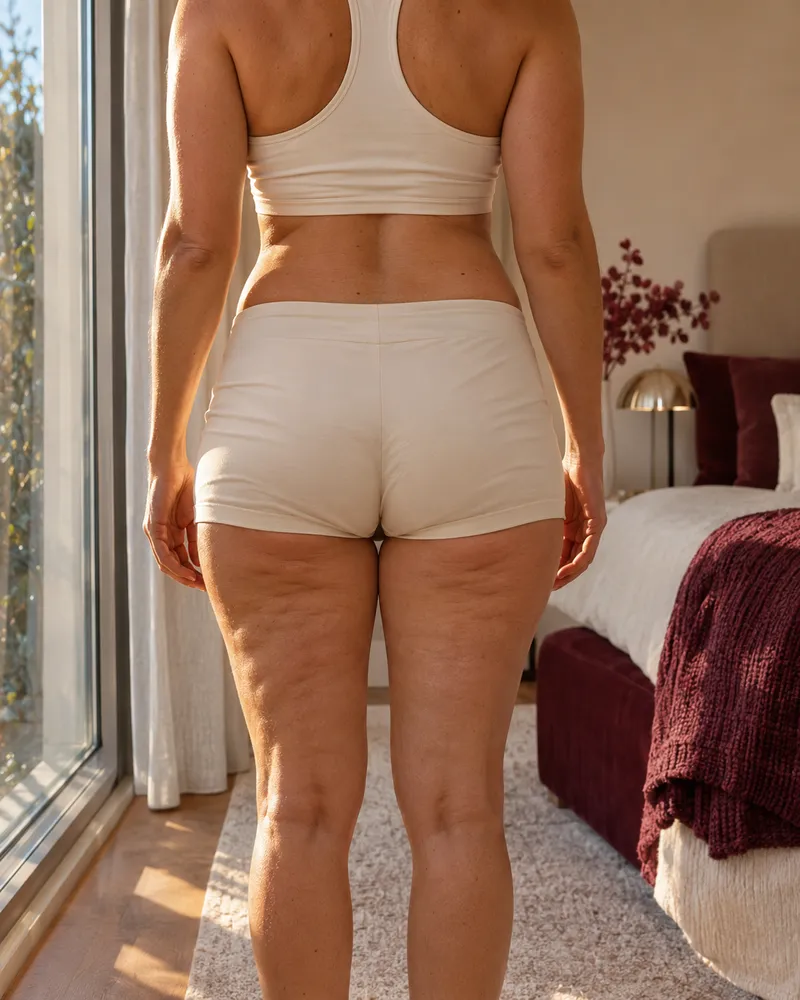
Woman seen from behind beside a window, in shorts and a crop top, with the skin texture of her thighs visible

How to recognise it

Is it grade II cellulite that you are seeing?

What distinguishes grade II is the effect of posture: the skin changes depending on whether you are standing or lying down. These signs can help you understand which grade you may have before an assessment.

Tick what you recognise0/7

Tick what you recognise. This is not a diagnosis: it is only a first guide.

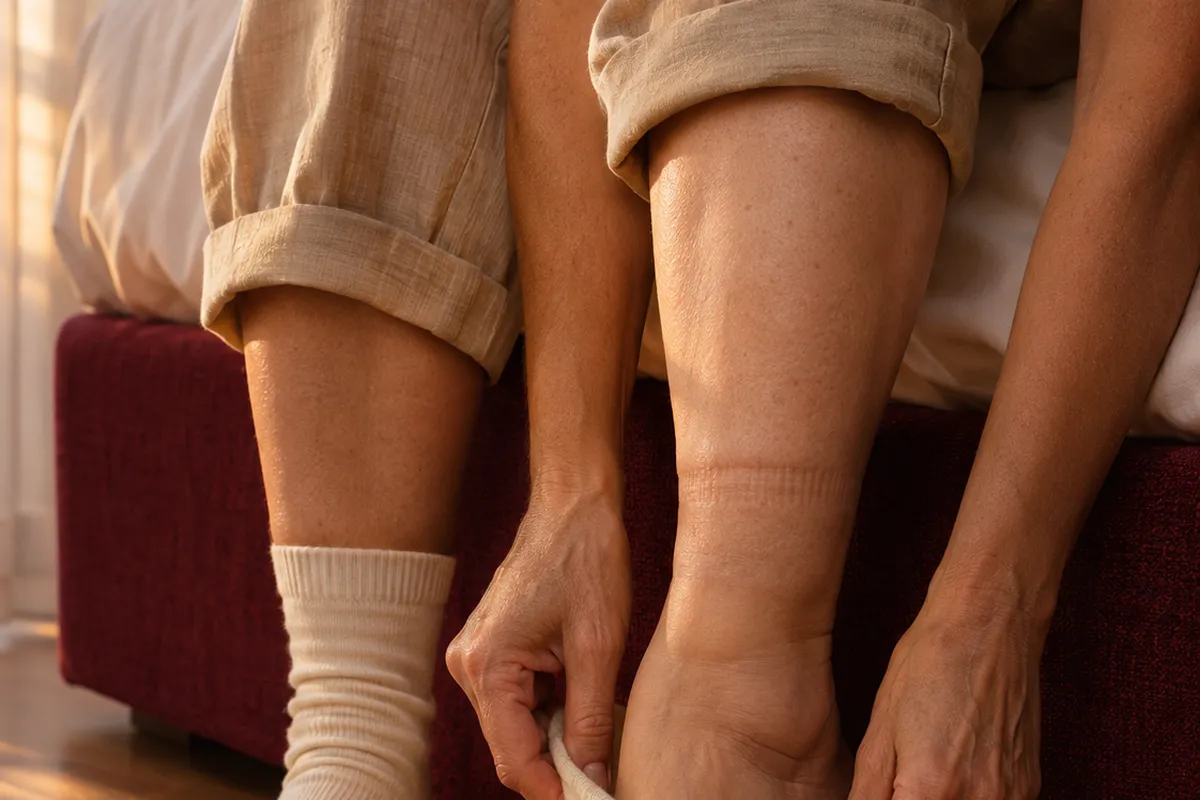
Is the skin of one leg red, warm, swollen and painful, with or without fever or chills? Is only one leg or one arm swollen, with pain, suddenly? Do the dimples come with pain on touch, easy bruising and legs out of proportion to the trunk? You need medical assessment before any treatment. Out of hours, call SNS 24: 808 24 24 24. With shortness of breath, chest pain or high fever, call 112.

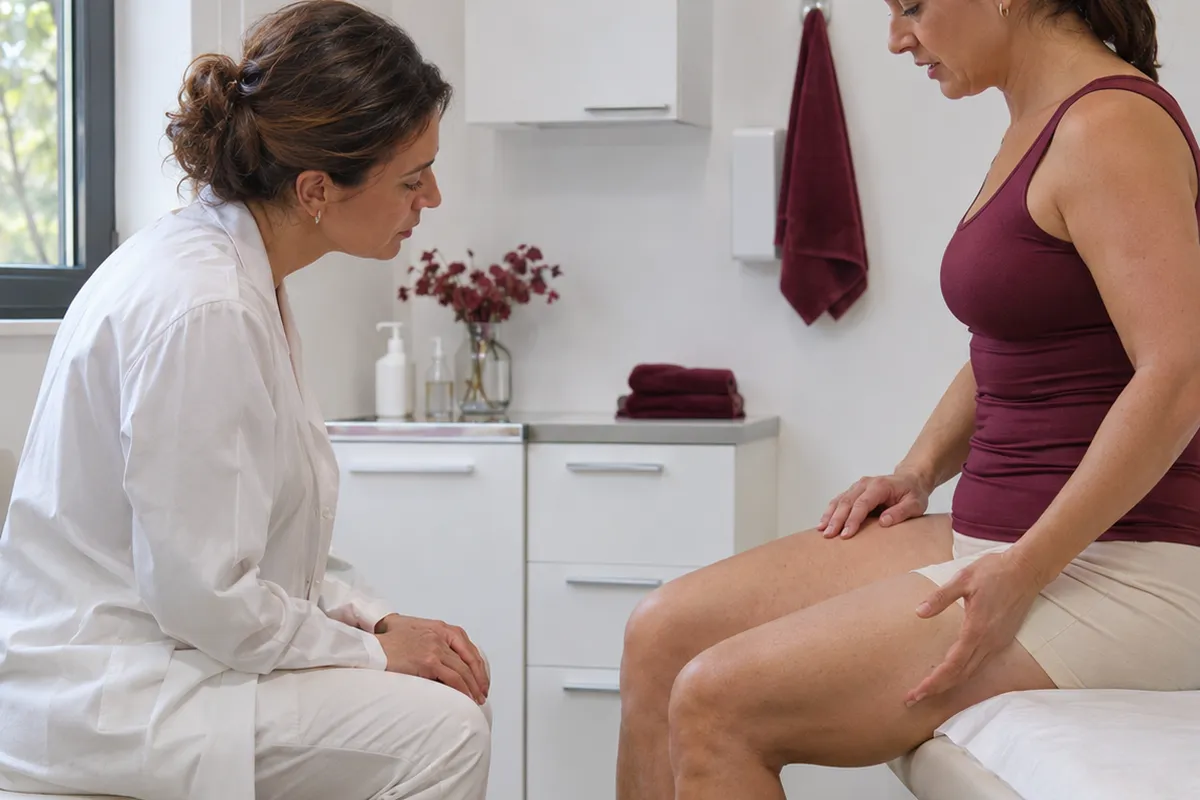
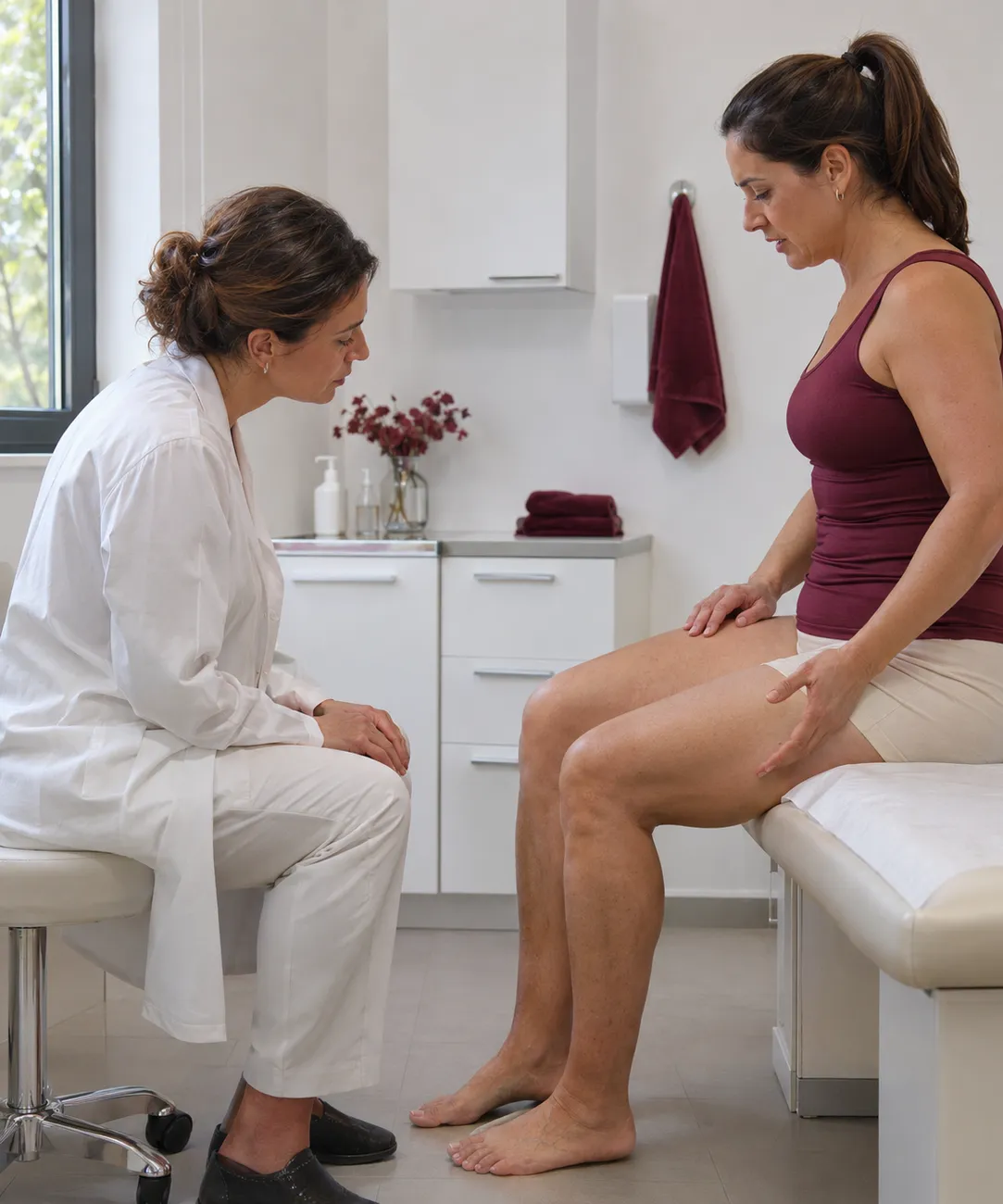
Female doctor sitting beside a woman on the examination couch, examining her legs
Photograph of a consultation. The dots mark what the doctor is assessing.

Why it happens

Why cellulite is only seen when standing

Grade II results from several factors at the same time. Choose one of them to see what weighs and what, in fact, helps.

Gravity and posture

When you are standing, the weight of the tissues increases the pressure of the fat against the skin, while fibrous bands beneath the surface anchor the skin at certain points. This contrast creates dimples. When you lie down, the pressure decreases, the tissues redistribute and the unevenness becomes less pronounced. In essence, grade II cellulite is therefore revealed by posture.

What weighs on it

Comparing yourself only with photographs taken while you are lying down or under front lighting, which make cellulite less visible than it is in the bathroom mirror.

What helps

Bearing in mind that grading is based on how the skin looks while you are standing, and always using the same lighting and position for comparisons over time.

Normal or to be assessed

Grade II cellulite or something that needs assessment

Anyone searching for “cellulite” finds very different things, from a simple irregularity of the skin to an infection. It is worth knowing how to tell them apart before thinking about treatment.

  • Onset. Slow, over months or years, with no change from one day to the next. The appearance varies with lighting, position and the time of the month.

  • How it looks. Dimples and undulations when standing, which soften or disappear lying down. The colour and temperature of the skin are normal.

  • What the clinic does. It examines the skin standing and lying down, confirms the grade and the type (with swelling, hard or with laxity) and explains what each option may improve.

  • At home. Strength training, daily movement, stable weight and skin care, which are the foundation of any plan.

A red, warm and painful leg, or only one leg suddenly swollen? See a doctor on the same day; out of hours, call SNS 24: 808 24 24 24. With shortness of breath, chest pain, high fever or confusion, call 112.

Book an assessment

What the clinic may consider

Options for grade II

Habits first, then, and only after an assessment, the options in the consulting room. In grade II, scientific reviews highlight radiofrequency as the option with the most favourable data, and describe carboxytherapy with few studies. The clinic also offers intradermotherapy in the body catalogue, used more for skin quality; for cellulite the evidence is limited and the composition varies, so the doctor tells you whether it makes sense in your case. For all of them, studies are small and short, results vary from person to person, are generally temporary and call for maintenance. None eliminates cellulite.

Book an assessment
Dr Michelle Campagnoli, clinical director of Clínica Luxmed

First step

Assessment consultation

The doctor listens to what you are experiencing, examines your case and explains the suitable options. No treatment begins without this consultation.

May be considered when

you want to understand the cause and decide on the best path, with time and without commitment.

Book an assessment
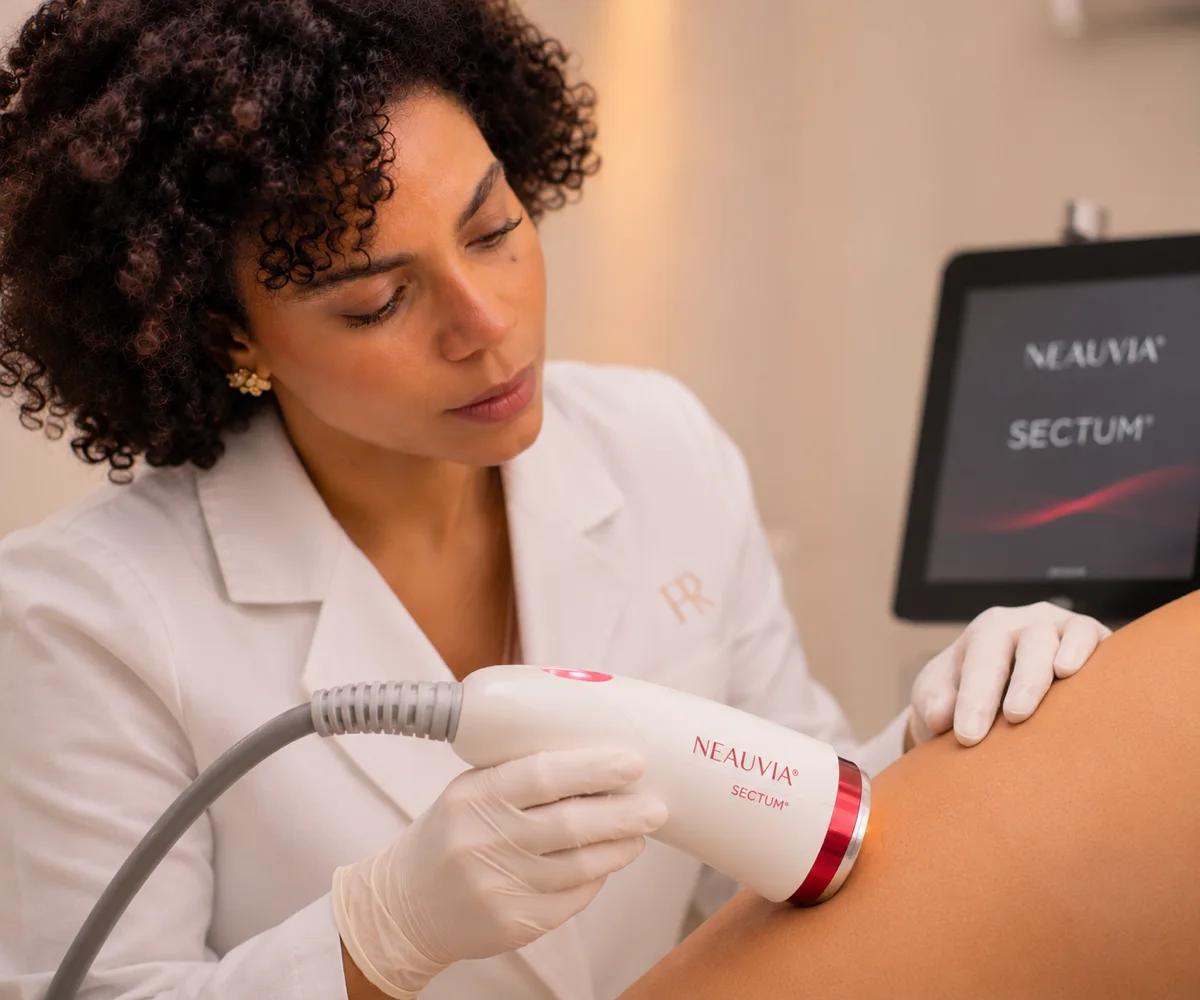
Radiofrequency handpiece passing over the thigh, with the device screen in the background

Technology

Sectum radiofrequency Neauvia

Radiofrequency heats the deeper tissues to stimulate collagen production and firm the skin, which may improve its texture. Reviews identify it as the option with the most favourable evidence, although follow-up periods are short and improvements vary and tend to be temporary.

May be considered when

the dimples visible while standing are accompanied by some loss of firmness, lifestyle measures have already been addressed, there are no signs of infection or another cause of swelling, and the doctor has explained the benefits and limitations.

Find out more
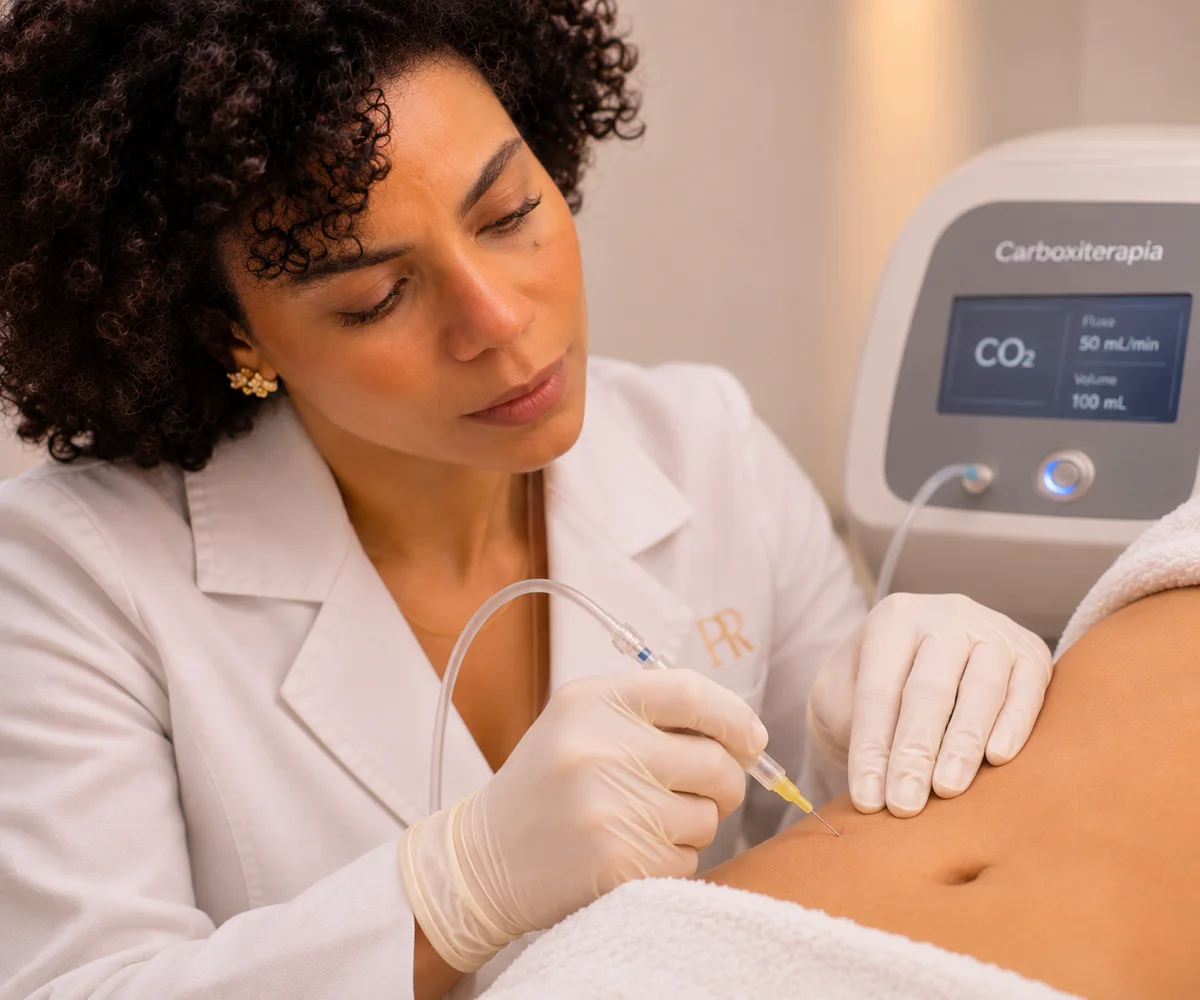
The doctor inserting a fine needle into the abdomen, with the gas device in the background

Medical procedure

Carboxytherapy

Small amounts of carbon dioxide are injected under the skin to improve microcirculation and elasticity. Studies on cellulite are few and small; the procedure can cause discomfort and bruising, and the results require maintenance.

May be considered when

cellulite is the main complaint, its grade and type have been assessed, there are no signs of infection, and you accept the possible discomfort and bruising after the doctor has explained what is known and what is not known.

Find out more

What the journey looks like

From doubt to a realistic plan

No treatment starts without an assessment consultation with the doctor. This is how it works.

  1. 01At the clinic

    Telling your story

    The doctor asks how long you have noticed the dimples, which areas are affected, when they are most visible (while standing, at the end of the day or in hot weather), how they have changed with pregnancy, weight or hormones, and whether there is any pain, warmth, swelling or wounds.

  2. 02At the clinic

    Examining the skin while you are standing and lying down

    The skin is examined in both positions, at rest and when pinched, under side lighting, and the doctor determines the grade and type (associated with swelling, firm or associated with skin laxity). If there are signs of infection, lipedema or venous disease, medical assessment must come first.

  3. 03At home

    Put habits first

    Strength training, daily movement, maintaining a stable weight, smoking less and looking after the skin form the foundation. Without these measures, no in-clinic treatment can achieve the best possible result.

  4. 04Over time

    Choose, measure and maintain

    If a treatment is appropriate, the areas to be treated, the number of sessions and realistic expectations are explained without making promises. Follow-up photographs are always taken under the same lighting and in the same position, and a maintenance plan is agreed because cellulite may become noticeable again.

Day to day

What helps when cellulite is only seen standing

Measures taken at home have a moderate effect, but they are within your control and underpin any treatment.

The golden rule

Always compare in the same light and in the same position

Grade II can be deceptive: the same skin looks different depending on whether you are standing or lying down and whether the light comes from above or from in front of the mirror. Unless you compare it under the same conditions, you may see an ‘improvement’ or ‘worsening’ when only the lighting has changed. Monthly photographs taken under identical conditions show what is actually changing, and the doctor uses the same approach.

Strengthening the legs and buttocks

More muscle gives the skin more support and improves tone, even if the grade stays the same.

In practice: squats, lunges and hip raises two to three times a week, with the load your body can handle.

Keep your weight stable

Large fluctuations in weight over a short period tend to worsen the appearance of the skin.

In practice: slow changes and, if you want to lose weight, with the support of a health professional.

Keeping active and easing leg heaviness

Sitting or standing for long periods can make swelling and unevenness more noticeable at the end of the day.

In practice: walk, change position and rest with the legs raised when you can.

Moisturising and protecting the skin

Well-cared-for skin has a better texture and a more even appearance.

In practice: moisturiser after the shower and sun protection on legs exposed to the sun.

Dr Michelle Campagnoli, clinical director of Clínica Luxmed

Who will look after you

An assessment carried out by the doctor

At Luxmed, in Algés, the first step is always an assessment with Dr Michelle Campagnoli. She examines the skin while you are standing and lying down, determines the grade and type of cellulite, rules out other causes, and explains frankly what each option can realistically improve.

  • Physical examination and medical historyA conversation about habits, hormones and swelling, and examination of the skin standing and lying down, with side lighting.
  • A plan tailored to youA clear plan, without promises, with habits first and follow-up over time.
  • No obligationThe cost of any treatment is confirmed only after the assessment.
Book an assessment

Book a consultation

Book your consultation

Choose how you prefer to get in touch. We will arrange the assessment consultation with Dr Michelle Campagnoli.

Booking through the websiteAssessment consultationTalk to our assistant on WhatsApp and ask for the current price of the assessment.

New Life Miraflores, Algés · Office Center, R. Santa Teresa do Menino Jesus n.º 6, 9.º C, 1495-048

Your details are used only for this contact. Any treatment depends on a prior medical assessment.

Request an appointmentIt takes less than a minute.
Speciality
You do not need to go into detail. The doctor will talk to you during the consultation.
Request received. Our team will contact you as soon as possible.
What are the grades of cellulite and which grade am I?

Three grades are generally described. In grade I, the skin is smooth at rest and dimples appear only when it is pinched or the muscle is contracted. In grade II, dimples are visible while standing and disappear when you lie down. In grade III, they are visible both while standing and lying down, with pronounced unevenness. More detailed scales used in studies assess the number and depth of the depressions and the degree of skin laxity. Different areas may have different grades. Only a clinical examination while you are standing and lying down can determine your grade.

Why is cellulite only visible while standing, and why does it disappear when you lie down?

Because changing position changes the pressure on the tissues. When you are standing, their weight presses the fat against the skin, which remains anchored at certain points by fibrous bands, creating dimples. When you lie down, the pressure decreases and the unevenness becomes less pronounced. Lighting also matters: overhead or side lighting emphasises the uneven texture, while front lighting makes it less noticeable.

Does grade II cellulite become grade III?

It can happen, particularly with weight gain, loss of skin firmness or ageing, but it is not inevitable. Its appearance may also improve with exercise, a stable weight and skin care, although the underlying tendency remains. This is why the assessment includes follow-up photographs taken under the same lighting and in the same position.

How is grade II cellulite treated?

First with habits: strength training for the legs and buttocks, stable weight, movement, treatment of fluid retention if there is any and skin care. Then, and only after assessment, the doctor may propose options in the consulting room such as radiofrequency or carboxytherapy, with intradermotherapy as a possibility. None eliminates cellulite, and the improvement tends to be slight to moderate, variable and temporary.

Does radiofrequency work on grade II cellulite?

It is the option with the most favourable evidence in reviews, and the most recent reviews report statistically significant improvements in short-term studies. However, the studies are small, follow-up periods are short, and results vary and tend to be temporary. The clinic uses the Sectum radiofrequency system by Neauvia, and the doctor will explain what you can realistically expect in your case. Results cannot be guaranteed.

Do carboxytherapy and intradermotherapy work on cellulite?

Studies of carboxytherapy for cellulite are few and small, and the procedure can cause discomfort and bruising. Intradermal therapy (microinjections into the skin) uses substances whose formulation varies; evidence for cellulite is limited, and some substances are used outside their approved indications. Neither treatment is therefore guaranteed: the doctor will advise whether either is worth considering in your case.

How many sessions are needed and do the results last?

It depends on the treatment and the individual; many protocols involve several sessions over a period of weeks, followed by maintenance sessions. Improvements are generally temporary, and cellulite may become more noticeable again if habits or weight change. During the assessment, the doctor determines the number of sessions and sets realistic expectations without promising results.

Does it hurt? What side effects can occur?

Most treatments cause mild discomfort, and carboxytherapy may be more uncomfortable. Depending on the treatment, temporary redness, warmth, bruising or tenderness may occur. Treatments are not performed on infected skin, during pregnancy or in people with clotting disorders, among other contraindications assessed by the doctor beforehand.

When should I see a doctor before treating cellulite?

Book a consultation if your legs often swell, if there is pain, if the skin changes colour, if only one leg is swollen, or if the hips and legs are out of proportion and tender, with easy bruising (it may be lipedema). A red, warm and painful area may be an infection and needs assessment on the same day. If in doubt, out of hours call SNS 24 (808 24 24 24). With shortness of breath, chest pain, high fever or confusion, call 112.

Can I have treatment at any time or are there contraindications?

There are situations in which treatment is postponed or not performed, including pregnancy, skin infection, clotting disorders, and certain medical conditions or medicines. This is why the first consultation always includes an assessment, a medical history and an examination of the skin before any procedure.

We could not find that question. Ask us on WhatsApp

Scientific references

This page is based on the sources below and was reviewed by Dr. Michelle Campagnoli. Last updated on .

  1. Hexsel DM, Dal'forno T, Hexsel CL. A validated photonumeric cellulite severity scale. J Eur Acad Dermatol Venereol, 2009.
  2. Rossi AB, Vergnanini AL. Cellulite: a review. J Eur Acad Dermatol Venereol, 2000.
  3. Luebberding S, Krueger N, Sadick NS. Cellulite: an evidence-based review. Am J Clin Dermatol, 2015.
  4. Zerini I, Sisti A, Cuomo R, Ciappi S, Russo F, Brandi C, D'Aniello C, et al. Cellulite treatment: a comprehensive literature review. J Cosmet Dermatol, 2015.
  5. Brandi C, D'Aniello C, Grimaldi L, Bosi B, Dei I, Lattarulo P, et al. Carbon dioxide therapy in the treatment of localized adiposities: clinical study and histopathological correlations. Aesthetic Plast Surg, 2001.
  6. Menon A, Shauly O, Marxen T, Losken A, Faulkner HR. A Clinical Guide to the Treatment of Cellulite and Comprehensive Review of the Etiology, Pathophysiology, and Utility of Intervention. Aesthetic Plast Surg, 2024.
  7. Lim SK, Gultekin G, Suresan S, Jacob A, Zou Y, Liyanage DD, Parekh JN, et al. Comparative Analysis of Cellulite Treatment Modalities: A Systematic Review. Aesthetic Plast Surg, 2025.
  8. National Institute for Health and Care Excellence (NICE). Cellulitis and erysipelas: antimicrobial prescribing (NG141). NICE, 2019.
  9. NHS. Cellulitis. (nhs.uk, acedido 2026-11-11)
  10. Buso G, Depairon M, Tomson D, Raffoul W, Vettor R, Mazzolai L. Lipedema: A Call to Action!. Obesity (Silver Spring), 2019.
CallAssistantAvailableBook