Algés, Oeiras Mon to Fri · 09:00 to 13:00 and 14:00 to 19:00 · Sat · 09:00 to 14:00
WhatsApp Book a consultation

Body aesthetics

Cellulite: how to get rid of it and the mythsWhat really changes the appearance of “orange-peel” skin and what is nothing more than an empty promise

“How do I get rid of cellulite?” is one of the most frequently searched questions about the body, and the honest answer is not as simple as adverts would have you believe. Cellulite is not a disease, it is not caused by a build-up of toxins and it cannot be treated with tea or cream, although its appearance can improve with the right habits and, in some cases, professional care. Here, we separate evidence-based approaches from myths, explain how to recognise cellulite early, how to distinguish it from infectious cellulitis (a completely unrelated skin infection), and what Clínica Luxmed, in Algés, assesses and recommends.

Reviewed by Dr Michelle Campagnoli, clinical director

  • 80 to 90%of women have cellulite after puberty
  • 1assessment, always first
  • Nocommitment
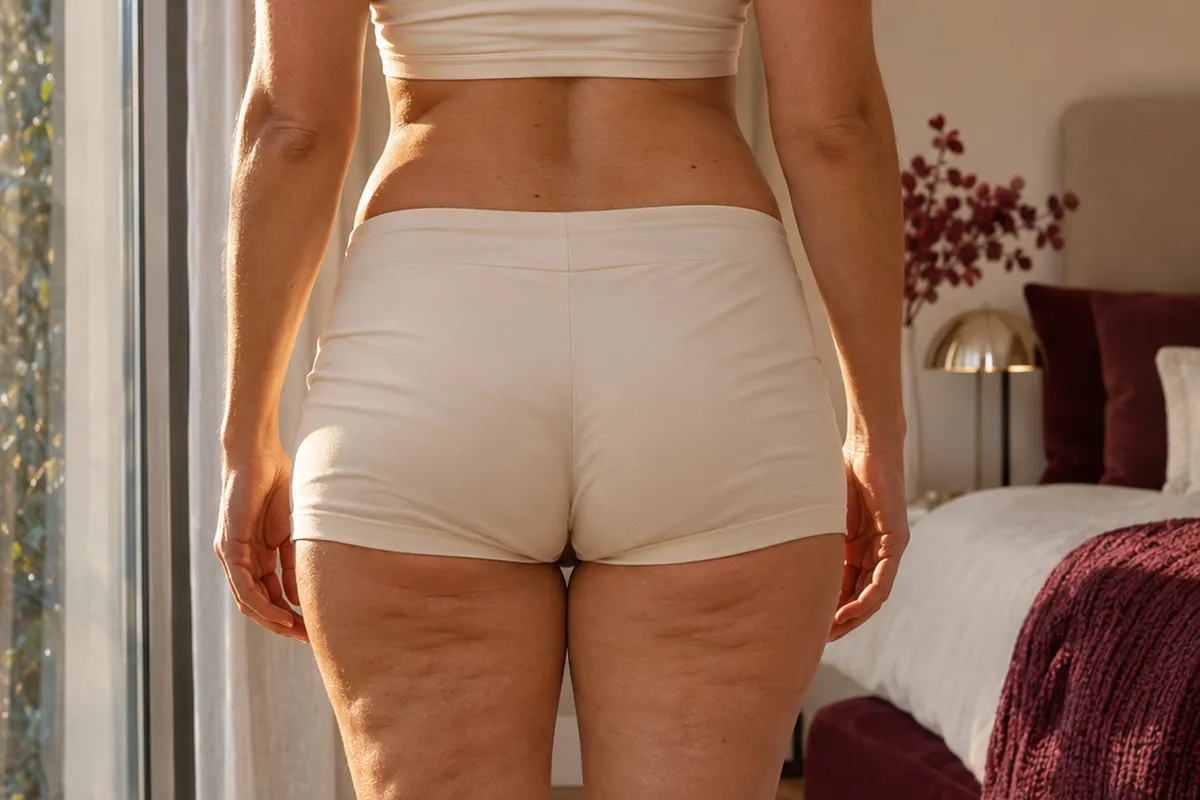
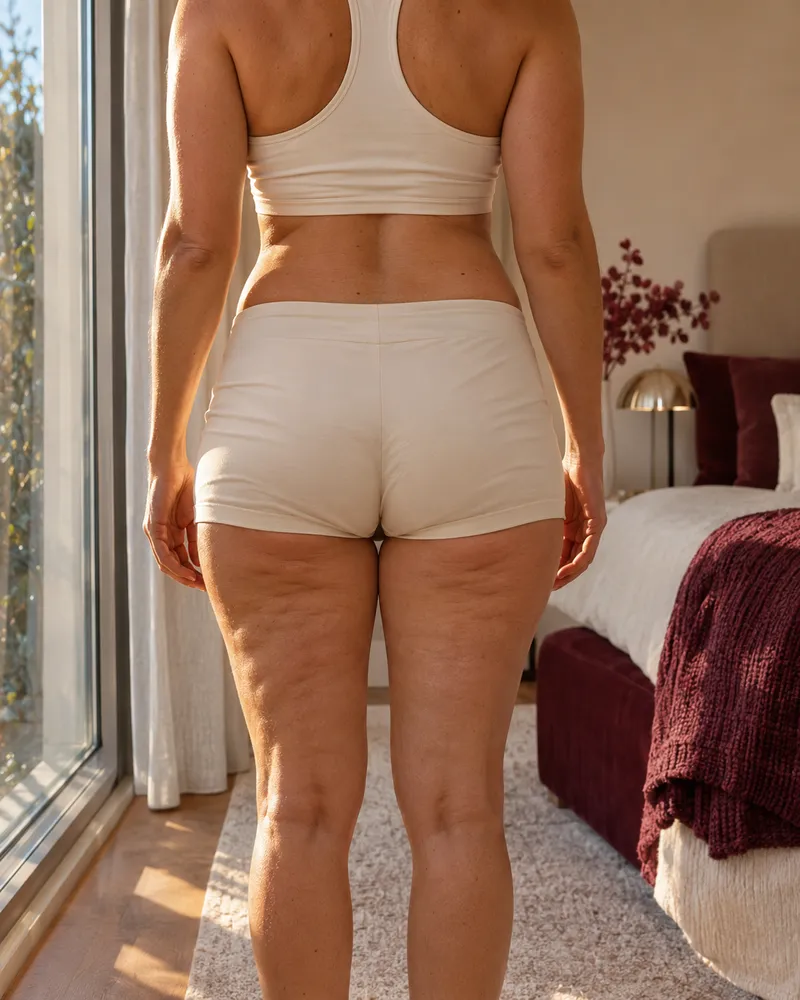
Woman seen from behind beside a window, in shorts and a crop top, with the skin texture of her thighs visible

How to recognise it

Is it aesthetic cellulite that you are seeing?

Before thinking about how to get rid of it, it is worth being sure what it is. These signs describe aesthetic cellulite, the most common kind, and help to set it apart from other conditions.

Tick what you recognise0/7

Tick what you recognise. This does not replace the consultation: it is only a first guide.

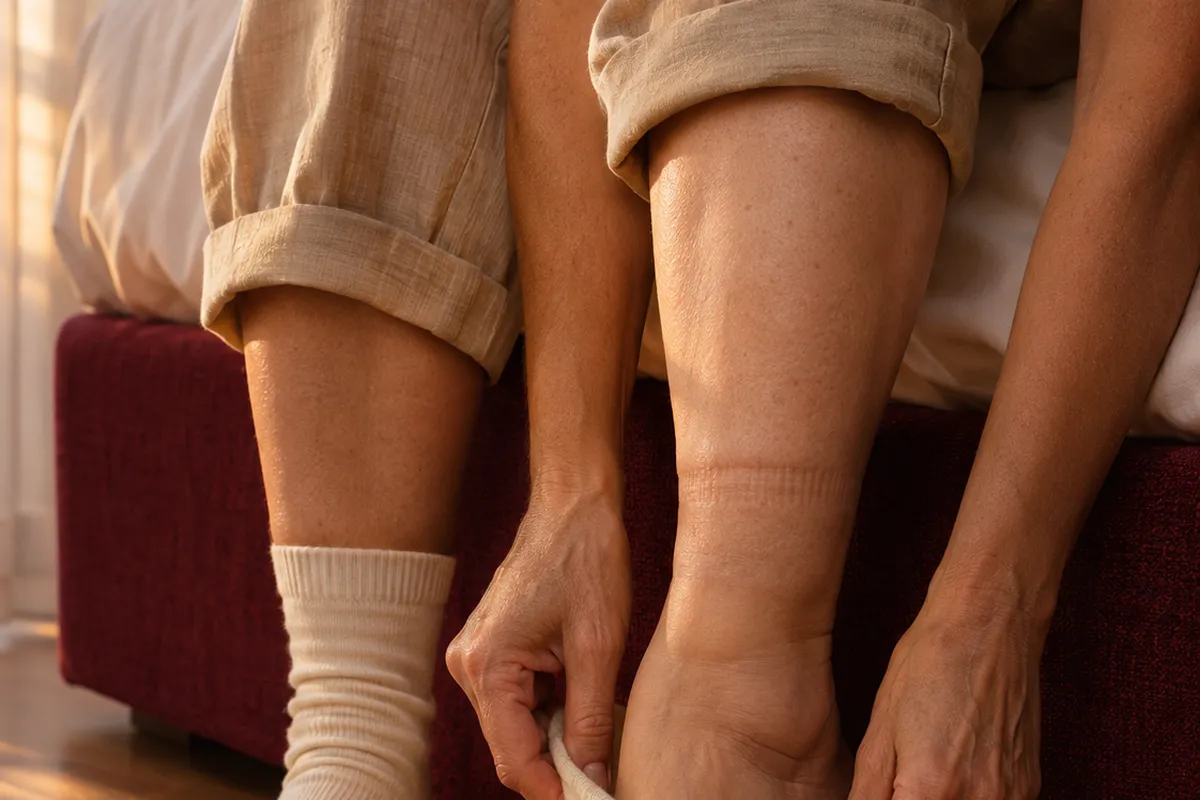
A red, warm, swollen and painful area that grows over hours or days, especially with fever or chills, is not aesthetic cellulite: it may be a skin infection and needs medical assessment on the same day. Out of hours, call SNS 24: 808 24 24 24. In case of high fever, blisters, dark or purple skin, very severe pain or confusion, call 112 or go to the emergency department.

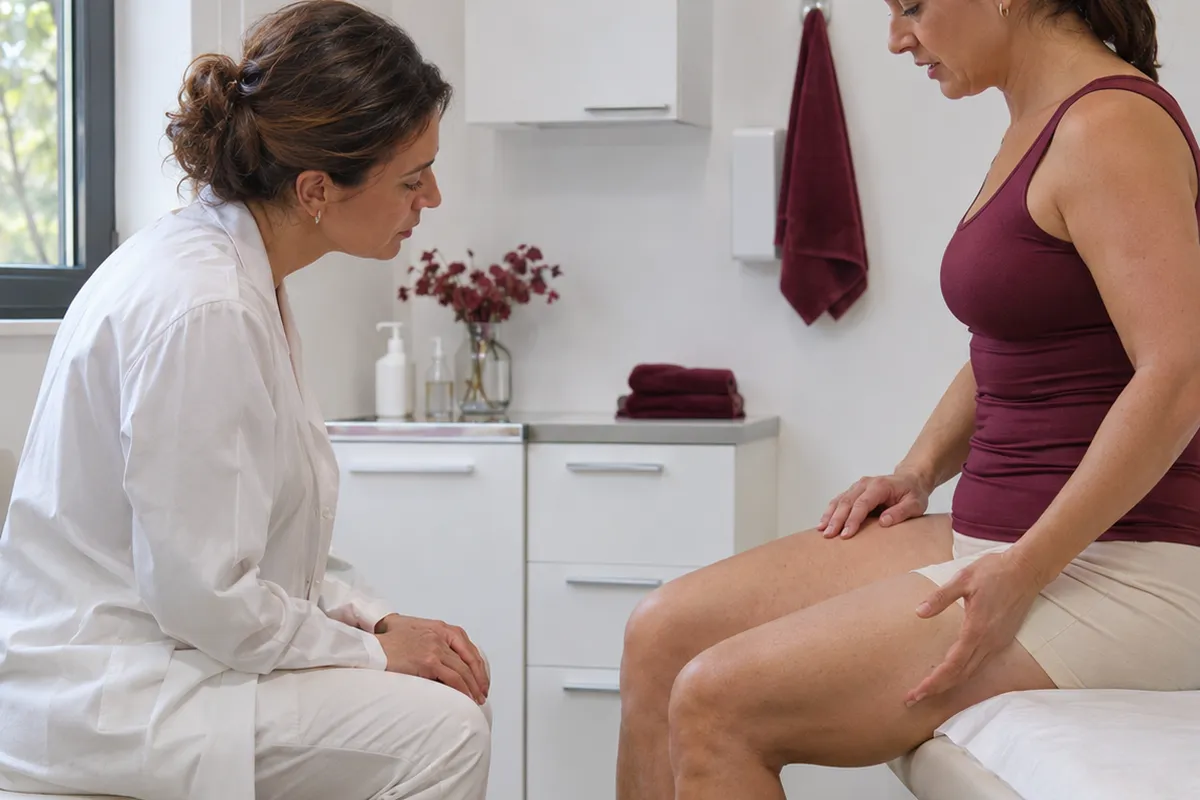
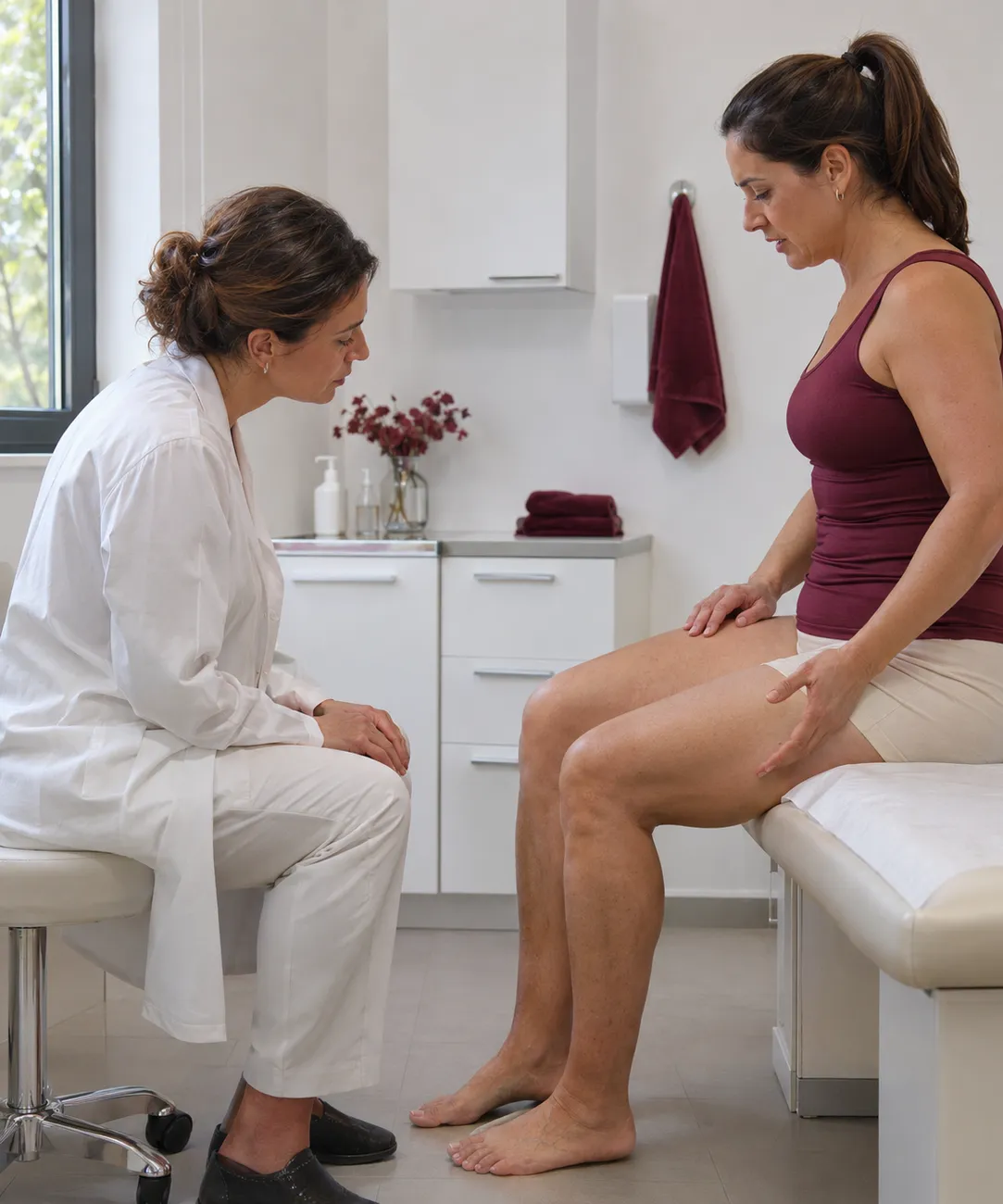
Female doctor sitting beside a woman on the examination couch, examining her legs
Photograph of a consultation. The dots mark what the doctor is assessing.

Why it appears

Why cellulite resists almost everything

Understanding what causes it explains why so many methods fail. Select a factor to see how it contributes and what actually helps.

The fibrous bands under the skin

The skin is anchored to deeper tissue by fibrous bands called septa. In women, these are more vertical, and when fat cells increase in volume, they push the skin upwards between the bands, creating dimples. Because the cause lies in the structure of the tissue, a cream applied to the surface cannot change it, which is why promises to “eliminate” cellulite rarely hold true.

What does not help

Believing that a product applied to the surface can reach and break down these bands.

What helps

Understanding that it is the texture and appearance of the skin that can be improved, not the underlying structure itself.

Two things with the same name

Aesthetic cellulite or infectious cellulitis?

In medicine, a very similar name (“cellulitis”) is also given to a bacterial skin infection, which can be serious. Anyone searching for “cellulite” may come across both, so it is worth knowing how to tell them apart.

  • Onset. Slow, over months or years. It is always more or less the same, with small variations depending on the light, the position and the stage of life.

  • Appearance. Dimples and undulations in the skin, mainly on the thighs, buttocks, hips and abdomen. The colour and temperature of the skin are normal.

  • Symptoms. It does not hurt, or hurts little when pinched, and does not cause fever. It is not dangerous and does not turn into an infection.

  • What usually helps. Habits, strength training and skin care. Professional care, when justified, aims to improve the texture and appearance, with variable results.

  • Tell us at the consultation. Since when you have noticed it, where, whether it changed with pregnancy or with weight, and what you have already tried.

No pain, no fever and looking the same for months? It is probably aesthetic cellulite, and the assessment serves to define what makes sense. If you have signs of infection, do not wait for an aesthetic consultation: see your family doctor, SNS 24 or the emergency department.

Book an assessment

What the clinic can do

Medical options for cellulite

Once lifestyle measures have been addressed, and only after an assessment, the doctor may recommend options from the body aesthetics range: carboxytherapy and radiofrequency (Sectum, by Neauvia), which are described below, as well as intradermal therapy and contouring massage, which are explained during the consultation. Transparency is part of our work: scientific reviews generally find small studies with short follow-up periods; results vary from person to person, tend to be temporary and require maintenance. No option eliminates cellulite.

Book an assessment
Dr Michelle Campagnoli, clinical director of Clínica Luxmed

First step

Assessment consultation

The doctor listens to what you are experiencing, examines your case and explains the suitable options. No treatment begins without this consultation.

May be considered when

you want to understand the cause and decide on the best path, with time and without commitment.

Book an assessment
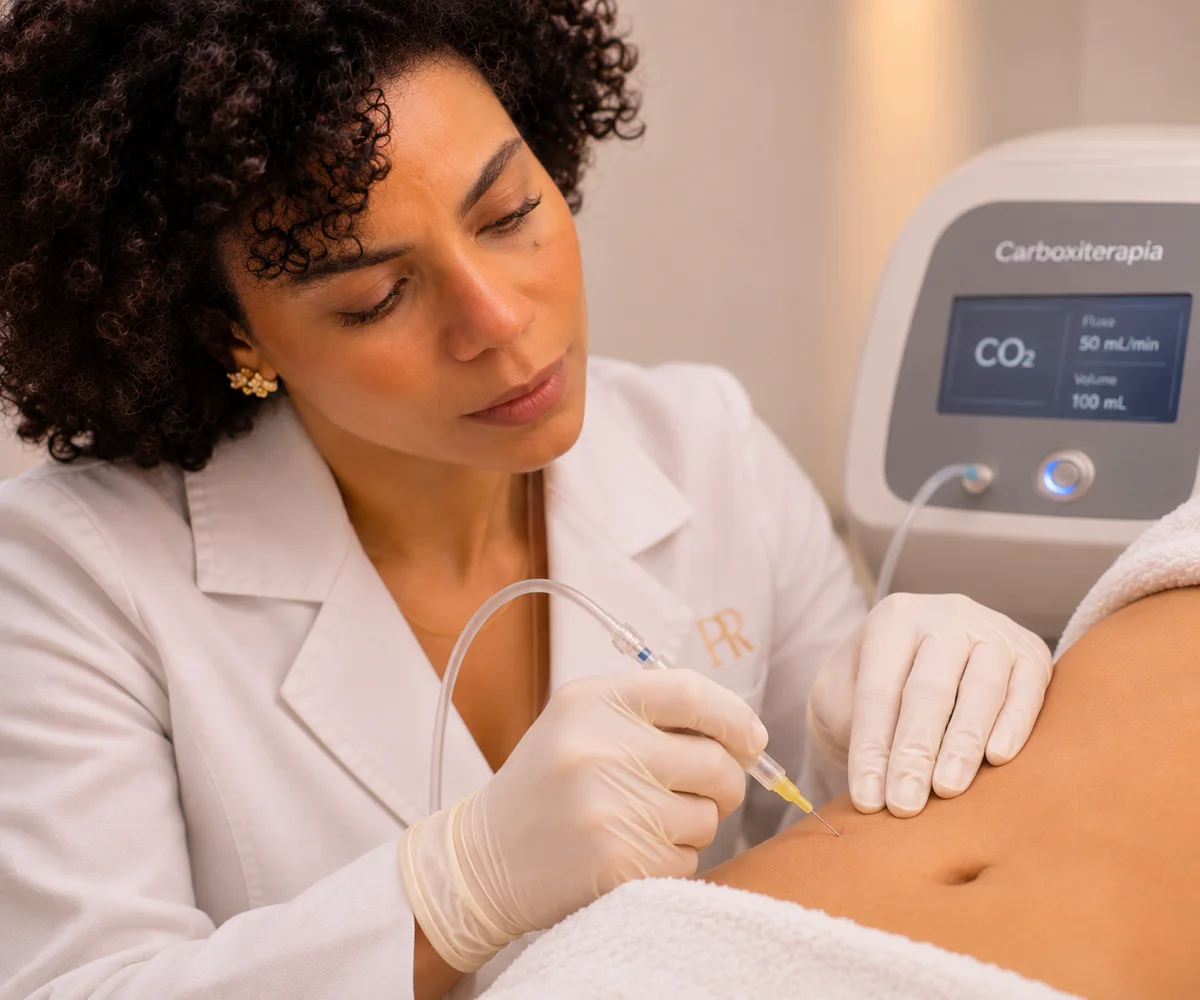
The doctor inserting a fine needle into the abdomen, with the gas device in the background

Medical procedure

Carboxytherapy

Small amounts of CO2 are injected under the skin with the aim of improving microcirculation and elasticity. This is one of the options used for cellulite, with variable results that require maintenance sessions.

May be considered when

aesthetic cellulite is the main complaint, there are no signs of infection or another cause for the swelling, and the doctor has explained what is known and what is not known about the results.

Find out more
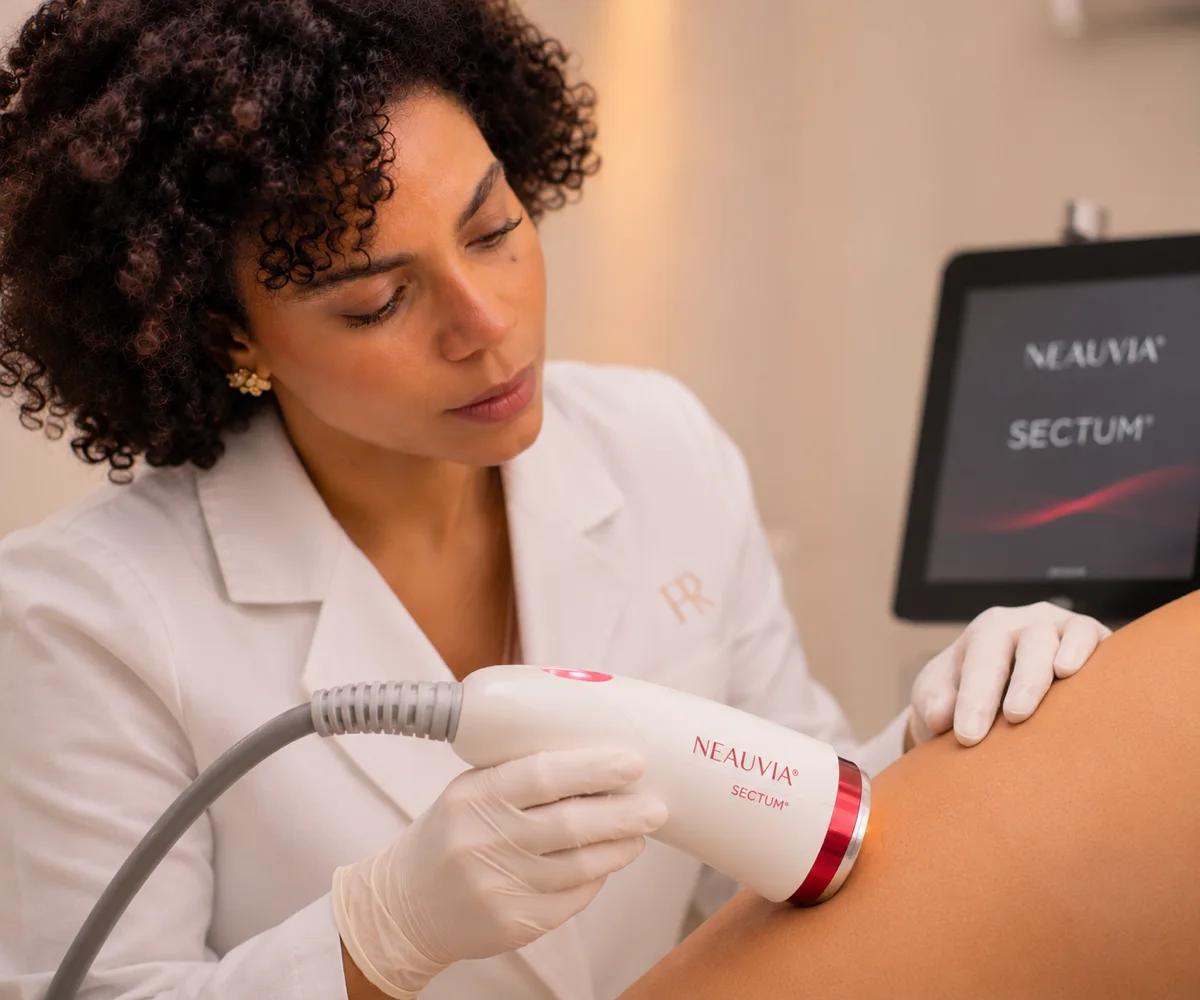
Radiofrequency handpiece passing over the thigh, with the device screen in the background

Technology

Sectum radiofrequency Neauvia

Radiofrequency heats the deeper tissues to stimulate collagen production and firm the skin. Reviews identify radiofrequency as one of the options with better evidence for cellulite, although follow-up periods are short and results vary.

May be considered when

aesthetic cellulite is accompanied by some loss of firmness, lifestyle measures have already been addressed and the doctor considers the option appropriate after explaining its benefits and limitations.

Find out more

What the journey looks like

From doubt to a realistic plan

No treatment begins without an assessment. This is how it goes.

  1. 01At the clinic

    Confirm what it is

    The doctor asks how long you have noticed the dimples, which areas are affected, whether they changed with pregnancy, weight or hormones, and whether there is any pain, warmth, swelling or wounds. If there are signs of infection or another condition, medical assessment must come first.

  2. 02At the clinic

    Examining the skin

    The skin is examined while you are standing, both at rest and when pinched, under side lighting, and the doctor determines the grade. At this stage, aesthetic cellulite is distinguished from conditions that require different management, such as fluid retention or venous disease.

  3. 03At the clinic

    Put habits first

    Before any treatment, the conversation covers what is within your reach: strength training, daily movement, stable weight, smoking and skin care. It is the foundation on which everything else depends.

  4. 04Over time

    Choose, measure and maintain

    If a treatment is appropriate, the areas to be treated, the number of sessions and realistic expectations are explained without making promises. Standardised photographs are taken to allow an objective comparison, and maintenance is agreed because cellulite may become noticeable again.

Day to day

What helps and what only costs money

Most measures taken at home have only a small effect, but the evidence-based ones are inexpensive and within your reach.

The golden rule

Be wary of anyone who promises to eliminate cellulite

Based on the available evidence, no cream, tea, supplement or device can make cellulite disappear permanently. At best, its appearance can be reduced. A promise of complete elimination is, in itself, a sign of excessive marketing.

Do strength training

Having more muscle in the legs and buttocks gives the area more tone, even if the cellulite remains.

In practice: squats, lunges and hip raises two to three times a week, with the load your body can handle.

Move every day

Sitting for long periods and getting little physical activity do not help circulation or your overall condition.

In practice: walk, use the stairs and stand up every hour if you work seated.

Keep your weight stable

Large fluctuations in weight over a short period tend to worsen the appearance of the skin.

In practice: slow changes and, if the aim is to lose weight, with the support of a health professional.

Moisturise the skin and protect it from the sun

Well-cared-for skin has a better texture and a more even appearance.

In practice: a simple moisturiser after the shower and sun protection when the legs are in the sun.

Dr Michelle Campagnoli, clinical director of Clínica Luxmed

Who will look after you

An assessment carried out by the doctor

Everything begins with an assessment consultation with Dr Michelle Campagnoli in Algés. Before any treatment, she will confirm that it is aesthetic cellulite rather than another condition and agree with you on an appropriate course of action.

  • Physical examination and medical historyExamination of the skin in several positions, medical history, medication and your expectations.
  • A plan tailored to youA clear plan, with no promises of results, baseline photographs and follow-up over time.
  • No obligationThe cost of any treatment is confirmed only after the assessment.
Book an assessment

Book a consultation

Book your consultation

Choose how you prefer to get in touch. We will arrange the assessment consultation with Dr Michelle Campagnoli.

Booking through the websiteAssessment consultationTalk to our assistant on WhatsApp and ask for the current price of the assessment.

New Life Miraflores, Algés · Office Center, R. Santa Teresa do Menino Jesus n.º 6, 9.º C, 1495-048

Your details are used only for this contact. Any treatment depends on a prior medical assessment.

Request an appointmentIt takes less than a minute.
Speciality
You do not need to go into detail. The doctor will talk to you during the consultation.
Request received. Our team will contact you as soon as possible.
How do I get rid of cellulite?

In practice, it is possible to reduce its appearance, but only rarely to eliminate it completely. Evidence-based measures include maintaining a stable weight, strength training for the legs and buttocks, daily movement, not smoking, and keeping the skin moisturised and protected from the sun. If the dimples bother you, following an assessment the clinic may recommend professional treatments to improve skin texture. Results vary, tend to be temporary and require maintenance. Any claim that cellulite can be eliminated permanently should be treated with caution.

What are the myths about cellulite?

It is a myth that cellulite only affects people who are overweight, as it also occurs in slim women. The claim that it is caused by a build-up of toxins has no scientific basis. It is also a myth that exercising a particular area will remove cellulite there, as fat cannot be lost from just one part of the body. Nor are there any creams, teas or supplements that eliminate it. Creams containing caffeine or retinol may slightly improve the appearance of the skin, but they do not address the underlying cause, which lies in the structure of the tissue beneath the skin.

How do I recognise cellulite early on?

Use the pinch test. Gently gather the skin of your thigh between your fingers: if small dimples appear that are not visible when the skin is relaxed, it is likely to be early-stage cellulite (grade I). At this stage, the skin looks smooth whether you are standing or lying down. This is also when lifestyle measures can have the greatest influence. There is no guarantee that it will not progress, as genetics and hormones play a major role, but maintaining a stable weight, doing strength training and not smoking help slow its progression.

What is the difference between aesthetic cellulite and infectious cellulitis?

They are completely different conditions with similar names. Aesthetic cellulite is the orange-peel appearance of the skin: it develops slowly, is painless, does not cause fever and is harmless. Infectious cellulitis is a bacterial infection of the skin and underlying tissue, causing a red, warm, swollen and painful area that expands over hours or days, often with fever. It requires medical assessment and usually antibiotic treatment. One does not turn into the other.

Do anti-cellulite creams work?

The results are limited and inconsistent. A clinical review concluded that products applied to the skin may be used as an adjunct to lifestyle measures in mild cases, and that those containing caffeine or retinol may slightly improve its appearance. Skin hydration and texture may improve, which is also worthwhile, but the cellulite remains. If your skin reacts badly to a product, stop using it and speak to the doctor.

Does cellulite go away if I lose weight or exercise?

Its appearance may improve, but not always. Losing weight gradually and doing strength training improve muscle tone and may make the dimples less noticeable. Conversely, substantial and rapid weight loss, particularly when accompanied by skin laxity, may make them more visible. Neither exercise nor diet eliminates cellulite, and it is not possible to lose fat from a single area. The realistic goal is a balanced, sustainable approach, and if you have a weight-loss goal, it is advisable to seek support from a healthcare professional.

Do cellulite treatments give lasting results?

No. Scientific reviews report that no treatment has been conclusively established, that many studies are small and that follow-up periods are short—only a few weeks on average in a 2025 systematic review. Where results are achieved, they vary from person to person, tend to be temporary and require maintenance sessions. The clinic therefore makes no promises: during the assessment, it explains what you can realistically expect and is frank about what is not worth pursuing.

Do men get cellulite too?

Rarely. The structure of the fibrous bands beneath the skin is different in men, and female hormones are part of the explanation. It may appear in men with hormonal changes, but it is uncommon. So when a man notices dimples in the skin that do not go away, or swelling, it is best to ask for an assessment rather than assume it is cellulite.

When should I see a doctor instead of booking an aesthetic assessment?

When the area is red, warm, swollen and painful and is growing, when there is fever or chills, when only one leg or one arm is swollen, or when there has been a wound, a sting or a chilblain in the area. Seek medical assessment on the same day. Out of hours, call SNS 24 (808 24 24 24). Go to the emergency department, or call 112, if there is high fever, blisters, dark or purple skin, very severe pain, confusion or feeling seriously unwell.

Do you assess cellulite in Algés and what should I bring?

Yes, the assessment is carried out by Dr Michelle Campagnoli at the clinic in Algés (Oeiras), and an appropriate plan can then be developed if needed. Bring a list of what you have already tried, your regular medication, any allergies and, if available, older photographs of the areas. Let us know if you are pregnant or breastfeeding, or if you have diabetes, varicose veins or swollen legs, as this affects what is appropriate.

We could not find that question. Ask us on WhatsApp

Scientific references

This page is based on the sources below and was reviewed by Dr. Michelle Campagnoli. Last updated on .

  1. Luebberding S, Krueger N, Sadick NS. Cellulite: an evidence-based review. Am J Clin Dermatol, 2015.
  2. Rossi AB, Vergnanini AL. Cellulite: a review. J Eur Acad Dermatol Venereol, 2000.
  3. Nürnberger F, Müller G. So-called cellulite: an invented disease. J Dermatol Surg Oncol, 1978.
  4. Raff AB, Kroshinsky D. Cellulitis: a review. JAMA, 2016.
  5. National Institute for Health and Care Excellence (NICE). Cellulitis and erysipelas: antimicrobial prescribing (NG141). NICE, 2019.
  6. NHS. Cellulitis. (nhs.uk, acedido 2026-11-11)
  7. Menon A, Shauly O, Marxen T, Losken A, Faulkner HR. A Clinical Guide to the Treatment of Cellulite and Comprehensive Review of the Etiology, Pathophysiology, and Utility of Intervention. Aesthetic Plast Surg, 2024.
  8. Lim SK, Gultekin G, Suresan S, Jacob A, Zou Y, Liyanage DD, Parekh JN, Mavilakandy AK, Vyas K, Khajuria A. Comparative Analysis of Cellulite Treatment Modalities: A Systematic Review. Aesthetic Plast Surg, 2025.
  9. Bass LS, Kaminer MS. Insights Into the Pathophysiology of Cellulite: A Review. Dermatol Surg, 2020.
  10. Callaghan DJ, Robinson DM, Kaminer MS. Cellulite: a review of pathogenesis-directed therapy. Semin Cutan Med Surg, 2017.
  11. Hexsel DM, Dal'forno T, Hexsel CL. A validated photonumeric cellulite severity scale. J Eur Acad Dermatol Venereol, 2009.
CallAssistantAvailableBook