What is cellulite and why does it appear?
Cellulite is a change in the appearance of the skin, with dimples or ripples, most common on the thighs, buttocks and abdomen. It is neither a disease nor an infection. Scientific reviews point to the role of the fibrous bands that anchor the skin, combined with hormonal and genetic factors and age. It affects most women after puberty and far fewer men. It has nothing to do with lack of hygiene or with eating badly, and understanding the mechanism helps set aside guilt that makes no sense.
Do hormones and genetics have anything to do with cellulite?
Yes, both are part of the explanation, but they are not the only ones. Most cases appear after puberty, which points to the role of hormones, and it is common to see the pattern in several women of the same family. Age, weight, muscle mass and some habits also count. Because there are several causes, there is no single solution, and two bodies with the same routine may look different. That is why comparing yourself with friends or relatives is rarely fair.
How can I tell what grade of cellulite I have?
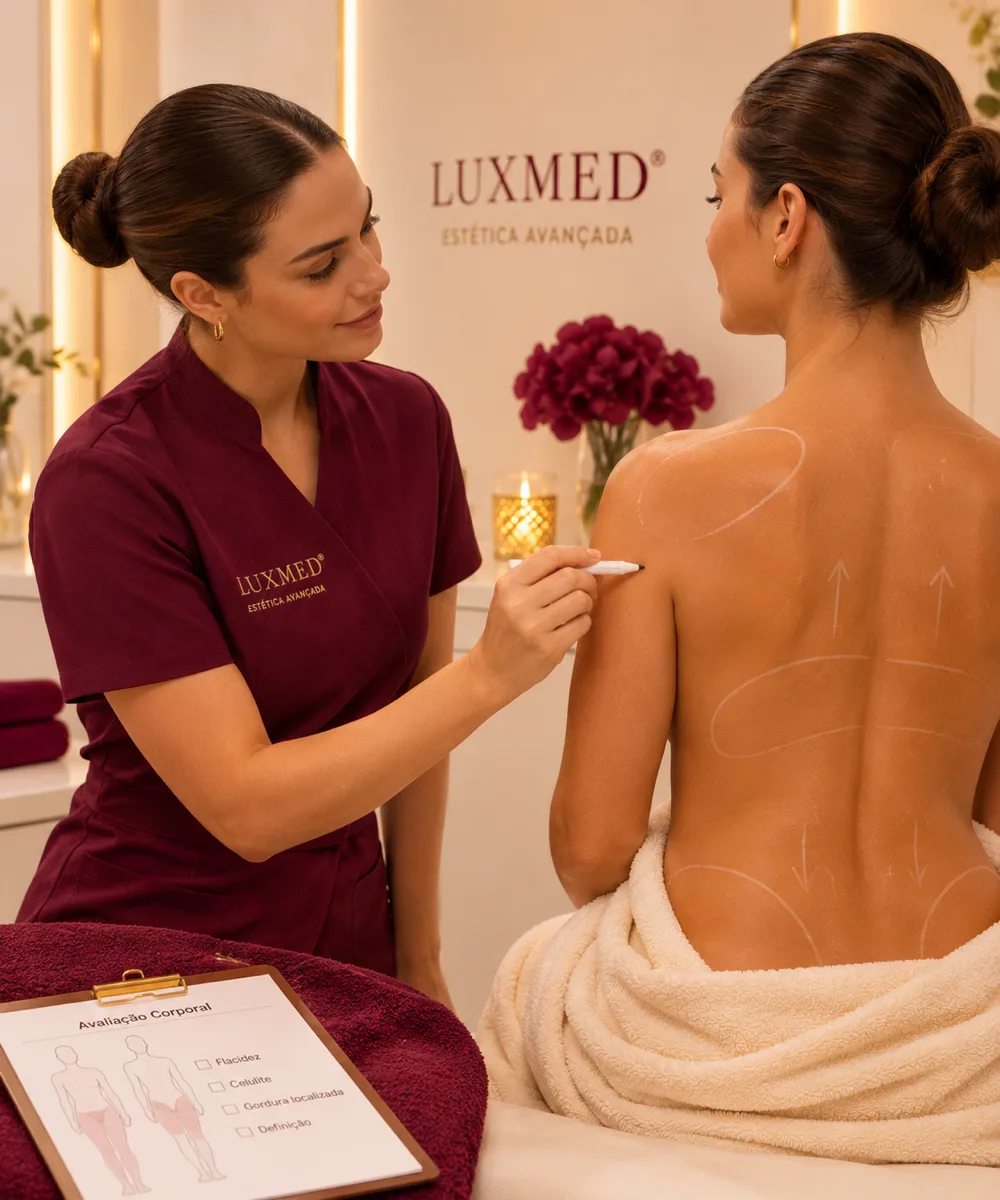
Look at your skin in side lighting, standing and relaxed, then pinching it between your fingers and, lastly, lying down. In mild grades, the dimples are only visible when pinching. In more marked grades, they are visible standing and, in the most marked, lying down too. There are validated scales that assess the number and depth of the depressions, but only an in-person assessment classifies your case accurately. It is also worth remembering that the light, the position and the time of day change a great deal what you see.
Why do I have cellulite if I am slim?
Because cellulite depends on the structure of the skin's supporting tissue and on factors such as hormones and genetics, and not only on the amount of fat. A low weight may reduce its appearance, but does not prevent it. In slim people, rapid weight loss or little muscle mass in the thighs can also make ripples more visible. It is not a sign of lack of care, and being slim does not protect you. If the appearance bothers you, an assessment helps you understand what to expect in your case.
Cellulite and lipedema: what is the difference?
Cellulite is an appearance of the skin and does not usually hurt. Lipedema is a disease of the fat tissue that mainly affects women, with symmetrical accumulation in the legs and sometimes the arms, sparing the feet and hands, with pain or tenderness on touch and a tendency to bruise. It does not respond well to diet and exercise. If you recognise these signs, seek a medical assessment before any ritual. The diagnosis is clinical and is not made from photographs or on the internet.
Does cellulite go away for good or does it always stay?
Cellulite is a very common feature of the tissue, and reviews do not identify a treatment that makes it disappear in a lasting way. What can be expected, when there is improvement, is skin with a better appearance and texture, which needs maintenance. Many studies have short follow-ups, so caution matters. Any promise to end cellulite should be viewed with care. At the assessment, the clinic tells you frankly what is realistic in your case.
Do anti-cellulite creams work?
The data are inconsistent. One clinical review states that products applied to the skin may be a complement in mild forms, alongside lifestyle measures, but with inconsistent results. A cream may improve hydration and how the skin feels, which also counts, but it should not be expected to erase the dimples. If you have doubts about a product, or if your skin reacts badly to a cream, ask the doctor and bring the packaging so the ingredients can be checked.
What helps more: exercise or diet?
Neither makes cellulite disappear, but both help as a whole. Strength exercise for the thighs and buttocks improves tone and health, and keeping a stable weight avoids rapid changes that worsen the look of the skin. Very restrictive diets do not solve it and may do harm. The ideal is a balanced, sustainable plan adapted to your routine and your health. If you have a weight-loss goal, it is advisable to pursue it with the support of a health professional.
Does anti-cellulite massage work?
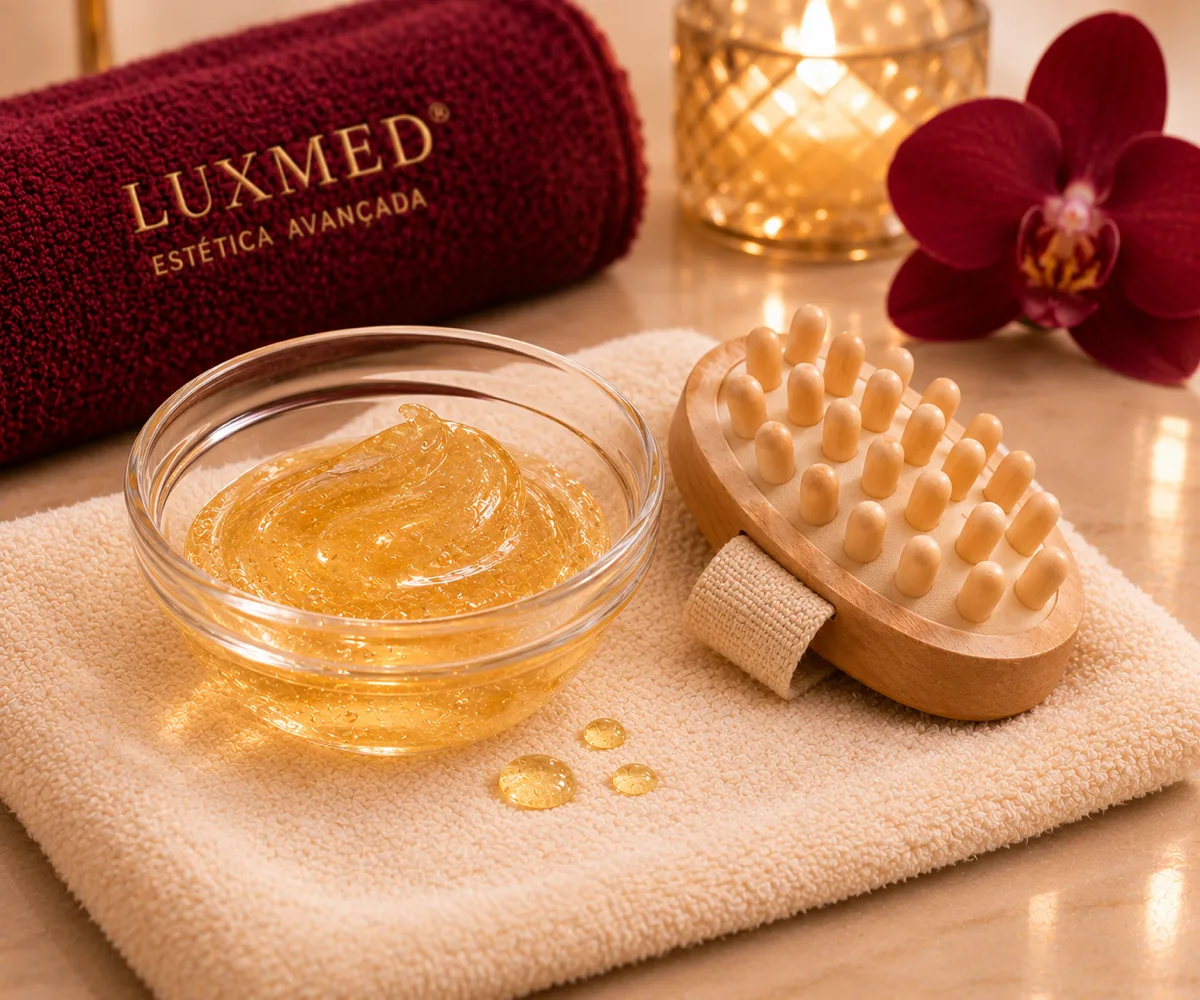
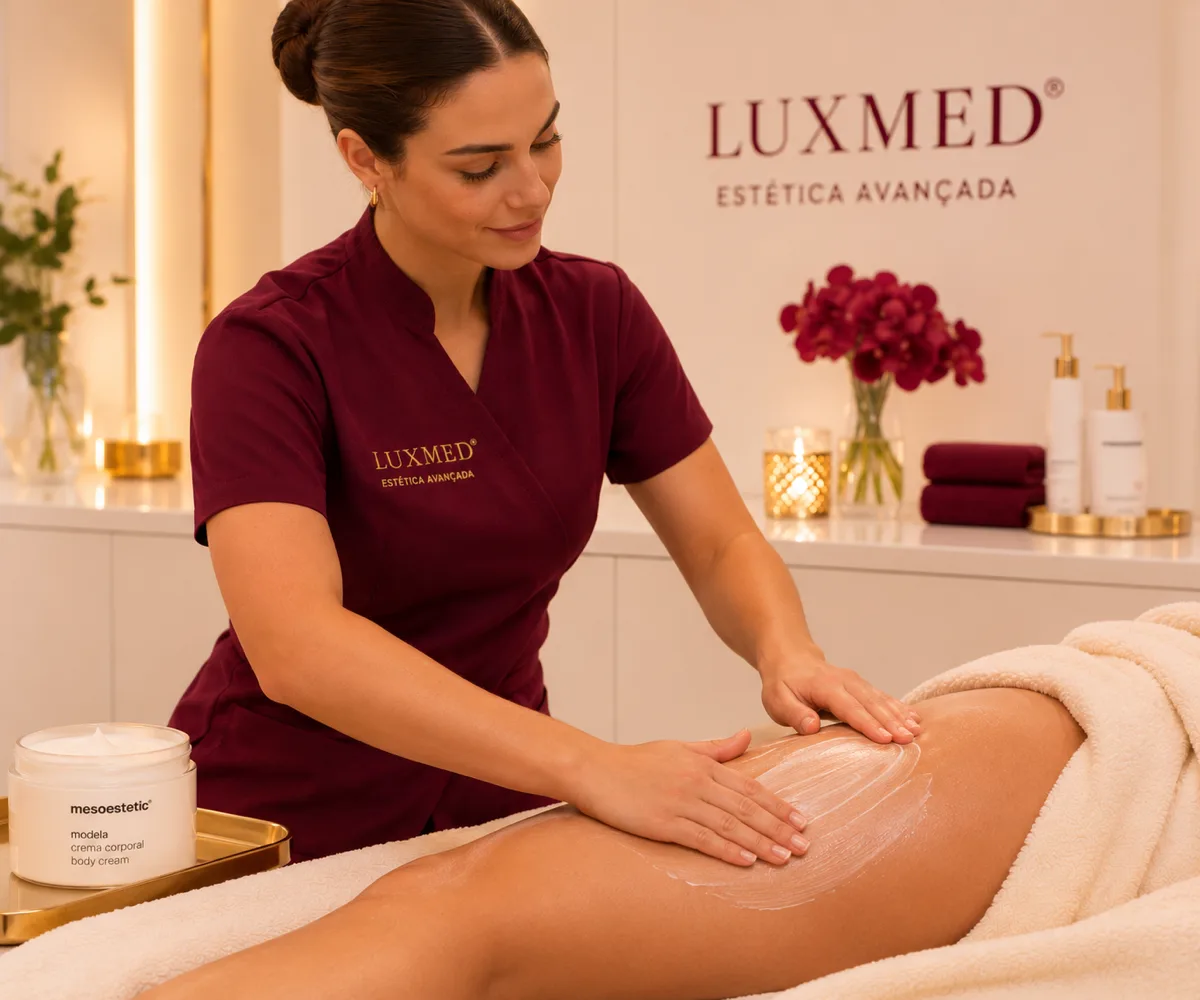
A massage does not change the structure of the supporting tissue, and reviews offer no data to support a promise for massages on their own. A manual ritual with actives can improve how the texture feels and the appearance of the skin, along with a sense of well-being. The result varies from person to person and should not be promised before the assessment. Very strong pressure does not help and may leave bruises. If the massage hurts, say so right away, because the pressure should be comfortable.
What treatments exist for cellulite in a clinic?
There are several approaches, including medical procedures described on other Body Aesthetics pages, and reviews compare them with variable results and short follow-ups. In body mesoaesthetics, the rituals combine professional mesoestetic® actives with manual technique. Which one makes sense depends on the grade, the areas, the skin and your expectations, and it is the doctor who assesses and explains the differences at the consultation. The rituals do not include devices or injectables, and the clinic always tells you what belongs to each approach.
Does cellulite get worse after 40, with menopause?
In many women, the appearance changes with age, because the skin loses thickness and elasticity and hormones change. This can make ripples that were already there more visible. It does not happen to everyone, and some people notice little difference. Maintaining muscle mass, a stable weight and regular skin care can help, and an assessment helps you understand what to expect at your stage of life. If you notice sudden changes or pain, the first step is a medical consultation.
When should I see a doctor first?
Before any ritual, see a doctor if you have pain on touch, tender lumps, easy bruising, a single leg that is swollen, warm or red, sudden changes or a marked disproportion between the upper and lower body. A swollen leg on one side with pain is urgent: call SNS 24 (808 24 24 24) if it is out of hours. At Luxmed, the assessment is carried out by Dr. Michelle Campagnoli, and the team will tell you whether it is advisable to wait or to have tests before starting.
How many sessions, and how long before I notice anything?
It depends on the ritual and on your case. The clinic sets the number of sessions and the interval at the assessment, without promising results. Some people notice smoother skin soon afterwards, and others need more time. Because cellulite needs maintenance, the plan usually includes follow-up. Standardised photographs allow an honest before-and-after comparison, and regularity counts for more than speed. The interval between sessions is also decided with you.
Do you treat cellulite in Algés, and what should I bring?
Yes. Luxmed, in Algés, in the municipality of Oeiras, carries out the assessment and, if it makes sense, proposes the appropriate ritual. Bring the list of products you use on your skin, any allergies you know of, your medication and any treatments you have had recently. Tell us if you are pregnant, may be pregnant or are breastfeeding, and whether your skin reacts easily, because this may change what is appropriate. If you can, also bring older photographs of the area, which help show how it has evolved.