Algés, Oeiras Mon to Fri · 09:00 to 13:00 and 14:00 to 19:00 · Sat · 09:00 to 14:00
WhatsApp Book a consultation

Body aesthetics

Saddlebags and fat on the hipsWhen the fat on the outer thighs does not respond to diet or exercise and you want to understand why

Saddlebags are deposits of fat on the upper outer thighs, just below the hips. Many women lose weight and exercise but find that this area remains largely unchanged. There are biological reasons for this: it is a form of stored fat influenced by hormones and strongly determined by genetics. As a rule, it is not harmful to health, but it can be a concern, and conditions such as lipedema, which cause enlargement of the legs, require a specific medical assessment. Here we explain why saddlebags can be resistant to change, how to distinguish them from cellulite, what exercise can and cannot achieve, what radiofrequency and contouring massage can and cannot do, and when it may be appropriate to speak to a plastic surgeon at Clínica Luxmed, in Algés.

Reviewed by Dr Michelle Campagnoli, clinical director

  • 2non-surgical options for this concern
  • 1assessment, always first
  • Nocommitment
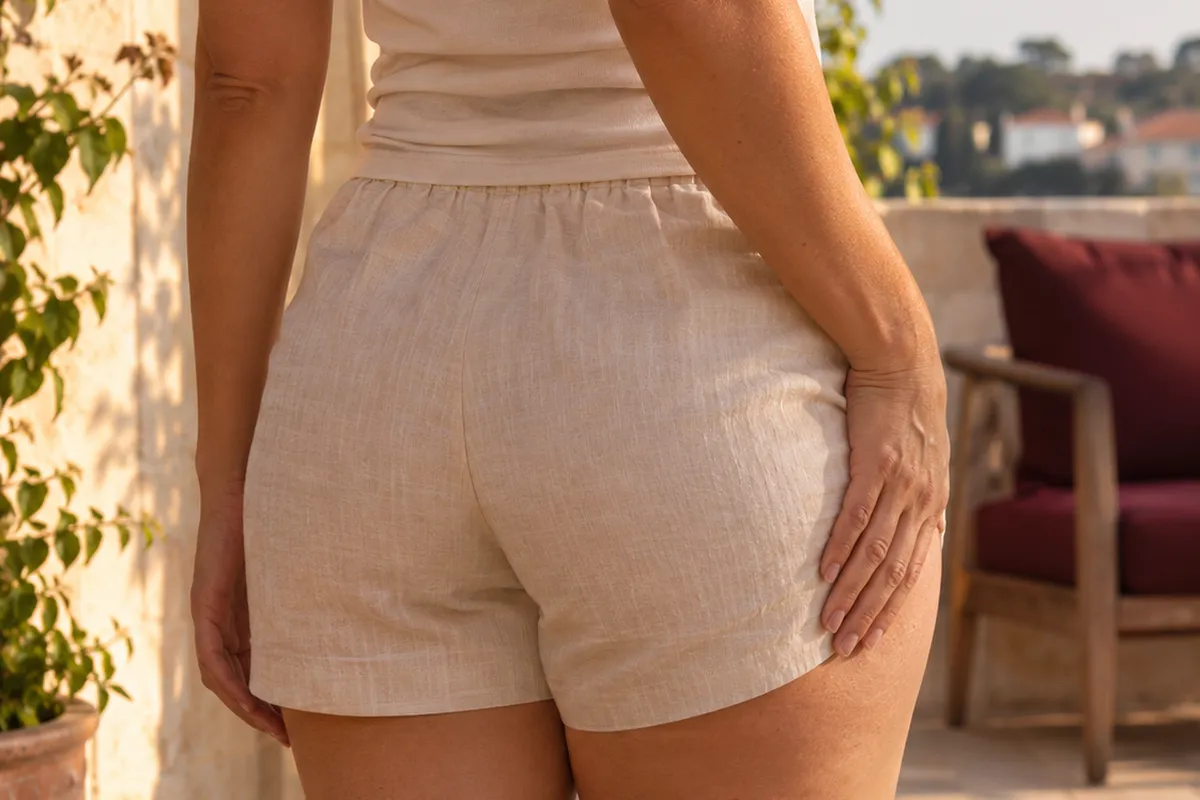
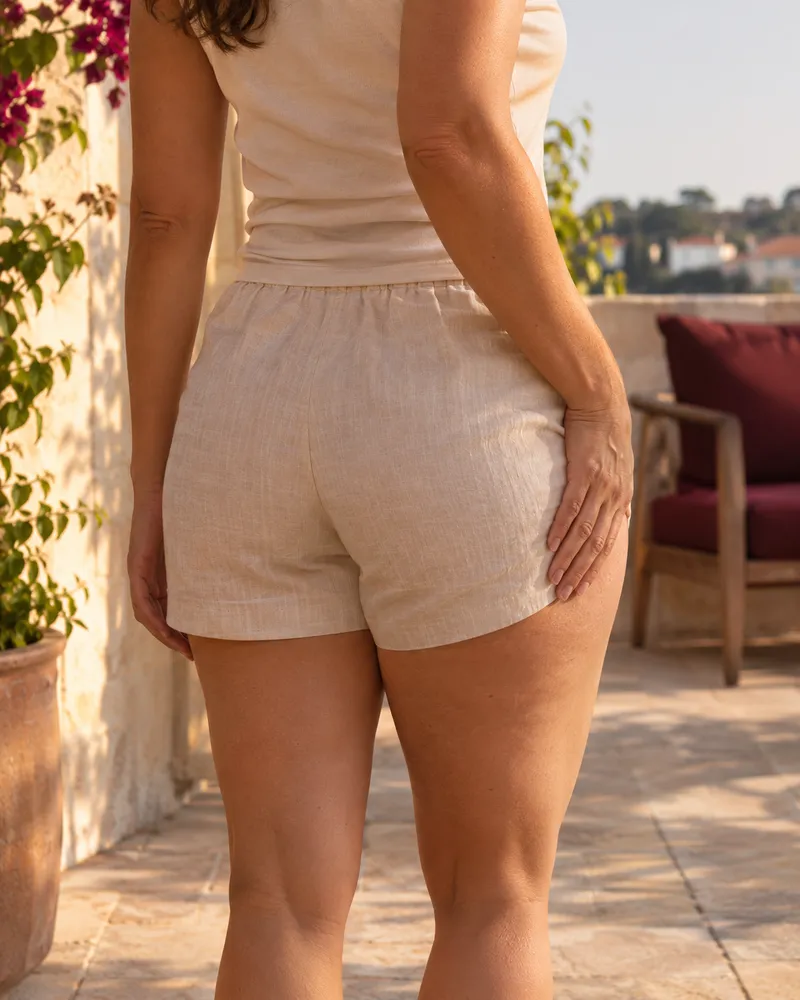
Woman seen from behind on a terrace, with her hand on her hip

How to recognise it

Is it saddlebags or fat on the hips?

Saddlebags are identified by fullness and body contour rather than skin texture. These signs can help you determine whether this is what concerns you and whether there are reasons to seek an assessment before considering treatment.

Tick what you recognise0/7

Tick the signs you recognise in your case. This is not a diagnosis, it is only meant to give you an idea.

Have the legs enlarged out of proportion to the upper body, on both sides, and hurt to the touch, feel heavy or bruise easily? Has the volume not changed, even with a large weight loss? You need medical assessment before any treatment, because it may be lipedema or a venous or lymphatic problem. A single leg that is suddenly swollen, red, warm or painful also needs urgent assessment. Out of hours, call SNS 24: 808 24 24 24.

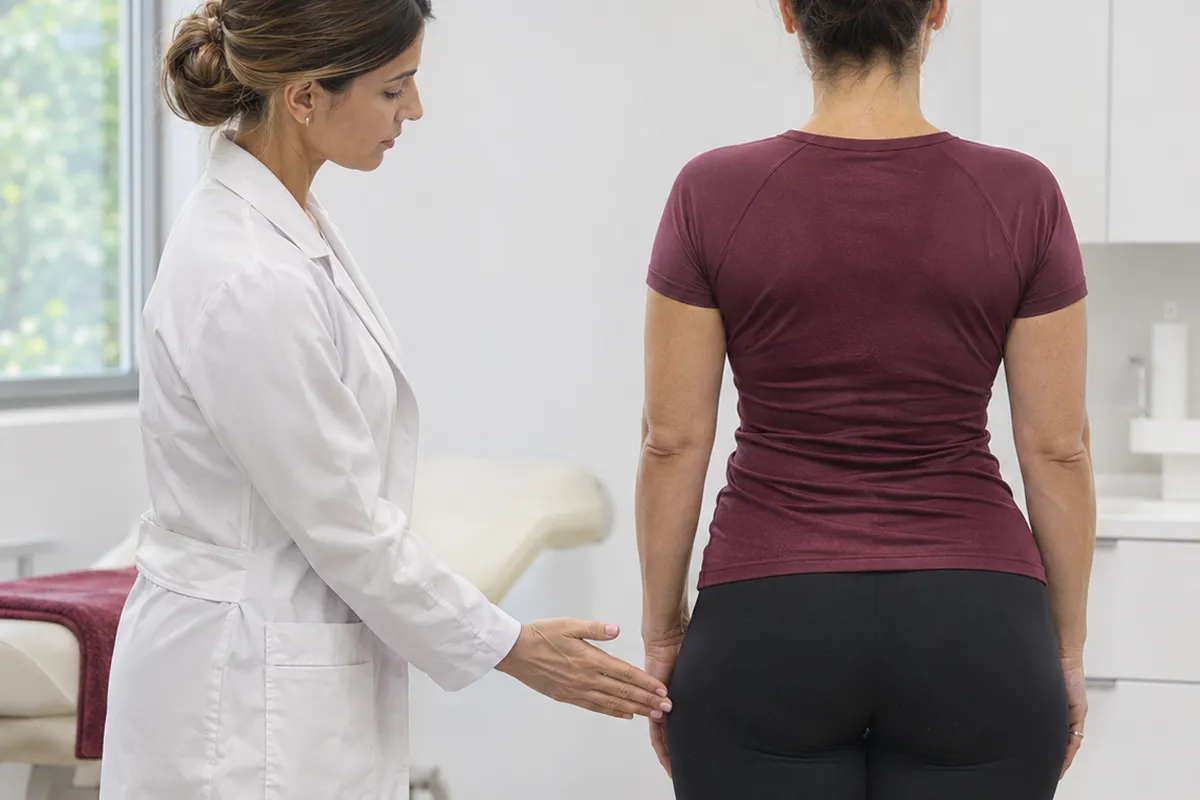
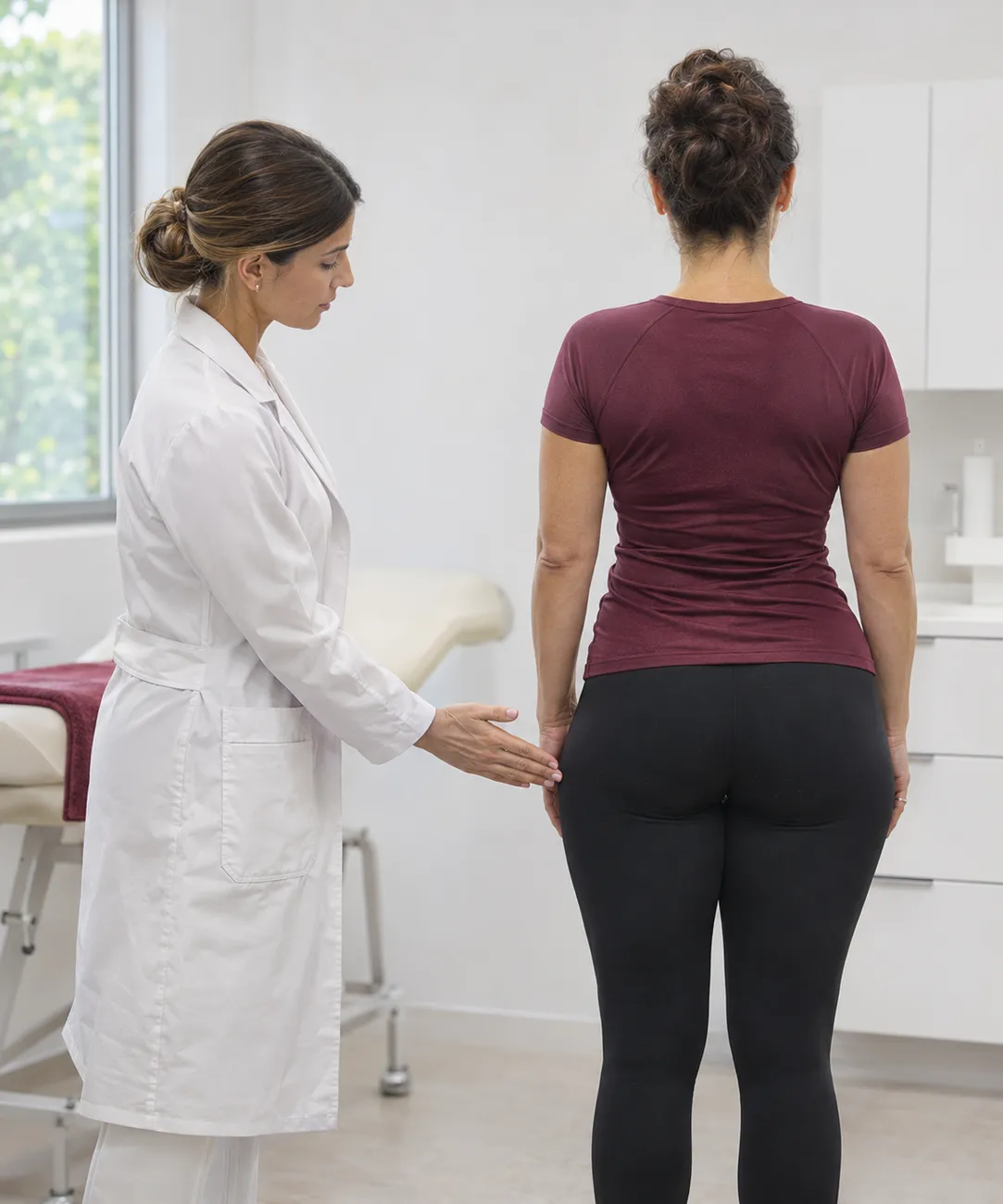
Female doctor standing beside a patient with her back turned, examining the contour of the hips
Photograph of a consultation. The dots mark what the doctor is assessing.

Why it happens

Why saddlebags resist

There is almost always more than one contributing factor. Choose a situation to see how it may play a part and what usually helps.

Hormones and body shape

Women tend to store fat on the hips and thighs, and men more in the central area. Sex hormones, puberty, pregnancy and age influence where fat is deposited. With the menopause, fat tends to accumulate more on the belly, and saddlebags do not always decrease because of this.

What weighs on it

Expecting an adjustment in diet to “choose” the area from which fat comes off: the body decides for itself.

What helps

Accepting that body shape has a hormonal basis and concentrating on what can be changed: overall weight, muscle strength and health.

Saddlebags or something requiring assessment

Simple saddlebags or something to assess

Most of the time it is just the way the body stores fat. But there are situations that call for an assessment before any treatment, because the volume is only the visible part.

  • How it looks. Volume on the outer and upper part of the thighs, similar on both sides, with a thick fold when pinched, without pain or easy bruising, and which has changed little with weight fluctuations.

  • When it is noticed. In tight trousers and from behind in the mirror. It may coexist with cellulite, which is another problem: saddlebags are volume, cellulite is skin texture.

  • What the clinic does. The doctor listens to the history, examines the volume and skin, assesses contour and texture separately and explains what can be expected.

  • At home. Strength training, regular activity and a balanced diet, with realistic goals for contour.

Do you have a leg that is swollen, red and warm, with chest pain or shortness of breath? Call 112. If the enlargement of the legs hurts, feels heavy or bruises, or you have doubts, out of hours you can call SNS 24: 808 24 24 24.

Book an assessment

What the clinic may consider

Options for the contour of the hips and thighs

First-line measures are more valuable than any device: sustained overall weight loss, strength training for the gluteal muscles and legs, healthy habits and, where appropriate, treatment of any underlying medical cause. For people who are close to their target weight but have persistent localised fat, the clinic may consider two non-surgical options: radiofrequency (Sectum) and contouring massage. The evidence is limited: reviews of non-invasive fat-reduction techniques include few radiofrequency studies, use widely differing protocols and report modest reductions in circumference. Results vary from person to person, are generally temporary and depend on maintaining healthy habits. If the volume is significant, the skin is firm and weight is stable, liposuction performed by a plastic surgeon is more effective, but it involves risks and a recovery period. The clinic will refer you for a surgical assessment when this is the best option. Liposuction is neither a treatment for cellulite nor a way to lose weight.

Book an assessment
Dr Michelle Campagnoli, clinical director of Clínica Luxmed

First step

Assessment consultation

The doctor listens to what you are experiencing, examines your case and explains the suitable options. No treatment begins without this consultation.

May be considered when

you want to understand the cause and decide on the best path, with time and without commitment.

Book an assessment
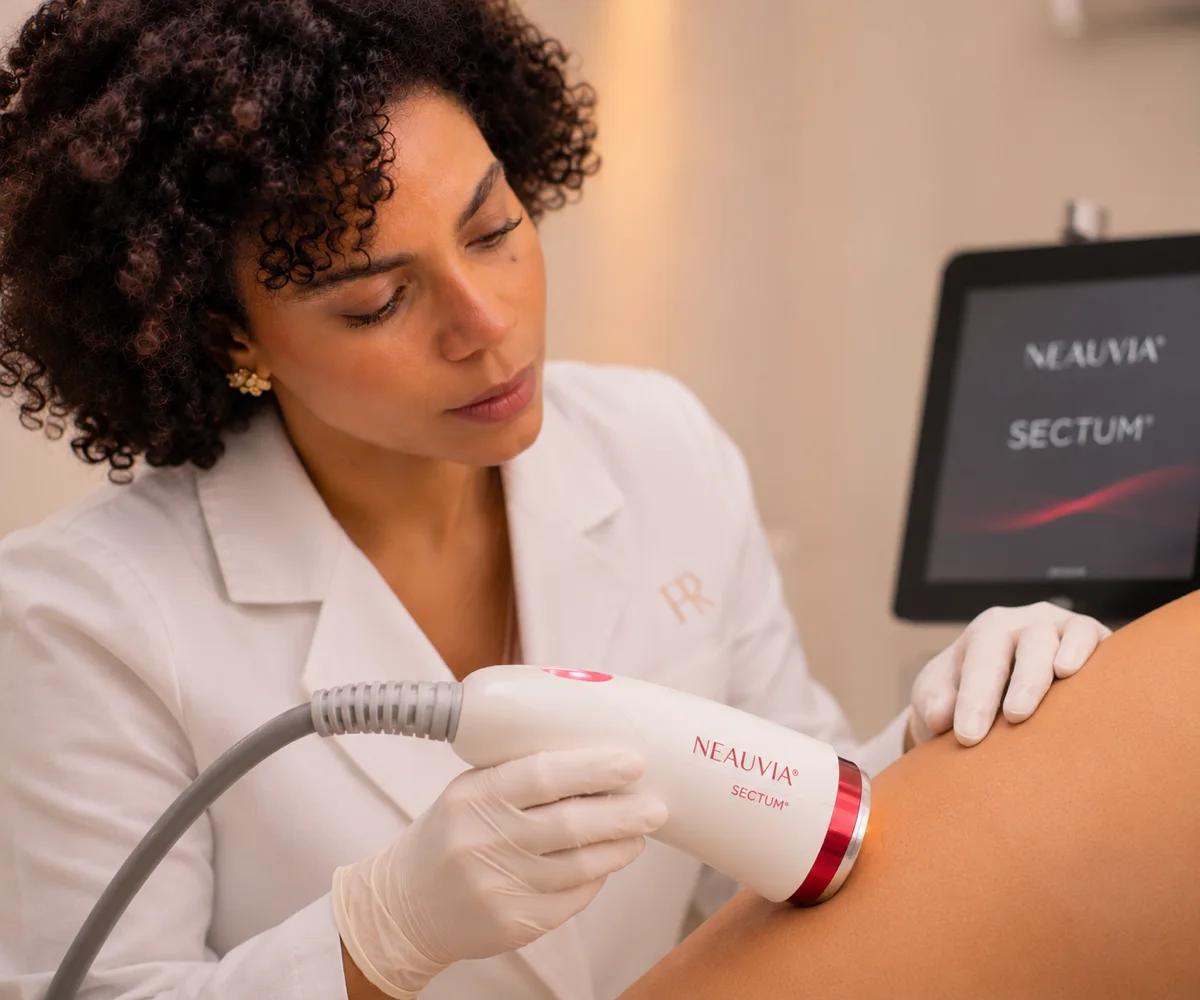
Radiofrequency handpiece gliding over the thigh in a brightly lit treatment room

Firmness of the skin

Sectum radiofrequency Neauvia

Radiofrequency is applied to the skin of the thigh and hip to stimulate collagen deep within the tissue and improve firmness. It primarily improves the appearance and tone of the skin over the saddlebag area; any effect on fat volume is slight and varies from person to person.

May be considered when

the volume is small to moderate, there is some skin laxity, the doctor has ruled out lipedema or a venous disorder, and expectations of a modest result are realistic.

Find out more
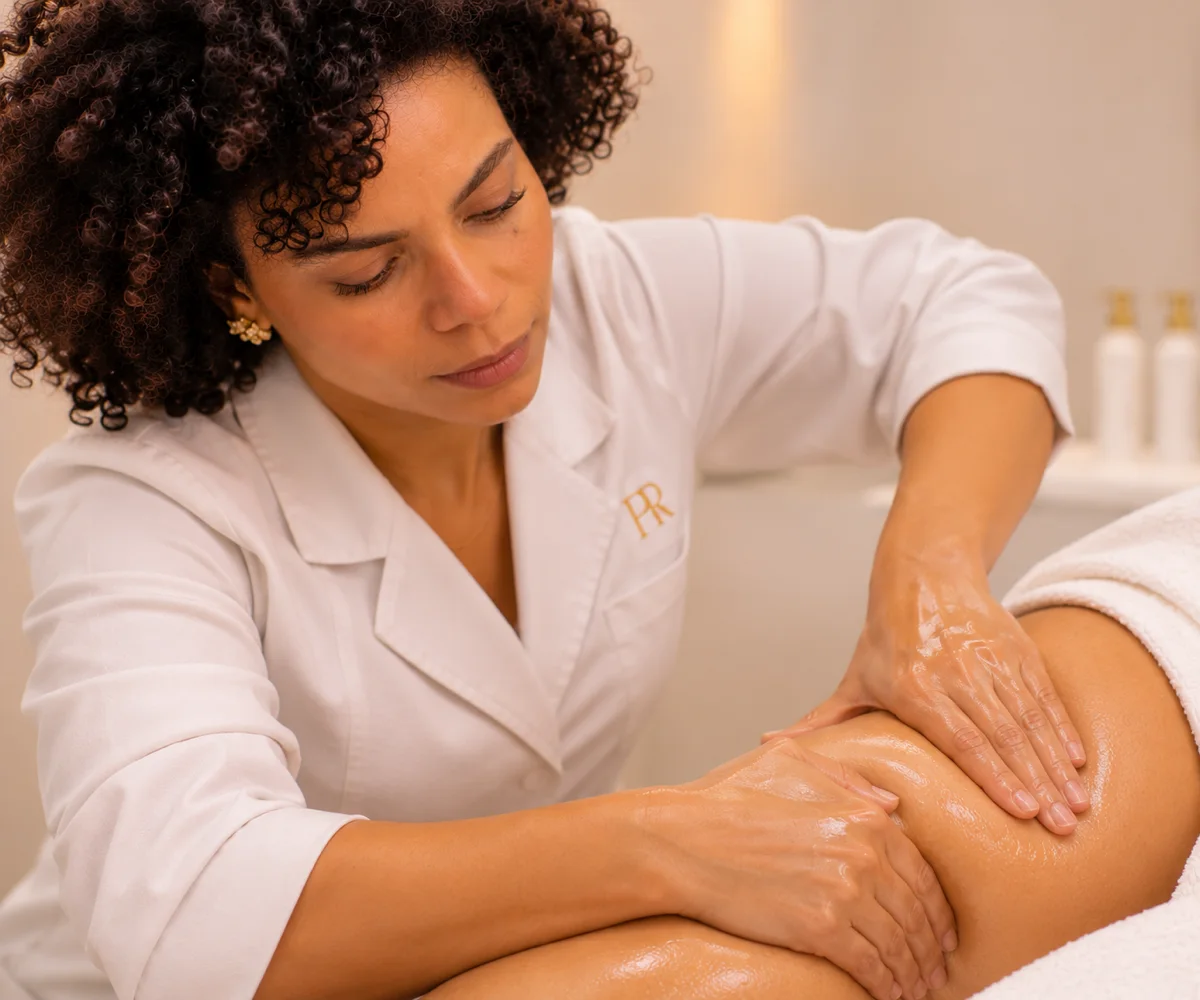
The therapist's hands performing a contouring massage on the outer thigh over a light-coloured towel

Contour and circulation

Contouring massage

Manual contouring massage of the thigh and hip, which stimulates circulation and may help relieve feelings of heaviness and fluid retention. Its effect on fat is temporary, and massage is primarily used to complement other care and procedures.

May be considered when

there is fluid retention or a feeling of heaviness, and you would like help improving your body contour, with the understanding that the effect is temporary and does not eliminate fat.

Find out more

What the journey looks like

From the first conversation to a plan tailored to you

No procedure is performed without an assessment by the doctor. Most people begin with the simplest measures and only then consider additional options.

  1. 01At the clinic

    Telling your story

    The doctor asks how long the volume has been present, whether it has changed with weight, pregnancy or the menopause, whether there is pain, heaviness in the legs or easy bruising, and what you have already tried.

  2. 02At the clinic

    Assess volume and skin

    The doctor examines the volume, firmness and texture of the skin, symmetry and the condition of the legs, and distinguishes saddlebags from cellulite. If there are signs of lipedema or a venous disorder, you will be referred for further assessment before any body-contouring treatments are recommended.

  3. 03At home

    Start with what matters most

    Overall weight, strength training for glutes and legs and regular activity. In many cases, this is what most changes body shape and health.

  4. 04Over time

    Decide and follow up

    If the volume persists, the doctor explains whether radiofrequency, contouring massage or a plastic surgery consultation makes sense, what can be expected and how many sessions are needed, without promising results. The assessment is repeated and the plan adjusted.

Day to day

What helps at home

What you do each day matters more than you might think. These measures are appropriate while you wait for your consultation and alongside the clinic’s treatment plan.

The golden rule

Change the whole body, not just the area

Saddlebag fat cannot be selectively targeted or ‘burned’ in one area. The body responds to overall weight loss, strength training and habits you can maintain. Body-contouring treatments can help refine the shape, but they do not replace the essentials.

Strengthening the legs and buttocks

Muscle gains tone and may improve the contour, even when the fat remains.

In practice: two to three sessions a week of squats, lunges, glute bridges or machines, with progressive load.

Losing weight gradually and sustainably

Fat on the hips is among the last to decrease, and weight lost through quick-fix plans tends to return.

In practice: a balanced diet, without extreme diets, and a goal you can keep up for years.

Move every day

Regular activity helps with weight management, circulation in the legs and general health.

In practice: walk, swim, cycle or dance, and get up often if you spend a lot of time sitting.

Record and bring to the consultation

It helps the doctor understand what has changed and what may have caused the change.

In practice: monthly photographs in the same light and the same clothing, your weight and a list of any pain, bruising or swelling in the legs.

Dr Michelle Campagnoli, clinical director of Clínica Luxmed

Who will look after you

An assessment carried out by the doctor

At Luxmed, in Algés, the first step is always an assessment with Dr Michelle Campagnoli. She examines the area and the skin, determines whether these are simple saddlebags or whether there is an underlying cause to investigate, and agrees the most appropriate approach with you before any procedure.

  • Physical examination and medical historyA conversation about weight, pregnancies, habits and leg health, and examination of the volume and skin.
  • A plan tailored to youA clear plan, without promises, with essential care first and follow-up over time.
  • No obligationThe cost of any treatment is confirmed only after the assessment.
Book an assessment

Book a consultation

Book your consultation

Choose how you prefer to get in touch. We will arrange the assessment consultation with Dr Michelle Campagnoli.

Booking through the websiteAssessment consultationTalk to our assistant on WhatsApp and ask for the current price of the assessment.

New Life Miraflores, Algés · Office Center, R. Santa Teresa do Menino Jesus n.º 6, 9.º C, 1495-048

Your details are used only for this contact. Any treatment depends on a prior medical assessment.

Request an appointmentIt takes less than a minute.
Speciality
You do not need to go into detail. The doctor will talk to you during the consultation.
Request received. Our team will contact you as soon as possible.
Why are saddlebags so resistant to diet?

Because fat on the hips and thighs is a long-term reserve regulated by sex hormones and genetics, and releases fat more slowly than abdominal fat. That is why these are among the last areas to become smaller during weight loss, and many women still have saddlebags after losing weight. You also cannot choose where fat is lost from. This is not due to a lack of effort: it is the biology of pear-shaped fat distribution. Sustained overall weight loss, strength training and, in selected cases, body-contouring treatments can help.

Saddlebags or cellulite: how do I tell them apart?

Saddlebags concern volume, whereas cellulite concerns skin texture. Saddlebags cause greater fullness over the outer thighs and a thick fold can be felt when the area is pinched. Cellulite causes dimpling and an uneven skin surface on the thighs, buttocks and abdomen. Many women have both at the same time, and treating one does not always improve the other. The doctor therefore assesses volume and skin texture separately before recommending a plan.

Are saddlebags bad for your health?

As a rule, no. Fat on the hips and thighs is associated with a better blood glucose and lipid profile than abdominal fat and acts as a safe storage depot. Abdominal fat, particularly visceral fat, warrants more attention. Saddlebags are therefore primarily a matter of body contour and wellbeing rather than disease. This does not mean they cannot bother you or that you should not seek an assessment if you have pain, heaviness in the legs or disproportionate enlargement.

How do I know if it is saddlebags or lipedema?

Lipedema causes symmetrical enlargement of the legs that is disproportionate to the upper body, with tenderness, a feeling of heaviness and easy bruising, and it does not respond well to weight loss. Saddlebags, as a rule, are painless areas of fullness over the outer thighs. Lipedema is diagnosed clinically by a doctor and is often mistaken for obesity or venous disorders. If you have these signs, seek an assessment before considering body-contouring treatment.

Which exercises remove saddlebags?

No exercise reliably removes fat solely from the area being worked: several studies in which only one area was trained found no reduction in fat in that area. Strength training for the hips, gluteal muscles and legs builds muscle and improves muscle tone, which may improve body contour, and also supports weight management and general health. Abduction exercises, for example, strengthen the muscles but do not reduce localised fat. A complete, regular exercise programme is therefore best.

Do radiofrequency and contouring massage reduce saddlebags?

They may help the contour, but only modestly. Radiofrequency stimulates collagen and improves the firmness of the skin, and the effect on fat volume, when there is one, is slight. Contouring massage activates circulation and may relieve the feeling of heaviness and retention, with a temporary effect. The evidence on non-invasive techniques is limited, with very different protocols, and results vary considerably. That is why the doctor explains at the assessment what is realistic in your case, without promising results.

When should I think about liposuction? Does the fat come back?

When the volume is significant, does not change while weight remains stable, the skin is firm and expectations are realistic. Liposuction is surgery performed by a plastic surgeon and involves prior assessment, risks and a recovery period. The fat cells that are removed do not return, but those that remain can enlarge if you gain weight. It is neither a treatment for cellulite nor a way to lose weight. The clinic assesses your case and refers you for a plastic surgery consultation when this is the best option.

How many sessions are needed and do the results last?

It depends on the procedure and the individual case. Several sessions are usually required, spaced weeks apart, and any improvement is gradual and generally modest. Results are temporary and depend on maintaining your weight and healthy habits, so maintenance is just as important as the treatment sessions. Results cannot be guaranteed, and the doctor will agree a plan and realistic expectations with you during the assessment.

Are there situations in which I should not have these treatments?

Yes. Before any procedure, the doctor checks for contraindications, such as pregnancy, skin infection or irritation, circulatory problems or other medical conditions. If lipedema or a venous or lymphatic disorder is suspected, it must be assessed first. No body-contouring treatment therefore begins without an assessment appointment.

When should I see a doctor first?

Book a consultation if the legs have enlarged disproportionately, on both sides, if they hurt to the touch or feel heavy, if you bruise easily, or if the volume has not changed even with a large weight loss. A single leg that is swollen, especially if suddenly, red, warm or painful, needs urgent assessment. If in doubt, out of hours call SNS 24 (808 24 24 24). With chest pain or shortness of breath, call 112.

We could not find that question. Ask us on WhatsApp

Scientific references

This page is based on the sources below and was reviewed by Dr. Michelle Campagnoli. Last updated on .

  1. Karastergiou K, Smith SR, Greenberg AS, Fried SK. Sex differences in human adipose tissues - the biology of pear shape. Biol Sex Differ, 2012.
  2. Manolopoulos KN, Karpe F, Frayn KN. Gluteofemoral body fat as a determinant of metabolic health. Int J Obes (Lond), 2010.
  3. Lovejoy JC, Champagne CM, de Jonge L, Xie H, Smith SR. Increased visceral fat and decreased energy expenditure during the menopausal transition. Int J Obes (Lond), 2008.
  4. Vispute SS, Smith JD, LeCheminant JD, Hurley KS. The effect of abdominal exercise on abdominal fat. J Strength Cond Res, 2011.
  5. Ramírez-Campillo R, Andrade DC, Campos-Jara C, Henríquez-Olguín C, Alvarez-Lepín C, Izquierdo M. Regional fat changes induced by localized muscle endurance resistance training. J Strength Cond Res, 2013.
  6. Kennedy J, Verne S, Griffith R, Falto-Aizpurua L, Nouri K. Non-invasive subcutaneous fat reduction: a review. J Eur Acad Dermatol Venereol, 2015.
  7. Luebberding S, Krueger N, Sadick NS. Cellulite: an evidence-based review. Am J Clin Dermatol, 2015.
  8. Buck DW 2nd, Herbst KL. Lipedema: a relatively common disease with extremely common misconceptions. Plast Reconstr Surg Glob Open, 2016.
  9. Forner-Cordero I, Forner-Cordero A, Szolnoky G. Update in the management of lipedema. Int Angiol, 2021.
  10. Vazirnia A, Smart DR, Mohseni Y, Amron DM. Lipedema Diagnosis, Clinical Manifestations, and Therapeutics: A Systematic Review. Int J Dermatol, 2026.
  11. Yang C. Safety and clinical outcomes of contemporary liposuction techniques: evidence from a systematic review. Front Surg, 2026.
  12. American Society of Plastic Surgeons. Liposuction. American Society of Plastic Surgeons (plasticsurgery.org), 2026.
CallAssistantAvailableBook