Algés, Oeiras Mon to Fri · 09:00 to 13:00 and 14:00 to 19:00 · Sat · 09:00 to 14:00
WhatsApp Book a consultation

Body aesthetics

Love handles and flanksWhen fat on the flanks sticks out over the waistband and seems not to respond to exercise or diet

“Love handles” are deposits of fat that accumulate under the skin on the flanks, between the lowest rib and the hip. They occur in both men and women and often remain even after weight loss. There is a reason for this, and it is rarely a lack of effort: genetics determines where the body stores fat, hormones and age alter that pattern, and muscle mass declines if the muscles are not trained. Here we explain why fat accumulates around the waist, how to distinguish a body-contouring concern from fat that warrants medical attention, what studies say about spot exercises, and what Clínica Luxmed, in Algés, can assess and recommend for the flanks.

Reviewed by Dr Michelle Campagnoli, clinical director

  • 2treatments for this topic
  • 1assessment, always first
  • Nocommitment
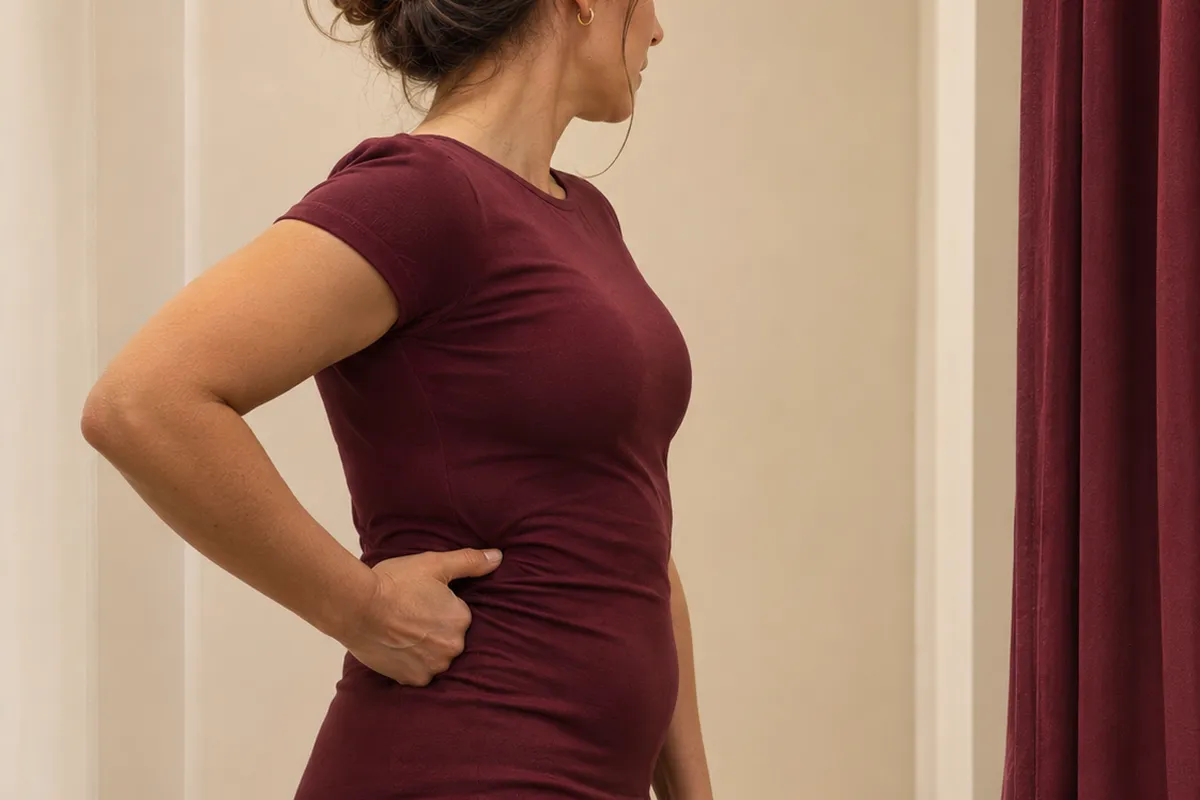
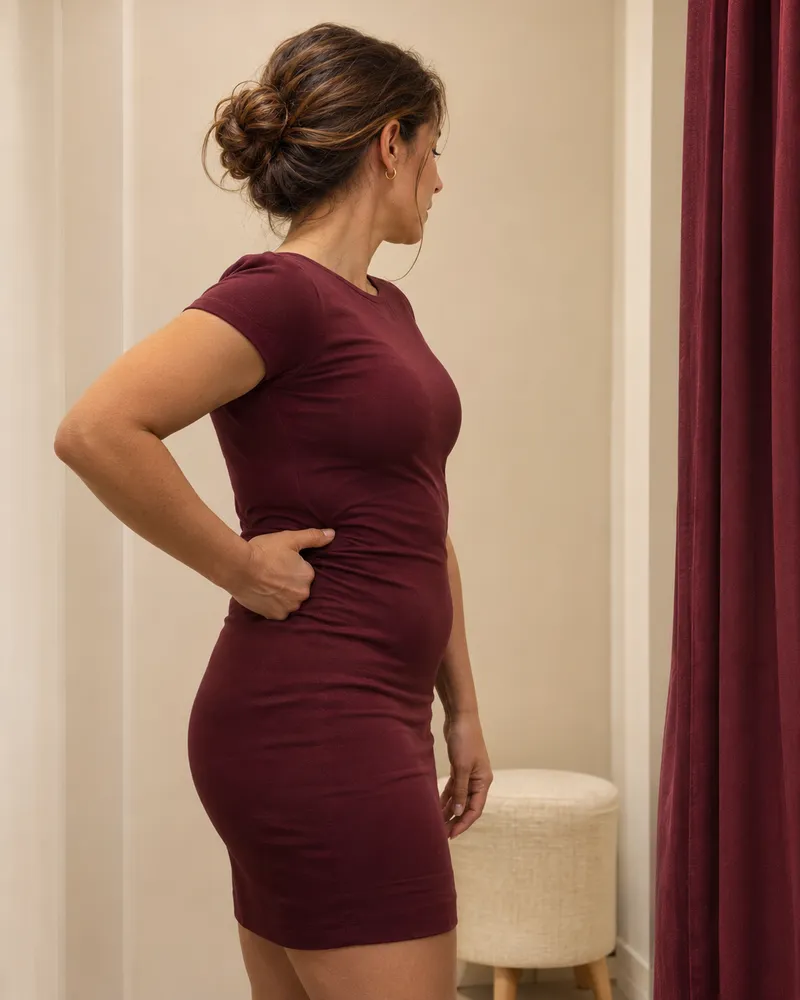
Woman in profile in a fitting room, in a fitted dress with a hand on her waist

How to recognise it

Are love handles what you feel at your waist?

Not all increases in waist size are the same: sometimes the cause is soft fat on the flanks, sometimes loose skin, and sometimes abdominal enlargement that warrants medical advice. These signs can help you understand what may be happening before your assessment.

Tick what you recognise0/7

Tick the signs you recognise in your case. This is not a diagnosis, it is only meant to give you an idea.

Rapid, unexplained weight gain, with tiredness, intense thirst, a round, reddened face, easy bruising, wide purple stretch marks or weakness in the arms and legs? A belly growing quickly, distended every day or painful? You need medical assessment before any contouring treatment. Out of hours, call SNS 24: 808 24 24 24.

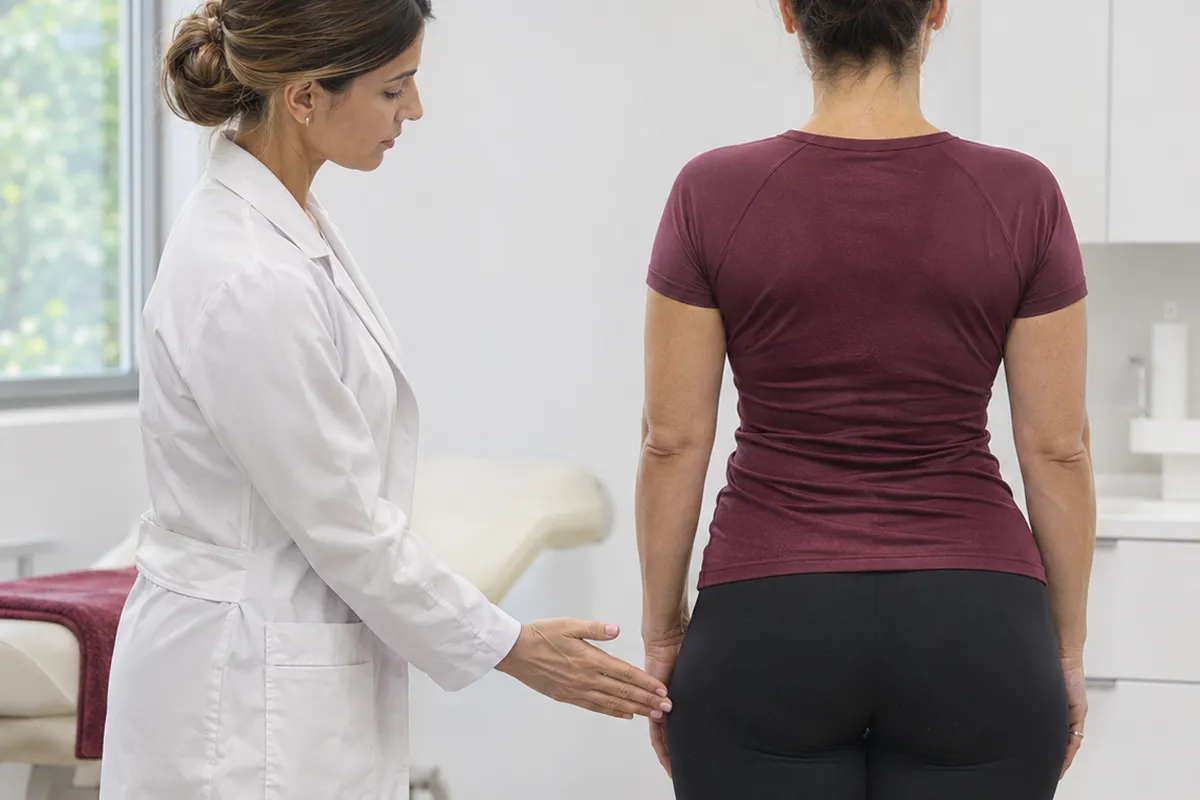
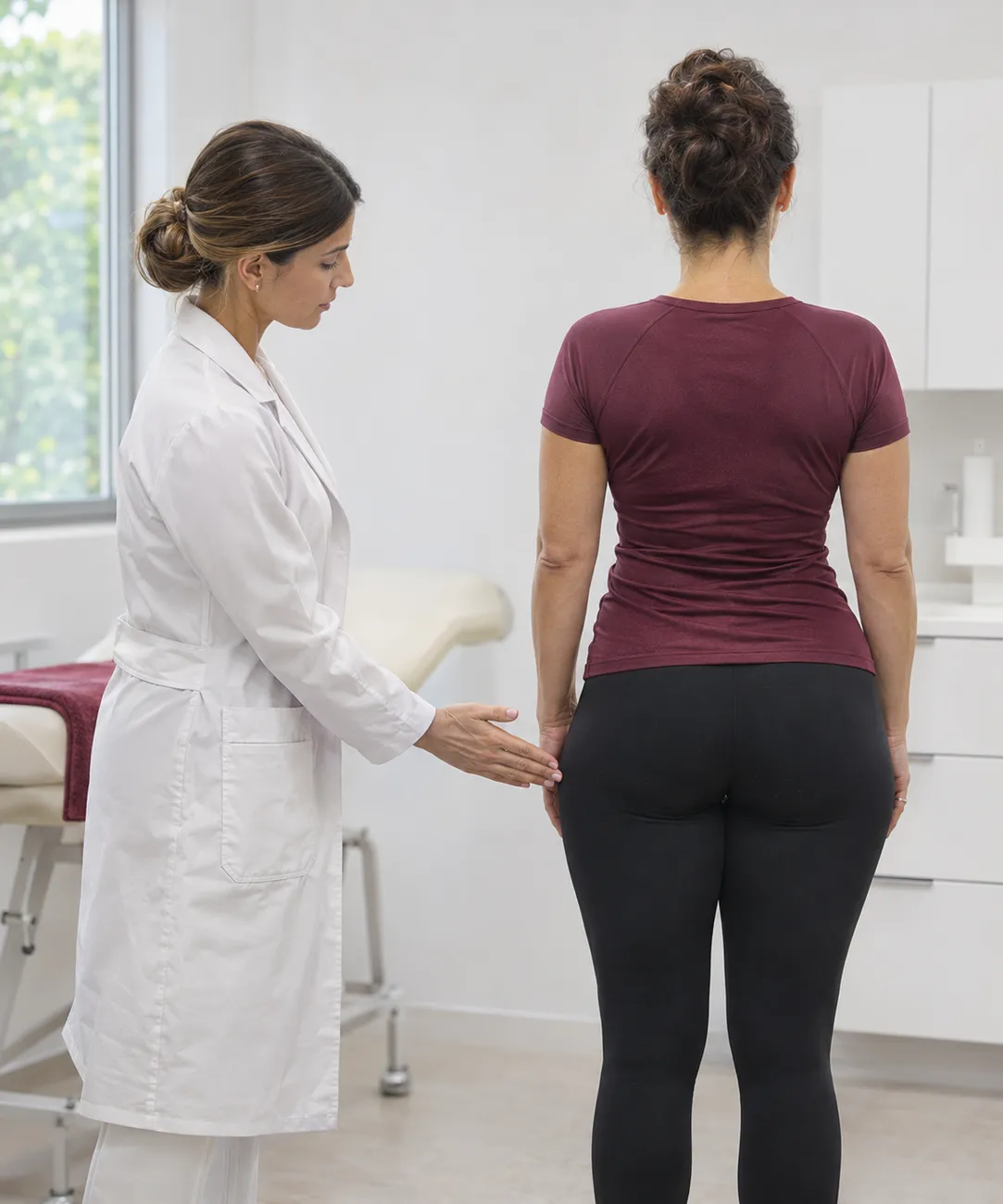
Female doctor standing beside a patient with her back turned, examining the contour of the hips
Photograph of a consultation. The dots mark what the doctor is assessing.

Why it happens

Why fat accumulates on the flanks

It is almost never one thing, and it has nothing to do with lack of willpower. Choose a situation to see what makes it worse and what helps.

Genetics

Where each person stores fat is largely predetermined. Scientific reviews describe differences in the biology of fat cells in different areas of the body and between men and women, which is why two people of the same weight can have very different body shapes. For many people, the flanks are a common area for fat storage.

What weighs on it

Comparing your waist with someone else’s or with photographs on social media, and thinking the goal is the same for everyone.

What helps

Understand your starting pattern and set a realistic contour goal for it, rather than a goal on the scale.

Normal or to be assessed

Contour love handles or something to assess

In most cases, love handles are simply fat that has accumulated beneath the skin. However, sometimes a change in the waist is the outward sign of another condition, which should be assessed before any treatment.

  • How it looks. A soft, thick fold, which can be picked up with the fingers, on both sides of the waist, above the waistband, and which does not harden when you contract your belly.

  • When it is noticed. From the front and side, in tight clothing, and above all after a period of greater weight or the menopause. It may vary over the day and the menstrual cycle.

  • What the clinic does. The doctor examines the fat and the firmness of the skin, measures the waist and explains what is realistic to expect from each option, without promising results.

  • At home. Strength and aerobic training, a diet you can keep up, sleep and breaks, and the waist measured regularly.

Do you have severe abdominal pain, shortness of breath or fainting? Call 112. If your weight has risen quickly, your belly is distended or you have doubts, out of hours you can call SNS 24: 808 24 24 24.

Book an assessment

What the clinic may consider

Options for the flanks

The first steps are the usual ones: strength training, regular aerobic exercise, a diet that allows for a moderate calorie deficit, and core exercises to improve posture. Only then, and after an assessment, does the clinic consider body-contouring treatment. For the flanks, it offers Sectum radiofrequency Neauvia, particularly where skin laxity is a significant factor, and contouring massage, which has a temporary effect on body contour. The evidence is limited: reviews of non-invasive fat-reduction treatments include few patients treated with radiofrequency, the studies vary widely and the reported reductions are modest and achieved over several sessions. Results vary from person to person and depend on maintaining a stable weight. Cryolipolysis and focused ultrasound are available at other centres, while liposuction is a surgical procedure requiring anaesthesia and recovery. The doctor will explain when one of these options may be more appropriate.

Book an assessment
Dr Michelle Campagnoli, clinical director of Clínica Luxmed

First step

Assessment consultation

The doctor listens to what you are experiencing, examines your case and explains the suitable options. No treatment begins without this consultation.

May be considered when

you want to understand the cause and decide on the best path, with time and without commitment.

Book an assessment
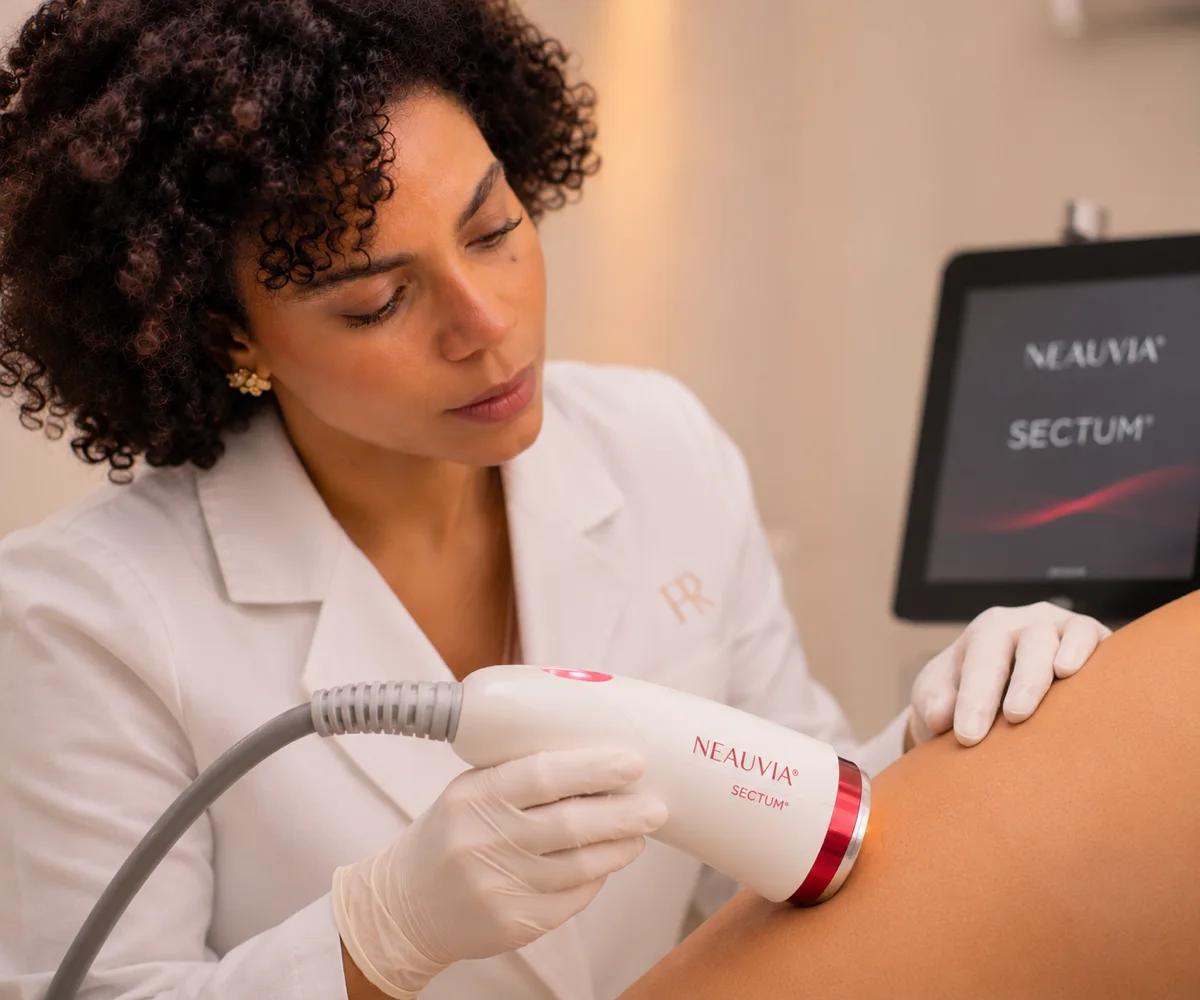
Professional in a white coat moving a radiofrequency handpiece over the skin of a limb, with the equipment screen in the background

Firmness of the skin

Sectum radiofrequency Neauvia

Radiofrequency treatment that heats tissue in a controlled manner to firm the skin and stimulate collagen production in deeper layers, in areas such as the abdomen, thighs and arms. For the flanks, it is an option where the skin has lost firmness; its effect on fat reduction is modest and varies from person to person.

May be considered when

the skin on the flanks is looser and the aim is to improve firmness and contour; the assessment has confirmed that there are no contraindications, and the doctor has explained the realistic results to expect over several sessions.

Find out more
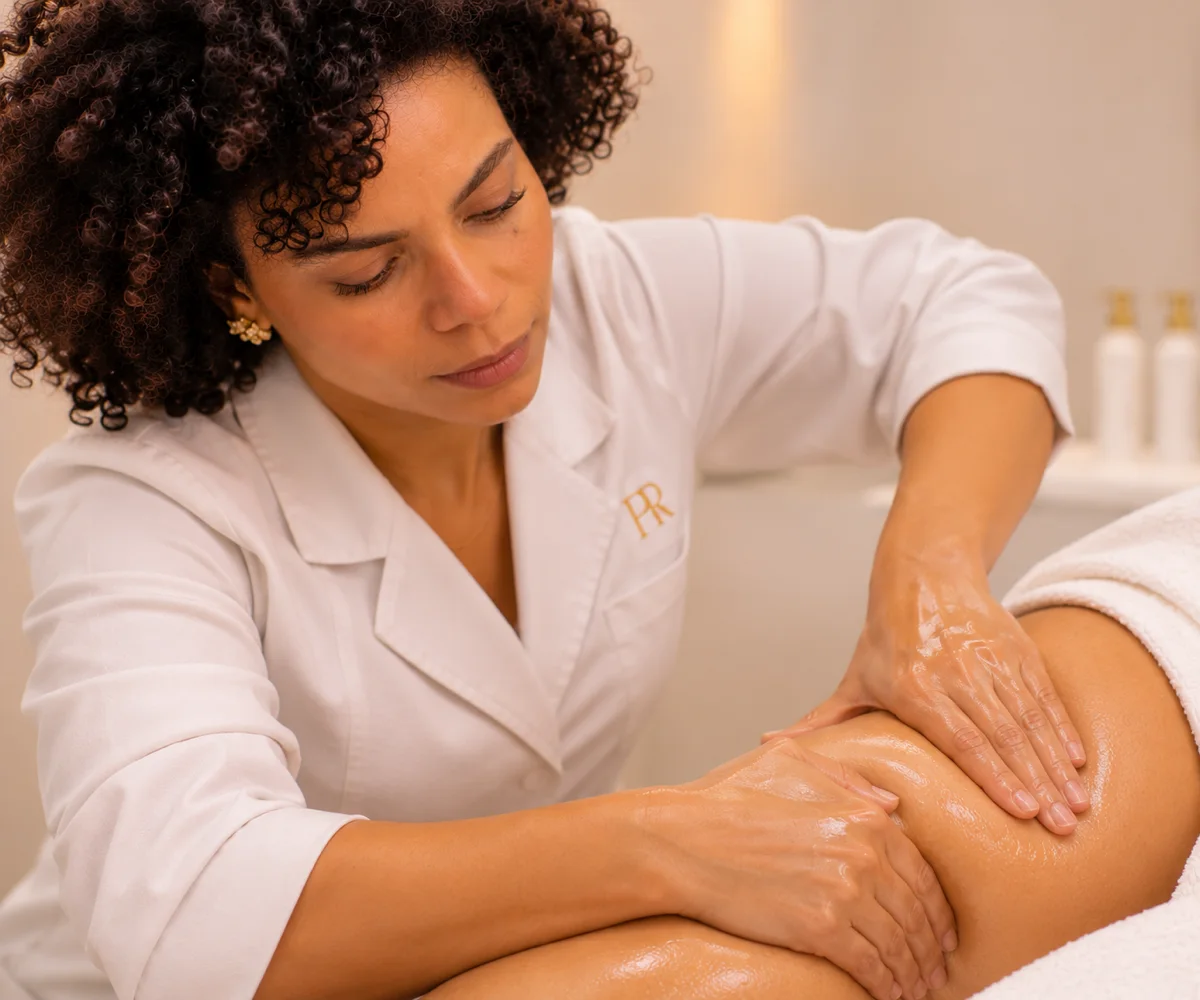
Professional in a white coat using both hands and oil to massage a client’s limb as the client lies on a treatment couch covered with a light-coloured towel

Contour and circulation

Contouring massage

A manual technique that enhances body contour, stimulates circulation and supports the results of other procedures. Its effect on body contour is temporary and it is not a substitute for exercise, a healthy diet or medical assessment.

May be considered when

the aim is to enhance body contour and a feeling of lightness in the area, as an adjunct to exercise or another procedure, without expecting a lasting reduction in fat.

Find out more

What the journey looks like

From the first conversation to a plan tailored to you

No treatment begins without an assessment appointment with the doctor. Most people start with the simplest measures, and only then are further options considered.

  1. 01At the clinic

    Reviewing changes in your waist

    The doctor asks when your flanks began to change, whether this followed a period of weight gain, the menopause or pregnancy, what you have already tried, what exercise you do, how you sleep and what medication you take. Understanding your goal is the first step.

  2. 02At the clinic

    Observing and measuring

    The area, the thickness and firmness of the fold are examined, and the waist is measured. If the belly is hard and prominent, weight has risen quickly or there are other signs, tests are requested or you are referred to your attending doctor or a specialist.

  3. 03At home

    Start with what matters most

    Regular strength training and aerobic exercise, a sustainable diet, sleep and regular breaks. In many cases, these form the basis of any result and help maintain the benefits of subsequent treatment.

  4. 04Over time

    Decide and follow up

    If the doctor considers that a contouring treatment makes sense, she explains what can be expected and how many sessions are needed, without promising results. Measurements and photographs are repeated and the plan is adjusted, including maintenance.

Day to day

What helps at home

What you do outside the clinic matters more than you might think. These are sensible measures to take alongside the doctor’s plan.

The golden rule

Fat comes off the whole body, not the area you train

Studies of exercises targeting a single area, such as sit-ups and exercises for love handles, have generally found no reduction in fat in that area. Fat decreases through overall fat loss, and the pattern in which it is lost is largely determined by genetics. This is why whole-body strength training and regular movement are more worthwhile than a thousand sit-ups.

Whole-body strength training

Muscle influences body shape and resting energy expenditure, and helps support the trunk as you age.

In practice: try to include at least 2 strength-training sessions a week targeting all the major muscle groups, with guidance from a professional if you are inexperienced.

Maintaining regular aerobic exercise

It contributes to energy expenditure and heart health, and helps reduce overall body fat.

In practice: guidelines recommend at least 150 minutes of moderate activity a week, spread across several days, or 75 minutes of vigorous activity.

Measuring the waist and taking photographs

Waist measurements and photographs tell you more about body contour than the scales.

In practice: measure the waist always at the same point, in the morning, and photograph from the front, side and back, in the same light and the same clothing, every 2 to 4 weeks.

Core exercises for posture

A stable trunk improves posture, which may change the appearance of the waist, although it does not change the amount of fat.

In practice: include trunk stability exercises, such as planks and work on the obliques, and talk to a professional if you have back pain or have recently given birth.

Dr Michelle Campagnoli, clinical director of Clínica Luxmed

Who will look after you

An assessment carried out by the doctor

At Luxmed, in Algés, the first step is always an assessment with Dr Michelle Campagnoli. She will examine the area, assess the firmness of your skin, determine whether the concern is purely one of body contour or whether there may be another cause to investigate, and work with you to decide on the appropriate approach before any treatment.

  • Physical examination and medical historyA discussion about your lifestyle, weight, the menopause and medication, together with a waist measurement and examination of the flanks.
  • A plan tailored to youA clear plan, without promises, with the basics first and follow-up over time.
  • No obligationThe cost of any treatment is confirmed only after the assessment.
Book an assessment

Book a consultation

Book your consultation

Choose how you prefer to get in touch. We will arrange the assessment consultation with Dr Michelle Campagnoli.

Booking through the websiteAssessment consultationTalk to our assistant on WhatsApp and ask for the current price of the assessment.

New Life Miraflores, Algés · Office Center, R. Santa Teresa do Menino Jesus n.º 6, 9.º C, 1495-048

Your details are used only for this contact. Any treatment depends on a prior medical assessment.

Request an appointmentIt takes less than a minute.
Speciality
You do not need to go into detail. The doctor will talk to you during the consultation.
Request received. Our team will contact you as soon as possible.
Why do I have fat around my waist?

Fat around the waist is primarily a matter of body fat distribution: genetics largely determines where each person stores fat, while hormones and age alter that pattern. In men, fat tends to accumulate around the midsection, while in women the waist tends to expand after the menopause. Weight gain, age-related muscle loss and a sedentary lifestyle also contribute. In most cases, this is subcutaneous fat, but a larger waist can also indicate visceral fat, so it is worth measuring your waist and discussing it at your consultation.

What are love handles, and how can I distinguish them from the rest of my abdomen?

Love handles are deposits of fat beneath the skin on the flanks, between the lowest rib and the hip. They can be identified by a soft fold that can be pinched between the fingers and does not become firm when you contract your abdominal muscles, and by their presence on both sides of the waist. If the abdomen is firm, tense and prominent, there may be visceral fat, which is assessed differently. If the fold is thin and loose, skin laxity may be a greater concern than fat, which changes the treatment options considered.

Are love handles dangerous to health?

Subcutaneous fat is not, in itself, the main concern. What does warrant attention is a larger waist, as it may indicate visceral fat, which scientific organisations describe as a cardiometabolic risk factor in its own right. This is why waist circumference is considered a simple measurement worth discussing with a doctor, even when the concern is mainly aesthetic.

When does a large waist deserve medical assessment?

Seek medical advice if you have rapid, unexplained weight gain, tiredness, intense thirst, a round, reddened face, easy bruising, wide purple stretch marks or weakness in your arms and legs, or if your abdomen is persistently distended or painful, or if this is accompanied by unexplained weight loss. In these cases, there may be another underlying cause that needs to be ruled out before considering body contouring. Out of hours, you can call SNS 24 (808 24 24 24).

Does localised exercise remove love handles?

No exercise can specifically reduce fat on the flanks. Side sit-ups and twists strengthen the oblique muscles and improve posture, but studies generally do not show that they burn the fat overlying those muscles: in one trial, six weeks of abdominal exercises did not reduce abdominal fat or waist circumference, while in another, twelve weeks of training one leg reduced overall body fat but not fat in the trained leg. One small trial involving men only suggests a slight benefit from adding abdominal exercise to running, showing that the issue remains under debate, but any effect is modest. A sensible approach is whole-body strength training, regular aerobic exercise and a diet that creates a moderate calorie deficit.

How can I lose localised fat around my abdomen and waist?

Fat loss occurs throughout the body in a pattern largely determined by genetics, so you cannot choose where it comes from. What helps is whole-body strength training, regular aerobic exercise, a diet that creates a moderate calorie deficit and then maintaining the resulting weight. For people who are already close to a healthy weight but remain concerned about their flanks, the clinic can assess whether a body-contouring treatment is appropriate as an adjunct to, rather than a substitute for, these measures.

Radiofrequency, massage, cryolipolysis or liposuction: what does the clinic offer, and what can you expect?

The clinic offers Neauvia Sectum radiofrequency, which heats tissue in a controlled manner to firm the skin, and contouring massage, which has a temporary effect on body contours. Cryolipolysis and focused ultrasound are available at other centres, and a systematic review of cryolipolysis describes modest reductions and generally mild, temporary side effects. Liposuction is a surgical procedure involving sedation or anaesthesia, recovery and swelling. It achieves the greatest reduction, but is not a treatment for obesity and works best in people of a healthy weight with firm skin. During the assessment, the doctor will explain which option is appropriate for you.

How many centimetres can I lose and are the results permanent?

It varies a lot. In reviews of non-invasive treatments, reductions in circumference are, on average, a few centimetres and are obtained over several sessions, but the studies are very different from one another and, in the case of radiofrequency, few patients have been studied. Results are not guaranteed or permanent: if weight goes up, the contour changes again. The doctor defines the plan and expectations at the assessment, without promising results.

Can men also have treatments for the flanks?

Yes. The flanks are a common problem area in men, whose fat tends to accumulate more around the midsection. The assessment is the same: first determining whether this is subcutaneous fat or abdominal enlargement that warrants further investigation, and only then considering the appropriate options.

When should I see a doctor first?

Book a consultation if weight has risen quickly and without explanation, if you have tiredness, intense thirst, a round, reddened face, easy bruising, wide purple stretch marks or weakness in the arms and legs, or if the belly is distended every day, hurts or comes with unexplained weight loss. If in doubt, out of hours call SNS 24 (808 24 24 24). With severe abdominal pain, shortness of breath or fainting, call 112.

We could not find that question. Ask us on WhatsApp

Scientific references

This page is based on the sources below and was reviewed by Dr. Michelle Campagnoli. Last updated on .

  1. Karastergiou K, Smith SR, Greenberg AS, Fried SK. Sex differences in human adipose tissues - the biology of pear shape. Biol Sex Differ, 2012.
  2. Lovejoy JC, Champagne CM, de Jonge L, Xie H, Smith SR. Increased visceral fat and decreased energy expenditure during the menopausal transition. Int J Obes (Lond), 2008.
  3. Vispute SS, Smith JD, LeCheminant JD, Hurley KS. The effect of abdominal exercise on abdominal fat. J Strength Cond Res, 2011.
  4. Ramírez-Campillo R, Andrade DC, Campos-Jara C, Henríquez-Olguín C, Alvarez-Lepín C, Izquierdo M. Regional fat changes induced by localized muscle endurance resistance training. J Strength Cond Res, 2013.
  5. Brobakken MF, Krogsaeter I, Helgerud J, Wang E, Hoff J. Abdominal aerobic endurance exercise reveals spot reduction exists: A randomized controlled trial. Physiol Rep, 2023.
  6. Neeland IJ, Ross R, Després JP, Matsuzawa Y, Yamashita S, et al. Visceral and ectopic fat, atherosclerosis, and cardiometabolic disease: a position statement. Lancet Diabetes Endocrinol, 2019.
  7. Ross R, Neeland IJ, Yamashita S, Shai I, Seidell J, Magni P, Santos RD, Arsenault B, Cuevas A, Hu FB, Griffin BA, Zambon A, Barter P, Fruchart JC, Eckel RH, Matsuzawa Y, Després JP. Waist circumference as a vital sign in clinical practice: a Consensus Statement from the IAS and ICCR Working Group on Visceral Obesity. Nat Rev Endocrinol, 2020.
  8. World Health Organization. Waist circumference and waist-hip ratio: report of a WHO expert consultation, Geneva, 8-11 December 2008. Organização Mundial da Saúde, 2011.
  9. World Health Organization. WHO guidelines on physical activity and sedentary behaviour. Organização Mundial da Saúde, 2020.
  10. NHS. Physical activity guidelines for adults aged 19 to 64. (NHS, acedido 2026-11-11)
  11. Hall KD, Kahan S. Maintenance of Lost Weight and Long-Term Management of Obesity. Med Clin North Am, 2018.
  12. Kennedy J, Verne S, Griffith R, Falto-Aizpurua L, Nouri K. Non-invasive subcutaneous fat reduction: a review. J Eur Acad Dermatol Venereol, 2015.
  13. Somenek MT, Ronan SJ, Pittman TA. A Multi-Site, Single-Blinded, Prospective Pilot Clinical Trial for Non-Invasive Fat Reduction of the Abdomen and Flanks Using a Monopolar 2 MHz Radiofrequency Device. Lasers Surg Med, 2021.
  14. Ingargiola MJ, Motakef S, Chung MT, Vasconez HC, Sasaki GH. Cryolipolysis for fat reduction and body contouring: safety and efficacy of current treatment paradigms. Plast Reconstr Surg, 2015.
  15. American Society of Plastic Surgeons. Liposuction (informação ao doente: o que a lipoaspiração não faz, procedimento e recuperação). American Society of Plastic Surgeons, 2024.
  16. NHS. Cushing's syndrome. (NHS, acedido 2026-11-11)
CallAssistantAvailableBook