Algés, Oeiras Mon to Fri · 09:00 to 13:00 and 14:00 to 19:00 · Sat · 09:00 to 14:00
WhatsApp Book a consultation

Body aesthetics

Fat on the back and the bra lineWhen the fold at bra level shows in tight clothing and you want to understand what causes it and what is realistic to do

A fold of fat on the back at bra level is a very common concern and rarely has a single cause. Contributing factors include genetics, which influence where each person stores fat; weight; skin that loses firmness with age; the rounded posture that can develop from sitting all day; and, often, a bra band that is too tight or rides up. Not everything that looks like fat is fat, and some signs require medical assessment before treatment is considered. Here we explain why the fold forms; what you can realistically expect from weight loss, exercise and posture; what radiofrequency and contouring massage can and cannot do; and when to see the doctor at Clínica Luxmed, in Algés.

Reviewed by Dr Michelle Campagnoli, clinical director

  • 2treatment options for this concern
  • 1assessment, always first
  • Nocommitment
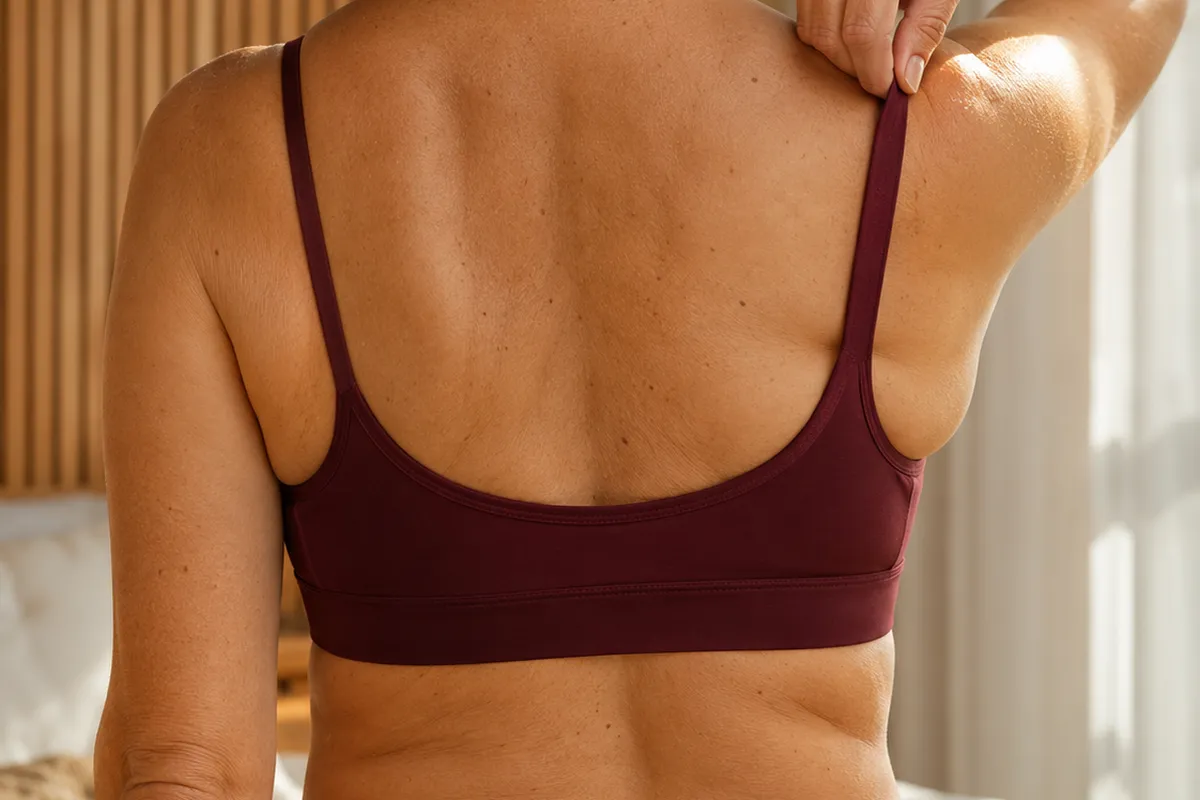
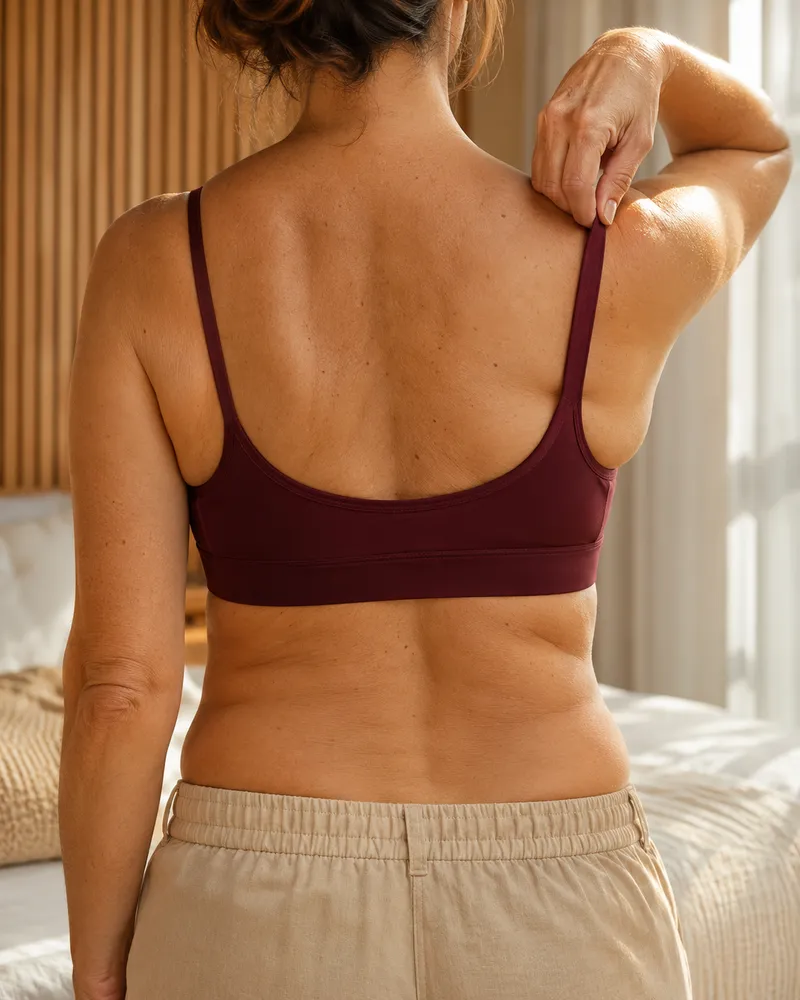
Woman seen from behind, in a sports top, adjusting her bra strap

How to recognise it

Is it fat on the back, at bra level?

Not all folds on the back are the same: some are due mainly to fat, others to loose skin and others to clothing or posture. These signs help you to see what is going on before the assessment.

Tick what you recognise0/7

Tick the signs you recognise in your case. This is not a diagnosis, it is only meant to give you an idea.

Have you noticed a hard lump that grows, hurts, is red or warm, or a swelling that changes size in a way you do not understand? Do you have persistent back pain, tingling or loss of strength in the arms or legs? You need medical assessment before any treatment. Out of hours, call SNS 24: 808 24 24 24.

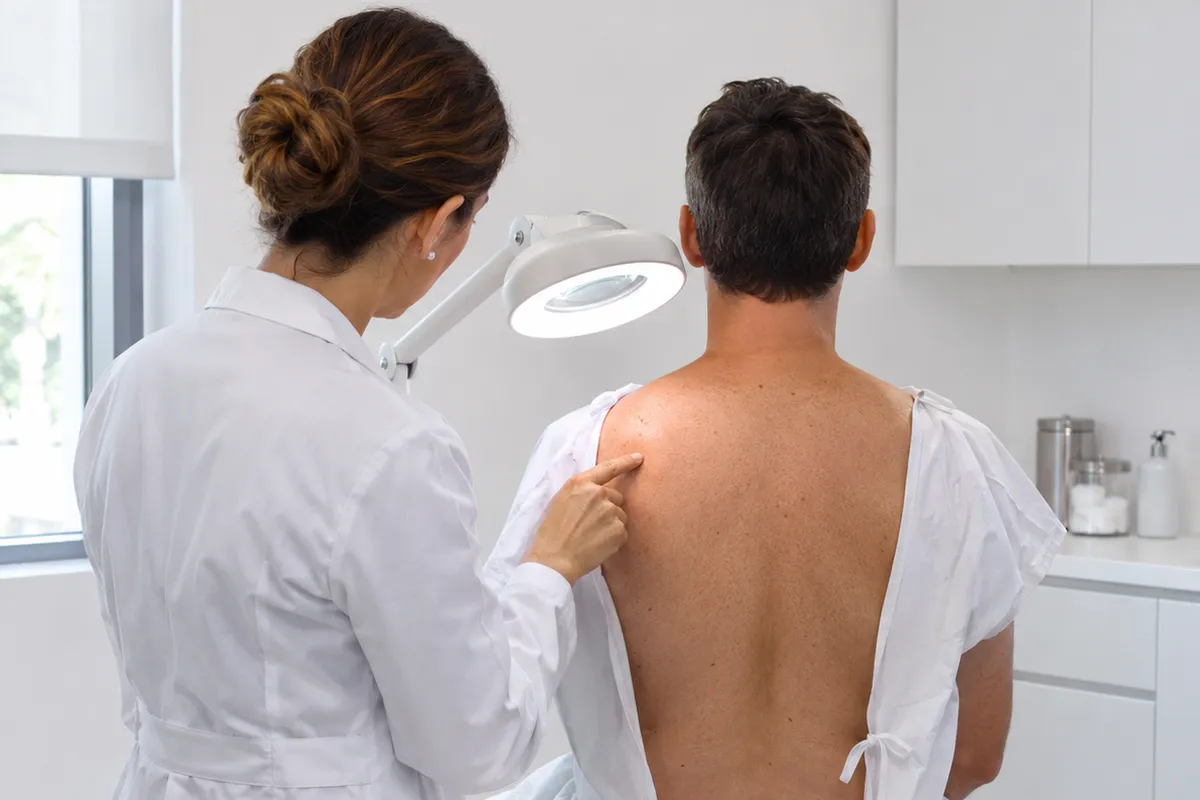
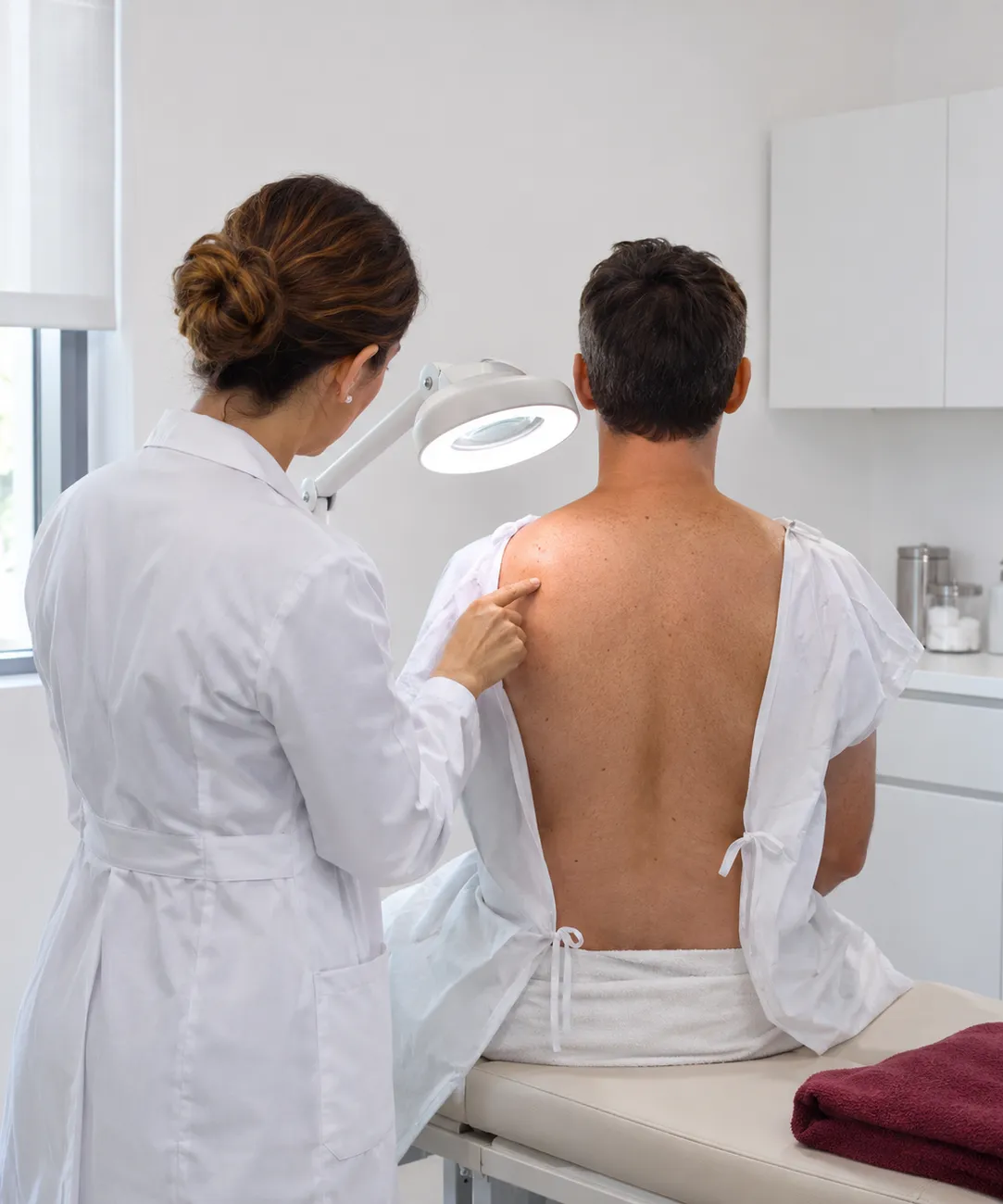
Female doctor examining the skin on the back of a patient sitting on the examination couch
Photograph of a consultation. The dots mark what the doctor is assessing.

Why it happens

What may be behind fat on the back

There is almost always more than one cause at the same time. Choose a situation to see how it may contribute and what usually helps.

Genetics and fat distribution

Each person accumulates fat in different areas, and this pattern depends in part on genetics and sex hormones. Some store it mainly on the hips and thighs, and others on the trunk and back. That is why two people of the same weight may have very different backs, and why the fold may exist even in someone who exercises and eats carefully.

What weighs on it

Comparing your back with someone else’s and blaming yourself for a difference that is, in part, inherited.

What helps

Accepting the pattern of the body and concentrating on what can be changed: overall weight, strength and posture.

Normal or to be assessed

Localised fat or something to assess

Most folds on the back are fat, skin or clothing. But some situations call for an assessment before any treatment, because not everything that sticks out on the back is fat.

  • What it looks like. A thick, firm fold that is the same on both sides, at the level of the bra band, changes with your weight and is more noticeable in tight clothing, with no pain or lumps.

  • When it is noticed. From behind, with a top or a tight dress, and when you lean forward or sit with a rounded back.

  • What the clinic does. The doctor listens to the history, examines the back and confirms that it is localised fat and posture, before proposing what makes sense.

  • At home. Lose fat across the whole body, train the back, correct posture and review the bra size.

Do you have sudden weakness in your legs, loss of bladder or bowel control, or shortness of breath? Call 112. If you have a new lump, persistent pain or any concerns, you can call SNS 24 out of hours on 808 24 24 24.

Book an assessment

What the clinic may consider

Options for fat on the back

The first-line measures are within your control: losing fat across the whole body, strengthening your back, improving your posture and finding the right bra size. Only after an assessment, and once your weight is stable, may the clinic consider radiofrequency (Sectum) for skin firmness and contouring massage to improve contour; the doctor will tell you whether these are appropriate in your case. The evidence is limited: studies of non-invasive fat-reduction devices have mainly involved the abdomen, hips and thighs, use different measurement methods and rarely examine the back specifically. Results are gradual, vary from person to person, are generally modest and require maintenance. For larger volumes of fat, liposuction is an option. This is surgery performed by a plastic surgeon and is considered separately.

Book an assessment
Dr Michelle Campagnoli, clinical director of Clínica Luxmed

First step

Assessment consultation

The doctor listens to what you are experiencing, examines your case and explains the suitable options. No treatment begins without this consultation.

May be considered when

you want to understand the cause and decide on the best path, with time and without commitment.

Book an assessment
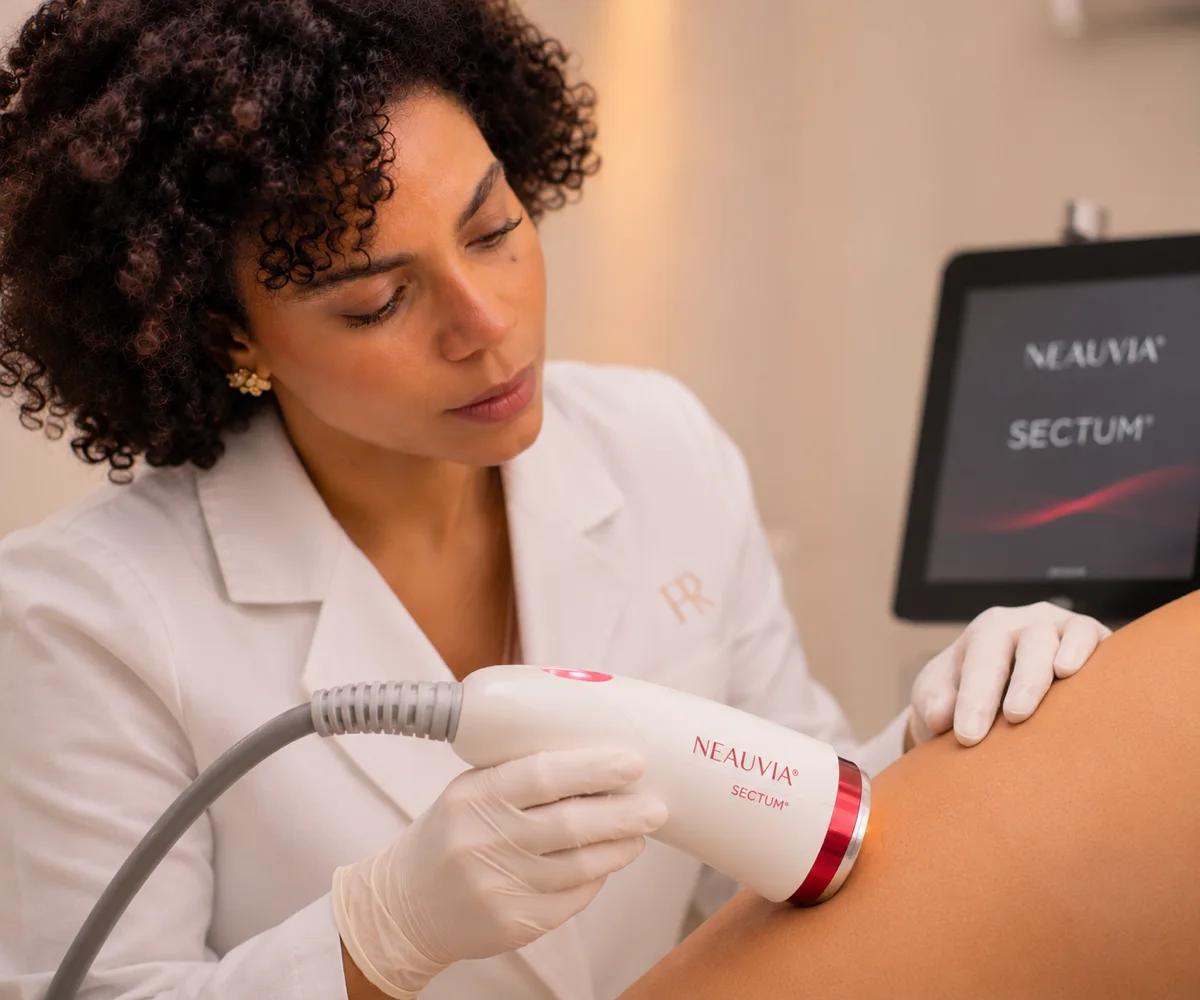
Radiofrequency handpiece treating the skin of the arm or thigh, in bright consulting-room light

Firmness of the skin

Sectum radiofrequency Neauvia

Radiofrequency is applied to the skin to stimulate collagen production in the deeper tissues, improve firmness and potentially reduce fat in the area slightly. Several sessions are needed, and the results depend on the amount of fat, skin firmness and weight; they are rarely permanent.

May be considered when

the cause has been assessed, there is mild skin laxity, your weight is stable and the doctor has explained the limitations and what you can realistically expect.

Find out more
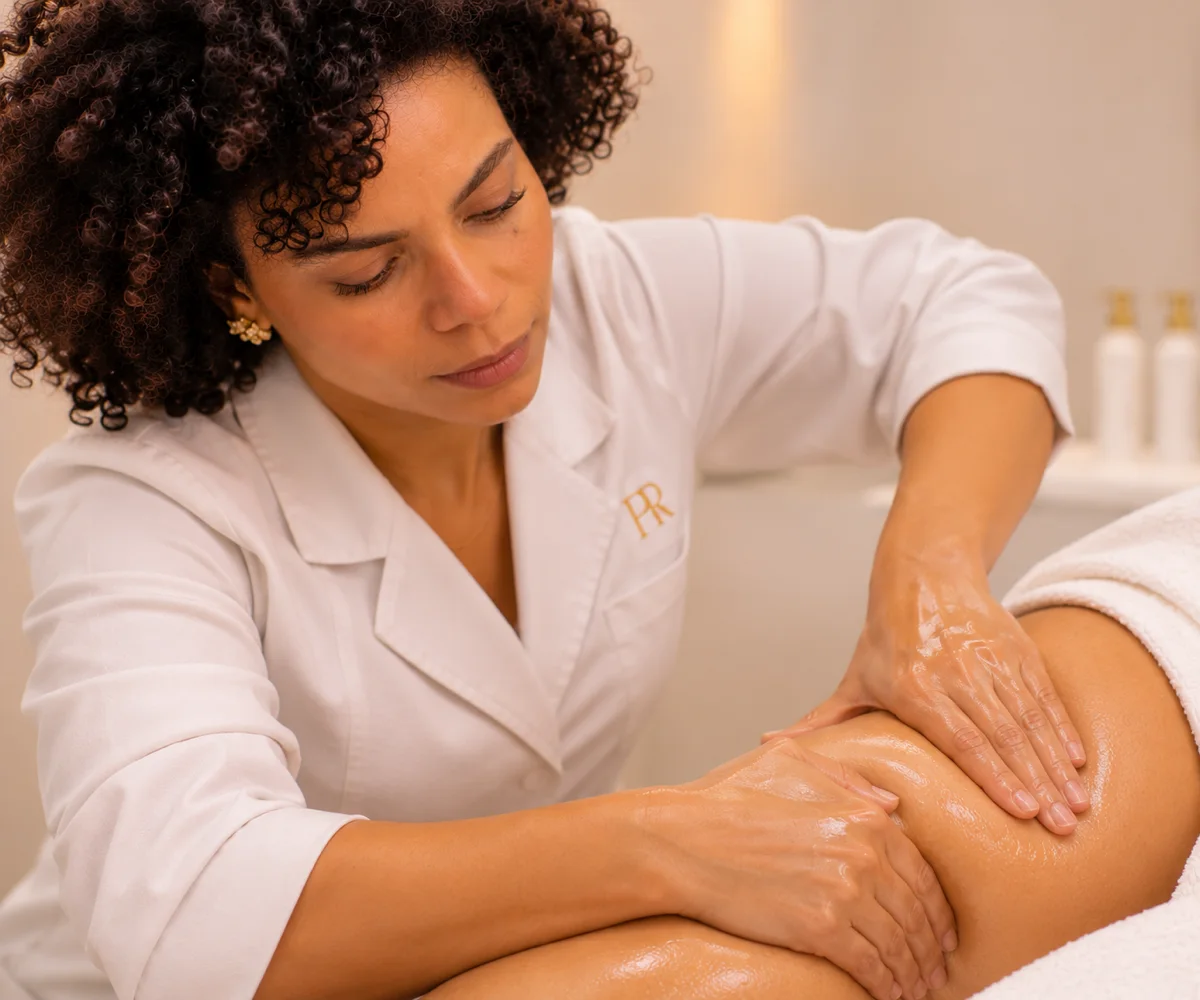
The therapist’s hands moving over the thigh during a massage

Contour and circulation

Contouring massage

Contouring massage promotes circulation and helps define the silhouette and is used mainly as an adjunct to other procedures. The effect is temporary and is not a substitute for fat loss or exercise.

May be considered when

you intend to support the contour and circulation of the area or another treatment, knowing that the effect is temporary and calls for maintenance.

Find out more

What the journey looks like

From the first conversation to a plan tailored to you

No procedure begins without an assessment by the doctor. Most people start with the simplest approach, and only then is anything further considered.

  1. 01At the clinic

    Telling your story

    The doctor asks when you first noticed the fold, whether it changed with weight, age or pregnancy, whether you have back pain, what your job and exercise routine involve, and what type of bra you wear.

  2. 02At the clinic

    Examine the back

    The area is inspected and palpated to distinguish between fat, loose skin and a possible lump, and posture is assessed. If there is a lump, persistent pain or tingling, tests are ordered or you are referred to another specialist.

  3. 03At home

    Start with what is within your reach

    A realistic plan is defined: fat loss across the whole body, back strength training, breaks and posture, and a bra of the right size. In many cases, this alone changes the look.

  4. 04Over time

    Decide and follow up

    If the fold persists once your weight is stable, the doctor will explain whether a procedure is appropriate, what you can expect and how many sessions may be needed, without promising results. Progress is monitored with measurements and photographs, and the plan is adjusted.

Day to day

What helps at home

What you do at home matters more than you might think. These are sensible measures to take while you wait for your consultation and alongside the clinic’s plan.

The golden rule

Lose fat from the whole body, not just the back

It is not possible to choose where fat comes off, and training the back does not burn fat in the area. But a strong, straight back and a bra of the right size change the look a great deal, and overall fat loss eventually reduces the fold. A lump or pain that does not go away should be seen by a doctor, and not “treated”.

Strengthening your back

It strengthens the muscles and improves posture and contour, although it does not burn fat in the area.

In practice: two to three times a week, with rows, pull-downs and extensions, increased gradually and with correct technique.

Staying active and being patient

Whole-body fat decreases with regular activity and a moderate deficit, and the back usually responds slowly.

In practice: regular aerobic exercise, such as walking or swimming, and a meal plan you can keep up.

Looking after posture

A rounded back accentuates the fold and may cause pain.

In practice: get up every hour, position your screen at eye level and draw your shoulders back.

Reviewing the bra size

A poorly fitting band creates a fold and can give a misleading impression.

In practice: check your measurements, choose a band that sits level and feels firm without digging in, and try more than one style.

Dr Michelle Campagnoli, clinical director of Clínica Luxmed

Who will look after you

An assessment carried out by the doctor

At Luxmed, in Algés, the first step is always an assessment with Dr Michelle Campagnoli. She examines your back, determines whether the fold is caused by fat, loose skin or something else, and works with you to decide on the most appropriate approach before any procedure.

  • Physical examination and medical historyA conversation about weight, posture, exercise and the bra, and examination of the back.
  • A plan tailored to youA clear plan, without promises, beginning with the measures within your control and including follow-up over time.
  • No obligationThe cost of any treatment is confirmed only after the assessment.
Book an assessment

Book a consultation

Book your consultation

Choose how you prefer to get in touch. We will arrange the assessment consultation with Dr Michelle Campagnoli.

Booking through the websiteAssessment consultationTalk to our assistant on WhatsApp and ask for the current price of the assessment.

New Life Miraflores, Algés · Office Center, R. Santa Teresa do Menino Jesus n.º 6, 9.º C, 1495-048

Your details are used only for this contact. Any treatment depends on a prior medical assessment.

Request an appointmentIt takes less than a minute.
Speciality
You do not need to go into detail. The doctor will talk to you during the consultation.
Request received. Our team will contact you as soon as possible.
Why do I have fat on my back and at the bra line?

Almost always because of a combination of factors: genetics, which partly determine where fat is stored; weight; skin that loses firmness with age; rounded posture; and, often, an incorrectly sized bra band that feels tight or rides up and creates a fold. It is not always just fat: a thin, loose fold mainly indicates skin that has lost firmness. The first step is therefore to identify the contributing factor or factors in your case.

Is bra fat only down to the bra?

A bra does not create fat, but it can make it more visible. A tight band compresses the skin, while a loose band rides up the back; both can create a fold. If the fold is still noticeable when you pinch the area without a bra on, fat or skin is contributing to it. The band should sit level and feel firm without digging in.

Is it fat or loose skin?

When you pinch the area, a thick, firm fold is mainly fat, while a thin, loose fold that wrinkles is mainly skin laxity. In practice, many people have both. The distinction matters because the appropriate approach differs, which is why the doctor examines and palpates the area before making a recommendation.

Can the fold on the back be a lipoma?

It can, although this is less common. A lipoma is a soft, well-defined, benign fatty lump that moves slightly when touched and is usually painless. It is not the same as localised fat, and a new lump should be examined by a doctor, especially if it is hard, fixed, growing, painful, red or warm.

How do I lose fat on the back?

By losing fat across the whole body, because you do not choose where it comes off: a moderate calorie deficit you can keep up, regular aerobic activity and strength training two to three times a week. Strengthening the back improves posture and contour, but does not burn fat in the area. A well-fitted bra reduces marks. Results take months, and the back is usually among the last areas to change.

Do back exercises remove fat from the back?

Not in a targeted way. Small studies, conducted mainly on other areas of the body, found no greater fat loss in the area being trained: training one area helps reduce total body fat but does not determine where that fat comes off. Whether spot reduction is possible remains a matter of debate. What back exercises do well is strengthen the muscles and improve posture, which changes how your back looks in clothing.

What treatments exist for localised fat on the back?

There are non-invasive devices, such as radiofrequency devices, that aim to reduce fat and improve skin firmness. Literature reviews report modest reductions in circumference, mainly on the abdomen, hips and thighs, but the studies are highly heterogeneous and few focus on the back. Contouring massage has a temporary effect. For larger volumes of fat, liposuction is an option; this is surgery performed by a plastic surgeon. All treatment decisions are made after an assessment.

Does radiofrequency eliminate fat on the back?

It does not eliminate it. It may improve skin firmness and slightly reduce fat in the area, and results depend on the amount of fat, the firmness of the skin and weight. It is carried out over several sessions, the improvement is gradual and, in general, modest, and keeping a stable weight and habits counts as much as the procedure. The doctor defines the plan and expectations at the assessment, without promising results.

How many sessions are needed and do the results last?

It varies from person to person. Non-surgical treatments require several sessions, produce gradual improvement and need ongoing maintenance. If you regain weight or your habits change, the fold is likely to return. Results cannot be guaranteed and are not permanent; the doctor will explain what you can realistically expect in your case.

When should I see a doctor first?

Book an appointment if you have a hard, fixed or growing lump; a painful, red or warm area; or a swelling that changes size. You should also book an appointment if you have persistent back pain, tingling or weakness in your arms or legs. If in doubt, call SNS 24 out of hours on 808 24 24 24. If you develop sudden weakness in your legs, loss of bladder or bowel control, or shortness of breath, call 112.

We could not find that question. Ask us on WhatsApp

Scientific references

This page is based on the sources below and was reviewed by Dr. Michelle Campagnoli. Last updated on .

  1. Vispute SS, Smith JD, LeCheminant JD, Hurley KS. The effect of abdominal exercise on abdominal fat. J Strength Cond Res, 2011.
  2. Ramírez-Campillo R, Andrade DC, Campos-Jara C, Henríquez-Olguín C, Alvarez-Lepín C, Izquierdo M. Regional fat changes induced by localized muscle endurance resistance training. J Strength Cond Res, 2013.
  3. Brobakken MF, Krogsaeter I, Helgerud J, Wang E, Hoff J. Abdominal aerobic endurance exercise reveals spot reduction exists: A randomized controlled trial. Physiol Rep, 2023.
  4. Karastergiou K, Smith SR, Greenberg AS, Fried SK. Sex differences in human adipose tissues - the biology of pear shape. Biol Sex Differ, 2012.
  5. Farage MA, Miller KW, Elsner P, Maibach HI. Characteristics of the aging skin. Adv Wound Care (New Rochelle), 2013.
  6. Kennedy J, Verne S, Griffith R, Falto-Aizpurua L, Nouri K. Non-invasive subcutaneous fat reduction: a review. J Eur Acad Dermatol Venereol, 2015.
  7. Auh SL, Iyengar S, Weil A, Bolotin D, Cartee TV, Dover JS, Maher IA, Sobanko JF, Cohen JL, Poon E, Alam M. Quantification of noninvasive fat reduction: A systematic review. Lasers Surg Med, 2018.
  8. American Society of Plastic Surgeons. Liposuction. plasticsurgery.org, 2026.
  9. NHS. Lipoma. (nhs.uk, acedido 2026-11-11)
  10. World Health Organization. WHO guidelines on physical activity and sedentary behaviour. Genebra: WHO, 2020.
CallAssistantAvailableBook