Algés, Oeiras Mon to Fri · 09:00 to 13:00 and 14:00 to 19:00 · Sat · 09:00 to 14:00
WhatsApp Book a consultation

Body aesthetics

Fat on the lower backWhen fat on the lower back, just above the buttocks, shows in clothing and in the mirror, and you want to understand where it comes from

Fat in the lumbar area accumulates on the lower back, above the buttocks, and often extends the waist’s “love handles” around to the back. It is very common and is rarely reduced through back exercises alone, because the body largely determines where it stores fat. Here we explain what usually causes this accumulation, how to distinguish it from a lump or another cause of a bulge, what is known about its link with low back pain and what Clínica Luxmed, in Algés, can offer, with an honest discussion of realistic expectations.

Reviewed by Dr Michelle Campagnoli, clinical director

  • 2treatment options for this concern
  • 1assessment, always first
  • Nocommitment
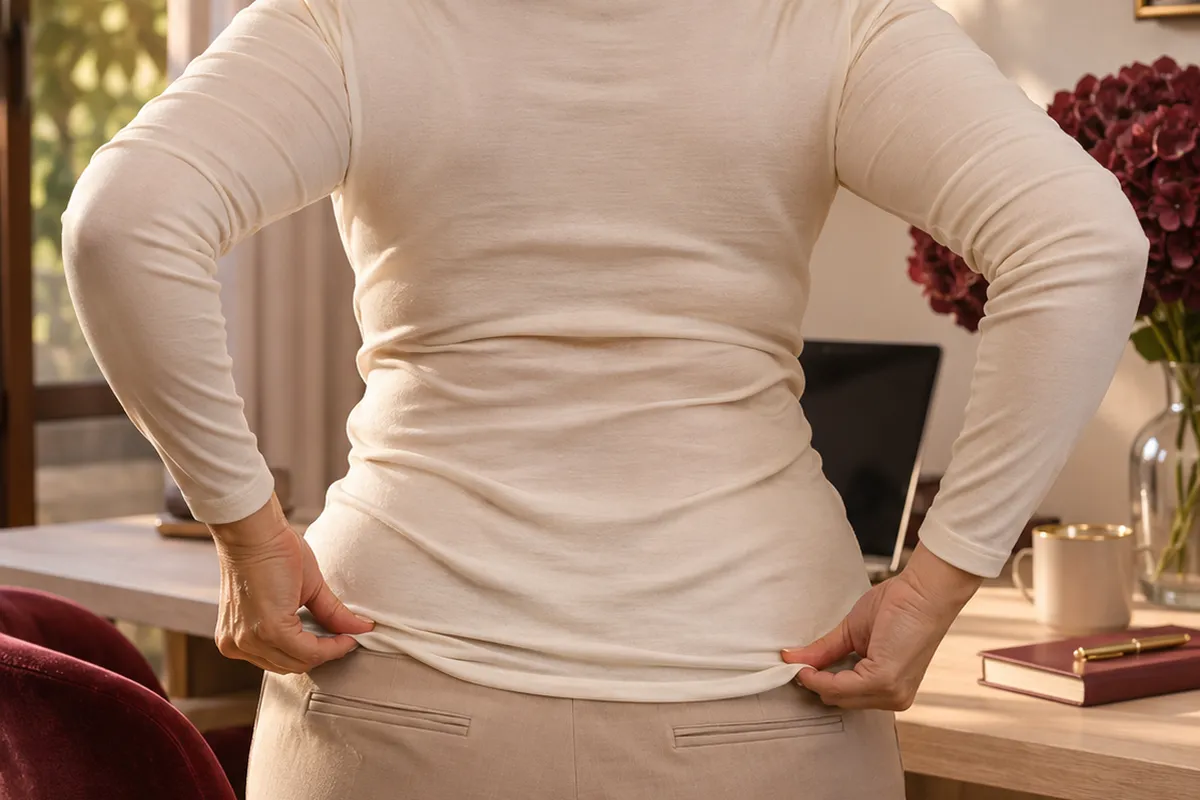
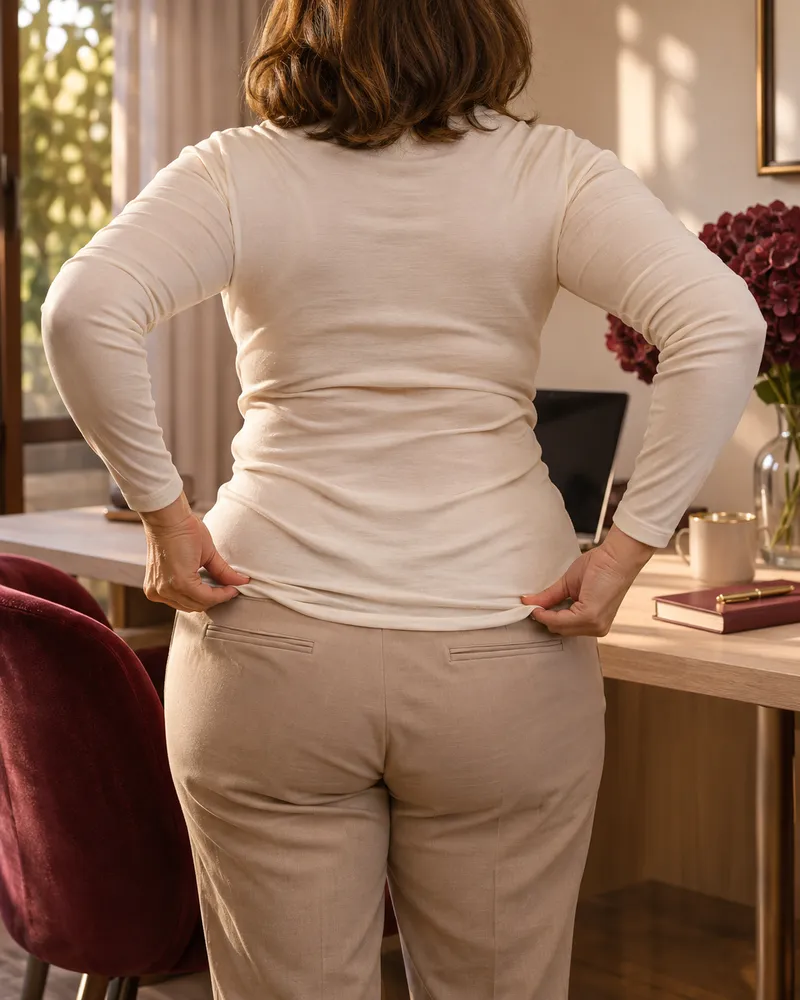
Woman seen from behind beside a desk, pulling her jumper down over her lower back

How to recognise it

Could what you have noticed be fat in the lumbar area?

Lumbar fat is more visible from the side and from behind than from the front, so many people only notice it in a photograph or a changing room. These signs may help you determine whether this applies to you before your assessment.

Tick what you recognise0/7

Tick the signs you recognise in your case. This is not a diagnosis, it is only meant to give you an idea.

A localised lump that grows, hardens or hurts? Intense low back pain or with tingling in the legs? You need medical assessment before any aesthetic treatment. Out of hours, call SNS 24: 808 24 24 24. If back pain comes with loss of strength in the legs, numbness in the genital area or a change in control of urine or stool, call 112.

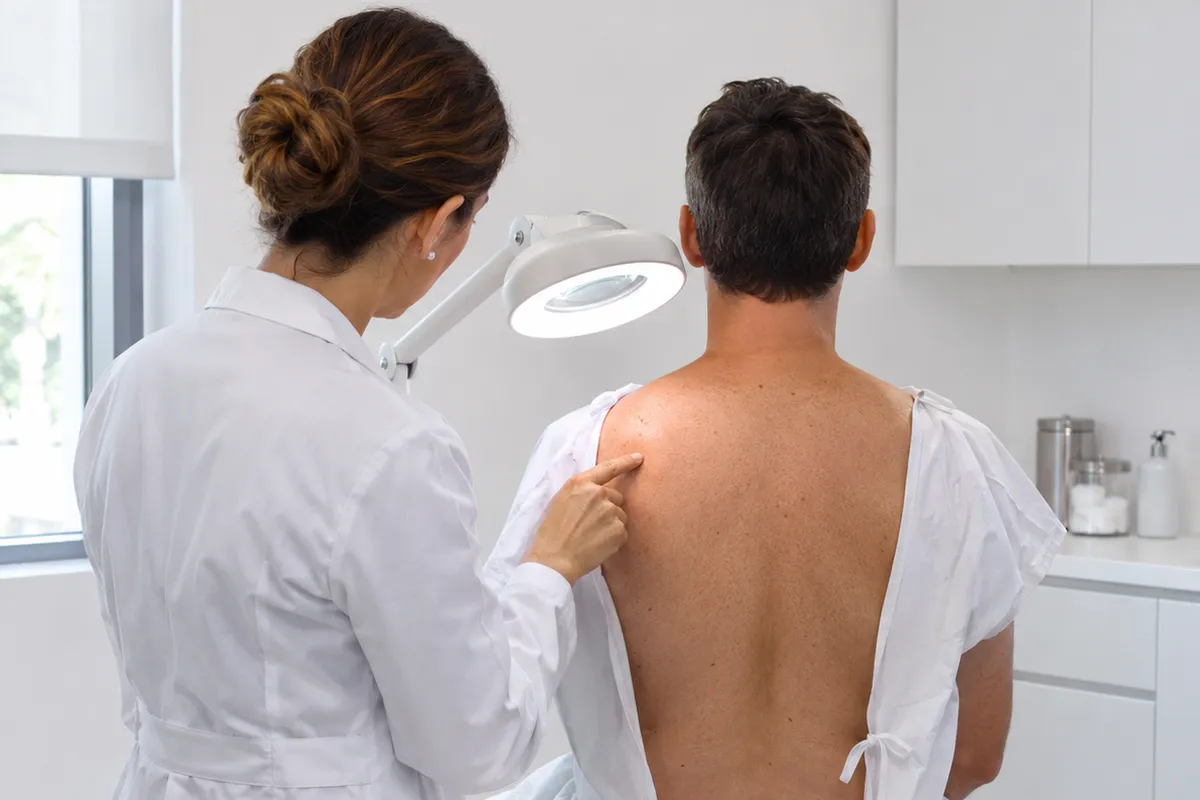
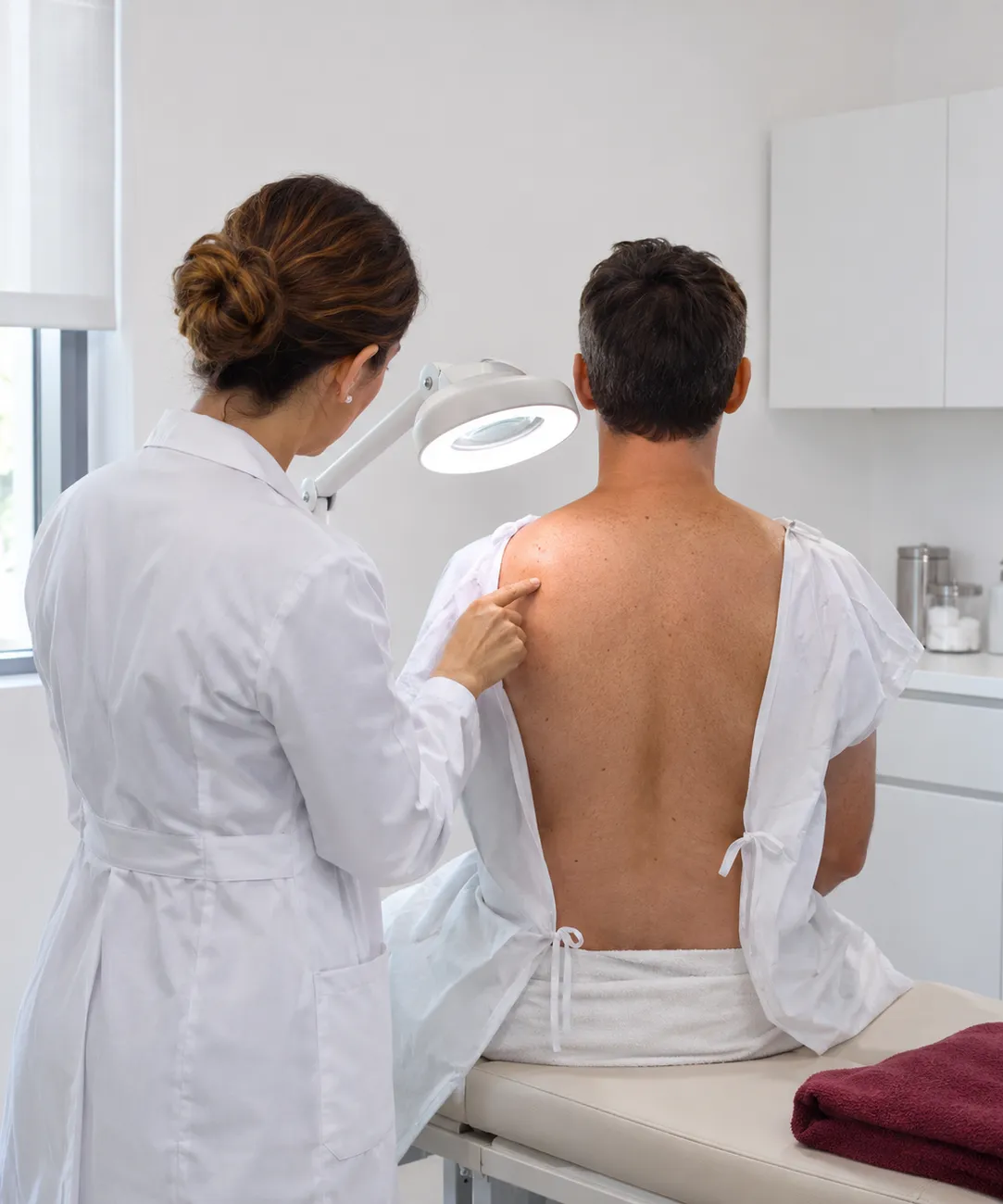
Female doctor examining the skin on the back of a patient sitting on the examination couch
Photograph of a consultation. The dots mark what the doctor is assessing.

Why it happens

Why fat accumulates on the lower back

It is almost never due to a single factor and rarely has anything to do with a lack of effort. Choose a cause to see how it may contribute and what usually helps.

Genetics and body pattern

The area where each person accumulates fat is largely predetermined. Scientific reviews describe how fat distribution differs between men and women and depends on sex hormones, the precursor cells in each fat depot and developmental factors. That is why the same pattern of fat on the lower back commonly occurs within families.

What weighs on it

Comparing your body with other people’s bodies and expecting the lumbar area to respond in the same way as other areas.

What helps

Understanding your starting pattern and setting a realistic goal for contour, instead of a goal based only on the scales.

Normal or to be assessed

Diffuse fat or something requiring assessment

Most bulging on the lower back is caused by subcutaneous fat rather than another condition. However, some situations require assessment before any treatment.

  • How it looks. A soft, diffuse fold above the buttocks, on both sides, that can be pinched between the fingers and that follows weight fluctuations.

  • When it is noticed. From the side and from behind, with tight clothing or a low waist, and more with age, the menopause or after periods of less activity.

  • What the clinic does. The doctor asks, examines and measures and confirms that it is subcutaneous fat before proposing what makes sense.

  • At home. Regular activity, strength training and less time sitting are good for health and posture, even if the area is slow to change.

Back pain with loss of strength in the legs, numbness in the genital area or a change in control of urine or stool? Call 112. If you have a lump that grows, hardens or hurts, or persistent low back pain, out of hours you can call SNS 24: 808 24 24 24.

Book an assessment

What the clinic may consider

Options for the contour of the lumbar area

It is important to be clear: no aesthetic treatment replaces a healthy diet, physical activity or medical assessment, and it cannot treat low back pain or visceral fat. For fat in the lumbar area, the clinic offers Neauvia Sectum radiofrequency and contouring massage, often treating the flanks as well to create a more harmonious waistline. The evidence is limited: the scientific review of radiofrequency for fat reduction includes few patients and widely differing protocols, while the device itself is described as a skin-firming treatment. Results are modest, gradual and vary from person to person. Liposuction is a different option involving surgery and falls outside the scope of this page. The doctor will explain what you can realistically expect in your case.

Book an assessment
Dr Michelle Campagnoli, clinical director of Clínica Luxmed

First step

Assessment consultation

The doctor listens to what you are experiencing, examines your case and explains the suitable options. No treatment begins without this consultation.

May be considered when

you want to understand the cause and decide on the best path, with time and without commitment.

Book an assessment
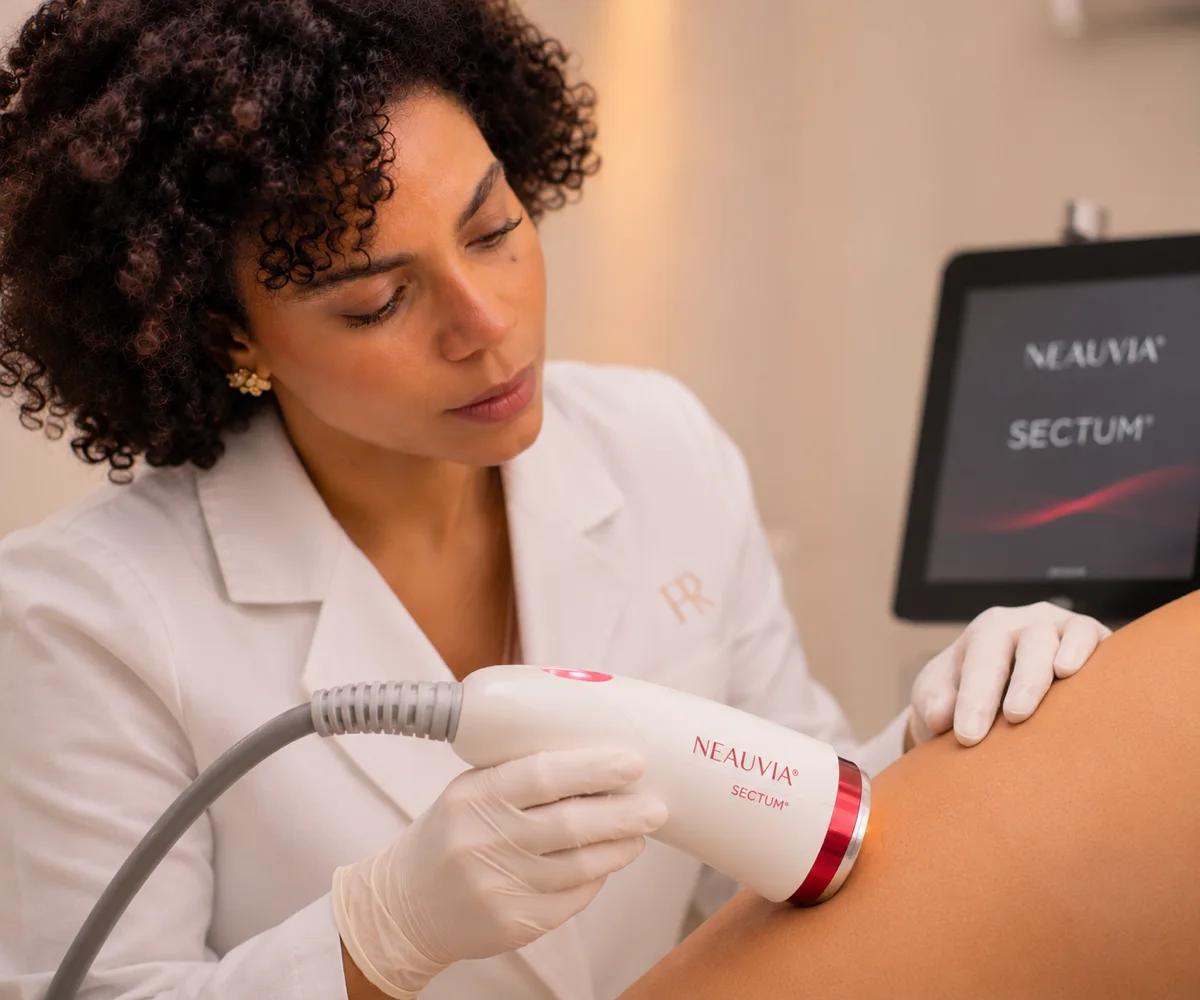
A radiofrequency handpiece held against the skin of an arm or leg in a brightly lit treatment room

Firmness and contour

Sectum radiofrequency Neauvia

Radiofrequency heats the skin and deeper tissues and stimulates collagen production. It is used to firm the skin in areas such as the abdomen, arms and thighs. Treatment usually involves several sessions, with no downtime, although temporary redness and tenderness may occur.

May be considered when

you want to improve skin firmness and contour in an area with a small to moderate amount of fat, without surgery, and understand that the effect on fat is modest and variable.

Find out more
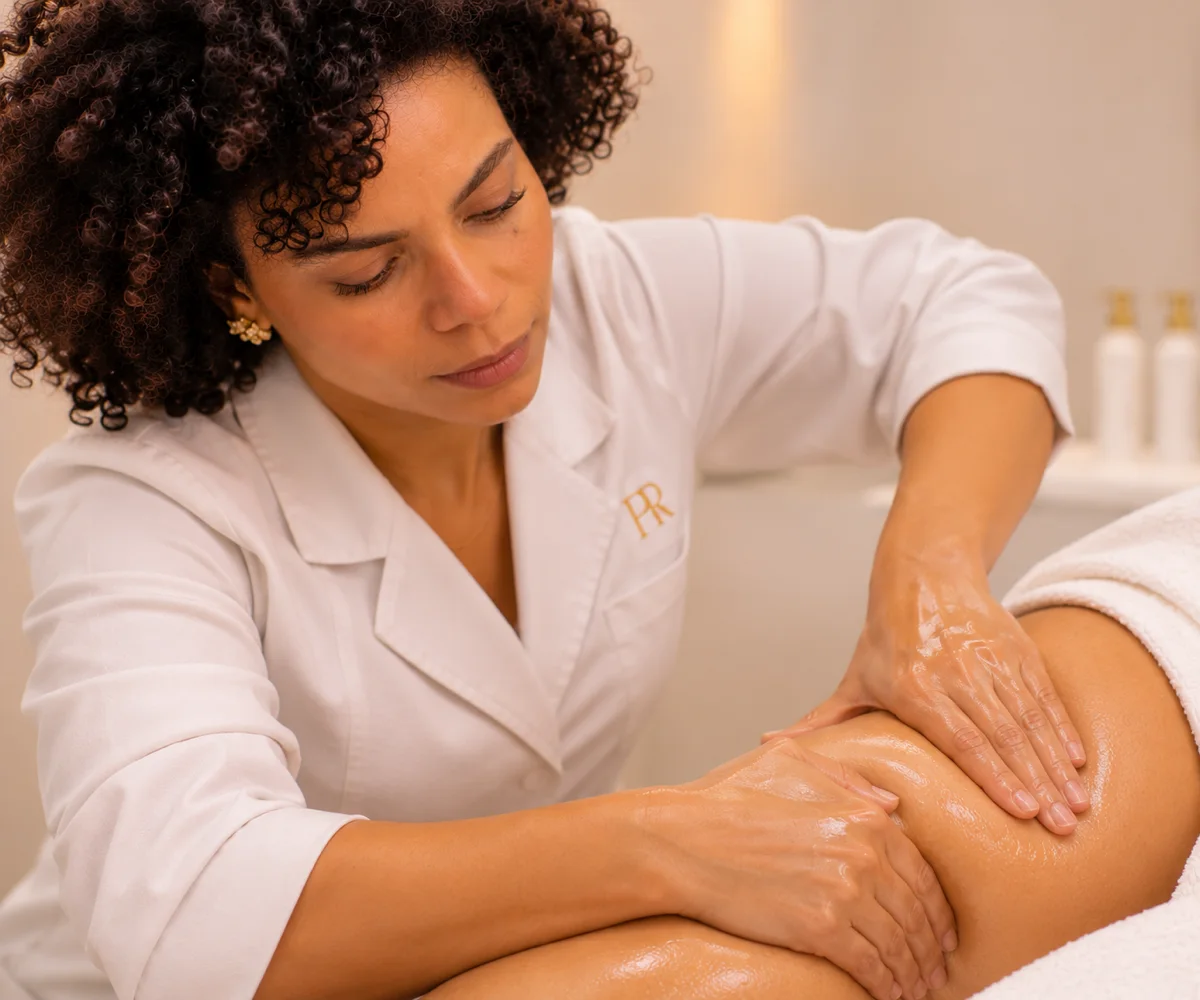
A therapist’s hands moving over a client’s thigh, during a massage, in soft light

Contour and circulation

Contouring massage

Manual massage that enhances body contour, stimulates circulation and supports the results of other procedures. It does not eliminate fat on its own and is more suitable as an adjunct than as a stand-alone treatment.

May be considered when

you are looking for supportive care to accompany another procedure or to improve the feel and look of the skin, without expecting a reduction in fat.

Find out more

What the journey looks like

From the first conversation to a plan tailored to you

No procedure begins without an assessment by the doctor. The basics, such as physical activity and maintaining a stable weight, come first; only then is a contouring treatment considered.

  1. 01At the clinic

    Telling your story

    The doctor asks when you first noticed the area, whether it changed with weight, the menopause or a more sedentary period, whether you have back or leg pain, and what you have already tried.

  2. 02At the clinic

    Observing and measuring

    The doctor examines and palpates the lumbar area, measures the waist and confirms that the area is subcutaneous fat. A lump that is growing or painful, or low back pain accompanied by warning signs, requires further assessment before any aesthetic treatment.

  3. 03At home

    Look after the basics

    Regular physical activity, core strength training, less time sitting and maintaining a stable weight. These measures benefit your health and posture and should accompany any treatment.

  4. 04Over time

    Decide and follow up

    If appropriate, the doctor explains the options, how many sessions are usually needed and what you can realistically expect, without promising results. The waist and the area are measured under the same conditions to compare any changes, and the plan is adjusted accordingly.

Day to day

What helps at home

Your daily habits matter more than you might think. These measures are worthwhile while you wait for your consultation and alongside any treatment plan from the clinic.

The golden rule

The basicsfirst, then contouring

Sitting less, doing strength training and maintaining a stable weight benefit your back and overall health, even if the lumbar area is slow to change. When appropriate, a contouring treatment can complement these basics, but cannot replace them.

Taking standing breaks

Sitting continuously for long periods places strain on the back and reduces energy expenditure.

In practice: get up and walk for a few minutes every hour, and alternate position throughout the day.

Strengthening the core and glutes

Stronger muscles support the back and improve posture and the appearance of the area.

In practice: at least two sessions a week, adapted to you, preferably with guidance from a professional.

Staying active

Regular activity is good for health and, in general, for the back.

In practice: walking, swimming or cycling, regularly and without forcing when there is pain.

Taking measurements and photographs

It helps you to see whether anything has changed, since memory and the mirror deceive.

In practice: measure the waist always at the same time and photograph from behind, with the same light and the same pose.

Dr Michelle Campagnoli, clinical director of Clínica Luxmed

Who will look after you

An assessment carried out by the doctor

At Luxmed, in Algés, the first step is always an assessment with Dr Michelle Campagnoli. She examines the lumbar area, confirms that it is fat rather than another type of lump, measures your waist and agrees an appropriate plan with you before any procedure.

  • Physical examination and medical historyA conversation about weight, hormones, activity and back pain, and examination and measurement of the area.
  • A plan tailored to youA clear plan, without promises, with the basics first and follow-up over time.
  • No obligationThe cost of any treatment is confirmed only after the assessment.
Book an assessment

Book a consultation

Book your consultation

Choose how you prefer to get in touch. We will arrange the assessment consultation with Dr Michelle Campagnoli.

Booking through the websiteAssessment consultationTalk to our assistant on WhatsApp and ask for the current price of the assessment.

New Life Miraflores, Algés · Office Center, R. Santa Teresa do Menino Jesus n.º 6, 9.º C, 1495-048

Your details are used only for this contact. Any treatment depends on a prior medical assessment.

Request an appointmentIt takes less than a minute.
Speciality
You do not need to go into detail. The doctor will talk to you during the consultation.
Request received. Our team will contact you as soon as possible.
Why does fat accumulate in the lumbar area?

Almost always because of a combination of factors: genetics and the body’s fat-distribution pattern, hormones and the menopause, weight gain, a sedentary lifestyle and muscle loss. It is one of the areas where many people store fat, and is common in men and in women after the menopause. The first step is therefore to determine which factors contribute most in your case and confirm that it is subcutaneous fat.

How do I know whether it is fat or something else, such as a lipoma?

Subcutaneous fat forms a soft, diffuse fold that can be pinched and changes with your weight. A lipoma is a benign lump of fatty tissue, usually soft, well defined, painless and slow-growing. There are also cysts and, more rarely, other lesions. A lump that grows, becomes hard or painful should be examined by a doctor before any aesthetic treatment.

Does lumbar fat cause back pain?

Localised fat on the back is not, in itself, the direct cause. Meta-analyses show that excess weight and obesity are associated with more low back pain, but the relationship is complex and involves posture, the load on the spine and weak core muscles. An association does not prove causation. Low back pain should be assessed by your usual doctor or a physiotherapist, and aesthetic treatments do not treat it.

Do lumbar exercises eliminate fat on the lower back?

No. Strengthening the lumbar area protects the back and improves posture, and exercise is one of the basic recommendations for low back pain, but it does not reduce fat in that specific area. In one trial, six weeks of sit-ups did not change abdominal fat, and research generally does not support the idea that exercising one area burns fat in that area. Overall fat loss depends on factors including weight, diet and physical activity.

Does radiofrequency eliminate fat in the lumbar area?

It is not claimed to eliminate fat. The Neauvia Sectum radiofrequency device used by the clinic is described as a way to firm the skin and stimulate collagen production, while the fat reductions reported in reviews are modest. The scientific review includes few patients treated with radiofrequency and widely differing protocols, so the evidence is limited. Results are gradual and vary, and the doctor will explain what you can realistically expect in your case.

Does contouring massage help to reduce fat on the lower back?

It is not a treatment for eliminating fat. Contouring massage enhances body contour, stimulates circulation and supports the results of other procedures, and works best as an adjunct. There is little evidence that massage reduces fat in a specific area. The doctor will tell you whether it is appropriate in your case.

What about liposuction? When is surgery considered?

Liposuction is body-contouring surgery. It may be considered for larger fat deposits and is carried out by a surgeon, with its own anaesthetic requirements, risks and recovery period. It is not among the options described on this page. If it may be suitable for you, the doctor can explain what it involves and when referral for a surgical opinion is appropriate.

How many sessions are needed and are there risks?

Many radiofrequency protocols involve between 4 and 8 sessions, and the final number depends on the area and the response. Temporary redness and tenderness are common and, rarely, burns can occur if the technique is inappropriate. The doctor first assesses whether there are any reasons not to proceed, such as irritated or infected skin, and explains the risks.

Do the results last?

They last as long as your weight remains stable and you maintain your habits. If you gain weight, fat will accumulate again, including on the lower back, and maintaining the contour depends on a stable weight and regular physical activity. Contouring treatments do not guarantee permanent results.

When should I see a doctor instead of treating the contour?

Book a consultation if you notice a lump that is growing, becoming hard or painful, if your low back pain is severe, persistent or accompanied by tingling in the legs, or if the pain is accompanied by fever or unexplained weight loss. If in doubt, call SNS 24 out of hours on 808 24 24 24. If you have back pain accompanied by loss of strength in the legs, numbness in the genital area or a change in bladder or bowel control, call 112.

We could not find that question. Ask us on WhatsApp

Scientific references

This page is based on the sources below and was reviewed by Dr. Michelle Campagnoli. Last updated on .

  1. Karastergiou K, Smith SR, Greenberg AS, Fried SK. Sex differences in human adipose tissues - the biology of pear shape. Biol Sex Differ, 2012.
  2. Davis SR, Castelo-Branco C, Chedraui P, Lumsden MA, Nappi RE. Understanding weight gain at menopause. Climacteric, 2012.
  3. Vispute SS, Smith JD, LeCheminant JD, Hurley KS. The effect of abdominal exercise on abdominal fat. J Strength Cond Res, 2011.
  4. Ross R, Neeland IJ, Yamashita S, et al. Waist circumference as a vital sign in clinical practice: a Consensus Statement from the IAS and ICCR Working Group on Visceral Obesity. Nat Rev Endocrinol, 2020.
  5. Neeland IJ, Ross R, Després JP, et al. Visceral and ectopic fat, atherosclerosis, and cardiometabolic disease: a position statement. Lancet Diabetes Endocrinol, 2019.
  6. Shiri R, Karppinen J, Leino-Arjas P, Solovieva S, Viikari-Juntura E. The association between obesity and low back pain: a meta-analysis. Am J Epidemiol, 2010.
  7. Hayden JA, Ellis J, Ogilvie R, Malmivaara A, van Tulder MW. Exercise therapy for chronic low back pain. Cochrane Database Syst Rev, 2021.
  8. National Institute for Health and Care Excellence (NICE). Low back pain and sciatica in over 16s: assessment and management (NG59). NICE, 2016.
  9. National Health Service (NHS). Back pain. (NHS, acedido 2026-11-11)
  10. World Health Organization. WHO guidelines on physical activity and sedentary behaviour. WHO, 2020.
  11. Kennedy J, Verne S, Griffith R, Falto-Aizpurua L, Nouri K. Non-invasive subcutaneous fat reduction: a review. J Eur Acad Dermatol Venereol, 2015.
  12. Charifa A, Azmat CE, Badri T. Lipoma Pathology (StatPearls). StatPearls Publishing, 2022.
CallAssistantAvailableBook