What is trichodynia?
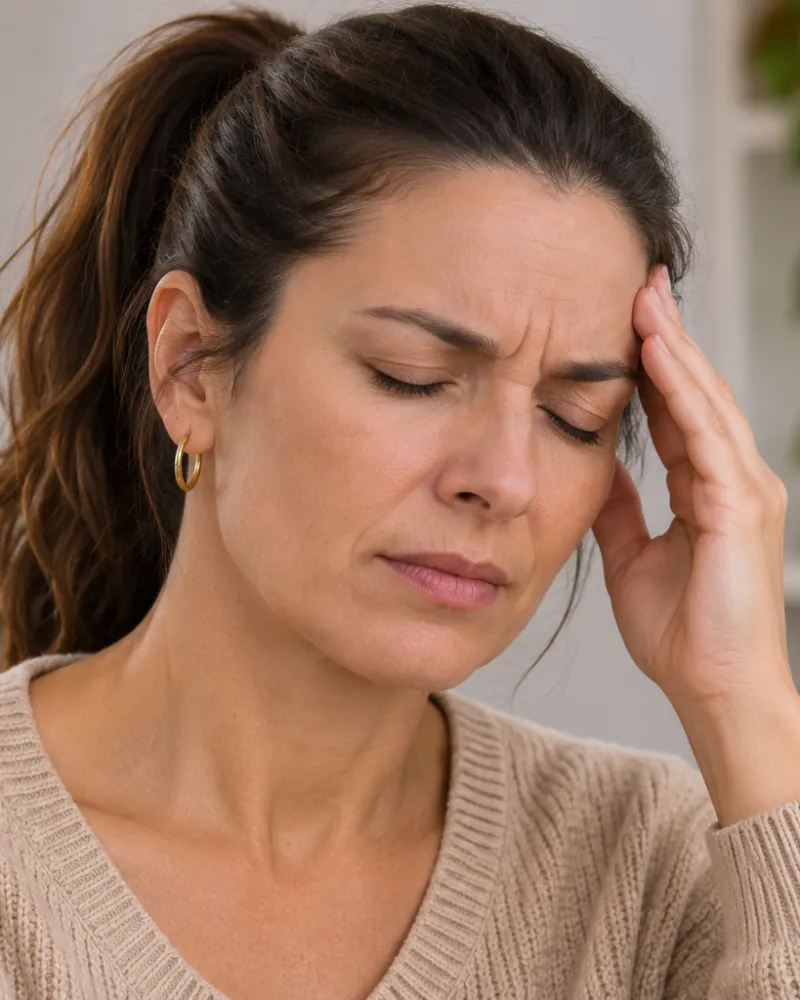
It is the name given to pain, burning or sensitivity of the scalp, often without a visible lesion. It frequently appears alongside complaints of hair loss, but it is not a disease in itself, it is a symptom. The origin may lie in the skin, the neck muscles, the nerves or stress, and the doctor looks for the most likely one by examining the scalp and listening to the description of the pain.
Is scalp pain a sign of hair loss?
Not always. Trichodynia is associated with some types of hair loss, such as androgenetic alopecia or effluvium, but studies have not shown that the pain follows the severity of the hair loss. Some people have a lot of pain and little hair loss, and others lose hair without feeling anything. So pain on its own cannot predict what will happen to the hair.
Can stress and anxiety cause scalp pain?
They can contribute. Trichodynia often appears in people with stress, anxiety or short sleep, and the pain tends to get worse in those periods. This does not mean the pain is imagined: the scalp really does hurt. Talking about this at the appointment helps the doctor understand the whole picture, and looking after sleep and tension is part of the plan. You do not need to justify yourself or have "reasons" for feeling the pain.
Does poor circulation in the scalp cause pain or hair loss?
This idea is very popular, but it is not proven. There is no clear evidence that "poor circulation" in the scalp causes pain or hair loss, nor that massagers, devices or tonics "improve" it. The sensation of heat, tension or tingling usually has another explanation, such as muscle tension, skin sensitivity or stress. The doctor helps to tell them apart.
Does a scalp massage help?
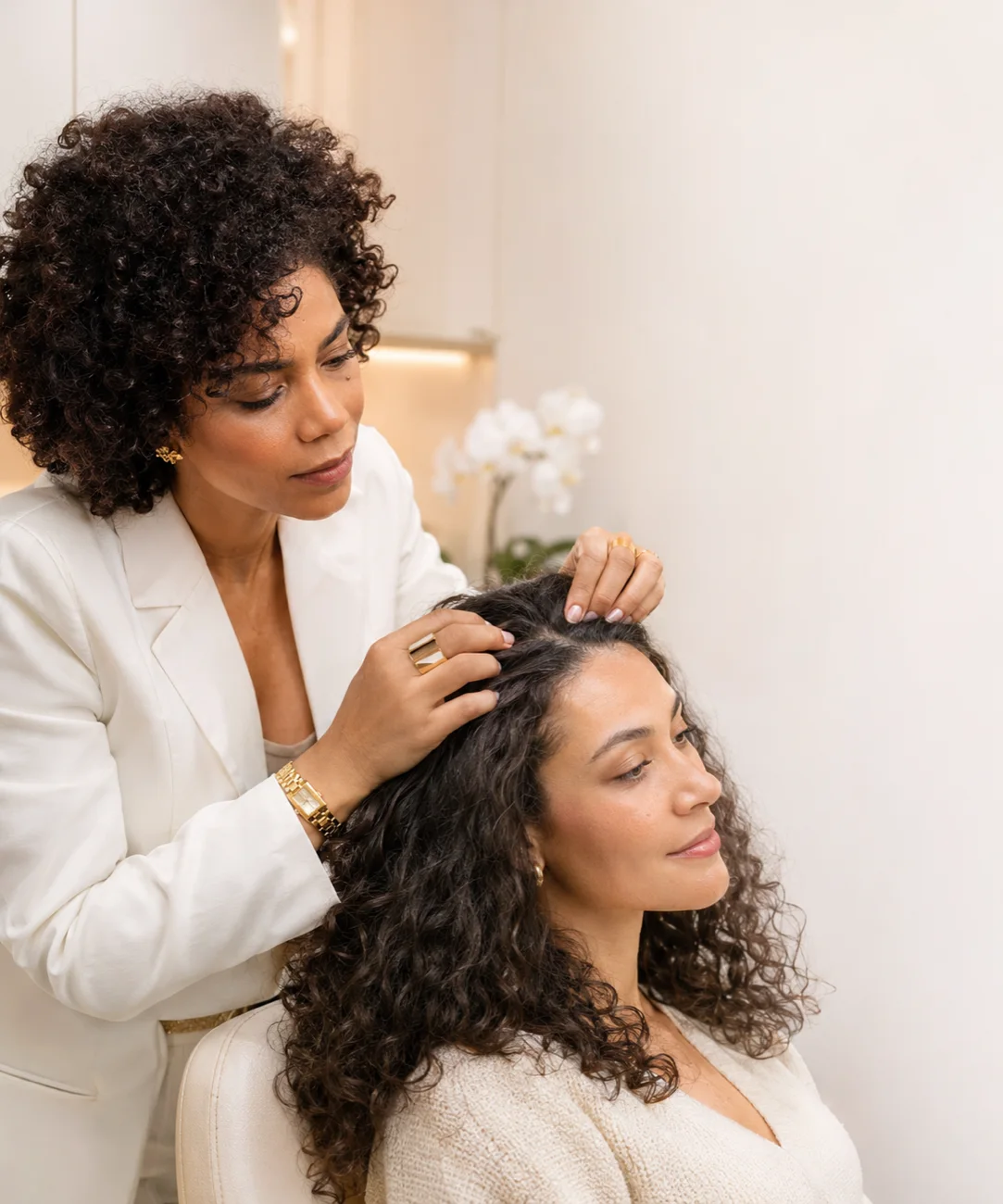
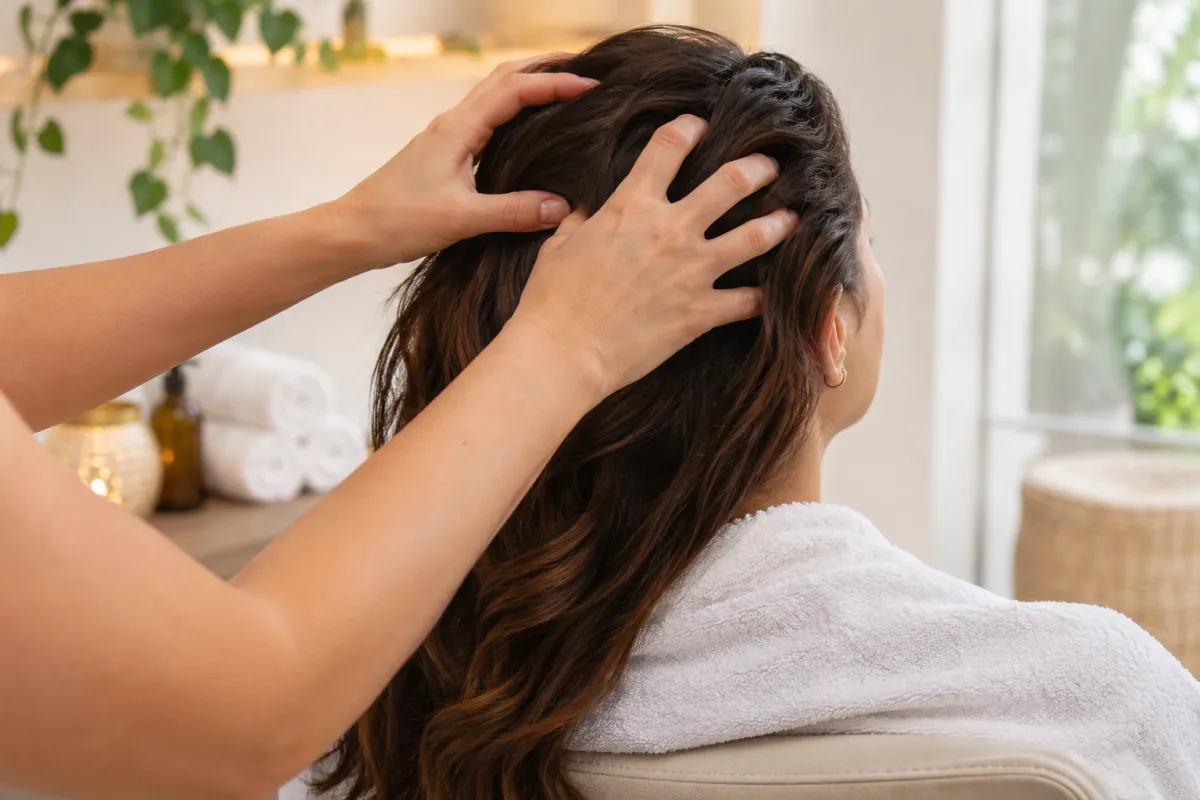
A gentle massage with the fingertips can be pleasant and ease tension, especially if there is stress or tiredness. But it is comfort relief; it does not repair the cause or make hair grow. If the scalp is very sensitive, with sores or redness, avoid massaging hard. If the massage makes the pain worse, stop and speak to the doctor.
Do heat or cold help?
For some people, a warm compress on the back of the neck eases muscle tension, and for others cold calms the burning. It is a matter of comfort and varies from person to person. Avoid direct, very intense heat on the scalp, and do not apply ice directly to the skin. If the pain does not improve with these measures, it is worth assessing the cause.
Can the pain come from the neck or from a headache?
Yes. Tension in the neck and shoulders, tension-type headache and migraine can leave the scalp tender to the touch, and occipital neuralgia causes shock-like pain that rises from the neck. These situations are different from trichodynia and call for another path, sometimes a neurological one. From your description, the doctor can tell whether the origin seems to be in the scalp or not.
Can seborrheic dermatitis or psoriasis hurt?
They can. These conditions cause flaking, redness and itching, and sometimes burning and pain, especially when scratched. Treating the skin usually eases the discomfort. If you see scales, crusts or redness, mention it at the appointment: the plan is different from when the skin looks normal. Avoid picking off scales, because it worsens the irritation, and do not use medicated products on your own without knowing what is going on.
What treatments does the clinic use?
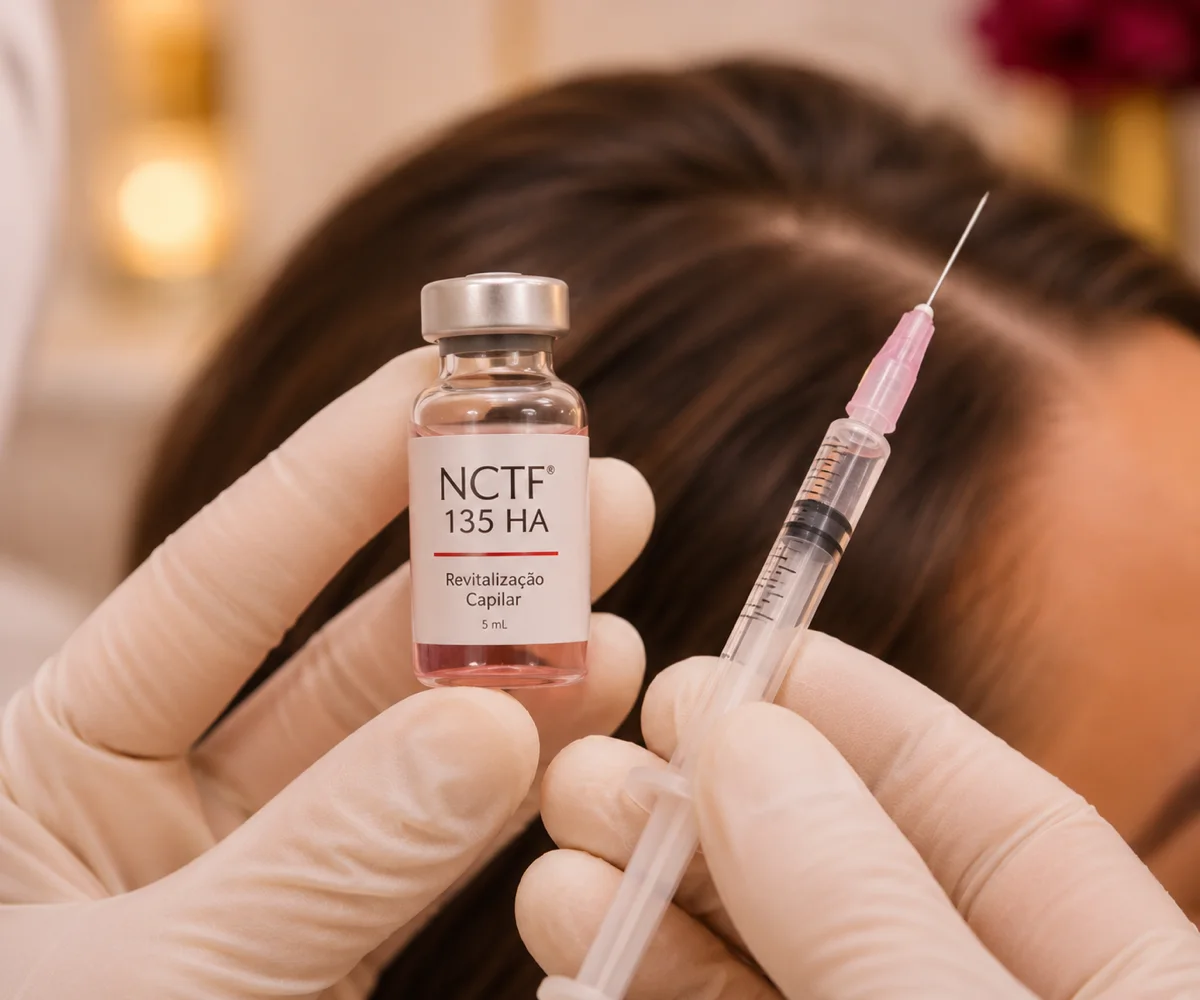
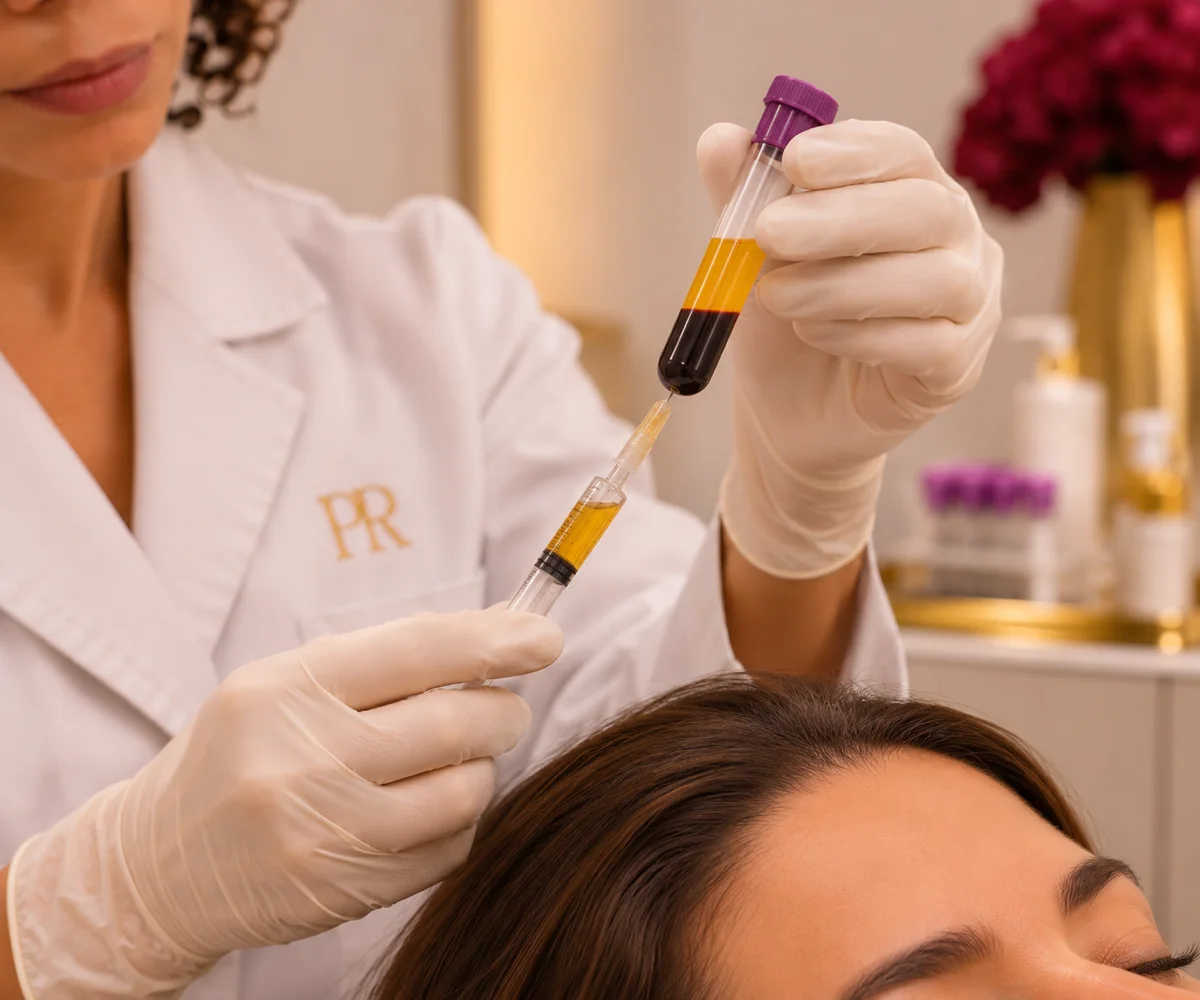
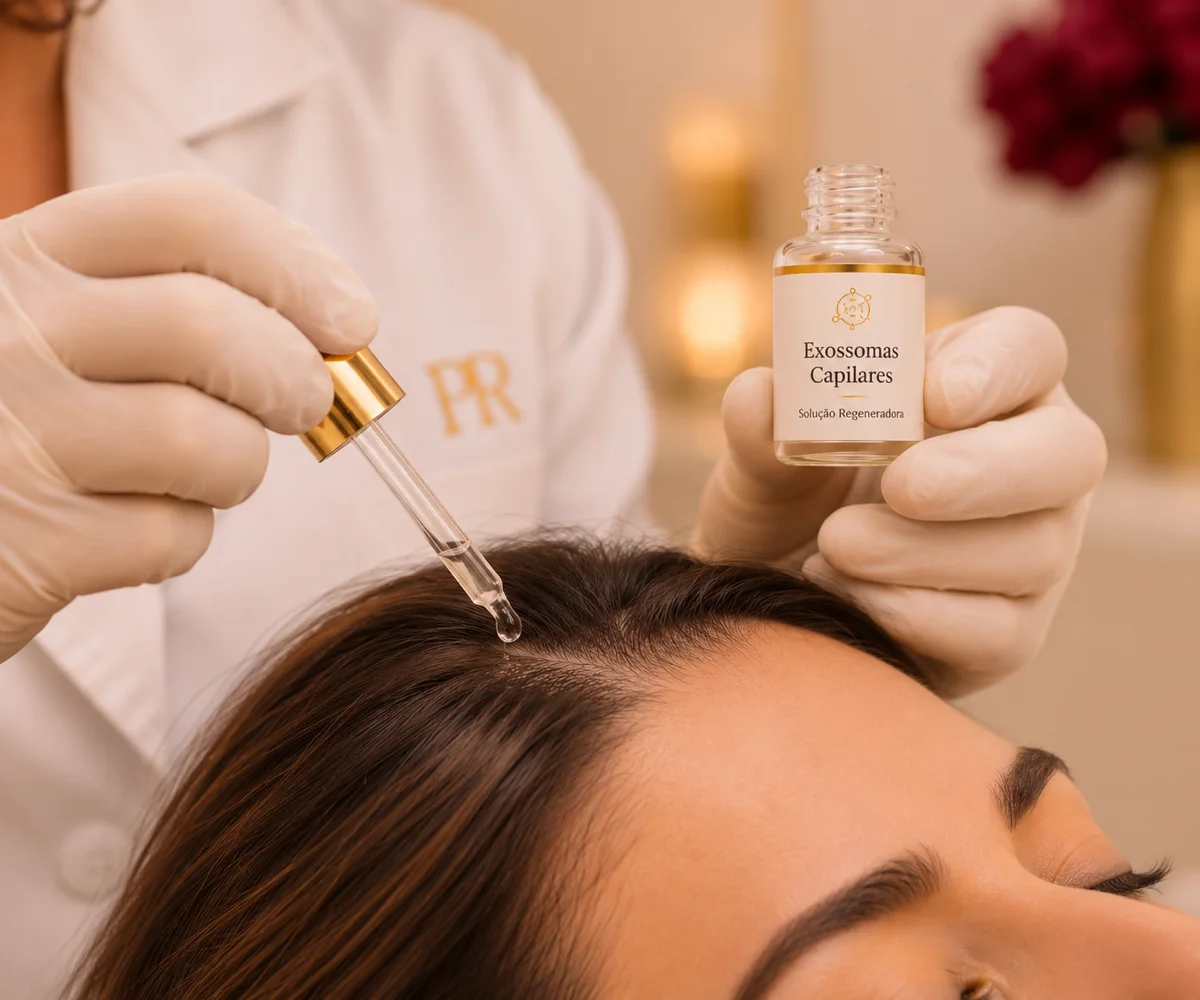
First of all, assessment of the cause. When there is associated loss of density, the doctor may consider hair NCTF, hair PRP or hair exosomes, which act on the scalp and the follicle and do not treat the pain itself. The evidence is limited and the response varies. None is chosen before the assessment appointment, and the doctor explains clearly what each can and cannot do for your complaint.
Do the treatments repair hair that has already grown?
No. A hair that has already grown is lifeless material and cannot be repaired. Scalp treatments act on the follicle, that is, on the hair that grows in next, with a variable response. So if the hair is dry or broken, the care involves protecting it and trimming the ends, not injections. The doctor explains what is realistic in your case, without promising what science has not yet confirmed.
Do I need blood tests?
Sometimes. When there is associated hair loss, the doctor may request blood tests, for example for iron, thyroid or vitamins, to rule out deficiencies that contribute to the hair loss. If the pain is only in the scalp, without hair loss, tests may not be necessary, and the doctor will tell you whether they make sense. Do not take supplements on your own in the hope that the pain will go away.
When should I seek help without waiting?
Intense and sudden pain, a new and severe headache, fever, changes in vision, painful blisters or spots on one side of the head, sores, marked flaking, redness or sudden hair loss should be seen without delay. If you have a headache with neurological signs, go to an emergency service. Otherwise, book an appointment if the pain lasts more than a few weeks.
Does the pain go away on its own?
It depends on the cause. If it comes from a period of stress, a tight hairstyle or an irritating product, it may improve when that cause goes away. When it persists, returns or comes with hair loss, it is worth having it assessed, because putting it off rarely helps. Improvement is usually gradual, and the doctor explains what to expect in your case, without rushing and without promising timeframes.
I have booked an appointment: should I bring anything?
It helps to bring a list of your medication, the products you use on your hair, and whatever you can about when the pain began, where it hurts and what aggravates it. If you have already had tests or appointments for headaches, bring the results. Bring any questions you would like to ask as well. You do not need to wash your hair in any special way, but avoid applying new products in the days before the appointment.