Algés, Oeiras Mon to Fri · 09:00 to 13:00 and 14:00 to 19:00 · Sat · 09:00 to 14:00
WhatsApp Book a consultation

Facial aesthetics

Melasma from pregnancy or the pillWhen brown patches appeared with pregnancy or a contraceptive and you want to know whether they go away and what you can do

Melasma is a brown or greyish, symmetrical pigmentation that appears mainly on the forehead, cheekbones and upper lip. Hormones are one of the best-known triggers: it often appears during pregnancy, when it came to be called the “mask of pregnancy”, or after starting the pill or other hormonal therapy. In many women it fades with time, but not always completely, and it can return. At this stage there are special precautions, because some products and procedures are not used in pregnancy and breastfeeding calls for caution. Here we explain what usually happens, what you can do now, what the clinic considers and what is left for later, and when it is advisable to talk to the doctor, at Clínica Luxmed, in Algés.

Reviewed by Dr Michelle Campagnoli, clinical director

  • 3clinic options for this topic
  • 1assessment, always first
  • Nocommitment
Fotografia · melasma-da-gravidez-ou-da-pilula-hero800 × 1000 px · vertical 4:5Mulher grávida, de perfil e a meio corpo, num jardim ao fim da manhã, a ajustar um chapéu de palha de aba larga com as duas mãos; luz natural suave, vestido claro, rosto parcialmente à sombra do chapéu e sem close da pele; ambiente calmo

How to recognise it

Is it hormonal melasma that you see in the mirror?

Melasma of pregnancy and of the pill is the same melasma, with a known trigger. These signs help you work out whether what you have looks like this, before the assessment.

Tick what you recognise0/7

Tick the signs you recognise in your case. This is not a diagnosis, it is only meant to give you an idea.

A patch on one side only, that grows, that changes colour, shape or outline, or that bleeds, forms a crust or does not heal, needs a dermatological assessment before any treatment: it is not assumed to be melasma. If you are pregnant, the onset of intense itching all over the body, or any skin change accompanied by fever or malaise, should be reported immediately to the obstetric team. Never stop the pill on your own because of patches. Out of hours, call SNS 24: 808 24 24 24.

Fotografia · melasma-da-gravidez-ou-da-pilula-consulta1083 × 1300 px · vertical 5:6Médica de bata branca sentada à secretária de frente para uma mulher de uns 30 anos, numa sala de consulta de luz natural, com um bloco de notas e um frasco de protetor solar com cor em cima da mesa; enquadramento a meio corpo, sem close do rosto nem da pele
Frame for the consultation photograph. The dots mark what the doctor assesses; the image does not show the skin in detail.

Why it happens

What may lie behind these patches

Hormones light the fuse, but are almost never alone: sun and predisposition weigh heavily. Choose a factor to see how it fits into the picture and what usually helps.

Pregnancy

During pregnancy, hormones stimulate the cells that make pigment (melanocytes). Melasma is common at this stage and usually appears from the second or third trimester. How often it occurs varies widely from study to study, and melasma in pregnancy is associated with an earlier onset and with more areas of the face being affected.

What weighs on it

Sun exposure without protection, and “whitening” products used on your own initiative, some of which are not used in pregnancy.

What helps

Daily sun protection, shade and a wide-brimmed hat, and speaking to the obstetric team before using any product on the skin.

Consistent with melasma or needing assessment

Hormonal melasma or a patch that needs assessment

Most symmetrical patches that appear in pregnancy or with the pill are melasma. But some patches are not melasma, and the colour is only the visible part.

  • How it looks. Flat, brown or greyish patches, similar on both sides of the face, in areas such as the cheekbones, the forehead and the upper lip, with no scaling or itching.

  • When it is noticed. During pregnancy, after starting a contraceptive, and more in summer. It may fade in the months after the birth or after stopping the contraceptive, but it may remain or come back.

  • What the clinic does. The doctor listens to your history, confirms that it is melasma and explains what can be done now and what waits until the end of pregnancy and breastfeeding.

  • At home. Tinted sunscreen every day, a wide-brimmed hat, shade and gentle skincare, with no “miracle” products.

Do you have a patch that bleeds, grows or changes quickly, or, in pregnancy, intense generalised itching or a fever? Speak to your doctor or obstetric team straight away; out of hours you can call SNS 24: 808 24 24 24. Call 112 only in an emergency.

Book an assessment

What the clinic may consider

What to do now and what is left for later

In pregnancy, the approach is to protect and wait: tinted sunscreen, a hat and shade, and avoiding depigmenting products such as hydroquinone and retinoids, which are not used in pregnancy. The American Academy of Dermatology advises waiting until the end of pregnancy to treat. During breastfeeding, the data are less clear and the decision rests with the doctor, case by case. Afterwards, the medical options (applied to the skin or taken by mouth, and some contraindicated in pregnancy) are decided by the doctor, and clinic procedures come in as a complement, never in place of sun protection. The clinic’s catalogue associates the LuxFusion deep peel, intradermotherapy and photobiodynamic therapy with this topic, and these are left for the assessment: the evidence for melasma is limited, peels can worsen pigmentation, especially in darker skin, and light and heat call for caution. For photobiodynamic therapy, the sources we consulted show no evidence in melasma, and it is not considered in pregnancy or breastfeeding. Results vary from person to person, are generally temporary and melasma can come back, so maintenance matters as much as the procedure.

Book an assessment
Dr Michelle Campagnoli, clinical director of Clínica Luxmed

First step

Assessment consultation

The doctor listens to what you are experiencing, examines your case and explains the suitable options. No treatment begins without this consultation.

May be considered when

you want to understand the cause and decide on the best path, with time and without commitment.

Book an assessment
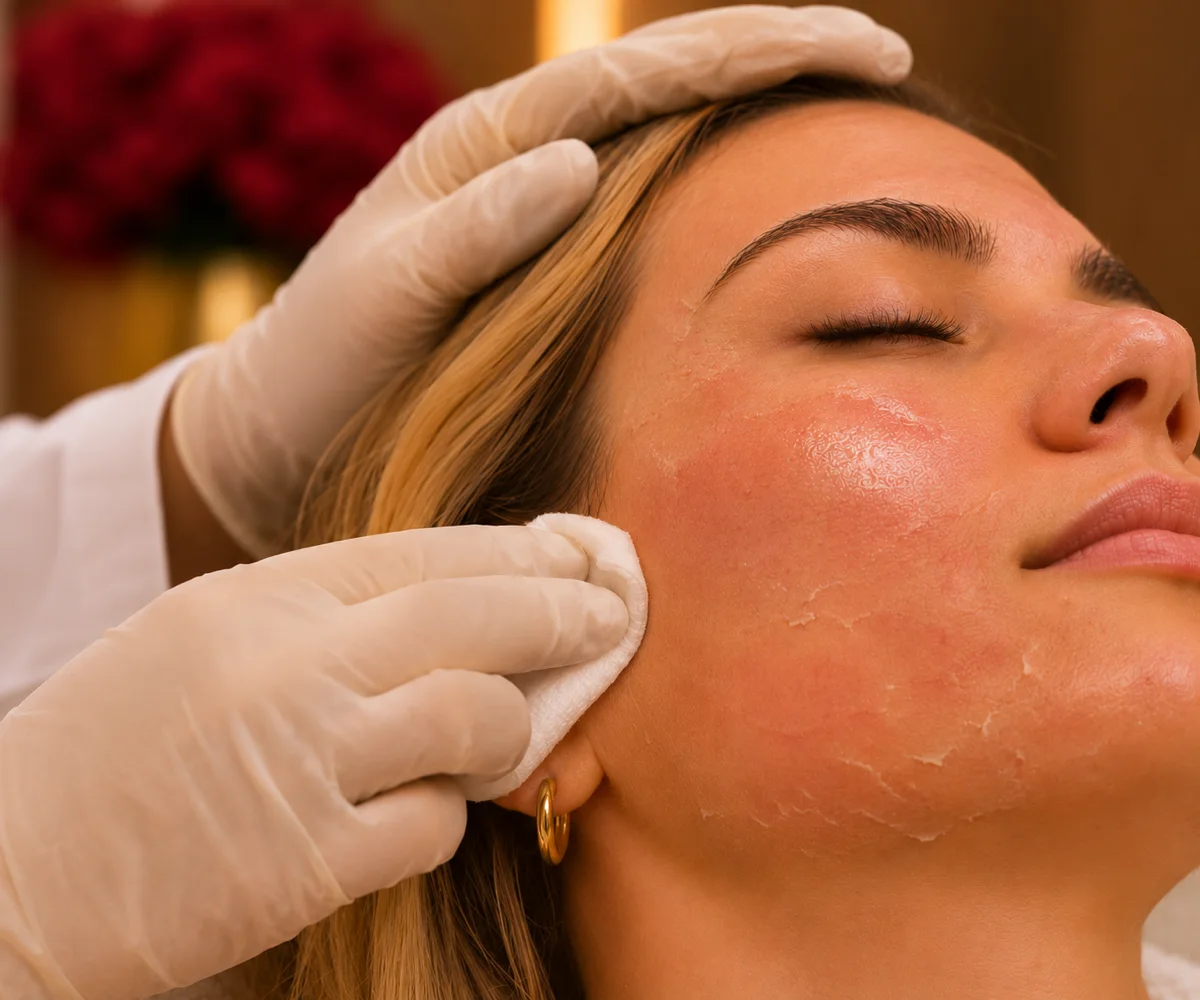
Deep peel: the skin after treatment, with the doctor's care

Deep skin renewal

LuxFusion deep peel

Intense skin renewal, which the clinic’s catalogue associates with marked skin damage. In melasma it is considered only in selected cases and after an assessment, because a deep peel can irritate the skin and worsen pigmentation, especially in darker skin. It is not done in pregnancy or during breastfeeding.

May be considered when

the patches are persistent, the doctor has confirmed that it is melasma, you are neither pregnant nor breastfeeding, the skin is calm, and the risks have been explained, including that of worsening the colour.

Find out more
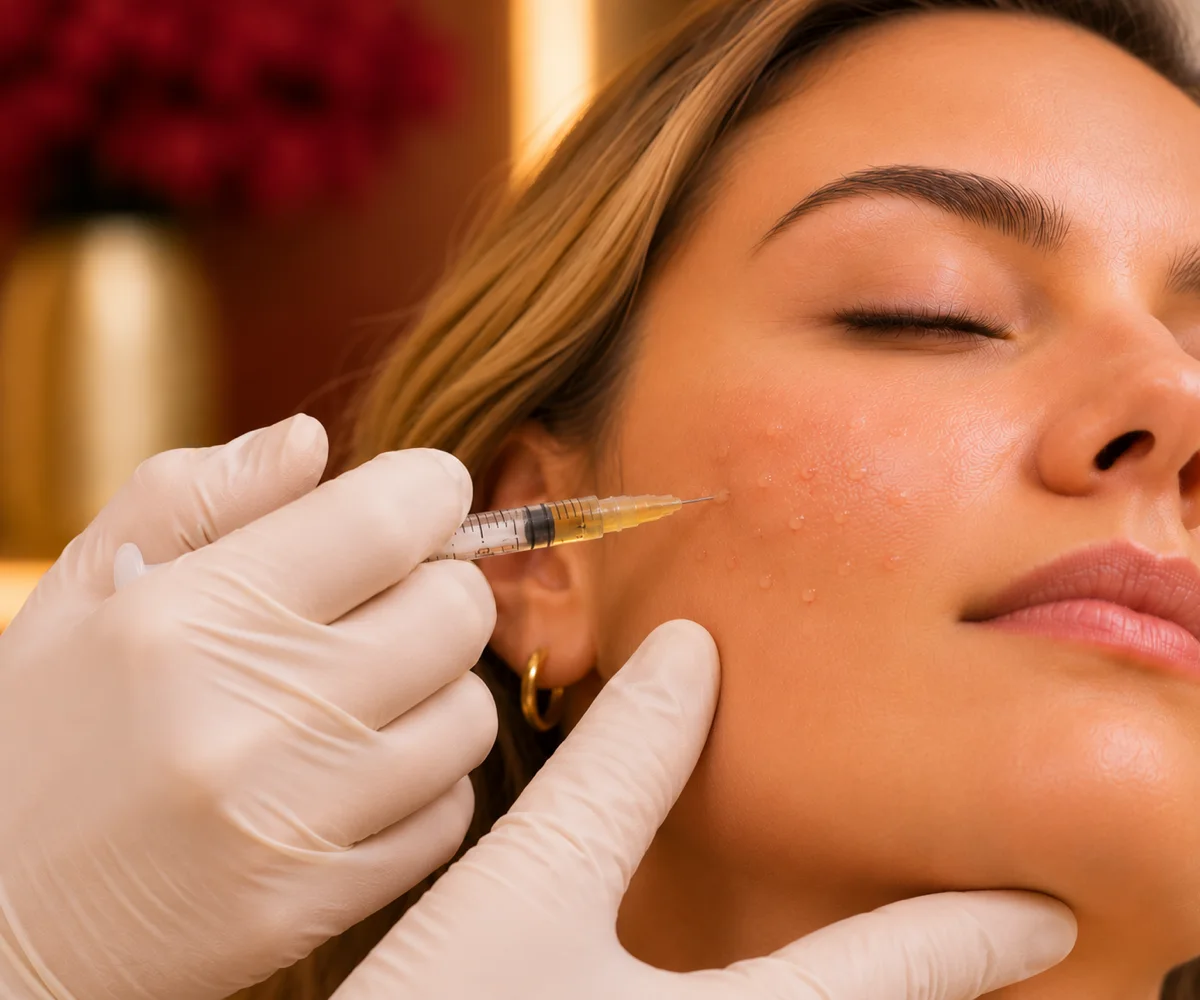
Intradermotherapy: micro-injections on the face with a gloved hand

Complementary approach

Intradermotherapy

Micro-injections of vitamins, minerals and other active ingredients into the dermis, as a complementary approach. For melasma, the evidence is limited and it does not replace sun protection or medical treatment. It is considered only after the assessment and when the doctor judges it safe, and it is not done in pregnancy.

May be considered when

the doctor has assessed the case, you are not pregnant, and you understand that this is a complementary option with limited evidence and no guarantee of results.

Find out more

What the journey looks like

From the first conversation to a plan tailored to you

No procedure begins without an assessment consultation with the doctor. In pregnancy and breastfeeding, the plan starts with protection and waiting.

  1. 01At the clinic

    Telling your story

    The doctor asks when the patches appeared, whether you are pregnant, breastfeeding or planning a pregnancy, which contraceptive or other hormonal treatment you use, which products you have applied and how the sun affects them.

  2. 02At the clinic

    Examining the skin

    The distribution and colour of the patches are examined, as is whether any of them looks different. If there are doubts, or a suspicious patch, you are referred to dermatology before any treatment.

  3. 03At home

    Protect and wait

    Tinted sunscreen every day, a wide-brimmed hat and shade, gentle skincare and no depigmenting product without a medical indication. In many women, part of the darkening fades in the months after the birth.

  4. 04Over time

    Decide and follow up

    Once you are no longer pregnant or breastfeeding, and if the colour persists, the doctor explains what can be considered, what to expect and how to maintain the result, without making promises. The examination is repeated and the plan adjusted.

Day to day

What helps at home

Sun protection is the measure that counts the most, and it can start today, even if you are pregnant or breastfeeding. These measures make sense alongside medical follow-up.

The golden rule

Protect from the sun every day, without waiting for summer

Without sun protection, any treatment loses its effect, because the sun and visible light reactivate the pigment. Protection is safe in pregnancy and breastfeeding and helps stop the patches darkening while you wait. Decisions about depigmenting products and procedures are left for the medical assessment.

Use a tinted sunscreen

Visible light also stimulates pigment, and sunscreens with iron oxides protect against it.

In practice: a broad-spectrum tinted sunscreen, applied in the morning and reapplied throughout the day if you are exposed.

Wear a hat and seek shade

It reduces the light reaching the face, especially in the sunniest hours.

In practice: a wide-brimmed hat, sunglasses and shade, on walks with the baby or at the beach.

Caring for the skin gently

Irritated skin tends to pigment more.

In practice: gentle cleansing, a moisturiser the skin tolerates, and new products introduced one at a time.

Speak to whoever is looking after you

Products and procedures depend on whether you are pregnant or breastfeeding.

In practice: bring a list of the products you use to the consultation and always say if you are pregnant, breastfeeding or planning a pregnancy.

Dr Michelle Campagnoli, clinical director of Clínica Luxmed

Who will look after you

An assessment carried out by the doctor

At Luxmed, in Algés, the first step is always an assessment with Dr Michelle Campagnoli. She examines the skin, determines whether it is melasma or another patch that needs assessment, takes pregnancy, breastfeeding and hormonal therapy into account and works with you to decide what makes sense, and when, before any procedure.

  • Physical examination and medical historyA conversation about pregnancy, the contraceptive, the sun and the products used, and an examination of the skin.
  • A plan tailored to youA clear plan, with no promises, with protection first and follow-up over time.
  • No obligationThe cost of any treatment is confirmed only after the assessment.
Book an assessment

Articles about melasma in pregnancy and from the pill

From our blog
Fotografia · melasma-da-gravidez-ou-da-pilula-blog-11200 × 800 px · horizontal 3:2Natureza-morta numa varanda ao sol suave: um chapéu de palha de aba larga pousado numa mesa de madeira, ao lado de um frasco neutro de protetor solar; sem pessoas nem pele à vista

Facial aesthetics

Melasma in pregnancy: does it go away after the birth?

Why melasma appears in pregnancy, what usually happens in the months after the birth and what care makes sense in the meantime.

Fotografia · melasma-da-gravidez-ou-da-pilula-blog-21200 × 800 px · horizontal 3:2Mãos de uma médica de bata branca a escrever num bloco de notas à secretária, com um calendário e uma chávena ao lado, luz natural de consultório; enquadramento só das mãos e da secretária, sem rostos nem embalagens de medicamentos

Facial aesthetics

The pill and patches on the face: what to do

When the pill or other hormonal therapy is associated with patches, what can be done, why you should not stop the contraceptive on your own and when to speak to the doctor.

Fotografia · melasma-da-gravidez-ou-da-pilula-blog-31200 × 800 px · horizontal 3:2Mãos de uma mulher a segurar um recém-nascido envolto numa manta clara junto a uma janela, luz natural suave; enquadramento só das mãos e da manta, sem rostos

Facial aesthetics

Treating melasma while breastfeeding: what is safe

What is known, and what is not yet known, about melasma skincare and treatments while breastfeeding, and why the decision always rests with the doctor.

Book a consultation

Book your consultation

Choose how you prefer to get in touch. We will arrange the assessment consultation with Dr Michelle Campagnoli.

Booking through the websiteAssessment consultationTalk to our assistant on WhatsApp and ask for the current price of the assessment.

New Life Miraflores, Algés · Office Center, R. Santa Teresa do Menino Jesus n.º 6, 9.º C, 1495-048

Your details are used only for this contact. Any treatment depends on a prior medical assessment.

Request an appointmentIt takes less than a minute.
Speciality
You do not need to go into detail. The doctor will talk to you during the consultation.
Request received. Our team will contact you as soon as possible.
Does melasma in pregnancy go away after the birth?

It often fades in the months after the birth, and in some women it disappears, but not always completely and not always on its own. Some people are left with a little residual pigmentation, and persistence is greater with hormonal contraceptives and with darker patches. It can also return in a later pregnancy, and the sun continues to reactivate it. For this reason, protecting the skin during and after pregnancy matters, and it is reasonable to assess the case with the doctor if the patches remain after a few months.

Can the pill cause patches on the face? Will they go away if I stop?

The pill and other hormonal contraceptives are known triggers of melasma, as are the patch, the ring, the implant and the hormonal intrauterine device. In some women the patches fade when the contraceptive is stopped, but this is neither predictable nor guaranteed. The decision to keep, change or stop the contraceptive rests with the doctor who is looking after you, and should not be taken because of the patches and without a safe alternative. The patches can be treated in the meantime.

Is it really melasma or could it be another type of patch?

Flat, brown or greyish, symmetrical patches that appear in pregnancy or with a contraceptive are typical of melasma, but only an assessment can confirm it. Freckles, sun spots and marks left by spots look similar and are treated differently. A patch on one side only, which grows, changes colour, shape or outline, which bleeds or does not heal, should not be assumed to be melasma and must be seen by dermatology before any treatment.

When does melasma appear in pregnancy and why does it happen?

It usually appears from the second or third trimester, when hormone levels are higher and stimulate the melanocytes. It does not happen to every pregnant woman: predisposition (relatives with melasma, medium to dark skin tone) and the sun, which makes it worse, both matter. How often it occurs varies widely depending on the population studied.

What can I do now, while pregnant?

The most useful and safest approach is to protect: broad-spectrum tinted sunscreen (with iron oxides), a wide-brimmed hat, shade and gentle skincare. Depigmenting agents such as hydroquinone and retinoids are avoided in pregnancy, and the American Academy of Dermatology advises waiting until the end of pregnancy to treat. Before using any product, even a “natural” one, speak to the obstetric team or the doctor.

Can I have a peel, laser or another treatment while pregnant or breastfeeding?

In pregnancy, it is not a good time: the plan is to protect and wait. During breastfeeding, the data are less clear and the decision rests with the doctor, case by case, depending on the product or procedure. At any stage, heat and irritation can worsen melasma, so procedures are only considered after an assessment, and some treatments, such as oral tranexamic acid, are contraindicated in pregnancy.

Do the LuxFusion peel, intradermotherapy or photobiodynamic therapy remove the patches?

There is no promise or guarantee. The clinic’s catalogue associates these three treatments with this topic, but the evidence for melasma is limited: reviews describe peels as a complement and not as a first-line treatment, and warn of the risk of worsening pigmentation in darker skin. For intradermotherapy and photobiodynamic therapy, the sources we consulted show no solid evidence in melasma. After assessing you, the doctor will tell you whether any of them makes sense in your case, and when.

Will the patches come back? And what if I become pregnant again?

Melasma is a condition that tends to come back, even after it has improved, especially with the sun, and it can recur in a later pregnancy or when starting hormonal treatment. For this reason, sun protection continues over time and maintenance is part of the plan. Results vary from person to person and are not permanent.

Do I really need a “tinted” sunscreen?

Yes, it is one of the most consistent recommendations. Besides ultraviolet rays, visible light also stimulates pigment, and sunscreens with iron oxides protect against it, which was associated with fewer relapses in small studies. Apply it in the morning, reapply throughout the day if you are exposed and add a hat and shade.

When should I see a doctor about the patches?

Book a consultation if the patches persist months after the birth, if they get worse, if they are affecting your wellbeing or if you want to understand what you can do now. Seek dermatological assessment before treating a patch on one side only that grows, changes colour, shape or outline, bleeds or does not heal. If you are pregnant and have intense generalised itching, fever or malaise, speak to the obstetric team straight away; out of hours, you can call SNS 24 (808 24 24 24). 112 is reserved for emergencies.

We could not find that question. Ask us on WhatsApp

Scientific references

This page is based on the sources below and was reviewed by Dr. Michelle Campagnoli. Last updated on .

  1. DermNet NZ (New Zealand Dermatological Society). Melasma (facial pigmentation). (DermNet, acedido 2026-11-11)
  2. American Academy of Dermatology. Melasma: Overview. (AAD (página para o público), acedido 2026-11-11)
  3. British Association of Dermatologists. Patient Information Leaflet: Melasma. (BAD, acedido 2026-11-11)
  4. Handel AC, Miot LDB, Miot HA. Melasma: a clinical and epidemiological review. An Bras Dermatol, 2014.
  5. Cassiano DP, Espósito ACC, da Silva CN, et al. Update on Melasma - Part II: Treatment. Dermatology and Therapy (Heidelb), 2022.
  6. Ogbechie-Godec OA, Elbuluk N. Melasma: an Up-to-Date Comprehensive Review. Dermatology and Therapy (Heidelb), 2017.
  7. Pregnancy, Birth and Baby (financiado pelo Governo australiano, operado pela Healthdirect Australia). Melasma (chloasma): skin changes during pregnancy. pregnancybirthbaby.org.au, 2025.
CallAssistantAvailableBook