Algés, Oeiras Mon to Fri · 09:00 to 13:00 and 14:00 to 19:00 · Sat · 09:00 to 14:00
WhatsApp Book a consultation

Body aesthetics

Papillomas and warts on the neckSmall bumps on the skin of the neck and folds, almost always benign, but of different origins: only an examination says what type each one is

“Papilloma” and “wart” are words that in everyday speech are applied to almost anything that sticks out from the skin of the neck, underarms or folds. In practice they are different lesions: the most frequent are soft fibromas, small hanging “skin tags”, but there are also warts caused by viruses, seborrhoeic keratoses and moles. The distinction matters, because what is expected of each, the possibility of its returning and the way of treating it, when it is treated, is not the same. On this page we explain how they are told apart, where they come from, what can be done, what the risks of removing them are and, prominently, when a lesion needs to be assessed by a doctor before any decision. At Clínica Luxmed, in Algés, the doctor examines the lesion and defines the path at the assessment consultation.

Reviewed by Dr Michelle Campagnoli, clinical director

  • 4types of lesion that get confused with “papillomas”
  • 1assessment, always first
  • Nocommitment
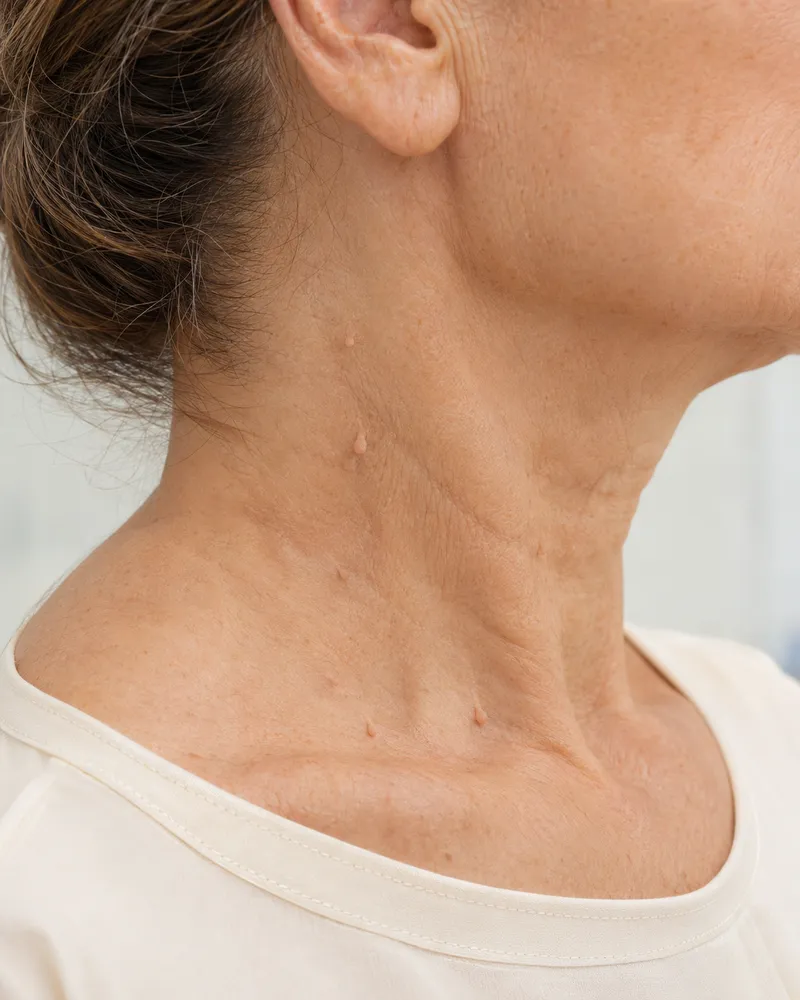
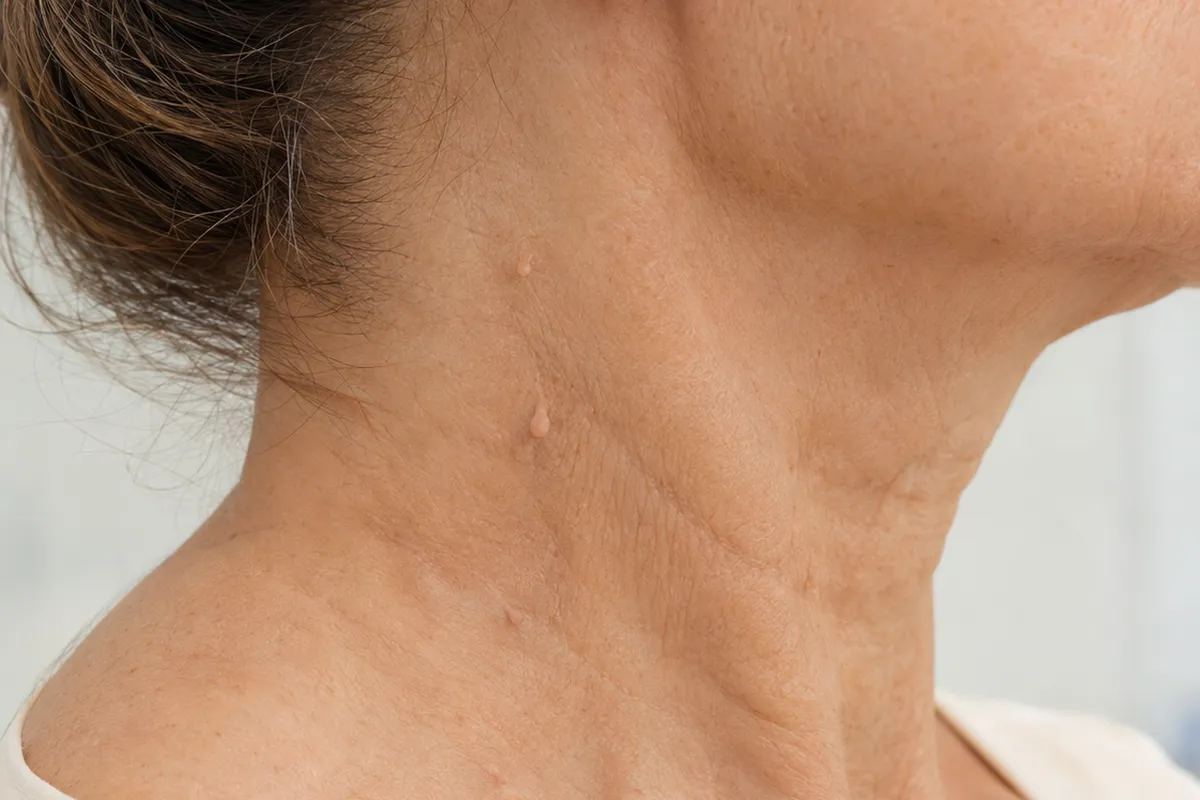
Neck of a woman with small skin tags (acrochordons)

How to recognise it

Is it a papilloma, a wart or something else?

These signs help to describe what you see and to prepare the conversation with the doctor. Many lesions on the neck look like papillomas without being so, and that is why examination always comes before any treatment.

Tick what you recognise0/7

Tick the signs you recognise in your case. This is not a diagnosis, it is only meant to give you an idea.

A lesion that bleeds for no reason, that changes colour, shape or size, that grows quickly, that hurts, that is asymmetrical, with irregular edges or several colours, or that you simply do not know what it is, needs a medical assessment before any treatment. Also if, suddenly, many new lesions appear. Lesions in the genital area or mouth have their own assessment. If in doubt, call the SNS 24 line (808 24 24 24).

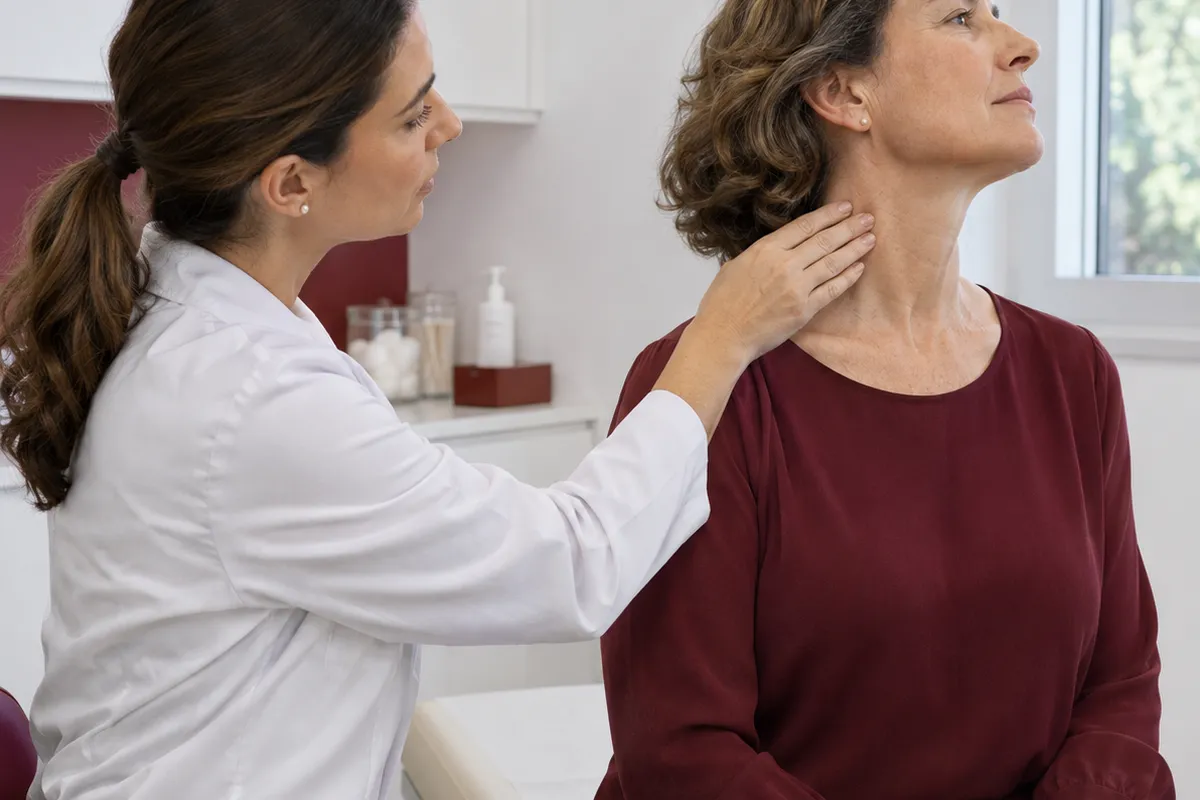
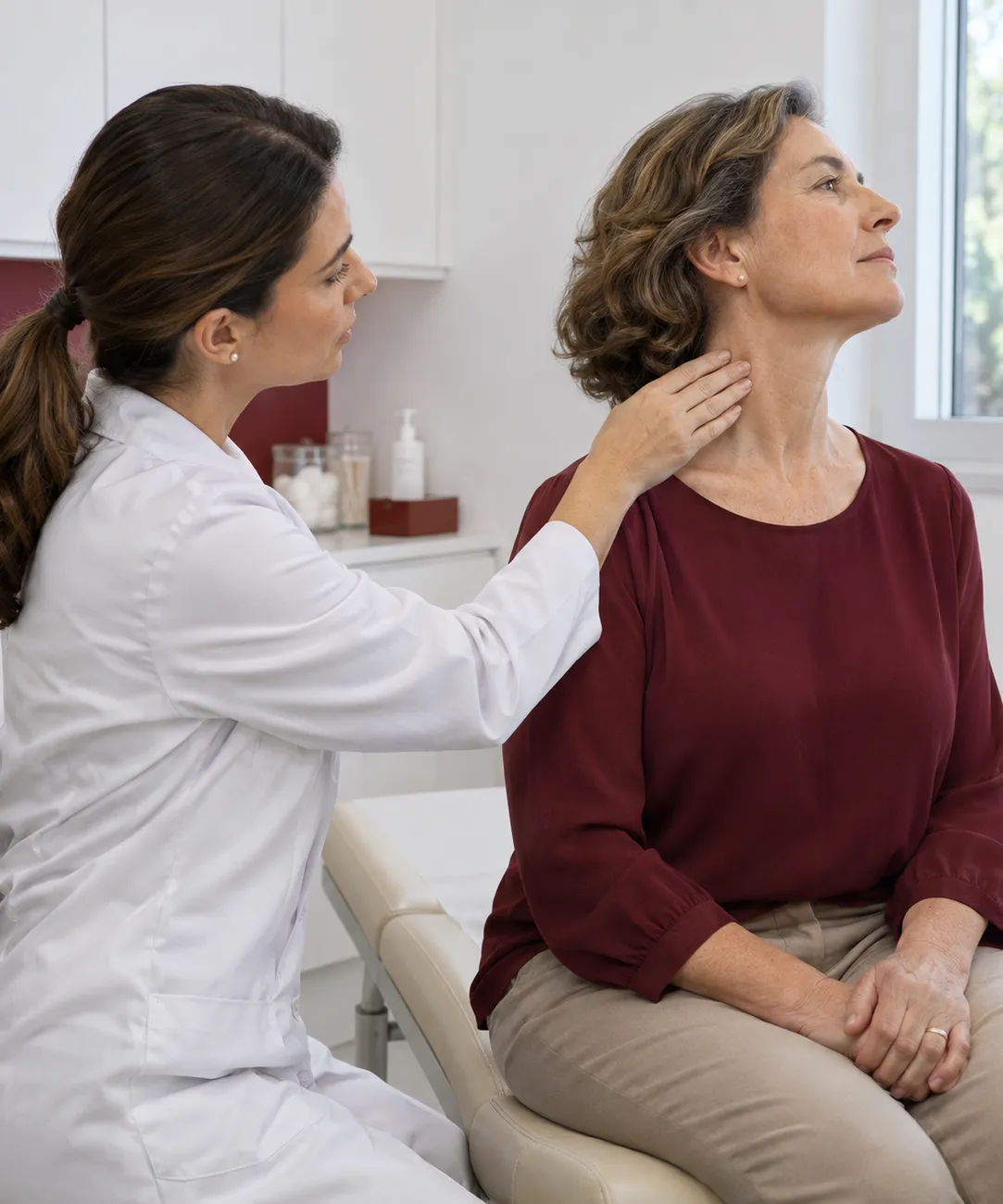
Female doctor examining the neck and décolletage of a seated patient
Photograph of a consultation. The dots mark what the doctor is assessing.

Where they come from

Why papillomas appear on the neck

As “papilloma” groups together different lesions, the cause depends on the type. Choose one of the factors to see how it acts and what helps.

Friction and folds

Soft fibromas, the “skin tags”, appear mainly where skin rubs against skin or clothing: neck, underarms, groin and under the breasts. The neck is one of the most common places, because there are folds, collars, chains and necklaces. They are not contagious or a matter of hygiene.

What favours it

Collars and chains that scrape, skin folds that rub together, hair removal or shaving that irritate the area.

What helps

Soft clothing on the neck, loose, light chains, moisturising the skin and avoiding scratching or pulling the lesions.

Normal or to be assessed

Does it look like a common benign lesion or does it need assessment?

Most lesions on the neck are benign and not urgent, but there are situations in which nothing is removed or tried before a doctor has seen it. See which side yours is on.

  • Soft fibroma. Soft, hanging, skin-coloured or slightly darker, from 2 mm to a few centimetres, on the neck or in folds. It is not contagious and does not need to be removed.

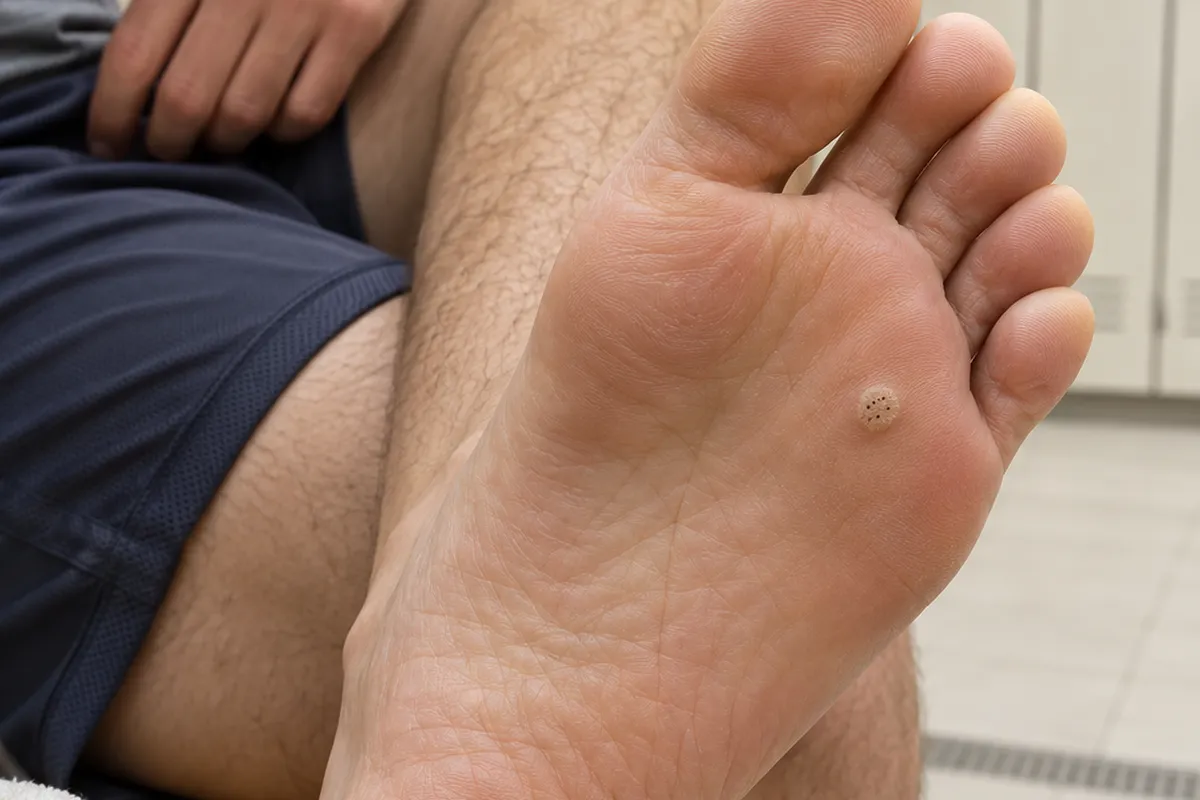
  • Filiform wart. Thin and elongated, with a rough surface or projections. It is caused by a virus, is only slightly contagious and may disappear on its own, but may also return.

  • Seborrhoeic keratosis. Brown, rough and “stuck” to the skin, like a drop of wax. It is benign, not contagious and appears more with age.

  • What usually helps. Avoiding scratching and pulling, reducing friction from collars and chains, and, if it irritates or bothers you, booking an assessment to choose the path.

  • Tell us at the consultation. Since when they have been there, how many there are, whether they are increasing, whether they have been removed and returned, and whether you have diabetes or weight gain.

Not sure what it is? Book an assessment. The doctor examines the lesions, tells you the type of each and whether it is worth treating, and only then is the method chosen.

Book an assessment

What can be done

Removing papillomas: what to expect

Many papillomas, above all soft fibromas, are benign and do not need to be removed, unless they irritate, bleed or bother the appearance. When they are removed, medical guidelines describe cutting with scissors or a blade, electrocoagulation, cryotherapy and laser, chosen by the type of lesion, size, number and area. Healing usually takes one to two weeks, and the risks include a small mark, crust, a lighter or darker patch, above all in dark skin, and, in viral warts, return. Removed fibromas do not usually return in the same place, but others may appear. Removing a lesion is only done after it has been assessed and, if it raises doubts, with analysis of the tissue. At Luxmed, the method is defined at the assessment consultation, and the doctor explains what to expect, the risks and whether it is worth treating or monitoring before any decision.

Book an assessment
Dr Michelle Campagnoli, clinical director of Clínica Luxmed

First step

Assessment consultation

The doctor listens to what you are experiencing, examines your case and explains the suitable options. No treatment begins without this consultation.

you want to understand the cause and decide on the best path, with time and without commitment.

Book an assessment

What the journey looks like

From the first examination to follow-up

No lesion is removed without being assessed first. This is how it goes.

  1. 01At the clinic

    Telling the story of the lesions

    The doctor asks since when they have been there, how many there are, whether they are increasing or irritating, whether they have been removed or treated, what you have tried at home and whether you have diabetes, weight gain or other conditions.

  2. 02At the clinic

    Examining and identifying the type

    She looks at each lesion, its base and its texture, and confirms whether it is a soft fibroma, wart, keratosis or mole. If any raises doubts, the decision is different: a more careful assessment and, if needed, analysis of the tissue.

  3. 03At the clinic

    Deciding between monitoring and treating

    She explains what to expect from each path, including the possible method, the risks of scar or patch, healing and the possibility of their returning or new ones appearing, and defines the plan with you.

  4. 04Over time

    Following up and preventing

    She sees the area again, adjusts the plan and agrees the care that reduces friction, protects the skin and pays attention to causes such as weight and glucose, when they exist.

Day to day

What helps at home

What you do between consultations counts towards not irritating the lesions and not confusing the diagnosis.

The golden rule

Showing before fiddling

Most problems with papillomas begin with cutting, burning or pulling off at home a lesion that nobody has identified. If the lesion bothers you, the first thing to do is show it. If it changes, bleeds or hurts, it is not for trying things on, it is for seeing.

Reducing friction on the neck

Lesions irritate and bleed when they catch on clothing or a chain, and friction favours new fibromas.

In practice: soft collars and fabrics, loose, light chains and necklaces, and moisturising the skin of the neck after bathing.

Photographing from time to time

A dated photograph helps to see whether a lesion has changed, and gives the doctor a reference.

In practice: take a photograph in good light with a coin beside it for scale, and show it at the consultation.

Looking after weight and glucose if applicable

Fibromas multiply more with excess weight and insulin resistance.

In practice: talk to your family doctor about tests and habits if there are many lesions or if they are increasing in number.

Not sharing towels or shaving equipment

If the lesion is a viral wart, the virus passes through objects that touch skin with micro-injuries.

In practice: use your own towel and razor and shave or remove hair carefully around the lesions.

Dr Michelle Campagnoli, clinical director of Clínica Luxmed

Who will look after you

An assessment carried out by the doctor

At Luxmed, the first step is always an assessment with Dr Michelle Campagnoli, at the clinic in Algés. She is the one who examines the lesions, identifies the type of each and tells you whether it is advisable to treat or monitor, before any decision.

  • Physical examination and medical historyExamination of the lesions, their location and progress, the clinical history, the medication and any signs that call for another assessment before any treatment.
  • A plan tailored to youA clear plan, with the possible method explained, the risks of scar or patch, the possibility of their returning or new ones appearing, and follow-up over time.
  • No obligationThe cost of any treatment is confirmed only after the assessment.
Book an assessment

Book a consultation

Book your consultation

Choose how you prefer to get in touch. We will arrange the assessment consultation with Dr Michelle Campagnoli.

Booking through the websiteAssessment consultationTalk to our assistant on WhatsApp and ask for the current price of the assessment.

New Life Miraflores, Algés · Office Center, R. Santa Teresa do Menino Jesus n.º 6, 9.º C, 1495-048

Your details are used only for this contact. Any treatment depends on a prior medical assessment.

Request an appointmentIt takes less than a minute.
Speciality
You do not need to go into detail. The doctor will talk to you during the consultation.
Request received. Our team will contact you as soon as possible.
Warts on the neck: what are they?

In most cases they are soft fibromas, “skin tags”, small hanging, skin-coloured lesions, which appear where the skin rubs. But they may also be viral warts, such as the filiform wart, caused by HPV, and seborrhoeic keratoses, brown, rough lesions “stuck” to the skin. As the appearance is confusing, only examination by a doctor says what type each is. Almost all are benign, but a lesion that bleeds, changes or grows quickly should be seen before any treatment.

What is a papilloma on the skin?

“Papilloma” is an everyday term for small raised lesions. In medicine it refers to growths with projections, some caused by the human papillomavirus (HPV), such as warts, and others unrelated to viruses, such as soft fibromas. So, when someone says “I have a papilloma”, what matters is knowing which lesion it is. On the skin, both are benign, and genital and mucosal lesions have their own assessment.

Papilloma, soft fibroma or wart: what is the difference?

A soft fibroma is hanging, soft and skin-coloured, and arises from friction, genetics and, sometimes, metabolic factors. A viral wart is caused by HPV, has a rough surface and may be contagious, although only slightly. A seborrhoeic keratosis is brown and rough, appears with age and is not contagious. A mole (naevus) is pigmented and should be monitored by the ABCDE rule. The treatment of each is different, so the diagnosis comes first.

Are papillomas contagious?

Viral warts are only slightly contagious and may pass through contact or by scratching and shaving over the lesion. Soft fibromas and seborrhoeic keratoses are not contagious. As it is hard to tell by eye which is which, it is reasonable not to share towels or shaving equipment and not to touch the lesions, until the doctor has seen them.

Is skin HPV the same as cervical HPV?

Not exactly. They are different types of the same group of viruses. The types that cause warts on the hands, feet and neck are not those associated with the cervix. Genital lesions have their own assessment, and are not treated with products for common warts.

How can papillomas be removed: which methods exist?

Medical guidelines describe cutting with scissors or a blade, electrocoagulation, cryotherapy and laser. The choice depends on the type of lesion, size, number and area, and often one session is enough. The risks include a small scar, crust, a lighter or darker patch and, in viral warts, return. At Luxmed, the method is defined at the assessment consultation, after confirming the type of lesion.

Can I remove a papilloma at home?

It is not advisable. Cutting, tying off with thread, burning or pulling off may cause infection, bleeding and scarring, and may treat as benign a lesion that is not. Over-the-counter products for removing lesions are not recommended, and a wart product does not work on a soft fibroma and may irritate the skin. If the lesion bothers you, ask for assessment.

Do papillomas come back after being removed?

It depends on the type. A removed soft fibroma does not usually return in the same place, but new fibromas may appear in other places, above all if friction and the underlying factors continue. Viral warts may return, because the virus may remain in the surrounding skin. So the plan includes explaining what to expect and following up the area.

Does it hurt to remove a papilloma and how long does it take to heal?

The discomfort is usually small and, when needed, local or topical anaesthesia may be used. Healing generally takes one to two weeks, with a small crust that falls off on its own. A lighter or darker mark may remain, which is usually temporary, but sometimes permanent, above all in dark skin. The doctor explains what to expect before any decision.

When should I see a doctor, and what should I bring to the assessment?

Before treating anything, if the lesion bleeds, hurts, changes colour, shape or size, grows quickly, is asymmetrical, has irregular edges or several colours, if many new lesions appear at once or if you are not sure what it is. Call the SNS 24 line, 808 24 24 24, if in doubt; 112 is only for an emergency, for example bleeding that does not stop. At the consultation, bring an old photograph, if you have one, the list of medication and say since when the lesions have been there and whether they have been removed.

We could not find that question. Ask us on WhatsApp

Scientific references

This page is based on the sources below and was reviewed by Dr. Michelle Campagnoli. Last updated on .

  1. Sterling JC, Gibbs S, Haque Hussain SS, Mohd Mustapa MF, Handfield-Jones SE. British Association of Dermatologists' guidelines for the management of cutaneous warts 2014. Br J Dermatol, 2014.
  2. Kwok CS, Gibbs S, Bennett C, Holland R, Abbott R. Topical treatments for cutaneous warts. Cochrane Database Syst Rev, 2012.
  3. Rasi A, Soltani-Arabshahi R, Shahbazi N. Skin tag as a cutaneous marker for impaired carbohydrate metabolism: a case-control study. Int J Dermatol, 2007.
  4. NHS. Skin tags. (nhs.uk, acedido 2026-11-11)
  5. American Academy of Dermatology. Skin tags: overview. (aad.org, acedido 2026-11-11)
  6. NHS. Warts and verrucas. (nhs.uk, acedido 2026-11-11)
  7. American Academy of Dermatology. Warts: overview. (aad.org, acedido 2026-11-11)
  8. American Academy of Dermatology. Seborrheic keratoses: overview. (aad.org, acedido 2026-11-11)
  9. American Academy of Dermatology. How to spot melanoma: the ABCDEs. (aad.org, acedido 2026-11-11)
  10. NHS. Genital warts. (nhs.uk, acedido 2026-11-11)
CallAssistantAvailableBook