Algés, Oeiras Mon to Fri · 09:00 to 13:00 and 14:00 to 19:00 · Sat · 09:00 to 14:00
WhatsApp Book a consultation

Body aesthetics

WartsSmall skin growths caused by a virus, very common and almost always benign, but which only an examination confirms

Warts are benign skin growths caused by some types of the human papillomavirus, HPV. They are very frequent, above all in children and young people, and many disappear on their own, although they may take months or years. On the hands and feet they are the most stubborn: even after being treated, it is common for them to return. On this page we explain how the various types are recognised, why they appear and how they are transmitted, why they return, which methods exist to remove them and what to expect from each, and, prominently, when a lesion needs to be assessed by a doctor before any treatment. At Clínica Luxmed, in Algés, the doctor examines the lesion and defines the path at the assessment consultation.

Reviewed by Dr Michelle Campagnoli, clinical director

  • HPVthe virus behind most warts
  • 1assessment, always first
  • Nocommitment
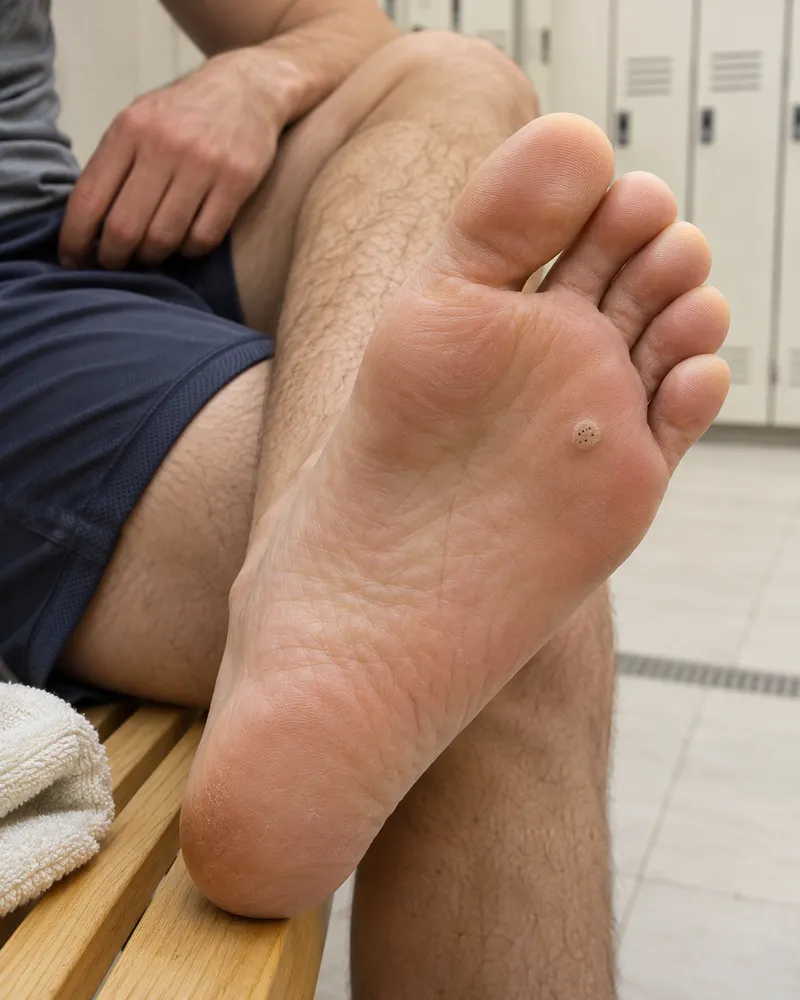
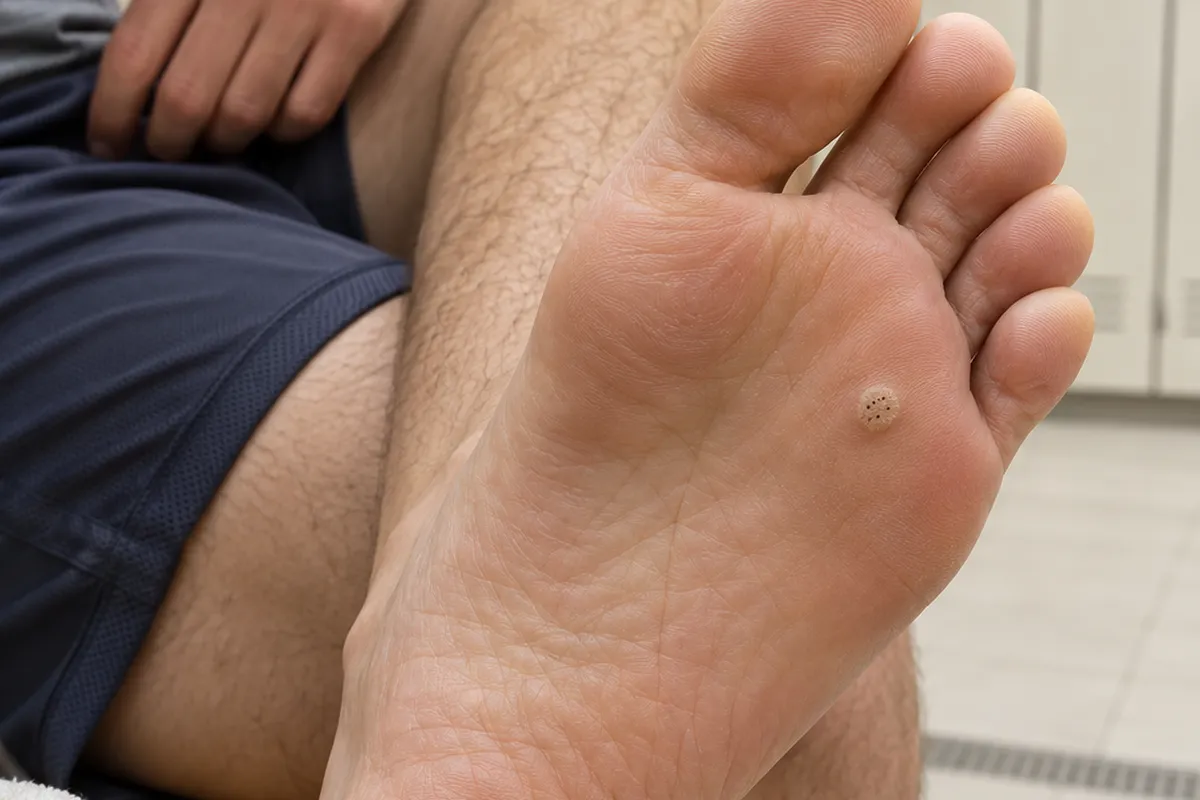
Sole of the foot of an adult sitting on a changing-room bench, with a plantar wart

How to recognise it

Is it really a wart?

These signs help to describe what you see and to prepare the conversation with the doctor. Many skin lesions look like warts without being so, and that is why examination always comes before treatment.

Tick what you recognise0/7

Tick the signs you recognise in your case. This is not a diagnosis, it is only meant to give you an idea.

A lesion that bleeds for no reason, that changes colour, shape or size, that grows quickly, that hurts, that is asymmetrical, with irregular edges or several colours, or that is in the genital area or on the face, needs a medical assessment before any treatment. The same applies if you have diabetes, poor circulation in the feet or reduced immunity. If in doubt, call the SNS 24 line (808 24 24 24).

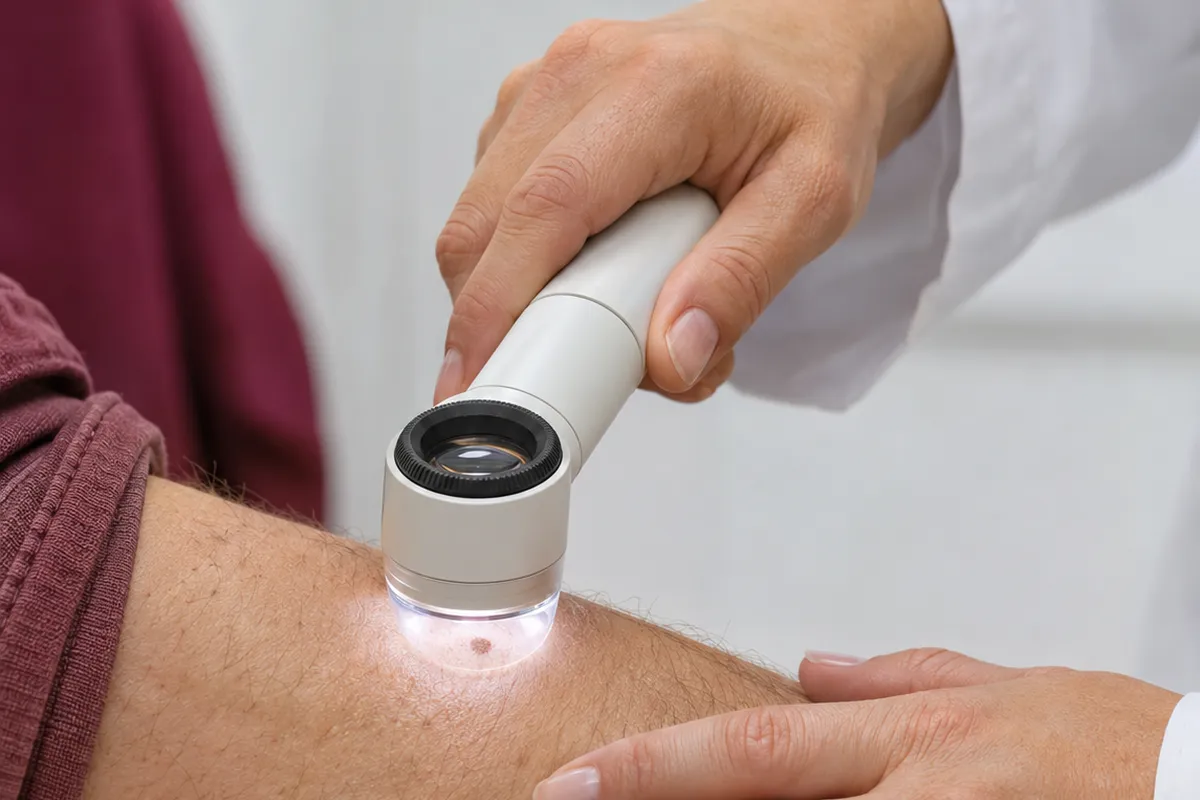
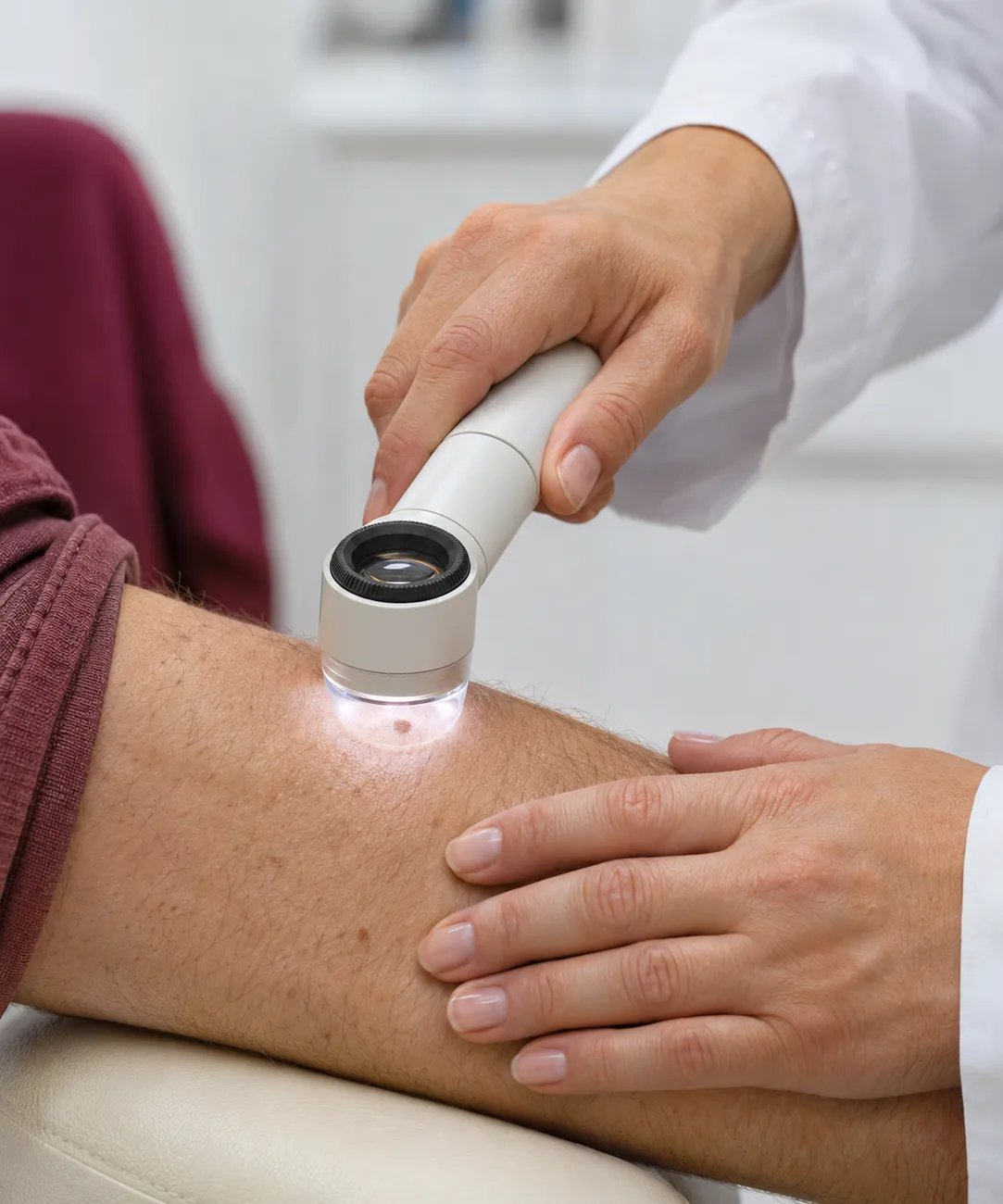
Female doctor examining a mole on the skin of the arm with a dermatoscope
Photograph of a consultation. The dots mark what the doctor is assessing.

Why they appear

What is behind warts

There is a basic cause, the virus, and several factors that decide whether it takes hold, whether it spreads and whether it returns. Choose one to see how it acts and what helps.

The human papillomavirus

Warts are caused by types of the human papillomavirus (HPV) that infect the superficial layer of the skin and make it grow more than it should. The types that cause warts on the hands and feet are different from those that cause genital warts, which are another situation, with their own assessment. Most people come into contact with the virus over their lifetime, and not all develop warts.

What favours it

Repeated contact with the virus in areas of wet, softened skin or skin with micro-fissures.

What helps

Understanding that it is a common, benign skin infection, and that what is treated is the lesion and the way the virus spreads.

Normal or to be assessed

Does it look like a common wart or does it need assessment?

Most warts are benign and not urgent, but there are situations in which nothing is treated or tried before a doctor has seen it. See which side your lesion is on.

  • What they look like. Rough and raised on the hands and fingers, flat and painful on the sole of the foot, small, smooth and in a group on the face or legs, or thin and elongated on the neck.

  • What stage they are at. Many disappear on their own, above all in children, although they may take months or years. There is no hurry to treat a common wart that does not bother you.

  • Why it is worth confirming. Only examination tells a wart from a corn, a mole or another lesion that looks like it, and the treatment of each is different.

  • What usually helps. Avoiding touching, protecting the lesion, keeping the skin dry and, if it bothers you or spreads, booking an assessment to choose the method.

  • Tell us at the consultation. Since when it has been there, how many there are, whether they have been treated and have returned, and whether you have diabetes, poor circulation or reduced immunity.

Not sure what it is? Book an assessment. The doctor examines the lesion, tells you what it is and whether it is worth treating, and only then is the method chosen.

Book an assessment

What can be done

Removing warts: what to expect

There is no single treatment that always works. The choice depends on the type of wart, the location, the number of lesions and age, and several sessions are often needed. Among the methods described in medical guidelines are salicylic acid, cryotherapy, curettage or electrosurgery, laser and topical immunotherapy in selected cases. The effects of topical treatments are modest, and cryotherapy may be painful and leave a patch or scar. Many warts disappear on their own, so what is decided at the consultation may be to treat or only to monitor. Removal is only done after the lesion has been assessed and, if necessary, with analysis of the tissue. At Luxmed, the method is defined at the assessment consultation, according to the type and location, and the doctor explains what to expect, the number of sessions and the risks before any decision.

Book an assessment
Dr Michelle Campagnoli, clinical director of Clínica Luxmed

First step

Assessment consultation

The doctor listens to what you are experiencing, examines your case and explains the suitable options. No treatment begins without this consultation.

you want to understand the cause and decide on the best path, with time and without commitment.

Book an assessment

What the journey looks like

From the first examination to follow-up

No lesion is treated without being assessed first. This is how it goes.

  1. 01At the clinic

    Discuss the history of the injury

    The doctor asks since when it has been there, how many there are, whether they are growing or multiplying, what you have already tried, whether they returned after being treated and whether you have diabetes, poor circulation or reduced immunity.

  2. 02At the clinic

    Examining the lesion

    She looks at the appearance, location and dark dots, and confirms whether it is a wart or another lesion. If there are signs that do not fit, the decision is different: a more careful assessment and, if needed, analysis of the tissue.

  3. 03At the clinic

    Deciding between monitoring and treating

    She explains what to expect from each path, including the time, the number of sessions, the possibility of it returning and the risk of a patch or scar, and defines with you the method that makes sense.

  4. 04Over time

    Following up and preventing

    She sees the area again, adjusts the plan and agrees the care that reduces recurrence: completing the treatment, not touching, keeping the skin dry and protecting yourself in damp spaces.

Day to day

What helps at home

What you do between consultations counts towards not spreading the warts and not seeing them return.

The golden rule

First, knowing what it is

Most mistakes with warts begin with treating at home a lesion that nobody has confirmed. If you are sure it is a wart, the priority is not to spread it, and if you have doubts, the priority is the consultation. A lesion that changes, bleeds or hurts is not for trying things on, it is for showing.

Completing the treatment to the end

Stopping before the wart disappears favours its return, because the virus may stay in the surrounding skin.

In practice: follow the agreed plan, even if the lesion looks better, and come back to the consultation if there is no improvement.

Wearing flip-flops in changing rooms and swimming pools

The virus stays on damp surfaces and enters through small breaks in the skin.

In practice: flip-flops in the changing room and shower, and feet well dried after bathing, above all between the toes.

Covering the wart and washing your hands

Covering protects others and healthy skin, and washing your hands avoids carrying the virus from one finger to another.

In practice: a plaster or waterproof dressing at the pool, and washing your hands after touching the lesion.

Having your own tools and towels

The virus passes through shared objects that touch the wart and healthy skin.

In practice: do not share nail files, scissors, towels, socks or slippers, and use your own.

Dr Michelle Campagnoli, clinical director of Clínica Luxmed

Who will look after you

An assessment carried out by the doctor

At Luxmed, the first step is always an assessment with Dr Michelle Campagnoli, at the clinic in Algés. She is the one who examines the lesion, confirms what it is and tells you whether it is advisable to treat or monitor, before any decision.

  • Physical examination and medical historyExamination of the lesion, its location and progress, the clinical history, the medication and any signs that call for another assessment before any treatment.
  • A plan tailored to youA clear plan, with the method and number of sessions explained, the risks and the possibility of the wart returning, and follow-up over time.
  • No obligationThe cost of any treatment is confirmed only after the assessment.
Book an assessment

Book a consultation

Book your consultation

Choose how you prefer to get in touch. We will arrange the assessment consultation with Dr Michelle Campagnoli.

Booking through the websiteAssessment consultationTalk to our assistant on WhatsApp and ask for the current price of the assessment.

New Life Miraflores, Algés · Office Center, R. Santa Teresa do Menino Jesus n.º 6, 9.º C, 1495-048

Your details are used only for this contact. Any treatment depends on a prior medical assessment.

Request an appointmentIt takes less than a minute.
Speciality
You do not need to go into detail. The doctor will talk to you during the consultation.
Request received. Our team will contact you as soon as possible.
What are warts and why do they appear?

They are benign skin growths caused by types of the human papillomavirus, HPV, which enters through small breaks in the skin and makes it grow abnormally. They appear through direct contact with a wart or with damp surfaces where the virus remains, such as swimming pools and changing rooms, and are more frequent in children and young people, in people who go barefoot, in those who bite their nails and in those with reduced immunity. There are several types, and genital warts are another situation, with their own assessment.

Are warts contagious?

Yes, although only slightly. The virus passes through direct contact and shared damp surfaces, and may spread from one part of the body to another, for example when biting nails, scratching or removing hair over a wart. To reduce the risk, wear flip-flops in changing rooms, do not share towels, nail files, socks or slippers and cover the lesion at the pool. You can go to the pool with the wart covered and wearing flip-flops.

Plantar wart or corn: how can I tell them apart?

A plantar wart usually has tiny dark dots in the centre and hurts more when squeezed from the sides, and the skin lines no longer run over it. A corn is a hardened area that hurts mainly when pressed from above, and the skin lines are maintained. The difference matters because the treatment of each is different, and a lesion that looks like a corn but bleeds or changes colour should be seen by a doctor.

Do warts disappear on their own?

Many do, above all in children and in people whose defences are in order, but it may take months or even years. So, a common wart that does not bother you may simply be monitored. It is worth booking an assessment if it hurts, if it is growing or multiplying, if it is on the face or genital area, if you have diabetes or reduced immunity, or if it simply bothers you.

Why do warts return after being treated?

Because the virus may remain in the apparently normal skin around it, because treatment was stopped before the wart disappeared, because there was autoinoculation (biting, fiddling, cutting or removing hair over it) and because the environment continues to favour contact, with damp feet, swimming pools and changing rooms. On the feet, the pressure of walking pushes the wart inwards. Completing the treatment, not touching, wearing flip-flops and keeping the feet dry reduces the likelihood of their returning.

How can warts be removed: which methods exist?

Among the methods described in medical guidelines are salicylic acid, used daily for weeks and generally the first line, cryotherapy, in repeated sessions every two or three weeks, curettage or electrosurgery, for isolated lesions, laser, for resistant cases, and topical immunotherapy and other methods, for selected cases. None works every time, and the choice depends on the type, location, number and age. At Luxmed, the method is defined at the assessment consultation.

Can I remove a wart at home?

You may use over-the-counter products with salicylic acid if you are sure it is a common wart and if you follow the instructions consistently, but you should not cut, burn or pull it off. Do not use these products on the face, in the genital area, on moles or on any lesion that nobody has assessed. Duct tape is popular, but studies are contradictory, and the Cochrane review on topical treatments found no advantage for clear adhesive tape. If in doubt, ask for assessment.

Does it hurt to remove a wart and will it leave a scar?

It depends on the method. Cryotherapy stings and may leave a blister and a patch, and methods that use local anaesthesia usually hurt less during, although they leave a wound to care for. Curettage and electrosurgery carry a risk of scarring, and the wart may return. The doctor explains beforehand what to expect from each method, the number of sessions and the risks, and adjusts the plan to the area and the skin.

When should I see a doctor before treating?

Before treating anything, if the lesion bleeds, hurts, changes colour, shape or size, grows quickly, is asymmetrical, has irregular edges or several colours, if it is on the face or genital area, or if you have diabetes, poor circulation in the feet or reduced immunity. Also if you are not sure that it is a wart. Call the SNS 24 line, 808 24 24 24. 112 is only for an emergency, for example bleeding that does not stop or an infection with fever and intense pain.

What should I bring and say at the assessment?

Say since when the lesion has been there, how many there are, whether they are growing, whether they have been treated and returned, what you have already tried at home, which conditions you have (above all diabetes or circulation problems) and which medication you take. Bring an old photograph, if you have one, for the doctor to see the progress. Do not apply products in the preceding days, so that the lesion can be seen clearly. Book the assessment in Algés, with no commitment.

We could not find that question. Ask us on WhatsApp

Scientific references

This page is based on the sources below and was reviewed by Dr. Michelle Campagnoli. Last updated on .

  1. Sterling JC, Gibbs S, Haque Hussain SS, Mohd Mustapa MF, Handfield-Jones SE. British Association of Dermatologists' guidelines for the management of cutaneous warts 2014. Br J Dermatol, 2014.
  2. Kwok CS, Gibbs S, Bennett C, Holland R, Abbott R. Topical treatments for cutaneous warts. Cochrane Database Syst Rev, 2012.
  3. NHS. Warts and verrucas. (nhs.uk, acedido 2026-11-11)
  4. American Academy of Dermatology. Warts: overview. (aad.org, acedido 2026-11-11)
  5. American Academy of Dermatology. How to spot melanoma: the ABCDEs. (aad.org, acedido 2026-11-11)
  6. NHS. Genital warts. (nhs.uk, acedido 2026-11-11)
CallAssistantAvailableBook