Algés, Oeiras Mon to Sat · 09:00 to 13:00 and 14:00 to 19:00
WhatsApp Book a consultation

Hair problem

Alopecia areataWhen round patches appear in the hair, almost overnight

Alopecia areata causes round, well-defined patches in the hair, sometimes in the beard or eyebrows as well. It has an immune origin and is not contagious. Its course is unpredictable: the hair may grow back on its own or the patches may reappear. Here we explain how to recognise it and what a medical assessment can clarify.

Reviewed by Dr Michelle Campagnoli, clinical director

  • 3treatments the doctor may consider
  • 1assessment consultation, always first
  • 70 €assessment booked through the website
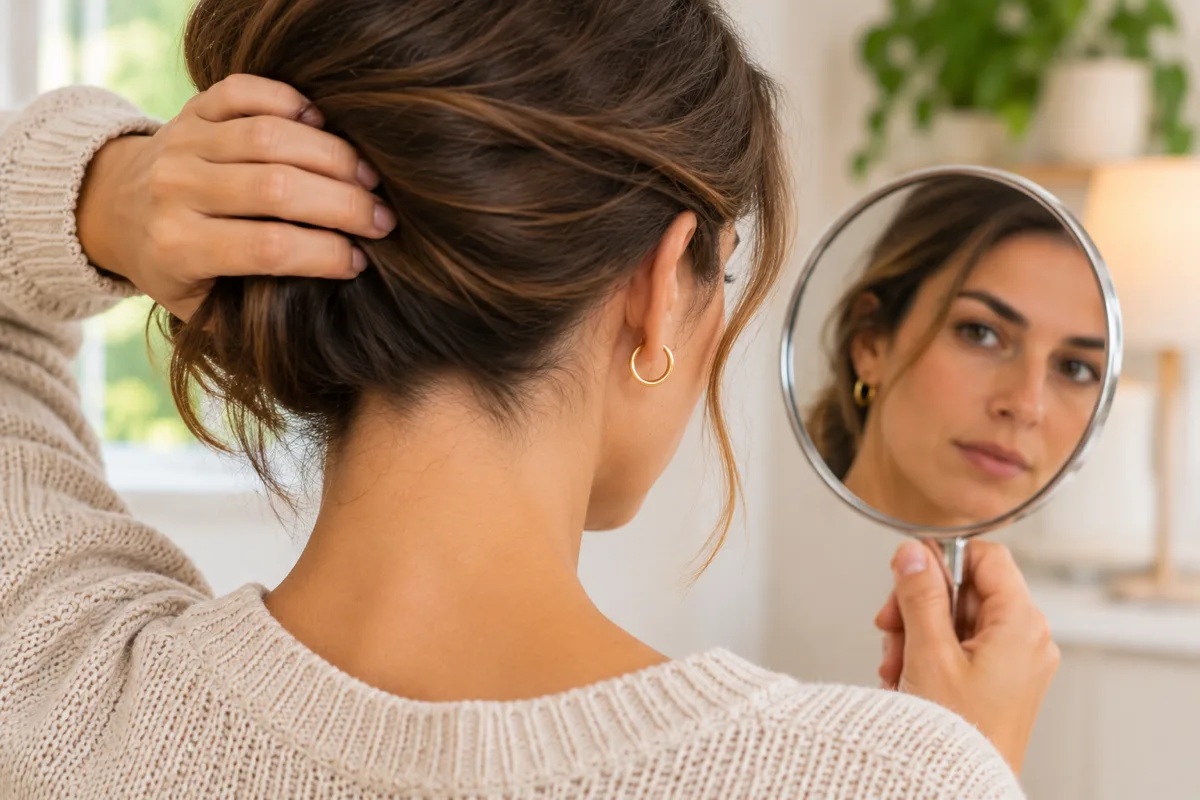
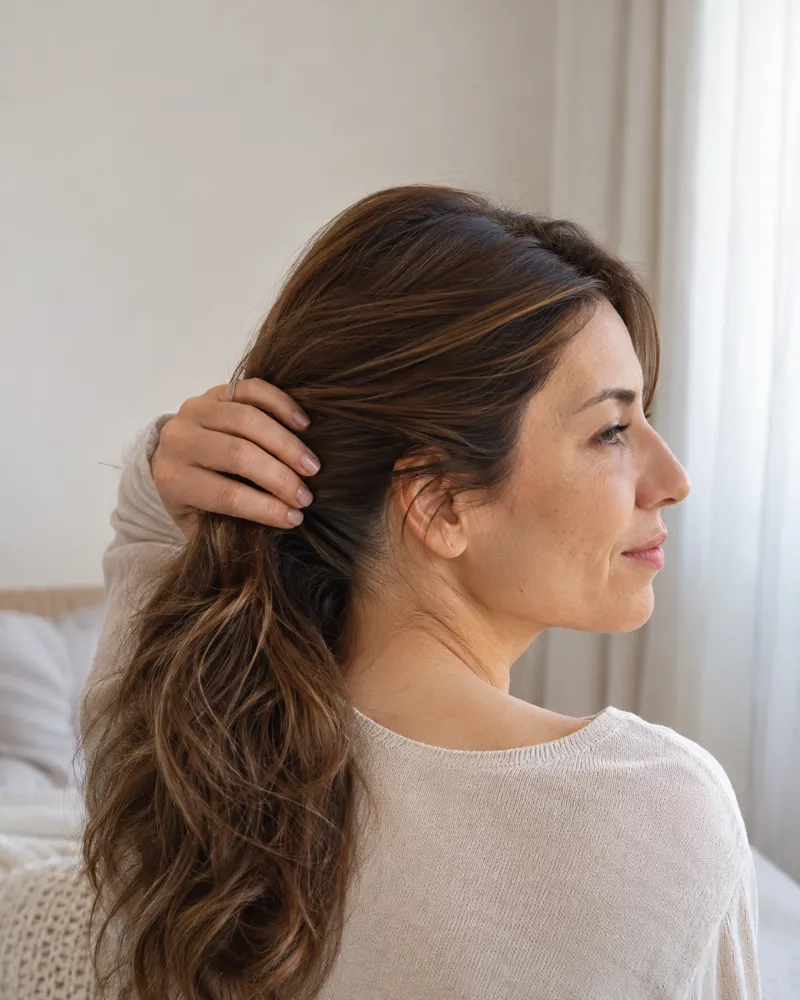
Woman in profile by a window, pushing her long brown hair back with her hand, with a serene expression

How to recognise it

Could these be alopecia areata patches?

Alopecia areata usually has a characteristic look: rounded patches of smooth skin that appear without pain. These signs can help you tell whether this is your case.

Tick what you recognise0/5

Tick the signs you recognise in your case. This is not a diagnosis, it is only meant to give you an idea.

Sudden, diffuse hair loss across the whole scalp, pain, sores, pus or heavy scaling should be seen without delay, because they usually have another cause.

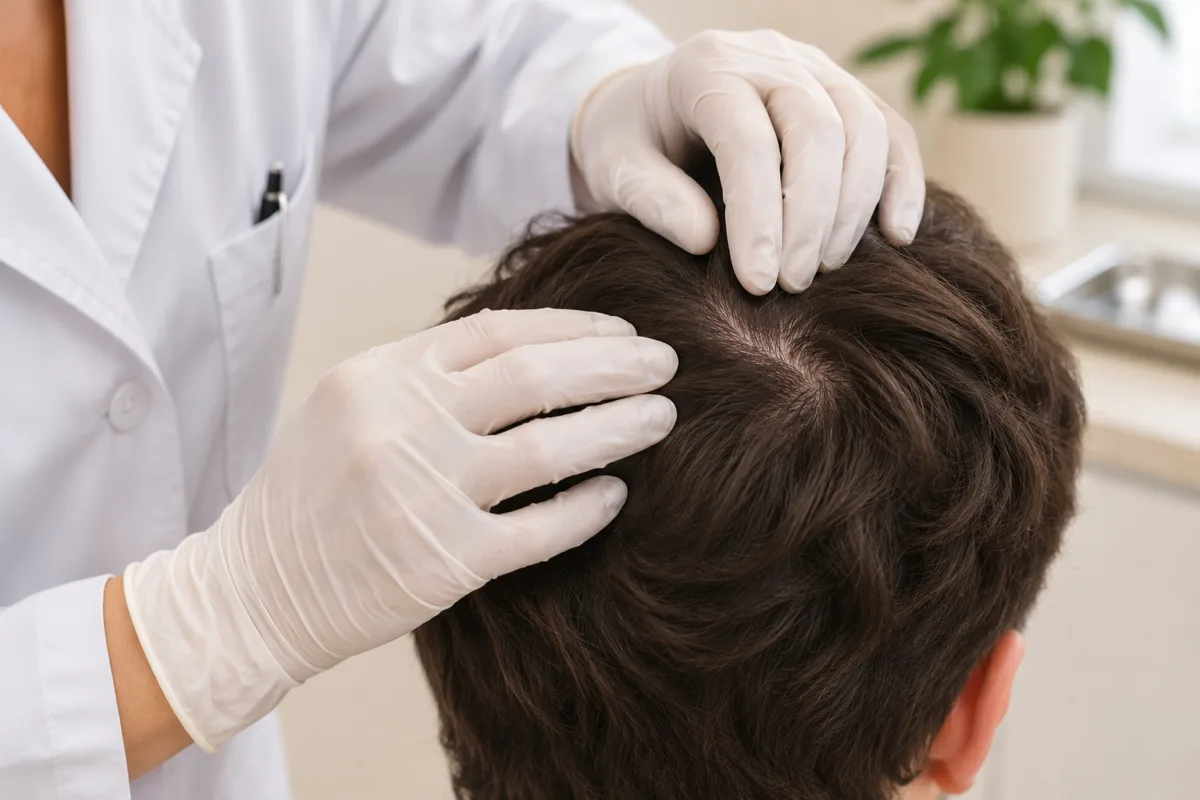
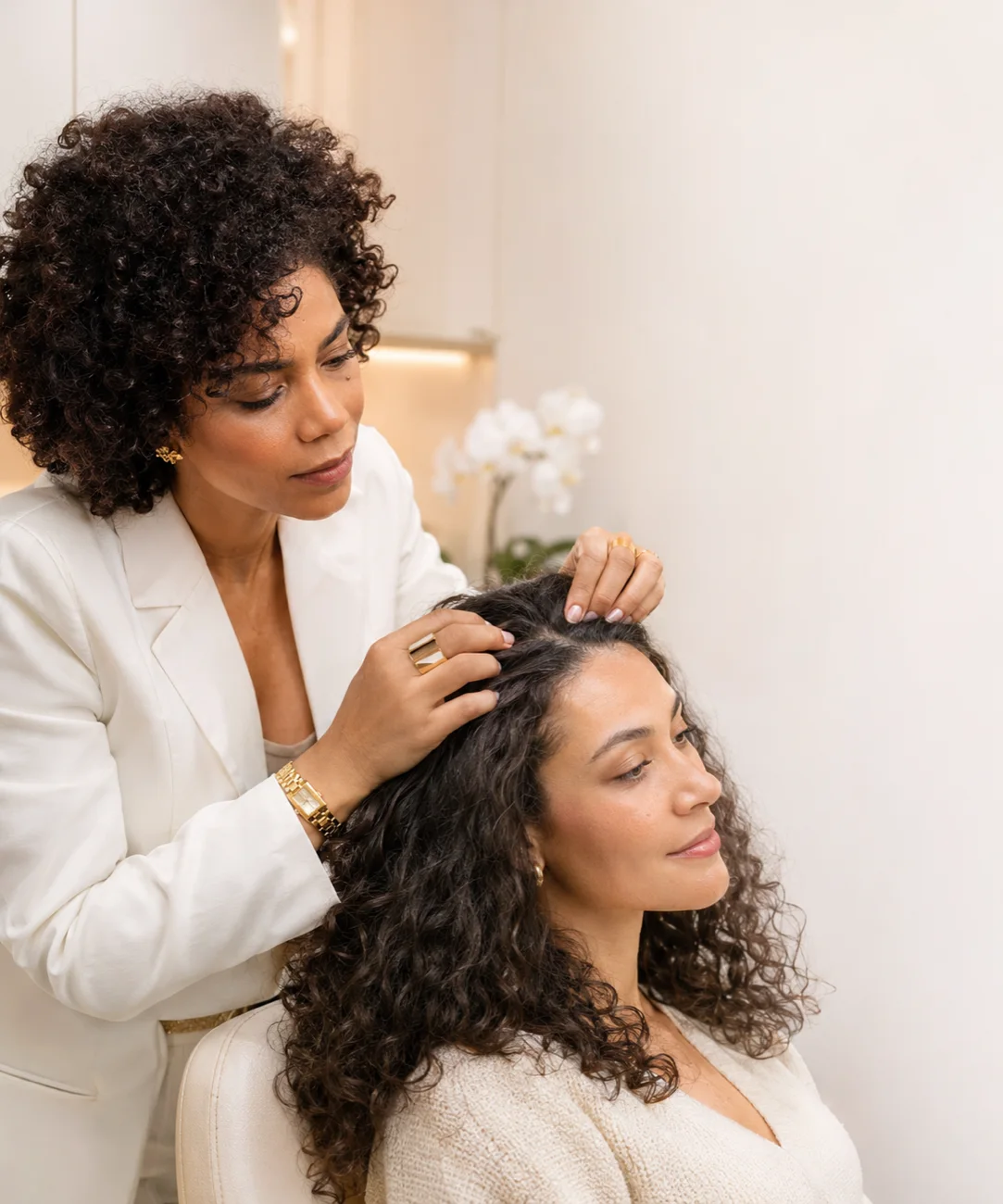
The doctor examining a patient's scalp during a hair assessment consultation
Photograph of an assessment consultation. The dots mark areas where alopecia areata can appear; the image does not show patches in the hair.

Why it happens

What is behind alopecia areata

No single cause is known. Choose a factor to see what may contribute and what helps.

The immune system

In alopecia areata, the body's defences mistakenly attack the hair follicles, which go into a resting state. It is not contagious and it is nobody's fault. The follicle is not destroyed, so the hair may grow back.

What may make it worse

Thinking it is contagious or that something you did caused it.

What helps

Understanding that it is a reaction of the body, with a medical assessment to confirm it.
Alopecia areata or another cause

Alopecia areata patches or causes to rule out

Not every patch in the hair is alopecia areata. These signs help tell them apart, but only the doctor can confirm it.

  • What it looks like. A round or oval patch of smooth, normal skin, with no pain or sores, with well-defined edges.

  • How it progresses. It is unpredictable: it may grow back on its own, stabilise or appear somewhere else.

  • What the clinic does. The doctor examines the patches, confirms the diagnosis and assesses whether any treatment can support the plan.

  • Follow-up. The progression is monitored, with reviews over time.

Has a round patch appeared in your hair? Book an assessment consultation, so the doctor can work out what it is and what can be done.

Book an assessment consultation

What the clinic can do

Options the doctor may consider

Alopecia areata has an unpredictable course and no treatment guarantees a result. The doctor assesses your case and sees whether any of these options can support the plan, without promising a cure.

Book an assessment consultation
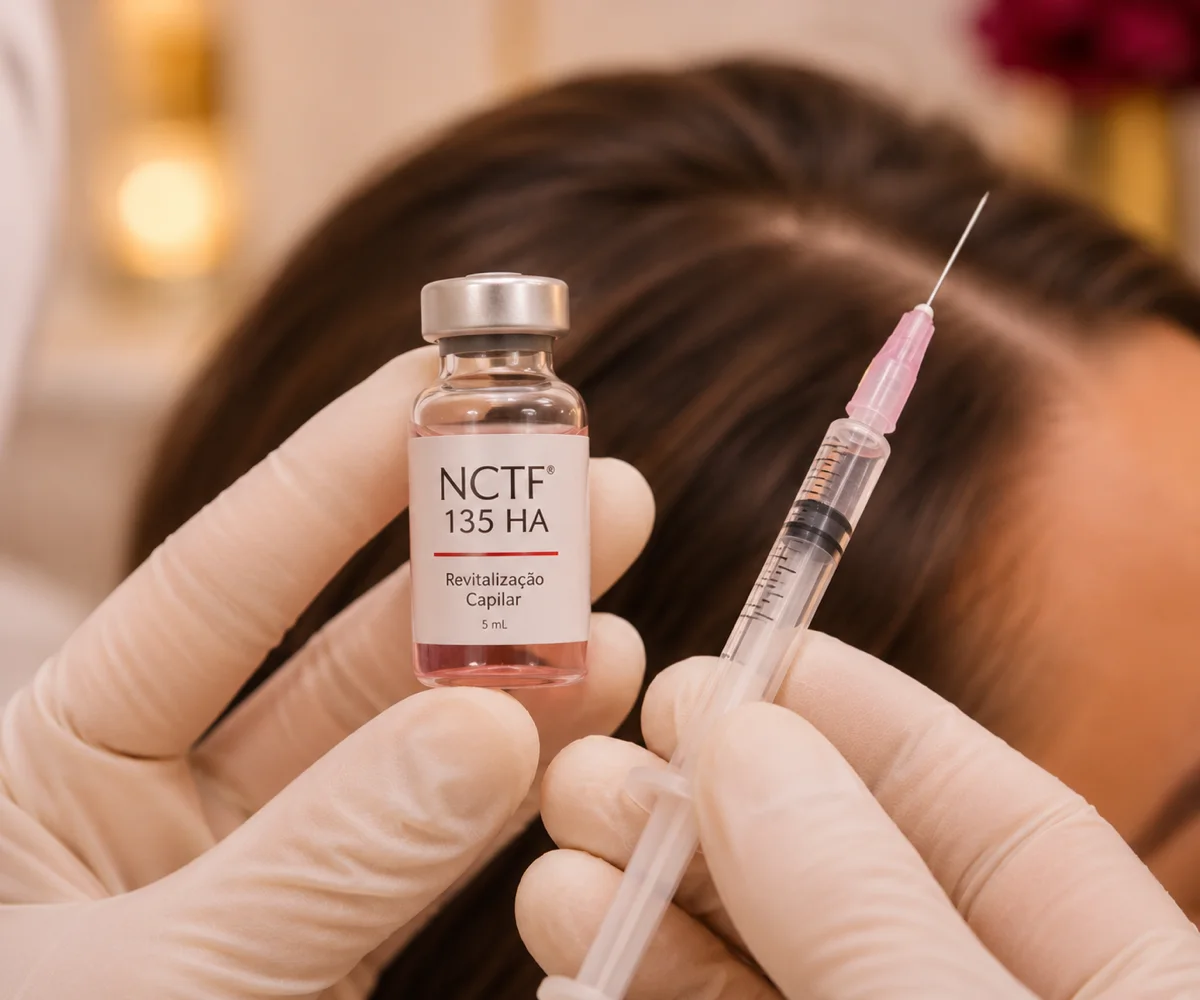
Ampoule of NCTF hair revitalisation and a syringe next to the scalp

Regeneration

Hair NCTF

Vitamins, amino acids, minerals and hyaluronic acid, to nourish the scalp and support the follicle environment.

Suitable when

the doctor considers that scalp nourishment may support the plan.

Find out more
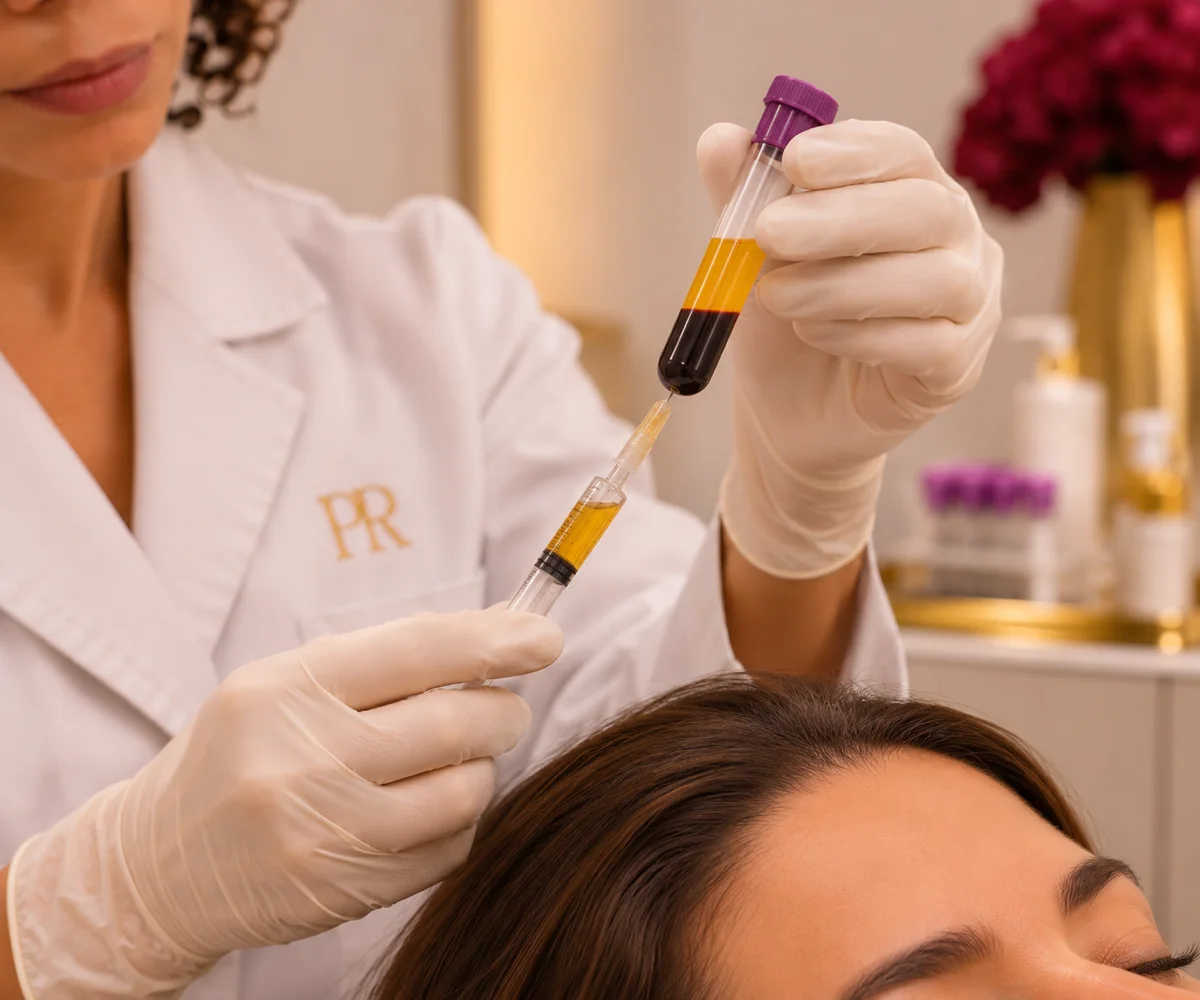
A doctor preparing platelet-rich plasma in a syringe, next to a tube of centrifuged blood

Regeneration

Hair PRP

Platelet-rich plasma, obtained from your own blood, to stimulate the follicle. The doctor first assesses whether it is appropriate.

Suitable when

the doctor considers that stimulating the follicle may support the plan.

Find out more
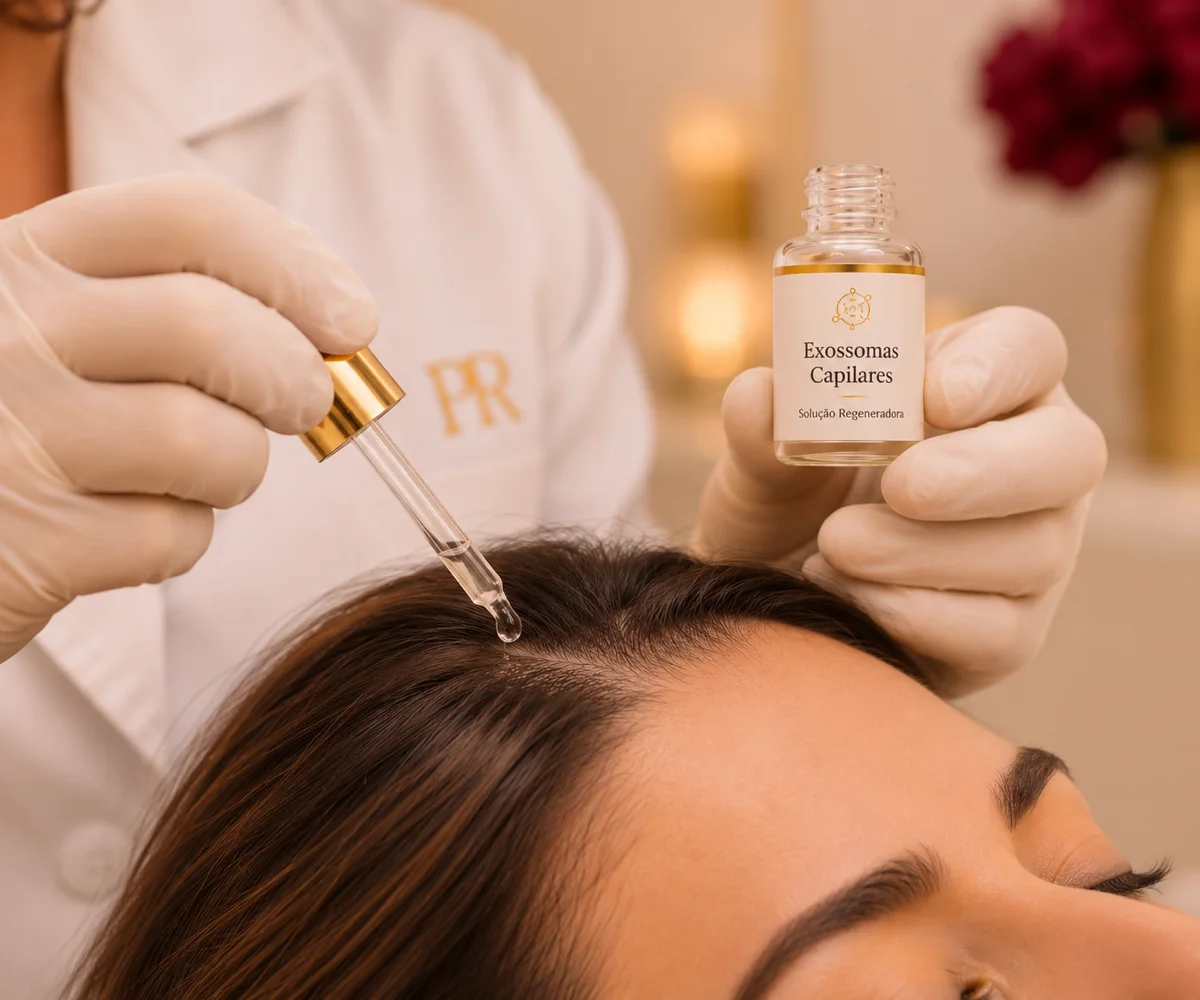
Vial of hair exosomes and a dropper over the scalp

Advanced regeneration

Hair exosomes

A regenerating solution to support the scalp and the follicle environment.

Suitable when

the doctor considers it useful to reinforce the plan with a regenerating active ingredient.

Find out more

What about oral therapy and other medical options? The doctor explains the options and chooses them after the assessment and, if useful, blood tests. When the case warrants it, the doctor may also refer you to dermatology. Results vary from person to person.

What the journey looks like

From the first consultation to follow-up

No treatment starts without an assessment consultation with the doctor. This is how it works.

  1. 01At the clinic

    Assessment consultation

    The doctor asks when the patch appeared, whether it is growing or whether there are new ones, whether there are immune conditions in the family, and examines the scalp and the skin in the patch.

  2. 02At the clinic

    Confirm and rule out

    If useful, the doctor requests blood tests and looks for other causes, such as ringworm (tinea) or traction. The doctor explains what to expect, without promising results.

  3. 03At the clinic and at home

    A plan tailored to you

    The doctor assesses whether any of the clinic's options can support the plan and, where appropriate, refers you to dermatology.

  4. 04Over time

    Follow-up

    We look at the hair again after some time and adjust the plan, because the course is unpredictable.

Day to day

What helps at home

Nothing causes alopecia areata and there is no way to prevent it on your own. But some habits help you live better with it, alongside the doctor's plan.

The golden rule

Assess calmly and look after yourself

The course is unpredictable and this can weigh on you. A medical assessment brings clarity, and talking about how you feel is also part of care.

Treat the scalp gently

The skin in the patch is normal and deserves care.

In practice: wash with a mild shampoo and use a soft brush.

Protect from the sun

Exposed skin burns easily.

In practice: use sunscreen, a hat or a scarf over the patches.

Ask for support

Losing hair affects self-esteem.

In practice: talk to someone you trust and tell the doctor how you feel.

Monitor the progression

It helps the doctor see where it is heading.

In practice: photograph the patch now and then, in the same light.

Dr Michelle Campagnoli, clinical director of Clínica Luxmed

Who will look after you

An assessment carried out by the doctor

At Luxmed, the first step is always an assessment consultation with Dra. Michelle Campagnoli. She examines the patches, rules out other causes and designs the plan with you.

  • Physical examination and medical historyAssessment of the scalp, the patches, the progression and the health history.
  • A plan tailored to youA plan suited to your case, clearly explained, with follow-up and referral when useful.
  • No obligationThe cost of any treatment is confirmed only after the assessment.
Book an assessment consultation

Book a consultation

Book your consultation

Choose how you prefer to get in touch. We will arrange the assessment consultation with Dr Michelle Campagnoli.

Booking through the website100€70€Assessment consultationExclusive price for those who book the assessment through the website. Outside the website, the price is 100 €.

New Life Miraflores, Algés · Office Center, R. Santa Teresa do Menino Jesus n.º 6, 9.º C, 1495-048

Your details are used only for this contact. Any treatment depends on a prior medical assessment.

Request an appointmentIt takes less than a minute.
Speciality
You do not need to go into detail. The doctor will talk to you during the consultation.
Request received. Our team will contact you as soon as possible.
Is alopecia areata contagious?

No. It is a condition of immune origin and it is not passed on through contact, sharing a brush or living together.

Why has a round patch appeared in my hair?

It may be alopecia areata, but it could also be ringworm (tinea), traction or other causes. Only a medical examination can tell which, so it is worth getting assessed.

Is there a cure for alopecia areata?

There is no cure that can be promised. The course is unpredictable: in many people the hair grows back, in others the patches return. The doctor explains what is realistic in your case.

Does the hair grow back on its own?

It can happen, even without treatment, especially when there are only a few patches. It cannot be guaranteed, so it is useful to be assessed and followed up.

Can it come back after growing back?

It can. Alopecia areata tends to come in phases and the hair may fall out again at another time. Follow-up helps you react early.

What treatments does the clinic use?

Depending on the case: NCTF hair treatment, hair PRP, hair exosomes and oral therapy or other options chosen by the doctor. None is decided before the consultation, and none guarantees a result.

Do the clinic's treatments cure alopecia areata?

We do not promise a cure. The doctor assesses whether any treatment can support the plan in your case and explains what to expect.

Do I always need to see a dermatologist?

Not always. After the assessment, the doctor decides whether follow-up at the clinic makes sense or whether you should be referred to dermatology.

Do I need blood tests?

Sometimes. The doctor may request blood tests, for example for the thyroid, when they find them useful for your case.

When should I book a consultation?

As soon as you notice a round patch or hair falling out in well-defined areas. Pain, sores or hair loss across the whole scalp should be seen without delay.

We could not find that question. Ask us on WhatsApp

CallAssistantAvailableBook