Acne scars on the face: what types are there?
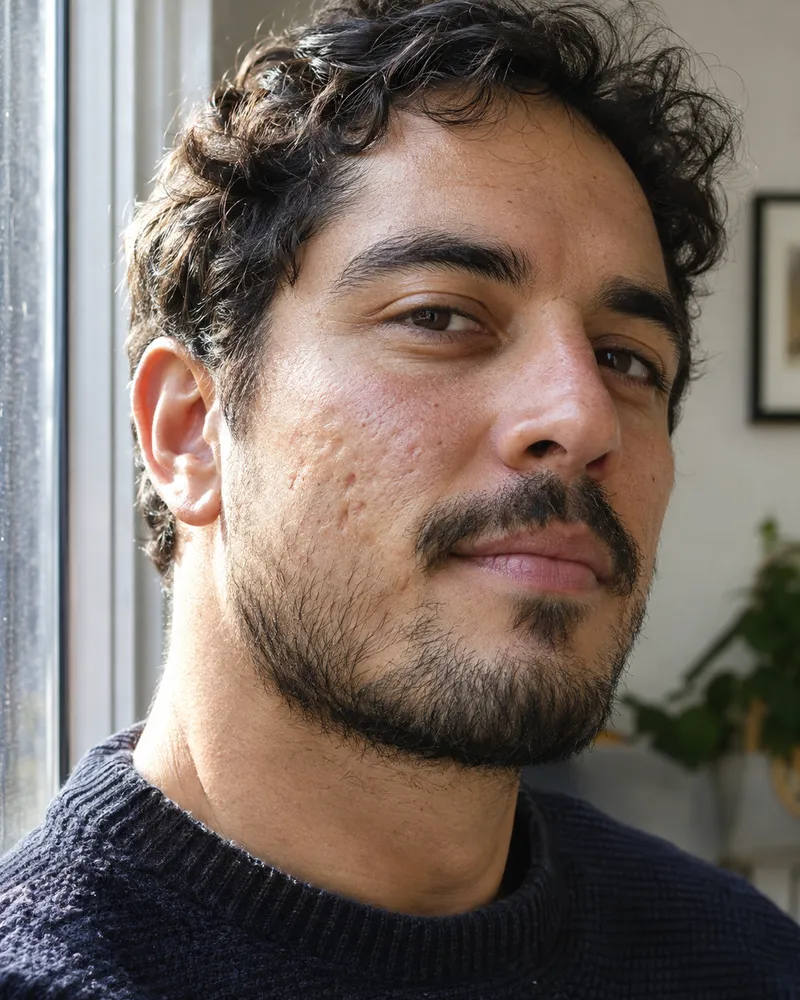
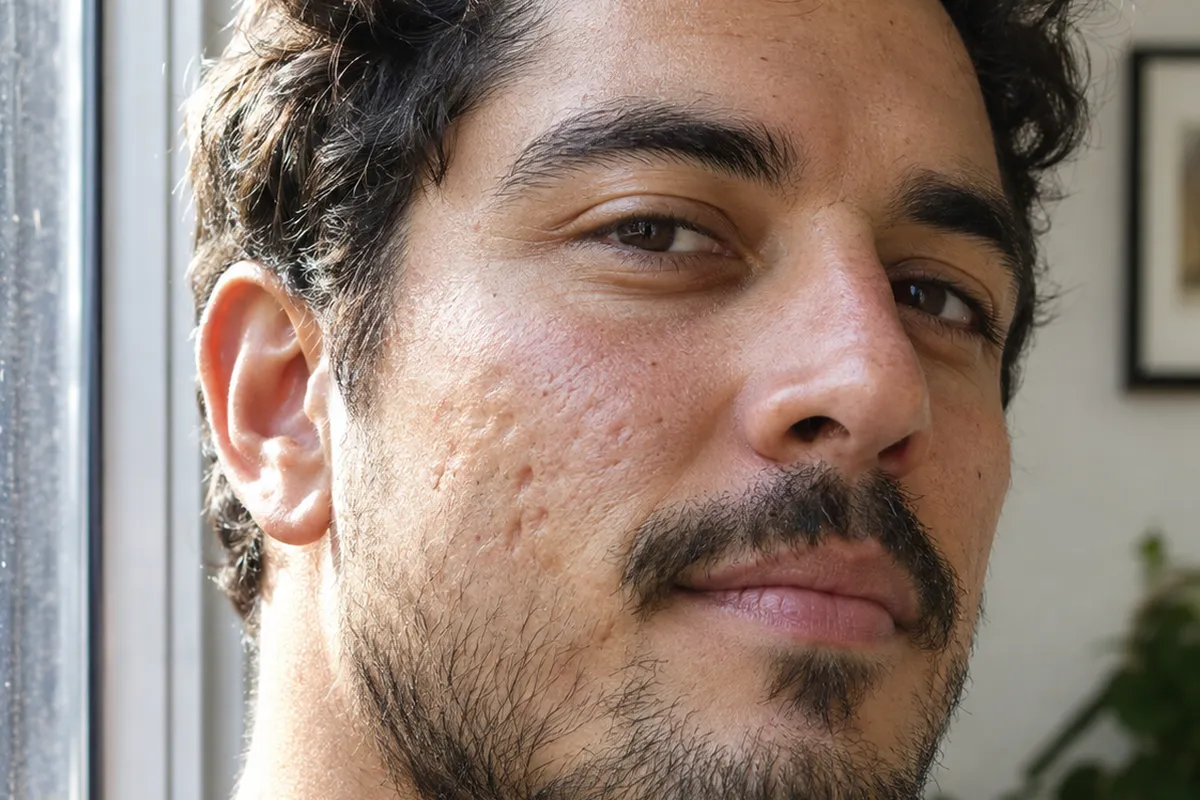
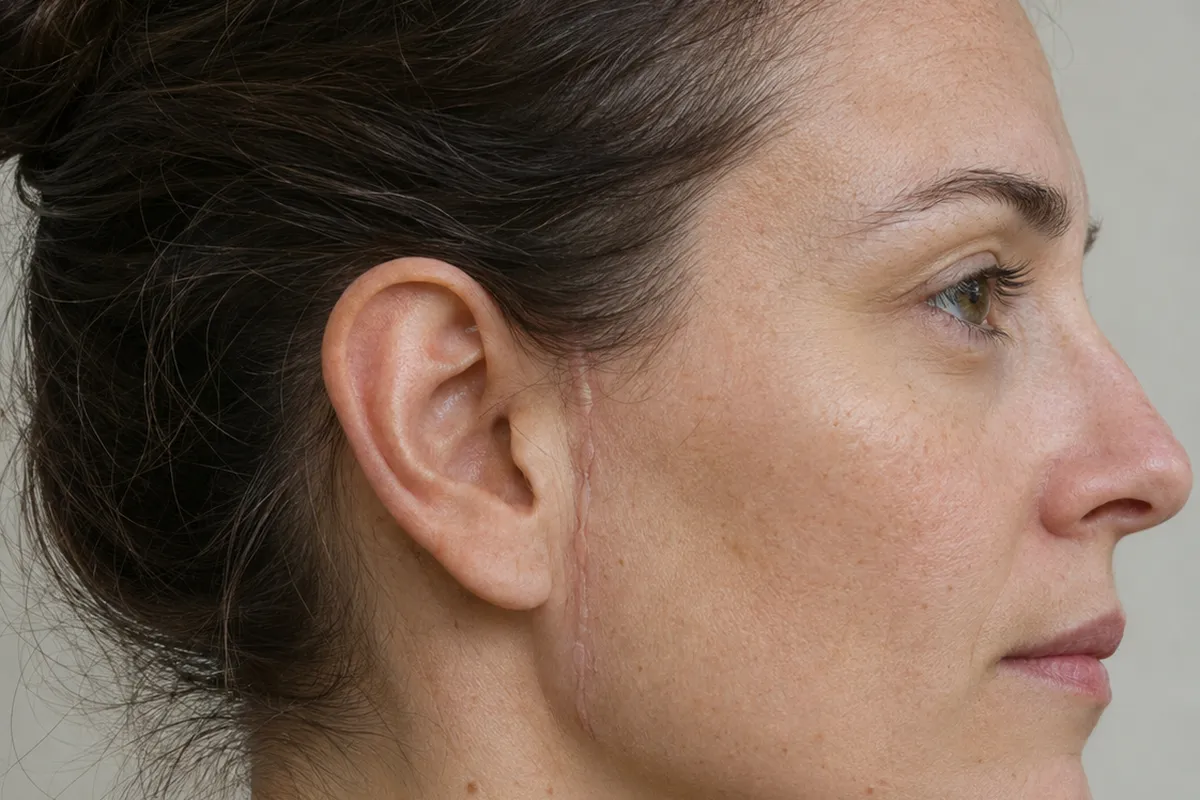
Acne scars are divided into atrophic, sunken, and raised. Atrophic scars are the most frequent on the face and have three forms: “ice-pick”, narrow and deep, “boxcar”, wider with sharp edges, and rolling, with gentle undulations. Raised scars are hypertrophic scars, which stay within the limits of the spot, and keloids, which extend beyond them. There is also a simple four-grade severity scale, which takes into account how many and what type of scars there are and whether they can be disguised at conversational distance. Working out the type is the first step, because each responds differently to treatments.
Acne mark or scar: how do I tell them apart?
A colour mark, brown, pink or purplish, is flat, casts no shadow in side light and fades over months. It is called post-inflammatory hyperpigmentation when it is brown. A scar changes the relief, sunken or raised, casts a shadow in side light and can be felt by touch. A rolling scar fades when the skin is stretched, a “boxcar” or “ice-pick” one does not. Because the treatment is different, it is best to know which type it is before buying products or choosing a procedure.
Why do acne scars form, and who gets them?
Because the inflammation was deep or prolonged and the skin was unable to replace the collagen that was lost. In a North American study of 1972 patients who consulted a dermatologist, 43% had scars, and the risk increased with the severity of the acne, with the delay until the first effective treatment, with acne that returns and in males. Two thirds of patients with scars had mild or moderate acne at the time, so nobody is exempt. Squeezing spots also increases the risk.
Do acne scars go away on their own? And is it different on the back and chest?
Colour marks usually fade over months. Raised scars rarely disappear completely without treatment, according to the American Academy of Dermatology, and a depression does not recover its volume on its own. On the back and chest the skin is thicker and keloids are more frequent, so the options and care are different: those marks have their own page.
What is the best treatment for acne scars?
It depends on the type, the depth, the skin colour and the person, and there is no single best. A Cochrane review of 24 trials with 789 adults, which focused on atrophic scars of the face, concluded that the quality of the evidence is low and that the results do not support any technique as first-line, although filler injections had, in one study, better results than placebo. In practice, the choice is made according to the type of scar and two or more techniques are often combined. The clinic’s catalogue associates fractional CO2 laser, the LuxFusion deep peel and collagen biostimulators with this topic. No treatment erases scars completely.
Does fractional CO2 laser treat acne scars?
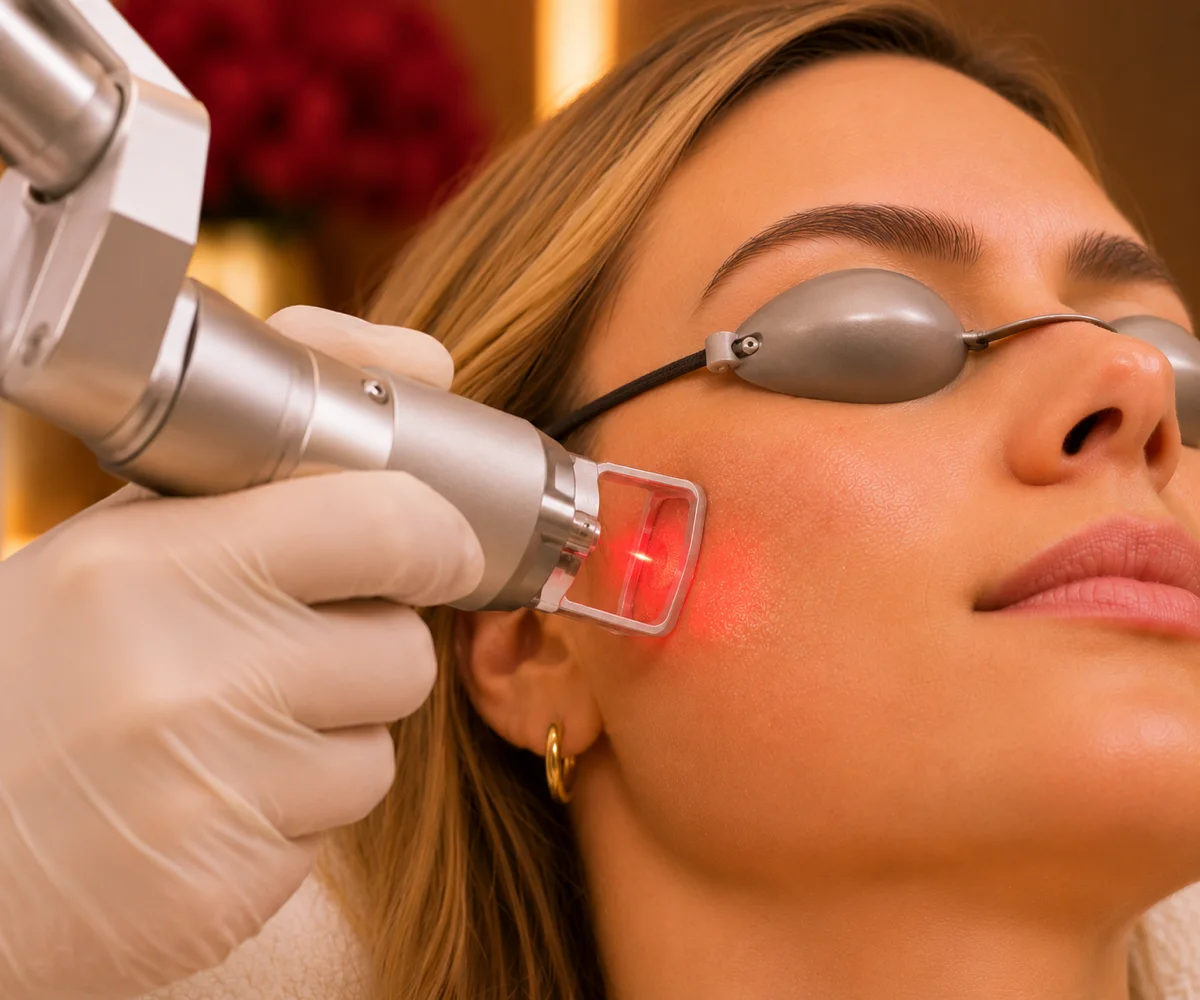
It can soften the texture and depth of atrophic scars. In a 2026 meta-analysis of five small studies, with 130 participants, fractional CO2 had a higher probability of an improvement greater than 50% than erbium lasers, but with more pain and about 3.7 more days of recovery, and with no clear difference in darkening of the skin. Cochrane, for its part, did not find enough evidence in favour of a fractional laser as first-line. The risk of darkening and of a raised scar is greater in darker skin, and infection, including reactivation of cold sores, must be prevented. The doctor assesses your case and explains the risks.
Does the deep peel help with acne scars? What are the risks?
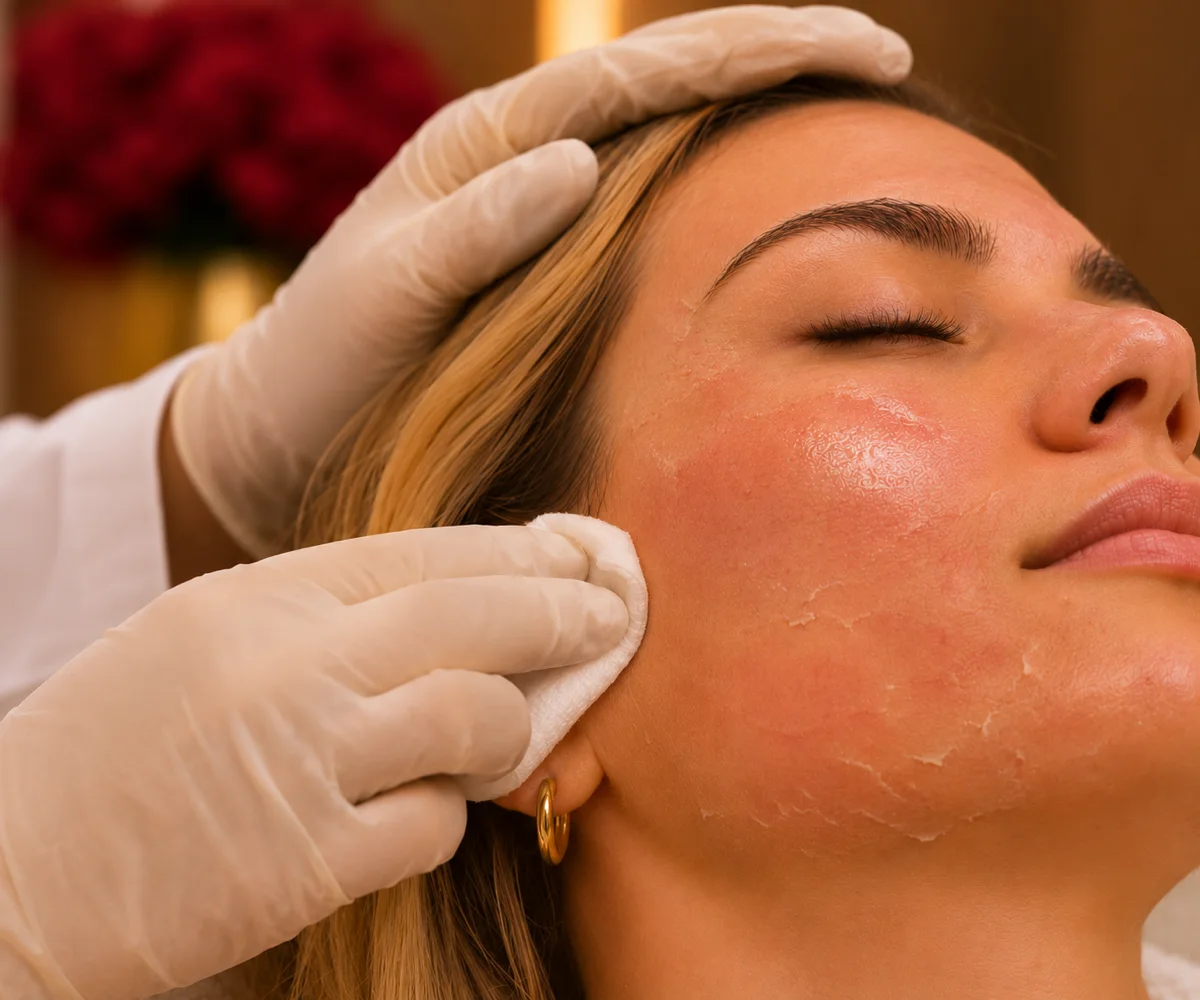
It can renew the skin intensely and soften superficial to moderate scars. A systematic review of non-energy-based treatments, which included 12 studies of peels, describes improvements, for example with trichloroacetic acid applied to each scar (the CROSS technique), which is not the same as a deep peel of the whole face, and concludes that larger studies are needed. In a 2026 meta-analysis, microneedling and chemical peels had broadly similar benefits. Risks increase with depth: permanent change in skin colour, scarring, infection, reactivation of cold sores and a long recovery, especially in dark skin. Consensus recommendations on isotretinoin only cover superficial peels, so for deeper ones the timing is decided with the doctor case by case.
Do collagen biostimulators and fillers help with acne scars?
They can help with depressed scars, especially wider, rolling ones, by restoring volume and stimulating collagen gradually. A 2025 review of 26 studies with 1121 participants concluded that most were of low quality and that there was little good evidence for comparing products, and a 2026 review concluded that fillers showed improvement, lasting from months to more than two years depending on the product, with redness, swelling and bruising frequent and nodules uncommon. There are risks that call for experience, and only a doctor should inject. Severe pain, pallor or purplish patches on the skin, a change in vision, a severe headache or weakness on one side of the face after an injection are an emergency: call 112 and contact the clinic that injected you.
How many sessions are needed? Are the results permanent?
There is no fixed number, and there are no guaranteed or permanent results. It depends on the type and depth of the scars and on the technique, and different techniques are often combined, in sessions spaced weeks or months apart, because the skin needs time to recover and produce collagen. Studies show partial improvements, measured in very different ways, and no treatment resolves scars completely. Improvement is gradual, over months, and maintenance and sun protection count. At the assessment the doctor sets out the plan and expectations, without promising results.
When should I see a dermatologist first? And what if I take isotretinoin or am pregnant?
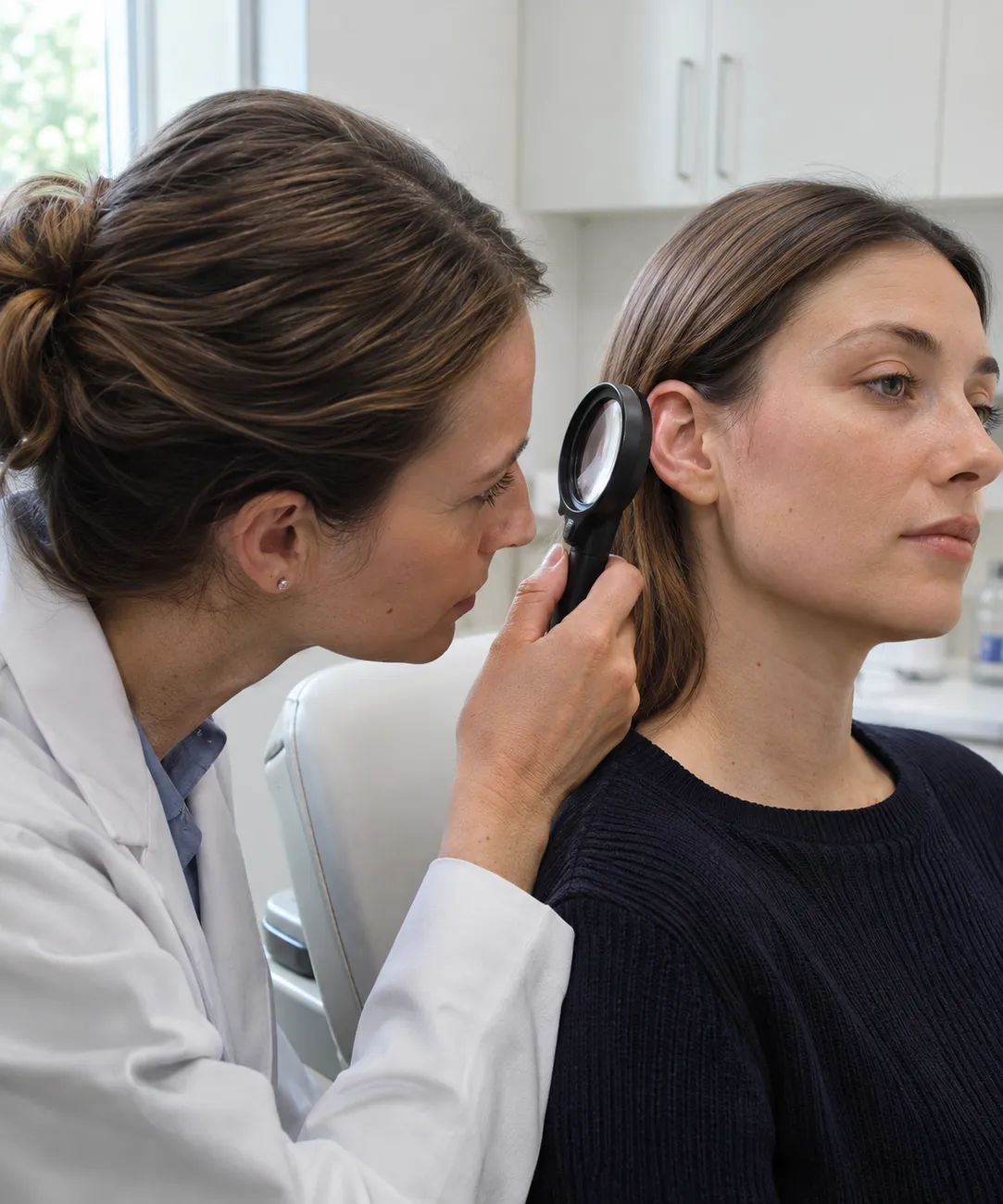
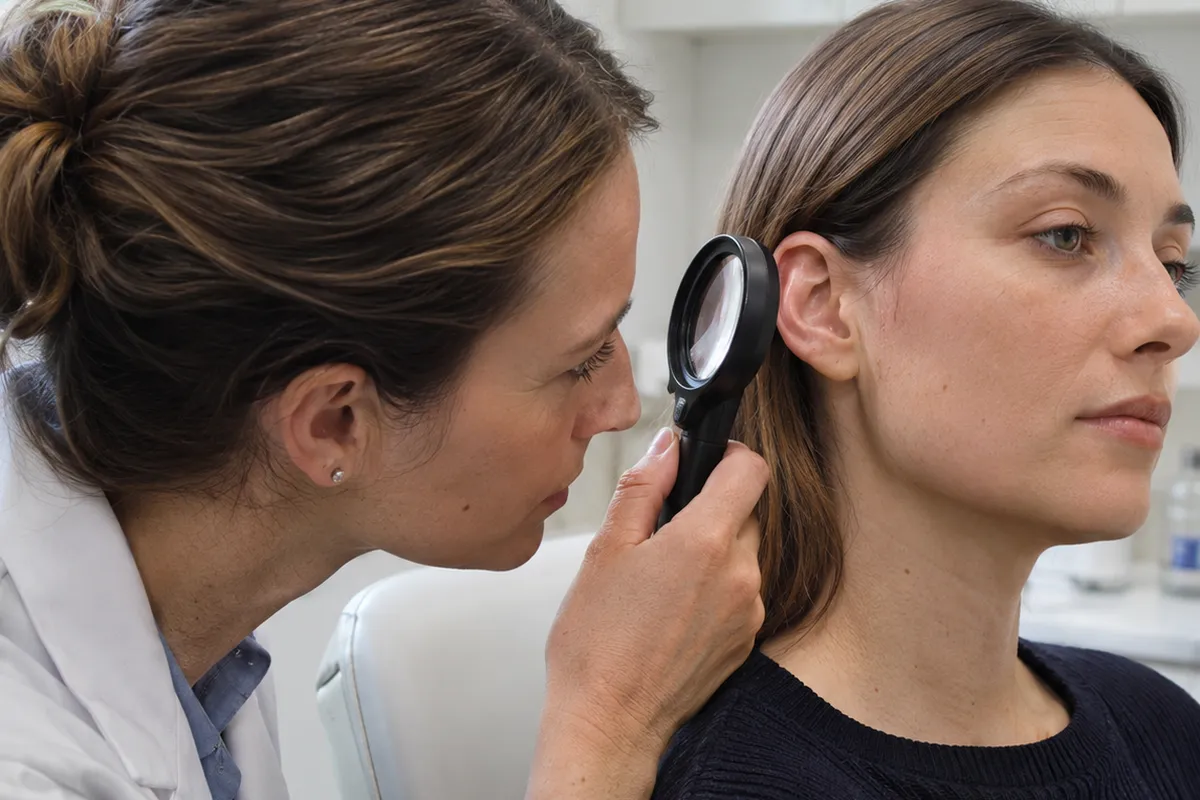
See a dermatologist if you have moderate or severe acne, with nodules or cysts that hurt or leave marks, if the acne keeps coming back, if there are raised bumps that grow, hurt or itch, or if a mark does not heal, bleeds or changes. Isotretinoin is a medicine that causes malformations in the foetus and is only used with a pregnancy prevention programme; speak to the doctor who prescribes it about the timing of any procedure, because the recommendations say that fractional lasers and superficial peels do not have to be postponed, but advise against fully ablative laser and mechanical dermabrasion during treatment. In pregnancy, it is best to postpone procedures and speak to the obstetric team. After a laser, peel or injection, increasing pain, pus, fever or blisters call for immediate contact with the clinic or SNS 24 (808 24 24 24); for severe pain, pallor, a change in vision or facial weakness, 112.